inflearn logo

"The Era of AI Clicking": Breaking Through with Principles - Node.js and CS Part 2 - Stream Architecture and Hardware Controllers

We will delve deep into the 'Stream Architecture,' which controls massive 10GB datasets with just 50MB of memory, to grasp the essence of physical resource management. Based on this, you will design data pipelines that directly control the Operating System (OS) and the V8 engine, evolving into a top 1% high-end engineer that AI can never replace.

35 learners are taking this course

Level Basic

Course period Unlimited

JavaScript
JavaScript
Node.js
Node.js
Computer Architecture
backend
backend
frontend
frontend
JavaScript
JavaScript
Node.js
Node.js
Computer Architecture
backend
backend
frontend
frontend

What you will gain after the course

  • Large-capacity memory optimization capability: It perfectly prevents server crashes (OOM) by using only 50MB of RAM while handling massive files exceeding 20GB.

  • Embodying the true principles of video streaming: Understand and implement the low-level computer science principles that allow Netflix and YouTube to transmit high-definition data without interruption.

  • Applying terminal magic: When reading tens of GBs of data, we apply the principles of data transmission to the server—rendering data as fast and error-free as a terminal, without freezing like a text editor.

  • Traffic Tempo Control (Backpressure): Build a perfect server speed control architecture that pauses and restarts the flow in a downpour of data to match hardware processing speeds.

  • Perfect Data Fragmentation Recovery Algorithm: Mathematically calculates and perfectly reassembles fatal errors where sentences or characters are split in two due to mechanical capacity partitioning.

  • Real-time data processing pipeline: Beyond simply moving data, we assemble a transformation engine that compresses and encrypts data in real-time at the very moment of transit.

  • Zeroing out memory copy costs (CPU waste): Internalize V8 engine tuning techniques that minimize the waste of computer resources by eliminating unnecessary memory allocations.

  • Completely block fatal memory leaks: Complete an ironclad exception handling logic that prevents zombie processes by sequentially destroying open resources (files, sockets) even if an error occurs.

  • Building Your Own Custom Stream Engine: Go beyond using libraries made by others and design your own data engine from scratch, directly controlling operating system system calls.

  • Building the backbone of network communication: Master the principles of bidirectional (duplex) communication for reading and writing data to establish a solid foundation for the upcoming TCP/IP socket network programming.

  • AI Code Oversight and Architecture Control Capabilities: You will gain the insight to go beyond shallow, "just-working" code generated by AI, identifying the root causes of hardware bottlenecks and memory leaks, and refactoring at the architectural level.

  • The scarcity of low-level architects that AI cannot replace: By directly controlling the organic interaction between the OS kernel, V8 engine, and physical memory (RAM)—which AI models can never truly understand—you build a unique technical moat that prevents you from devolving into a mere prompt engineer.

  • Ultra-large-scale AI data pipeline design capability: Possess the ability to process ultra-large-scale data by stably handling, parsing, and transforming hundreds of gigabytes of video, logs, and AI model I/O traffic beyond just text, without causing server memory spikes.


🎓 Node.js and CS Part 2: Stream Architecture and Hardware Controllers—Breaking Through the "Era of AI Clicks" with Fundamentals

In an era where AI pours out code in a second with just a single line of prompt, have you ever blindly applied AI-generated code to a real-world task—such as "How do I process a 10GB video file on a server?"—only to watch the server explode in a blaze of glory under heavy traffic while spewing Out of Memory (OOM) errors?

Why is it that servers don't crash even when millions of people worldwide connect simultaneously to watch tens of gigabytes of high-definition video, like on Netflix or YouTube? How can massive, ever-accumulating server logs be read through a Linux terminal as smoothly as flowing water without any stuttering? Behind that marvelous magic lies the essence of computer science: 'Stream Architecture.'

This course is not for "surface-level developers" who simply memorize how to use Node.js built-in APIs or rely on guesswork when using open-source libraries created by others. We will break open the black box of the framework and transform into "high-end engine designers" who directly control and orchestrate the physical speed differences between the Operating System (OS), CPU, RAM (the workbench), and the hard disk (the warehouse).

A journey to evolve into an irreplaceable architect who perfectly masters the organic interaction between hardware and software that AI can never understand, safely protecting the system with only 50MB of memory even amidst a massive downpour of data. We now vigorously open the valve to break through those limits. 🚀


🧱 The Core Philosophy of the Course Structure

📌 Do not pour the water of a massive dam into your front yard all at once.

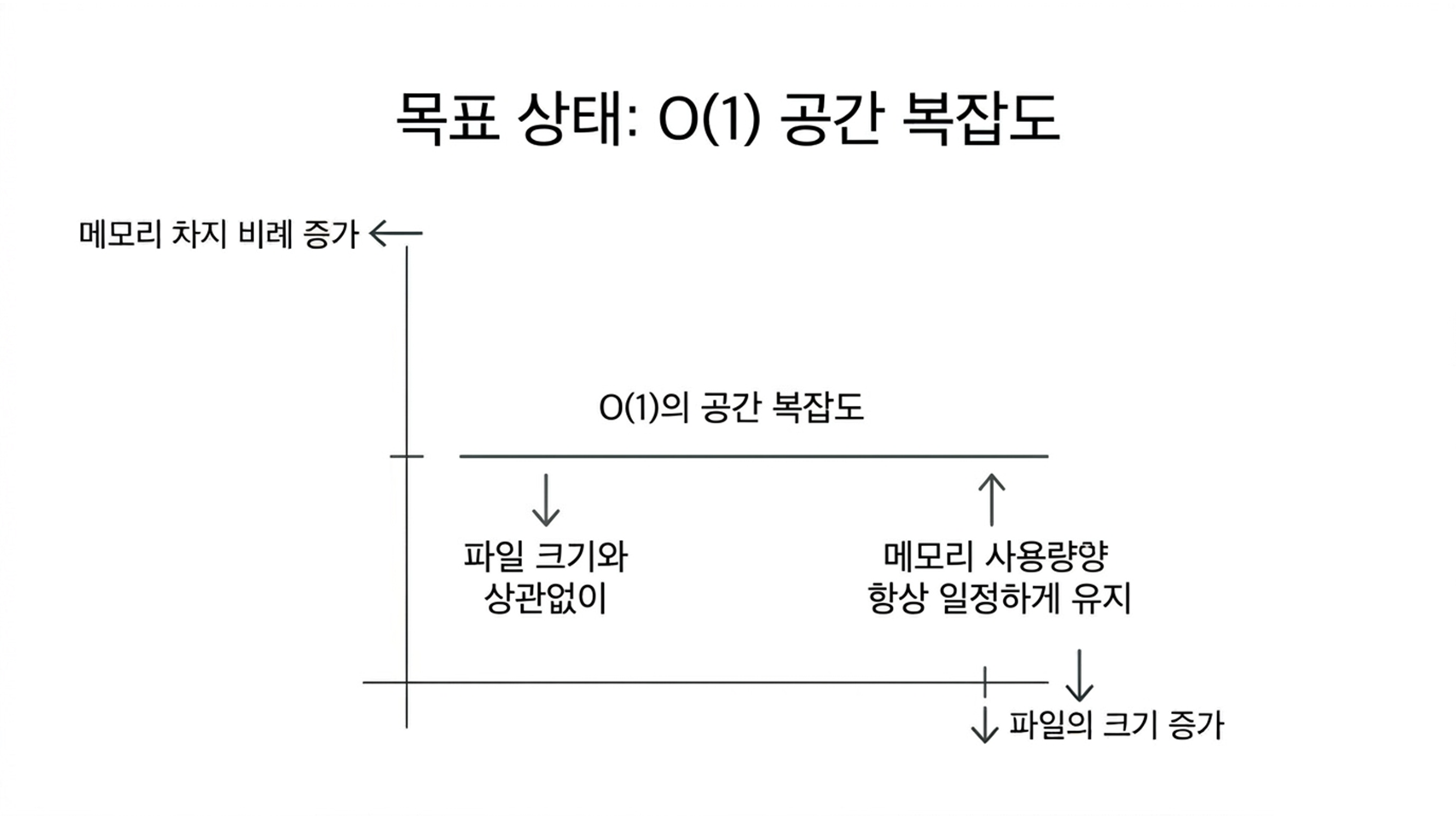
→ Loading an entire file into memory is a time bomb that only works in local testing. We will discard the O(n) anti-pattern, where server memory explodes in proportion to data size, and instead implant a streaming philosophy of O(1) space complexity into the system, maintaining constant RAM usage through narrow yet sturdy pipes.

📌 Conduct the tempo of data according to the hardware's breathing.”

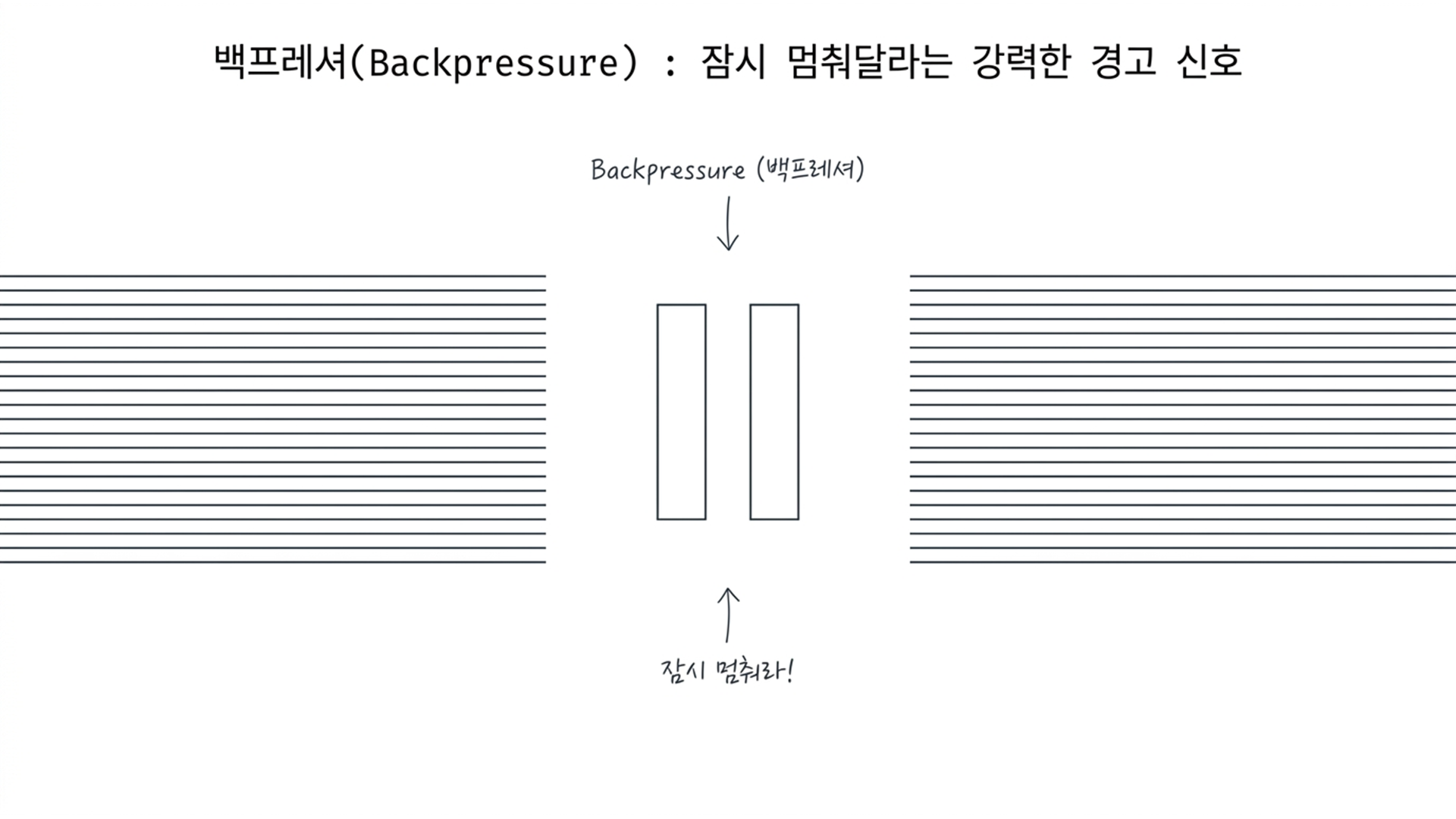
→ Even if a lightning-fast CPU pours out data, the server will become paralyzed if heavy hard disks and networks cannot handle it. Through 'Backpressure'—a perfect tempo control technology that stops the pump when the destination's buffer is full in a downpour of data and restarts it when the water drains—we heal hardware limitations with software.

📌 Prove integrity through mathematical restoration of the fragmentation caused by mechanical cutting.

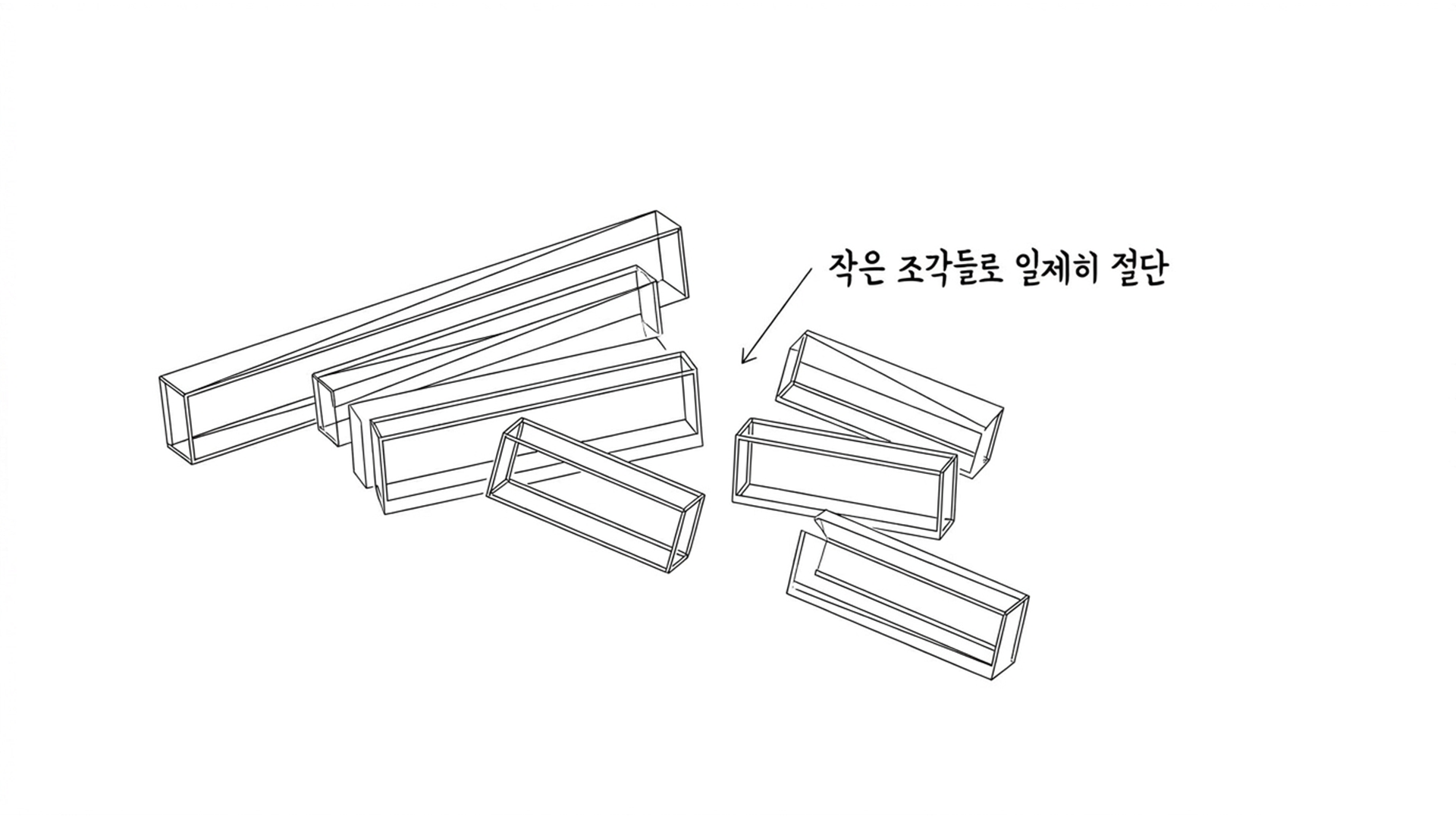
→ Mechanical slicing based on physical capacity units inevitably leads to logical damage where words or sentences are cut in half. We do not avoid this fatal fragmentation dilemma; instead, we perfectly defend data integrity by suturing the severed tails and heads using temporary storage and sophisticated mathematical verification algorithms.

📌 Network, server, security. At the base of all computer engineering technology, there is a flowing 'stream.'

→ From the fast and stable network communication we use every day, to the ironclad security encryption that protects data from hackers, and the robust server construction that withstands massive traffic, the absolute foundation of "streams and data flow" lies at the very bottom of all technologies supporting the modern IT ecosystem. We seize control of the framework of all these technologies by designing pipeline engines that encompass both unidirectional and bidirectional flows from the ground up.

📌 Burn the CPU's brain cells to the limit while waiting for physical I/O.

→ Beyond simply moving data, you will learn to compress capacity to the extreme or encrypt it so that no one can decrypt it in real-time at the very moment data flows through the pipe. You will perfectly fuse hardware input/output (I/O Bound) bottlenecks and central processing unit computation (CPU Bound) limits within a single pipeline, and build a central control architecture that chain-destroys resources in the event of an error to fundamentally block memory leaks.


🚀 What you will gain from this course (Overwhelming practical skills and competitiveness in the AI era)

It is not simply about 'understanding the concept.' After taking this course, you will clearly acquire the following super-gap capabilities and survival weapons for the AI era.

[👑 3 Unrivaled Competitive Advantages You Can Gain in the AI Era]

  1. AI Code Oversight and Architecture Control Capabilities: Beyond the shallow, 'just-working' code generated by AI, you will gain the insight to pinpoint the root causes of hardware bottlenecks and memory leaks, and refactor them at the architectural level.

  2. The Scarcity of Low-Level Architects Irreplaceable by AI: By directly controlling the organic interaction between the OS kernel, V8 engine, and physical memory (RAM)—which AI models can never truly understand—you will build a unique technical moat that prevents you from being reduced to a mere prompt engineer.

  3. Ultra-Large-Scale AI Data Pipeline Design Capability: Acquire the capability to process ultra-large-scale data—reliably handling, analyzing, and transforming hundreds of gigabytes of video, logs, and AI model I/O traffic without server memory exhaustion, going far beyond simple text.


1️⃣ Limit-Breaking O(1) Memory Optimization: Build an extreme space complexity pipeline that keeps RAM usage fixed at just 50MB, even when handling massive files spanning tens of gigabytes.

2️⃣ Perfect Backpressure Control: Implements a perfect tempo-regulating architecture that automatically pauses and restarts the data pump in line with hardware speed limits amidst a torrential downpour of data.

3️⃣ Fragmentation Restoration Algorithm: Re-stitches text split in two by mechanical capacity limits into perfect sentences through temporary storage and sophisticated mathematical verification logic.

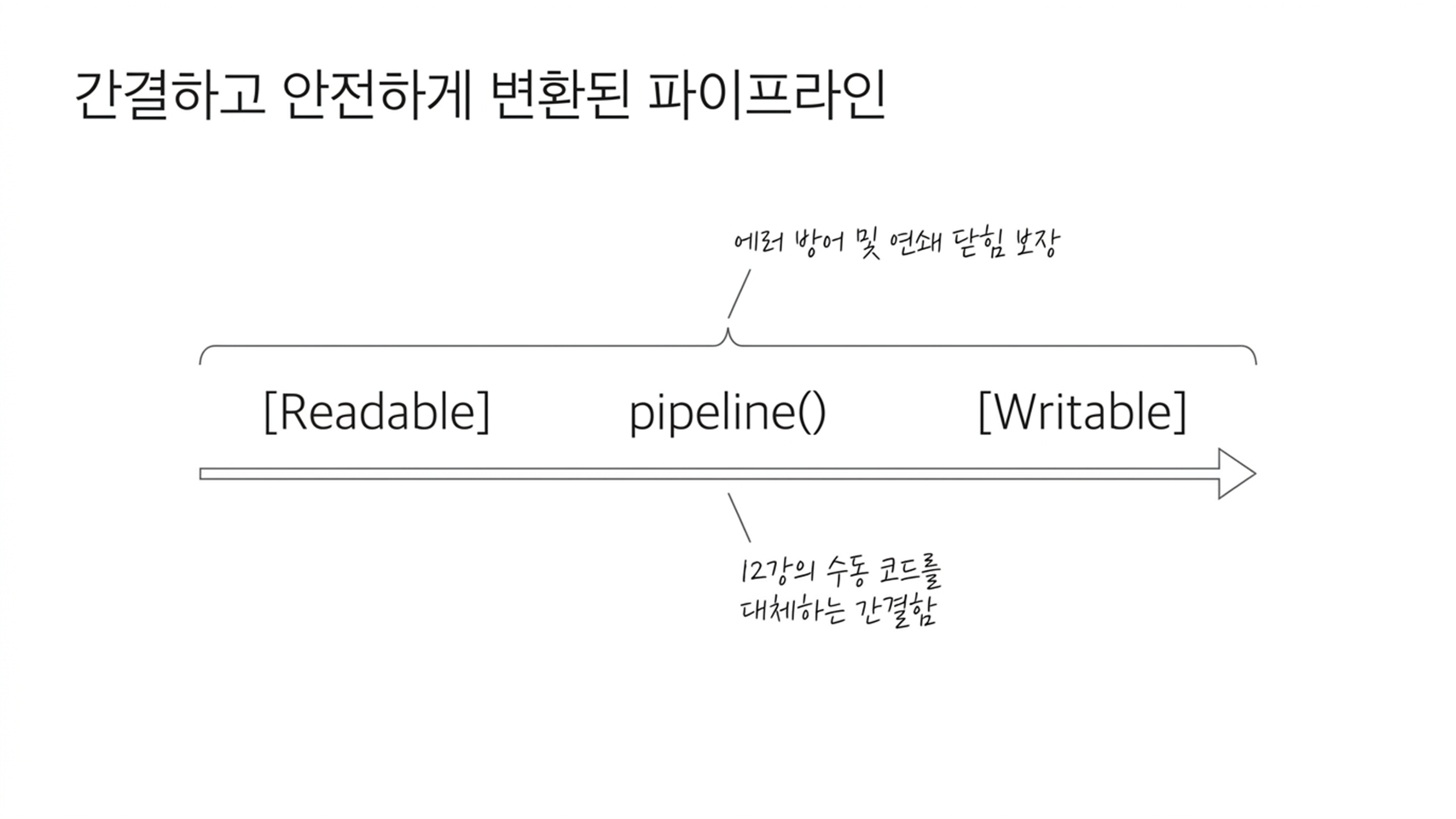
5️⃣ Central Control Pipeline (pipeline) Master: Establishes an industry standard that fundamentally prevents zombie processes and memory leaks by triggering a chain reaction to release resources if an error occurs during piping.

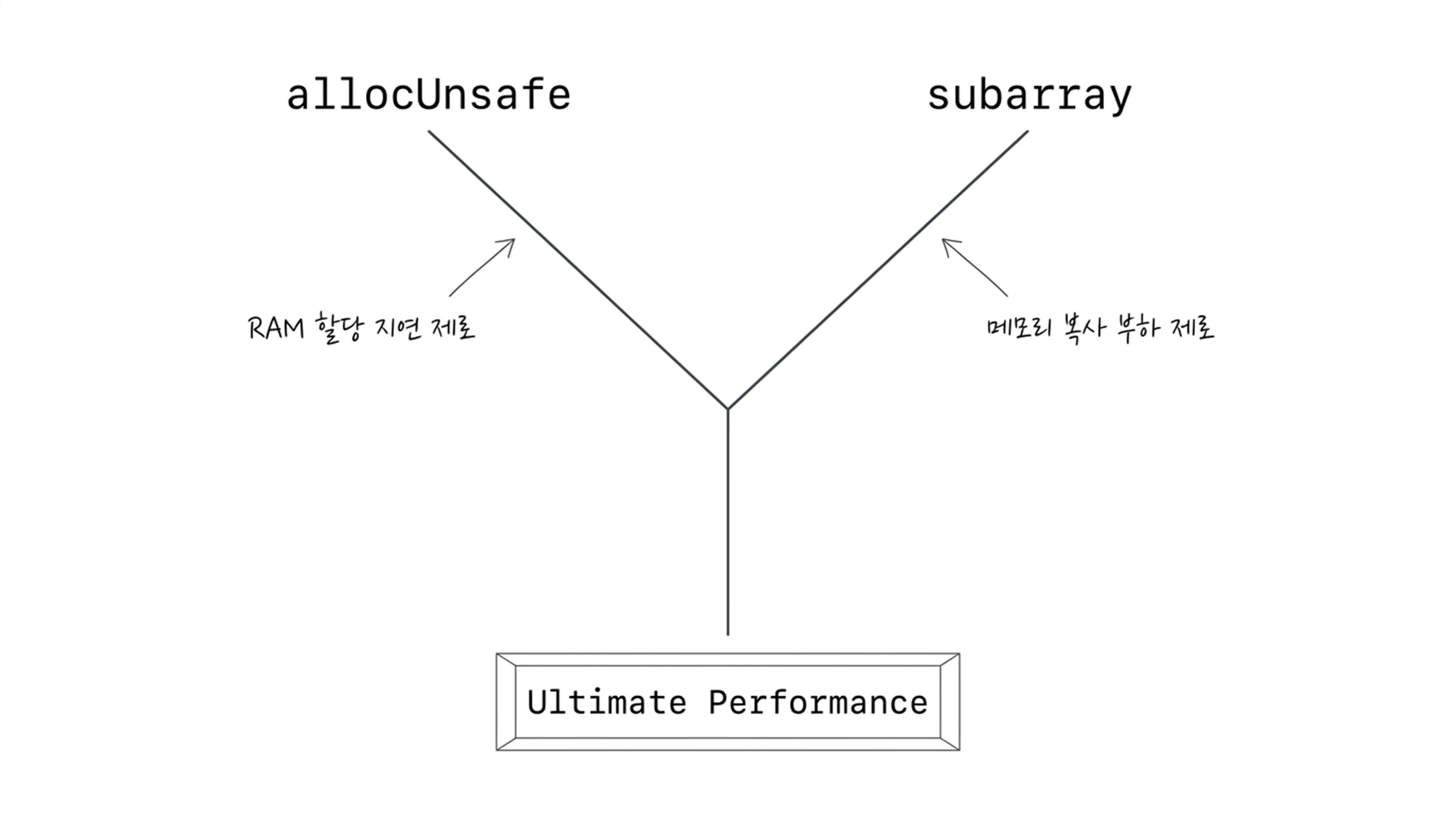
4️⃣ Zero-Copy Hardware Tuning: Utilize Buffer.allocUnsafe and subarray to eliminate heavy memory copying costs and extremely block CPU resource waste.

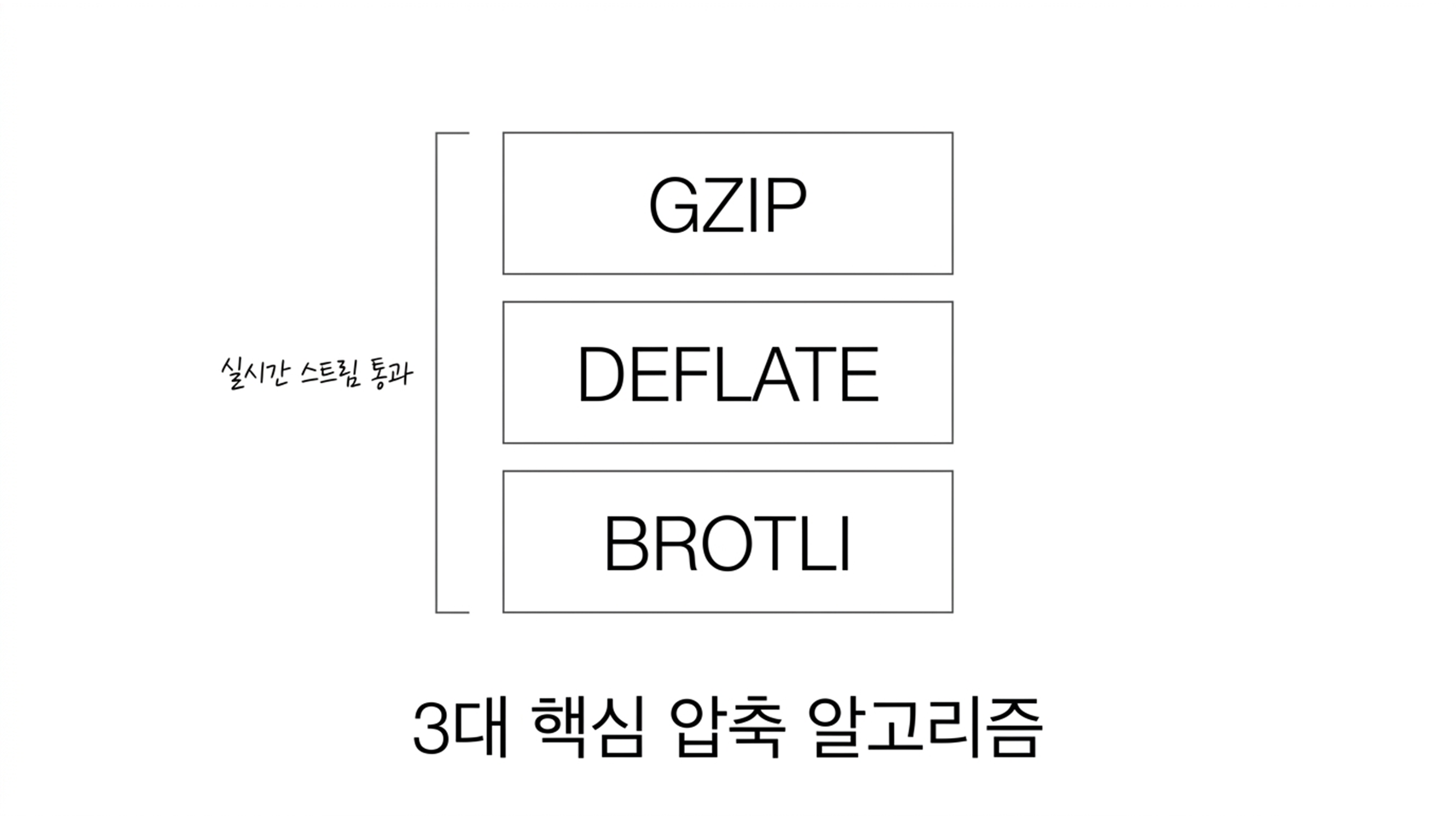
6️⃣ High-Capacity Real-Time Compression Benchmark: Chain Zlib module's Gzip, Deflate, and Brotli algorithms to compress 1GB of data in real-time, proving the trade-offs between CPU and I/O bounds through data.


7️⃣ Custom I/O Engine Design: Breaking the framework's black box and assembling your own stream from scratch, directly controlling OS system calls (open, read, write, close).

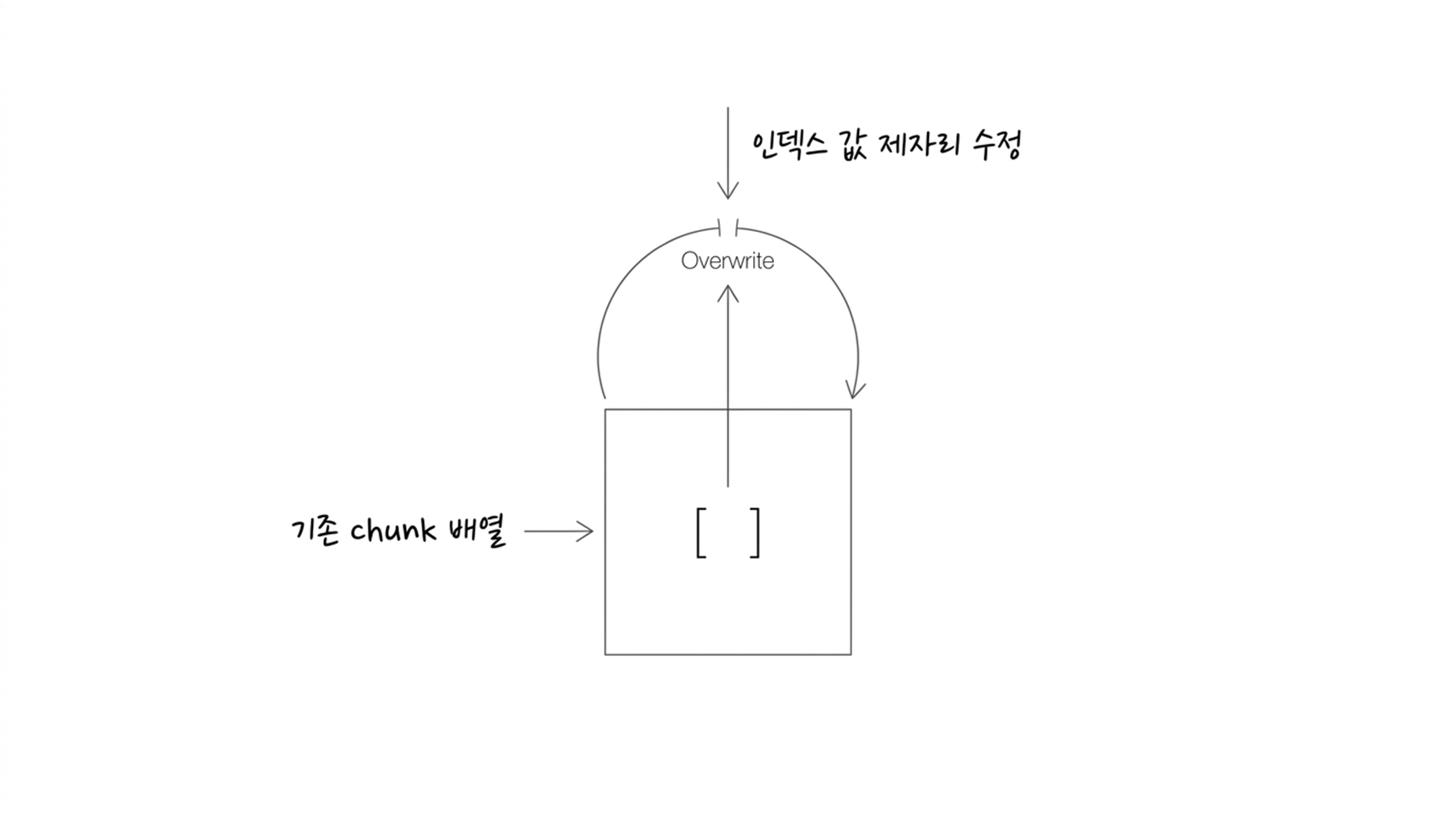
8️⃣ In-place Encryption Transformation: Create a real-time transformation engine that eliminates Garbage Collector (GC) overhead by directly overwriting existing array indices without new memory allocation.

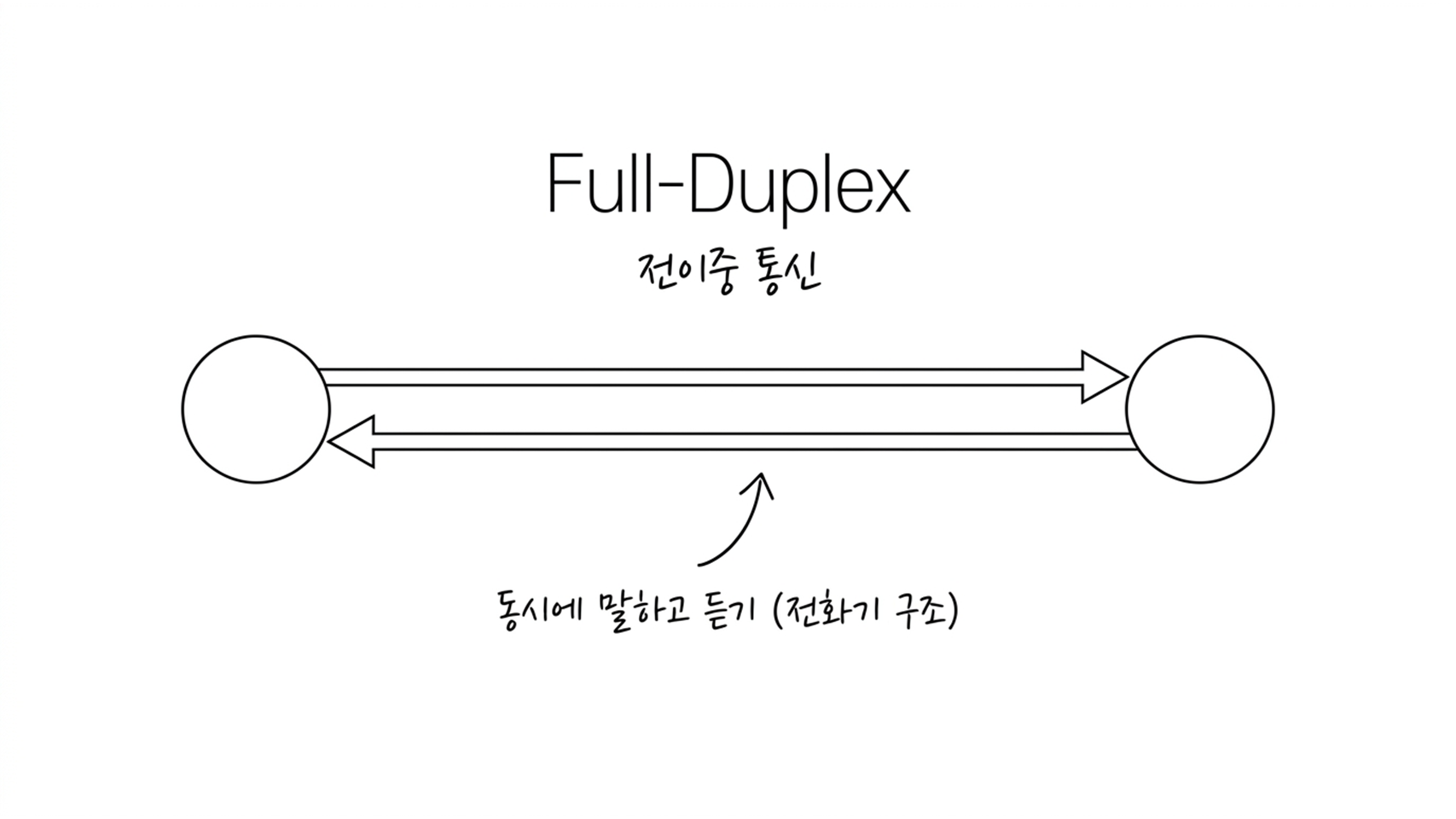
9️⃣ Mastery of Full-Duplex Bi-directional Communication: Completes the backbone of network TCP socket communication by fusing two independent hearts (buffers) within a single object that do not interfere with each other.


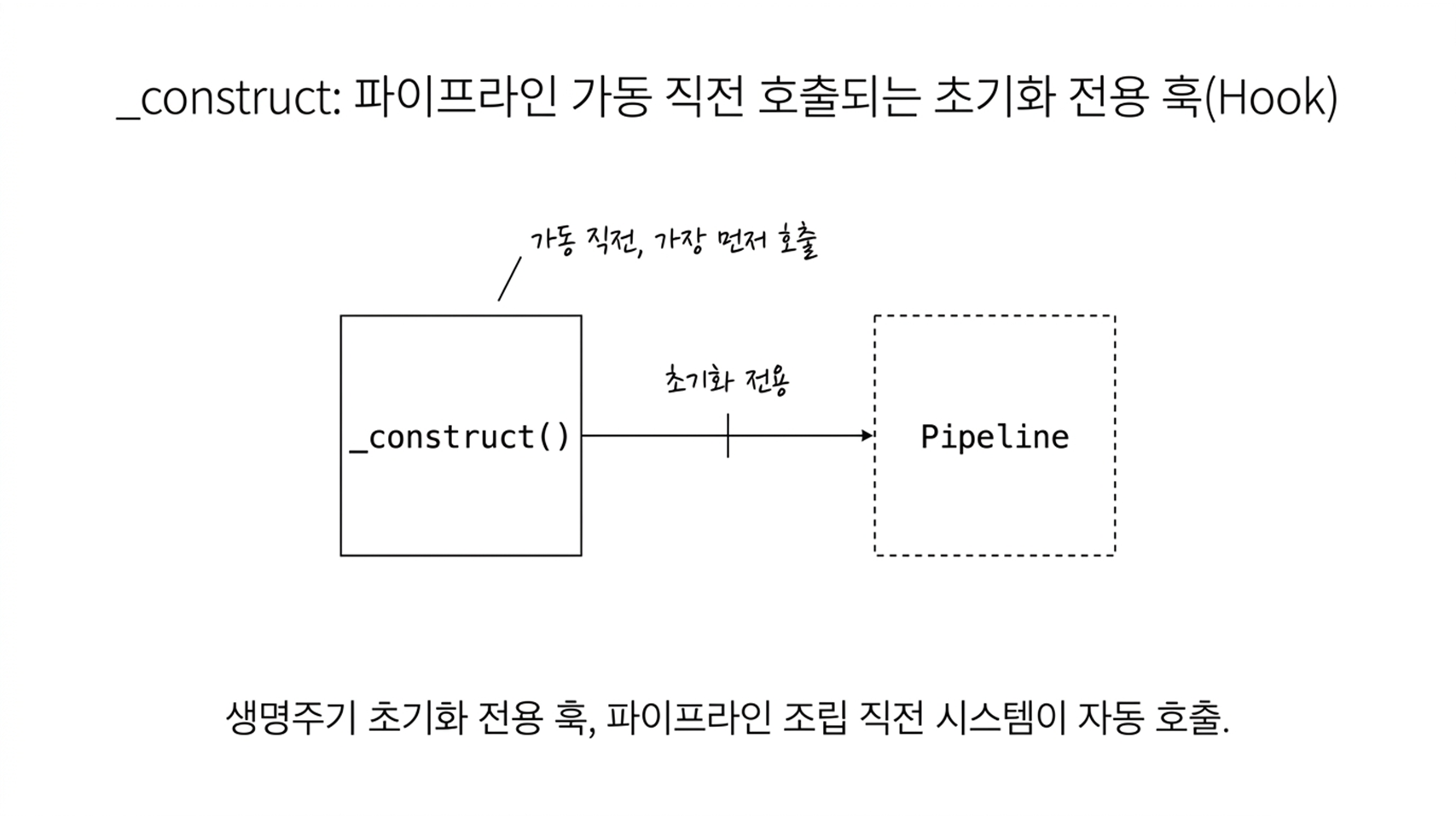
🔟 OS Resource Exhaustion (EMFILE) Integrity Defense: Master the lifecycle of stream objects (_construct, _destroy) to build an ironclad exception handling circuit that safely returns file descriptors (FD) even in the face of fatal errors.

Those who want to engineeringly dig into the root causes of OOM (Out of Memory) errors that occur during large-scale data processing

Those who want to minimize V8 engine memory copying costs (Zero-Copy) to the extreme using allocUnsafe and subarray


Those who want to break open the black box of frameworks and directly design their own custom stream engine that controls OS system calls

Those who want to master 'Backpressure' control tailored to hardware processing speeds, rather than blindly pouring in data

Those who want to build a robust central control pipeline that fundamentally prevents memory leaks and resource exhaustion (EMFILE) when errors occur


Those who want to build the backbone of TCP bidirectional network communication using Duplex streams that fuse read and write buffers

Those who want to perfectly restore data fragmentation and character encoding issues caused by chunk splitting using mathematical algorithms


Those who want to experience the perfect trade-off between CPU computation and physical I/O while compressing and encrypting 1GB of data in real-time


Developers who want to go beyond shallow AI-generated code and leap forward as "high-end engine designers" who control the OS and hardware

👥 Recommended for the following people

  • Curious individuals who are interested in Netflix's video transmission principles or the low-level architecture of large-scale data processing systems

  • Those who don't know why the server crashed with CPU hitting 100% after compressing data to reduce traffic

  • Job seekers who want to provide overwhelming answers regarding 'large-scale traffic processing and memory architecture' in in-depth interviews at Big Tech companies

  • Those who want to break away from being a 'shell coder' who only learns how to use frameworks and libraries, and leap forward to become a 'high-end engineer' who masters Computer Science (CS)

  • Every programmer who wants to shatter the fear of "Will my job disappear in an era where AI does all the coding?" and gain an unrivaled weapon in the realms of hardware and OS control that AI can never reach

  • Developers who have experienced a cold sweat after deploying AI-generated code directly to a production server only to have the server memory crash

  • Junior developers who blindly trust server code written by AI (ChatGPT, Copilot) and deploy it directly to production, only to experience the server crashing under heavy traffic, feeling the limitations of AI firsthand and thirsting for fundamental knowledge

  • A junior backend developer who is always anxious that the server might crash whenever users upload large images or videos

  • Data/AI backend engineers who need to go beyond simple CRUD API development and handle real-time streaming of massive AI model input/output data without memory exhaustion

  • Those who suffer from severe lag every time they process infinitely accumulating server logs or large-scale Excel/CSV data

  • Those who are at a loss for words when asked, "I know about the event loop, but how do I actually use it to optimize server performance?"

  • Those who use stream syntax like pipe(), on('data'), and end but code based on 'intuition' without knowing the internal principles

  • Those who have stayed up for several nights because they couldn't find the cause of a 'Memory Leak,' where RAM usage gradually fills up when the server is left open


[🛠 10 High-End Software Engineering Practices for Real-World Application]

1. Extreme Memory Optimization Design: Complete an O(1) space complexity pipeline that maintains only 50MB of RAM while handling massive files exceeding 20GB.

2. Perfect Backpressure Control: Implements a perfect tempo-regulating architecture that pauses (pause) the pump according to the hardware's processing speed amidst a torrential downpour of data and restarts (resume) it once the water has drained.

3. Data Fragmentation Restoration Algorithm: It perfectly reassembles sentences split by mechanical partitioning using a temporary storage (leftover) and mathematical verification logic.

4. V8 Engine Tuning (Zero-Copy Technique): Master the technique of completely eliminating unnecessary memory initialization and copying costs by utilizing Buffer.allocUnsafe and subarray, thereby minimizing CPU resource waste to the extreme.

5. Mastering Stream Automation Utilities (pipeline): Identify the weaknesses of simple pipe() chaining and build an industry-standard pipeline that fundamentally prevents memory leaks by destroying resources in a chain when an error occurs.

6. Real-time Compression Benchmark for Large-scale Data: By combining Zlib module's Gzip, Deflate, and Brotli filters to compress 1GB of data in real-time, we prove the trade-off between CPU-bound and I/O-bound processes through data.

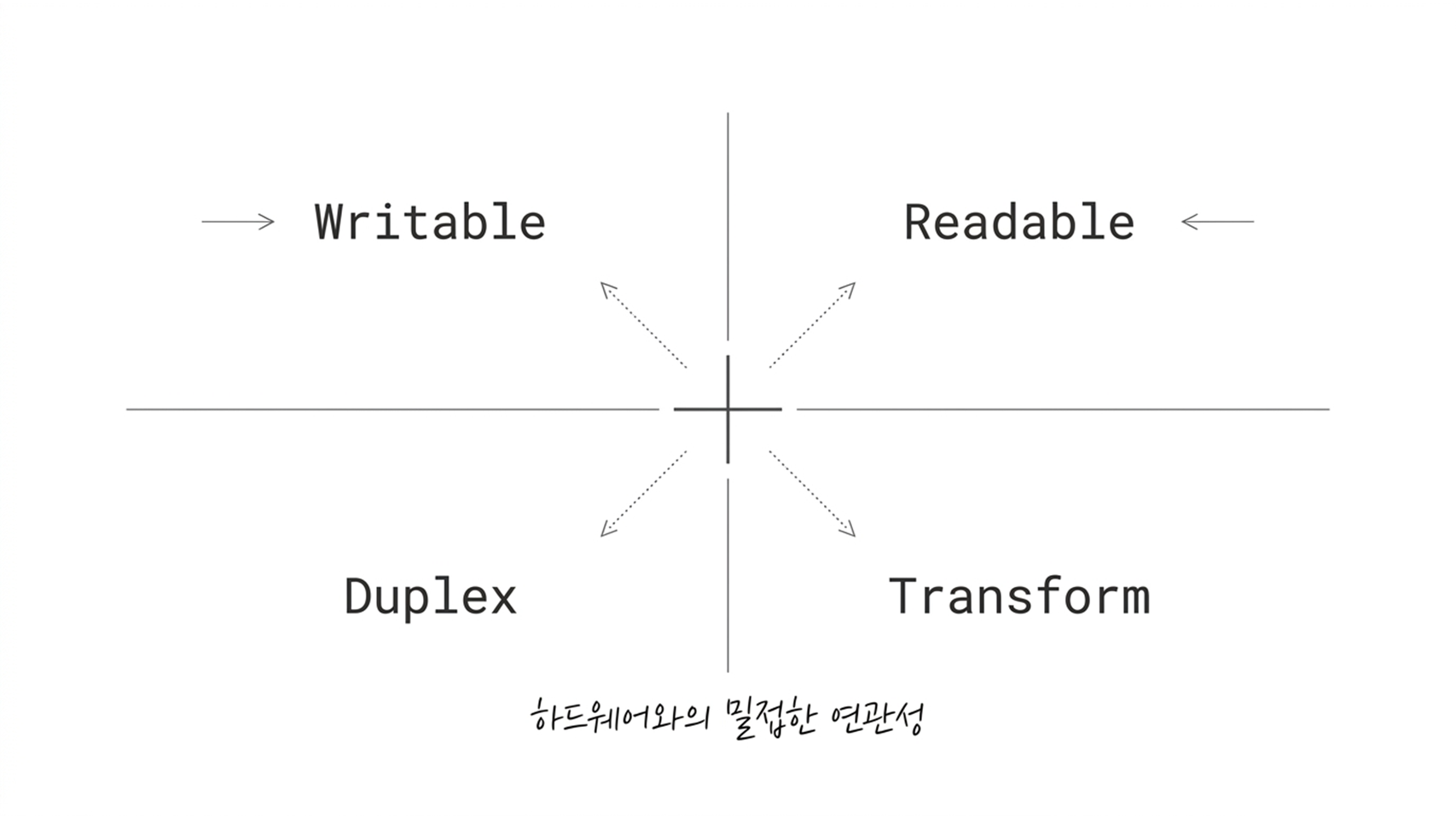
7. Designing Custom Readable/Writable Streams: Going beyond the tools provided by frameworks, you will inherit classes and craft _read and _write hooks from scratch to directly control operating system calls (open, read, write, close).

8. In-place Mutation-based Real-time Encryption (Transform): Create a Caesar cipher encryption/decryption engine that transforms gigabytes of data in real-time using a technique that directly overwrites array indices without allocating new memory.

9. Understanding Duplex, the Foundation of TCP/IP Socket Communication: By fusing two independent hearts (buffers)—reading and writing—within a single object, we establish the backbone of non-blocking bidirectional communication and lay the groundwork for network programming.

10. Perfect Defense Against OS Resource Exhaustion (EMFILE): By mastering the lifecycles of _construct, _destroy, and _final, you will complete an ironclad exception handling system that gracefully returns file descriptors (fd) even when errors occur.


🎓 After completing the course

  • Large-scale Memory Optimization Skills: Handle massive files exceeding 20GB while using only 50MB of RAM, perfectly preventing server crashes (OOM).

  • Internalizing the true principles of video streaming: Understand and implement the fundamental computer science principles that allow Netflix and YouTube to transmit high-definition data without interruption.

  • Applying the Magic of the Terminal: When reading tens of GBs of data, apply the principles of data transmission to the server to render data as fast and error-free as a terminal, without freezing like a text editor.

  • Traffic Tempo Control (Backpressure) Control: We build a perfect server speed control architecture that pauses and restarts the flow in line with hardware processing speeds amidst a downpour of data.

  • Data Fragmentation Perfect Recovery Algorithm: Mathematically calculates and perfectly reassembles fatal errors where sentences or characters are split in half due to mechanical capacity partitioning.

  • Real-time Data Processing Pipeline: Beyond simply moving data, we assemble a transformation engine that compresses and encrypts capacity in real-time at the very moment of transfer.

  • Zeroing out memory copy costs (CPU waste): Internalize V8 engine tuning techniques that minimize computer resource waste to the extreme by eliminating unnecessary memory allocation.

  • Fundamentally block critical memory leaks: Complete ironclad exception handling logic that prevents zombie processes by chain-destroying open resources (files, sockets) even when errors occur.

  • Building Your Own Custom Stream Engine: Go beyond using libraries made by others and design your own data engine from scratch, directly controlling operating system system calls.

  • Building the Backbone of Network Communication: Master the principles of bidirectional communication (duplex) for reading and writing data, establishing a solid foundation for the TCP/IP socket network programming that follows.

  • AI Code Oversight and Architecture Control Capabilities: Beyond the shallow, "just-working" code generated by AI, you will gain the insight to pinpoint the root causes of hardware bottlenecks and memory leaks, and refactor them at the architectural level.

  • The Scarcity of Low-Level Architects Irreplaceable by AI: By directly controlling the organic interaction between the OS kernel, V8 engine, and physical memory (RAM)—which AI models can never truly understand—you build a unique technical moat that prevents you from being reduced to a mere prompt engineer.

  • Ultra-Large-Scale AI Data Pipeline Design Capability: You will acquire the capability to process ultra-large-scale data—reliably handling, analyzing, and transforming hundreds of gigabytes of video, logs, and AI model I/O traffic without server memory exhaustion, even as data pours in beyond simple text.


💻 Notes before taking the course

[Notes Before Taking the Course]

  • Learn by typing it yourself: Rather than just watching, I recommend the process of writing code line by line while understanding the principles.

  • Enjoy asking questions: The question "Why?" is the surest way to grow into an architect. Please feel free to share any questions you have during your learning.

  • Detailed lecture notes provided for every session: We provide carefully crafted visual materials for every hour so that you can understand complex system structures, memory maps, and data flows at a glance.


Recommended for
these people

Who is this course right for?

  • A developer who has broken out in a cold sweat after uploading AI-generated code directly to a production server, only to have the server memory explode.

  • A junior developer who blindly trusted server code written by AI (ChatGPT, Copilot) and deployed it directly to production, only to experience a server crash when traffic spiked, poignantly realizing the limitations of AI and feeling a deep thirst for fundamental knowledge.

  • A junior backend developer who is always anxious that the server might crash whenever a user uploads a large image or video.

  • A data/AI backend engineer who must go beyond simple CRUD API development to handle real-time streaming of massive input/output data from non-stop AI models without memory exhaustion.

  • Those who suffer from severe lag every time they process infinitely accumulating server logs or large-scale Excel/CSV data

  • Those who find themselves speechless when asked, "I know what the event loop is, but how do you actually use it to optimize server performance?"

  • Those who use stream syntax like pipe(), on('data'), and end but code based on 'intuition' without knowing the internal principles.

  • Those who have stayed up for several nights because they couldn't find the cause of a 'Memory Leak,' where the RAM capacity gradually fills up while the server is left running.

  • Curious individuals who are interested in the principles of Netflix's video streaming or the underlying architecture of large-scale data processing systems

  • Those who don't know why the server crashed with 100% CPU usage after compressing data to reduce traffic.

  • Job seekers who want to provide overwhelming answers regarding 'large-scale traffic processing and memory architecture' during in-depth interviews at big tech companies like NAVER, Kakao, LINE, Coupang, and Baemin.

  • Those who want to break away from being a 'shell coder' who only learns how to use frameworks and libraries, and leap forward to becoming a 'high-end engineer' who masters Computer Science (CS).

  • All programmers who want to shatter the fear of "Will my job disappear in an era where AI does all the coding?" and acquire an unrivaled weapon in the realms of hardware and OS control that AI can never reach.

Need to know before starting?

  • JavaScript Basics Review

  • Node.js Installation (v20 or higher recommended): Please install the LTS (Stable) version from the official Node.js website in advance. In this lecture, we will learn how to interact with the operating system based on this environment.

  • Code Editor (VS Code): Please prepare Visual Studio Code to write the practice code.

  • Letting go of vague fears: Instead of worrying, "Won't it be difficult?", just bring a sense of joyful curiosity to open the black box of technology with your own hands.

  • (Recommended) Taking "The Era of AI Clicks": Breaking Through with Node.js and CS Part 1 - V8 and Core Deconstruction

Hello
This is nhcodingstudio

2,186

Learners

130

Reviews

47

Answers

4.8

Rating

19

Courses

Hello, welcome to Our Neighborhood Coding Studio!

Our Neighborhood Coding Studio is an educational group founded by developers who majored in Computer Science at leading North American universities such as Carnegie Mellon, Washington, Toronto, and Waterloo, and gained practical experience at global IT companies like Google, Microsoft, and Meta.

It originally began as a study group created by computer science majors in the U.S. and Canada to study and grow together. Although we were at different universities and in different time zones, the time we spent solving problems together and learning from one another was very special, which naturally led to this thought.

"What if we pass on this exact way we studied to others?"

That question was the starting point for Our Neighborhood Coding Studio.

Currently, approximately 30 incumbent developers and computer science students are in charge of their respective fields of expertise, directly designing and teaching a curriculum that spans from introductory to practical levels. Beyond simple knowledge transfer, we provide an environment where you can learn from the perspective of a real developer and grow together.

“Real developers must learn from real developers.”

We systematically cover the entire process of web development from start to finish, but we don't stop at theory; we help you build your skills through practice and practical, real-world feedback.
Our philosophy is to care about and lead the growth of each and every student.

🎯 Our philosophy is clear.
"True learning comes from practice, and growth is completed when we are together."

From beginners starting development for the first time to job seekers looking to enhance their practical skills and teenagers exploring their career paths,
Neighborhood Coding Studio aims to be the starting point for everyone and a reliable companion walking right beside you.

Now, don't struggle alone.
Neighborhood Coding Studio will be there for your growth.


Welcome to Neighborhood Coding Studio!

Neighborhood Coding Studio was founded by a team of developers who studied computer science at top North American universities such as Carnegie Mellon, the University of Washington, the University of Toronto, and the University of Waterloo, and went on to gain hands-on experience at global tech companies like Google, Microsoft, and Meta.

It all began as a study group formed by computer science students across the U.S. and Canada, created to grow together by sharing knowledge, solving problems, and learning from one another.
Though we were attending different schools in different time zones, the experience was so meaningful that it led us to one simple thought:

"What if we shared this way of learning with others?"

That thought became the foundation of Neighborhood Coding Studio.

Today, we are a team of around 30 active developers and computer science students, each taking responsibility for their area of expertise—designing and delivering a curriculum that spans from foundational knowledge to real-world development.
We’re not just here to teach—we’re here to help you see through the lens of real developers and grow together.

“To become a real developer, you must learn from real developers.”

Our courses take you through the entire web development journey—from start to finish—focused on hands-on practice, real-world projects, and practical feedback.
We care deeply about each learner’s growth and are committed to supporting your path every step of the way.

🎯 Our philosophy is simple but powerful:
"True learning comes from doing, and true growth happens together."

Whether you're just getting started, preparing for your first job, or exploring your future in tech,
Neighborhood Coding Studio is here to be your launchpad—and your trusted companion on the journey.

You don’t have to do it alone.
Let Neighborhood Coding Studio walk with you toward your future in development.

More

Curriculum

All

38 lectures ∙ (5hr 8min)

Course Materials:

Lecture resources
Published: 
Last updated: 

Reviews

Not enough reviews.
Please write a valuable review that helps everyone!

nhcodingstudio's other courses

Check out other courses by the instructor!

Similar courses

Explore other courses in the same field!

Limited time deal

$33,000.00

70%

$84.70