inflearn logo
inflearn logo

Next.js Master Class: Part 2 - Full-Stack Architecture and Deep Dive into Frameworks (Server Actions, Cache Revolution, Advanced Routing)

Have you ever thought about building a 'real system' beyond simply rendering screens? The real problem many developers commonly face is something else entirely. It's the limitation of a 'fake full-stack'—where things look plausible on the surface, but data synchronization frequently tangles, speed is frustrating, and you lose track of where to even start when just a few features are added. This isn't a problem that can be solved by simply memorizing one more Next.js feature. This course will resolve that frustration from the roots. Encyclopedia-style classes that just list features are boring, aren't they? Instead, we have tightly integrated the fundamental principles of Computer Science (CS) with the advanced architecture of Next.js. We will directly transplant into your fingertips the enterprise-level design skills required to flexibly withstand millions of visitors and maintain perfect data consistency.

15 learners are taking this course

Level Basic

Course period Unlimited

JavaScript
JavaScript
React
React
Next.js
Next.js
frontend
frontend
backend
backend
JavaScript
JavaScript
React
React
Next.js
Next.js
frontend
frontend
backend
backend

What you will gain after the course

  • RESTful API Architecture: You can perfectly design and control the data exchange standards between systems.

  • Route Handler Defense Line: Build a robust API server that fundamentally blocks invalid external requests using NextResponse.

  • Server Actions Revolution: Master the modern RPC pattern that calls server functions directly without API Route folders.

  • Preventing physical double-clicks: Learn UI locking techniques to prevent rendering bottlenecks and data corruption using useFormStatus.

  • One-way State Bridge: Synchronize server responses with the UI state in real-time using useActionState and prevState.

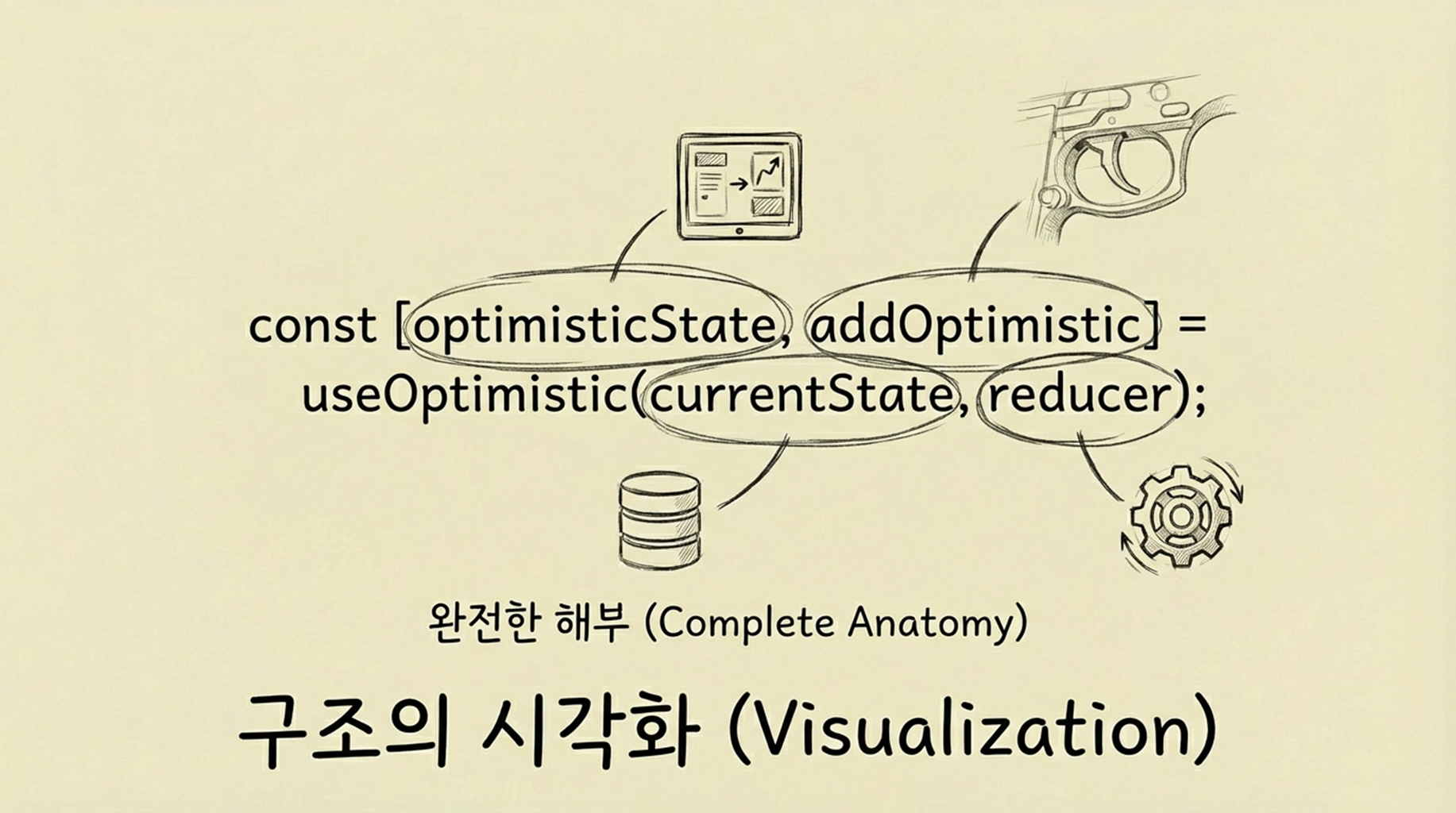
  • Implementing 0ms perceived latency: Design a sophisticated experience that tricks users into not noticing network delays through useOptimistic.

  • Ironclad Cookie Security Control: Directly bake five major security attributes, including HttpOnly and Secure, on the server side to neutralize XSS attacks.

  • Non-blocking UX Design: Use useTransition to create a seamless environment where scrolling and clicking remain responsive even during heavy communication.

  • Safe Redirection: Understand the essence of NEXT_REDIRECT errors to avoid try-catch traps and gain perfect control over navigation flow.

  • Intelligent Cache Control: Navigating between force-cache and no-store to find the sweet spot between performance and freshness.

  • Practical application of the SWR pattern: Orchestrating an ISR architecture that displays stale data first and silently updates it in the background.

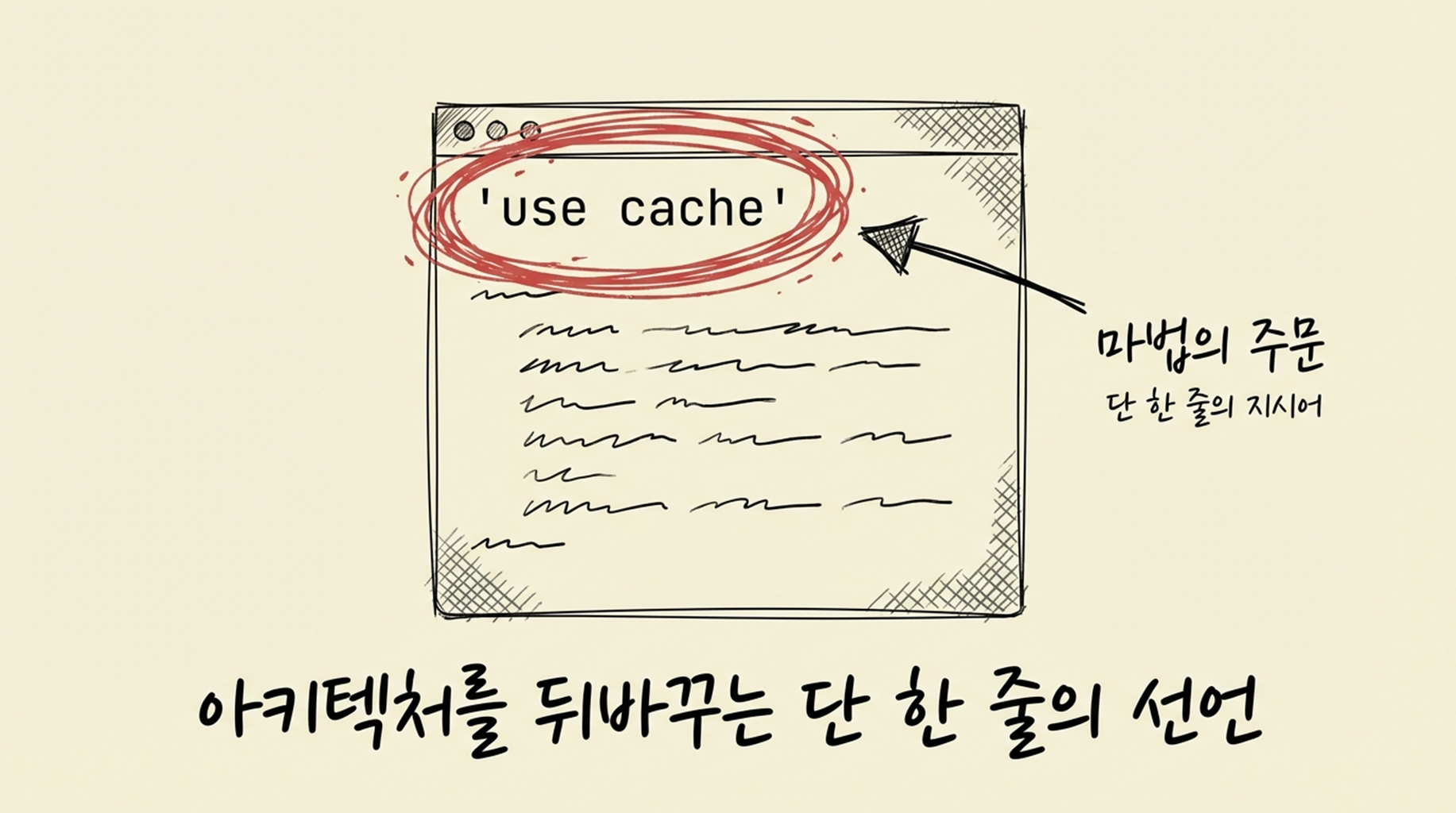
  • Micro-caching technology: Use the 'use cache' directive to establish precise freezing strategies at the component level rather than the page level.

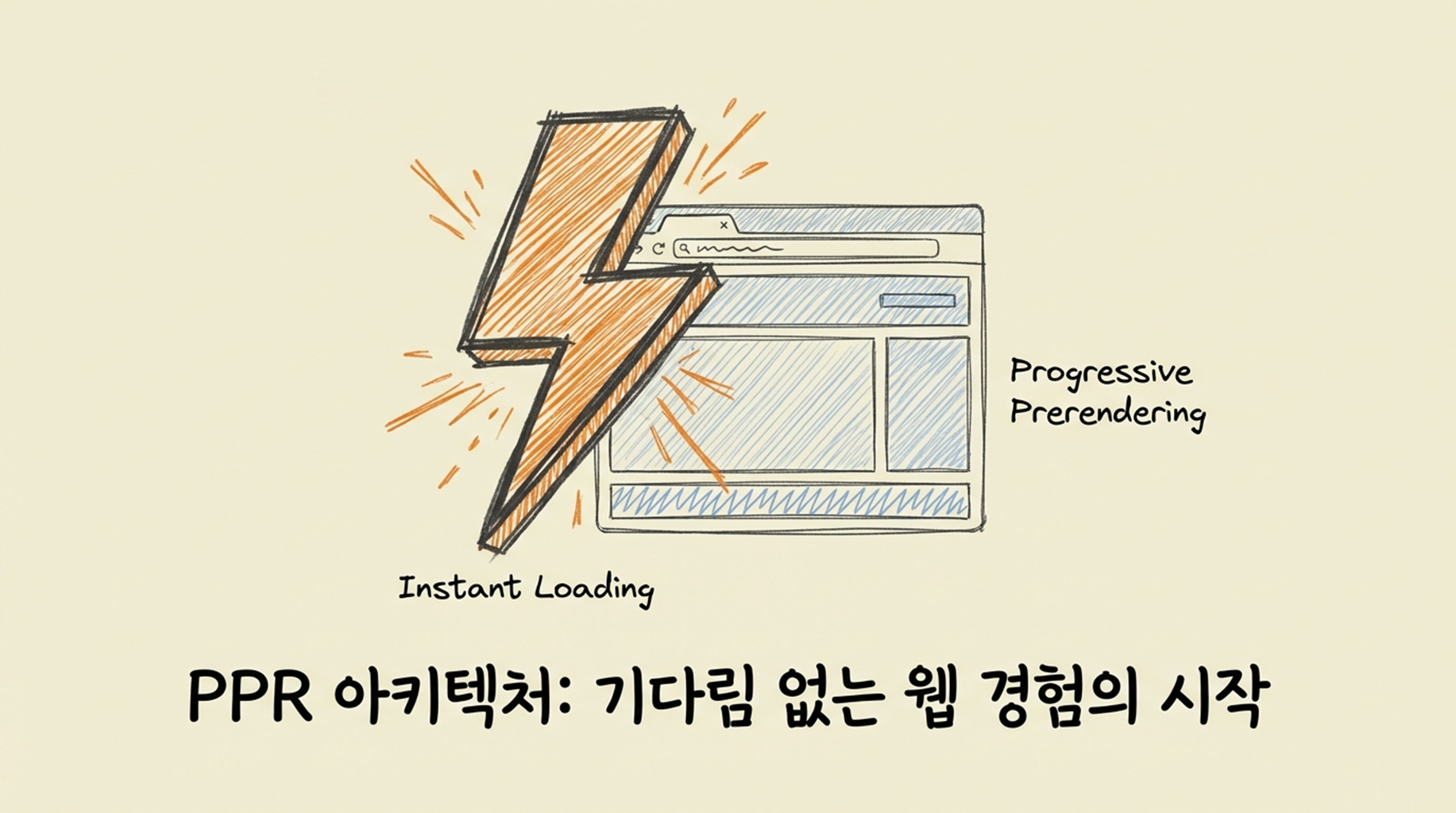
  • Hybrid Rendering (PPR): Implements next-generation rendering that first serves a static shell and then fills in dynamic data via streaming.

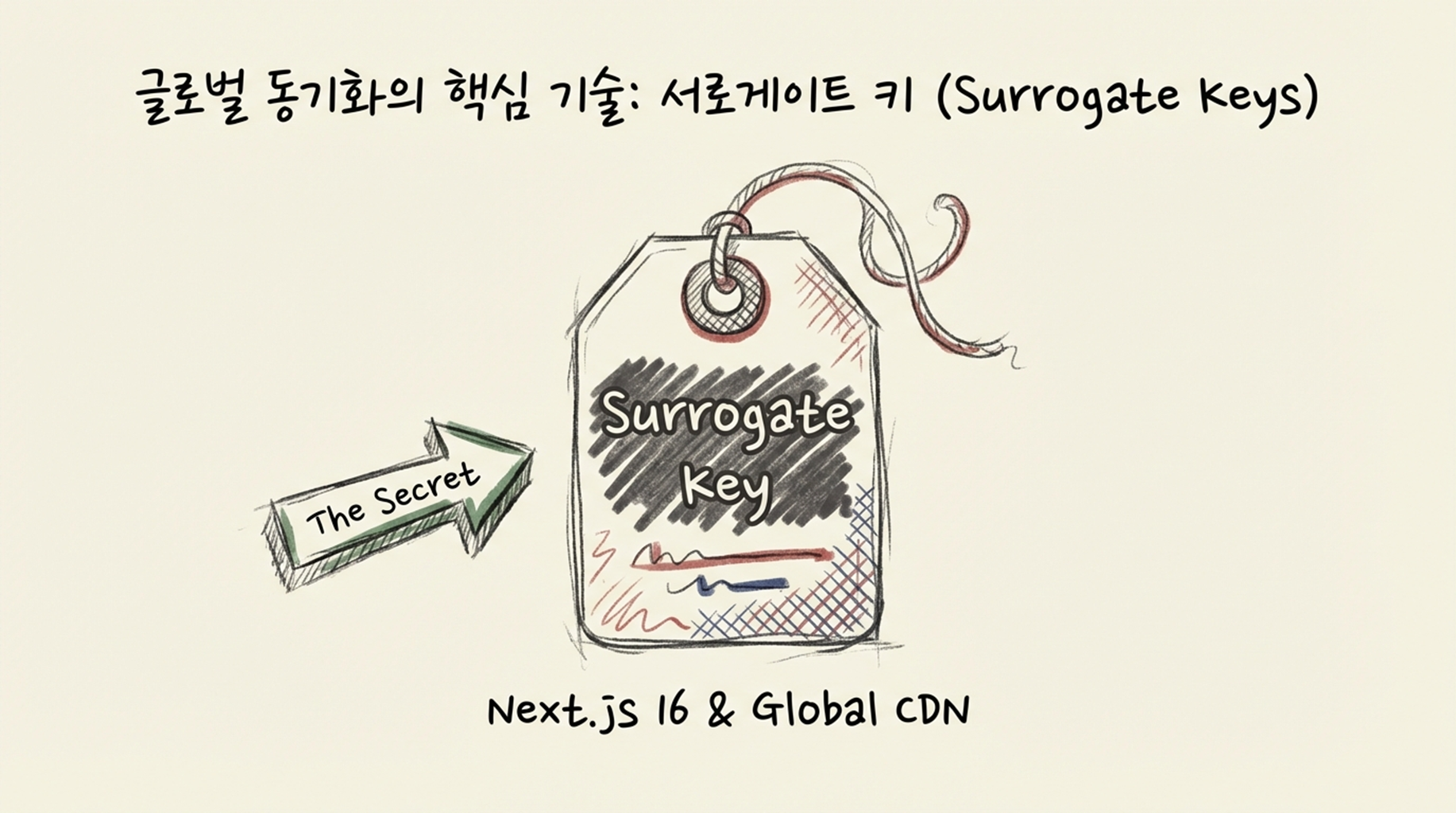
  • Surrogate Key Precision Strike: Synchronize caches scattered across the screen with a single command using revalidateTag and updateTag.

  • Fault Isolation Architecture: Isolate specific component failures through parallel routes (@folder) to prevent them from leading to a total system collapse.

  • History Stack Master: Complete a perfect Instagram-style popup modal using the principles of browser storage.


🚀 Next.js Master Class: Part 2 - Full-Stack Architecture and Advanced Framework Concepts

Moving beyond the basics of Next.js is not just about 'rendering' screens, but about designing the 'neural network of a system' where the frontend and backend integrate seamlessly.

This course is a high-end system architecture class that opens the hood of Next.js 16 to precisely tune cutting-edge server caching engines and routing pipelines.

While many developers write code based on vague guesses, toggling options on and off when facing performance degradation or data inconsistency issues, we start from the fundamental Computer Science (CS) question: "Why was this architecture created?"

The essence of RESTful API → The revival of Server Actions (RPC) → Micro-caching (use cache) → Partial Prerendering (PPR) → Surrogate Keys → History Stack Control: you will perfectly master this ultra-high-difficulty pipeline.

Through 37 advanced lectures and 18 practical missions, you will master the 'PPR Hybrid Design' that guarantees 0.001-second response times, as well as complex Instagram-level 'Parallel/Intercepting Routing'. We will instill in you the vision of an architect who goes beyond simply making functions work to commanding a flawless system that remains unshaken even under millions of users' traffic.


🧱 Core Philosophy of Course Composition (Next.js Architect's Creed)

📌 “Data mutation is not the private business of the frontend.
useState and fragmented fetch logic breed security and consistency bugs. Now, all data changes must be handled atomically within the secure backend space of 'Server Actions'. We will break down the boundaries between frontend and backend to build a 'RPC (Remote Procedure Call)'-based Single Source of Truth architecture, where integrity is proven by the logic itself without the need for API addresses.

📌 “Don't guess the cache state; prove it with an 'X-ray.'
→ Vague assumptions like "it seems to be reflected" create fatal ghost bugs in practice. We transparently observe the flow of HIT, MISS, and SET occurring in the framework background through the logging.fetches option. We present surgical optimization that activates a 'Network X-ray' to prevent cloud billing bombs and captures the optimal point between data freshness and performance using millisecond (ms) metrics.

📌 “Fault Isolation is more powerful than optimization hooks.
→ Indiscriminate cache options can actually make a system rigid. Through 'Parallel Routes (@folder)', we split the screen into independent slots, physically isolating them so that delays or errors in specific components do not lead to a total system collapse. By implementing 'Micro Caching (use cache)', which establishes freezing strategies at the individual component level, you will experience a fundamental improvement where the entire system stays organically alive even without hooks.

📌 “Uninterrupted User Experience, Streaming Architecture.”
→ Leaving users on a white screen is a disgrace to an architect. Through 'Partial Prerendering (PPR)', we serve the static shell in just 0.001 seconds and let heavy data flow into the 'holes' seamlessly. Through 'Priority Orchestration', we design high-end interfaces where the browser never freezes during any data loading process.

📌 “A 0.1-second delay determines the class of a brand.
→ Even if the logic is correct, a 'freeze' while waiting for the network damages user trust. We reduce cognitive latency to zero seconds with 'Optimistic Updates (useOptimistic)' and provide perfect visual continuity where scrolling and clicking remain active even during heavy communication through 'Non-blocking UX (useTransition)' strategies. We elevate the system's quality with an 'Automatic Rollback' engine that immediately restores the state upon failure.

📌 “The URL is an absolute identification that proves the context of the system.
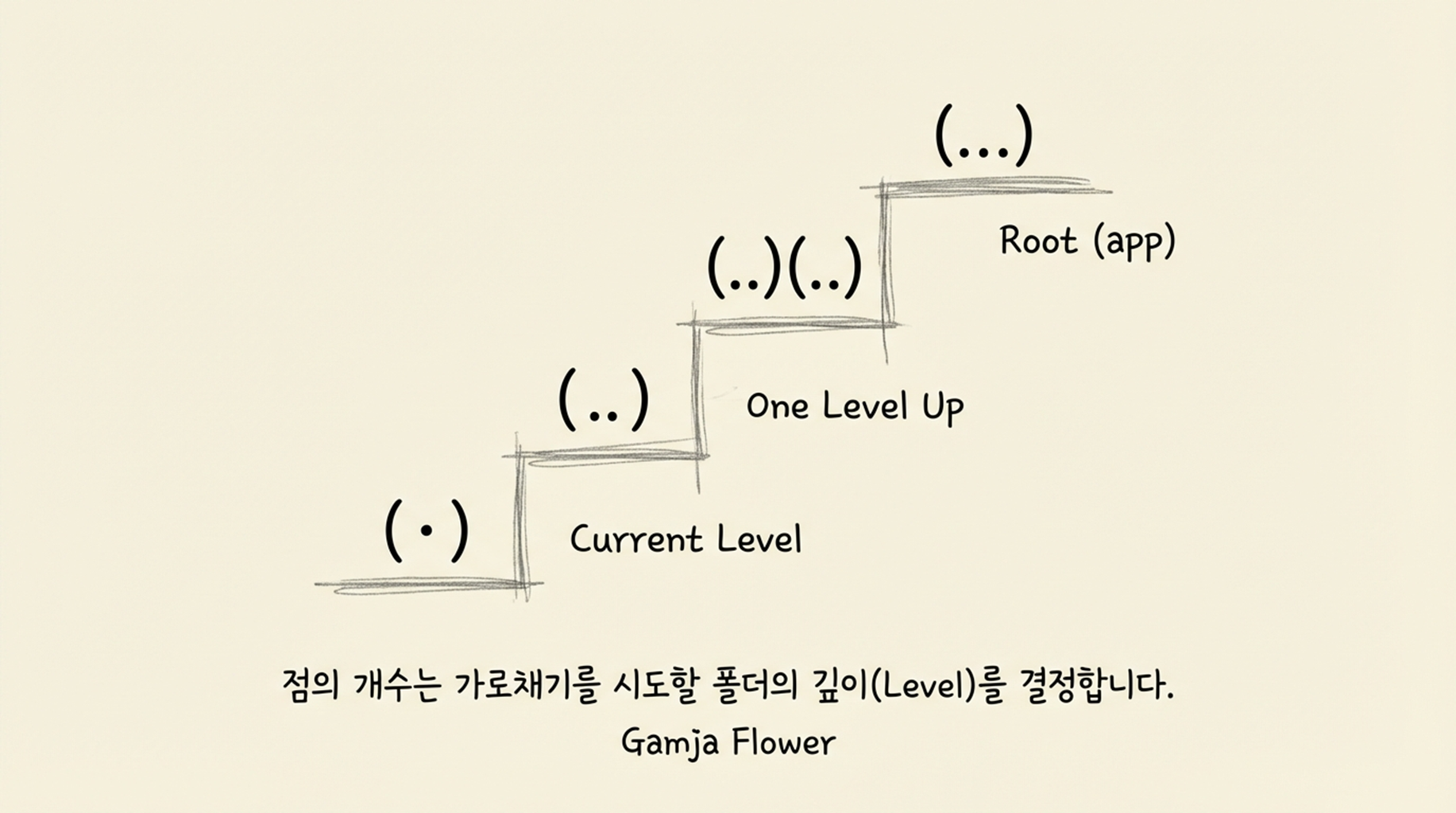
→ We aim for a 'URL-based architecture' where data is etched into the browser's address bar, rather than being volatile memory data that disappears upon refreshing. By utilizing 'Intercepting Routes ((..)folder)', we complete an Instagram-level modal structure that synchronizes the address while maintaining the existing context. By controlling the essence of the 'History Stack', we build enterprise-grade navigation that does not collapse even during refreshes or back button actions.


✨ Architect's Masterclass Features

A high-end class that perfectly controls the 'freezing and thawing' of data and screens
→ Navigate between force-cache and no-store to break through the framework's forced freezing (SSG) policies, securing the perfect sweet spot between 0.001-second response speeds and 100% data freshness.

Consolidate fragmented communication logic into 'Server Actions'
→ Eliminate complex API URLs and fetch boilerplate, and encapsulate business logic within a secure backend space to build a maintainable RPC (Remote Procedure Call) architecture.

Mastering the Essence of HTTP Statelessness and Identity (Cookies)
→ Dig deep into the fundamental principles of computer science to understand why servers have "amnesia," and master ironclad authentication systems and session management strategies using the HttpOnly 5 key security attributes.

Component-level 'Micro-caching' and PPR Hybrid Strategy
→ Moving away from the crude method of freezing entire pages, you will design the lifespan of individual components using 'use cache' and cacheLife, and architect next-generation rendering that streams dynamic data in real-time within a static shell.

Non-blocking UX based on the React 19 Concurrency Engine
→ Implement high-end interfaces where user input and scrolling do not freeze for even 1ms during heavy data communication by applying useTransition and useOptimistic in practice.

Large-scale CDN-level 'Surrogate Keys' precision targeting
→ Master enterprise-grade data management techniques to chain-synchronize tens of thousands of cache fragments scattered across the screen with a single command using revalidateTag and updateTag.

Instagram-style modals based on Parallel and Intercepting Routing
→ Combine Parallel Routes(@) and Intercepting Routes((..)), and control the Last-In-First-Out (LIFO) principle of the browser history stack to complete a perfect navigation system that remains intact even during refreshes or back navigation.

Linked with 18 high-difficulty full-stack practical missions
→ Solve complex real-world challenges, such as real-time cloud monitoring, external webhook receivers, first-class security authorization issuance, and E-commerce shopping carts, using the logic of an architect.


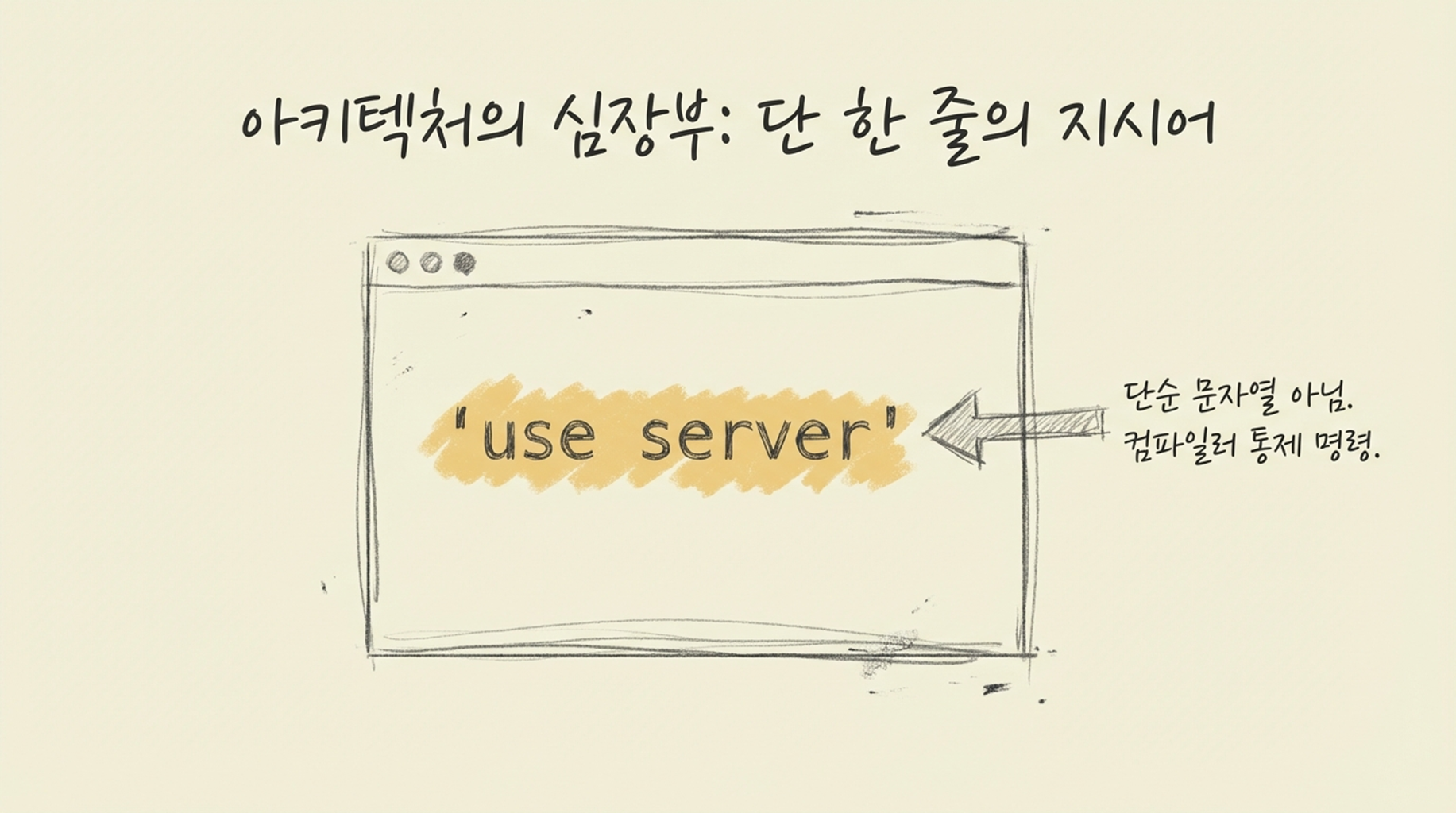
1️⃣ Server Actions Design: We build an RPC architecture that integrates the front-end and back-end boundaries by isolating business logic into a secure 'use server' bunker.

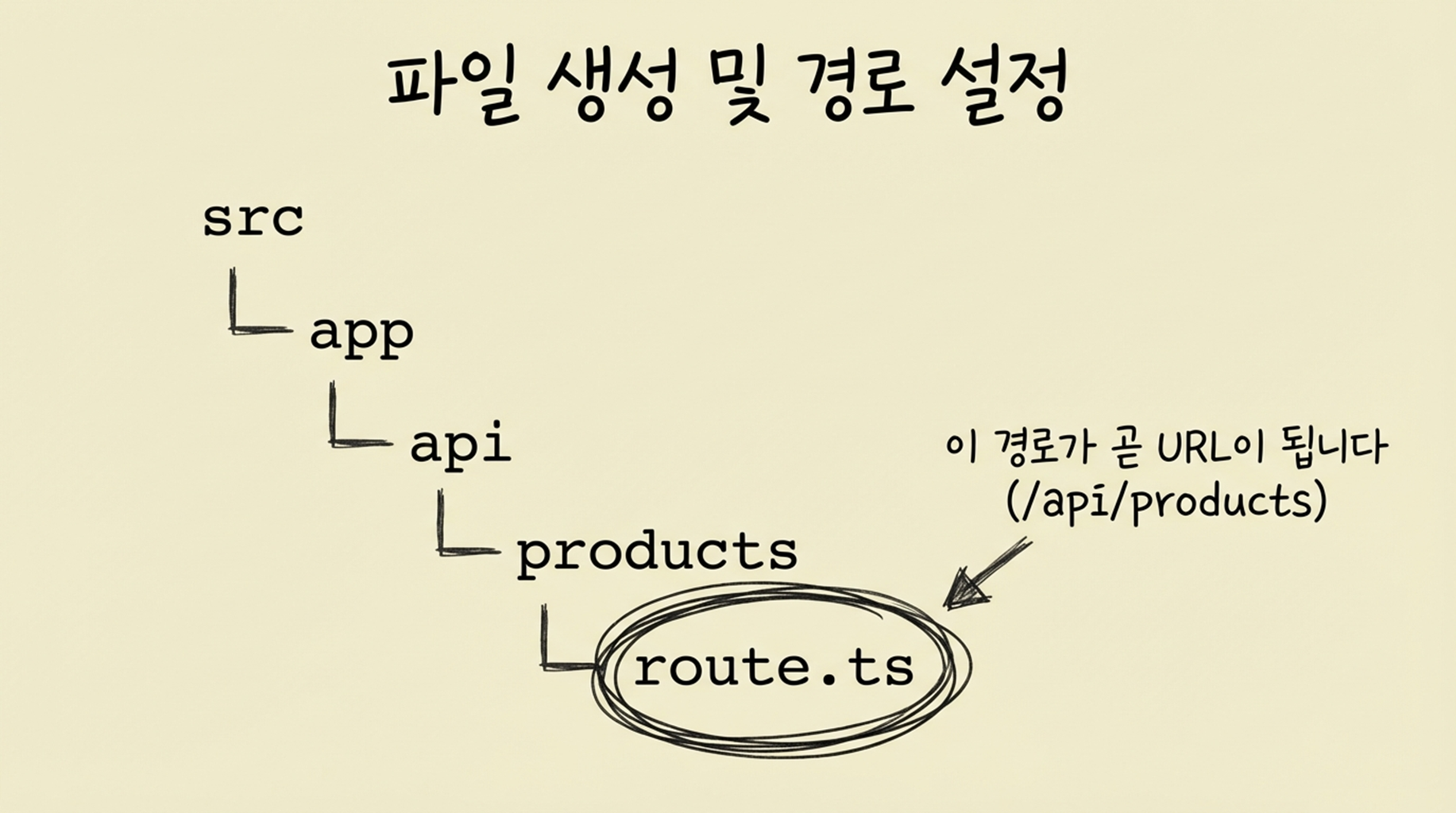
2️⃣ Data Control Center (Route Handlers): Operate an independent API server within Next.js that issues pure JSON data, and design a robust line of defense to block inappropriate external requests.

3️⃣ Ironclad Authentication and Authorization: By combining HttpOnly secure cookies with Server Actions, we complete a first-class secure session circuit that client-side JavaScript cannot access.

5️⃣ On-demand Cache Invalidation: Master the precision strike technology that uses the Surrogate Keys tagging system to chain-synchronize scattered cache fragments across the globe with a single command.

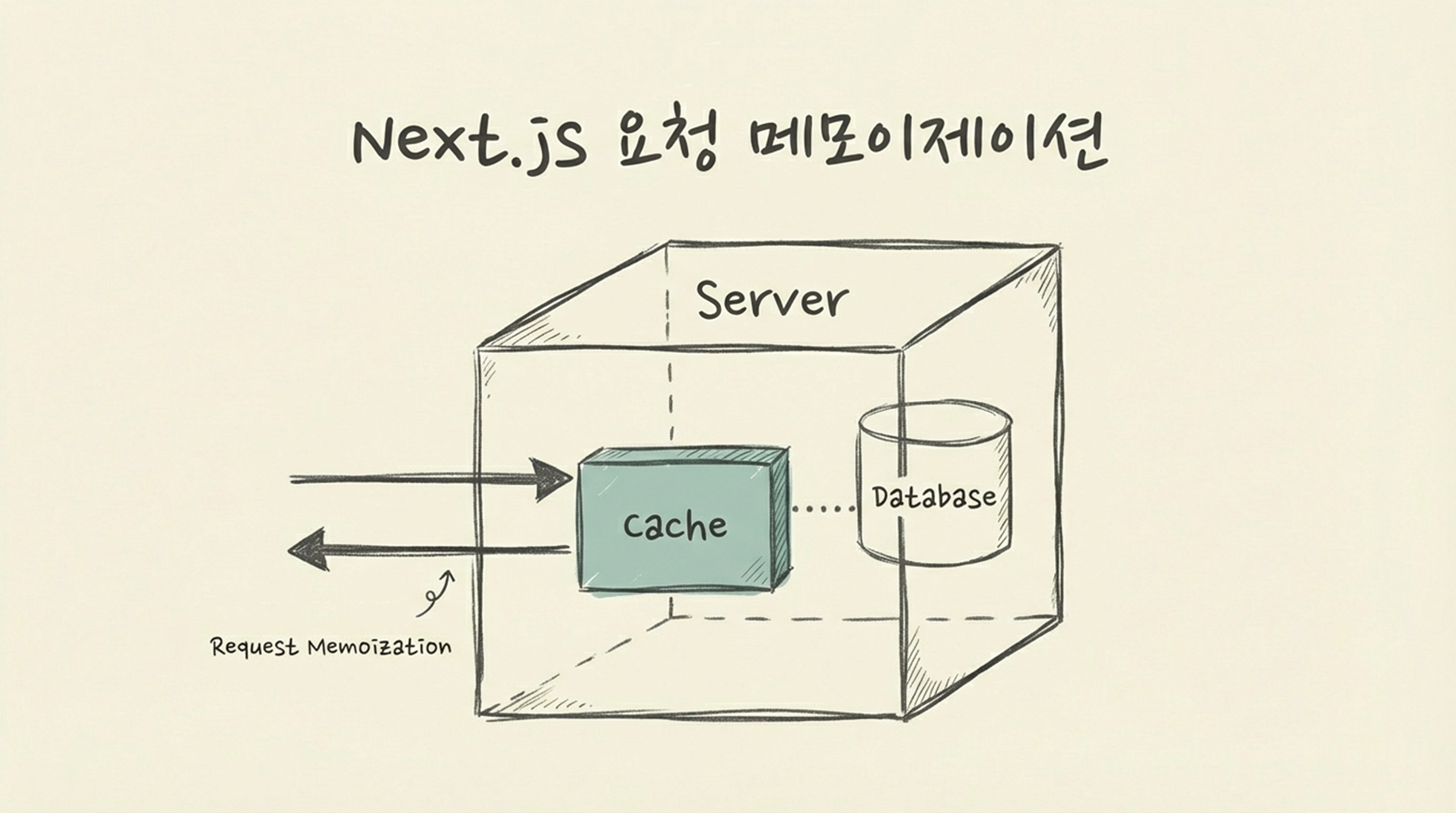
4️⃣ Server Cache and Memoization: Drastically reduce infrastructure costs using 'Network X-ray' techniques to eliminate redundant network requests and force-cache technology to bring server load down to zero.

6️⃣ Micro Caching: Abandoning clunky page-level freezing, we implement "tweezers optimization" by designing precise component-level lifecycles using 'use cache' and cacheLife.

7️⃣ The peak of 0ms cognitive latency: Use useOptimistic to instantly change the UI before the server responds, and implement an 'automatic rollback engine' where the system restores its state on its own if an error occurs.

8️⃣ Hybrid PPR Architecture: Complete a Partial Prerendering (PPR) stream that delivers a static shell in 0 seconds and seamlessly fills dynamic data into the "holes."


9️⃣ Non-blocking UX: By pushing heavy server tasks to low priority using useTransition, we secure a high-end interface where user scrolling and clicking do not freeze even during data communication.


🔟 High-Level Routing and History Stacks:
By merging Parallel (@) and Intercepting ((..)) Routes and controlling the principles of browser storage, you will master a perfect popup modal structure on the level of Instagram.

Performance Analysis:
Those who want to go beyond simple speed measurement and use 'Network X-ray' to engineeringly analyze cache hit rates and waterfall phenomena.

Latest Technology:
Those who want to immediately apply the disruptive changes of Next.js 15/16, such as PPR (Partial Prerendering) and Server Actions, to their practical work.

Structural Design:
Those who want to learn 'scalable design' that ensures you never get lost, even within complex App Router structures like Intercepting Routes.

State Design:
Those who want to utilize 'URLs' and 'server sessions' as a single source of truth instead of complex global state tools.

Pipeline:
Those who want to control the entire process, from the start of server data to streaming and hydration, going beyond browser painting.

UX Perfection:
Those who aim for high-end UI with zero perceived latency or flickering (FOUC) through useOptimistic and server cookie control.

Conquer Caching:
Those who want to go beyond the limits of client-side optimization and clearly master the server-side freezing principles of 'use cache' and 'force-cache'.

Fault Isolation:
Those who want to implement slot-level independence using 'Parallel Routes' so that delays in a specific component do not freeze the entire page.

Leap to Architect:
Developers who want to go beyond the stage of implementing simple features and leap into becoming a system architect who orchestrates the entire full-stack pipeline.

👥 Highly recommended for these people

  • Performance Analysis: Those who want to go beyond simple speed measurement and use network X-rays to engineeringly analyze and perform surgery on cache hit rates and waterfall phenomena.

  • Logic Separation: Those who want to isolate business logic into a secure Server Actions bunker to drastically reduce client bundle size.

  • Cache Control: Those who want to delve into the principles of server-side data freezing to fundamentally block unnecessary DB hits and redundant network requests.

  • Streaming UI: For those who want to design a PPR-based non-blocking system where user scrolling and input never freeze, even during heavy computations.

  • Visual Integrity: Those who want to resolve font flickering (FOUC) or screen flashing at 0ms by unifying server and client states with cookies.

  • Multi-Control System: Those who want to build a Universal Control Center that hierarchically manages authentication security and environment settings from the server side.

  • Standard-Oriented Design: Those who want to build a robust data transmission network using HTML standard forms and binding without relying on client-side JavaScript.

  • Pipeline Orchestration: Those who want to become an architect who designs the entire pipeline, going beyond simple coding to manage everything from server data initiation to browser painting.

  • Ultra-fast transitions: Those who want to implement 0-second screen transitions without loading spinners by combining static shells and micro-caching.

  • Data Integrity: Those who want to uncover the root causes of data consistency errors through server component-level freezing (use cache) technology.

  • Revalidation Criteria: Those who want to establish clear engineering standards for when to apply force-cache, no-store, and tag-based revalidation.

  • Hydration Defense: Those who want to completely block hydration errors in SSR environments by parsing cookies on the server in advance to determine the initial state.

  • Redirect Exceptions: Those who want to understand the essence of NEXT_REDIRECT errors and safely rescue Server Actions from the try-catch trap.

  • Structural Isolation: Those who want to improve the app's fundamental structure by physically isolating failure zones using Parallel Routes (@) before considering cache options.

  • An Architect's Perspective: Those who want to learn the design philosophy of a senior and propose alternatives to team members based on engineering grounds such as Surrogate Keys or the PRG pattern.


🎓 After completing the course

  • Engineering Analysis: You will be able to logically analyze and "surgically" fix cache hit rates and waterfall issues based on network X-rays to explain "why my app is slow."

  • Data Pipeline: Build a flawless data synchronization system where the frontend and backend move as one through Server Actions and useActionState.

  • Precision Caching: Minimize DB impact even in large-scale services and precisely update only the necessary fragments using use cache and surrogate keys.

  • Non-blocking UX: Utilizing useTransition to ensure user clicks and scrolls respond instantly within 0.1 seconds, even during heavy server communication.

  • Hybrid Rendering: Implement high-end UX by utilizing PPR (Partial Prerendering) to show the shell immediately upon page entry and fill in data via streaming.

  • Fault Isolation Design: Through parallel routes (@), it becomes possible to design a perfectly independent system that prevents a failure in a specific slot from spreading to the entire application.

  • Visual Integrity: Through a server-side cookie synchronization strategy, we perfectly prevent FOUC (Flash of Unstyled Content) with 0ms latency, ensuring no font flickering or screen flashing.

  • Eliminate Cognitive Delay: Immediately update the UI before the server responds using useOptimistic, and possess an automatic rollback engine that recovers on its own in case of errors.

  • Precision Cache Striking: By applying revalidateTag and updateTag, I strategically destroy and rebuild server caches amidst a flood of data changes.

  • Security Session Master: Master HttpOnly secure cookies and asynchronous runtimes to handle ironclad authentication circuits that leave no room for hackers.

  • Enterprise Architecture: Own an Instagram-level clean architecture that synchronizes URLs while maintaining feed context through Intercepting Routes ((..)).

  • Data Integrity: Through the bind function and server validation logic, we ensure a robust data transmission network that operates safely even in environments where JavaScript is disabled.

  • Compiler Control: Through route segment configuration, you will bypass the framework's forced freezing policies and design systems that independently determine the optimal rendering method.

  • Full-stack Orchestration: Solve any complex requirement in a Next.js-native way by completing 18 high-difficulty practical missions at the right time and place.

  • System Architect: Go beyond the limits of a "simple coder" and become a "Next System Architect" who uses data across the entire pipeline as a tool of trust.

🎯 Next.js Part 2 – Architecture Summary Table for 18 Core Missions

🟦 AI Agent Control Center (NextResponse)

— Establish a robust first line of defense (Validation) that blocks external requests while complying with the three major rules enforced by the framework (route.ts, capitalized function names, and exclusive rules).


🟩 Instance Monitoring (Dynamic Route)

— By combining [id] dynamic routes with the no-store option, we will establish a full-stack data pipeline that rejects stale caches and extracts 100% real-time, up-to-date data.


🟨 Network X-ray (Request Memoization)

— Using the logging.fetches option, you will directly witness and control how duplicate requests within the server are compressed into a single communication (HIT/MISS).


🟧 Course Review Webhook Bridge

— Establish a reverse communication channel to intercept POST signals from external platforms, manage server memory (Queue), and prevent leaks in in-memory storage.


🟥 Prompt Knowledge Repository (Full CRUD)

— Design a Singleton DB module and RESTful API, and complete the standard for interactive dashboards that manipulate server data at the 'use client' boundary.


🔒 Secure Device Registration System (useFormStatus)

— Build a 'Security UI Locking' mechanism that physically blocks additional clicks until the server responds, fundamentally preventing data corruption caused by duplicate registrations.


🛡️ Authorization Code Issuance Center (useActionState)

— Completes a unidirectional data flow where the server directly remembers submission attempts (prevState) and provides feedback without the client's useState.


💣 Mentoring Queue (Mutation Pipeline)

— Practice the destruction and reconstruction process by shattering static snapshots revalidatePath frozen at build time, and forcibly rerouting user flow with redirect.


🛒 Cart Synchronization (useOptimistic)

— Build an enterprise-grade transaction engine that updates quantities in 0.001 seconds and immediately restores the original state (Rollback) by detecting server errors in case of stock shortages.


📖 Learning Environment Control Center (Secure Cookie)

— Remotely control HttpOnly security cookies that hackers cannot access, and achieve a non-blocking UX that keeps the browser responsive during heavy communication using useTransition.


🏁 Admin Gateway (Safe Redirection)

— Dig into the essence of NEXT_REDIRECT errors to rescue Server Actions from the try-catch trap, and implement a flag pattern that allows only authorized users to pass.


🌊 Real-time Insight Center (Opt-out Caching)

— Break through the framework's forced freezing (SSG) policy using no-store to achieve 100% freshness, and conversely, experience performance maximization by reducing costs to zero with force-cache.


💱 Global Exchange Rate Indicators (ISR & SWR)

— Master the ingenious SWR architecture that assigns a 10-second lifecycle (TTL) to specific data, serving the stale cache first while silently updating it in the background.


📈 Global Performance Dashboard (PPR & cacheLife)

— Master the hybrid architecture (◐) and component-level freezing, where static shells are delivered in 0 seconds and dynamic holes are filled via streaming.


🗑️ Anonymous Suggestion Box (On-demand Revalidation)

— Gain the control to instantly thaw a frozen system by precisely striking the cache of a specific URL with a hammer (revalidatePath) the moment malicious spam is deleted.


Precision Course Review Targeting (revalidateTag)

— Establish an enterprise-grade invalidation strategy that uses surrogate keys (cacheTag) to chain-synchronize cache fragments scattered across the globe with a single command.


🏢 Integrated Student Portal (Parallel Routes)

— Realize 'Fault Isolation' by designing @folder slots and default.tsx Plan B to prevent a failure in a specific slot from spreading to the entire system.


🔍 Mentor Profile Feed (Intercepting Routes)

— By designing a trap ((..)) that intercepts URLs while maintaining context, you will complete high-level routing that shows different faces depending on Soft/Hard Navigation.


💻 Notes before taking the course

  • 💻 Node.js (v20 or higher): Essential recommended specification for Next.js 15 practice

  • 🌐 Online Editor: Practice immediately using only a browser (such as StackBlitz)

  • 🪶 Prerequisite Knowledge: Basic knowledge of HTML, CSS, JS, and fundamental React concepts is sufficient

  • 🧩 Systematic Structure: A 4-step learning process consisting of "Concept → Visualization → Practice → Mission"

  • 🧰 Modern Stack: Latest examples based on VS Code and Next.js 15 App Router

  • Core-focused: Understanding the “organic flow between server and client” rather than simple syntax memorization

Recommended for
these people

Who is this course right for?

  • Cache Zombie: Someone who fights unknown bugs by clicking refresh all night because the data won't change.

  • Boilerplate Haters: For those who are tired of repetitive fetch code and complex API address management and want to boost their productivity.

  • UX Perfectionist: A fastidious developer who cannot tolerate even a split-second loading screen or a white flash.

  • Routing Lost: For those who have felt frustrated when the screen breaks during a back navigation or refresh while designing a complex modal structure.

  • The Security-Anxious: Those who fear client-side data exposure and dream of a secure, backend-centric design.

  • Performance Thirst Quencher: For those in desperate need of large-scale service optimization techniques (PPR, Streaming, Micro-caching).

  • Aspiring Full-Stack Developer: Someone who wants to launch a robust commercial service alone without the help of a back-end developer.

  • Latest Tech Tracker: For those who want to go beyond simply knowing the breaking changes in Next.js 15 and 16 and apply them immediately to real-world projects.

  • Job seekers and career changers: Those who want to prove they are capable of 'system architecture design' beyond just 'feature implementation' on their resumes.

  • AI Era Survivors: Those who want to develop the insight to understand the intent behind AI-generated code and judge the suitability of the overall structure.

  • State Management Fatigue: For those who want to reduce complexity by combining URL and server state instead of using indiscriminate useState.

  • Principles Explorer: Those who don't want to just use something "because it works," but want to peer into the depths of frameworks and browser engines.

  • Data Integrity Guardian: For those who want to firmly protect the safety of their database from users' reckless rapid-clicking.

  • Enterprise Architect: For those who want to adopt a modular architecture that minimizes code conflicts during team collaboration.

  • Champion of Educational Equality: A warm-hearted architect who wants to provide the same fast experience to all users, regardless of device performance.

Need to know before starting?

  • HTML/CSS, JS(ES6+/Asynchronous)

  • Understanding React basics (Props, State) and very basic TypeScript syntax

  • (Recommended) Next.js Master Class: Part 1 Learning the Essence of App Router and Rendering Design through Missions

Hello
This is nhcodingstudio

1,166

Learners

59

Reviews

27

Answers

4.8

Rating

16

Courses

Hello, welcome to Our Neighborhood Coding Studio!

Our Neighborhood Coding Studio is an educational group founded by developers who majored in Computer Science at leading North American universities such as Carnegie Mellon, Washington, Toronto, and Waterloo, and gained practical experience at global IT companies like Google, Microsoft, and Meta.

It originally began as a study group created by computer science majors in the U.S. and Canada to study and grow together. Although we were at different universities and in different time zones, the time we spent solving problems together and learning from one another was very special, which naturally led to this thought.

"What if we pass on this exact way we studied to others?"

That question was the starting point for Our Neighborhood Coding Studio.

Currently, approximately 30 incumbent developers and computer science students are in charge of their respective fields of expertise, directly designing and teaching a curriculum that spans from introductory to practical levels. Beyond simple knowledge transfer, we provide an environment where you can learn from the perspective of a real developer and grow together.

“Real developers must learn from real developers.”

We systematically cover the entire process of web development from start to finish, but we don't stop at theory; we help you build your skills through practice and practical, real-world feedback.
Our philosophy is to care about and lead the growth of each and every student.

🎯 Our philosophy is clear.
"True learning comes from practice, and growth is completed when we are together."

From beginners starting development for the first time to job seekers looking to enhance their practical skills and teenagers exploring their career paths,
Neighborhood Coding Studio aims to be the starting point for everyone and a reliable companion walking right beside you.

Now, don't struggle alone.
Neighborhood Coding Studio will be there for your growth.


Welcome to Neighborhood Coding Studio!

Neighborhood Coding Studio was founded by a team of developers who studied computer science at top North American universities such as Carnegie Mellon, the University of Washington, the University of Toronto, and the University of Waterloo, and went on to gain hands-on experience at global tech companies like Google, Microsoft, and Meta.

It all began as a study group formed by computer science students across the U.S. and Canada, created to grow together by sharing knowledge, solving problems, and learning from one another.
Though we were attending different schools in different time zones, the experience was so meaningful that it led us to one simple thought:

"What if we shared this way of learning with others?"

That thought became the foundation of Neighborhood Coding Studio.

Today, we are a team of around 30 active developers and computer science students, each taking responsibility for their area of expertise—designing and delivering a curriculum that spans from foundational knowledge to real-world development.
We’re not just here to teach—we’re here to help you see through the lens of real developers and grow together.

“To become a real developer, you must learn from real developers.”

Our courses take you through the entire web development journey—from start to finish—focused on hands-on practice, real-world projects, and practical feedback.
We care deeply about each learner’s growth and are committed to supporting your path every step of the way.

🎯 Our philosophy is simple but powerful:
"True learning comes from doing, and true growth happens together."

Whether you're just getting started, preparing for your first job, or exploring your future in tech,
Neighborhood Coding Studio is here to be your launchpad—and your trusted companion on the journey.

You don’t have to do it alone.
Let Neighborhood Coding Studio walk with you toward your future in development.

More

Curriculum

All

94 lectures ∙ (3hr 54min)

Course Materials:

Lecture resources
Published: 
Last updated: 

Reviews

Not enough reviews.
Please write a valuable review that helps everyone!

nhcodingstudio's other courses

Check out other courses by the instructor!

Similar courses

Explore other courses in the same field!

Limited time deal

$24,750.00

75%

$77.00