What you'll learn 📚
The best way to learn SQL is to organize the syntax and get plenty of practice creating SQL statements by combining different syntax elements.
In this course, you will learn database technology using MySQL, the most widely used basic database. Designed for beginners, it starts with the fundamentals and covers everything from a variety of practical problems to complex SQL, as well as hands-on SQL data analysis and Python-based database utilization.

MySQL Database and SQL Fundamentals
Practice various database-based SQL statements that can be used in real-world work.
How to automatically work with MySQL databases using Python programming
📢 Please note before enrolling!
- To learn how to automatically work with MySQL using Python, you need prior knowledge of Python and web crawling. If you don’t have that background, we recommend taking the course below as well.
Course Features ✨
#1.
Beginners are welcome!
This course starts with the assumption that you have no prior knowledge of databases, so even beginners can take it. It covers all the key SQL syntax you need to learn, starting with the different types of databases.
The practical SQL problems in this course were a part of the in-person lectures that even beginners followed along with easily and found highly satisfying. Anyone can learn them with thought and repetition. However, IT courses are very different from using a finished product, so you need to study seriously to get the most out of them!
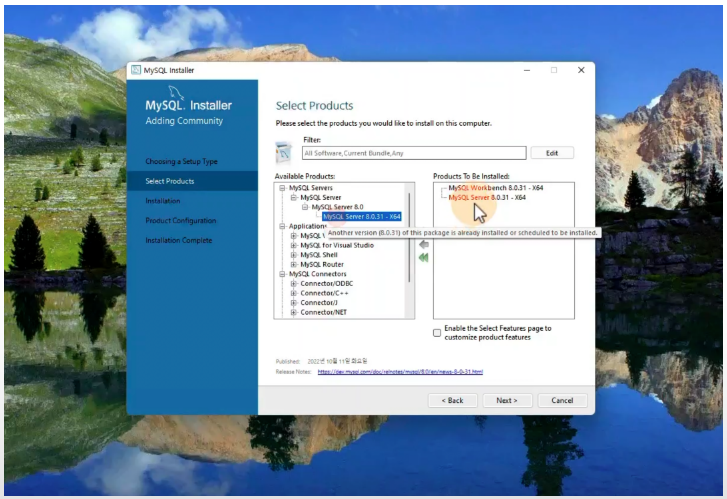 프로그램 설치부터 함께해요!
#2.
Real database-based
Practical, work-focused course
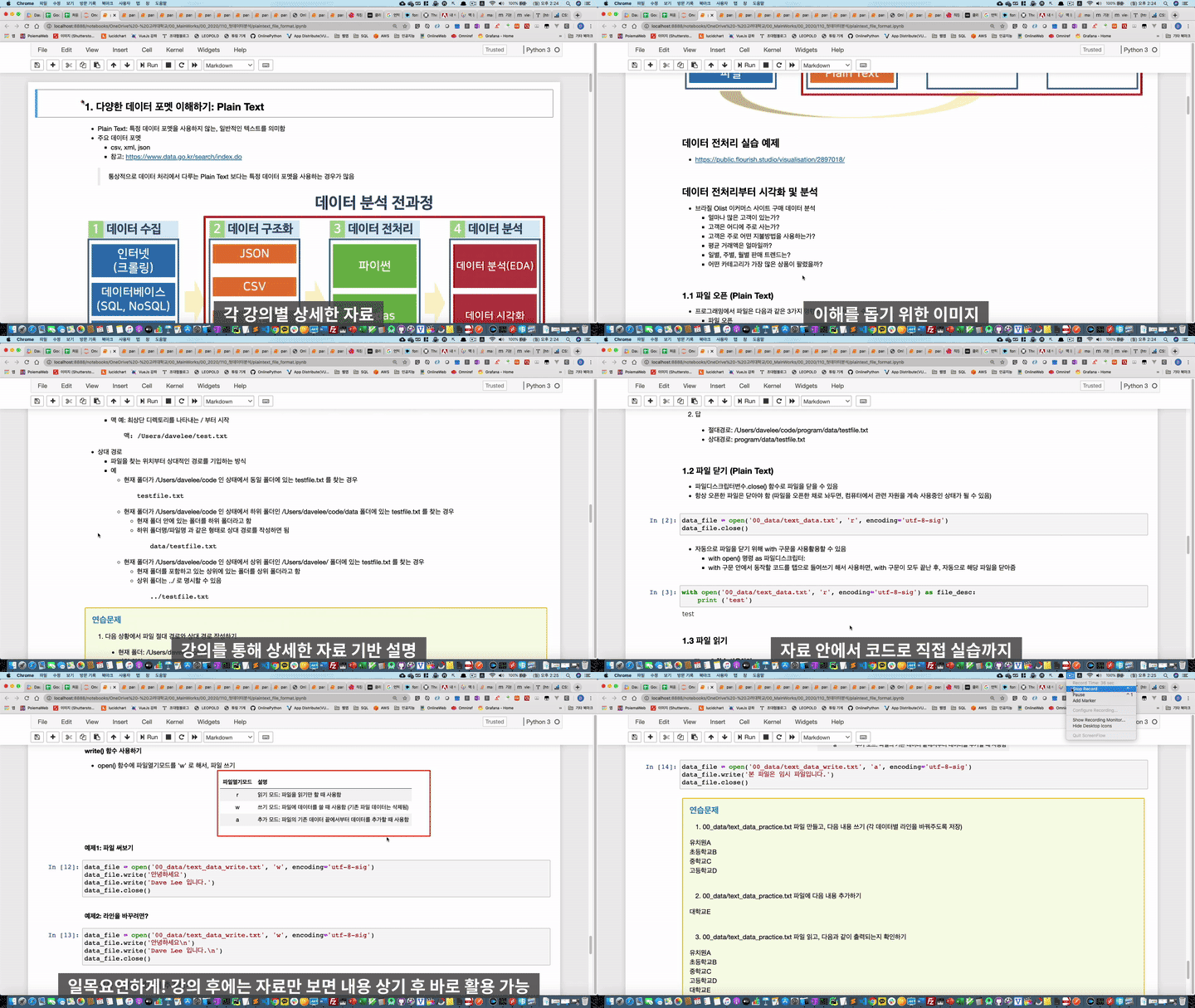
We provide lectures based on various code examples and materials, organized by level and technology to help you become familiar with database usage skills in a short time.
#3.
Practical DB-based
Problems and Solutions
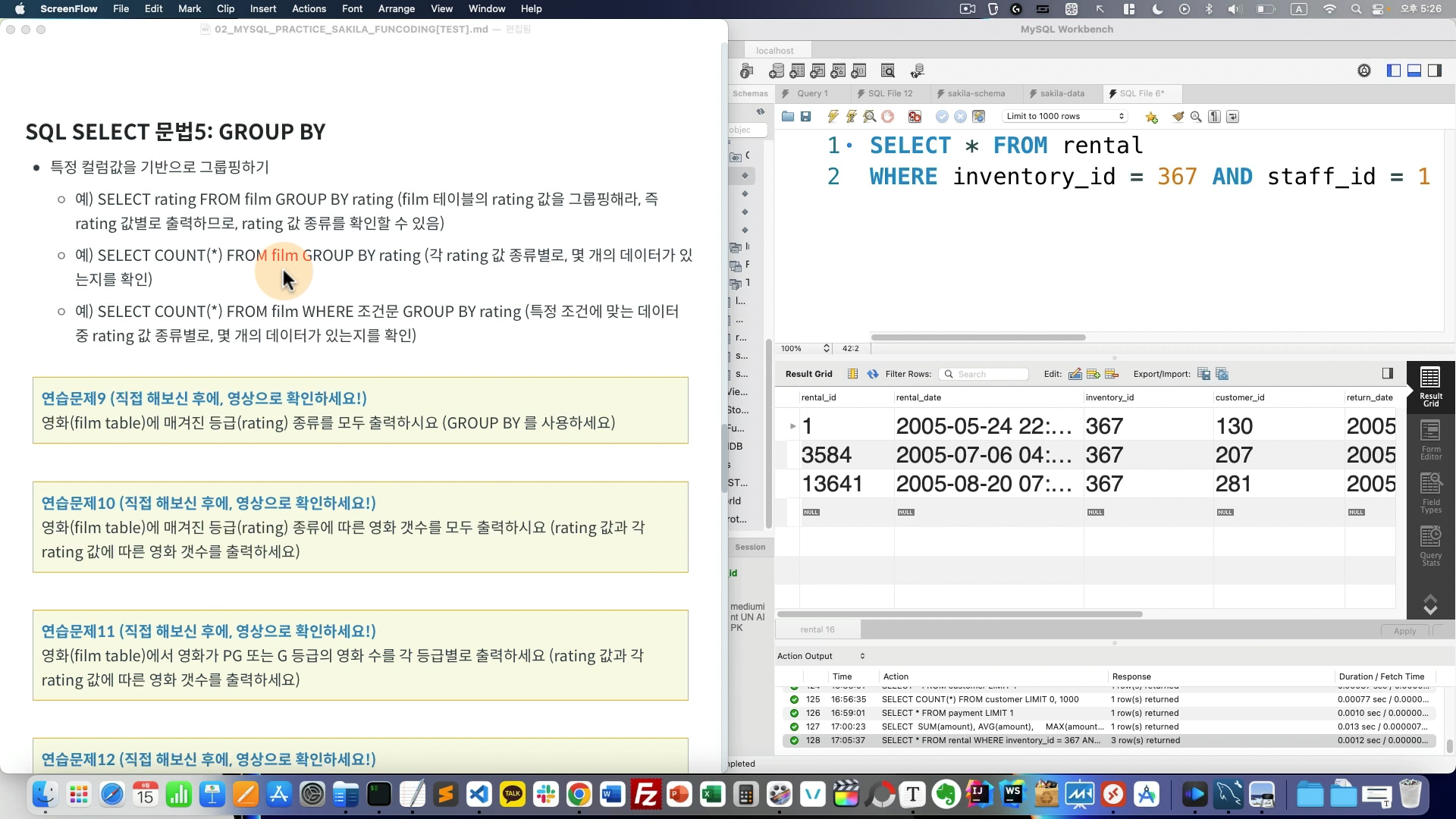
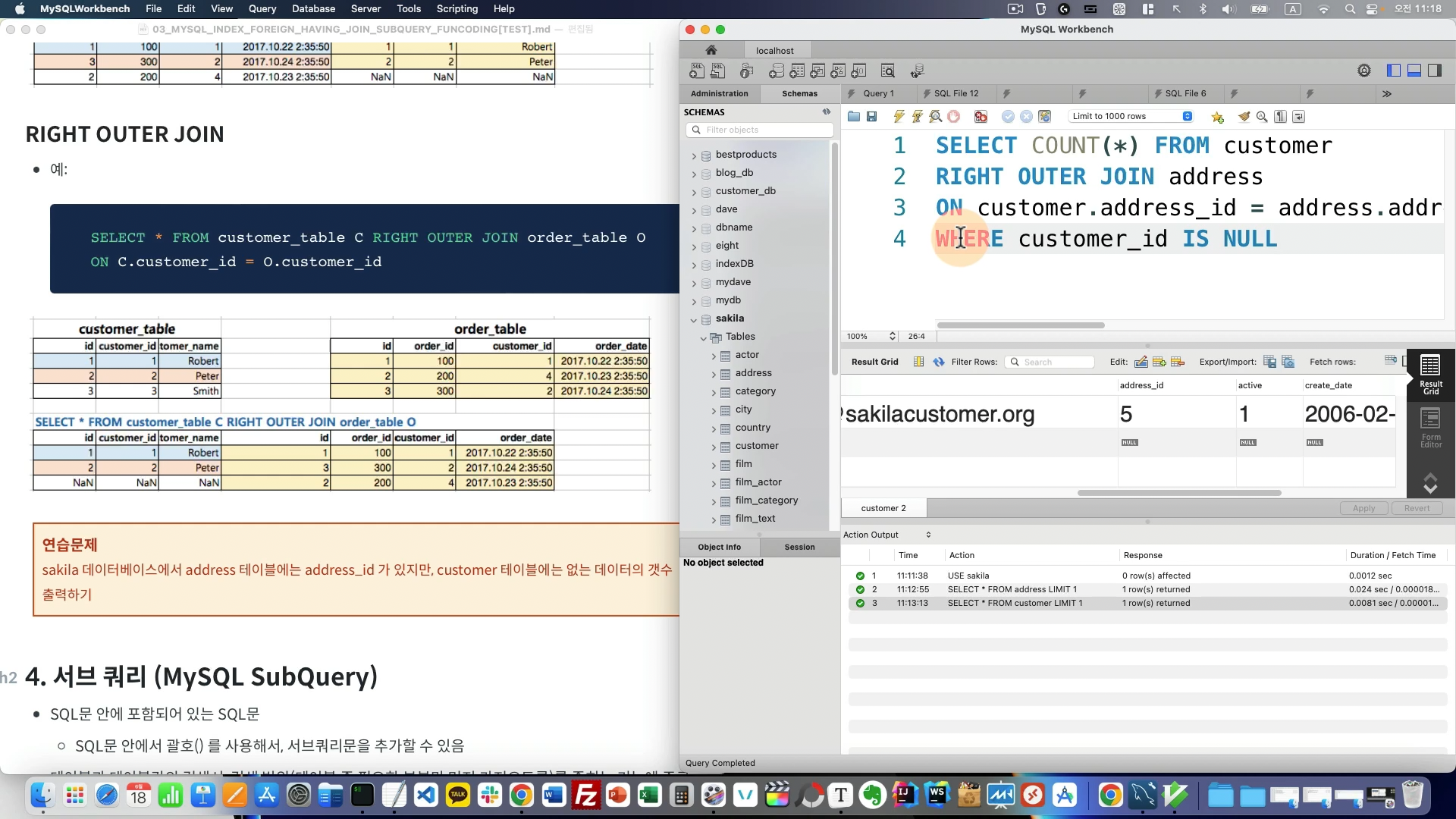
We’ll help you get a feel for databases by practicing a variety of SQL statements using databases that are practical for use in real companies.
#4.
Structured
Roadmap
By taking the following course after this one, you can build solid SQL skills.
For those considering a career in backend development or data analytics/science, we also offer full-stack and data science roadmaps. You can view the complete roadmaps below on this course detail page.



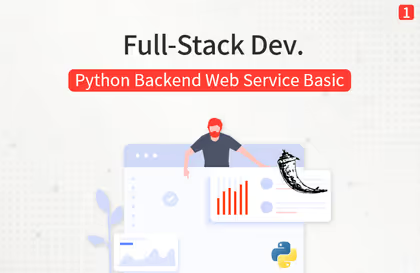
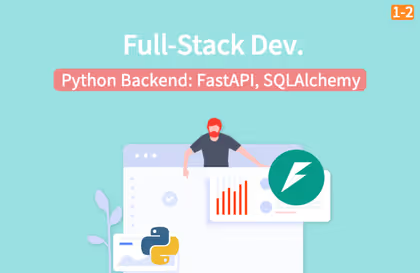
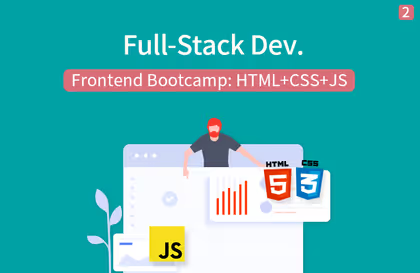
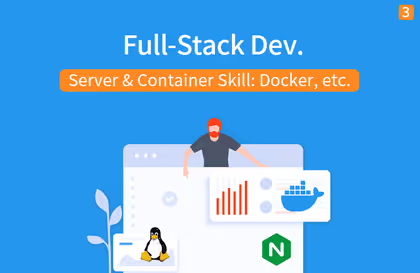









![[Updated] Your First Python Data Analysis (Easily! Learn the Entire Process of Preprocessing, pandas, and Visualization) [Data Analysis/Science Part 1]Course Thumbnail](https://cdn.inflearn.com/public/course-325576-cover/75d85753-8e0b-40f3-9f11-ca43e70c5200?w=420)



![[Renewed] Python Introduction and Web Scraping Basics Bootcamp [From Python and the Web to Fundamental Data Concepts] (Updated)Course Thumbnail](https://cdn.inflearn.com/public/courses/324082/cover/57af93de-1021-40b4-80d7-a0dfc17190cf/324082.png?w=420)
![First-Time Deep Learning and PyTorch Bootcamp (Easy! From the Basics to the Core Transformers Behind ChatGPT) [Data Analysis/Science Part 3]Course Thumbnail](https://cdn.inflearn.com/public/courses/329540/cover/1be7b8cb-800f-48cb-a30c-b7d78996c075/329540-eng.png?w=420)
![Flutter for Beginners: From Basics to Real-World Applications [Full Stack Part 4] (Easy, Robust, and Step-by-Step Through Various Projects)Course Thumbnail](https://cdn.inflearn.com/public/courses/331245/cover/1f8c5bb8-8aad-4542-b3bc-977cda51c846/331245.png?w=420)
![Python Backend for Beginners: An Introduction to FastAPI (From FastAPI to Asynchronous SQLAlchemy) [Full-Stack Part 1-2]Course Thumbnail](https://cdn.inflearn.com/public/courses/333248/cover/7323d828-100e-4ac9-8e6e-0e51a17ac741/333248.png?w=420)
![[Renewed] Beginner’s Python Machine Learning Bootcamp (Easy! Learn by Solving Real Kaggle Problems) [Data Analysis/Science Part 2]Course Thumbnail](https://cdn.inflearn.com/public/courses/327464/cover/55c4db7b-7764-43cc-ac75-d9e8d08098f1/327464-eng.png?w=420)
![Docker and Modern Server Technologies for Full-Stack Development (Linux, nginx, AWS, HTTPS, Deployment) [Full-Stack Part 3]Course Thumbnail](https://cdn.inflearn.com/public/courses/326771/cover/bc862b4d-abe6-4d80-a826-3a5324a9f998/326771-eng.png?w=420)
![A Solid Front-End Bootcamp for Full-Stack Developers (HTML, CSS, Vanilla JavaScript + ES6) [Full-Stack Part 2]Course Thumbnail](https://cdn.inflearn.com/public/course-326306-cover/4ea213de-f786-4af1-a9d0-b8932263885a?w=420)
![[Renewed] Introduction to Python Backend and Web Technologies for Beginners (Intermediate Python, Understanding Backend and Web Technology Fundamentals with Flask) [Full-Stack Part 1-1]Course Thumbnail](https://cdn.inflearn.com/public/course-325804-cover/6afae82f-e06b-4a0b-914d-2bdf7b1f5b60?w=420)
![[Renewed] First-Time MongoDB and NoSQL (Big Data) Database Bootcamp [From Beginner to Practical Use] (Updated)Course Thumbnail](https://cdn.inflearn.com/public/courses/324183/cover/fbe9f0cc-4c42-4435-b855-f283f6932415/324183.png?w=420)
![[The concept is easy~, the practice is intense] SQL data analysis, utilization!Course Thumbnail](https://cdn.inflearn.com/public/courses/328743/cover/59aa0ed0-cf2f-4cdc-b508-6cf8d652c563/328743-eng-original.png?w=420)
![[SQL Quest] Strengthen your SQL skills by solving real-world problems (Basic)Course Thumbnail](https://cdn.inflearn.com/public/courses/332155/cover/ddae2375-cd09-492e-8290-c7754172ee02/SQL Quest thumbnail.png?w=420)
![[A hundred words are not as good as seeing once] Advanced SQL for data analysisCourse Thumbnail](https://cdn.inflearn.com/public/courses/324605/cover/141a32ce-69fe-42d9-9253-d2136e208464/sql_advanced.png?w=420)

![[Renewed] SQL BootcampCourse Thumbnail](https://cdn.inflearn.com/public/courses/325341/cover/446fa1d9-55b1-4808-b873-359d645ebe2d/325341.png?w=420)
![[MMORPG Game Development Series with C# and Unity] Part 5: DatabaseCourse Thumbnail](https://cdn.inflearn.com/public/courses/325283/course_cover/afb413e6-681e-47cd-808a-099c79fed112/rookiss-rpg-5.jpg?w=420)
![[New 2025] Welcome, is this your first time using Fast API?Course Thumbnail](https://cdn.inflearn.com/public/courses/332854/cover/1cf331e7-8fd0-4120-8d96-9a416ec32904/332854.png?w=420)


![[2026] SQLD All-in-One: Pass in One Go, Even for Non-MajorsCourse Thumbnail](https://cdn.inflearn.com/public/files/courses/336953/cover/01kfq68bzb04w1mydc92ysfads?w=420)