Node.js and CS Part 4 in the "Age of AI Clicks" Breaking Through with Principles - The Depths of HTTP and Custom Frameworks

We will completely resolve the anxiety of those who felt frustrated by blindly copying AI-generated code without understanding the internal workings of HTTP or the causes of unexpected hanging.

20 learners are taking this course

Level Basic

Course period Unlimited

JavaScript
JavaScript
Node.js
Node.js
Computer Architecture
AI
AI
React
React
JavaScript
JavaScript
Node.js
Node.js
Computer Architecture
AI
AI
React
React

What you will gain after the course

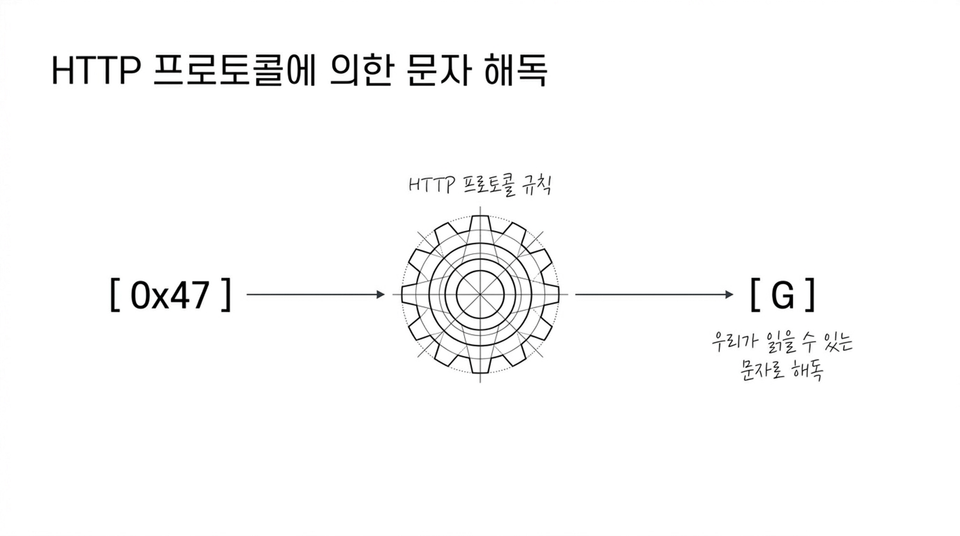
  • Ability to read and interpret the raw text of the HTTP protocol: Perfectly interpret and control the raw text structure of start lines, header fields, bodies, and CRLF line break characters.

  • Raw hex byte stream parsing and hex dump analysis capabilities: Restore and control network machine language (Hex Stream) intercepted with Wireshark into actual memory buffers.

  • V8 heap external off-heap memory control: Build memory-friendly servers with C++ layer buffer allocation that does not overload the garbage collector.

  • Multi-byte (UTF-8) character corruption resolution: Prevents Korean characters from being torn at chunk boundaries split by network MTU units by collecting and merging raw buffers.

  • Fundamental prevention of network hanging: By controlling the data termination point in chunked transfer encoding, it fundamentally resolves the browser's infinite waiting (freezing) bug.

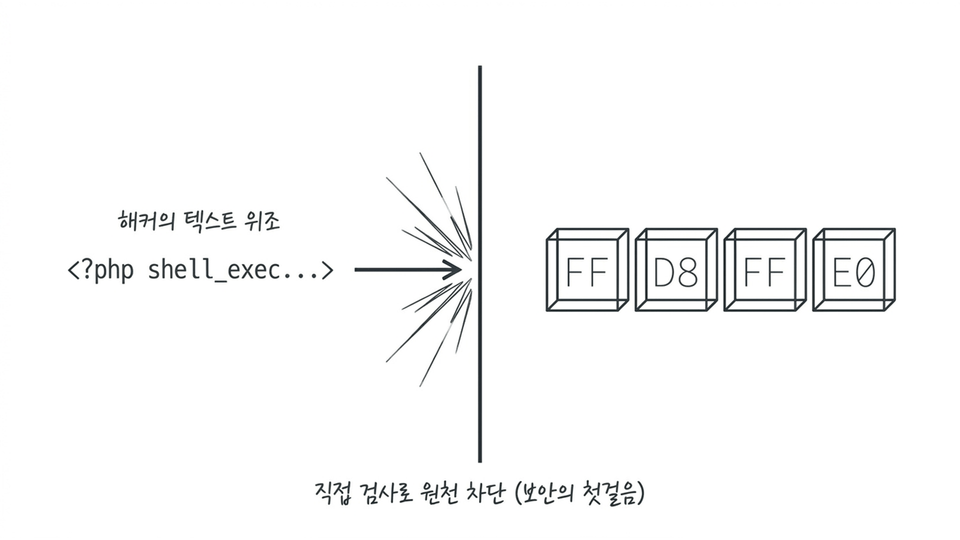
  • File DNA Magic Number Identification Capability: Implements ironclad security that matches machine language signatures at the very beginning of the buffer, without being deceived by shell extensions forged by the client.

  • Stream Backpressure Auto-Tuning Capability: Implements lossless large-scale file uploads by controlling the bottleneck between high-speed network reception and slow hard disk recording through a pipeline.

  • MIME type and multipart boundary dissection capabilities: Master the principles of partitioning and parsing form data mixed with different media types using random boundaries.

  • Mathematical Idempotency-based RESTful API Design Skills: Establishing an architecture that clearly separates HTTP method verbs based on server state changes.

  • Object-returning method chaining design skills: Directly implement an elegant API within a framework that returns itself to chain state specification and transmission into a single line.

  • Middleware Pipeline (Chain of Responsibility) Control: Build a chain engine that passes the relay baton while accumulating data in a shared object based on a Single Source of Truth (SSOT) structure.

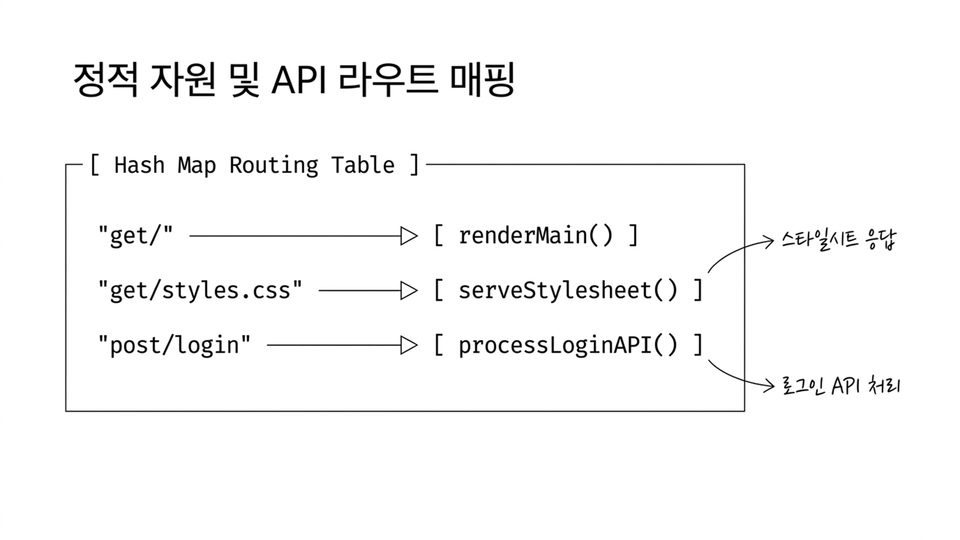
  • O(1) Ultra-fast Hash Map Router Implementation: Create a high-performance routing system that finds paths instantly in a single operation, without meaningless linear search conditional branches.

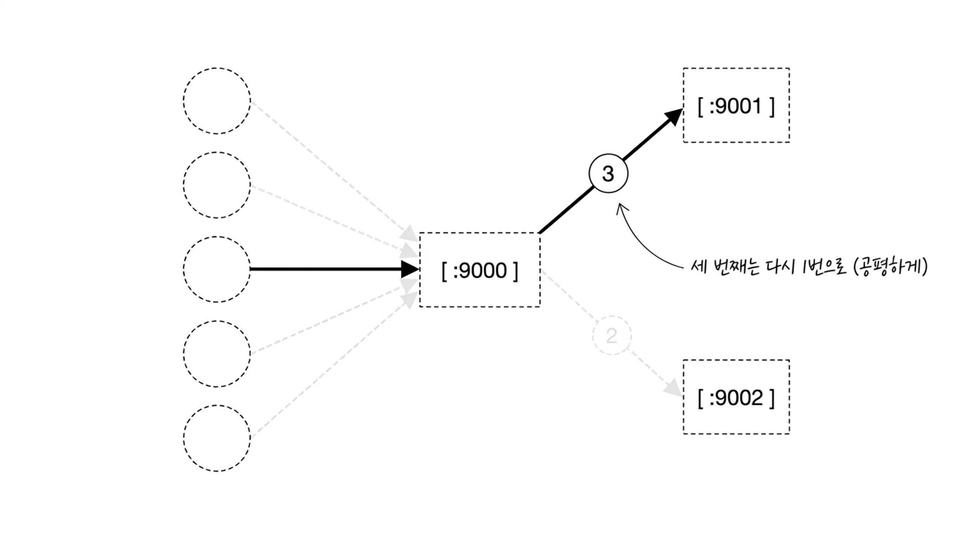
  • Reverse Proxy and Load Balancer orchestration skills: Equipped with an infrastructure perspective to equitably distribute traffic surges across multiple backend replica servers using round-robin algorithms.

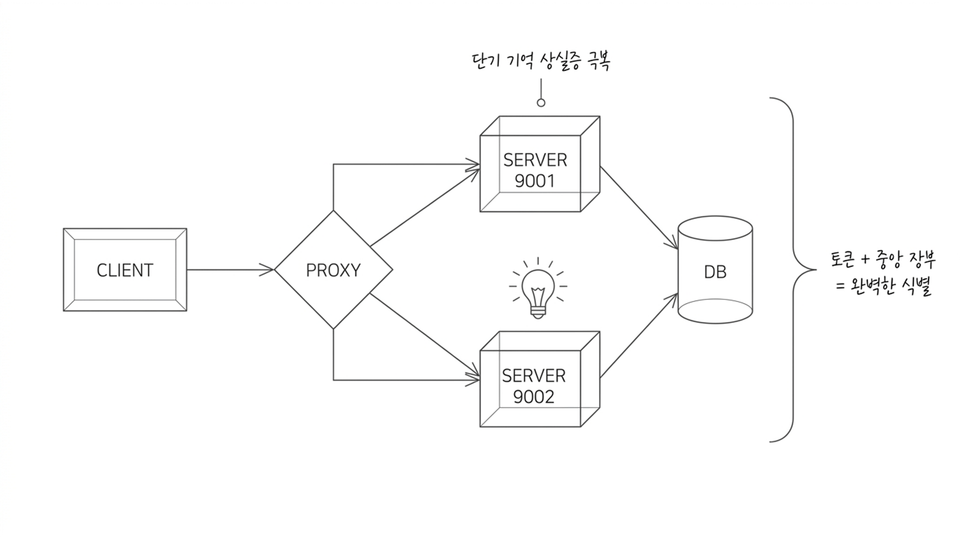
  • Statelessness and Session-Token Synchronization Design: Establish a self-authentication architecture that weaves together a central ledger and opaque tokens to overcome HTTP's amnesia.

  • Zombie session memory leak garbage collection control: By fusing timers and object property destruction operators, it severs references to ghost sessions to prevent server crashes.

  • AI code generator hallucination verification and debugging capabilities (AI competitiveness): It can instantly identify and fix memory leaks or inefficient O(N) logic hidden behind the sophisticated framework code generated by AI.

  • The insight of an 'Engine Designer' who goes beyond being a simple coder (AI Competitiveness): AI only copies patterns and cannot oversee the entire system. Through the experience of building your own framework engine from scratch, you become a high-level designer who controls AI.

  • Low-level prompt engineering that sees through the black box (AI competitiveness): Instead of using framework shells, it instructs and extracts overwhelmingly sophisticated code from AI using clear computer science keywords at the machine language level, such as "off-heap buffer processing" and "chunk decoding."

  • An Architect's Vision for Defending Gaps in Security and Exception Handling (AI Competitiveness): Block fatal vulnerabilities that AI often misses—such as missing early returns and malicious polyglot file bypasses—at the source through defensive programming based on protocol principles.

  • 'Irreplaceable Problem-Solving Skills' (AI Competitiveness) to Break Through the AI Era: Secure overwhelming survival skills to fundamentally resolve mysterious server crashes and network latency encountered in practice through Wireshark hex dump analysis and TCP/IP knowledge, rather than relying on AI.

🎓Node.js and CS Part 4 Breaking Through with Principles in the "Age of AI Clicks" - HTTP Depths and Custom Frameworks

In an AI era where launching a web server has become incredibly easy, maintaining stability in the face of massive traffic belongs to the realm of system design; one must move beyond simply using frameworks and advance toward high-end engineering that involves directly designing the "performance and structure of the engine."

To achieve this, this course organically combines the core knowledge from Part 1, which conquers V8 engine heap memory optimization and asynchronous control; Part 2, which coordinates the flow rate of data through stream pipelines; and Part 3, which masters kernel-level TCP socket communication networks.

In other words, the memory efficiency covered in Part 1 amplifies into the stream throughput of Part 2, and further into the overall processing performance of the HTTP engine through the network socket communication in Part 3. By stripping away the abstraction layers of commercial frameworks and integrating the Node.js core with the essence of HTTP, you will reach the pinnacle of high-level architecture, designing your own unique web server engine.


🔍 Why go back to the 'essentials'?

Beyond simply launching a server, you must directly design the 'engine's performance and structure' through which data flows.

  • Part 1 (V8 Engine): Heap memory optimization and asynchronous execution control

  • Part 2 (Stream): Large-scale data flow control and pipeline tactics

  • Part 3 (Network): Mastering the Operating System Kernel and TCP Socket Communication Networks

  • Part 4 (HTTP): Building a proprietary web server framework by integrating the above knowledge


🧱 Core Philosophy of the Lecture Structure

📌 “A black-box framework is not the architecture's private life.”
→ The logic hidden behind the veil of abstraction, such as express.static() or body-parser, takes away the developer's control. We will directly parse raw bytes (octets) flowing over TCP sockets and implement the reality of middleware from the ground up, replacing every operation of the framework with 100% understandable 'transparent code.'

📌 Don't guess; prove it with bytes.
→ Abandon the subjective feeling that "the request seems slow" and verify the actual flow of data traveling over the network lines through Wireshark and Hex Dumps. By visually verifying the reality of 0s and 1s, we surgically address potential memory leaks and overhead in AI-generated code down to the unit of 1 millisecond and 1 byte.

📌 Immutable protocol specifications are more powerful than variable logic.
→ Relying on frequently changing commercial framework APIs is like building a castle on sand. We use the timeless standard specifications of the HTTP protocol and RFC documents as the foundation for direct implementation. We internalize the mindset of a protocol-level 'engine designer' that remains unshaken no matter what new libraries emerge.

📌 Transform the paradox of statelessness into system viability.
→ View server statelessness as a weapon for scalability rather than a weakness. Within a structure that handles every client independently, you will design an 'ever-running' distributed system architecture capable of horizontal scaling (Scale-out) by synchronizing central ledgers (Sessions) and opaque tokens.

📌 A 0.1% network latency determines the quality of the user experience.
→ Through a hash map architecture that reduces O(N) inefficiency to O(1) during routing table lookups, and pipeline tactics that regulate backpressure like a valve during high-capacity stream processing, we defend the responsiveness of an engine that reacts without a single frame of delay even in the face of a traffic tsunami.

📌 Errors are not to be hidden, but to be isolated and controlled.
→ Defensive coding that hides errors out of fear gives birth to zombie sessions that eat away at the system. Through Defensive Design, we clearly catch all exception paths as 404/500 errors and ensure the system's ultimate survival with a memory management strategy perfectly synchronized with the Garbage Collector (GC).

📌 He who rules the object reference rules the data flow.
→ Recognize that the req and res objects flowing through the middleware pipeline are not copies, but a single memory original. By utilizing elegant processing methods for reference-type objects—passing reference addresses like a relay baton to accumulate data—we build an ultra-efficient pipeline that minimizes unnecessary memory duplication.

📌 Build a low-level shield more sophisticated than AI.”
→ While AI can write flashy code, it is clumsy at verifying Magic Numbers—the DNA of files—or defending against data corruption at stream boundaries. By directly implementing low-level defense logic that blocks system-destroying malicious requests at the octet level, you will personally control the practical security infrastructure of a production environment.

📌 An engine designer is a ‘provider,’ not a ‘consumer’ of frameworks.
→ Move beyond being a coder who simply borrows features from commercial frameworks and build your own framework engine from scratch, covering everything from data reception to static serving, authentication, and load balancing. This experience will grow you into an irreplaceable architect who remains unshaken by passing trends.

📌 When you control the essence, the waves of traffic become the fuel for your architecture.
→ This grand journey, leading through ultra-fast hash map engines, middleware pipelines, sessions, and load balancing, is not just about implementing simple features. By gaining the perspective of an architect who perfectly commands the system's memory and network pipelines, you will ensure that no tsunami of traffic can ever bring your service down.


✨ Features of this course

  1. 'Deep Dive Dissection of the HTTP Protocol at the Octet Level
    → Strip away high-level frameworks and directly parse everything from the start line and headers to binary data fragments in the body at the raw byte level.

  2. A proprietary web server engine crafted on top of TCP sockets
    → Moving beyond the shell of http.createServer, you will design your own custom framework engine from scratch using socket communication and stream control.


  3. Hash Map Routing Architecture Guaranteeing O(1) Speed
    → Completely eliminate inefficient conditional statements (if-else) and utilize hash table data structures to instantly target tens of thousands of routes.


  4. Backpressure Control for Memory Protection
    → By coordinating hard disk file serving speeds and network transmission speeds like a valve, it fundamentally prevents server memory spikes even during large-scale data inflows.


  5. Event Loop and Heap Memory Leak Defense
    → Through a garbage collector integration strategy that defends against zombie sessions, we ensure the server's survivability to operate stably 24 hours a day without process crashes.


  6. Method Chaining Pattern for Declarative API Design
    → By implementing advanced design techniques that return the object itself (return res), response handling is transformed into an intuitive and concise chain of calls.

  7. Chain of Responsibility-based Middleware
    → Connect complex business logic such as authentication, logging, and data parsing like a chain to build an easy-to-maintain, enterprise-grade pipeline.

  8. Session and Token Architecture Conquering Statelessness
    → Overcoming HTTP's amnesia, we synchronize central databases with cookies to complete an authentication system capable of horizontal scaling (Scale-out).

  9. Debugging Engineering: Piercing Through the Depths of the Network


    → Verify the reality of packets flowing over the lines through Wireshark and hex dump analysis, and resolve machine-level bugs that even AI cannot catch.

  10. Passing down the architectural philosophy of an 'Engine Designer'
    → Go beyond being a simple library consumer and gain the power to break through any traffic surge with the perspective of an architect who has mastered everything from networks to process control.


1️⃣ Low-Level HTTP Engine and Framework Fundamentals:
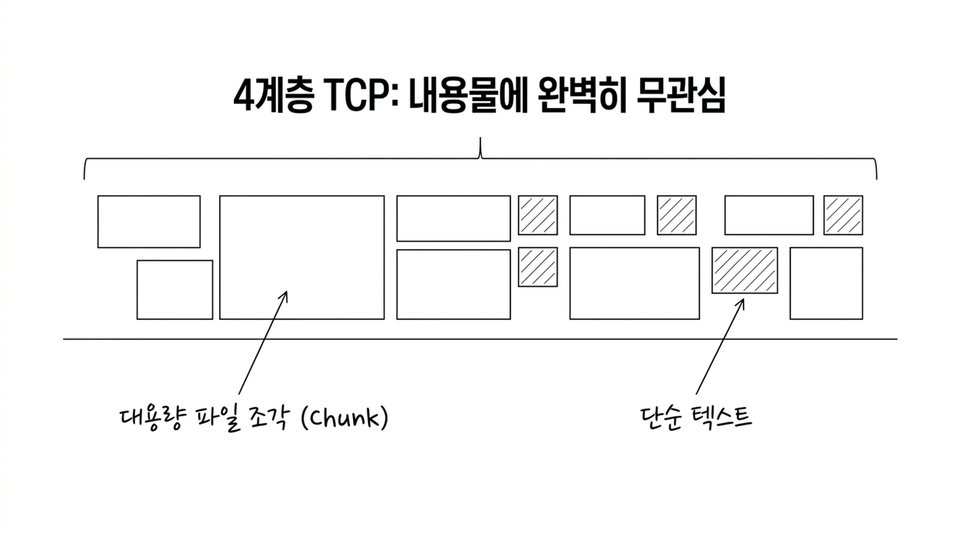
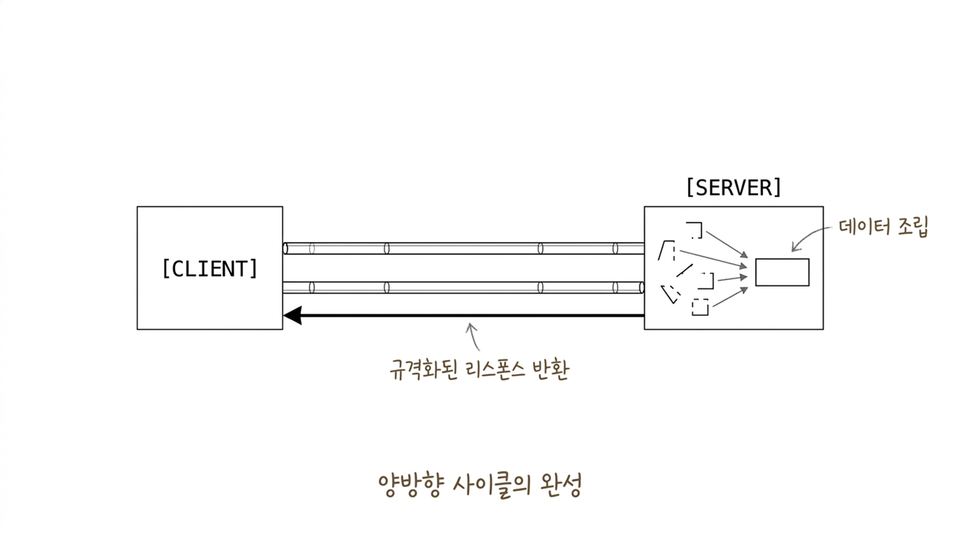
Core design of an independent web framework that parses boundaryless byte streams flowing over L4 TCP sockets into L7 HTTP specifications and intercepts large packets without memory spikes through event-based stream control.

2️⃣ L7 Message Standardization and Pipeline Optimization:
A high-performance communication design that parses boundaryless byte sequences into the HTTP specification and fundamentally blocks handshake overhead through Keep-Alive and cache control to maximize transmission efficiency.

3️⃣ Bidirectional Streams and Raw Buffer Parsing:
Building an integrity-based bidirectional communication engine that combines fragmented incoming binary chunks into a raw buffer state (Buffer.concat) to prevent multibyte character corruption and parsing crashes.

5️⃣ Protocol Integrity Verification and RESTful State Control: Dissecting HTTP vulnerabilities through TCP plaintext sniffing, and building a secure server state control network that fundamentally blocks forgery by combining raw buffer magic number verification with idempotency-based method design.

4️⃣ Dissecting Low-Level HTTP Architecture:
By directly injecting and parsing hex raw bytes into pure TCP sockets, we strip away the facade of off-heap stream-based HTTP abstraction and gain complete control over the core engine's communication principles.

6️⃣ Response Status Control and Static Stream Routing:
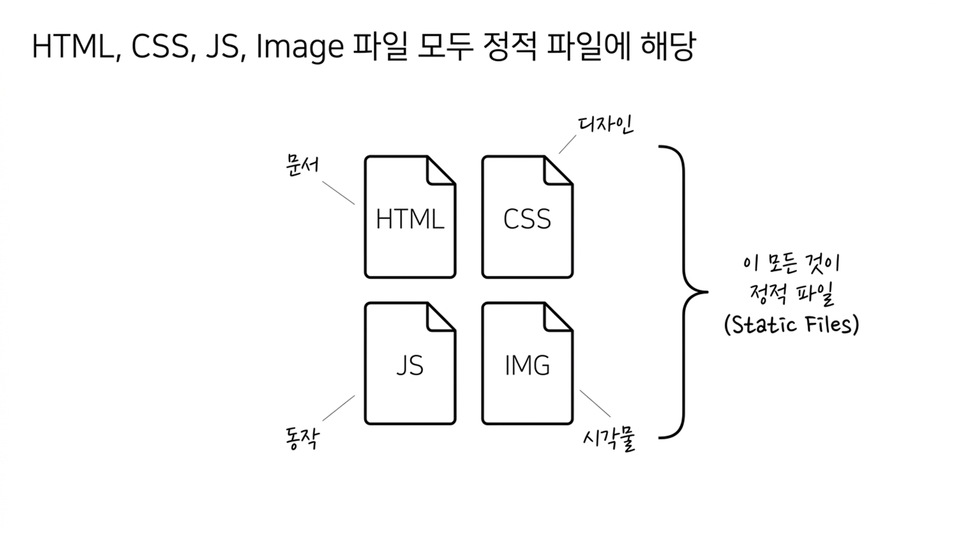
Building a pure web server engine that controls response specifications with HTTP status codes and serves sequential static requests from browsers through pipeline-based routing.

7️⃣ Dynamic API and Hash Map Engine Abstraction:
Implemented JSON communication and backpressure control streams, and abstracted inefficient linear conditional statements into an O(1) hash map router to build a high-performance web framework core.

8️⃣ Middleware Pipeline and Defensive Engine:
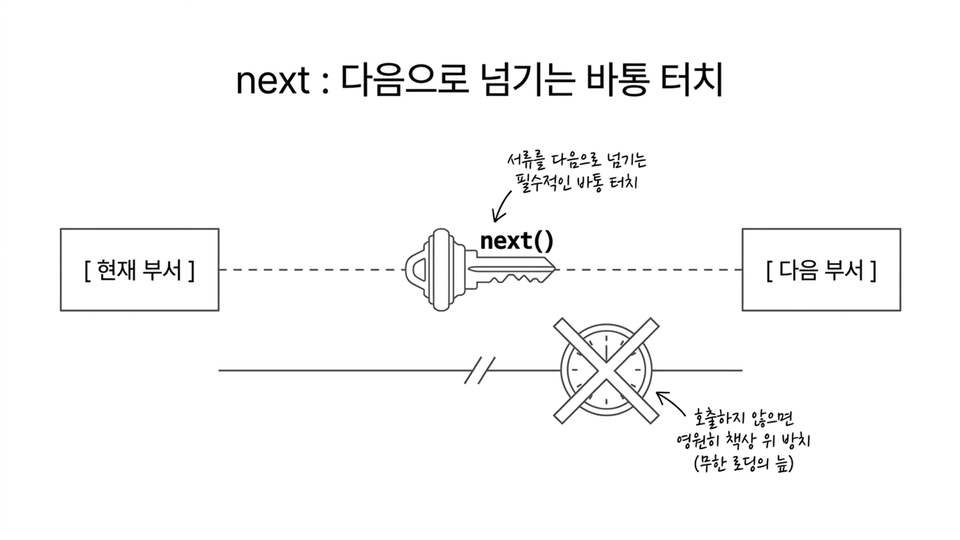
Introducing method chaining and the Chain of Responsibility pattern to maximize the scalability of the hash map router, and building a framework engine with system defensiveness through a recursive next() flow.

9️⃣ Load Balancing and Static Serving Optimization:
Strengthened security through magic number validation and established a high-performance communication architecture with horizontal scalability using stream-based serveStatic middleware and a Round-Robin load balancer.

🔟 Session Architecture and Persistent Authentication Engine:
Securing scalability using statelessness, implementing O(1) performance with a hash map-based session ledger, and completing a persistent authentication system through token/cookie synchronization and rolling session policies.

Those who want to go beyond the veil of commercial frameworks and master the principles of directly parsing and controlling HTTP messages over TCP sockets

Those who want to see through raw byte flows with Wireshark to verify and debug the reality of network packets

Those who want to directly port the Chain of Responsibility pattern (Middleware), which links authentication, logging, and parsing logic like a chain, into the engine

Those who want to maintain server performance even with numerous routes by implementing O(1) hash map routing without conditional branches

Those who want to equip their servers with 404/500 error handling and defensive architecture (Defensive Design) so they never crash under any tidal wave of traffic

Those who want to build a horizontally scalable authentication structure by synchronizing sessions and cookies in a stateless system

Those who want to fundamentally prevent memory explosions during large file transfers by utilizing stream pipelines and backpressure

Those who want to design a declarative method chaining architecture that handles state configuration and responses in a single chain of code

Those who want to leap beyond being a simple coder to become an irreplaceable 'engine architect' who has seized control of the system

👥 Recommended for the following people

  • Realizing true 'Vibe Coding' (AI Competitiveness): Move beyond 'dangerous vibe coding' where you blindly copy AI code based on intuition and crash servers, and instead gain the ability for 'true vibe coding'—perfectly understanding low-level structures to command AI safely and precisely.

  • Overcoming AI Hallucinations and Black Boxes (AI Competitiveness): Instead of blindly trusting the superficial framework code generated by AI, you control the underlying memory and network to directly debug the root causes of subtle bottlenecks and network hanging that even AI cannot resolve.

  • Ultra-precise Low-level Prompt Engineering (AI Competitiveness): By utilizing overwhelming computer science keywords at the machine language and architecture level, such as "Move it to the off-heap buffer" or "Disable chunk encoding," I elevate AI coding quality by more than 200%.

  • Production Traffic Control and Load Balancing (Practical Operations): To handle millions of traffic requests, you will break the limits of a single server and gain enterprise infrastructure capabilities by building a Round-Robin-based Reverse Proxy and Load Balancer from scratch.

  • Memory Explosion Prevention and Backpressure Control (Practical Operations): Understand the V8 heap limits of Node.js during large file transfers and coordinate network flow and disk write speeds through pipelines to fundamentally prevent server crashes due to Out of Memory errors.

  • Zombie Session Garbage Collection (GC) Control (Practical Operation): By building a periodic memory cleaning logic that combines setInterval and the delete operator, we proactively defend against critical operational failures where ghost sessions exhaust server RAM.

  • Early Return-based Defensive Architecture (Practical Operation): When an unregistered path intrusion or malicious data influx occurs, instead of the server remaining silent and wasting resources, it ensures robust system survivability by immediately disconnecting the socket along with 404/500 status codes.

  • Equipped with the 4 Major Cookie Defense Security Options (Practical Operation): Completes a production-level authentication infrastructure by sophisticatedly combining powerful cookie security options, such as HttpOnly to prevent session hijacking and Secure for encrypted communication.

  • Designing my own web framework engine (NhcodingStudio): Instead of being dependent on Express.js or NestJS, I build my own unique core engine from scratch, elegantly encapsulating complex internal asynchronous logic.

  • O(1) Ultra-fast Hash Map Router implementation capability: Discard meaningless and inefficient O(N) linear search branch statements (if-else) and create an ultimate routing system that instantly snatches the destination function with a single operation.

  • Middleware pipeline control based on the Chain of Responsibility pattern: Within a Single Source of Truth (SSOT) structure, you can manage a chain engine that accumulates data on the original req and res objects while passing the relay baton (next).

  • Object Return Method Chaining Design Skills: By applying the object-oriented paradigm and returning the instance itself (return res;), you design elegant APIs that conclude a response in a single line, such as res.status(200).json().

  • Raw HTTP Protocol (Raw Text) Direct Reading and Parsing Power: Possess the ability to directly parse HTTP start lines, headers, and body sections as if carving them with a knife, using CRLF (\r\n\r\n) milestones over pure TCP sockets (net).

  • Raw Hex Byte Stream Vision and Hex Dump Analysis: Restore and control network machine language (Hex Stream) intercepted with Wireshark into actual memory buffers, reading the true nature of packets with your own eyes.

  • File DNA Magic Number Identification & Ironclad Security: Without being deceived by client-manipulated extensions or MIME types, it compares the machine language signatures at the very front of the binary buffer to block malicious files from infiltrating the system.

  • Complete resolution of variable multi-byte (UTF-8) character corruption bugs: Perfectly prevents the phenomenon where Korean characters are torn at chunk boundaries fragmented by network MTU units through raw buffer merging based on Buffer.concat.

  • Directly assembling Body Parser middleware: Realizing that req.body is not magic falling from the sky, I implemented a parser that collects and serializes the pouring stream of binary bytes to dynamically stitch together the data.

  • Breaking the Paradox of Statelessness and Building Custom Sessions: To overcome HTTP's short-term amnesia, establish a custom authentication architecture that weaves together an in-memory central ledger with O(1) lookup speed and opaque tokens.

  • Mathematical Idempotency-based RESTful API Architecting: Design API specifications that align with the essential purposes of GET/POST/PUT/DELETE methods, based on the principles of 'idempotency' and 'safety' that determine whether server state expands.

  • Elevating your status from a framework consumer to an architecture 'producer': You will be able to provide overwhelming deep-dive proof based on the memory operation principles of the framework core when faced with high-pressure questions in technical interviews and practical work, such as "Why did you choose this framework and architecture?"


🎓 After completing the course

  • Ability to read and interpret the raw text of the HTTP protocol: Perfectly interpret and control the raw text structure of start lines, header fields, bodies, and CRLF newline characters.

  • Raw Hexadecimal Byte Stream Parsing and Hex Dump Analysis Skills: Restore and control network machine language (Hex Stream) intercepted by Wireshark into actual memory buffers.

  • V8 Off-Heap Memory Control: Build memory-friendly servers by allocating buffers at the C++ layer to avoid overloading the Garbage Collector.

  • Multi-byte (UTF-8) Character Corruption Bottleneck Resolution: Prevents Korean characters from being torn at chunk boundaries split by network MTU units by collecting and merging raw buffers.

  • Fundamental Prevention of Network Hanging: By controlling the data termination point in chunked transfer encoding, it fundamentally resolves browser infinite wait (freezing) bugs.

  • File DNA Magic Number Identification Capability: It implements ironclad security by comparing the machine code signature at the very front of the buffer, rather than being deceived by fake extensions forged by the client.

  • Stream Backpressure Auto-Tuning Capability: Implement lossless large-scale file uploads by controlling the bottleneck between high-speed network reception and slow hard disk recording through a pipeline.

  • MIME Type and Multipart Boundary Dissection Skills: Mastery of the principles for partitioning and parsing form data containing mixed media using random number boundaries.

  • Mathematical Idempotency-based RESTful API Design Skills: Establish an architecture that clearly separates HTTP method verbs based on server state changes.

  • Object-returning Method Chaining design capability: Directly implement elegant APIs that chain state specification and transmission into a single line by returning self within the framework.

  • Middleware Pipeline (Chain of Responsibility) Control: Build a chain engine that passes the relay baton while accumulating data in shared objects through a Single Source of Truth (SSOT) structure.

  • O(1) Ultra-fast Hash Map Router Implementation Skills: Create a high-performance routing system that finds paths instantly in a single operation, without meaningless linear search conditional statements.

  • Reverse Proxy and Load Balancer Orchestration Skills: Equip yourself with an infrastructure perspective to evenly distribute traffic surges across multiple backend replica servers using round-robin algorithms.

  • Statelessness and Session-Token Synchronization Design Skills: Establish a self-authentication architecture that weaves together a central ledger and opaque tokens to overcome HTTP's amnesia.

  • Zombie Session Memory Leak Garbage Collection Control: Defends against server crashes by severing references to ghost sessions through the fusion of timers and object property destruction operators.

  • Verification of AI Code Generator Hallucinations and Debugging Capabilities (AI Competitiveness): You can immediately identify and fix memory leaks or inefficient O(N) logic hidden behind the flashy framework code generated by AI.

  • Insight of an 'Engine Designer' beyond a simple coder (AI Competitiveness): AI merely copies patterns and cannot oversee the entire system. Through the experience of building your own framework engine from scratch, you become a high-level designer who controls the AI.

  • Low-level prompt engineering that sees through the black box (AI Competitiveness): Instead of just the framework's surface, you will instruct and extract overwhelmingly sophisticated code from AI using clear computer science keywords at the machine level, such as "off-heap buffer processing" and "chunked encoding decompression."

  • An architect's perspective defending gaps in security and exception handling (AI Competitiveness): Block fatal vulnerabilities that AI often misses—such as missing early returns or malicious polyglot file bypasses—at the source through defensive programming based on protocol principles.

  • 'Irreplaceable problem-solving skills' to break through the AI era (AI competitiveness): Instead of relying on AI, you will secure overwhelming survival skills to fundamentally resolve mysterious server crashes and network delays encountered in practice through Wireshark hex dump analysis and TCP/IP knowledge.

💻 Notes Before Taking the Course

🔗 [Previous series highly recommended]

This course is the final chapter of a massive system design curriculum that is finally completed after passing through Part 1 (Foundations of the Engine), which covered V8 engine memory management and local data structures; Part 2 (The Art of Streams), which conquered large-scale file system streams and pipeline architecture; and Part 3 (The Abyss of Networks), which dealt deeply with OS-level TCP/IP networks and socket communication. Since the infrastructure control knowledge from previous parts connects organically and seamlessly into the HTTP and framework design of Part 4, it is strongly recommended to take the entire course in order. (However, senior developers who are proficient in low-level network sockets and Node.js core modules may take this course independently.)

⌨️ [Don't just watch with your eyes; internalize it through your fingertips]

Do not stop at simply watching videos and observing code written by others. We recommend the process of opening your own server and client terminals, exchanging packets, and typing out the pouring logs and errors line by line to experience them firsthand. True architecture is completed not in the head, but through the muscle memory of your fingertips.

🔍 [Relentlessly ask "Why?"]

Persistent skepticism about principles, such as "Why did HTTP have no choice but to have the limitation of being Stateless?" or "Why is a Hash Map router overwhelmingly superior to numerous if-else statements?" is the surest weapon to leap from being a simple coder to a 'Web Engine Designer.' If you have any infrastructure-related questions that remain unresolved during your studies, do not suffer alone; please feel free to leave a question at any time.

🗺️ [Make 100% use of the 'Lecture Notes' with overwhelming detail]

It is difficult to imagine the invisible principles of HTTP and the internal pipelines of a framework solely in your head. To assist with this, I have prepared precise lecture notes that span the entire course.

From the defensive design of status codes and the synchronization of sessions and cookies to the structure of middleware pipelines that control countless routers with a single line, we have precisely visualized everything from the physical level of 0s and 1s to global architecture.

This advanced guidebook provided for every chapter of this course will be your most powerful weapon, helping you intuitively see through complex infrastructure structures. After watching the videos, be sure to read the lecture notes thoroughly to internalize fragmented knowledge into your own complete skill set.

Recommended for
these people

Who is this course right for?

  • Realizing True 'Vibe Coding' (AI Competitiveness): Move beyond 'dangerous vibe coding'—where one blindly copies AI code based on intuition and crashes servers—to acquire 'true vibe coding' skills that involve thoroughly understanding low-level structures to safely and precisely command AI.

  • Overcoming AI Hallucinations and the Black Box (AI Competitiveness): Instead of blindly trusting the superficial framework code generated by AI, you directly debug the root causes of subtle bottlenecks and network hangs that even AI cannot catch by controlling the underlying memory and network.

  • Ultra-precise low-level prompt engineering (AI competitiveness): Boost AI coding quality by over 200% by utilizing overwhelming computer science keywords at the machine language and architecture levels, such as "Move it to an off-heap buffer" or "Disable chunked encoding."

  • Production Traffic Control and Load Balancing (Practical Operations): Gain enterprise infrastructure capabilities by breaking the limits of a single server to handle millions of traffic requests, and building a Round-Robin-based Reverse Proxy and Load Balancer from scratch.

  • Preventing memory spikes and controlling backpressure (Practical Operations): Understand Node.js V8 heap limits during large file transfers and coordinate network flow with disk write speeds via pipelines to fundamentally block Out of Memory server crashes.

  • Zombie Session Garbage Collection (GC) Control (Production Operations): Establish periodic memory cleanup logic by integrating setInterval and the delete operator to preemptively prevent critical operational failures where ghost sessions exhaust server RAM.

  • Early Return-based Defensive Architecture (Production Operations): In the event of unauthorized path intrusion or malicious data influx, the system ensures robust survivability by immediately terminating the socket connection with 404/500 status codes, rather than remaining silent and wasting server resources.

  • Equipping the 4 Major Cookie Defense Security Options (Practical Operation): Complete a production-level authentication infrastructure by sophisticatedly combining powerful cookie security options, such as HttpOnly to prevent session hijacking and Secure for encrypted communication.

  • Designing my own web framework engine (NhcodingStudio): I am building my own independent core engine from scratch, elegantly encapsulating complex internal asynchronous logic without being dependent on Express.js or NestJS.

  • O(1) Ultra-Fast Hash Map Router Implementation: Discard meaningless and inefficient O(N) linear search branches (if-else) and create an ultimate routing system that instantly captures the destination function with a single operation.

  • Middleware pipeline control based on the Chain of Responsibility pattern: You can manage a chain engine that passes the relay baton (next) while accumulating data on the original req and res objects within a Single Source of Truth (SSOT) structure.

  • Object-Return Method Chaining Design: By applying the object-oriented paradigm to return the object itself (return res;), you design elegant APIs that can conclude a response in a single line, such as res.status(200).json().

  • Direct reading and parsing of raw HTTP protocol text: Develop the ability to directly parse the HTTP start line, headers, and body sections with surgical precision using CRLF (\r\n\r\n) milestones over pure TCP sockets (net).

  • Raw Hex Byte Stream Visualization and Hex Dump Analysis: Restore and control network machine code (Hex Stream) intercepted with Wireshark into actual memory buffers, and read the true nature of packets with your own eyes.

  • File DNA Magic Number Identification and Ironclad Security: We prevent malicious files from infiltrating the system by cross-checking machine language signatures at the very beginning of the binary buffer, rather than being deceived by client-manipulated shell extensions or MIME types.

  • Complete resolution of the variable multi-byte (UTF-8) character corruption bug: Perfectly prevents Korean characters from being torn at chunk boundaries fragmented by network MTU units through raw buffer merging based on Buffer.concat.

  • Assembling Body Parser middleware from scratch: Realizing that req.body isn't magic falling from the sky, you will directly implement a parser that collects and serializes the pouring stream of binary bytes to dynamically stitch together the data pocket.

  • Breaking the Paradox of Statelessness and Building a Custom Session: To overcome HTTP's short-term amnesia, we establish a custom authentication architecture that weaves together an in-memory central ledger with O(1) lookup speed and opaque tokens.

  • Architecting RESTful APIs based on mathematical Idempotency: Designing API specifications that align with the essential purposes of GET/POST/PUT/DELETE methods, based on the principles of 'Idempotency' and 'Safety' which determine whether server state expands.

  • Elevating your status from a framework consumer to an architecture 'producer': In response to high-pressure questions in technical interviews and practical work, such as "Why did you choose this framework and architecture?", you will be able to provide overwhelming proof through a deep dive based on the memory operation principles of the framework core.

Need to know before starting?

  • JavaScript Basics Review

  • Install Node.js (v20 or higher recommended): Please install the LTS (stable version) from the official Node.js website in advance. In this course, we will learn how to communicate with the operating system based on this environment.

  • Code Editor (VS Code): Please prepare Visual Studio Code to write your practice code.

  • Letting go of vague fears: Instead of worrying, "Won't this be difficult?", just bring a sense of joyful curiosity to open the black box of technology with your own hands.

  • (Recommended) Take "Node.js and CS Part 1 in the Era of AI Clicks" - V8 and Core Deconstruction

  • (Recommended) "The Era of AI Clicks" Breaking Through with Node.js and CS Part 2 - Stream Architecture and Hardware Controllers

  • (Recommended) Node.js and CS Part 3 in the "Era of AI Clicks": Breaking Through with Principles - TCP/UDP Sockets and Network Cores

Hello
This is nhcodingstudio

Inflearn Verified

Career Verified

2,952

Learners

170

Reviews

60

Answers

4.8

Rating

21

Courses

Hello, welcome to Woori Neighborhood Coding Studio!

Our Town Coding Studio is an educational group founded by developers who majored in Computer Science at leading North American universities such as Carnegie Mellon, Washington, Toronto, and Waterloo, and gained practical experience at global IT companies like Google, Microsoft, and Meta.

It initially began as a study group created by computer science majors in the U.S. and Canada to study and grow together. Although we were at different universities and in different time zones, the time we spent solving problems together and learning from one another was very special, which naturally led to this thought.

“What if we shared the way we studied with others exactly as it is?”

That question was the starting point of Our Neighborhood Coding Studio.

Currently, about 30 incumbent developers and computer science students are in charge of their respective fields of expertise, directly designing and teaching a curriculum that spans from introductory to practical levels. Beyond simple knowledge transfer, we provide an environment where you can learn from a real developer's perspective and grow together.

“Real developers must learn from real developers.”

We systematically cover the entire process of web development from start to finish, but we don't stop at theory; we help you build your skills through practice and practical-oriented feedback.
Our philosophy is to contemplate and lead the growth of each and every student together.

🎯 Our philosophy is clear.
"True learning comes from practice, and growth is completed when we are together."

From beginners starting development for the first time to job seekers looking to enhance their practical skills and youth exploring their career paths,
Neighborhood Coding Studio aims to be everyone's starting point and a reliable companion walking alongside you.

Now, don't struggle alone.
Neighborhood Coding Studio will be with you on your journey of growth.


Welcome to Neighborhood Coding Studio!

Neighborhood Coding Studio was founded by a team of developers who studied computer science at top North American universities such as Carnegie Mellon, the University of Washington, the University of Toronto, and the University of Waterloo, and went on to gain hands-on experience at global tech companies like Google, Microsoft, and Meta.

It all began as a study group formed by computer science students across the U.S. and Canada, created to grow together by sharing knowledge, solving problems, and learning from one another.
Though we were attending different schools in different time zones, the experience was so meaningful that it led us to one simple thought:

“What if we shared this way of learning with others?”

That thought became the foundation of Neighborhood Coding Studio.

Today, we are a team of around 30 active developers and computer science students, each taking responsibility for their area of expertise—designing and delivering a curriculum that spans from foundational knowledge to real-world development.
We’re not just here to teach—we’re here to help you see through the lens of real developers and grow together.

“To become a real developer, you must learn from real developers.”

Our courses take you through the entire web development journey—from start to finish—focused on hands-on practice, real-world projects, and practical feedback.
We care deeply about each learner’s growth and are committed to supporting your path every step of the way.

🎯 Our philosophy is simple but powerful:
"True learning comes from doing, and true growth happens together."

Whether you're just getting started, preparing for your first job, or exploring your future in tech,
Neighborhood Coding Studio is here to be your launchpad—and your trusted companion on the journey.

You don’t have to do it alone.
Let Neighborhood Coding Studio walk with you toward your future in development.

More

Curriculum

All

63 lectures ∙ (7hr 12min)

Course Materials:

Lecture resources
Published: 
Last updated: 

Reviews

Not enough reviews.
Please write a valuable review that helps everyone!

nhcodingstudio's other courses

Check out other courses by the instructor!

Similar courses

Explore other courses in the same field!

Limited time deal

$774,451.00

69%

$93.50