
강의

멘토링

커뮤니티

NEW
Programming

/

AI Coding

Vibe Coding for Immediate Use – $0 Operating Costs

This is a DevOps course based on practical experience in Silicon Valley. It goes beyond theory to cover content that can be applied immediately in the field. You will learn how to develop using Generative AI (Vibe Coding), set up CI/CD tools in a Kubernetes environment, and implement strategies to keep operating costs at $0. We will cover configuring a production environment without additional costs by running DB, Redis, S3, and batch jobs inside Kubernetes, and you will master building automated pipelines using GitHub Webhooks and Jenkins through hands-on projects.

7 learners are taking this course

Level Basic

Course period Unlimited

  • Dewey Hong
Kubernetes
Kubernetes
CI/CD
CI/CD
cursor
cursor
AI
AI
Kubernetes
Kubernetes
CI/CD
CI/CD
cursor
cursor
AI
AI

What you will gain after the course

  • Development and operational deployment with Vibe Coding

  • Building an infrastructure with zero operating costs

  • Infrastructure configuration automation with Vagrant / Kubespray

Configuring a Kubernetes cluster on an old PC and building a CI/CD environment

Configure and operate infrastructure based on Vibe Coding!

The era of knowing everything before using it is over. Adapt by first experiencing a system where AI writes the code and operating costs are zero dollars!

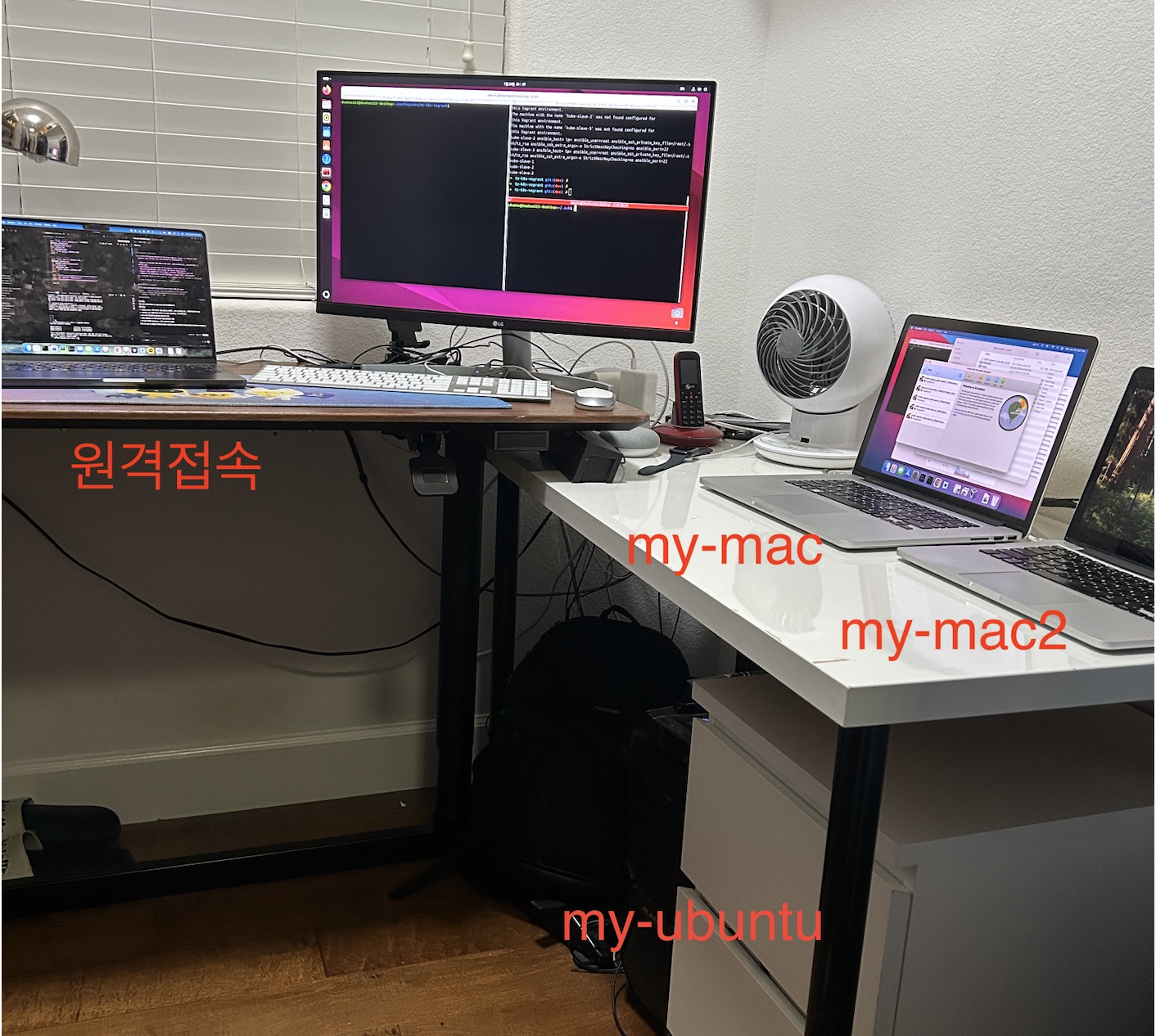
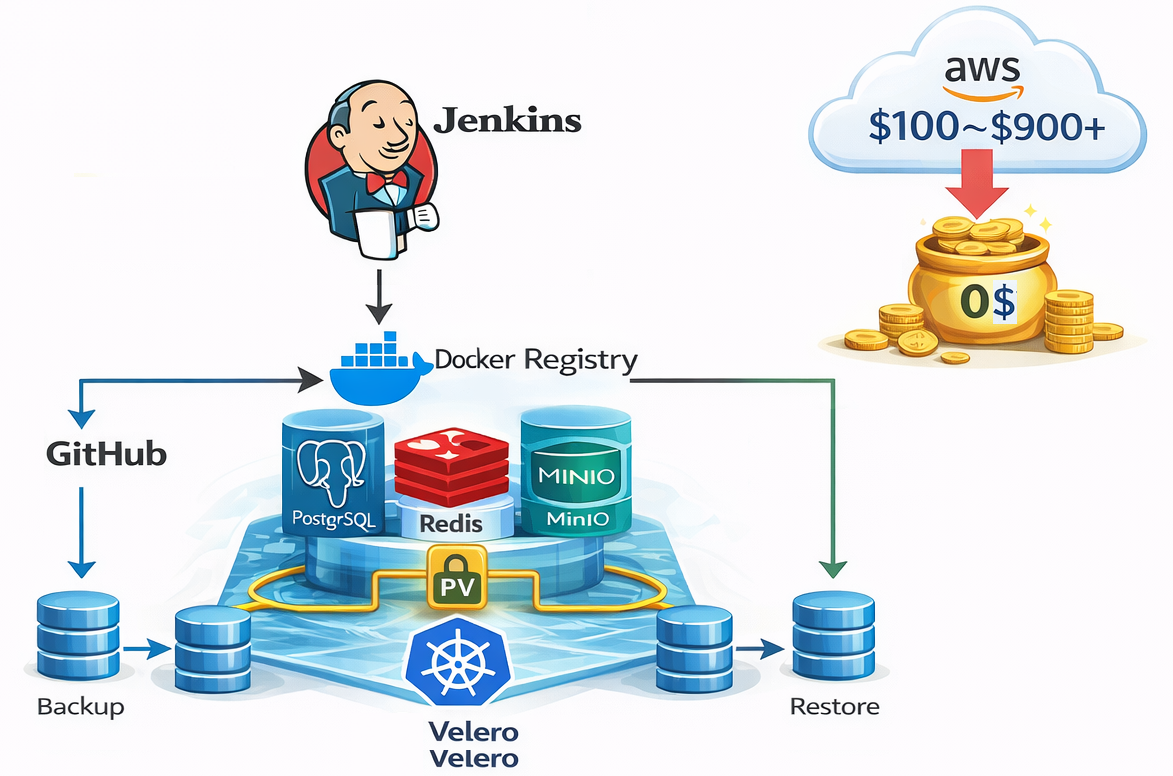
Since releasing the "CI/CD on K8S for Immediate Use" course, I have received many inquiries regarding cloud infrastructure operating costs from developers who built apps using Vibe Coding (AI coding). Many thought, "Since AI writes the code, the costs will be minimal," but in reality, using external cloud services for servers, databases, caches, storage, load balancers, and monitoring can lead to costs ranging from $100 to $900+ per month (over 3 to 4 million KRW per year). To address this financial burden, I began exploring ways to run all services within a Kubernetes cluster. In fact, once Kubernetes is configured, there isn't a significant difference between using Kubernetes in the cloud versus a local environment. Therefore, for development environments or small-scale projects, you can consider setting up and using Kubernetes on your own servers. Personally, I had been collecting old PCs without throwing them away. In this course, I will share how to utilize these devices to build a cluster capable of running all the services mentioned in the lectures using just one or a few PCs. We will cover strategies to bring additional costs down to $0 by running everything—including PostgreSQL, Redis, MinIO (S3 compatible), and batch jobs—inside the Kubernetes cluster.

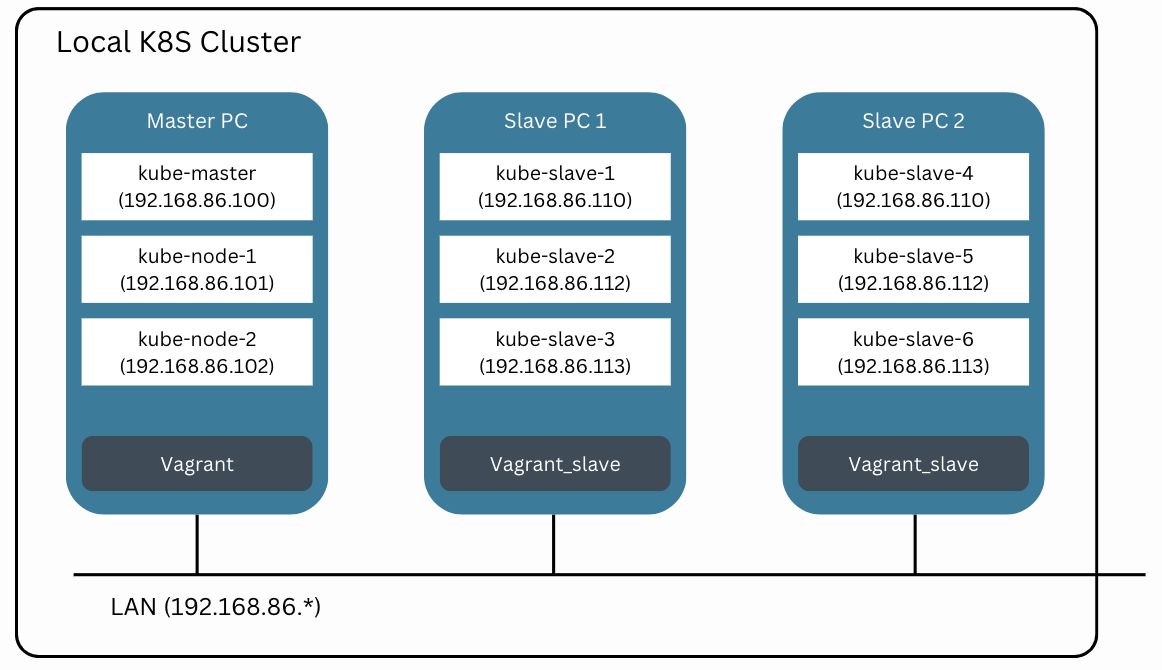
Work Environment - VMs

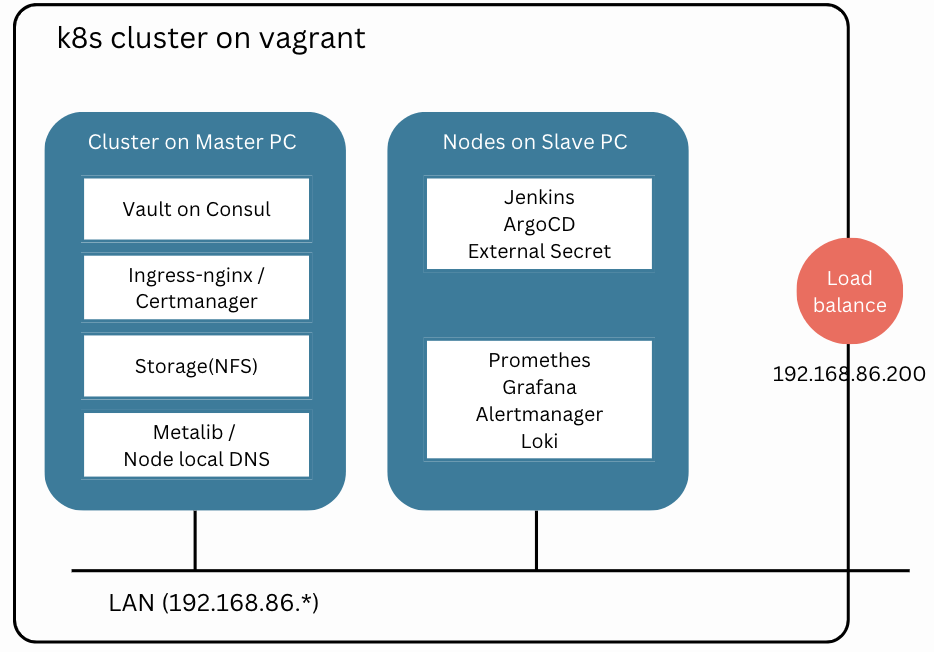
Work Environment - Services

This course is not a traditional theoretical lecture or a simple step-by-step configuration guide. Because Vibe Coding and operational infrastructure cover such a broad scope, studying everything would take a significant amount of time. The approach of studying a thick textbook from start to finish requires a long time before you actually encounter a real system, making it difficult to understand the big picture.

Therefore, in this lecture, you will first experience the entire workflow of developing through Vibe Coding and deploying with zero operating costs using a live project (DrillQuiz). By experiencing the target system first, we explain what requirements to present to the AI, how to verify the code generated by the AI, and how to operate it within a Kubernetes environment.

In particular, this course is not about "how to write code." It focuses on what requirements to present when using AI coding tools (such as Cursor) and how to verify the code generated by AI. Rather than simply asking to "make a Django API," you will learn how to present structured requirements. We provide requirement templates and verification checklists that can be used immediately in practice.

This is a practice-oriented course designed for developers who want to develop using Vibe Coding and deploy services with zero operating costs. Utilizing the Kubernetes environment built in the "Immediately Usable CI/CD on K8S" lecture, you will learn the entire process through a real-world project—from running all services like PostgreSQL, Redis, and MinIO within the cluster, to setting up CI/CD via GitHub Webhooks and Jenkins, configuring domains and Ingress, and implementing logging and monitoring systems. This course helps you develop Vibe Coding requirement design skills and the ability to build zero-cost infrastructure that can be applied immediately in the field.

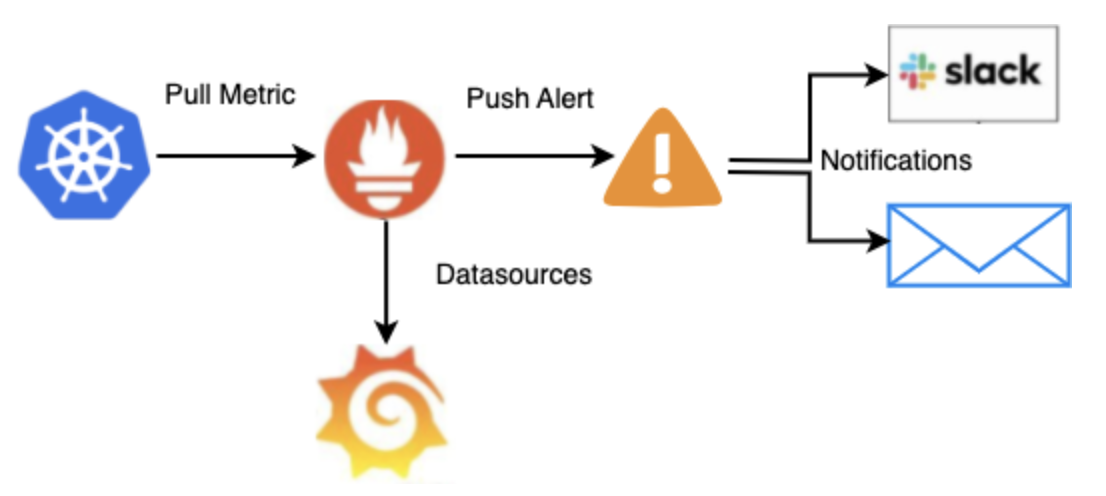
Monitoring / Alertmanager on K8S

You will build a practical vibe-coding development environment and a system with zero operating costs.

Requirements Design and Code Verification Using Cursor AI

You will learn how to effectively present requirements to AI coding tools (Cursor) and systematically verify the code generated by AI. Instead of vague prompts like "Make a Django API," we provide structured requirement presentation methods, along with practical requirement templates and inspection checklists ready for professional use. You will develop the ability to build full-stack applications solely by presenting requirements to AI without manual coding.

Achieving zero operating costs by configuring internal K8S services

Deploy PostgreSQL, Redis, and MinIO (S3 compatible) inside a Kubernetes cluster to configure an operational environment with no additional costs. Practice strategies to reduce monthly costs of $100–$900+, which typically occur when using external cloud services (RDS, ElastiCache, S3, etc.), to $0. Build a complete production environment, including ensuring data persistence through PV (Persistent Volume) and backup/recovery via Velero.

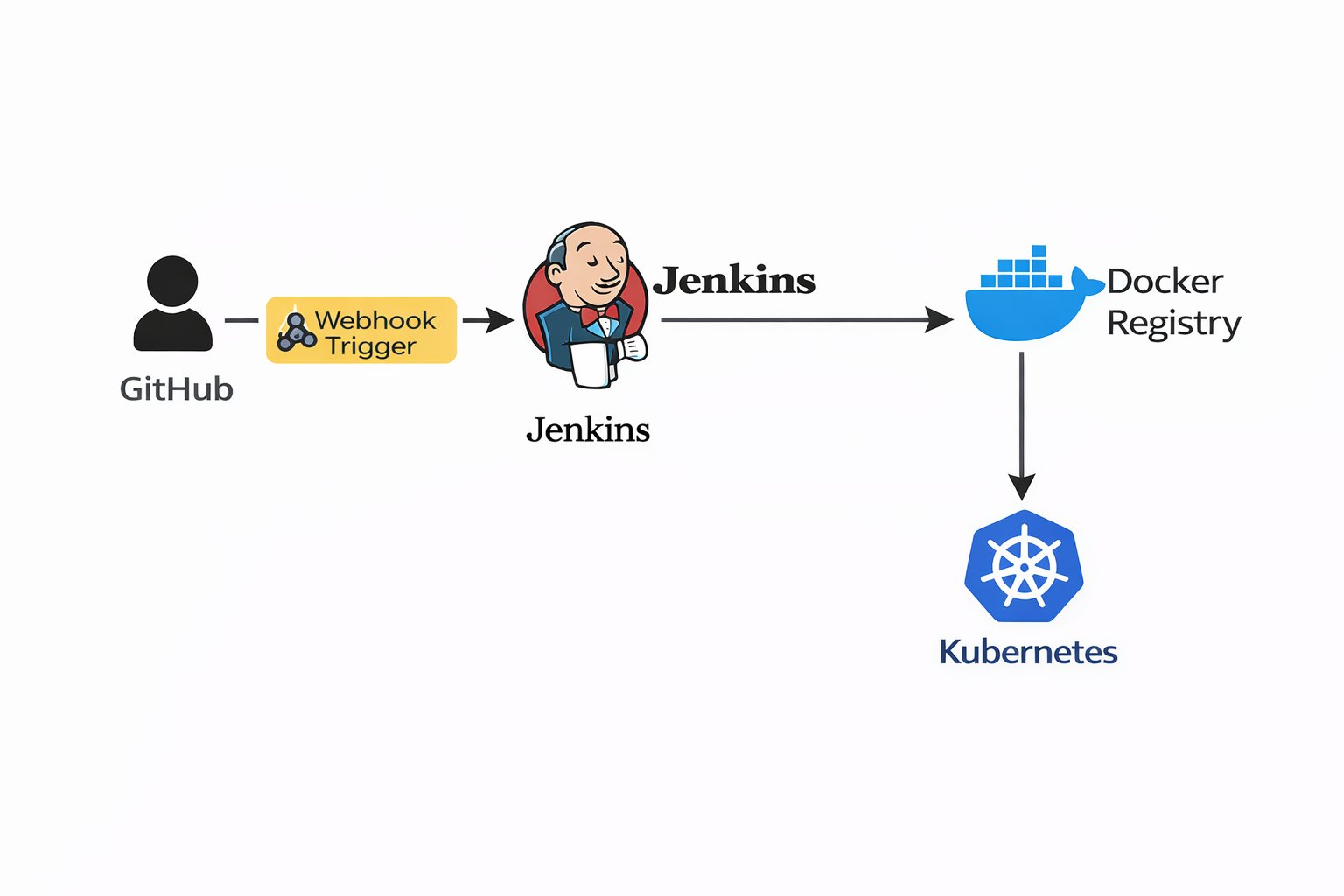
GitHub Webhook and CI/CD Pipeline

Configure a CI/CD pipeline where pushing code to GitHub automatically triggers a Jenkins build and deploys to Kubernetes. Establish an environment where the main branch is automatically deployed to the production environment and the dev branch to the development environment using a Multibranch Pipeline. Complete a practical CI/CD system that automates the entire process, from Docker image building to Kubernetes deployment.

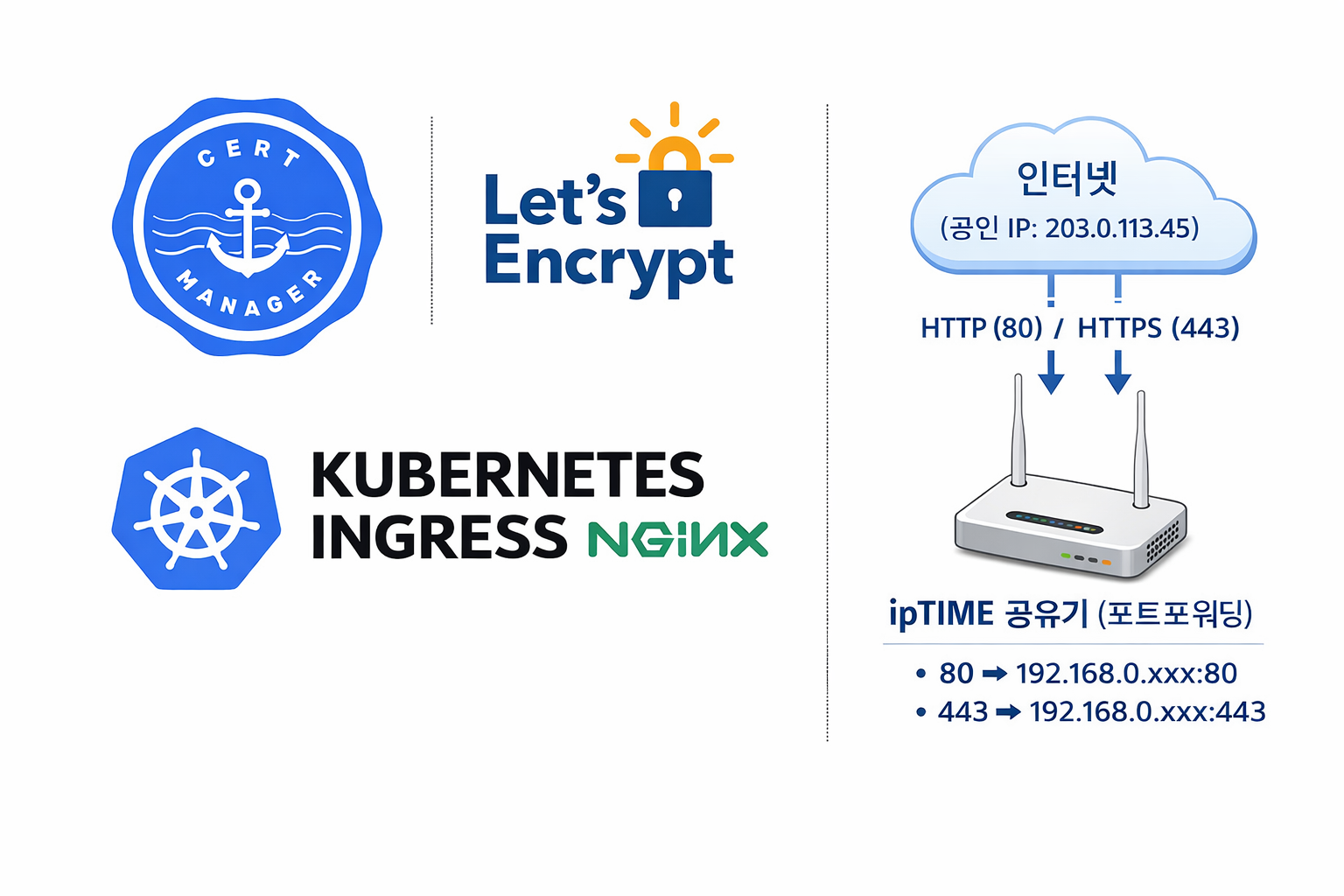
SSL certificate automation and router integration configuration via Ingress-NGINX and cert-manager

Manage application traffic with Ingress-NGINX and automatically issue and renew SSL certificates using cert-manager and Let’s Encrypt. External traffic is routed to the cluster via port forwarding (80/443) on an ipTIME router, establishing a secure, HTTPS-based production environment at zero additional cost.

  • Through this course, students will develop development skills using Vibe Coding (Generative AI) and the ability to build infrastructure with zero operating costs. You will cultivate practical skills in effectively presenting requirements to AI coding tools (such as Cursor) and systematically verifying AI-generated code. Furthermore, you will acquire the ability to configure a production environment without additional costs by operating services within a Kubernetes cluster.

  • Create a VM, perform provisioning, build Docker with Jenkins, and execute CD.


Notes before taking the course

  • You can build a Kubernetes based CI/CD environment that can be applied to full production operations.

  • Build first, analyze / apply later

Practice Environment

  • Operating System and Version: macOS, Linux, Windows

  • Tools Used: Cursor IO, Jenkins, GitHub, K8S, Helm, PostgreSQL, Redis, MinIO, etc.

  • PC Specifications: At least 1 PC with 16GB RAM and 8-core CPU or higher (Recommended: 32GB RAM and 12-core CPU or higher)

  • Learning Materials: PPT, source code, and practice examples provided

Learning Materials

  • Provided learning material formats (PPT, cloud links, text, source code, assets, programs)


Support for DevOps interview practice!

DrillQuiz introduces an online learning platform that maximizes the repetitive learning effect.

https://devops.drillquiz.com

  1. Drain Feature: Reinforces long-term memory by re-exposing problems you once knew after some time has passed.

  2. Interview Mode: Supports conducting mock interviews using the questions.

  3. Incorrect Answer Email Subscription: Receive only the questions you frequently get wrong via email every day for efficient and consistent learning.

Prerequisite Knowledge and Precautions

  • Requires knowledge of DevOps, cloud environments, and Kubernetes usage

  • The copyright of the lectures and learning materials belongs to the course creator.

  • Information regarding Q&A and future updates

Recommended for
these people

Who is this course right for?

  • People who want to configure CI/CD in K8S

  • Developers burdened by cloud infrastructure costs

  • Developers who are unable to properly utilize AI coding tools

Need to know before starting?

  • Completion of the "CI/CD on K8S for Immediate Use" course or equivalent experience in building Kubernetes environments.

  • Basic CI/CD Concepts (Understanding Build and Deployment Pipelines)

Hello
This is

936

Learners

79

Reviews

5

Answers

4.7

Rating

6

Courses

I am a Senior DevOps Software Engineer with over 10 years of experience in Silicon Valley.

I have extensive project experience in various areas, including cloud management, automation, security, and networking.

https://doohee323.github.io/

Curriculum

All

101 lectures ∙ (6hr 51min)

Published: 
Last updated: 

Reviews

Not enough reviews.
Please write a valuable review that helps everyone!

Limited time deal ends in 8 days

$82.50

19%

$102.30

Dewey Hong's other courses

Check out other courses by the instructor!

Similar courses

Explore other courses in the same field!