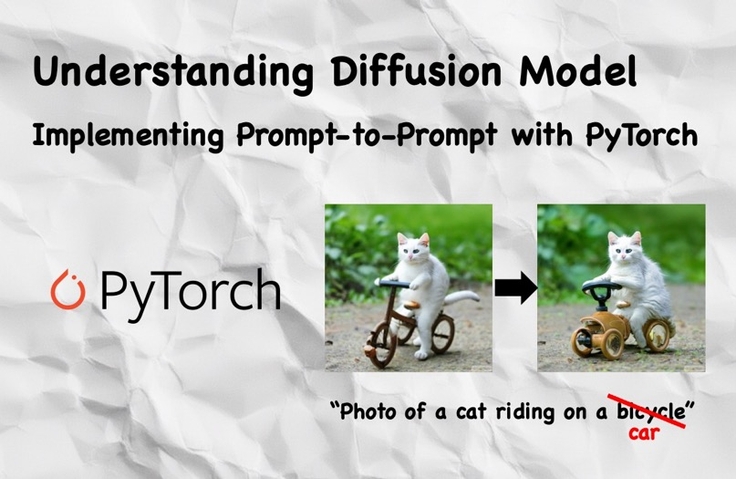


Pixart & SANA, Complete Mastery of Diffusion III: Learning Through Implementation
Sotaaz
$69.30
Intermediate / Python, PyTorch, AI
3.0
(2)
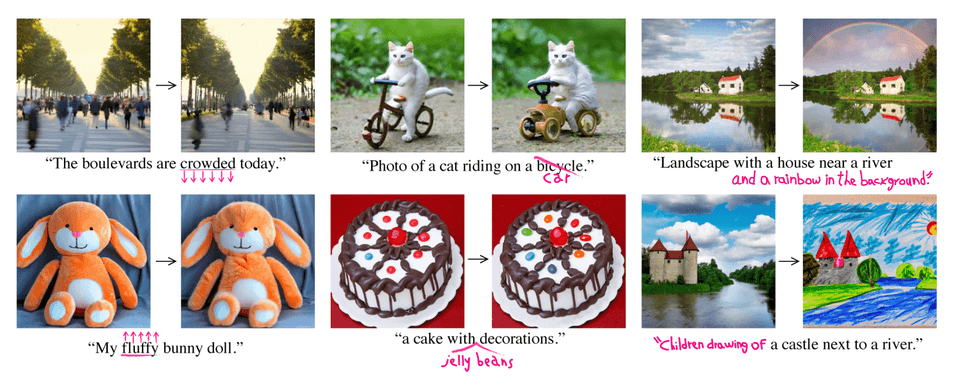
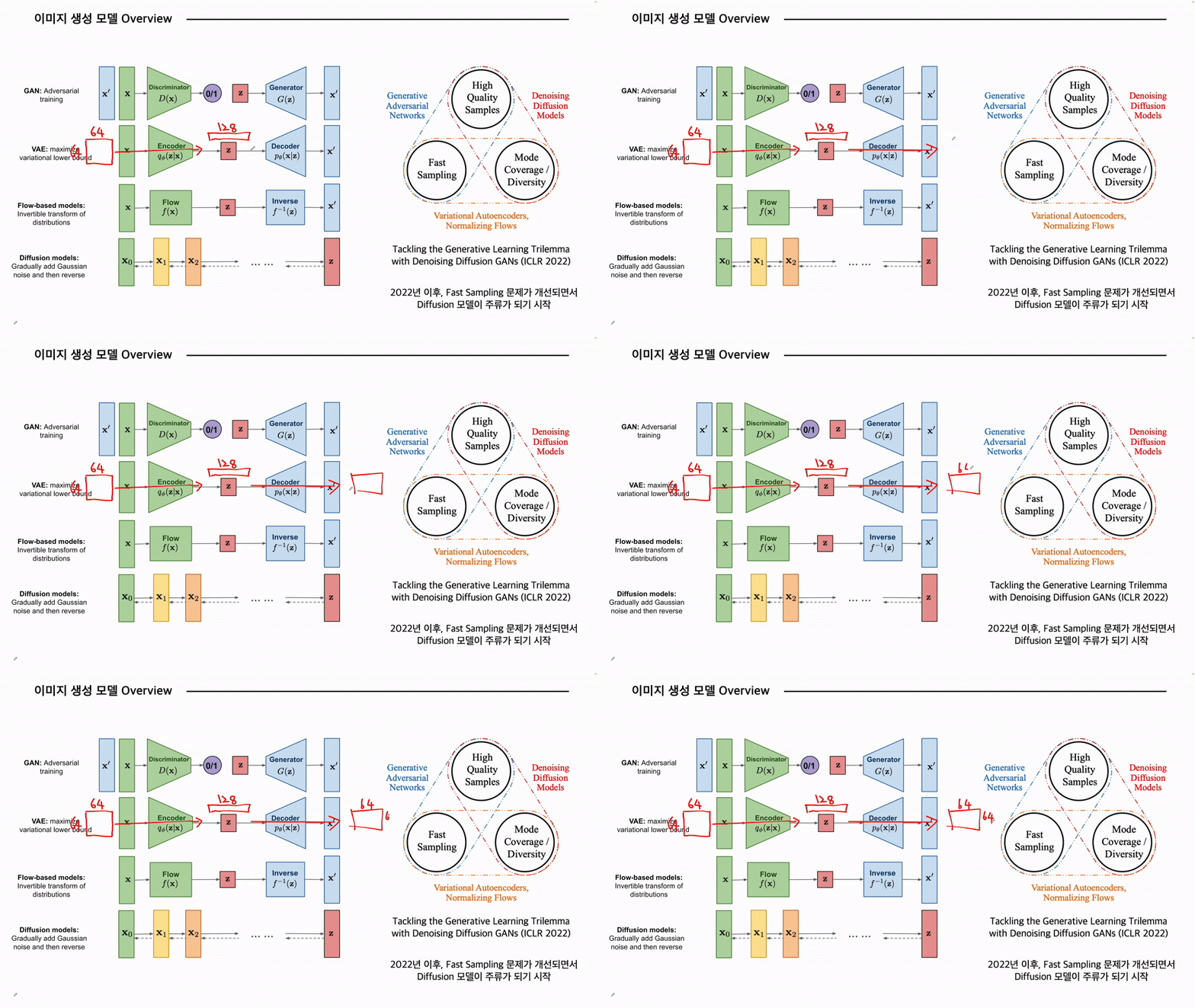
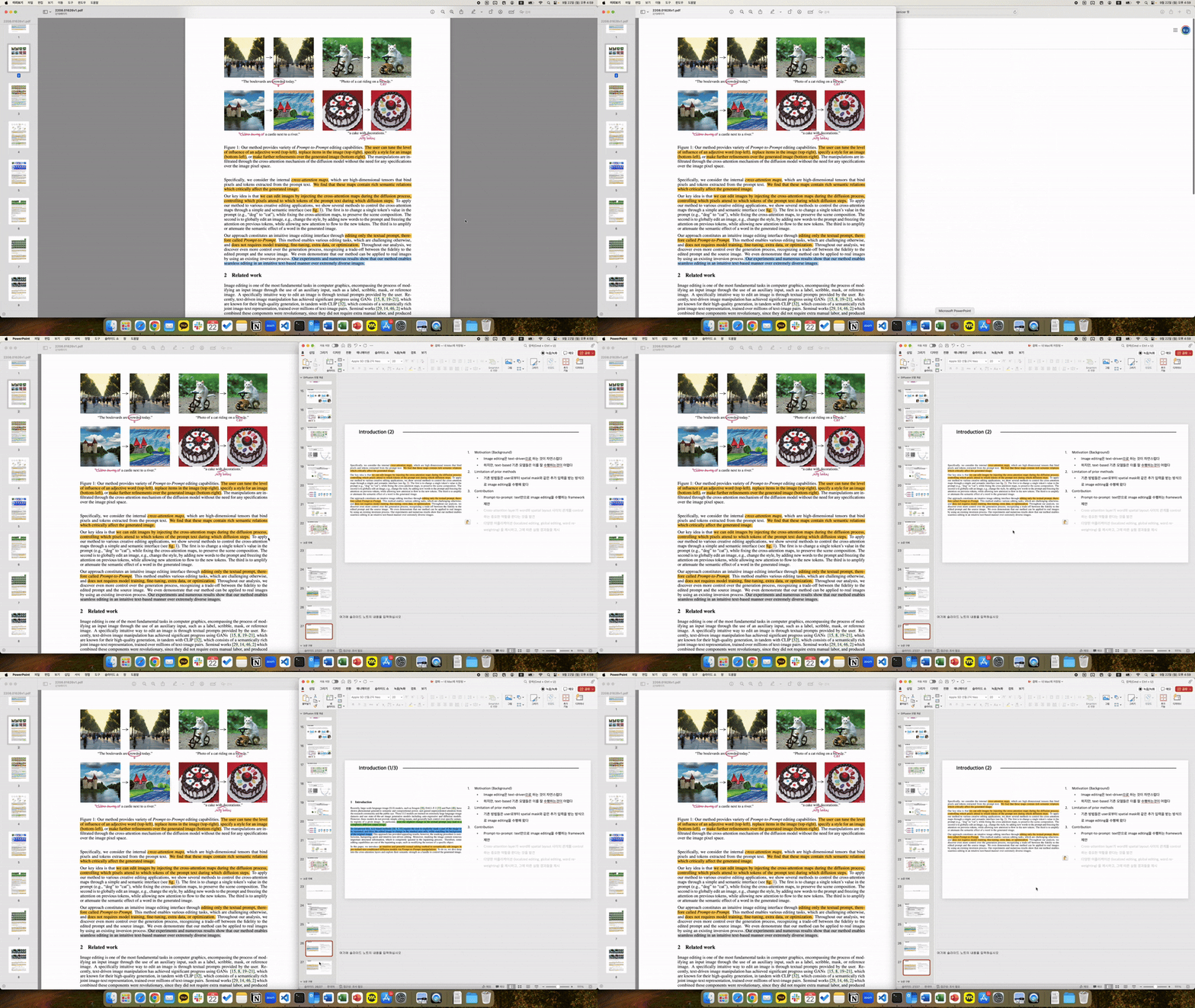
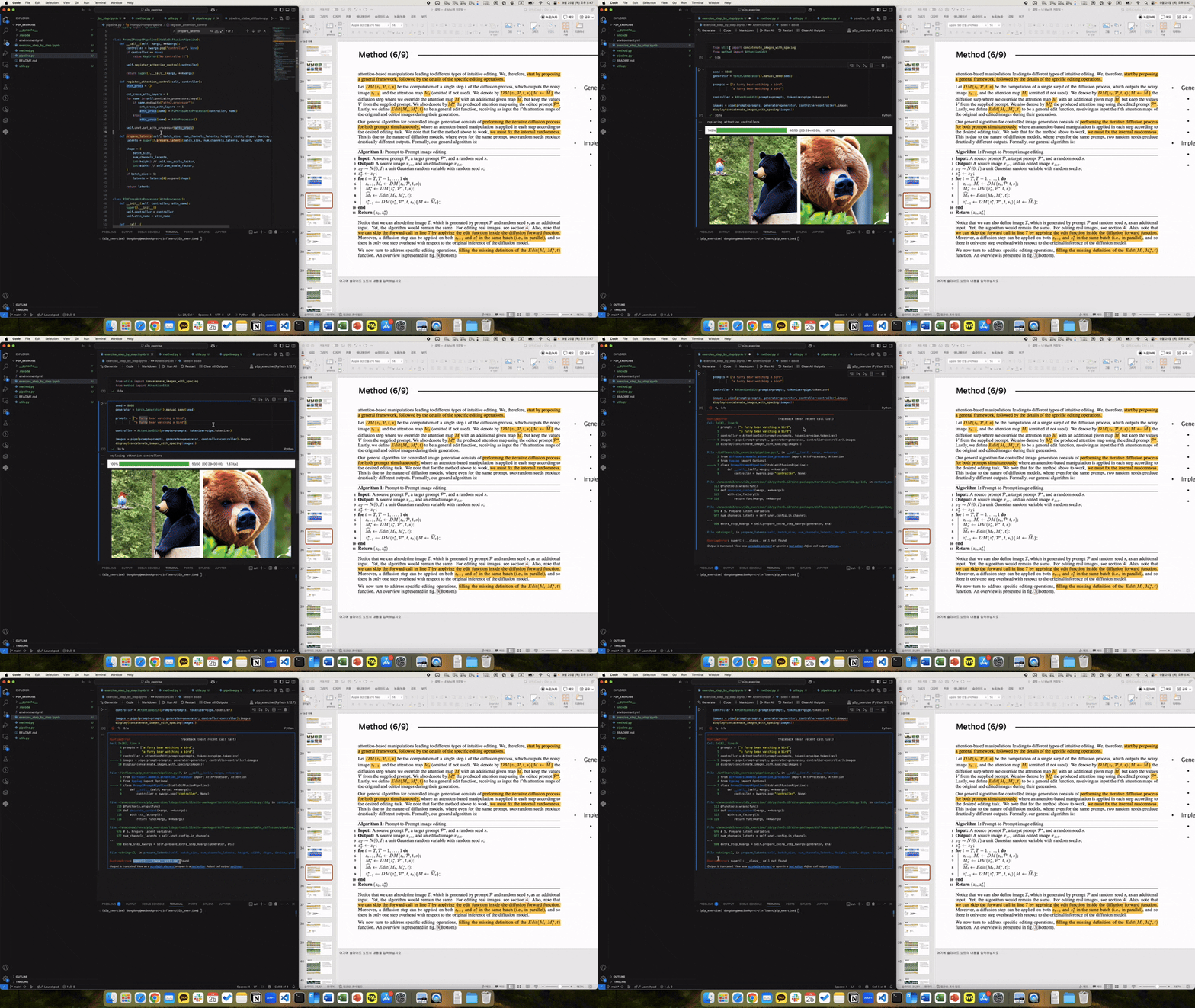
We implement the latest Transformer-based PixArt and lightweight adaptation SANA step by step from theory to code. Building on DDPM·DDIM·LDM·DiT covered in Parts I·II, we complete hands-on practice including text encoder integration, samplers (DDIM/ODE), v-prediction/CFG tuning, and small-scale data style fine-tuning.

Intermediate
Python, PyTorch, AI
![[Rookiss] Introduction to Python (Interactive Textbook)Course Thumbnail](https://cdn.inflearn.com/public/files/courses/343303/cover/01kyyrrgpnxfxarmqa0x47tfba?w=420)




![[Raspberry Pi] IoT Deep Learning Computer Vision Practical ProjectCourse Thumbnail](https://cdn.inflearn.com/public/courses/324813/course_cover/eb51871d-082a-4b77-add0-f87421aaac46/sjh-IoT.png?w=420)



![[Integrated] AI Agent Openclaw: Concepts and Practical ImplementationCourse Thumbnail](https://cdn.inflearn.com/public/files/courses/343005/cover/01kwekwt5cz5t00q63gpncm64k?w=420)
![[Practical AIoT] Perfect Preparation for Smart Mirror Makerthon: LLM, CV, and Hardware DesignCourse Thumbnail](https://cdn.inflearn.com/public/files/courses/340196/cover/01kexgfr26whtfsmsqd2dj1x7x?w=420)