ディープラーニング実務プロジェクト
Masocampus
ピザとスパゲッティの写真を分類してみたい!

中級以上
Deep Learning(DL), CNN, OpenCV
ディープラーニング 現業に携わるために必要なディープラーニングの「核心概念」を学び、PyTorchを活用した実習を通じて実際のディープラーニングプロジェクトを遂行するのに必要な実務を教えてくれる講義です。
受講生 589名
難易度 初級
受講期間 無制限
学習した受講者のレビュー
5.0
희쌤
ディープラーニングの基本的な理論から始めて、深化実習まで細心の注意を払って体系的に学習してくださって本当に感謝しました。
5.0
도도한 미어캣
ディープラーニングを勉強しながら理論的な部分を数式を活用して勉強したことは初めてですが、思ったより難易度があって勉強して復習するのに時間がかかりましたが、一つ一つ理解しながら進むのが面白くてやりがいがありますㅎㅎ毎回取り出して復習しそうです。良い講義ありがとうございます!
5.0
김지니제니
ディープラーニングについて何も知らない初心者が見ても従うことができる講義です。 Pythonの基礎の程度は、必要に応じて行くのが簡単だと思います。 短い呼吸で講義が途切れており、カリキュラムで内容を確認することができ、どんな文脈で講義が進んでいるのか把握しながら勉強できて役に立ちました。 中途半端に出てくる数学の内容が難しく、あきらめたい瞬間もありましたが、よく理解されるように説明してくださって役に立ちました。ディープラーニングを勉強すると本はたくさん買いましたが、一人で勉強してあきらめることを何度も講義を初めて聞いてみました。一人で本を見るよりも百万倍千万倍面白くて理解も良くなって本当に良かったです! 良い講義ありがとうございます:)
ディープラーニングが動作する原理
ディープラーニングの中心概念(損失関数、傾斜下降、自動微分など)
PyTorchでカスタムモデルを作成する
ディープラーニングの主なモデル(CNN、RNN、Transformer)
コンピュータビジョンの実践
自然言語処理の実践
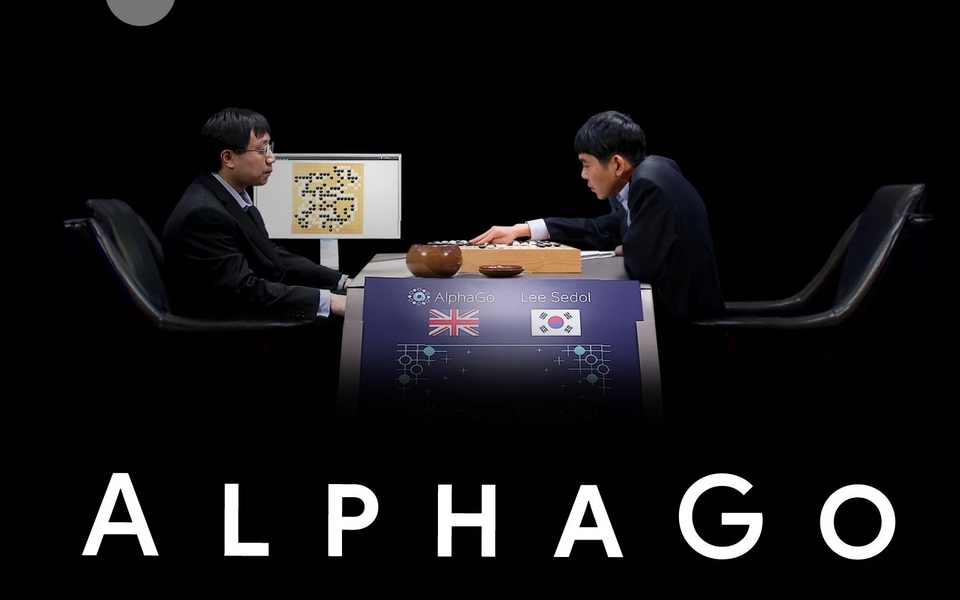
AlphaGo (アルファゴ)
AlphaFold(アルファフォールド)

DALLEで作成した画像

ChatGPT(チャットピティ)
ディープラーニングは、コンピュータビジョン、自然言語処理、生物学などの非常に多様な分野にわたって優れた成果を披露しています。代表的にはAlphaGo(アルファゴ)、AlphaFold(アルファフォールド)、DALLE、ChatGPTなどがあります。これにより、ディープラーニング(DL)/マシンラーニング(ML)エンジニアとScientistの直軍に対する市場需要も急増しています。
しかし、現業で求められるレベルの理論と実務を教えてくれるディープラーニング教育サービスはまだ不足していると思います。
今回の講義では、ディープラーニングの現業に従事するために必要なディープラーニングの「核心概念と実務」を深く学習できるようにカリキュラムを構成しました。
✅ディープラーニング 現業で必要なディープラーニング「核心概念」を学び、PyTorchを活用した実習を通じてディープラーニングプロジェクトの実務能力を強化します。
✅理論と概念はスイカの舐め式ではなく、 in-depthながらも多様な可視化資料を通じてできるだけ簡単に解いて説明します。
✅各セクションごとに理論と連携した実習を一緒に構成しました。理論がどのようにコードで実装され、移植されるかを直感的に理解することができます。
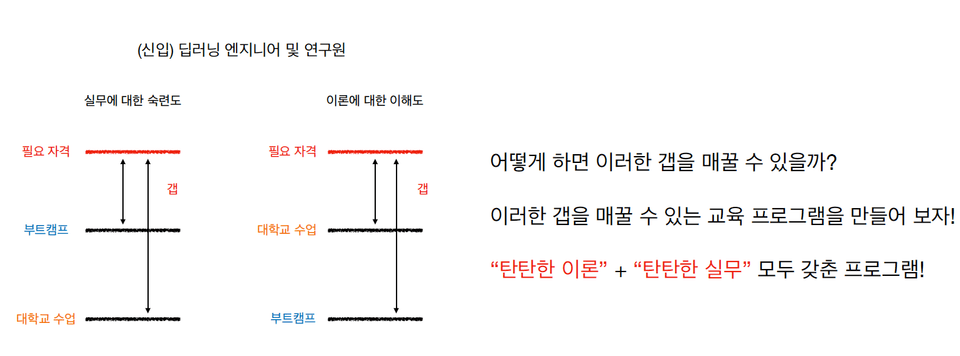
ディープラーニングに関連するBootcampと講義はたくさんありますが、ディープラーニングを深くして、現業で必要なレベルに教えてくれるところは私が見るにはありません。 Random Forest、SVMなどの伝統的なMachine Learningを扱うことにとどまり、ディープラーニングを扱ってもスイカの舐め式ではなく、深く理論と実務の両方を正しく教えるところはないと思います。そのため、その講義を受講しても、基礎スキルは依然として不十分であり、技術面接を通過したり、良いMLエンジニアに生まれ変わりにくくなります。
たとえば、多数のディープラーニング講義やブートキャンプは、傾斜降下を説明しますが、実際の傾斜降下を効果的に実行することを可能にする自動微分については説明しません。すべてのディープラーニングフレームワーク(PyTorch、Tensorflowなど)が自動微分に基づいているだけに、自動微分を理解しなければ「ディープラーニングをある程度知る」と自負できると考えられます。
一方、本講座では数多くのブートキャンプ、講義が逃している中核ディープラーニングの概念をすべて総網と教えていきたいと思います。
そして、この講座では概念を簡単に紹介することにとどまらず、「なぜ使用されるのか」、「どのような意味なのか」、「どのような文脈で提案されたのか」、「どのような効果があるのか」など、より深く掘り下げてみて、複数の実際のToy Projectと実習を通じて、理論がどのようにコードで実装されて接木されるか理論と連携して学ぶことになります。
たとえば、以下の内容を扱います。
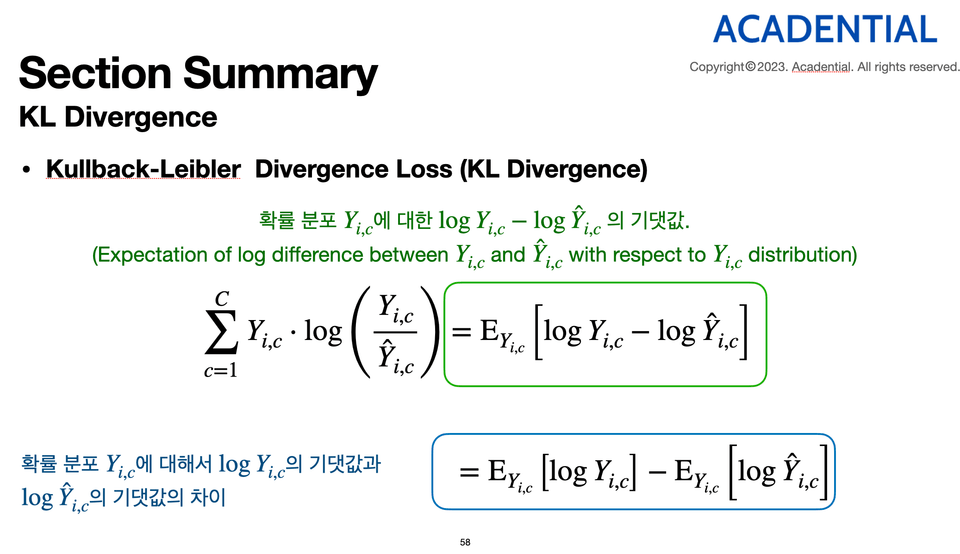
分類学習に使用されるCross Entropy Lossの意味とKL Divergenceとの関連性は何か
なぜInitializationが重要で、どのような効果があるのか
Batch Normalizationはなぜ使用され、どのような効果があるのか
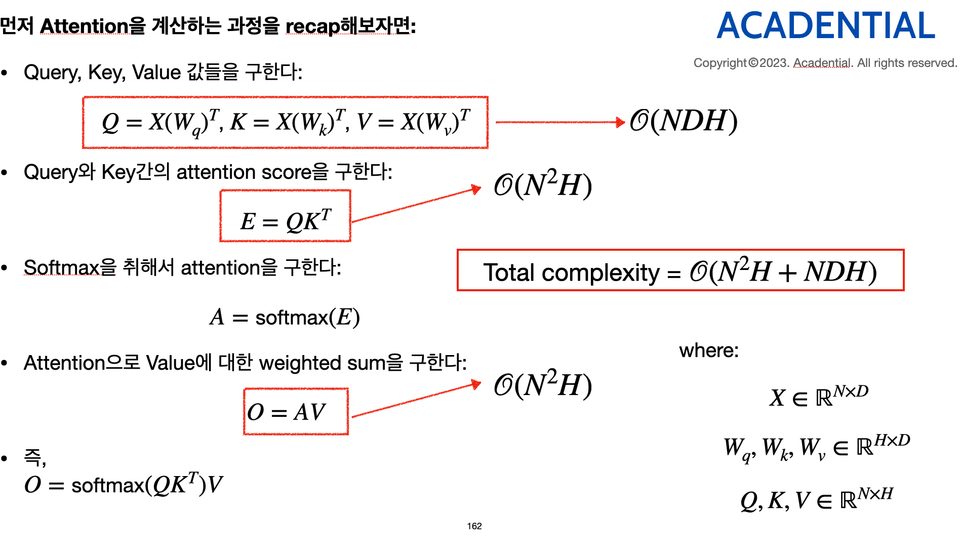
LLMの基礎となるAttentionとTransformerはどのような構造を持ち、どのように動作するか
PyTorch、TensorflowでGradient Descentがどのように実行され、どのように実装されているか
したがって、このクラスを受講した後、受講生はディープラーニング現業に従事するために必要なディープラーニング理論に対する理解度と実務能力を備えることができるようになります。
ちなみに、ディープラーニングの現業に従事するには、必ず知っておくべき内容だけで圧縮構成しました。
講義は合計16のセクションで構成されています。このレッスンでは、すべてのディープラーニングの基礎とコアの概念を総合とし、代表的なディープラーニングモデル(Fully Connected NN、CNN、RNN、Transformer)を学びます。深度ですが、あまりにも数学的に掘り下げるのではなく、数式の意味をできるだけ簡単に解いて、さまざまな可視化資料を通して理解しやすく説明します。
各セクションは[理論]講義と[実習]講義で構成されています。
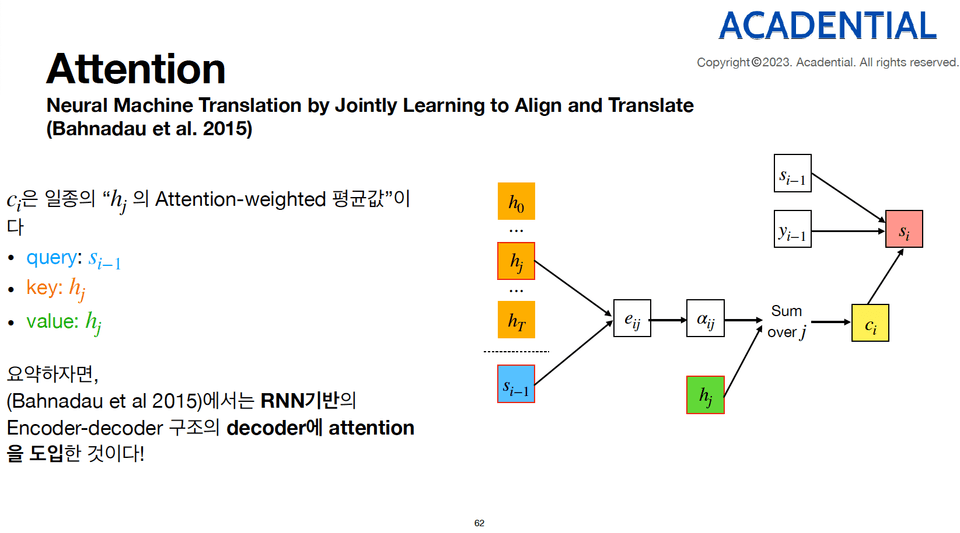
可視化資料と一緒にできるだけ簡単に解放して説明
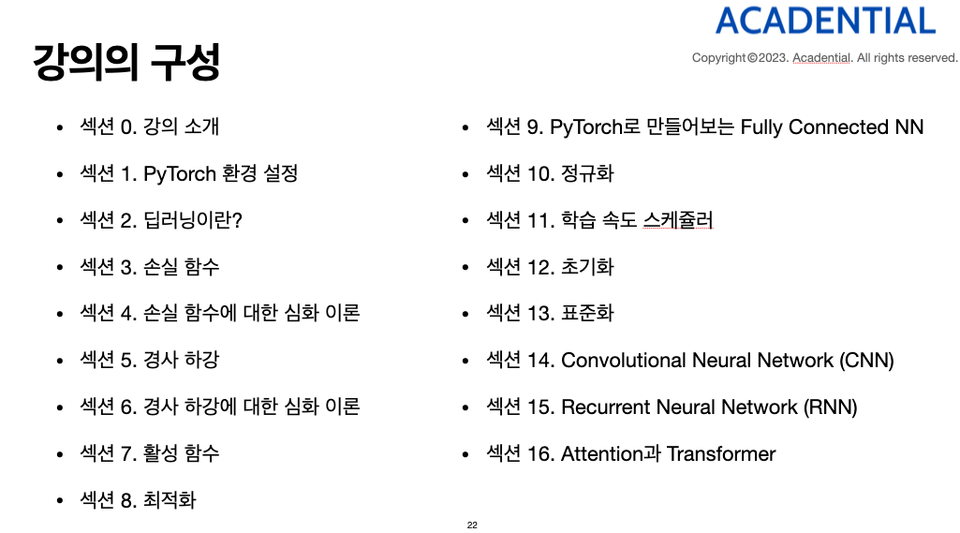
ディープラーニングのコアコンセプトと代表的なディープラーニングモデルの両方
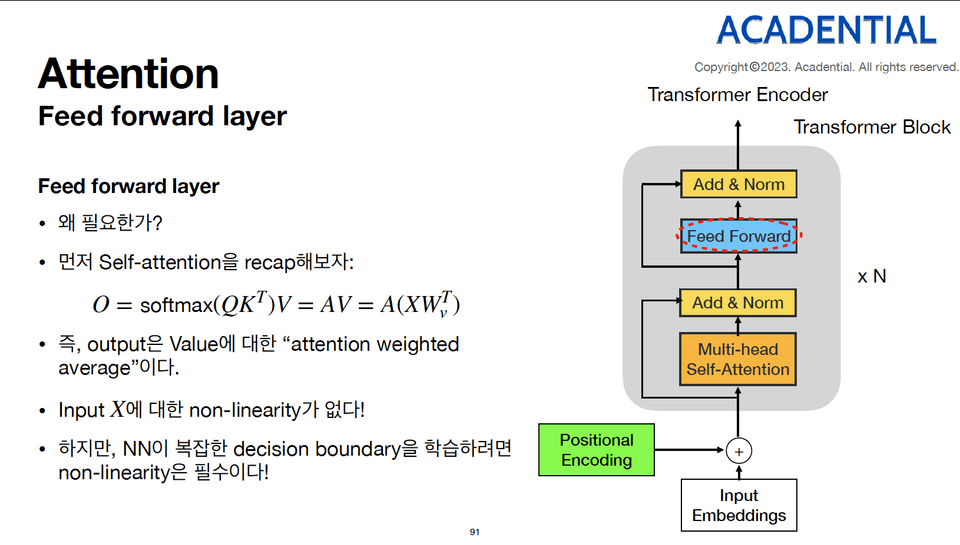
概念の意味を理解できる深い説明
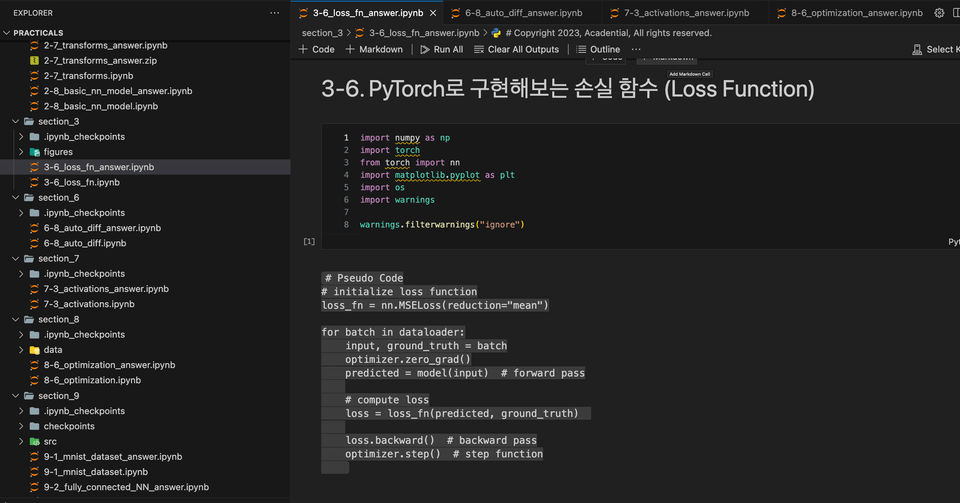
理論がどのようにコードで実装され、接木されるかを連携して説明
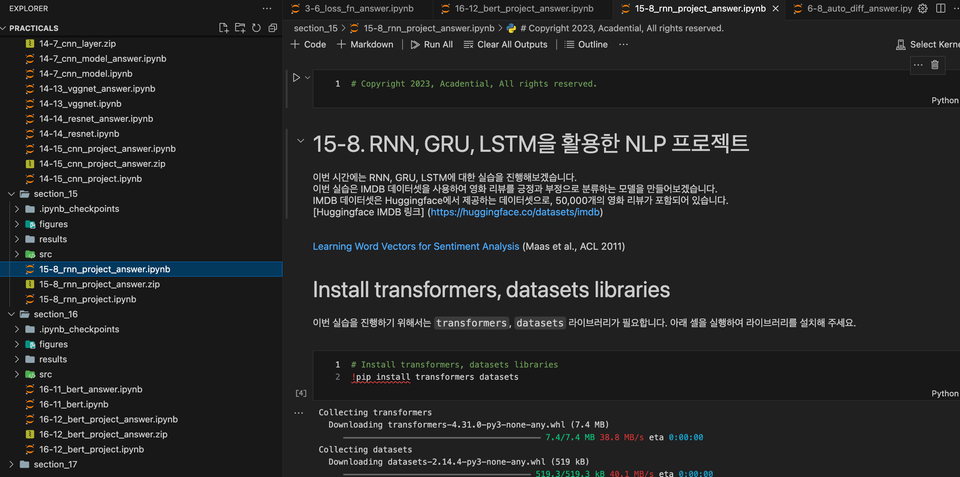
実務能力に必要な複数の「実践」ディープラーニングプロジェクトを含む
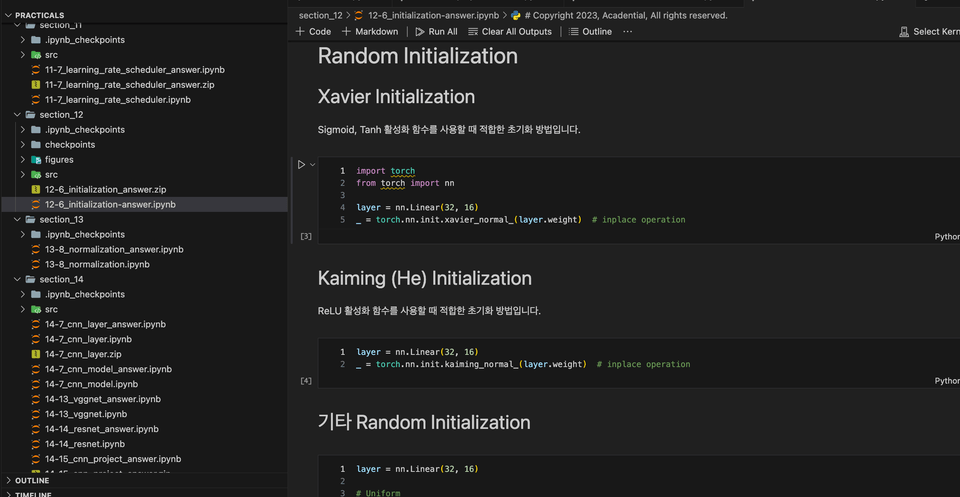
各セクションごとに理論説明後の実習進行
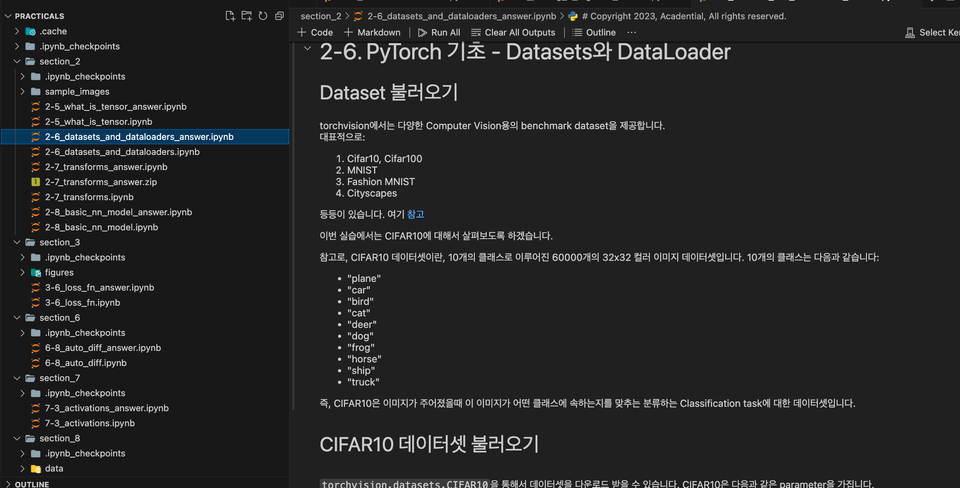
PyTorchのコアコンポーネント(Dataset、Dataloader、optimizerなど)の実践
また、CNNセクションとRNN、Attention&Transformerセクションでは、それぞれComputer VisionとNLPのToy Projectを実行します。
✅機械学習/ディープラーニングエンジニアの就職または離職を準備する方
✅ AI大学院に進学したい方
✅機械学習/ディープラーニングを正しく勉強してみたい方
ディープラーニングの動作原理についてきちんと、深く理解することになります。
ディープラーニングの主なモデルについて理解し、実際の問題に適用できるようになります。
ディープラーニング 現業に従事するために必要なディープラーニング理論に対する理解度と実務力量を備えます。
PyTorchのコアコンポーネント(Dataset、Dataloader、optimizerなど)を理解して活用できます。
PyTorchでカスタムディープラーニングモデルを作成できます。
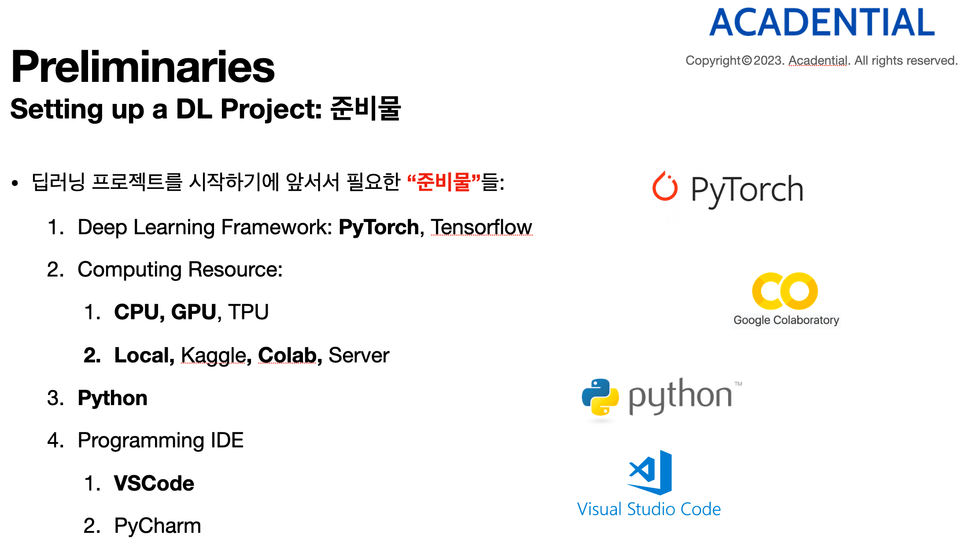
ディープラーニングの練習に必要な環境を設定します。
ディープラーニングフレームワークであるPyTorch、プログラミングIDEであるVS Code、GPUリソースを使用できるGoogle Colabのインストールと使用方法について説明します。
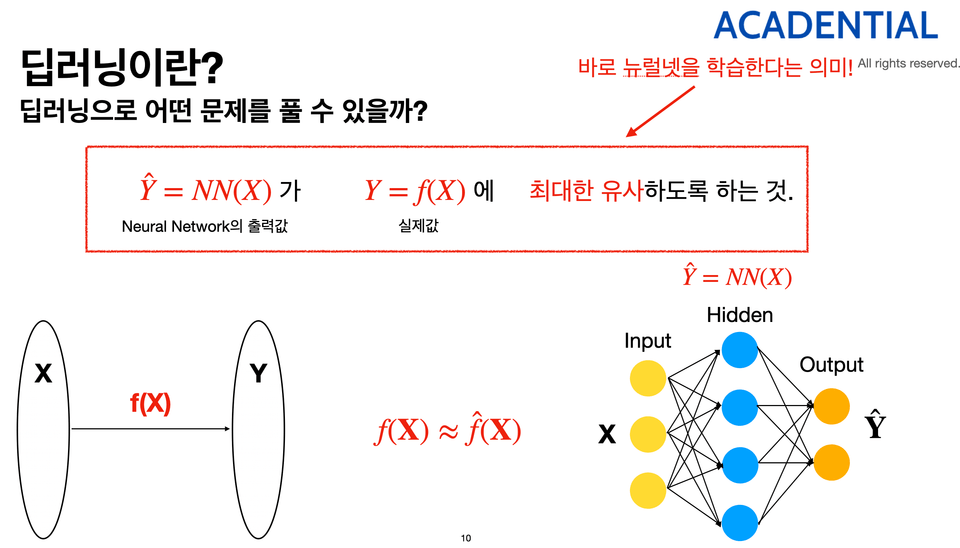
ディープラーニングとは何で、どのような問題を解決したいのかを学びます。
Neural Networkのコンポーネントと動作原理を学びます。
ディープラーニング実務に関連する基礎概念とPyTorch基礎を固めます。
ディープラーニングの重要なコンポーネントの1つである損失関数について学びます。
損失関数の定義、Regression と Classification task、各 task に使われる Loss の種類について学びます。
損失関数の深化理論を学びます。
Cross Entropy LossとKL Divergence Lossについて詳しく見てみると、One-hot-encoding、entropyの概念についても学びます。
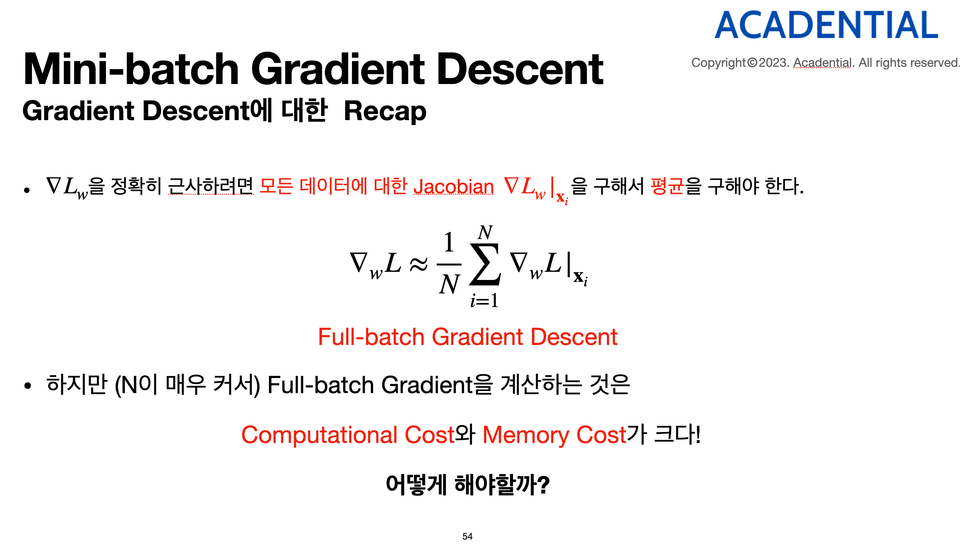
Neural Networkの重みを最適化する手段であり、ディープラーニングの核心である
Gradient Descentについて学びます。
Gradient Descentの基本概念、Gradientの意味、Learning Rateの効果と役割、Mini-batch Gradient Descentについて学びます。
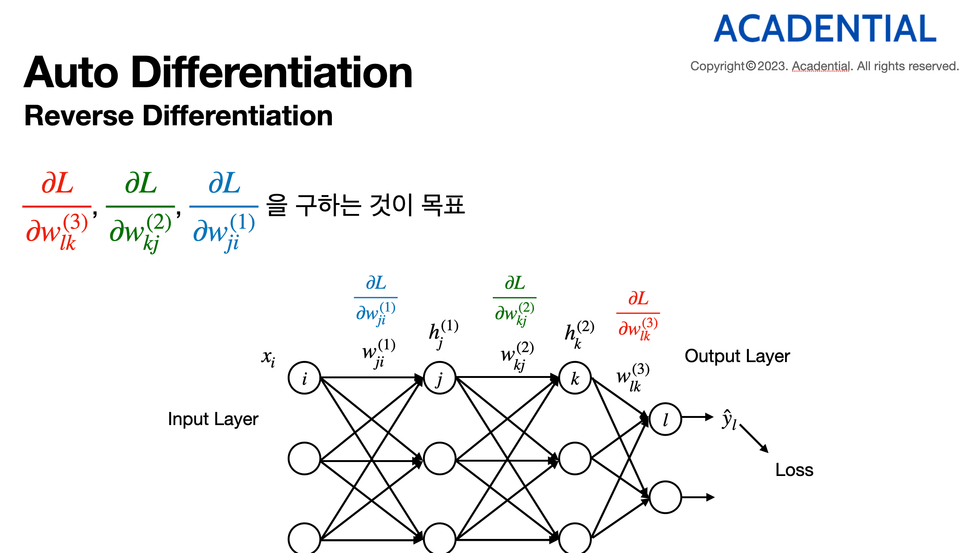
傾斜下降の深化理論について学びます。
マルチバリアント入力と複数のNeuronに対するGradient Descentがどのように実行されるか、
ディープラーニングフレームワークが基盤とする自動微分(Auto Differentiation)とは何で、どのように動作するのか、
Gradientはまた、どのような意味を持っているかなど、いくつかの深化された理論を学びます。
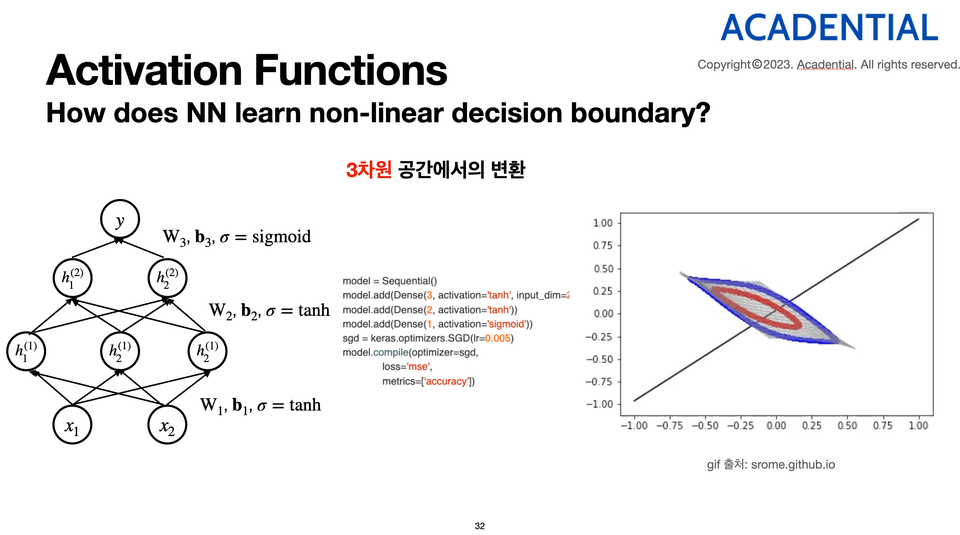
Neural Networkの重要なコンポーネントの1つであるActiv
ation Functionについて学びます。
Activation Functionとは何ですか、なぜ必要なのかを学びます。
そして、さまざまな種類のActivation Functionについて学び、それぞれの特徴について学びます。
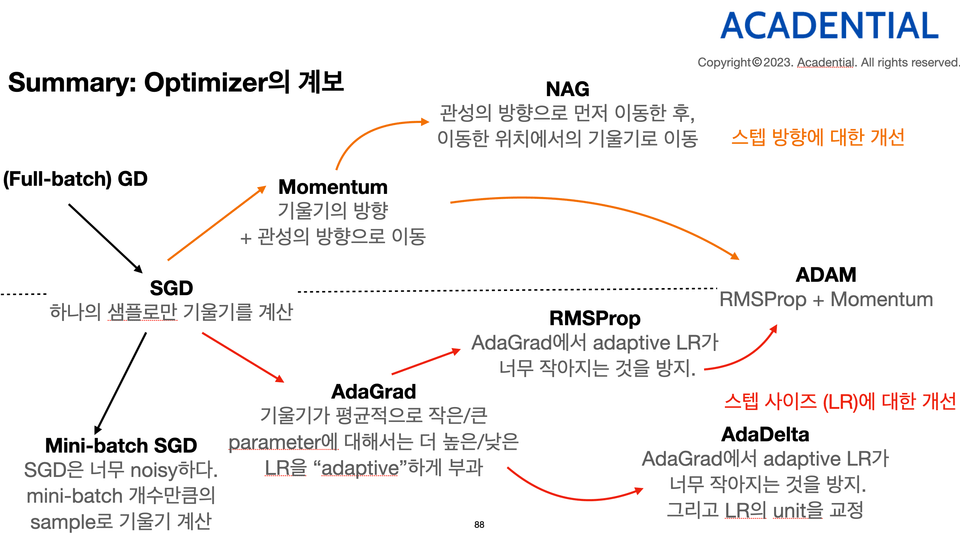
Mini-batch Gradient Descent方法をさらに進化させたさまざまなOptimization方法について学びます。
主要なOptimization方法の特徴について学び、どの系譜で発展を重ねたかを把握することになります。
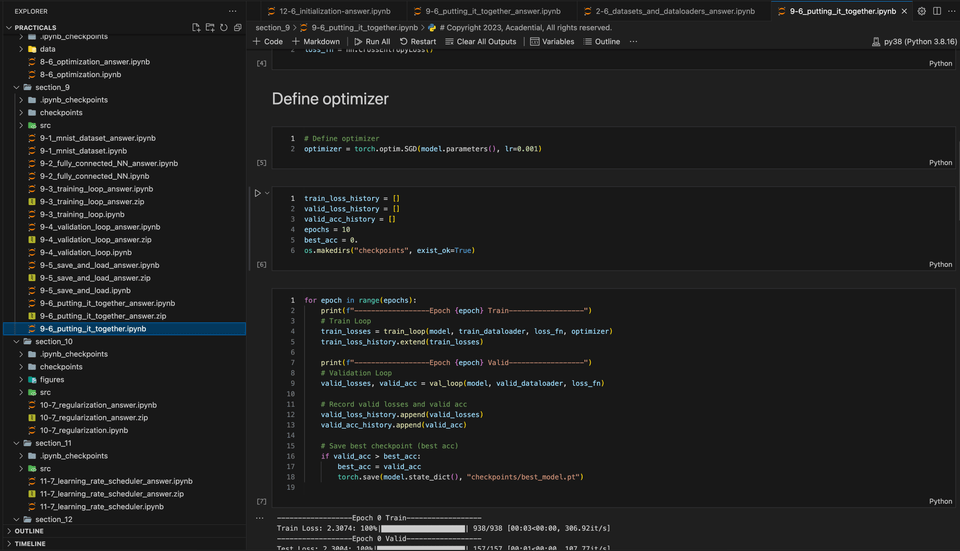
セクション9では、PyTorchでFully Connected Neural Networkを作成し、これまでに学んだ練習をまとめます。
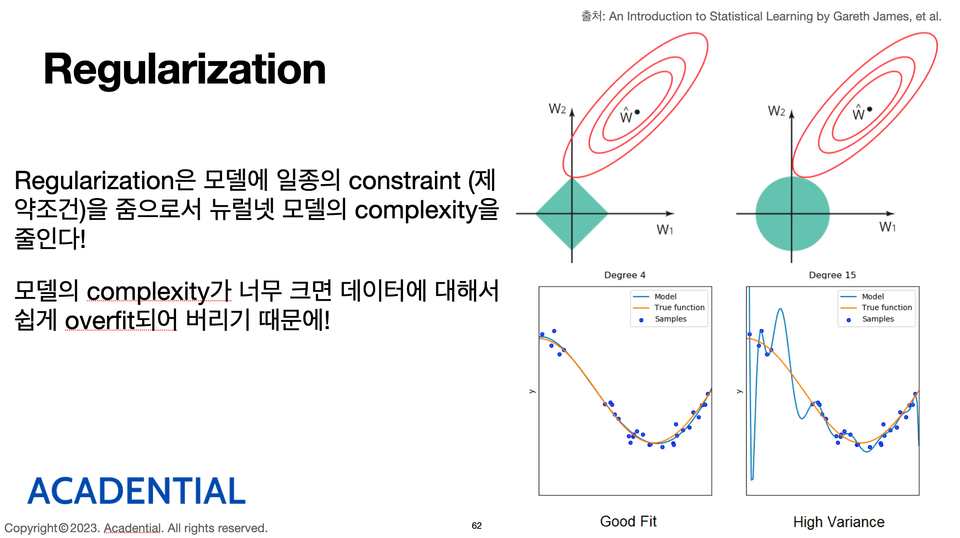
セクション10では、オーバーフィッティングが何であるか、それに対する解決策の1つである Regularizationについて学びます。
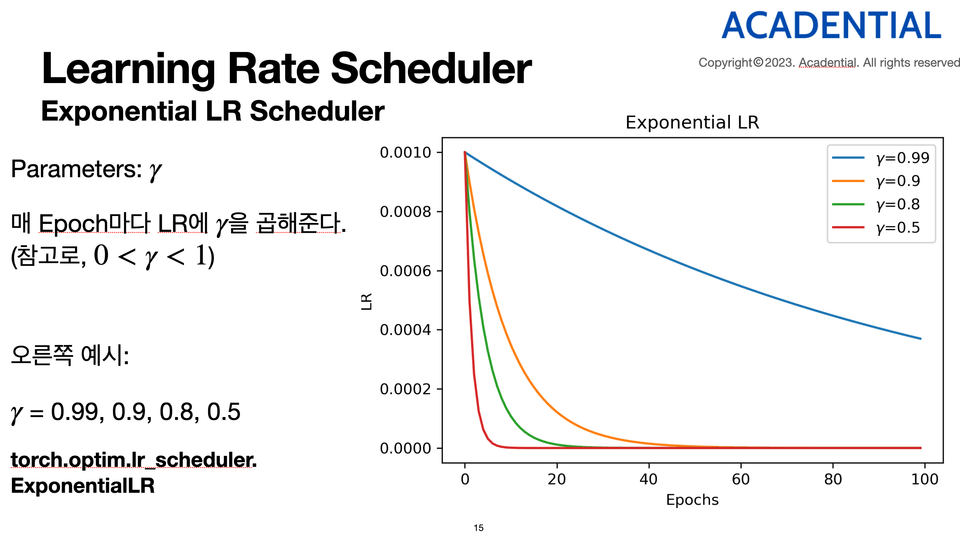
学習経過とTime stepに基づいてLearning Rateを調整する方法である学習速度スケジューラについて学びます。
初期化方法について学びます。
初期化がなぜ重要なのか、望ましい初期化の基準、
Initializationがモデルの学習に与える影響と、各アクティベーション関数に適した初期化方法について学びます。
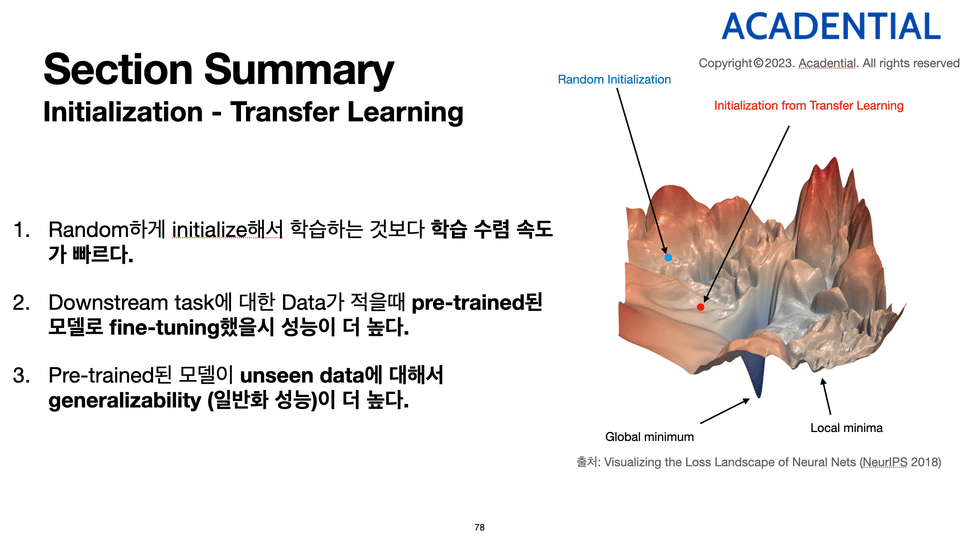
遷移学習(Transfer Learning)による初期化方法について学びます。
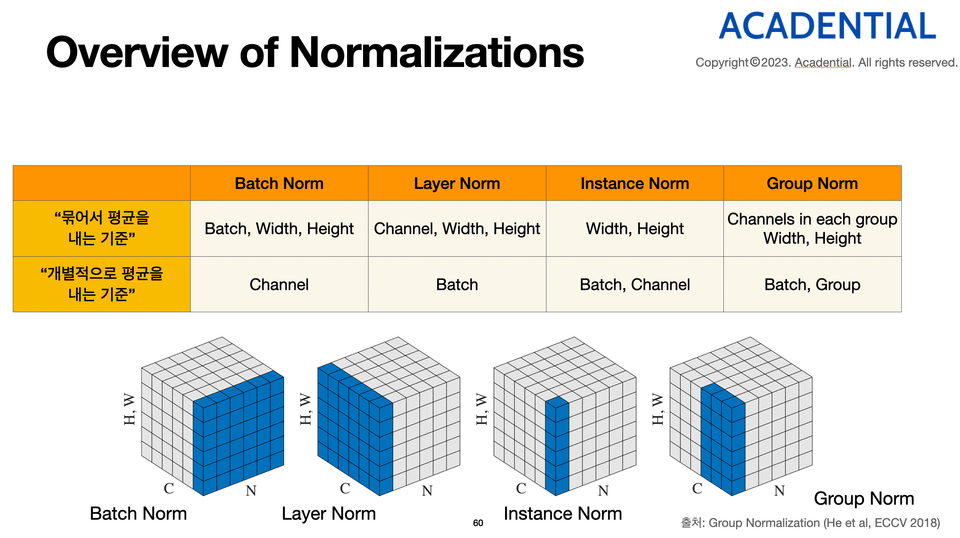
Neural Networkの「ほぼ」不可欠なコンポーネントとして位置付けられたNormalizationについて学びます。
さまざまな Normalization Layer の種類について学びます。
技術面接の定番質問であるInternal Covariate Shift問題とBatch Normalizationの実際の効果について取り上げます。
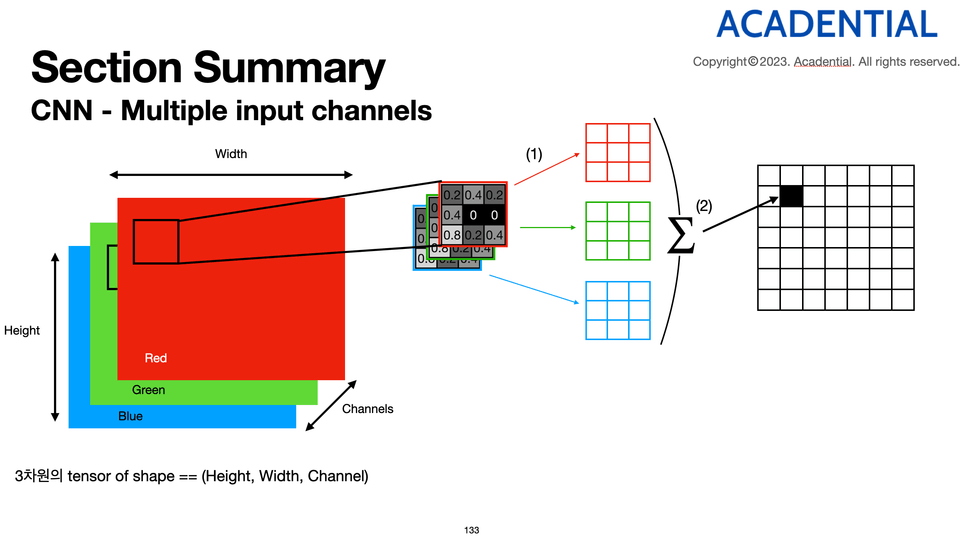
CNNの動作原理、CNN Layerのさまざまなバリアント、代表的なCNNモデルについて学びます。
CNNモデルを実装し、CNNを活用したComputer Visionプロジェクトを実行します。
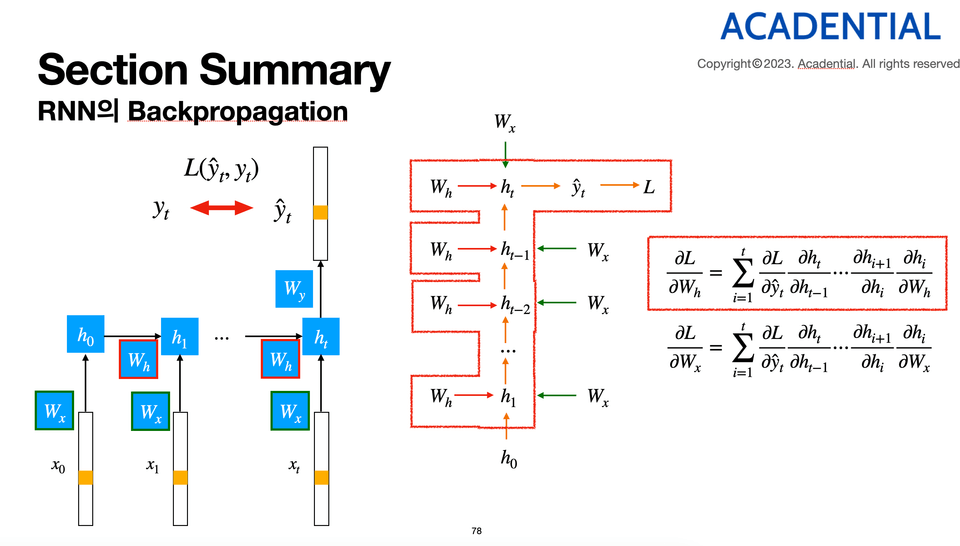
RNNの動作原理について学び、
RNNのBackpropagationが実際にどのように実行され、Vanishing Gradientの問題がなぜ発生するのかを学びます。
代表的なRNNモデルであるLSTMとGRUを学びます。
RNN、GRU、LSTMを活用したNLPプロジェクトを実施します。
LLMの基礎となる Attention と Transformer で
Attentionの基本概念とAttentionの発電系統(BERT、Transformer)について学びます。
Transformerの構造と動作原理について学びます。
BERTモデルを活用したNLPプロジェクトを実施します。
オペレーティングシステムとバージョン(OS):Windows、macOS
使用ツール: Visual Studio Code, Google Colab
PC仕様:CPU 2コア以上、メモリ8GB以上、ディスク32GB以上
Pythonの基礎
Numpyの基礎
高校数学(微分)と英語(ディープラーニング用語理解目的)
(必須ではありませんが) Linear Algebra(線形代数論)、Probability(確率論)を知っておくと便利です。
高校の数学や英語レベルから逸脱する概念や内容については補足説明します。
講義内容が深さが少しあるので、ある概念についてはすぐに理解できないかもしれません。
それでも非専攻者である方々を念頭に置いて講義を作りました。
それでも十分に理解できない部分があるかもしれませんが、講義内容に対するQnAも提供されて理解がうまくいかない、または混乱する部分はいつでも自由に聞いてください!
はい可能です!
Googleのコラボノートブックからコードを書いて、コラボラップトップでコードを実行することができます。
Googleのコラボラップトップは、私たちが必要とするディープラーニング環境(pytorch、numpy、matplotlibなど)をすでに備えています。
また、コラボラップトップ上でコードを実行するのに必要なリソースも、ユーザーのlocalリソースではなくGoogle remoteサーバーのcpu、gpuを使用するため、デスクトップやノートパソコンではなくiPadでも実習を十分に進めてみることができます。
グーグルコラボも無料版があり、気軽に実習を進めることができます!
学習対象は
誰でしょう?
機械学習/ディープラーニングエンジニアの就職または転職の準備
AI大学院進学目標
機械学習/ディープラーニングを正しく学びたい方
ディープラーニングの理論と実務能力をしっかり固めたい人
いくつかのディープラーニング講義、ブートキャンプを聞いたが残念だった方
MLエンジニア技術面接の準備をする方
MLエンジニアで就職準備する非専攻者
前提知識、
必要でしょうか?
高校のカリキュラムレベルの英語と数学
基本的なPython
基本的なNumpy


インフラン認証
589
受講生
77
受講レビュー
34
回答
4.8
講座評価
1
講座
(現) ML Engineer @ MakinaRocks
(元) ML Engineer @ DearGen
(元) ML Engineer @ DeepBio
(元) Research Student @ UCL NLP Group, Streetbees
(元) Research Student @ ICL Photonics Lab
University College London (UCL): MSc in Machine Learning (機械学習修士) (成績: Distinction, GPA 4.0/4.0)
Imperial College London (ICL): BSc in Theoretical Physics (理論物理学 学士) (成績: First Class Honours, GPA 4.0/4.0)
5年目の機械学習エンジニア(Machine Learning Engineer)です。(Google DeepMindが誕生し、デミス・ハサビスが博士課程を過ごした)ユニバーシティ・カレッジ・ロンドン(University College London)で機械学習の修士号を取得しました。修士課程ではNLPにおけるナレッジグラフ・エンベディング(Knowledge Graph Embedding)を研究し、DeepBioでは医療診断に適用される画像分類(Image Classification)やセグメンテーション(Segmentation)のディープラーニングモデルを開発しました。Deargenでは、新薬開発の薬物標的相互作用(Drug Target Interaction)などの問題に適用されるGNN、RNN、Transformerなど、多様なディープラーニングモデルを適用した経験があります。現在在籍しているMakinaRocksでは、製造現場のロボットアームの異常検知に適用されるディープラーニングモデルおよび機械学習システムの構築を行っています。
全体
143件 ∙ (13時間 48分)
講座資料:
全体
77件
4.8
77件の受講レビュー

受講レビュー 1
∙
平均評価 5.0
5
ディープラーニング分野に初めて触れる方はもちろん、重要概念中心に復習してみたい実務者全員に役立つ講義です。 初めて触れた方は目次に沿って流れを追うように講義の構成がbottom-upでよく織り込まれているようで、既存の実務者の方は私が脆弱だった概念を早い時間内に復習してみることができるようです。 講義目次と内部構成が、何よりも必須要素をよくキャッチして入れてくれたようです。 また、実務者の観点から関心のある内容で講義がよく構成されています。 - それで、内部動作はどのようなロジックで実行されますか? - だからそれをどのようにimplementationするのか? これら2つがよく差別化されていると感じました。 実際に教授者の観点からだけでなく、業務遂行の観点からわかる経験的な内容がよく溶けています。
講義を受講していただきありがとうございます〜本当に詳細にレビューを残していただきありがとうございます! 受講生の方々が必ず知っておくべき核心概念を欠かさず、そしてできるだけ簡単に解いて説明できるように本当にたくさん悩んで多くの空手をかけて講義を作ったのですが、こう調べてくださって本当に感謝して本当にやりがいですねㅠㅠ レビューありがとうございます!
受講レビュー 1
∙
平均評価 5.0
5
この講義は、ディープラーニングの基礎から高級テーマまで幅広く取り上げ、PyTorchを使った実習中心のアプローチを採用して良かった。 PyTorch環境設定、ディープラーニングの基本概念、損失関数、傾斜降下法、アクティブ関数、最適化、正規化、学習スピードスケジューラ、初期化、標準化、CNN(Convolutional Neural Network)、RNN(Recurrent Neural Network)、および最新のトピックAttentionやTransformerまで様々なテーマを取り上げてよかったです。 講義は初心者にも簡単にアクセスできるように設計されており、各セクションは理論の説明とともに様々な実習で構成されており、学習者が直接コードを作成してディープラーニングの原理を体験できる点が特に気に入りました。 特に、実務からすぐに適用可能な基礎概念から始めて高級テーマまで段階的に学習することができ、ディープラーニング分野に初めて接近する人だけでなく、基礎知識をリマインドしようとする現業人員にもおすすめできると思います。 各トピックは十分な実践と例を通して深く扱われ、学習者はディープラーニングのさまざまな側面を包括的に理解し、実際のトラブルシューティングに適用する能力を身に付けることができると思います。 講義の体系的な構成と実践中心のアプローチは、学習者がディープラーニング技術を実際に活用するために必要な実践的な経験を提供するこのレッスンをディープラーニング分野に関心のあるすべての人に強くお勧めします。
講義を受講していただきありがとうございます。 それでも幅広いテーマを扱いますが、できるだけ深くながらも簡単に解いて説明し、実習を通じて実務感覚を身につけることができるようにカリキュラムを構成することに悩みをたくさんしました。 こんな助けになったなんてやりがいですね!ありがとう:)
受講レビュー 1
∙
平均評価 5.0

受講レビュー 3
∙
平均評価 5.0
5
loss function、optimizerなどの概念をよく知らず使用した部分についても、細心の注意を払っていただき、理論をレビューするのに大きな助けとなりました!
受講していただきありがとうございます :) そして役に立ったのは幸いですね!次の講義ももっと頑張って準備してオープンさせていただきます!
受講レビュー 15
∙
平均評価 5.0
5
バックアンド開発者の役割を現在やっている人です。関心がとても多かったのも決定的に受講したきっかけになりました。いただき、間違いなく理解が良かったです。 特に、私のようにMLについての基本的な、表にだけ知っている人にぴったりの講義のようです。人工知能大学院側に関心があるか、大学院論文作成時に概念的な内容が必要な方は一度ほど聞いてみるとたくさん役に立つこと同じです。
こんにちは!ほとんどのディープラーニングブートキャンプや講義が基本的な内容だけがスイカの表情で溢れてしまうことに対する弊害にあまりにも苦しい気がし、私が面接を見た数多くのブートキャンプ出身の面接者たちが断片的にだけディープラーニングを理解して心が大きかった。それで本当に長い時間と多くの空手をかけて今回の講義を作ることになりましたが、このように役に立ったのは本当に嬉しいですね!受講していただきありがとうございます!
同じ分野の他の講座を見てみましょう!

![[ICTアーカイブ] ビッグデータの核心とビジネスモデル講義サムネイル](https://cdn.inflearn.com/public/files/courses/338811/cover/01k44rs7zkwq0ehc8vqsy2mdtb?w=420)