A top domestic privacy expert with over 8 years of experience in privacy education, advisory, and consulting (performed 1st-tier financial sector ISMS-P/ISO27701/internal audits/regular evaluations; achieved S-grades for all consulting firms in public institution protection level evaluations for 6 years; conducted public institution impact assessments; served as a privacy instructor for major corporations for 3 years; established mid-to-long-term strategies (master plans) for manufacturing companies; and performed AI security reviews/deliberations, etc.)
Experience and Performance
1. Tutoring
2. Education
3. Consulting
4. Project Design/Support
5. Q&A (Inquiry Response)
6. Task delegation
7. Establishment of procedures
8. Procedure improvement
9. Status survey, diagnosis, and reporting
10. Establishment of plans for introducing new technologies, etc.
11. Establishment of Information Security/Personal Credit Information Protection Master Plan (Establishment of Mid-to-Long-term Strategy)
12. ISMS, ISMS-P evidence preparation and audit response
13. ISO27001, ISO27701 evidence preparation and audit response
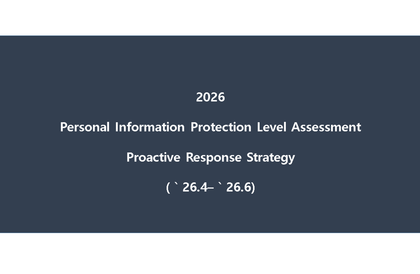
14. Preparation of evidence and report writing for Personal Information Protection Level Assessment
15. Cybersecurity Status Assessment
16. Support for the enactment and revision of regulations, guidelines, procedures, manuals, and guides
17. Support for ongoing information security evaluation
18. Personal information leakage incident simulation drill
19. DRP, BCP Business Continuity Drill
20. Establishment of DRP and BCP business continuity plans
21. PbD(Privacy by Design) procedure and system menu planning
22. Establishment of SbD (Security by Design) procedures and security review criteria
23. Establishment and improvement of DevSecOps procedures
24. AI System Security Review
25. AI system personal information protection inspection (customized)
26. Support for pseudonymization, including review of pseudonymization adequacy
27. Designation of pseudonymization officers and definition of business R&R
28. Inspection of the storage and transmission system for personal information in access control systems (smart gates, fingerprint authentication, in-house apps)
29. Promotion, campaign planning and support
30. Planning and production of promotional materials, quizzes, and participatory events
31. Establishment of improvement plans for information security and personal information protection organizations
32. Checking the adequacy of information security and personal information protection budgets and establishing improvement plans
33. Support for collecting opinions on the revision of regulations and procedures, and support for conducting surveys
34. Support for exception handling for non-encrypted personal information and inquiry reason input
35. Support for producing Information Protection Committee reporting materials, preparing agenda for the Personal Information Protection Working-level Council, and supporting the attendance of advisory members
36. Support for personal information processing system inspection
37. Support for creating personal information flow tables and personal information flowcharts
38. Support for H/W and public/private cloud asset identification and establishment of asset classification standards
39. Support for asset C/S/O assessment and risk assessment report preparation
40. Support for drafting protection measures and improvement plan reports
41. BPF malware inspection
42. Inspection of shared folder usage status
43. Creation of critical data flow diagrams
44. Establishment of control system security monitoring plan
45. Support for trustee status investigation
46. Support for status survey of fixed video data processing devices
47. Support for status survey of mobile visual data processing devices
48. Support for personal information file updating survey
49. Support for investigating targets of personal information impact assessments
50. CPO Best Practice Sharing
51. Sharing CEO Best Practices
52. Establishment of open source management guidelines
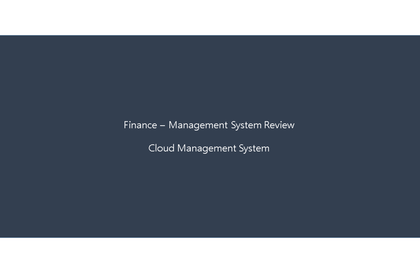
53. Establishment of cloud management system
54. Vulnerability analysis and evaluation of electronic financial infrastructure
55. Vulnerability analysis and evaluation of critical information and communications infrastructure
56. Security Review Committee
57. Evaluation of the adequacy of firewall and security equipment (WAF, VPN, etc.) policies
58. Investigation of Account and Permission Status and Evaluation of Adequacy
59. Investigation and adequacy assessment of log and backup status
60. Investigation and adequacy assessment of personal information collection, storage, and provision status
61. Investigation of status and adequacy assessment of collection, storage, and provision of critical information
62. Adequacy assessment of security threats and security management for PC integrated security solutions, antivirus, DLP, DRM, data transfer, email, SSO, etc. (Solution bypass)
63. Assessment of Server Access Control and DB Access Control Policy Adequacy
64. Investigation and adequacy assessment of EOS and patch status
65. IP and Port Scanning
66. Investigation and inspection of app personal information protection status
67. Privacy Center Operation
68. 24/365 Personal Information Protection Help Desk Operation
69. Consent withdrawal system planning
70. Personal information inquiry and access system planning
71. Preparation of reporting materials for CISO/CPO/CEO
72. R&D Project
73. Consent form inspection checklist
74. Privacy Policy Review Checklist
75. Children's Privacy Inspection
76. Access log (inquiry, download) misuse and abuse consulting
77. CCTV De-identification Consulting
78. Penetration Testing
79. Web Vulnerability Assessment
80. App Vulnerability Assessment
81. CS Vulnerability Assessment
82. Mock Training
83. Tabletop Exercise (TTX)
84. Network Penetration
85. Inspection of Internal Management Plan Implementation Status
86. Personal information management status inspection
87. Trustee Inspection
88. On-site inspection of trustees
89. Service Security Inspection
90. On-site service security inspection
91. Creation and management of the list of handlers to keep it up to date
92. Review of access rights and establishment of criteria for differential granting
93. Creation of Security Pledge and Personal Information Pledge
94. Establishment and revision of access control policies
95. Personal information meetings, inspections, and support for affiliated and subordinate organizations
96. Discussion of group company personal information protection policies and measures
97. Establishment of personal information destruction plans and investigation of destruction status (destruction methods, destruction results)
98. Review of legal grounds for personal information retention and inspection of separate storage status
99. Establishment of procedures for requesting personal information access and investigation of current status
100. Improvement of procedures and status survey for requests such as viewing personal video information (including objections)
101. Support for applying and improving matters regarding refusal of automated collection and requests for withdrawal of consent, and support for improvement
102. Support for the application and improvement of the right to data portability for personal information
103. Support for personal information processing policy review and improvement measures (appropriateness, understanding, readability, etc.)
104. Personal information collection, use, and provision inquiry consent form review and system consent status check (minimum collection, form review)
105. Investigation of consent status (Investigation of CI/DI collection, comparison of DB storage status, default consent checks, etc.)
106. Personal information file consolidation survey and new personal information file survey
107. Inspection of the appropriateness of the grounds for processing personal information files
108. Review and re-establishment of password creation rules
109. Full investigation of access control (IP, duplicate login restriction, session blocking)
110. Full investigation of encryption status for internal and external transmissions
111. Personal Information Exposure Check
112. Source code inspection
113. Establishment of internal employee personal information management standards (labor-management consultation)
114. Production and design review of personal information processing policies in the form of webtoons, posters, easy-to-understand versions, and versions for children/the elderly and employees
115. Disclosure of outsourcing status via QR, bulletin boards, etc., use of icons and characters, and disclosure of personal information processing policy in mobile environments
116. Appropriateness of personal information consent and agent identity verification during landline processing at call centers, branch offices, etc.
117. Review of appropriateness for recording servers and STT (Speech to Text)
118. Review of the adequacy of transmission and storage for SMS/Email/Notification Talk transmission servers
119. Identification of business processes (by unit task), review of security and personal information protection adequacy
120. Generative AI utilization training and promotion (Cyber Security Diagnosis Day, Personal Information Protection Day)
121. Preparation of Personal Information Protection Master Plan and Personal Information Protection Implementation Plan
122. Support for information disclosure and public data provision tasks
123. Computerization of consent forms (improvement of AlimTalk viewing consent)
124. Review of overseas personal information protection laws
125. Information security inspection for new technology environments and personal information protection inspection business support
126. Support for the task of changing consent forms->information guides
127. Destruction status and appropriateness of destruction (cases of reports due to notifications such as emails to data subjects because data remained)
128. Cases of exposure of resident registration numbers, etc., via email due to employee error (establishment of prevention systems)
129. Establishment and application of procedures to block personal information uploads on internal and external bulletin boards, etc.
130. Consultation on requesting safety measures for the use or provision of personal information for purposes other than intended, or for personal information partnerships, and review of the reply regarding safety measures.
131. Support for trustee contract renewal (contract modification)
132. Comparison of pros and cons for SNS simple login reorganization and change support (SNS simple login vulnerabilities)
133. Vulnerability assessment of identity verification methods such as resident registration cards or mobile phone identity verification (numerous incident cases)
134. Consultation on changes to the division of duties
135. Internal management plan employee training
136. Establishment of reward and incentive plans
137. Support for PET (Privacy Enhancing Tech) implementation and training/consulting on synthetic data
138. Personal information protection consulting in new technology environments (Cloud, 5G, Generative AI, AI systems, drones), etc.
139. Deriving a plan to strengthen personal information security measures
140. Analysis and evaluation of internal management plans
141. Legal Compliance Assessment
142. e-Privacy Plus certification preparation and audit response
143. APEC CBPR certification preparation and audit response
144. CSAP certification preparation and audit response
145. Disclosure of ESG Information Security and Personal Information Protection Activities
146. Preparation and response for research institute institutional evaluation
147. Preparation and response for central administrative agency evaluations
148. Writing news press releases and creating slogans
149. Zero Trust Maturity Assessment
150. Establishment of improvement plans for trustee management
151. CVE Inspection
152. Management of trustee personal information processing flow and provision ledger
153. Investigation and inspection of personal credit information masking status
154. Inspection of wireless LAN usage status
155. Establishment and advancement of security management systems for public/private cloud environments
156. Individual Business Trustee Inspection









![[Easy for Non-Majors] Information Security Incidents: From Cause Analysis by Type to SolutionsCourse Thumbnail](https://cdn.inflearn.com/public/files/courses/342007/cover/ai/2/785d01a5-f55f-4807-b882-6dcbfe3d7f91.png?w=420)
![[OT Security-Common] Understanding the AI Era through Manufacturing Security Field CasesCourse Thumbnail](https://cdn.inflearn.com/public/files/courses/341942/cover/ai/0/a992253a-0431-4396-9212-69d5390e6c2d.png?w=420)
![[2026-DPECUP_PASS] Nationally Certified Video Information Manager (Written + Practical Integrated Course)Course Thumbnail](https://cdn.inflearn.com/public/files/courses/340574/cover/ai/1/9bdf220d-6c44-4456-9464-881d350f932e.png?w=420)
![[2026-DPEC UP_PASS] Nationally Certified Industrial Security Expert (ISE)Course Thumbnail](https://cdn.inflearn.com/public/files/courses/333129/cover/ai/0/67228f11-355f-4e72-86c5-4c7d1b906a63.png?w=420)
![[2026-DPEC UP_PASS] Test of Information Security Level (TOLIS)Course Thumbnail](https://cdn.inflearn.com/public/files/courses/335790/cover/01k1fkg3ge5sb67f0xdtesh791?w=420)