
inflearn logo
inflearn logo

Learning Networking with AWS: From Theory to Practice

We have gathered all the essential network theories that those planning to operate services in an AWS environment must know. Through this course, you can understand the principles of how AWS VPC (Virtual Private Cloud), composed of private networks using Private IPs, works and gain a detailed understanding of the roles of services such as ALB and NLB.

277 learners are taking this course

Level Basic

Course period Unlimited

Network
Network
tcpip
tcpip
aws-vpc
aws-vpc
aws-alb
aws-alb
Vibe Coding
Vibe Coding
Network
Network
tcpip
tcpip
aws-vpc
aws-vpc
aws-alb
aws-alb
Vibe Coding
Vibe Coding

What you will gain after the course

  • Able to understand the operating principles of TCP/IP networks

  • You can understand the characteristics and principles of how the AWS VPC environment operates.

  • You can understand the structure of a modern 3-tier based web service.

  • Understand the principles of how internet routers work and can actively utilize knowledge related to service operating systems.

  • I can understand the operating principles of network devices based on Inline, Out-of-path, and Proxy architectures and appropriately configure the AWS services I need.

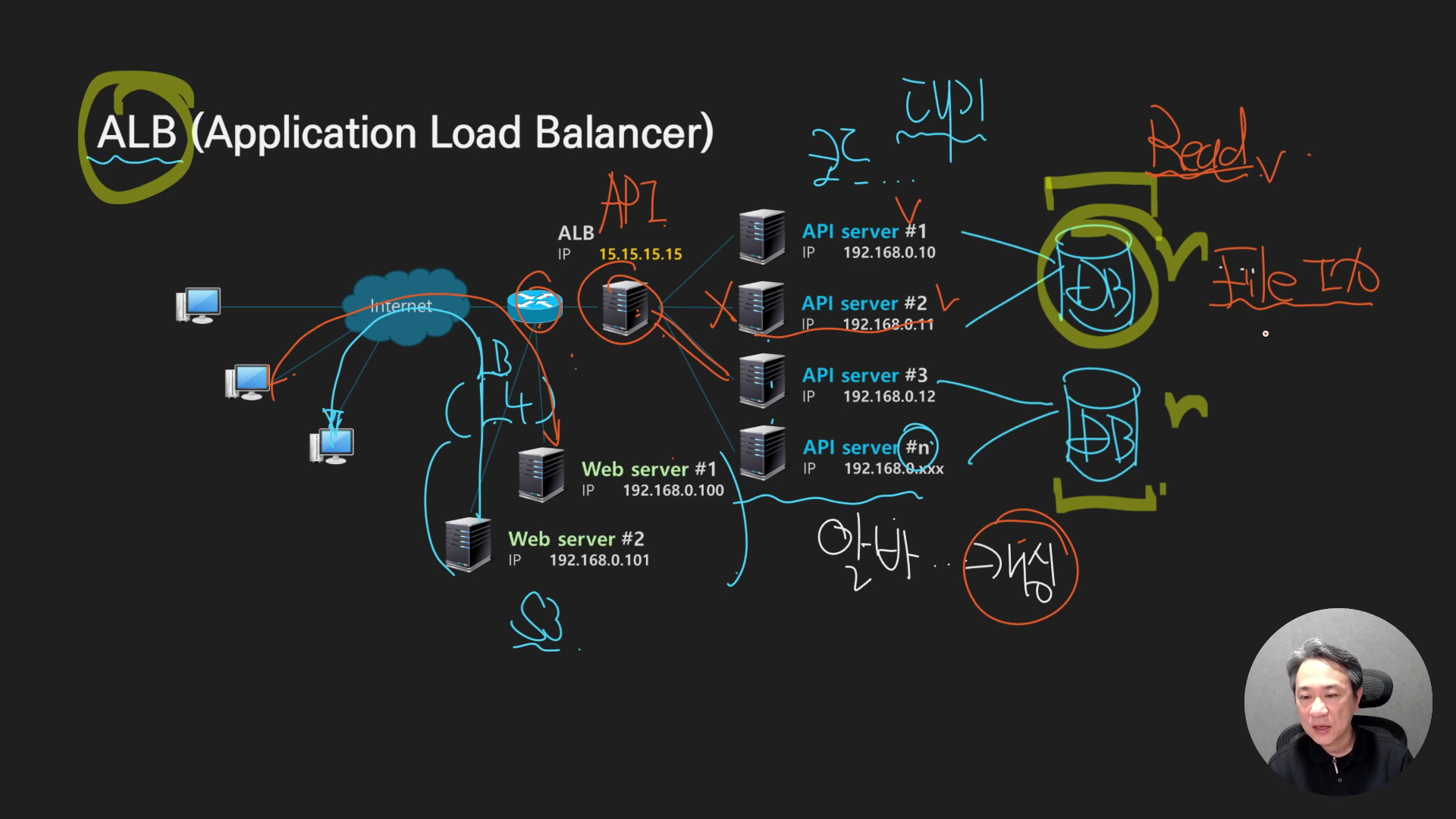
  • You can understand the operating principles of ALB (Application Load Balancer) and large-scale load balancing systems.

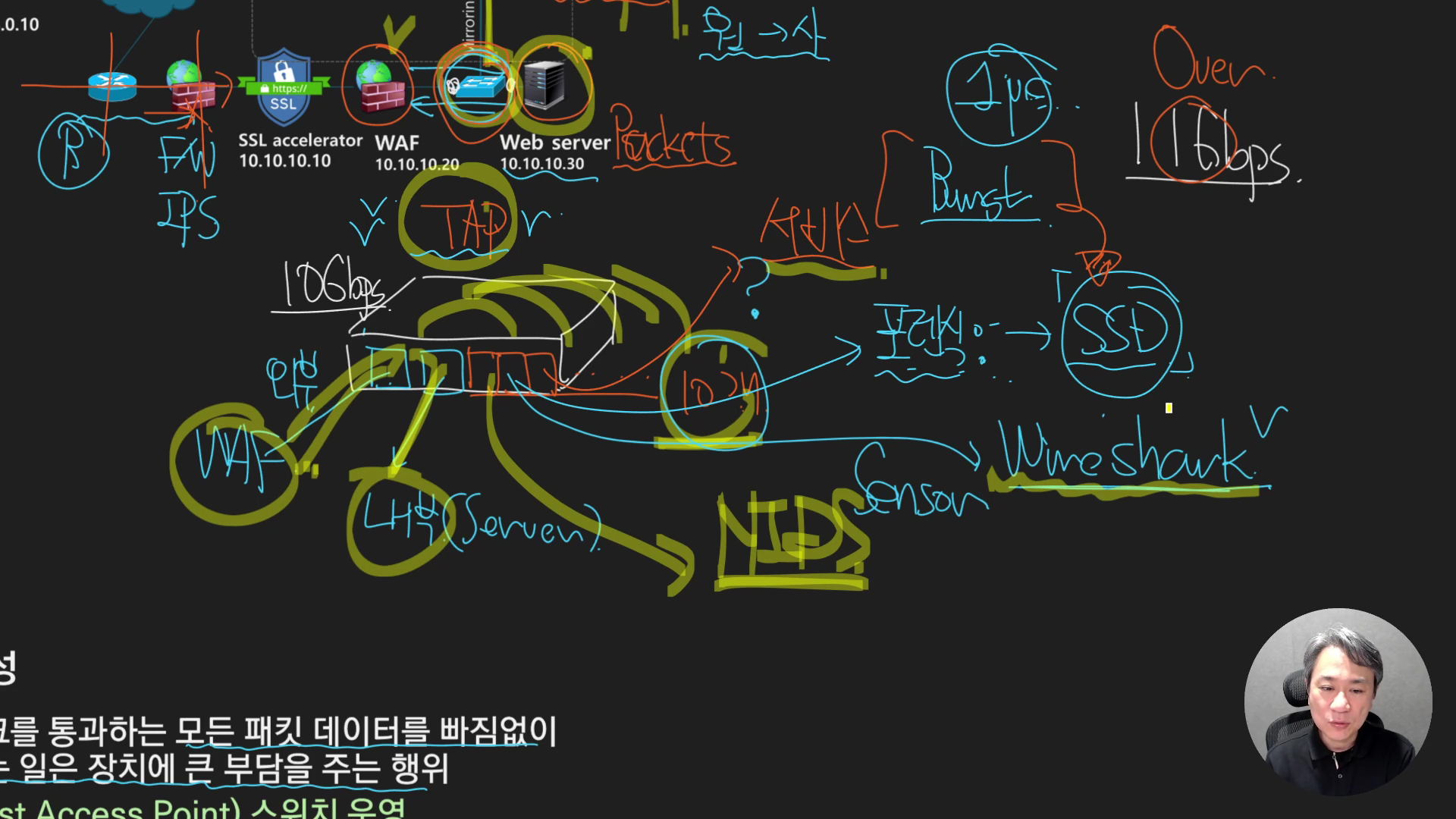
  • You can understand the operating structures and principles of various security devices, such as WAF (Web Application Firewall), packet filtering firewalls, NIDS, and VPN.


AWS networking, we'll help you master it starting from the principles.

By systematically understanding the complex networking principles of AWS VPC, ALB, and NLB starting from TCP/IP,
you can build in-depth knowledge that is immediately applicable to real-world practice.


Have you ever struggled with setting up Elastic IP addresses or failed at configuring security groups while operating services in an AWS environment? chưa?

Do you feel frustrated because network terminology is unfamiliar when communicating with engineering teams, or are you configuring AWS networking through simple rote memorization?

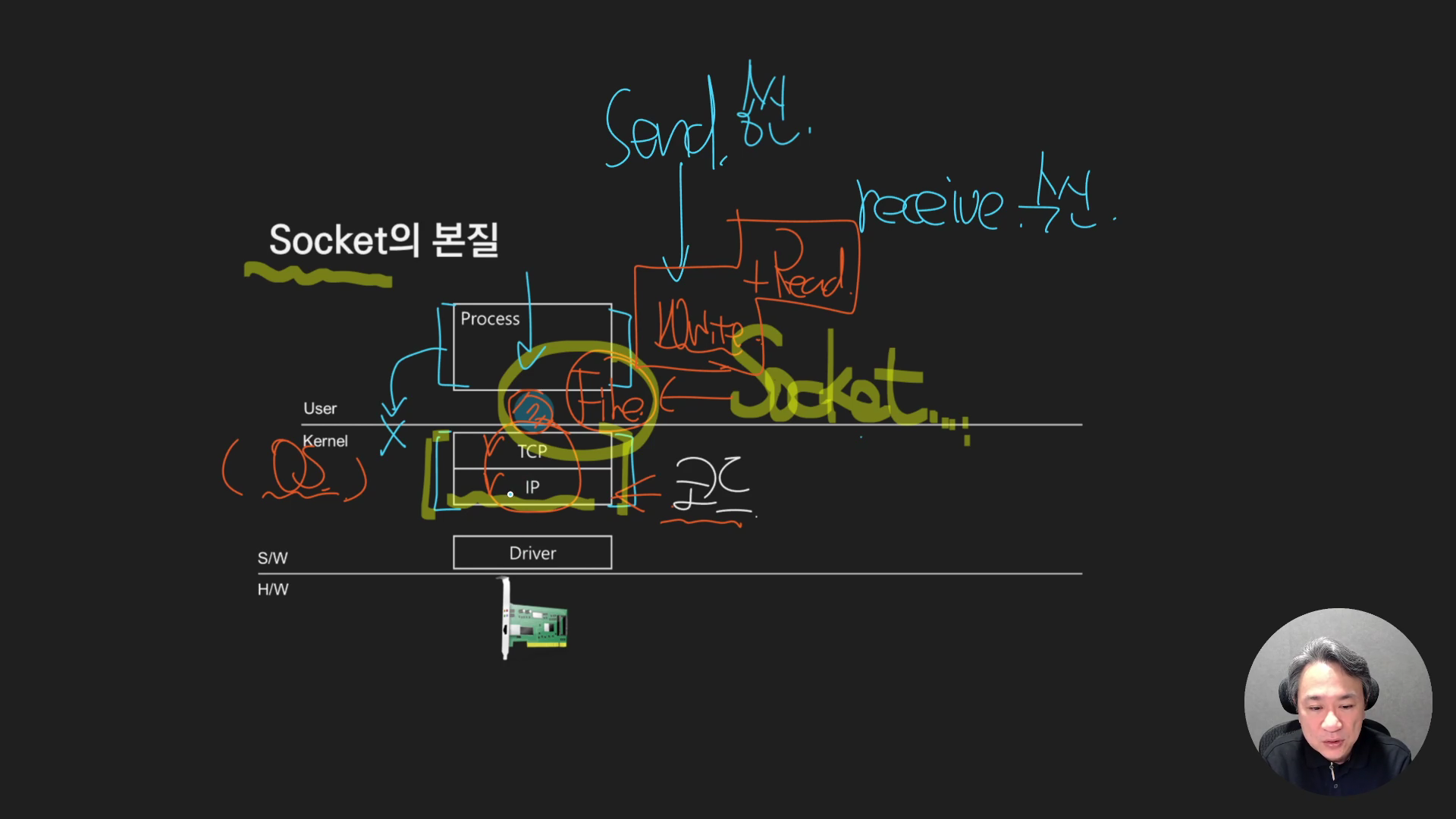
Are you doing socket programming without knowing what the reality of a socket is? Or have you ever felt frustrated because you didn't understand the entire structure of web services??

We explain kindly so that even non-majors can understand.
By properly grasping the core principles of networking, you will gain a clear competitive edge in AWS service operation capabilities.


Understand the inner workings of AWS VPC, ALB, and TCP/IP
and


Build a solid foundation of
core network knowledge

that serves as the basis for all services and take the leap to become a service operations expert.


By the end of this course, you will be able to


You will be able to solve complex network problems occurring in the AWS VPC environment on your own.

  • By deeply understanding the operating principles of AWS VPC, you will gain a clear grasp of everything from private IP network configuration to the roles of load balancers such as ALB and NLB. You will no longer feel overwhelmed by AWS network settings and will be able to confidently handle the essential knowledge required for service operations.

From home internet routers to professional network equipment, you will gain a fundamental understanding of their underlying principles.

  • Beyond simply using the functions, we will show you how routers allocate IPs and control packets. You will also learn how network devices with Inline, Out-of-path, and Proxy structures operate. Based on this understanding, you can become an expert who configures the AWS services you need in an optimal state.

Clearly understand the complex structure of TCP/IP networks and develop problem-solving skills.

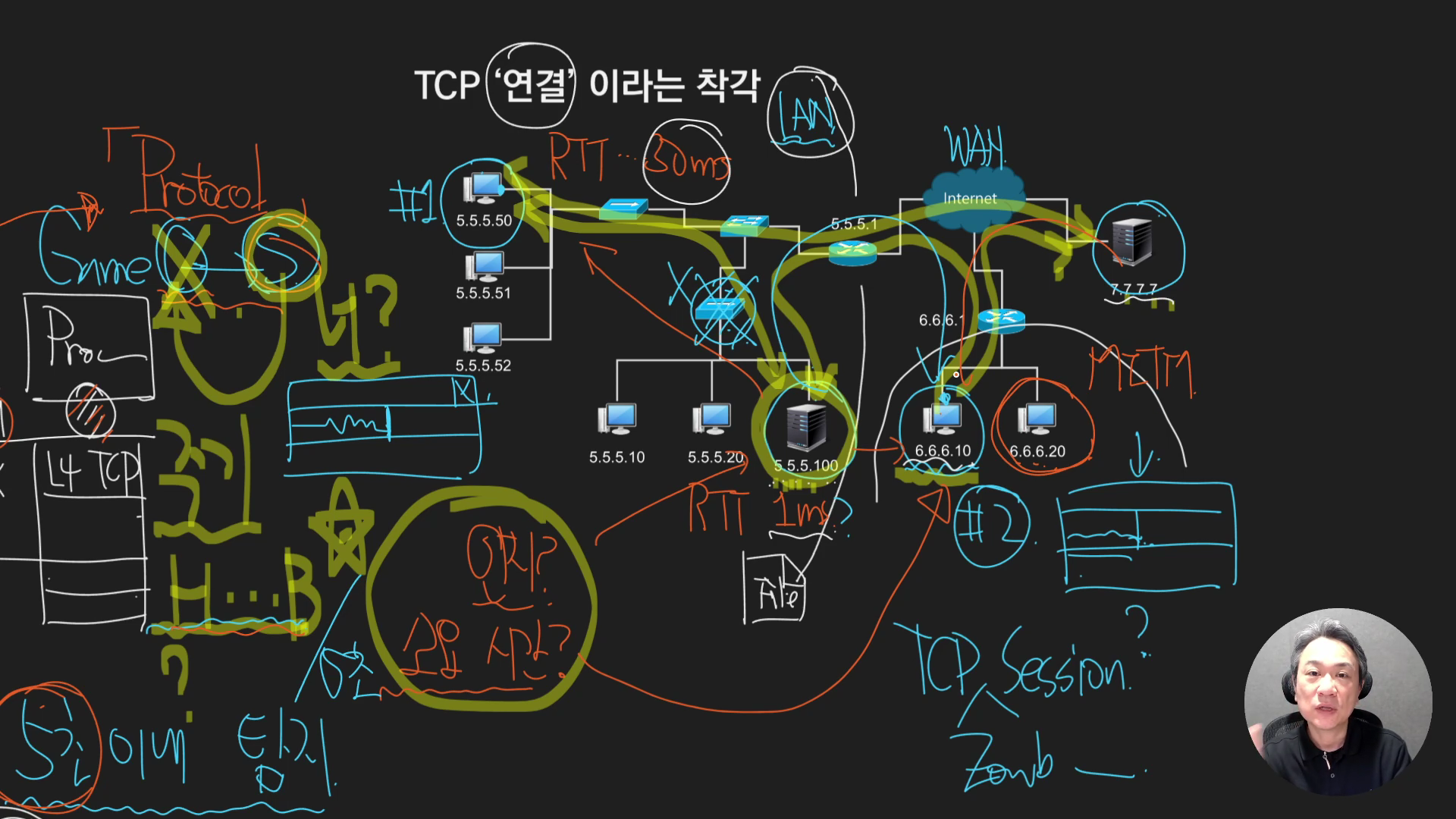
  • This is not a class for simply memorizing the OSI 7 Layer. You will learn that TCP, a representative protocol of layers 3 and 4, is software implemented at the operating system level, and dive deep into the essence of sockets. Through this, you can clearly understand the differences between TCP and UDP, the reality of logical connections, and various types of failures. You will develop the ability to effectively diagnose and resolve network issues that arise during the development and operation of web services or game servers.

You will understand the structure of modern web services and gain a solid competitive edge.

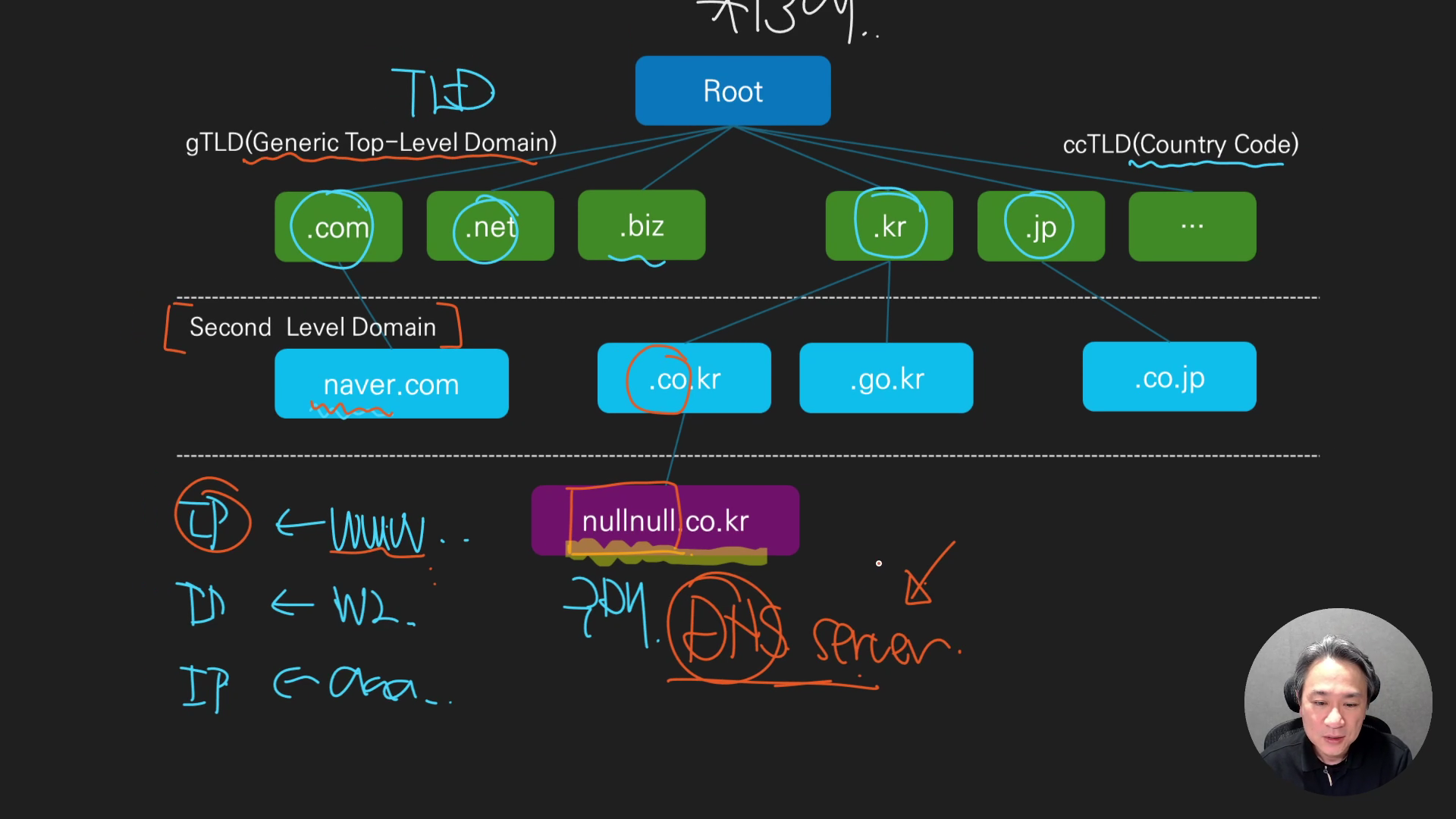
  • You will systematically learn everything from the operation of URI, URL, and DNS to HTTP, REST API, and modern 3-tier-based web service structures. You can become a major-level engineer capable of evenly understanding the entire scope from Layer 2 to Layer 7.


✔️

The most certain way to uncover the core principles of networks

The depth to uncover
even the operating principles of routers

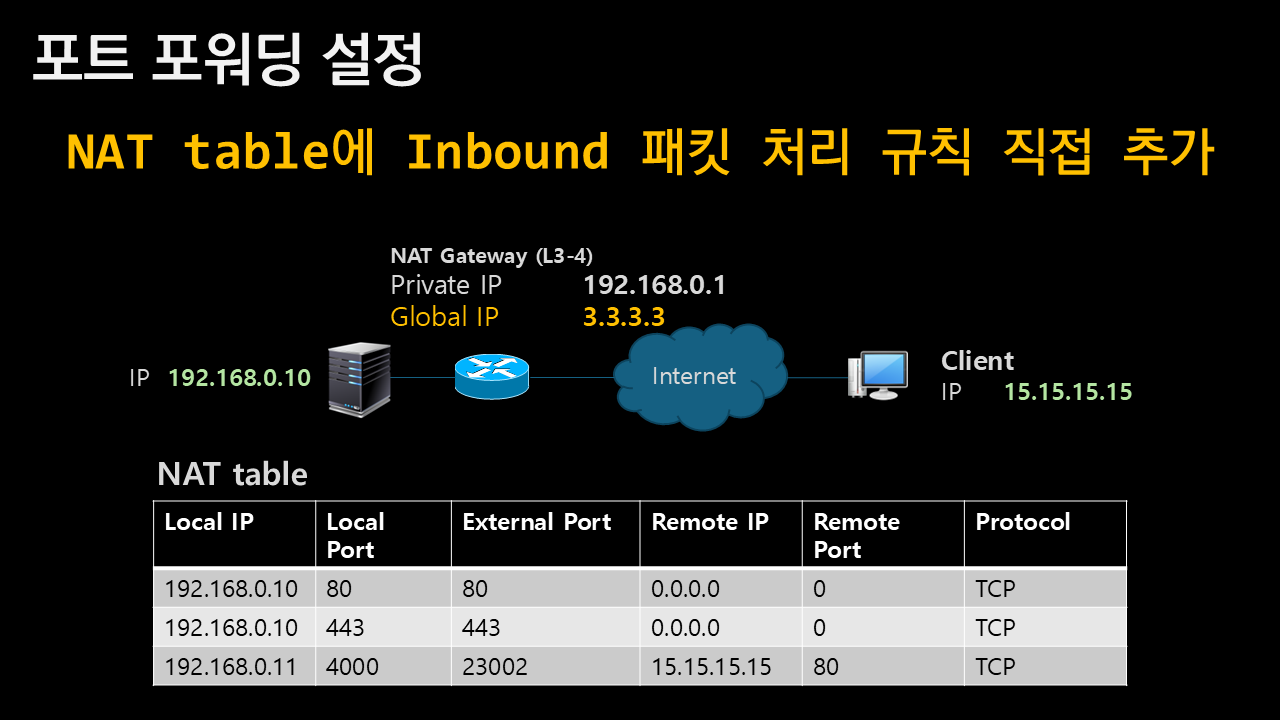
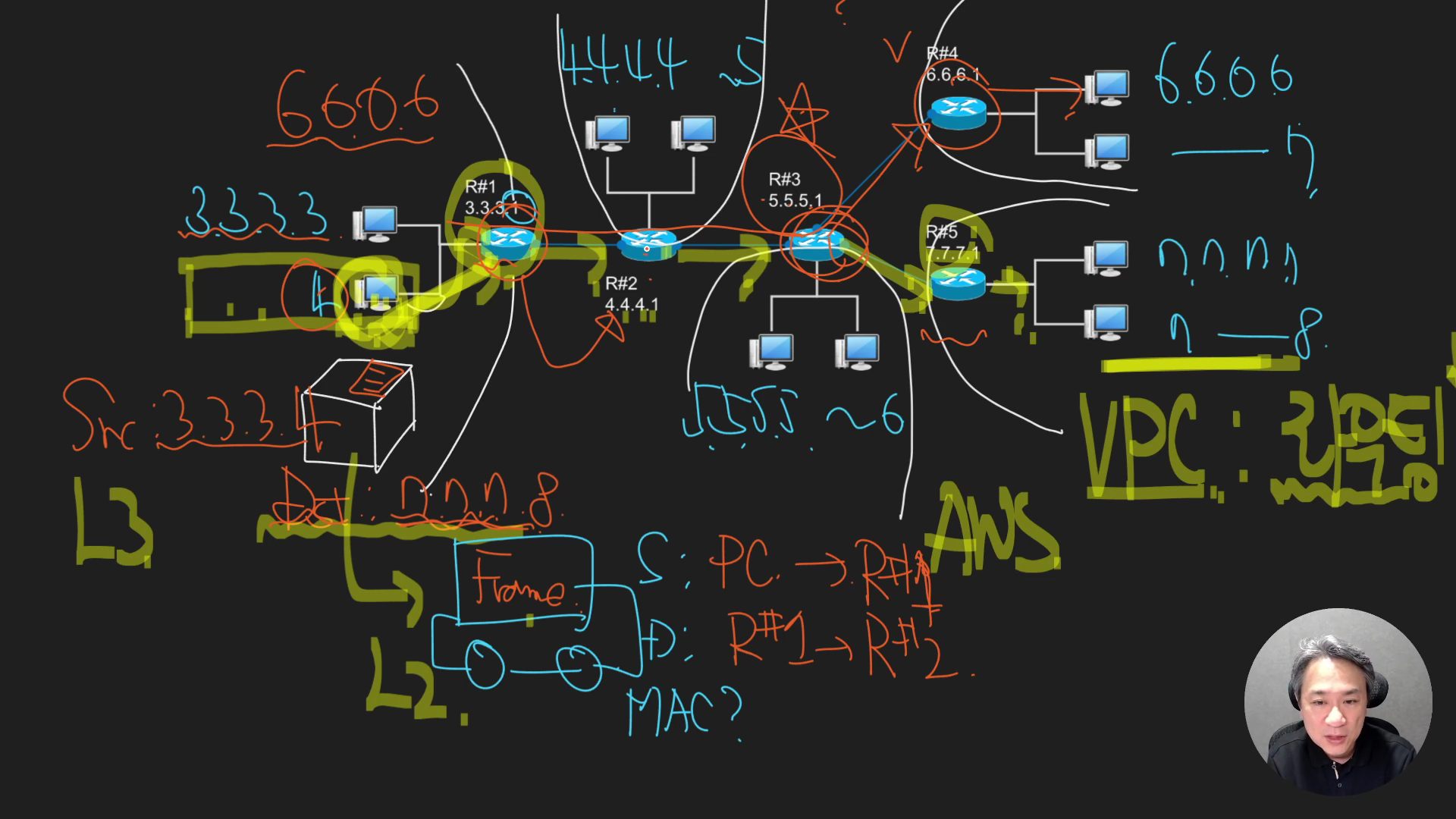
We will examine in great detail the operating principles of the routers used in most households. Through this process, you will study the changes in NAT table data and, by applying the same principles, gain a comprehensive understanding of packet filtering firewall (F/W) configurations.

Port forwarding settings like firewall rules

Modern 3-Tier Architecture

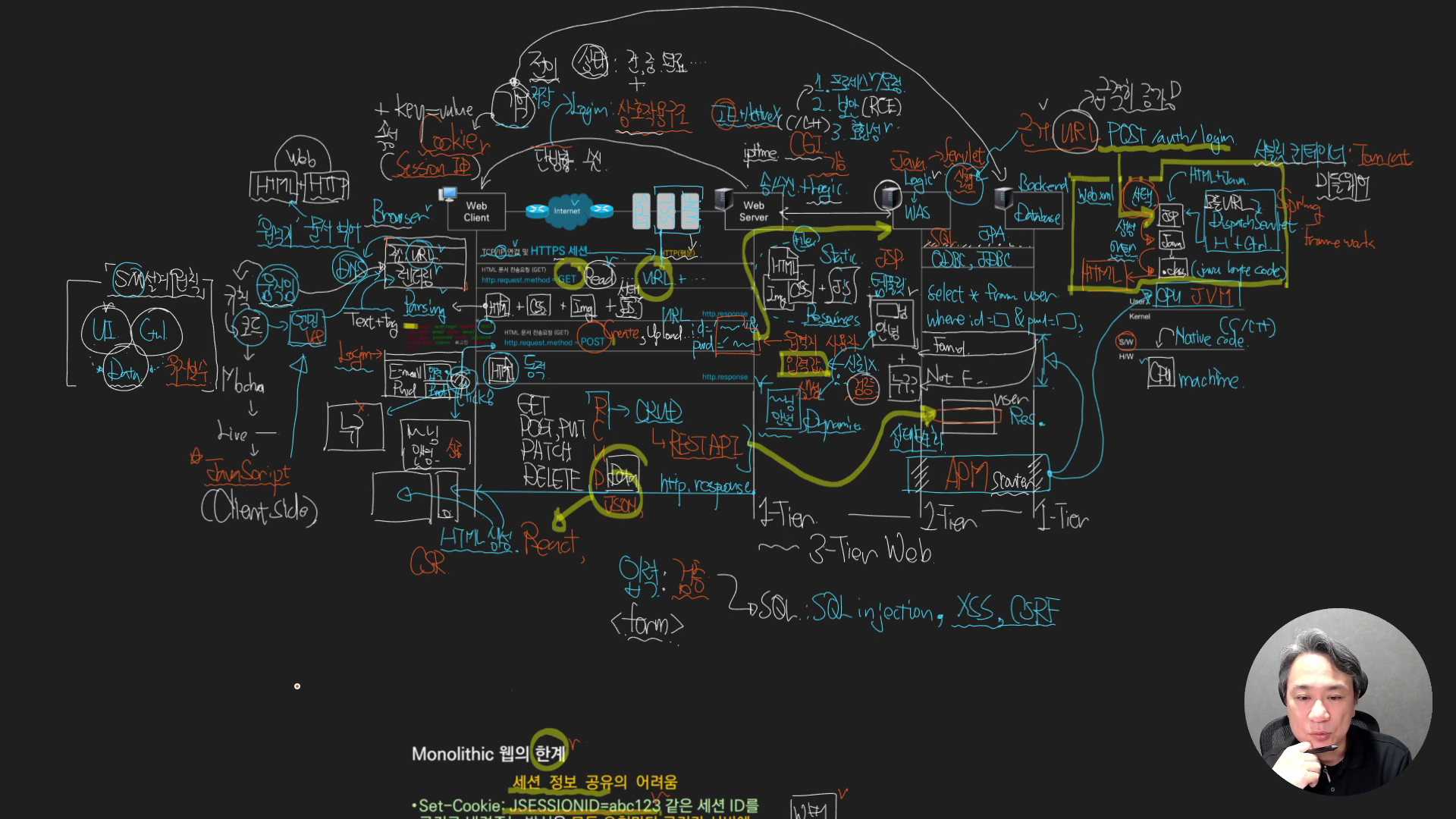
You can understand the overall flow at once regarding how each component functions and interacts to provide a service when configuring a Next.js-based frontend, Spring Boot-based backend, and RDBMS-based web service system. It is packed with essential information for those who want to develop their own services through vibe coding!Nội dung này chứa đựng đầy đủ những kiến thức bắt buộc phải biết dành cho những ai muốn tự phát triển dịch vụ của riêng mình thông qua Vibe Coding!

JSP-based Monolithic Web Service Architecture

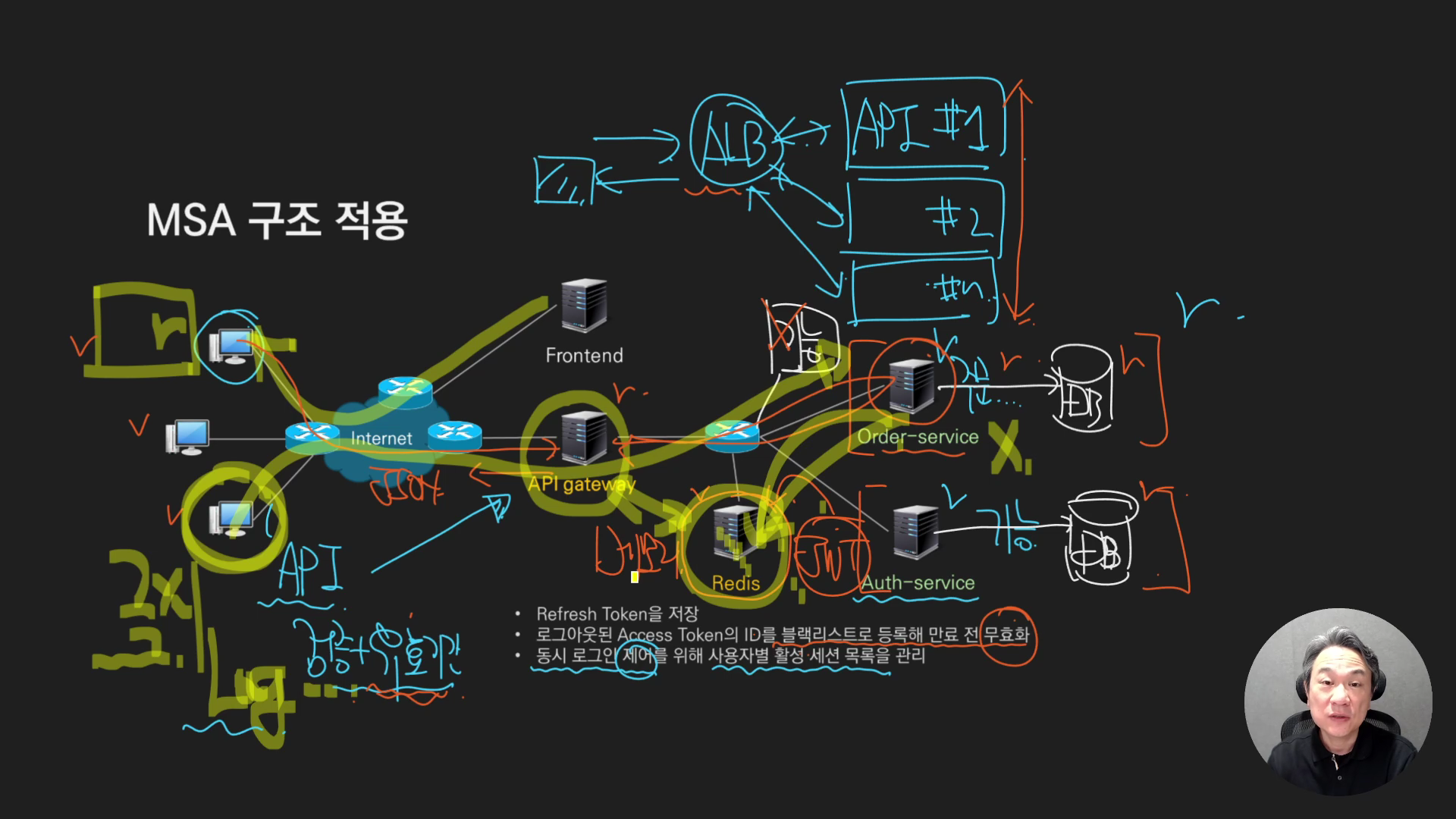
Comparison of MSA-based modern web service architectures

Practical AWS Networking

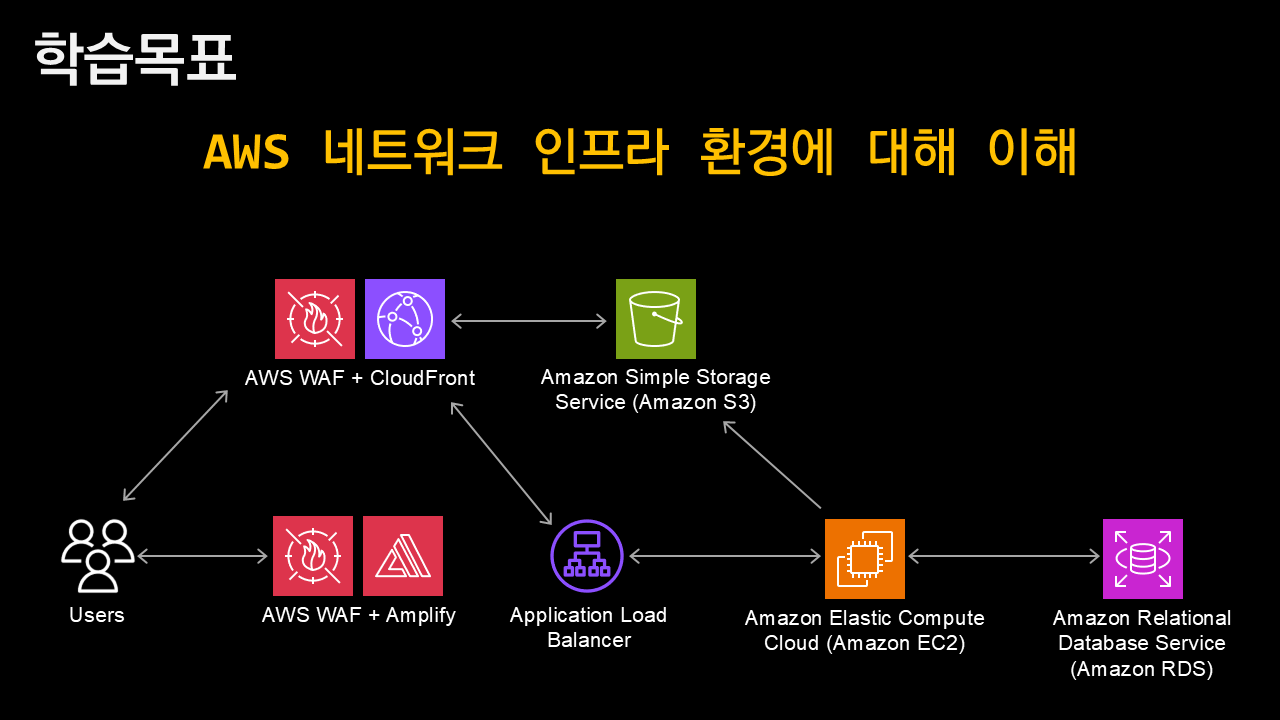
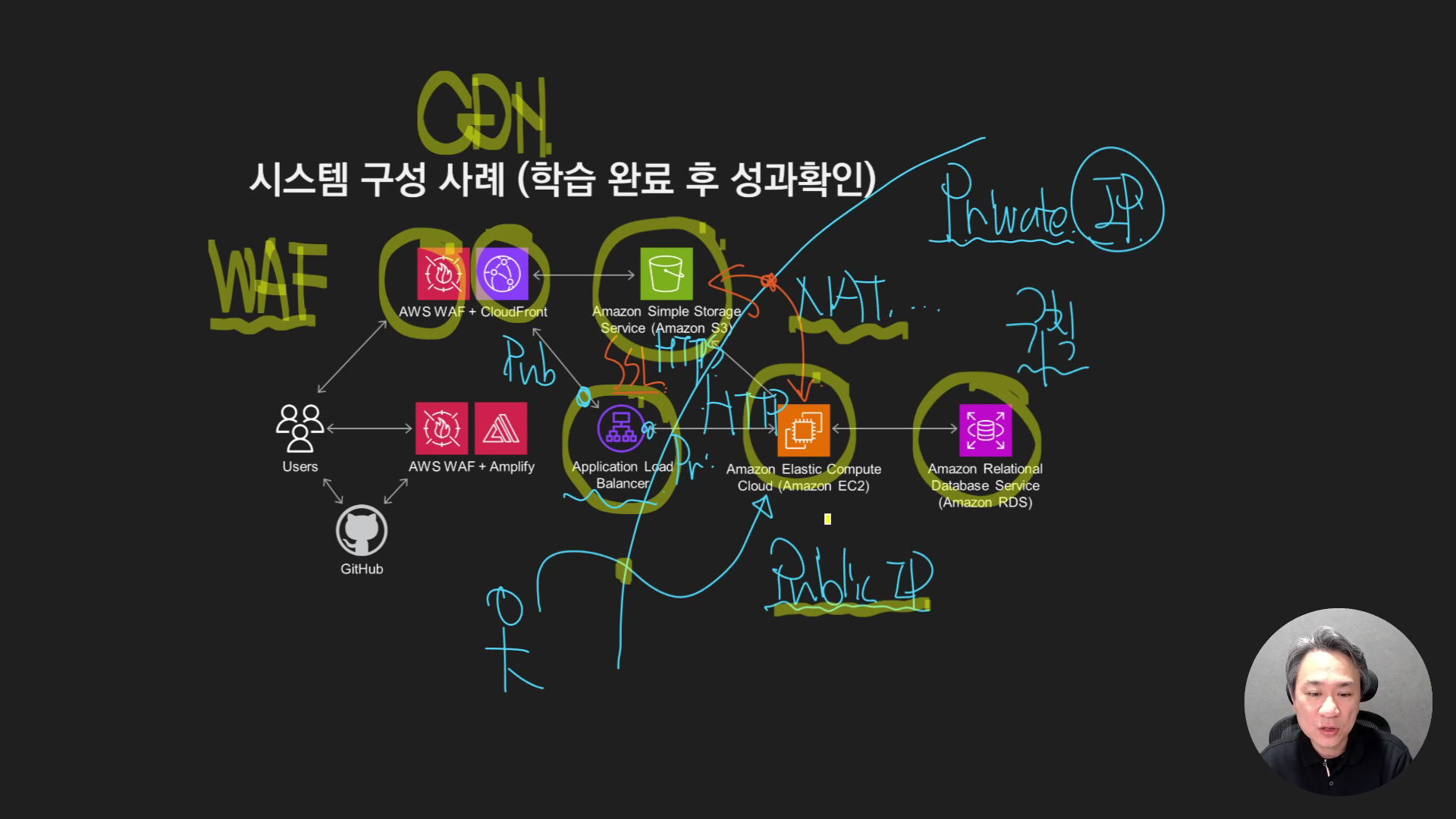
It covers how AWS CloudFront and Amplify services provide CDN functions, as well as how to set up a Gateway endpoint to prevent paying internet usage fees when S3 and EC2 communicate via the IGW.

📚

Master AWS by diving deep into network principles!

Section 1

Course Introduction and Basic Concepts

In this section, we will clarify the course introduction and learning objectives, and cover the basic concepts necessary for network learning, such as the OSI 7-layer model, User/Kernel mode, and the essence of sockets. This is a preparation process for smooth learning.


Section 2

Internet-Based Network Fundamentals

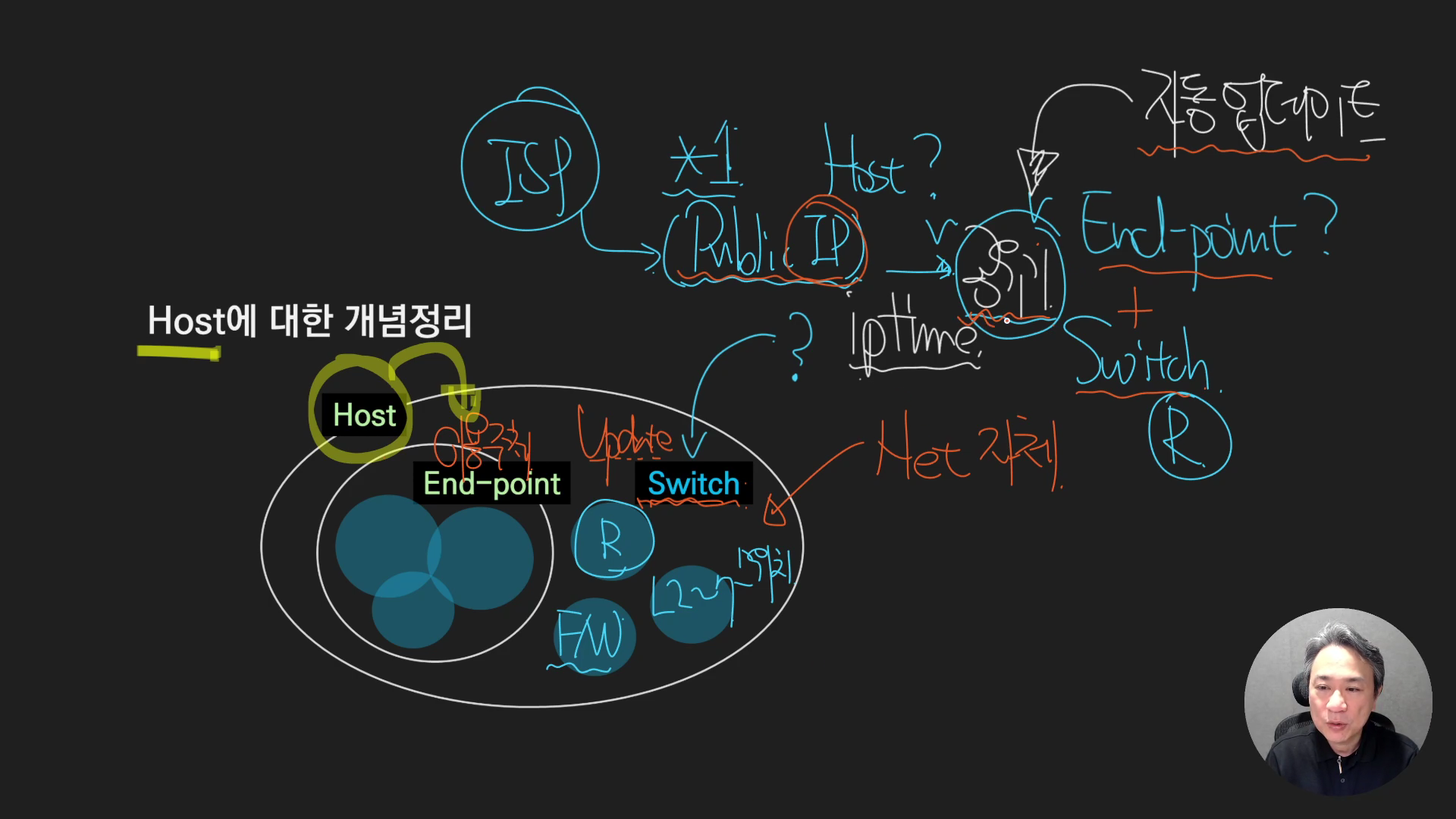
Understand the concept of a Host and learn about the core role that switches play in network communication.

Section 3

Network at the L2 Level

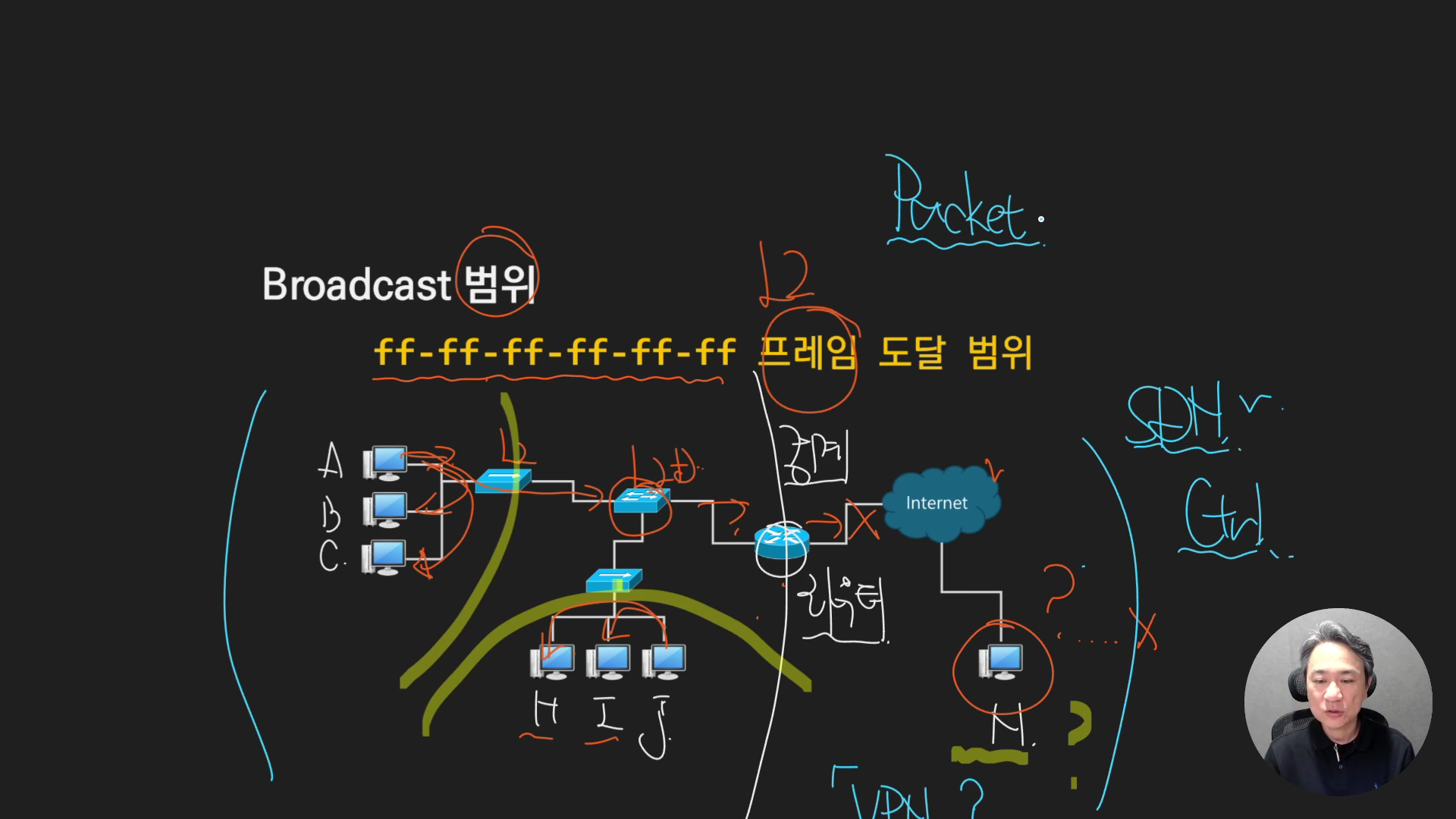
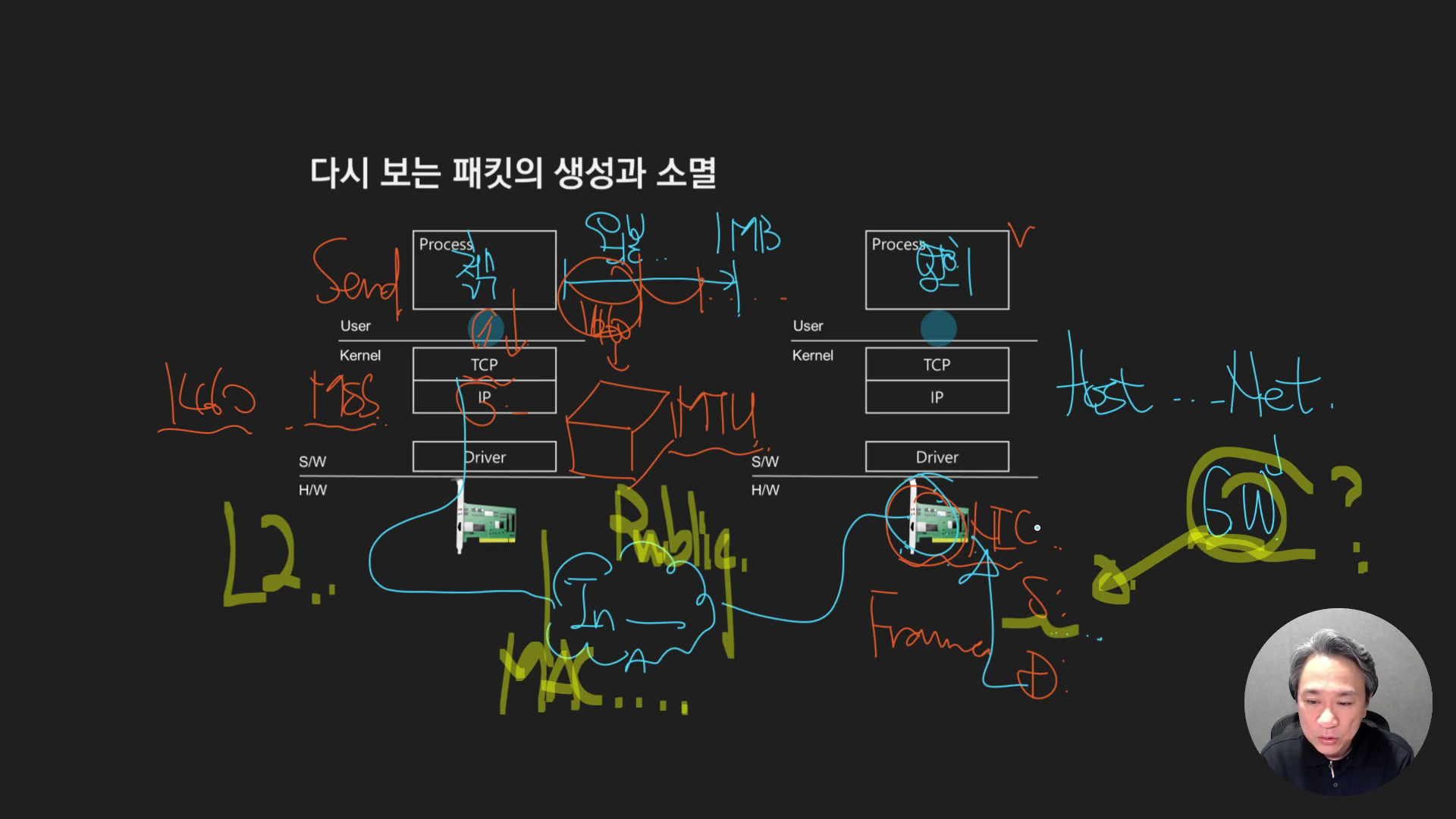
You will learn in detail about the components of the Data Link Layer (L2), such as NIC, MAC address, and Frame, as well as the operating principles of L2 switches.


Section 4

In-depth Analysis of How the Internet Works

Understand the structure of the IPv4 addressing system, the process of packet creation and destruction, and the characteristics of data units at each layer. Additionally, explore the specific principles of how internet communication is established.


Section 5

IP Header and Advanced Internet Theory

We will examine the IP header structure and AWS ENI (Elastic Network Interface), and cover advanced topics such as basic router theory, TTL, fragmentation, and ARP.


Section 6

L4 TCP and UDP Protocols

Learn the overview, header structure, session management, and Buffered I/O of TCP and UDP, the core protocols of the Transport Layer (L4). In particular, you will gain TCP troubleshooting skills by understanding TCP state transitions and the reasons for RST occurrences.


Section 7

Understanding Core Web Service Technologies

Learn about DNS structure, caching, and AWS Route 53 configuration. Then, comprehensively understand the overall structure of web services, including HTTP, REST API, and modern 3-tier based service architectures.


Section 8

Network Device Architectures and Functions

Compare and analyze the structures of various network devices, such as Inline, Out of path, and Proxy. Learn the characteristics and use cases of each structure, including security functions such as DPI and WAF (Web Application Firewall).


Section 9

NAT and Load Balancing Technologies

Learn the NAT operation principles of routers, Symmetric NAT, port forwarding, and UPnP. Learn how to configure Gateway Endpoints in AWS VPC, load balancing using ALB and NLB, and large-scale load balancing strategies through GSLB.


Section 10

Building Network Security Infrastructure

Learn the principles of private networks and IPSec VPN tunneling, and conclude the course by understanding the types and roles of network security solutions.


We can solve the concerns
of people like this!

📌

Beginner AWS Developers

Those who need to deploy web services in an AWS environment but feel that network concepts like VPC, ALB, and NLB are vague.
Those who feel frustrated because they don't even know the exact principles of an internet router.

📌

Entry-level Backend Developer

Those who want to understand the basic principles of TCP/IP but feel that theory alone doesn't provide practical insight.
Those who find AWS service configuration difficult because they feel they lack network knowledge.Những người cảm thấy việc thiết lập dịch vụ AWS khó khăn vì nghĩ rằng mình còn thiếu kiến thức về mạng.

📌

Infrastructure Engineer

Those who want to dive deep into the principles of network infrastructure, such as private network configuration, NAT, and VPN, to optimize their service environments.
Those who want to truly understand how AWS networking equipment works, going beyond simple memorization.

Notes before taking the course

Prerequisite Knowledge and Precautions

  • Binary, hexadecimal, and decimal number system conversion and bitwise logical operations (AND, OR, NOT, XOR)
  • Must have basic common sense regarding web services and no difficulty using the internet.

  • Must be aware of the difference between a program and a process

Learning Materials

  • Lecture slides (provided in PDF format)

Recommended for
these people

Who is this course right for?

  • Anyone who wants to understand the structure and operating principles of the TCP/IP protocol

  • All developers who need to perform socket programming, such as for web service systems or game servers.

  • Anyone who needs to operate services in an AWS environment (especially Vibe Coders)

  • Job seekers who want to gain a competitive edge by understanding principles rather than through simple memorization.

Need to know before starting?

  • Binary and hexadecimal number system conversion and logical operations (AND, OR, XOR, NOT)

  • Operating system common knowledge at a level that can properly explain the difference between a program and a process.

  • Basic knowledge of the web, such as HTML and CSS

Hello
This is nullnull8537

48,365

Learners

2,809

Reviews

1,176

Answers

4.9

Rating

27

Courses

I am the owner of the "NullNull Developer TV" channel and
a developer who has been navigating the sea of IT technology for over 30 years. Nice to meet you. ^^

Curriculum

All

52 lectures ∙ (15hr 16min)

Course Materials:

Lecture resources
Published: 
Last updated: 

Reviews

Not enough reviews.
Please write a valuable review that helps everyone!

nullnull8537's other courses

Check out other courses by the instructor!

Similar courses

Explore other courses in the same field!

Limited time deal ends in 3 days

$107,800.00

30%

$118.80