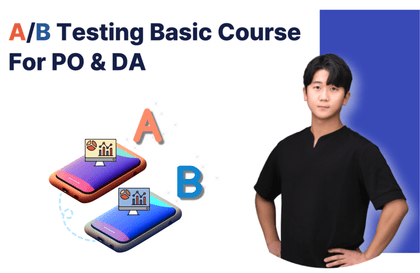
The Complete Guide to AB Testing
거친코딩
$38.50
Basic / AB test, Statistics
4.9
(22)
300+
As the popularity and interest in AB Testing explodes, we will introduce Korea's first AB Testing lecture right now!

Basic
AB test, Statistics

With “rough but useful” rough coding,
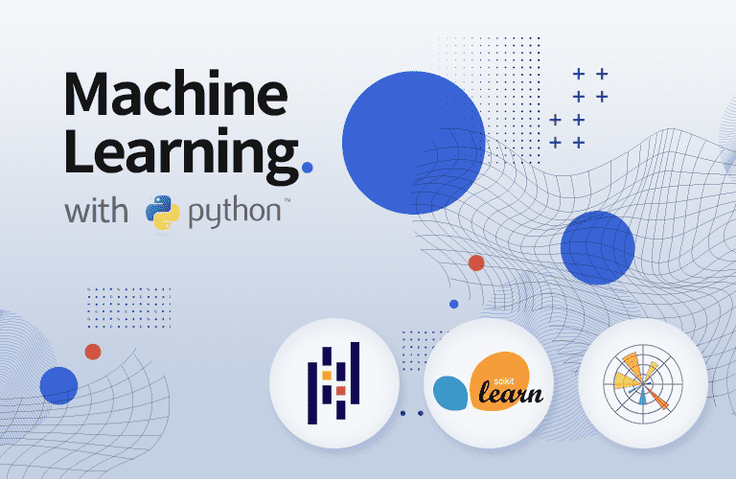
Building Python Machine Learning from the Ground Up 📖
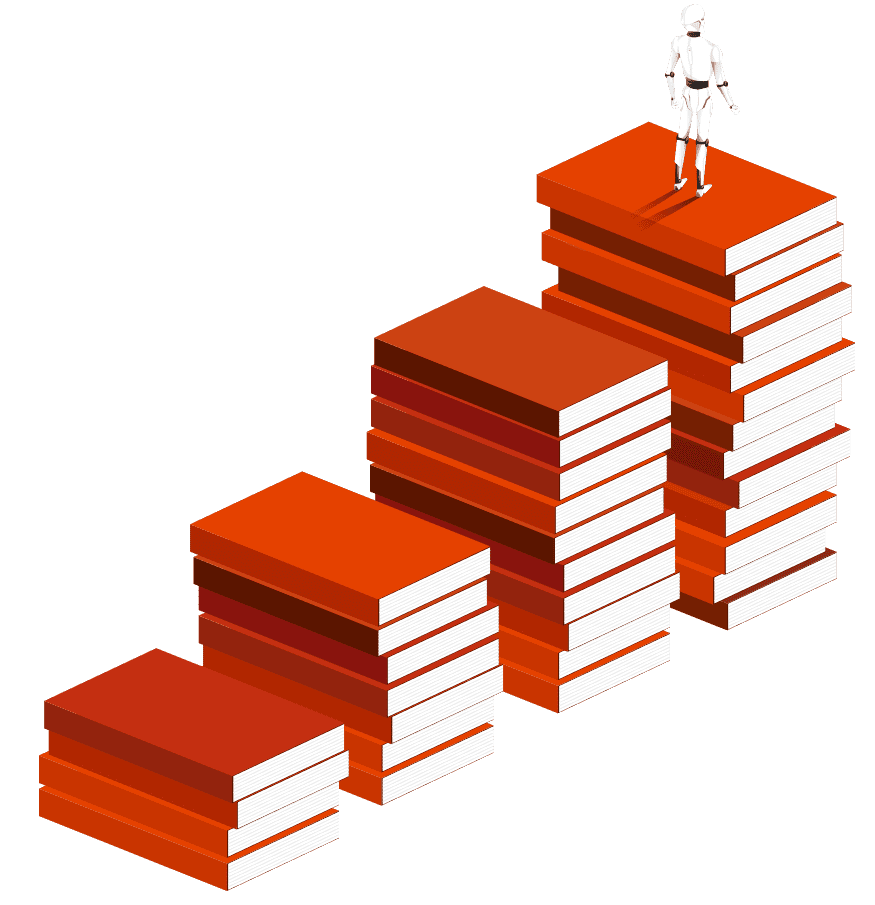
What you must know to start machine learning
Basic libraries and
Learn about real-world machine learning models!
#Pandas #Matplotlib #Seaborn
Machine learning is popular these days
I know it's good, but
I'm so lost as to where to start .
I have already learned machine learning
It is being applied, but
I'm not sure if I know this correctly .
Machine learning is becoming increasingly important!
Machine learning is the process of programming computers to learn from data using various statistical algorithms.
By the way, do you know why we use machine learning?
For example, let's take the case of creating a filter to handle spam within a service using traditional techniques.
In this case, we would create a spam filter like this:
The above approach may seem simple, but as the problem becomes more complex and the number of rules increases, maintenance becomes difficult.
On the other hand, machine learning can significantly improve maintainability and accuracy by automatically learning patterns that occur in spam.
As machine learning technology becomes widely known and receives much love and popularity, there are countless related courses available. However, most of these courses follow a similar pattern, focusing only on the topic or concept in a rigid manner. They lack explanations of how it can be applied and utilized in practice.
So, unlike other lectures, this lecture doesn't go straight into the topic of machine learning.
Instead, we will learn about the libraries that are absolutely necessary before actually doing machine learning, while freely preprocessing and visualizing real data , and then learn about the overall machine learning concepts.
💡 You can set the direction to start machine learning.
💡 You can learn the basic concepts of machine learning.
💡 You can develop the capabilities needed for analysis in addition to machine learning.
Based on the know-how we've accumulated over the years, we'll help you learn machine learning effectively.
Would you like to try machine learning together?

In Python data analysis
Anyone interested

Studying machine learning
For beginners

Data preprocessing and processing
Those who want to learn

Machine learning theory
Those who want to review
Please check your player knowledge!
Kaggle

Pandas
Matplotlib
Scikit-Learn
Just the essentials!
Many other products on the market
Unlike machine learning lectures,
Only the essential content
Let me give you a brief introduction.

Level up through practice
It doesn't stop at theory
scikit-learn built-in and
Using Kaggle data
We provide practical training.
Machine Learning for Beginners
Knowing the basics of Python
Tailored to beginners' level
Not difficult
You can learn the concept.
Data analysis too?
Not only machine learning concepts
Required for data analysis
Using the library
We will also introduce it.
✅ I will teach you effective study methods based on the know-how I have acquired through learning machine learning so far.
✅ We'll help you recall confusing concepts through theoretical lectures on overall machine learning models.
✅ If you have any questions while studying, please feel free to leave them. I'll try to answer them.
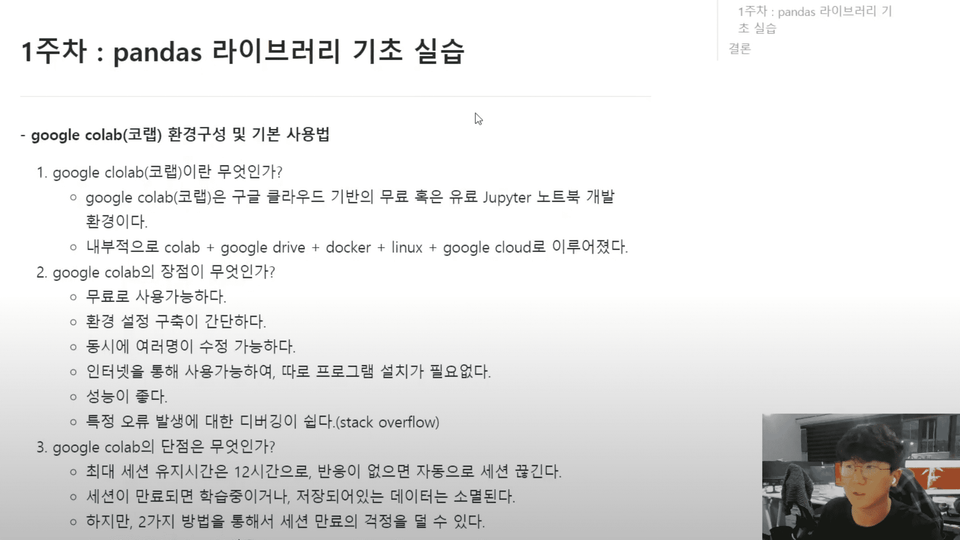
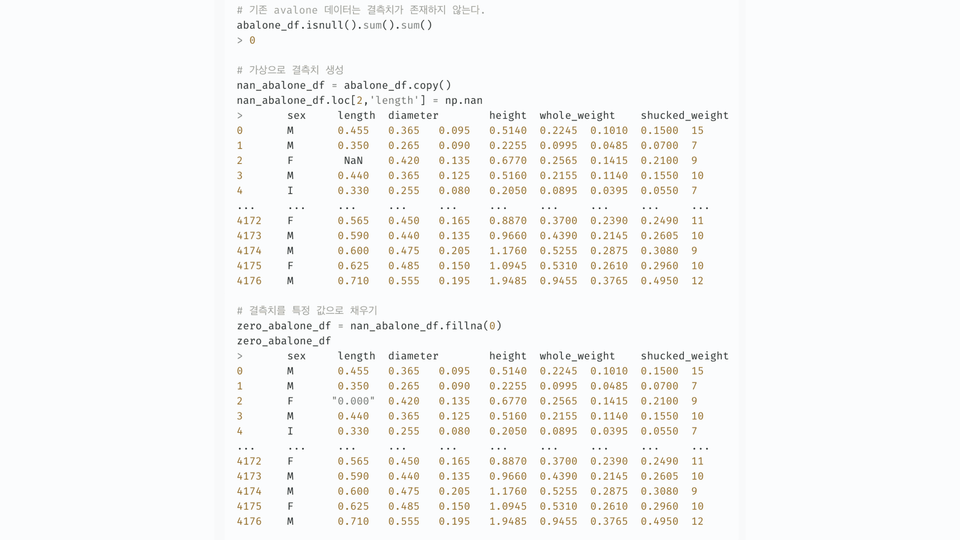
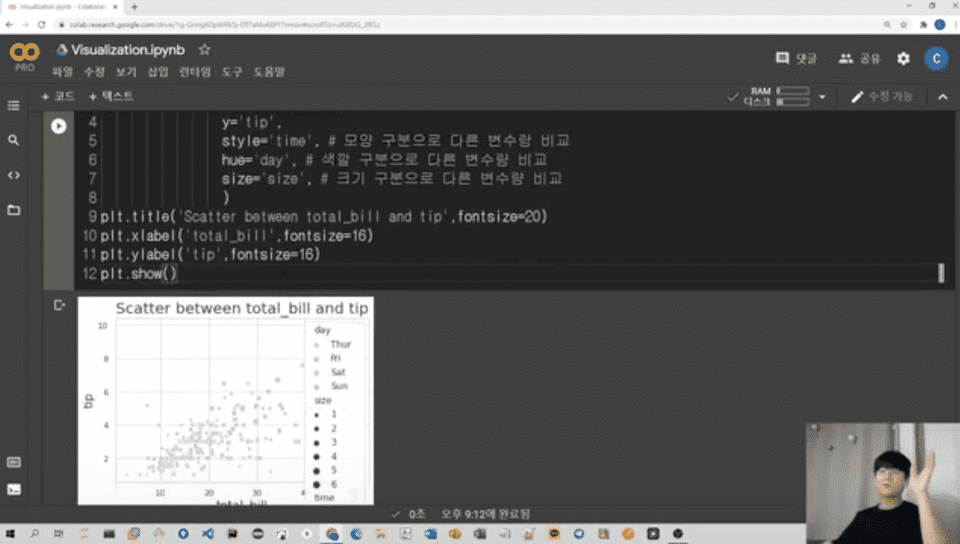
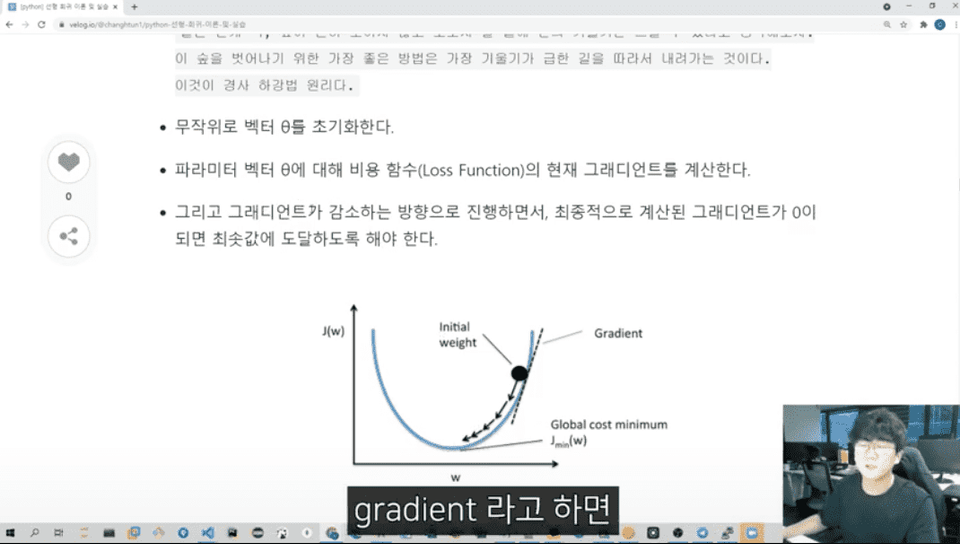
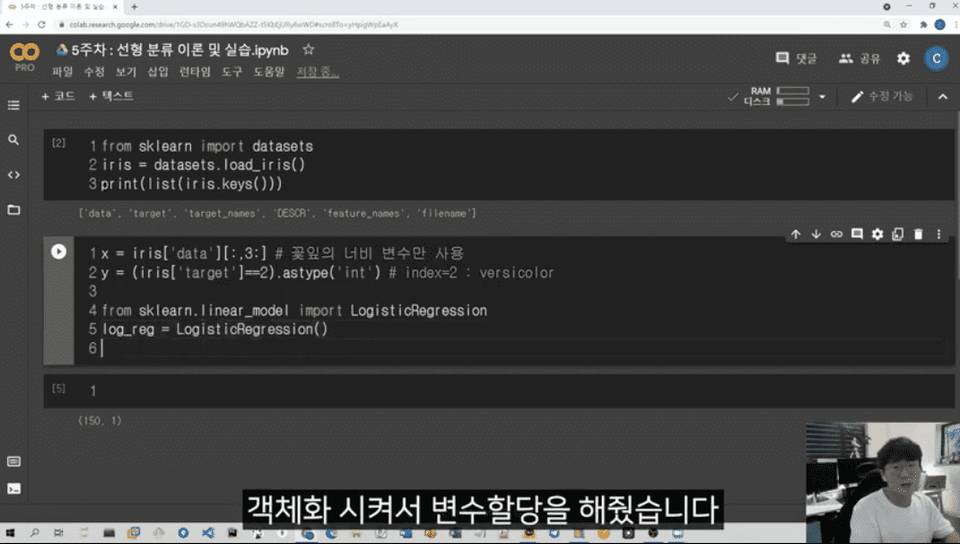
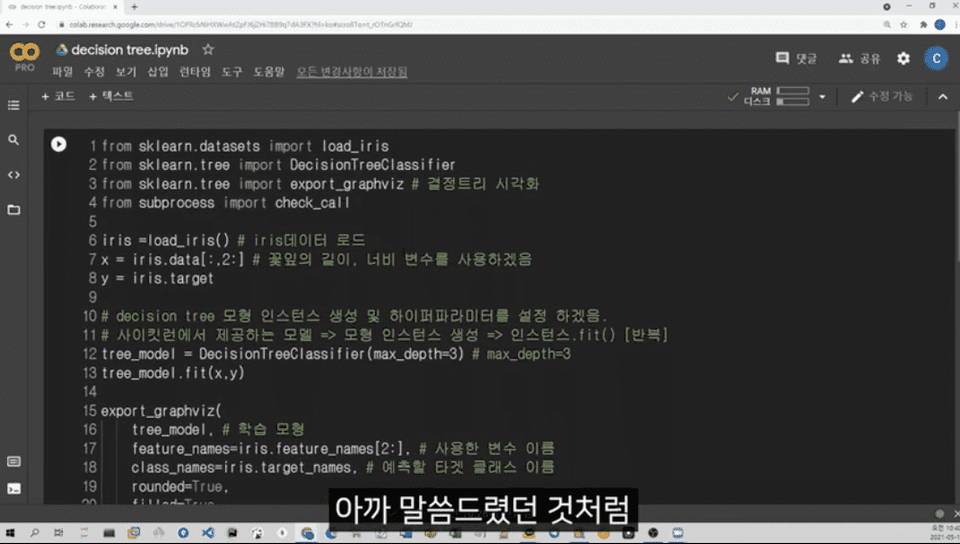
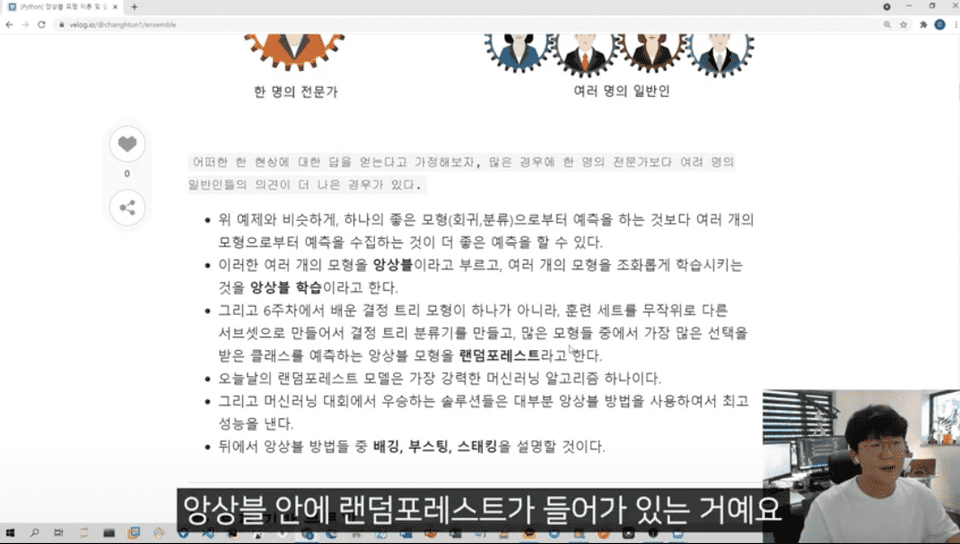
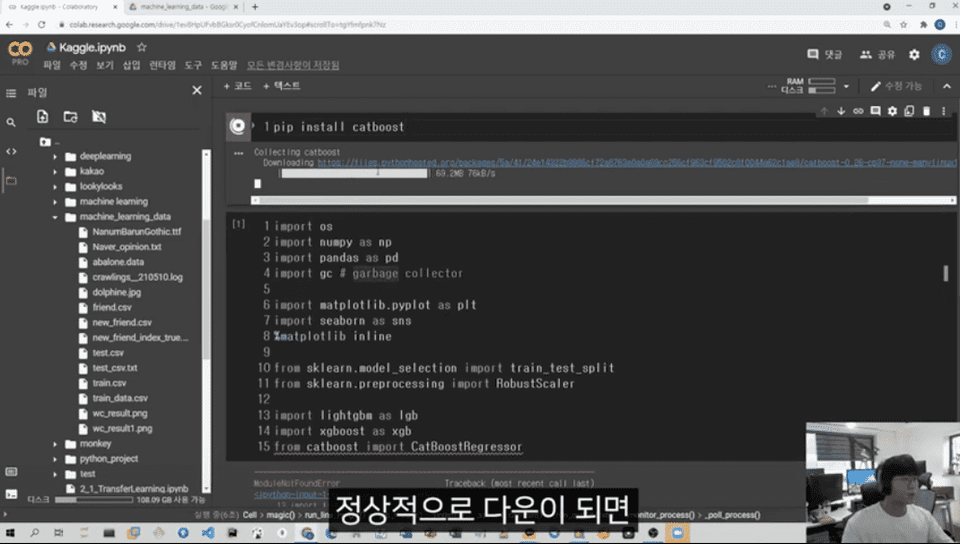
Please note before taking the class!

Hello. I am "Rough Coding," a rough but truly informative data analyst.
Korea University, Department of Statistics (Graduated)
Korea University Graduate School, Department of Big Data Convergence (Enrolled)
QS World University Rankings Evaluation Committee Member
Completed the Advanced Artificial Intelligence course at Korea University, a SW-centered university
Session Leader of KUCC (Computer Club), Korea University
5-time Department Valedictorian and 1-time Overall Valedictorian at Korea University
Big Data Analysis Engineer Certification
Advanced Data Analytics Semi-Professional (ADsP) Certification
I am currently working at "one of the NAVER/Kakao companies" performing data collection, processing, analysis, prediction, visualization, and task automation using Python and visualization tools (Tableau).
Efficient study methods for students dreaming of a career in data analysis
Mentoring for junior analysts currently working in the field of data analysis
Those who are not in an IT role but wish to apply IT technology to their own work.
Conducted remotely via Zoom
Requirements: Computer, camera, earphones
Mentoring will proceed based on pre-prepared questions or your current situation.
The beginning is the most important part of everything. Let's make sure to achieve what you want with burning passion!
rough_coding@naver.com

![[PyTorch] Deep Learning Leading to Practical AI - From Basics to Paper ImplementationCourse Thumbnail](https://cdn.inflearn.com/public/courses/326248/cover/945f4b20-e4e1-4d10-8e64-f2757c01736b?w=420)




![[Tensorflow2] Complete conquest of Python machine learning - Marathon record prediction projectCourse Thumbnail](https://cdn.inflearn.com/public/courses/324207/course_cover/1a79c7dc-1624-4d3a-95ff-79ba1e9c4025/python_machine_learning.png?w=420)
![[Updated] Your First Python Data Analysis (Easily! Learn the Entire Process of Preprocessing, pandas, and Visualization) [Data Analysis/Science Part 1]Course Thumbnail](https://cdn.inflearn.com/public/course-325576-cover/75d85753-8e0b-40f3-9f11-ca43e70c5200?w=420)