Inwoo's Story of Semiconductor CHIP Circuit Design, Starting with Products
If you're preparing for a semiconductor (CHIP) circuit design role at Samsung Electronics, SK Hynix, LX Semicon, Hyundai Mobis, or a fabless company, you absolutely need to know 'this'!
It gave me an idea of how to approach the circuit design job.
5.0
김원채
100% enrolled
The explanation was given step by step from the product to the transistor level, so when I do a project or study, I should think about what kind of product the company makes and how it is connected to the current project. Thank you for providing a good and persuasive lecture!
5.0
오석진
82% enrolled
I think I will be able to figure out the direction I should study in the future since you explained the specialized knowledge that I had vaguely and related it to the product!
What you will gain after the course
Circuit Design Insight: Analyzing Products from the Top-Down
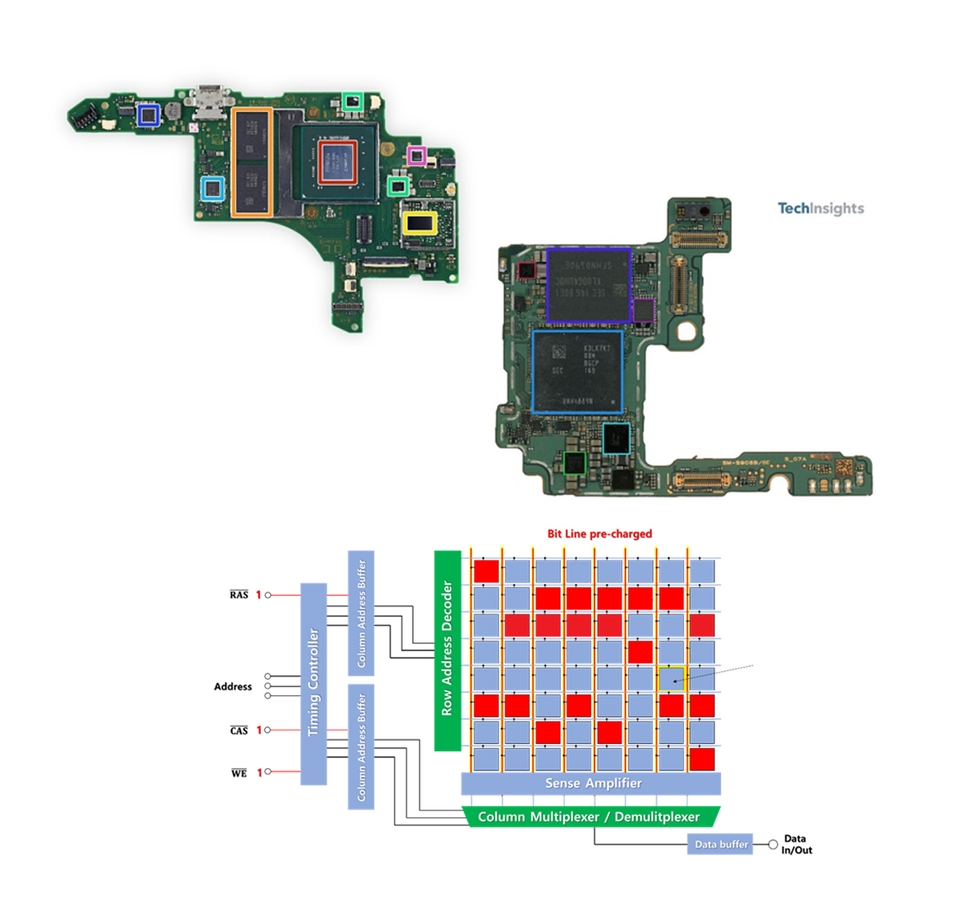
Understanding the Goals of Analog Circuit Design Through the Nintendo Switch
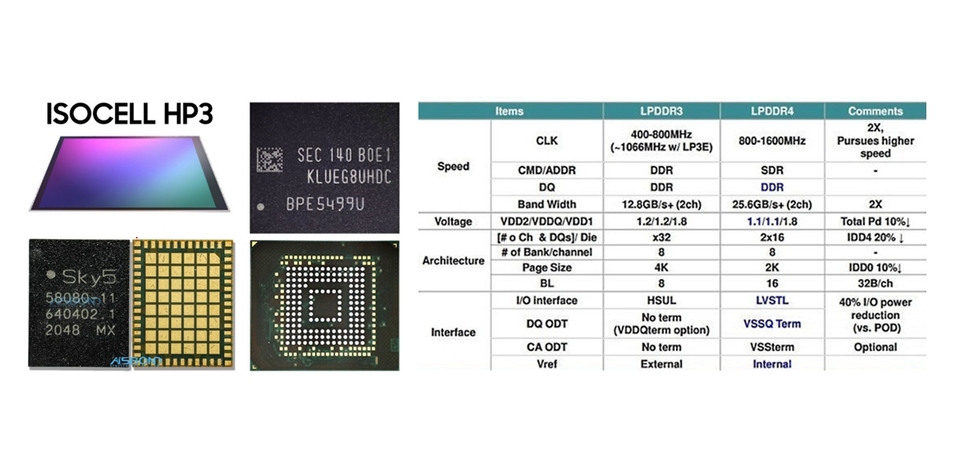
The goal of digital circuit design explored on smartphones
The connection between circuit theory knowledge from university and circuits used in the field
An overview of the 8 major semiconductor fabrication processes from a circuit design perspective.
Introduction to Mixed-Signal Field + Roadmap
If you're preparing for a job in semiconductor circuit design, pay attention! 📣
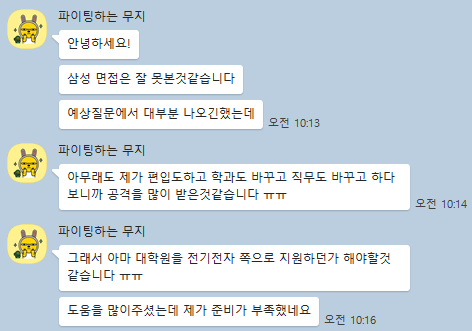
Semiconductor Job Preparation, 'This' You Must Know Why did I fail the interview? 🥲
1️⃣
I can explain to the interviewer specifically what products I want to work with.
2️⃣
I have specific knowledge of how the circuit design projects I completed are utilized in the actual industry.
3️⃣
I know what criteria I should use to build circuit design experience going forward.
▲ If you cannot answer one or more of the above questions, there is a high probability of 'being eliminated' in semiconductor circuit design positions.
Inwoo's Semiconductor CHIP Circuit Design Story Starting from Products
Job seekers and career changers dreaming of CHIP circuit design at Samsung Electronics, SK Hynix, and Fabless companies! If you gain just one insight from this course, you can definitely achieve it.
When looking at people challenging circuit design positions, they have sufficient project experience, but there aren't many candidates who can confidently answer questions related to actual work. The reason is obvious. It's because they haven't experienced actual work.
So how can you have confidence without even trying the work? To have confidence, this 'one thing' is absolutely necessary.
Circuit design project experience prepared from a 'product' perspective
There are institutions like IDEC, SW-SoC, and IEEE where you can build experience and knowledge, but they don't solve the above problem. That confidence you lack, I will fill it for you.
Semiconductor Circuit Design Story, Start step by step from the product!
Join virtual circuit design job seeker 'Inwoo' 👋
'How should I connect my circuit design project experience to job hunting?' 'What kind of working professional's experience resonates with job seekers?' Based on my experience in circuit design consulting, job-specific lectures, and book writing, I've incorporated content that job seekers can relate to and empathize with regarding the actual work environment into this course. Follow Inwoo's vivid story and I'll help you start semiconductor circuit design from the product level! 😆
First, this lecture is not a theory/practice lecture but a 'Story-Telling' lecture.
Theory can be sufficiently covered by taking courses at IDEC or SW-SoC. Recently, there are various job bootcamps available, so this can be resolved to some extent. However, lectures that explain a current professional's thoughts about products from a job seeker's perspective do not exist in South Korea.
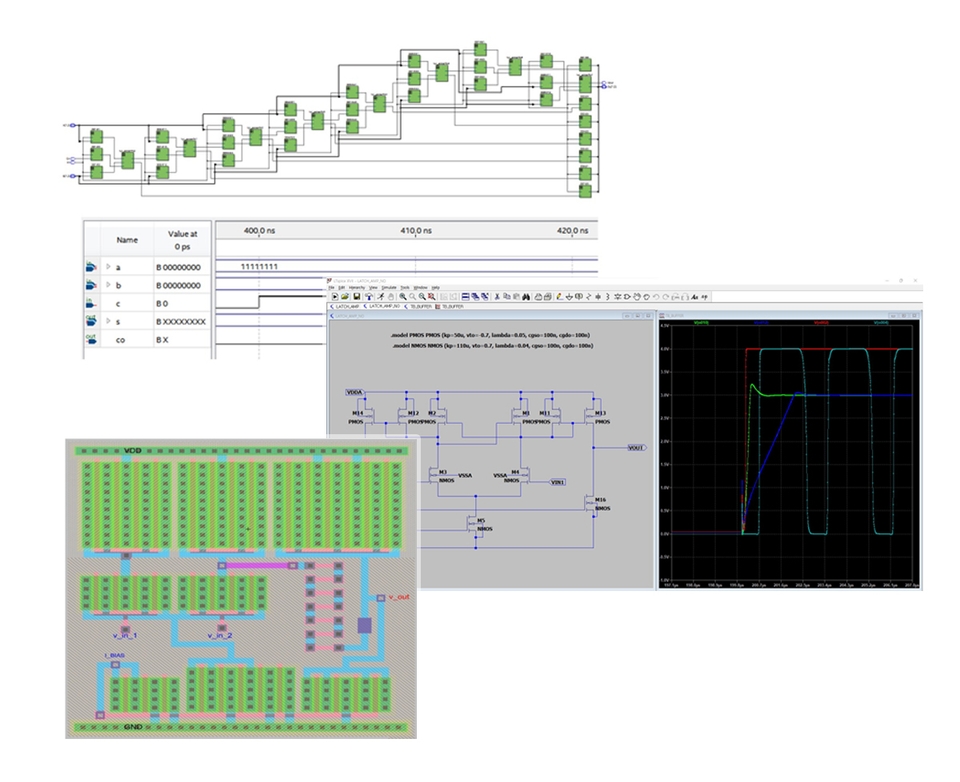
No more boring theory and impractical content - discover the mindset of industry professionals through story-telling lectures that start with actual products! Join Inwoo as we disassemble smartphones and Nintendo Switch devices one by one, allowing you to understand the flow from Opamps, Full-adders, Transistors, to the 8 major semiconductor processes that you've studied.
Second, while taking the course, decide on the 'product' you want to design!
Among the various products introduced in the lecture, decide on the product you want to work with. If you choose to study one of the various memory/system semiconductor products, you can develop strong competitiveness in circuit design roles. This is because most people don't choose one to study in depth.
Third, look for projects you can do for that product!
If you've decided on a product to study, look into what circuits are included in that product. Furthermore, find and experience projects that work with those circuits. You need to build foundational experience with the product to be able to convince evaluators.
If you don't know what circuit to use or have trouble finding the relevant project, please follow the roadmap below. The three-coach lectures of "Super Product-Focused/Super Practice-Focused/Super Job-Focused" are waiting for you!
I work in semiconductor circuit design at Company S while also serving as a mentor in circuit design, having conducted over 200 career consultations, operated more than 50 bootcamps, and delivered over 10 university career lectures.
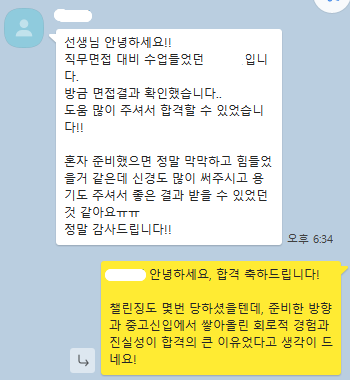
While mentoring, I helped hundreds of people pass, but conversely, dozens also failed. So I pondered this question. 'Even when I explain the same content and provide the same experiences, why do some people pass while others fail?'
To analyze the reasons for rejection, I started collecting and comparing all the resumes, cover letters, and interview debriefs from job seekers who were eliminated. And I came to one conclusion. 'Ah! Even though they have experience in circuit design, they can't convince themselves, so they fail to persuade the evaluators!'
Insights on Product-Based Appeal
We were helping job seekers fill in their lack of circuit design experience, but we weren't able to explain how to appeal that experience to convince evaluators.
And when I thought about a solution for this, convincing working professionals turned out to be quite simple. It was all about appealing to the 'product'.
'If you study the product and build circuit design experience accordingly, there's no way you could fail. Because current professionals are probably spending today thinking about product concerns rather than circuits!'
To verify this hypothesis, I provided product study guidance to 10 job seekers who were eliminated in 2022 but are challenging again for Samsung Electronics circuit design positions in the first half of 2023.
After about 2 months of building product-targeted circuit experience, they were able to pass all the document screenings. Among them, 9 people were able to pass all the way to the interview stage.
Now, I thought it would be great if not just a few people, but everyone preparing for circuit design positions could gain this insight I discovered. So! I decided to organize this into a lecture and make it available for free.
Operating the 'Circuit Design Career Pathfinder Sam Coach' YouTube channel
See you in the class! 🖐🏻
The very fact that you are reading this text right now means you are more than qualified to take on the challenge of a circuit design position. My role is to help ensure that passionate individuals like you, who are enthusiastic about circuits, can turn their challenge into success. Although this is a free lecture, it will provide special insights as a gift to those of you who are taking on the challenge of circuit design.
Of course, if we have the opportunity to connect and you'd like to work on circuit design projects together following a roadmap, that would be great. However, I recommend first trying out what you can do on your own through free lectures. Just doing this should be sufficient for you to pass. I'll see you in the lectures. Thank you 😊
Recommended for these people
Who is this course right for?
Calling all electrical and electronic engineering students in their second to fourth year of university who are interested in semiconductor circuit design.
For those targeting analog circuit design, digital circuit design, and mixed-signal design fields.
Job seekers who have challenged themselves to get a job in circuit design but have been rejected in the document screening or interviews
For those who are unsure of what criteria to use when building circuit design-related project experience.
For those who want to gain insights from current circuit design professionals.
Need to know before starting?
Please make sure to take the circuit-related major courses in your sophomore year of college before taking this course. If you take the lecture without taking a major class on circuits, it may be difficult for you to relate to the lecture content.
If you've taken circuit-related major courses in your third or fourth year of university, the lecture content will be directly helpful for getting a job.
(Required) Analog - Circuit theory, electronic circuits
(Required) Digital Logic Circuits, C Language, Signals and Systems
(Optional) Analog - Analog integrated circuit design, RF circuit design, bioelectronics, etc.
(Optional) Digital - Digital system design, computer architecture, digital signal processing, digital communication, etc.
The explanation was given step by step from the product to the transistor level, so when I do a project or study, I should think about what kind of product the company makes and how it is connected to the current project. Thank you for providing a good and persuasive lecture!
You have understood my intention very accurately! That is correct. The more new you are, the more important the basics are, but let's make sure to look at what the basics are for!
As a job seeker in embedded and firmware development, I realized that I must know the related content in order to develop firmware..
My dream is to become someone who gives free lectures like you, so I felt that I should work harder. :) Thank you.
I collaborate a lot with digital circuit design engineers and firmware and embedded SW developers. I would appreciate it if you could become a great engineer and share a lot of good knowledge :)
I think I will be able to figure out the direction I should study in the future since you explained the specialized knowledge that I had vaguely and related it to the product!