inflearn logo

Practical PCB Hardware Design: Mixed-Signal Board Design Project Using STM32

The key to competitiveness in circuit design is, ultimately, broad domain experience! Master all the essential hardware knowledge and experience—from STM32 MCUs, Ethernet PHYs, motor drivers, ADCs/DACs, EMI, and ESD—in one place!

(5.0) 153 reviews

691 learners

Level Intermediate

Course period Unlimited

orcad
orcad
kicad
kicad
artwork
artwork
stm32
stm32
hardware
hardware
orcad
orcad
kicad
kicad
artwork
artwork
stm32
stm32
hardware
hardware

Reviews from Early Learners

5.0

5.0

cow09260

54% enrolled

When I first encountered PCB design through self-study, I thought it was just a matter of connecting lines. However, through this lecture, I was able to perfectly establish the organic relationship between schematic design and artwork (layout). In particular, the biggest takeaway was learning how to perform "reasoned design"—such as analyzing the block diagrams and power systems in STM32 datasheets to understand why crystals and decoupling capacitors are essential, and why checking ESD tables is necessary. It was incredibly beneficial because it didn't just teach me how to use the tools; it allowed me to experience the actual professional workflow, from strategic pin mapping using CubeMX to setting up a JTAG debugging environment. Now, I have the confidence to design my own circuits without being intimidated by complex datasheets. Thank you for teaching me so thoroughly!
5.0

올라잇!!

58% enrolled

I took classes on circuits and PCBs in school, but after taking this course, I realized that what is learned in the field is definitely different. It was great for understanding the workflow because it followed the exact methods used in actual companies, from technical meetings and component selection to datasheet analysis. The explanations are easy to understand even for those who are new to HW design.

5.0

esjung

100% enrolled

I wasn’t able to listen very attentively at first.. I decided to complete the course first and then revisit the parts I missed.. Overall, it clearly presents the trial and error one needs to go through when moving beyond the beginner level and advancing toward becoming an expert engineer in the field of electronic circuits. The content can truly save you time by helping you avoid the trial and error that beginners may not even recognize.. I hope you listen to it and then experience it firsthand in the field..

What you will gain after the course

  • How to Create an HW Requirement Sheet Through Technical Meetings with Customers

  • How to Create a System Level HW Block Diagram

  • Implementing high-speed communication between an MCU and an Ethernet PHY

  • Motor Control Circuit Design Using a Motor Driver & MOSFET

  • How to Apply Ferrite Beads, TVS, and ESD Components for EMI/ESD Countermeasures

  • Implementation of analog and digital signal processing circuits using ADC/DAC

  • A robust power supply configuration including LDO, Charge Pump, Bulk Capacitor, etc.

  • Tips for Analyzing Various IC Datasheets and Creating a Power Budget

  • 4–6 Layer PCB Stack-up Configuration and Mixed-Signal Area Separation Layout

  • Hands-on practice of the entire process through Gerber & BOM file extraction for PCB manufacturing

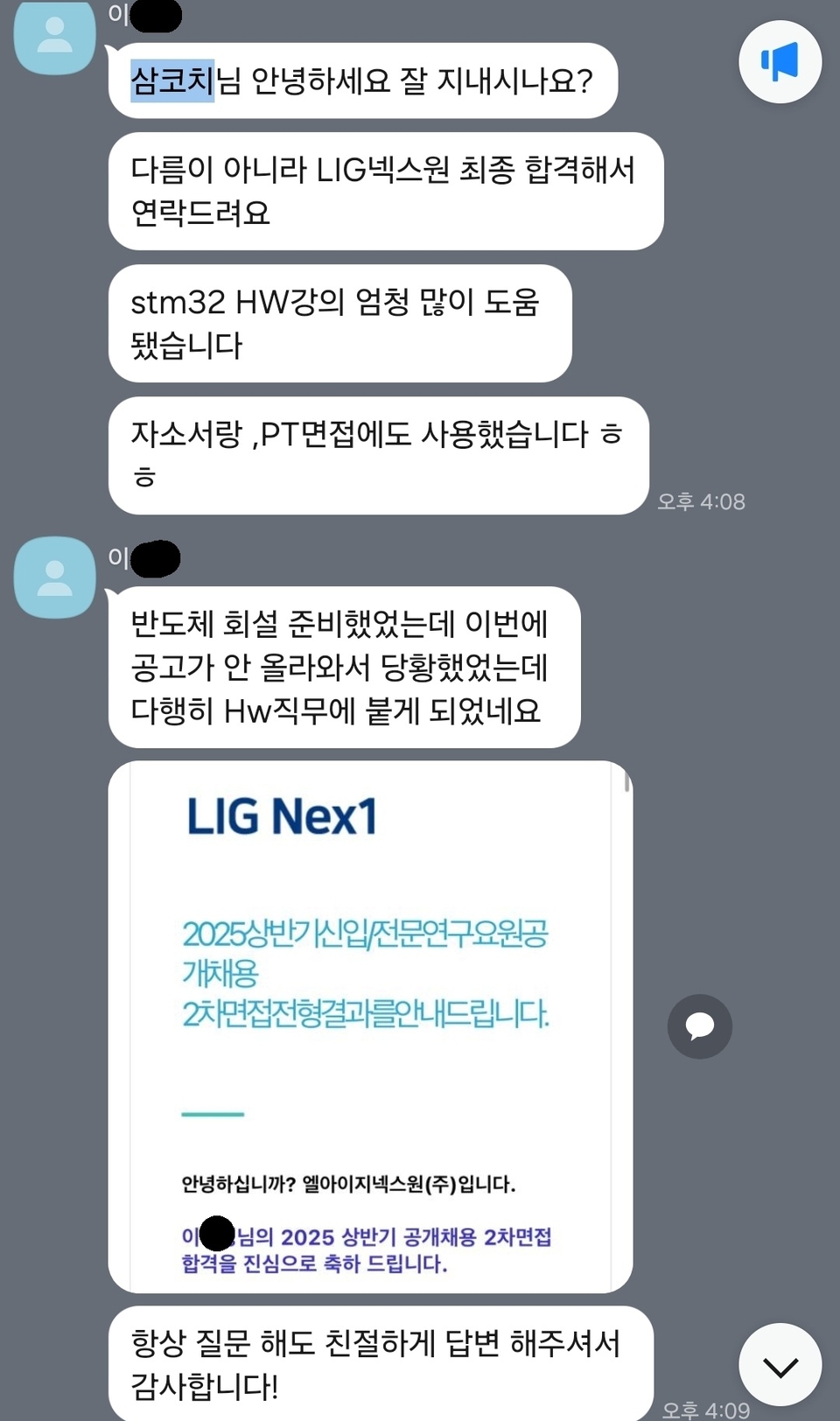
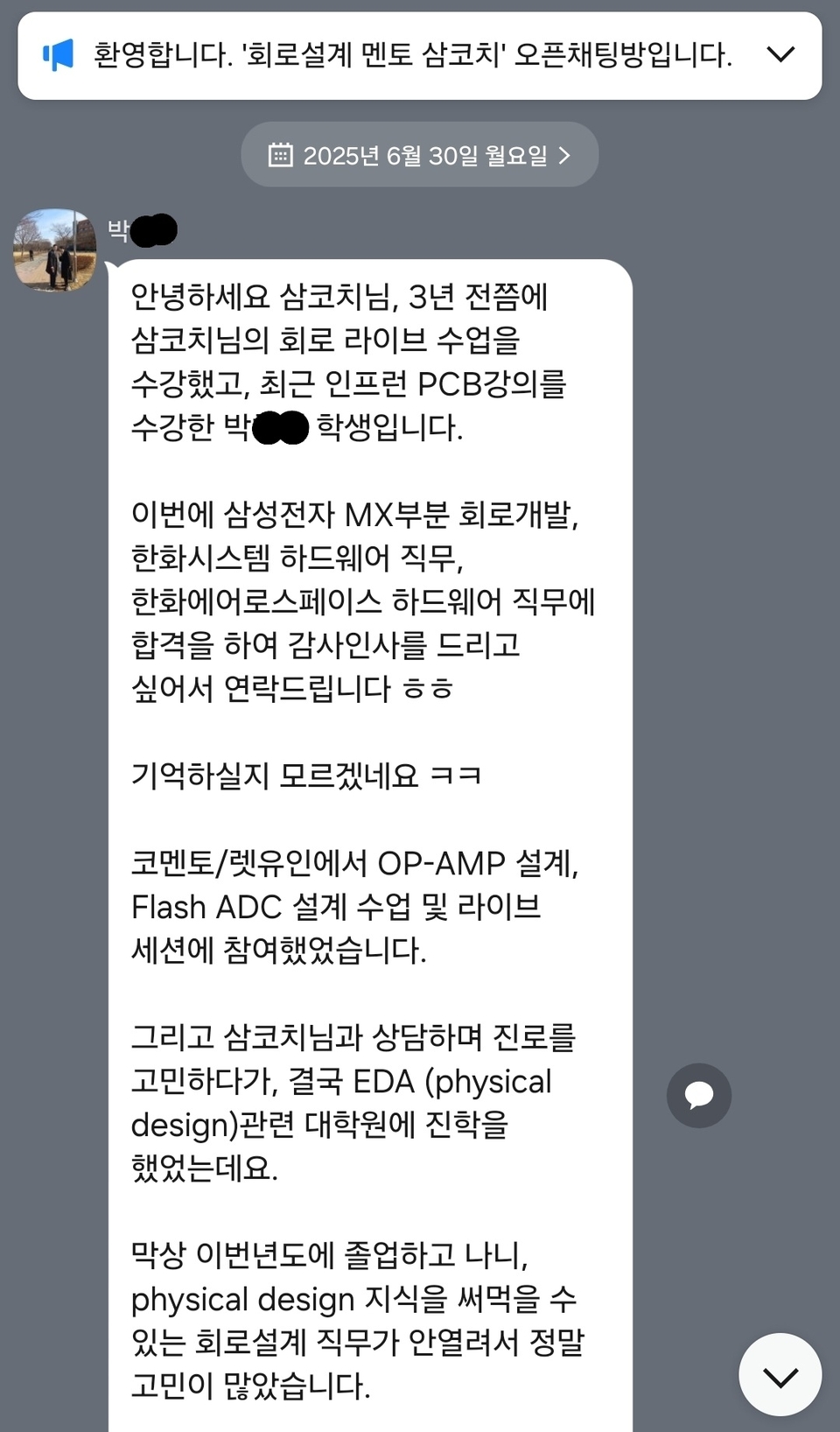
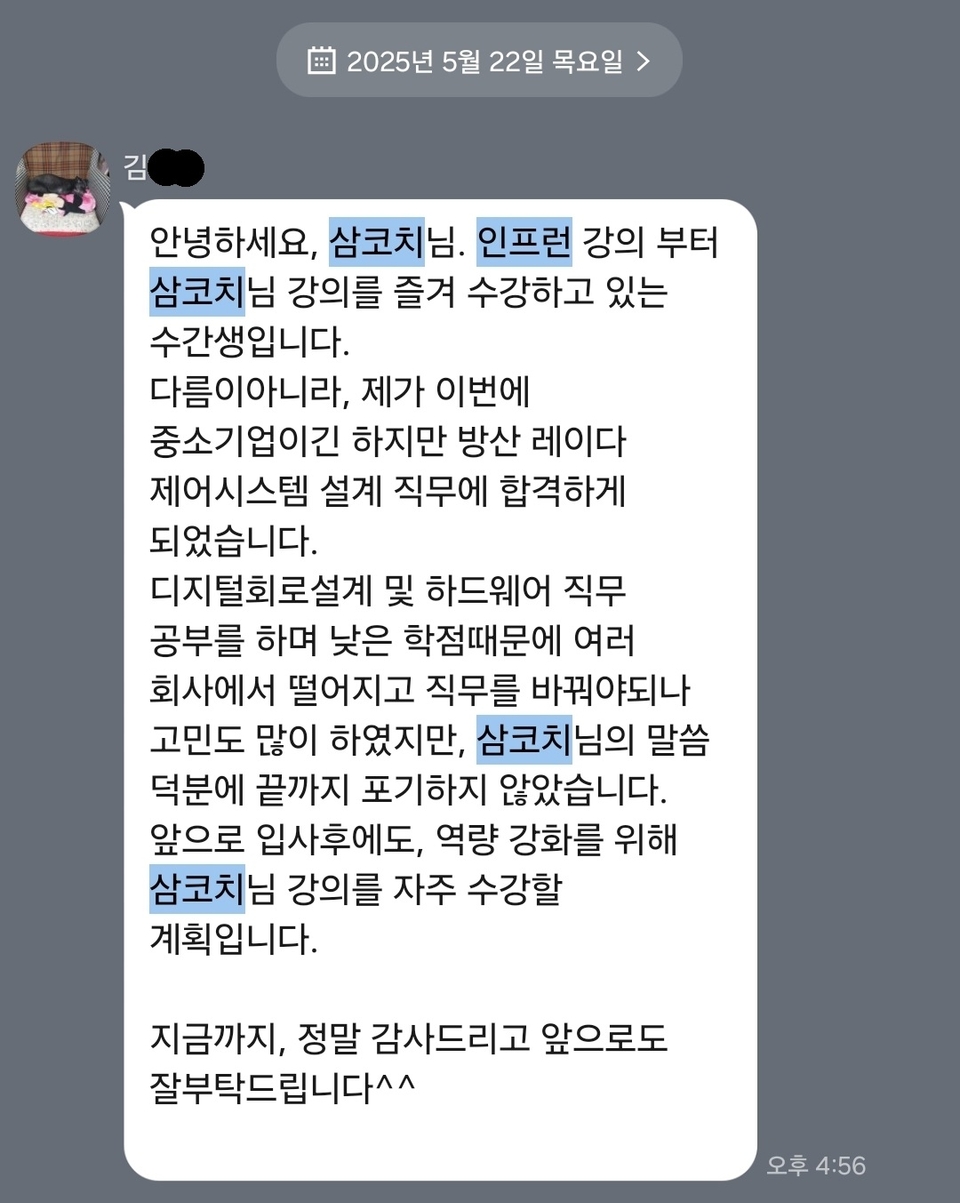
🔥Success stories are pouring in from Samsung Electronics MX to Hanwha Systems and beyond!

LIG Nex1

Samsung Electronics, Hanwha Systems, etc.

Defense radar control system

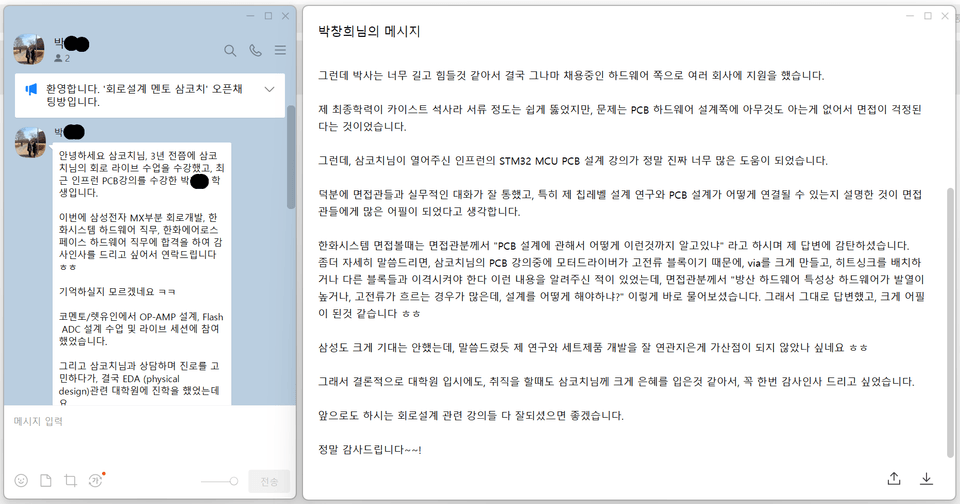
😮Course content that impressed interviewers at Hanwha Systems!

Hanwha Systems Interview

EVENT 1. Take the Level Test

EVENT 2. 30% discount for existing students

This is a course where we communicate with students through a Naver Café!

  1. Please join the open KakaoTalk chatroom to receive announcements! (Participation code: 0459)
    ➡ https://open.kakao.com/o/gm1KFaCg

  2. Please join the Naver Cafe to receive course materials!


    ➡ https://cafe.naver.com/samcoach

  3. Through the live classes held every weekend, we provide assignment feedback and personal consultation!


    ➡ The schedule and live class details will be announced weekly through the Naver Cafe (replays provided!)

  4. We provide a variety of information and events to help you get a job!
    ➡ Cafe membership level upgrades + ongoing updates + access even after completing the course.

Your competitive edge in circuit design roles,

Hardware design skills have now become essential. 😢


Red flag for semiconductor circuit design hiring... How should you prepare?

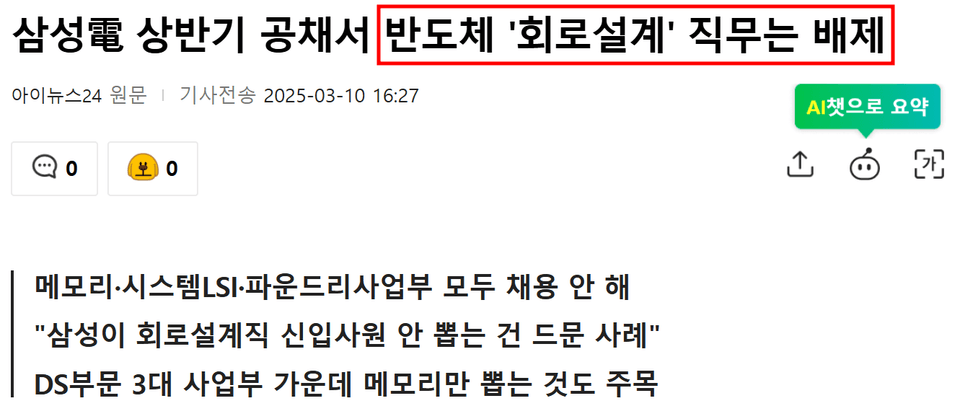
In the first half of 2025, neither Samsung Electronics' DS Division nor SK hynix recruited semiconductor circuit design personnel.

So I learned that many bachelor's and master's students preparing for semiconductor circuit design are feeling anxious.

Semiconductor circuit design concern 1

Semiconductor circuit design concern 2

So I have been emphasizing since earlier that

The more you are a bachelor's/master's circuit design job seeker or an early-career professional,

'Narrow and deep (X)' → Pursue 'shallow and broad domain knowledge and experience (O)' is what I have emphasized.

I need to get a job right away, but there may be no openings in the narrow field I was preparing for,

Because even if you join a company for a circuit design position, it may be different from the field you studied.


However, I felt there were limitations to explaining this only in words.

So I created this course so that you can directly build broad domain knowledge and skills,


The common competencies required for all circuit design positions

We’ve prepared the HW Design Class!

semiconductor circuits and links

HW Design Practical Assignment

Resume/Cover Letter/Interview

A course connected to semiconductor circuit design

  • Check the connection points between semiconductor analog and digital circuits and system-level circuits in products

  • Check how semiconductor and Board-level circuit design roles collaborate, and identify points that can be highlighted.

  • Through the experienced-hire job description
    , check what competencies are required for semiconductor / board-level circuit design roles.

A course connected to semiconductor circuit design

Practical assignments using HW design tools

Practical assignment using HW design tools

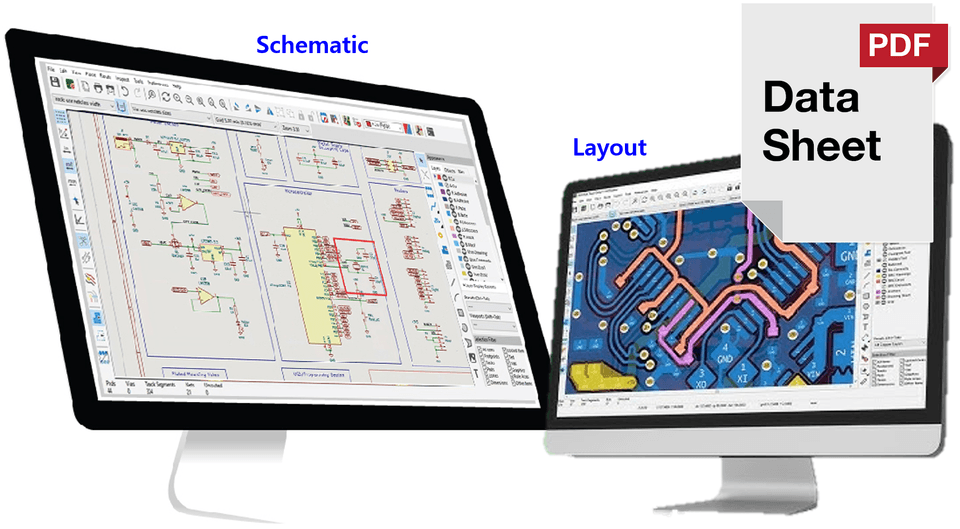
  • Schematic/Layout design using industry-standard tools

  • Create a virtual scenario by remaking an actual client’s request for hands-on practice.

  • Creating a System Block Diagram and Power Budget

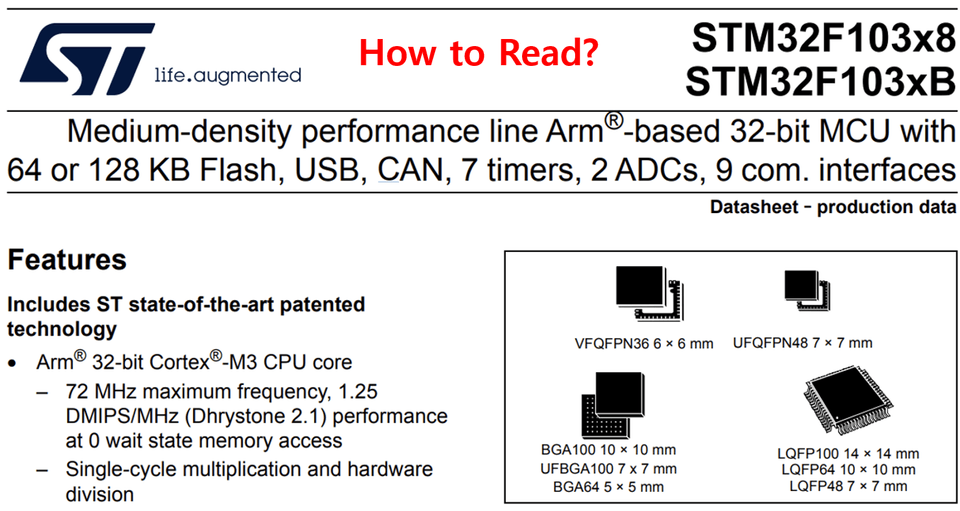
  • Component selection methods and rationale, and Datasheet Reading

Past questions from resumes, personal statements, and interviews

  • Job interview questions from actual Samsung Electronics, LG Electronics, Coway, and U.S.-based hardware design engineer interviewers, along with anticipated questions and solutions.

  • Resume/cover letter/interview
    Review points for leveraging design experience

  • Awarded the Best Paper Award to students who achieved excellent improvement results

  • How to Use Awards and Certificates You’ve Received

  • Access to employment-related
    materials and permission to participate in events in the Samcoach community

Resume/Cover Letter/Interview Questions

Design a mixed-signal board using STM32 MCUs commonly used in industry!

Digital core configuration and the rationale for selecting STM32

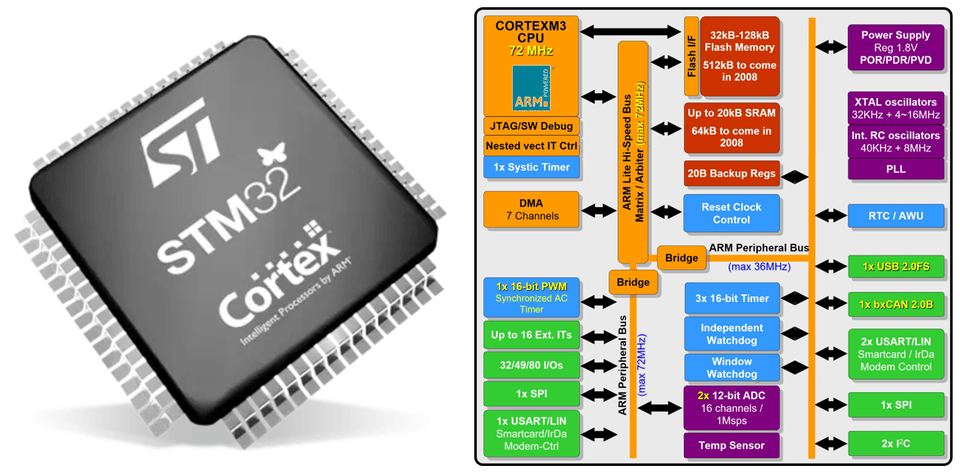
  • Analyze the performance of the STM32 Core (Cortex-M0/M3/M4/M7), Peripheral Interfaces (USART, I²C, SPI, etc.), and Clock Tree Architecture using a Block Diagram

  • Calculate a power budget considering power consumption and design a stable power distribution system using DC-DC converters and LDOs

Digital core configuration and the rationale for selecting STM32

Reading only the circuit conditions in the datasheet

Reading only the circuit conditions from the datasheet

  • Focus on analyzing key engineering sections, such as Functional Block Diagram and Electrical Characteristics, Pinouts, and more.

  • Understand strategies for ensuring component limit specifications and interoperability through Absolute Max Ratings, Timing Diagram, Optional Features, etc.

Communication reliability and EMI countermeasures

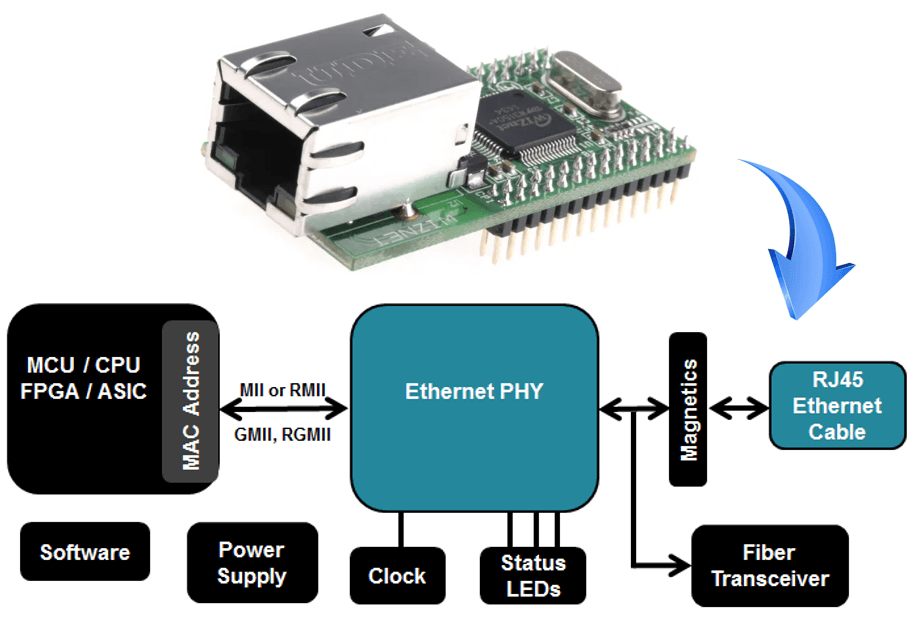
  • When selecting an Ethernet PHY Chip, consider the Link Speed (10/100/1000Mbps), Interface (RMII, GMII), Matching Resistor, and Routing conditions.

  • Integrate ESD/EMI protection and noise filtering using an ESD diode, LAN transformer, and EMI bead.

Communication Reliability and EMI Mitigation

Motor drive design and current conditions

Motor Driver Design and Current Conditions

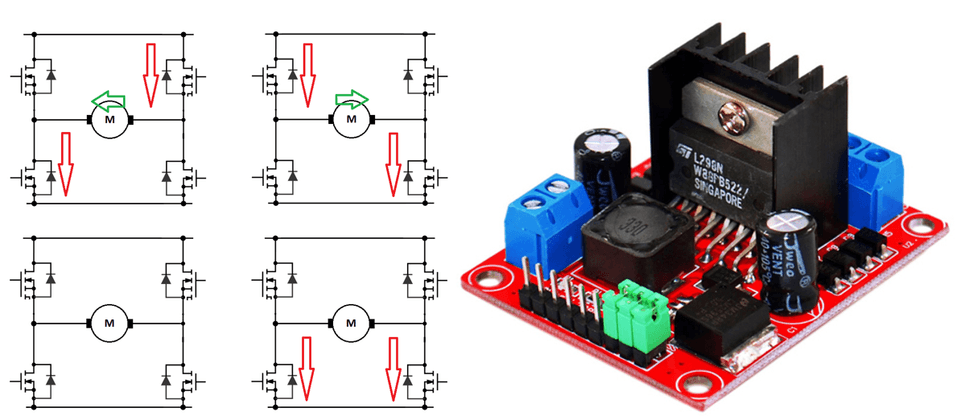
  • Select the MOSFET/H-Bridge driver specifications based on parameters such as load current, switching characteristics, and body diode reverse current.

  • Gate Drive Voltage, heat dissipation through the Heat Sink and Thermal Pad, and stable Switching implementation

Analog Signal Path and Power Quality

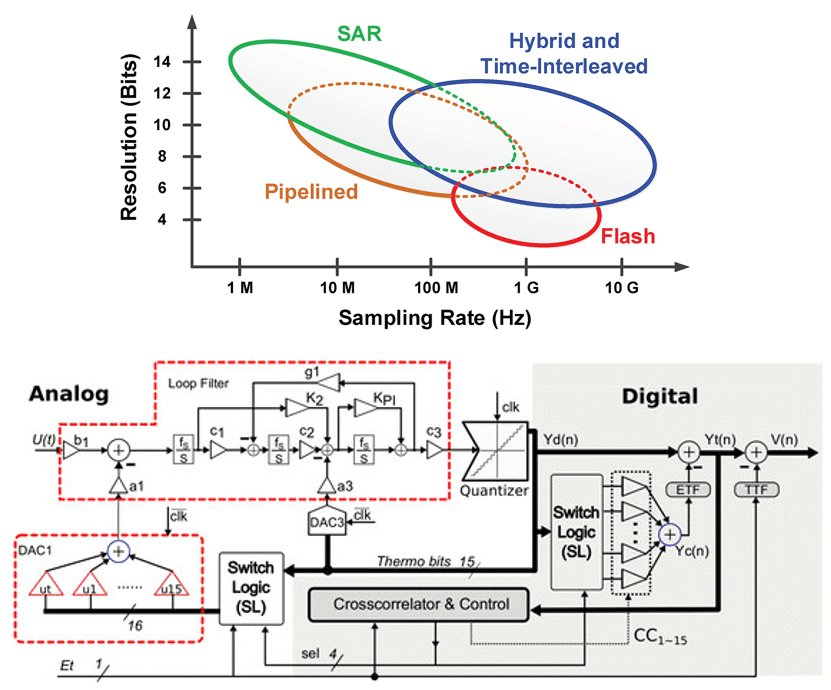
  • ADC Component selection based on required specifications such as Resolution (12/16/18-bit), Sampling Rate, Microphone Sensitivity, and Frequency Response

  • Maintain analog circuit power quality through the LDO's Noise Spec (PSRR, Output Ripple), Dropout Voltage, and other parameters.

Analog signal paths and power quality

Schematic completion and protection circuit placement

Schematic completion and protection circuit placement

  • Create a schematic that distinguishes key blocks such as Power Tree, Clock Tree, and Communication Line and incorporates the placement of Noise Suppression and Protection Components.

  • Ensure circuit stability through the interconnection between protection parts such as TVS Diodes and fuses and the power/signal routing layout.

PCB artwork and separation of ground and power planes

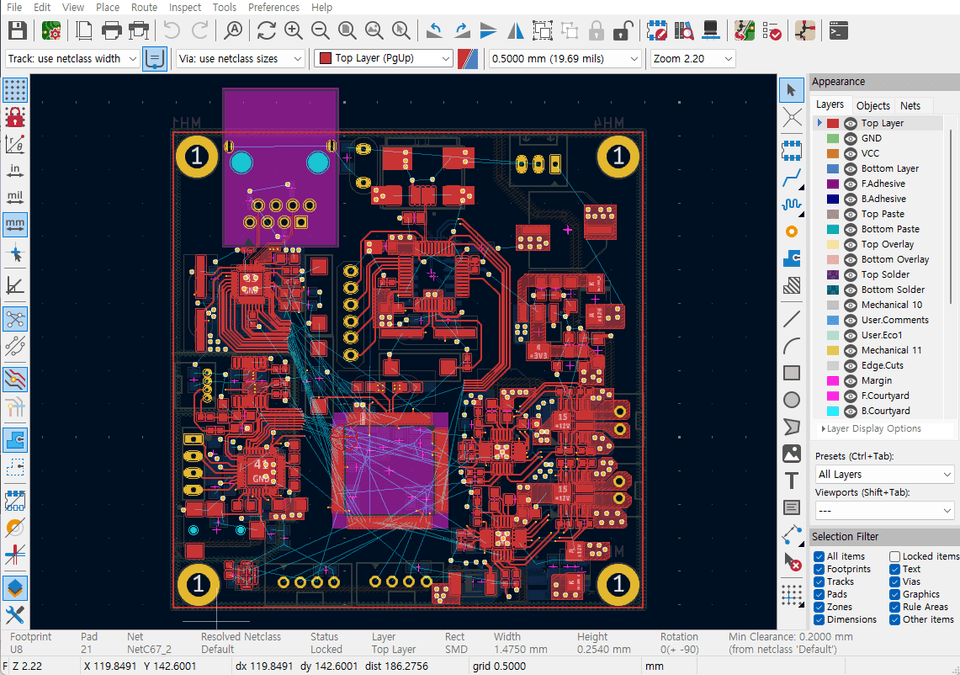
  • On a multi-layer PCB, split the Power Plane and Ground Plane, and comply with High-speed Signal (Differential Pair, Impedance Control) routing guidelines.

  • Ensure signal integrity and stability through EMI/EMC countermeasures (Ground Plane, Shielding) and heat dissipation (Thermal Via, Heat Sink).

PCB artwork and separation of ground and power planes

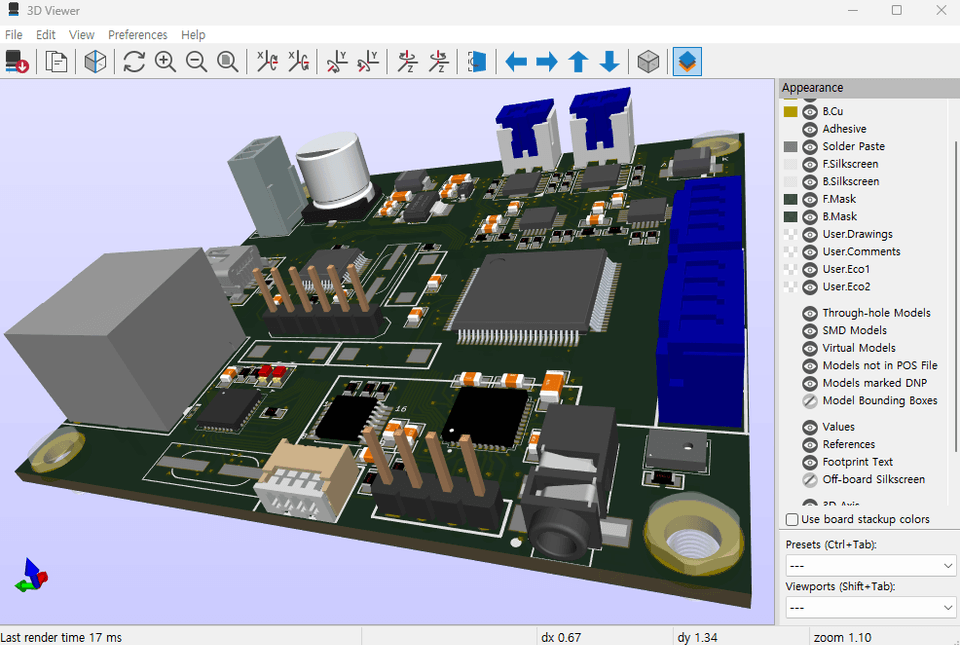
Preliminary assembly review through 3D modeling

Preliminary assembly feasibility review through 3D modeling

  • Visually review the Component Clearance, Thermal Structure, Connector Position, and more in advance through PCB 3D Modeling.

  • Minimize rework risk and costs by checking the placement of Dimension, Assembly Feasibility, and Cooling Solution during the pre-production stage.

💻 Practice Environment

  • PC: Windows 64-bit operating system

  • Tool used: KiCAD (free version)

  • Minimum required storage capacity: 10GB or more

(Covers OrCAD, KiCad, artwork, STM32, hardware, and more.)

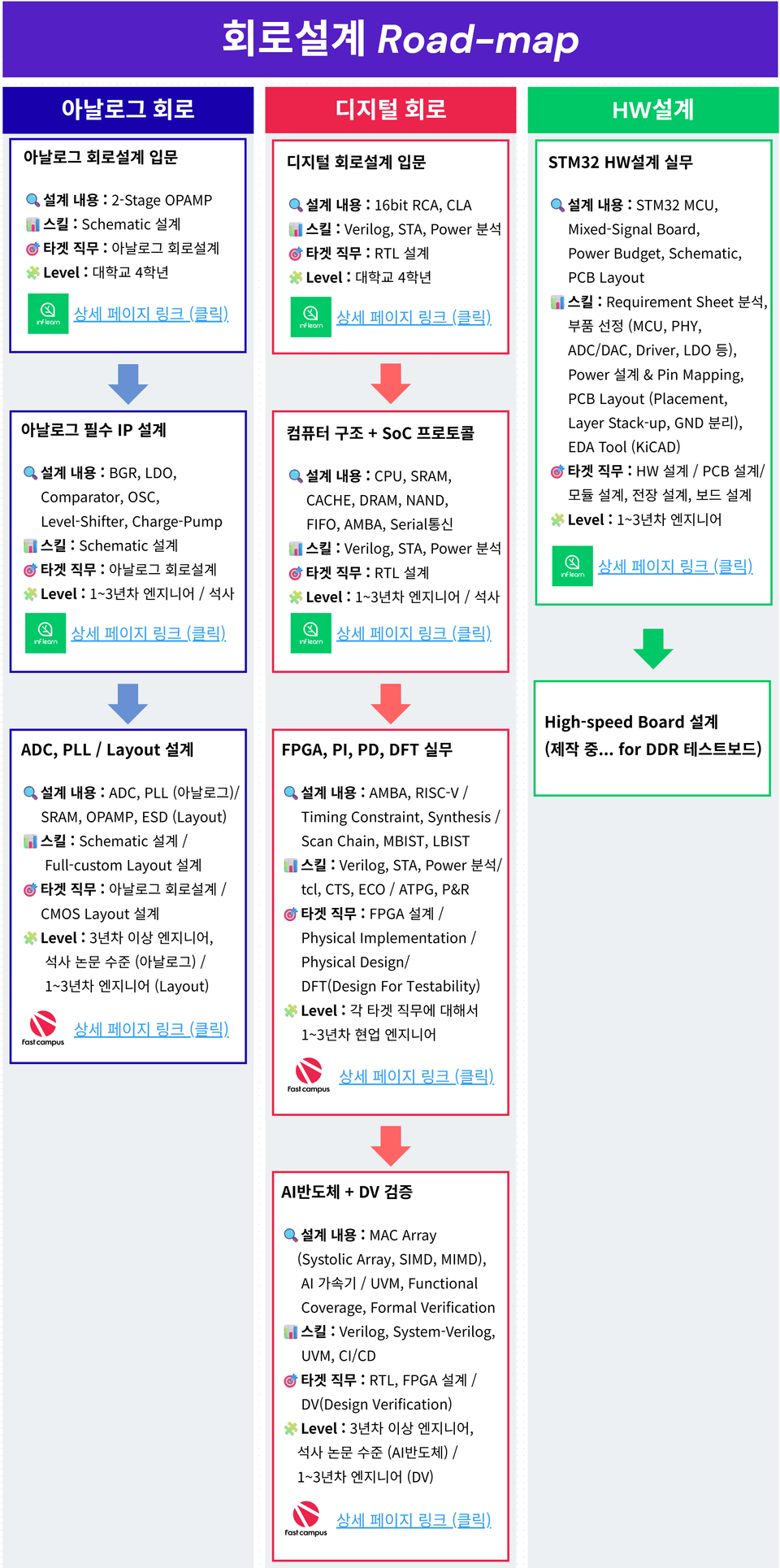
🪜Sam Coach's Circuit Design Course Roadmap

(Click the image below)

커리큘럼

Samcoach's Semiconductor Circuit Design Roadmap

✨✨✨✨✨✨✨✨✨✨✨✨✨✨

2nd Early Bird Discount EVENT!

1st Early Bird EVENT: 500,000 won → 240,000 won

2nd Early Bird EVENT: 500,000 won → 270,000 won

3rd Early Bird EVENT: 500,000 won → 300,000 won

...
✨✨✨✨✨✨✨✨✨✨✨✨✨✨

Access to Sam Coach's circuit design community and events for aspiring circuit designers is ON!

You are invited to Samcoach's Naver Cafe for aspiring circuit design professionals!

https://cafe.naver.com/samcoach
To upgrade your cafe membership level, please apply for the course, join the cafe, and then fill out the form below!
https://forms.gle/r76HSgCHNyf43qmV6

For course participants,

  • Sam Coach Group Consulting Pass

  • Advanced Student Materials Access

  • Discounts on other content

We are preparing various benefits, including those mentioned above.


Also

  • Reviews / Friend Referral EVENT

  • Live Broadcast Feedback EVENT

  • Guerrilla Consulting EVENT

Through various events and more, we will communicate with our students
and support them all the way through employment.


Sam Coach Naver Cafe

Continuous updates coming soon!


We will continue communicating with students and provide updates on topics that need supplementation.

(Since updates will be posted simultaneously on the Naver Café and SamCoach’s YouTube channel,
you can access the updated content even after the 12-month enrollment period has ended.)

Nice to meet you, I'm Sam Coach, your circuit design mentor! 🙌

  • Former CHIP Circuit Design Engineer in Samsung Electronics’ DS Division

    • Analog IP / Digital Scenario Design

    • Class A Patent Application

  • Technical support for engineers at global foreign companies

  • Former) Startup hardware accelerator / MCU firmware design

  • Formerly) Major home appliance company / All-in-one water purifier production technology

  • Formerly) Mid-sized medical device company / PCB hardware, CIS, and DDI ASIC design


🧭 Mentor Activities

  • Author of the “Semiconductor Job Bible: Insights from Current Professionals by Job Function,” Circuit Design section

  • ‘Korea Semiconductor Industry Association SEMI-MOOC’ Circuit Design Core Theory and Simulation Instructor

  • ‘Letuin, No. 1 in STEM Employment & Career Community Comento’ Circuit Design Career Mentor

  • Conducted circuit design job boot camps and special lectures at more than 10 universities, including Yonsei University, Hanyang University, and Konkuk University.

  • Over 200 resume, self-introduction letter, and interview consultations related to circuit design positions

  • ‘K-Digital Basic Competency Training’ Instructor (Stop Struggling with Difficult Circuit Formulas: Semiconductor Circuit (Chip) Design by Eye)

  • Operator of the “‘Circuit Design Career Pathfinder Sam Coach’ YouTube channel”


See you in class! 🖐🏻

Simply by reading this post, you have already shown that you are fully qualified to pursue a career in circuit design. My role is to help passionate people like you turn your aspirations into successful outcomes.
This course will give those of you taking on the challenge of circuit design the gift of “distinctive design experience.”

Of course, you’re welcome to work on circuit design projects with me along the roadmap if our paths happen to cross, but first, please try what you can on your own through the free course (click). Then, if needed, enroll in the course.

I look forward to seeing you in the course. Thank you 😊


Credits & References

The schematic and PCB in this course were newly created in KiCad with permission, using the PCB Design Files by Aviral Mishra / EsteemPCB Academy as a reference.

Credit: Aviral Mishra / EsteemPCB Academy

Reference: Complete Electronics Hardware Design Course 2025 -EsteemPCB (udemy)

Recommended for
these people

Who is this course right for?

  • ▼ Those preparing for employment in circuit design positions

  • → University juniors and seniors targeting circuit design positions across various industries—including semiconductors, IT, automotive, defense, medical, and displays—at once

  • → Job seekers who are not considering a master’s or doctoral degree and want to find a job in circuit design with a bachelor’s degree

  • ▼ Those looking to break into semiconductor circuit design or join the field as an experienced entry-level candidate

  • → Job seekers who want to pursue a career in semiconductor circuit design but are targeting an “experienced junior” strategy through hardware design/development due to the limited number of openings.

  • → Experienced professionals currently working in HW design/development who want to create a strategy for transitioning to a semiconductor circuit design role as mid-career new hires

  • ▼ Engineers with three years or less of experience in HW design/development

  • → Engineers with less than three years of experience who joined in hardware design/development roles but find themselves only doing tasks like soldering, BOM management, and validation that leave them feeling disillusioned.

  • → Engineers with 3 years or less of experience who want to practically develop the skills required of HW engineers with 5–10 years of experience

Need to know before starting?

  • ※ Please take the relevant circuit major courses in your second year of university before attending this course. If you take the course without having taken major classes on circuits, the lecture content may be somewhat difficult.

  • ※ If you have taken circuit-related major courses in your third or fourth year of university, the lecture material will be relatively easy to understand, and it will be easier to find connections to employment.

  • (Required) Digital-related courses among the required circuit design major courses for second- and third-year students—Circuit Theory, Digital Logic Circuits, etc.

  • (Optional) Advanced circuit design courses for third- and fourth-year students — Electronic Circuits, RF Circuit Design, Microprocessors, DSP, Digital System Design, etc.

Hello
This is samcoach

Inflearn Verified

Career Verified

5,977

Learners

572

Reviews

311

Answers

5.0

Rating

11

Courses

Key Experience

  • Former 6th-year Samsung Electronics DS Division / CHIP Circuit Design Engineer

  • Analog IP / Digital Scenario Design

  • Class A patent application

  • Technical support for global enterprise engineers

Previous Experience

  • Former Startup Hardware Accelerator

    • MCU Firmware Design

  • Former major home appliance corporation employee

    • All-in-One Water Purifier Production Technology

  • Former mid-sized medical device company employee

    • PCB HW, CIS, DDI ASIC Design


Mentoring Activities

  • Author of the Circuit Design Part in "The Semiconductor Job Bible: Insights from Current Professionals by Role"

  • Korea Semiconductor Industry Association SEMI-MOOC

    • Instructor of Core Circuit Design Theory and Simulation

  • No. 1 STEM Job Search Platform LetUin & Career Community Comento

    • Circuit Design Job Mentor

  • At more than 10 universities, including Yonsei University, Hanyang University, and Konkuk University

    • Conducting circuit design job bootcamps / job special lectures

  • Regarding circuit design roles

    • Over 200 sessions of resume / self-introduction letter / interview consulting

  • K-Digital Basic Competency Training Instructor

    • "Stop with the difficult circuit formulas, Semiconductor Circuit (CHIP) Design through visualization"

  • YouTube channel operation

    • "Sam Coach, the Pathfinder for Circuit Design Jobs"

삼코치_프사_실물_배경X.png.webp

More

Curriculum

All

76 lectures ∙ (15hr 18min)

Course Materials:

Lecture resources
Published: 
Last updated: 

Reviews

All

153 reviews

5.0

153 reviews

  • esjung7684님의 프로필 이미지
    esjung7684

    Reviews 1

    ∙

    Average Rating 5.0

    5

    100% enrolled

    I wasn’t able to listen very attentively at first.. I decided to complete the course first and then revisit the parts I missed.. Overall, it clearly presents the trial and error one needs to go through when moving beyond the beginner level and advancing toward becoming an expert engineer in the field of electronic circuits. The content can truly save you time by helping you avoid the trial and error that beginners may not even recognize.. I hope you listen to it and then experience it firsthand in the field..

    • sajdkfjl님의 프로필 이미지
      sajdkfjl

      Reviews 1

      ∙

      Average Rating 5.0

      5

      24% enrolled

      I have always been very interested in PCB design but felt it was a shame that I didn't have the opportunity to learn it. Through this lecture, I was glad to be able to learn in detail about various HW knowledge, such as considerations when selecting components and how to use the tools. Furthermore, I feel that I have developed the skills to apply this to various projects.

      • choemin5267367님의 프로필 이미지
        choemin5267367

        Reviews 2

        ∙

        Average Rating 5.0

        5

        100% enrolled

        I took this course to get a job in HW design after graduating with a degree in Electronic Engineering. I had never learned PCB design in school, but thanks to this lecture, I landed a job at a hidden gem defense company. Thank you!

        • cow09260님의 프로필 이미지
          cow09260

          Reviews 1

          ∙

          Average Rating 5.0

          Edited

          5

          54% enrolled

          When I first encountered PCB design through self-study, I thought it was just a matter of connecting lines. However, through this lecture, I was able to perfectly establish the organic relationship between schematic design and artwork (layout). In particular, the biggest takeaway was learning how to perform "reasoned design"—such as analyzing the block diagrams and power systems in STM32 datasheets to understand why crystals and decoupling capacitors are essential, and why checking ESD tables is necessary. It was incredibly beneficial because it didn't just teach me how to use the tools; it allowed me to experience the actual professional workflow, from strategic pin mapping using CubeMX to setting up a JTAG debugging environment. Now, I have the confidence to design my own circuits without being intimidated by complex datasheets. Thank you for teaching me so thoroughly!

          • dbwkdrb1236060님의 프로필 이미지
            dbwkdrb1236060

            Reviews 1

            ∙

            Average Rating 5.0

            Edited

            5

            58% enrolled

            I took classes on circuits and PCBs in school, but after taking this course, I realized that what is learned in the field is definitely different. It was great for understanding the workflow because it followed the exact methods used in actual companies, from technical meetings and component selection to datasheet analysis. The explanations are easy to understand even for those who are new to HW design.

            samcoach's other courses

            Check out other courses by the instructor!

            Similar courses

            Explore other courses in the same field!

            25% off for new members

            $157.90

            25%

            $207.90