If I hadn't taken Mr. Janjaemi Coding's lecture, I would have given up on Python coding.
There is a world of difference between knowing and teaching.
We realize when we are in school that even smart people are not good at teaching.
I think Dave Lee's lecture is the best among coding lectures.
In fact, I think it is the best.
Also, I am not a programmer, so I don't know if Dave Lee is the best programmer,
but I can tell that he has tremendous skills.
His teaching skills are of course the best (I can't express it enough no matter how many times I emphasize it),
and the curriculum is also,
more sincere and meticulous than other lecturers, it goes without saying.
As the video explains, if you don't have passion for teaching, I don't think you can do this well.
Of course, money will follow because of good lectures, but it is difficult for people to make it properly from beginning to end with passion just because money follows.
The speed of speech is also good. It seems like they are explaining it slowly on purpose for beginners, but as the instructor said, you can just watch it quickly.
I am 42 years old, and I don't know anything about coding, and I have nothing to do with programming.
I think I realized the importance of coding through YouTube in early 2019.
I listened to lectures on other coding lecture sites and watched all the basics of Python, but I gave up right away.. I didn't make any more progress.
A few months later, I tried again, and this time I took a 500,000 won lecture for 6 weeks.. I gave up again.. A few months later,
I decided that I had to learn coding to make the rest of my life easier, so while searching for Inflearn,
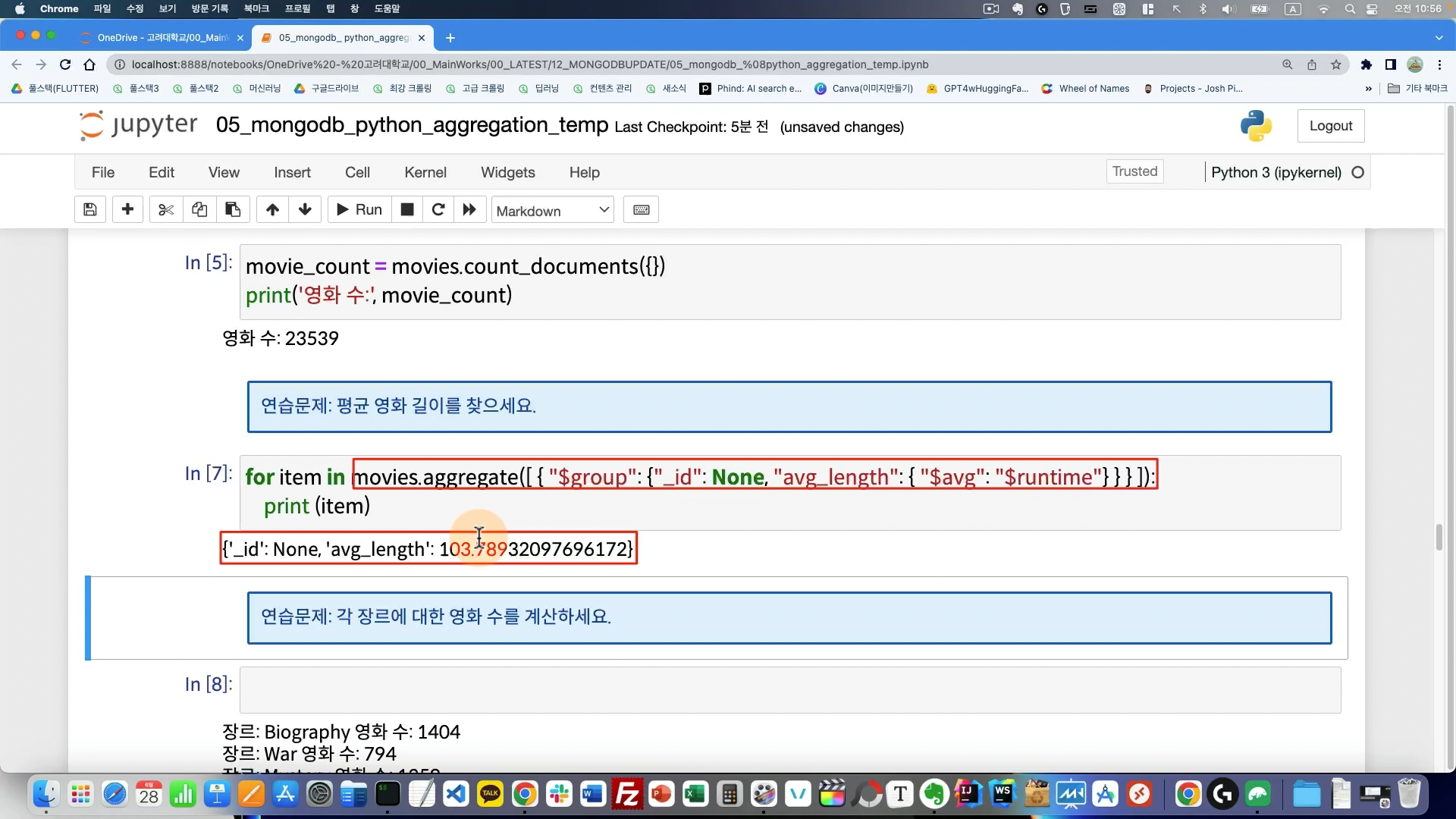
I found Janjaemi Coding's Pandas lecture attractive, so I took it. In fact, I only took about 70% of it.
That's because I realized that I had taken the wrong order.
However, when I listened to the lecture, it was explained so easily that I understood it to some extent.
As I listened hard, I gained an understanding of Python? An understanding of programming? I felt this a little bit
Right away,
I studied Python Basics by Mr. Janjaemi Coding. It wasn't easy,
but I couldn't give up
Why? Because he taught it so well and easily
I really studied hard
There was someone who taught it so well and easily.
I paid for another person's lecture on Inflearn, but...the lecture was too fast and I just went through it by myself.
Janjaemi Coding is the best.
It's also great that he picks out only the necessary parts and lectures.
It's hard to control the amount of knowledge when conveying knowledge, but I think he made lectures about parts that beginners can understand or that they absolutely need to understand.
Thank you so much.
I plan to take all of Janjaemi Coding's lectures,
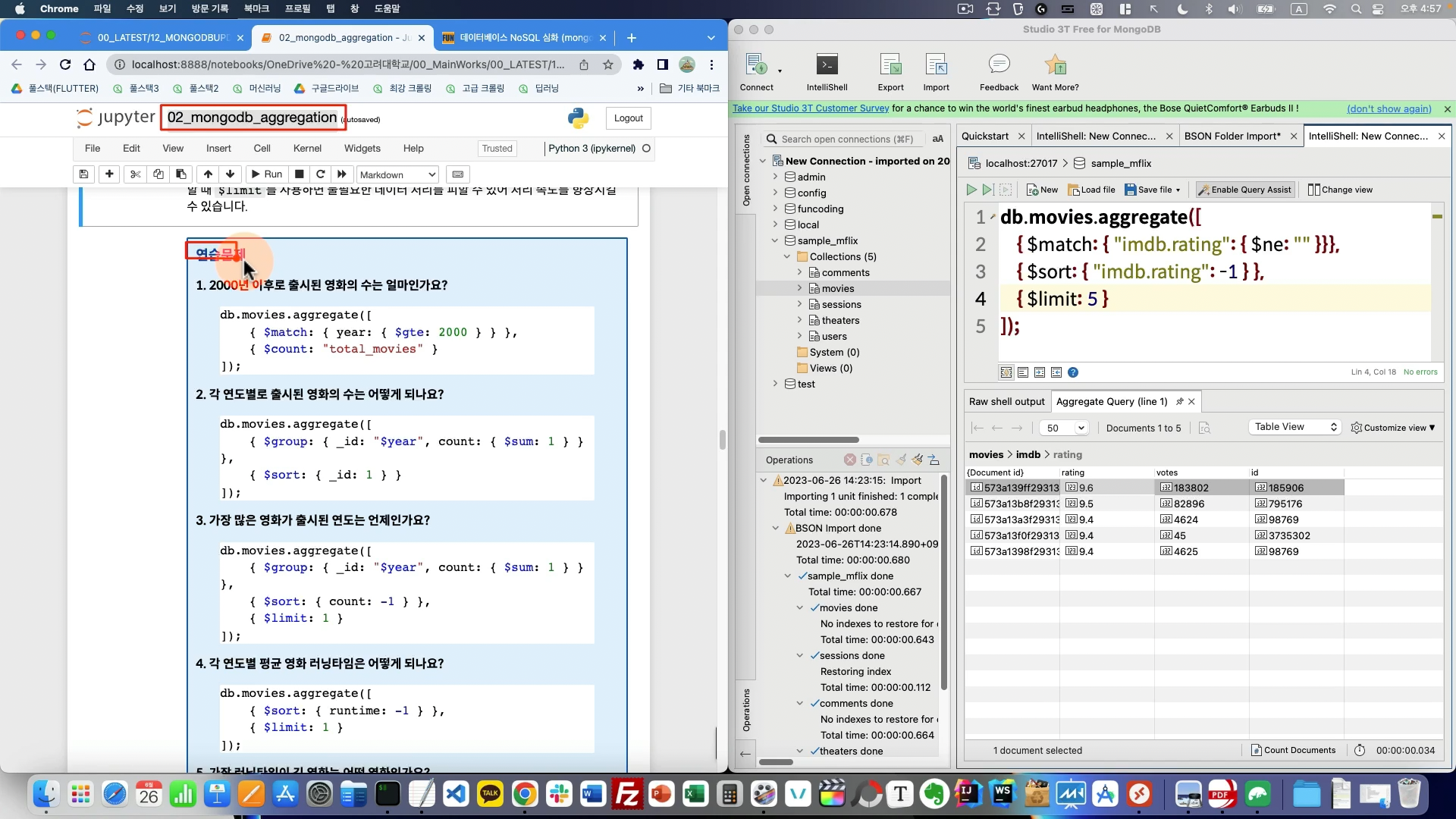
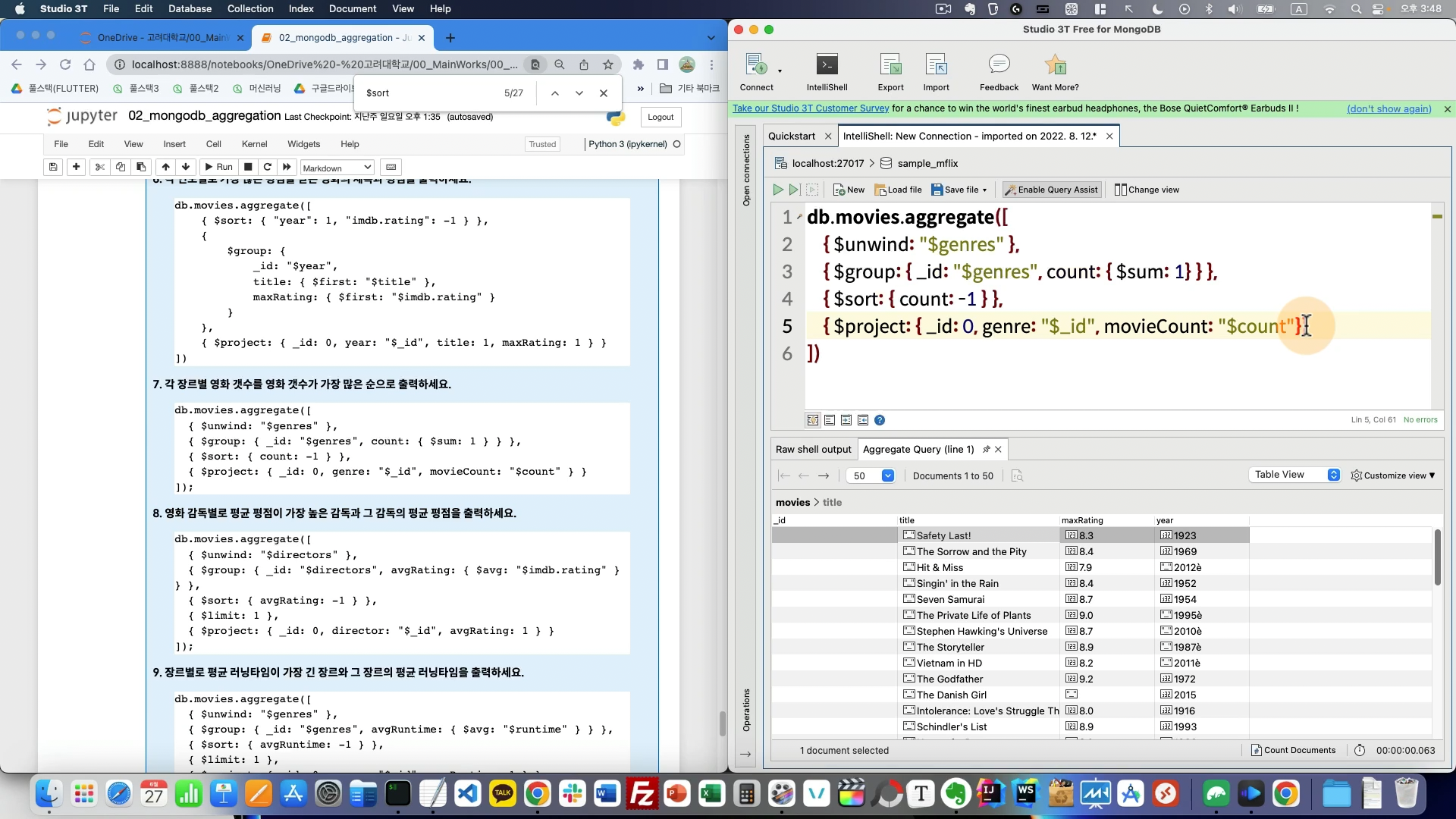
and I've already paid for Pandas, Python Basics, MySQL, and NoSQL and am studying them.
And looking at Janjaemi Coding's site, I see that there are lectures posted on other sites, so I plan to take them all as well.
If I can get to the level where I can create the program I want, it will all be thanks to Dave Lee.
3-line summary
If it weren't for Janjaemi Coding, I would have given up on coding.
Paying more money doesn't mean you get better lectures.
Please make more and more good lectures.










![[Renewed] First-Time SQL and Database (MySQL) Bootcamp [From Beginner to Practical Applications]Course Thumbnail](https://cdn.inflearn.com/public/courses/324208/cover/85872a8e-d2bb-4c43-82fc-d55fa067746e/324208.png?w=420)


![[Renewed] Python Introduction and Web Scraping Basics Bootcamp [From Python and the Web to Fundamental Data Concepts] (Updated)Course Thumbnail](https://cdn.inflearn.com/public/courses/324082/cover/57af93de-1021-40b4-80d7-a0dfc17190cf/324082.png?w=420)

![Python Backend for Beginners: An Introduction to FastAPI (From FastAPI to Asynchronous SQLAlchemy) [Full-Stack Part 1-2]Course Thumbnail](https://cdn.inflearn.com/public/courses/333248/cover/7323d828-100e-4ac9-8e6e-0e51a17ac741/333248.png?w=420)
![[Renewed] Beginner’s Python Machine Learning Bootcamp (Easy! Learn by Solving Real Kaggle Problems) [Data Analysis/Science Part 2]Course Thumbnail](https://cdn.inflearn.com/public/courses/327464/cover/55c4db7b-7764-43cc-ac75-d9e8d08098f1/327464-eng.png?w=420)
![First-Time Deep Learning and PyTorch Bootcamp (Easy! From the Basics to the Core Transformers Behind ChatGPT) [Data Analysis/Science Part 3]Course Thumbnail](https://cdn.inflearn.com/public/courses/329540/cover/1be7b8cb-800f-48cb-a30c-b7d78996c075/329540-eng.png?w=420)
![[Updated] Your First Python Data Analysis (Easily! Learn the Entire Process of Preprocessing, pandas, and Visualization) [Data Analysis/Science Part 1]Course Thumbnail](https://cdn.inflearn.com/public/course-325576-cover/75d85753-8e0b-40f3-9f11-ca43e70c5200?w=420)
![Flutter for Beginners: From Basics to Real-World Applications [Full Stack Part 4] (Easy, Robust, and Step-by-Step Through Various Projects)Course Thumbnail](https://cdn.inflearn.com/public/courses/331245/cover/1f8c5bb8-8aad-4542-b3bc-977cda51c846/331245.png?w=420)
![Docker and Modern Server Technologies for Full-Stack Development (Linux, nginx, AWS, HTTPS, Deployment) [Full-Stack Part 3]Course Thumbnail](https://cdn.inflearn.com/public/courses/326771/cover/bc862b4d-abe6-4d80-a826-3a5324a9f998/326771-eng.png?w=420)
![A Solid Front-End Bootcamp for Full-Stack Developers (HTML, CSS, Vanilla JavaScript + ES6) [Full-Stack Part 2]Course Thumbnail](https://cdn.inflearn.com/public/course-326306-cover/4ea213de-f786-4af1-a9d0-b8932263885a?w=420)
![[Renewed] Introduction to Python Backend and Web Technologies for Beginners (Intermediate Python, Understanding Backend and Web Technology Fundamentals with Flask) [Full-Stack Part 1-1]Course Thumbnail](https://cdn.inflearn.com/public/course-325804-cover/6afae82f-e06b-4a0b-914d-2bdf7b1f5b60?w=420)

![[Data Preprocessing] Don't worry! Pandas is here.Course Thumbnail](https://cdn.inflearn.com/public/files/courses/336824/cover/01k5849rtc0vfa7df3revd2tpb?w=420)
![[Kim Left-hand's Left-hand Coding] Python in One Bite: Python Basics in 3 Hours (Author's Direct Lecture)Course Thumbnail](https://cdn.inflearn.com/wp-content/uploads/hello_coding.jpg?w=420)
![[MMORPG Game Development Series with C# and Unity] Part 5: DatabaseCourse Thumbnail](https://cdn.inflearn.com/public/courses/325283/course_cover/afb413e6-681e-47cd-808a-099c79fed112/rookiss-rpg-5.jpg?w=420)
![[DevOneYoung] Apache Kafka for beginnersCourse Thumbnail](https://cdn.inflearn.com/public/courses/326507/cover/aa474be0-c000-4b61-afbb-cb78ed0fb843?w=420)
![[Kim Left-hand's Left-hand Coding] Ugly Coding Kid: Python Basics in 4 Hours (Including E-book)Course Thumbnail](https://cdn.inflearn.com/public/course-77623-cover/f5ee3793-aabe-4370-821a-7ae8a521531d?w=420)
![Coding Test [ ALL IN ONE ]Course Thumbnail](https://cdn.inflearn.com/public/courses/328689/cover/6ef42916-2254-4b56-b03a-5c6afa1b13d8/Thumbnail.png?w=420)