
![Deep Learning and PyTorch [and Image Classification]Course Thumbnail](https://cdn.inflearn.com/public/files/courses/341712/cover/ai/3/f1bb7ccd-7a72-4fa7-9ae0-cc3c9b3f3e8b.png?w=420)
Deep Learning and PyTorch [and Image Classification]
vmproductor0202
Learn deep learning through PyTorch. Ultimately, the course covers image classification.
Beginner
Python, Deep Learning(DL), PyTorch
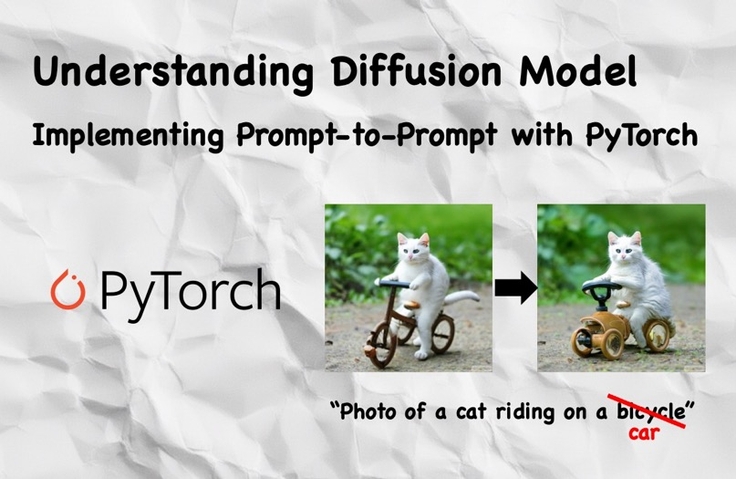
This course conducts hands-on practice related to Diffusion models among generative artificial intelligence models. By reading and implementing the prompt-to-prompt paper, which is a representative Diffusion model application paper, we expect to cultivate the ability to understand the latest artificial intelligence papers.
66 learners
Level Intermediate
Course period Unlimited
Reviews from Early Learners
5.0
south420
I was looking for deep learning paper implementation lectures since there aren't many available, so thank you for the great lecture!
5.0
개발꿈나무
I enjoyed the lecture! It would be great if you could also provide lectures on AI fundamentals-related papers for beginners like me.
5.0
열심히공부
This is the first time I've seen a paper implementation lecture that explains things in such detail and so kindly. It was very helpful in understanding how Diffusion papers are structured. Thank you.
Understanding Diffusion Model Concepts
Understanding the Prompt-to-prompt Paper: A Representative Diffusion Model Application
Implementing the Prompt-to-prompt Paper Using PyTorch
Solutions for Overcoming Obstacles When Reading and Implementing AI Papers
Through hands-on implementation of the Prompt-to-prompt paper, naturally understand the details of Diffusion models, and
gain the paper implementation skills that have become essential for pursuing an AI career!
Have you experienced the following difficulties while studying Diffusion models?
The latest model code is not publicly available or is written in a way that makes it difficult to understand.
There's an abundance of theoretical information, but when it comes to actually starting to implement a specific model, it feels overwhelming.
From the perspective of an AI major, I've included all the know-how for overcoming the difficulties mentioned above. In this course, you'll understand the essential concepts of Diffusion models and reproduce results by implementing code from key papers together.
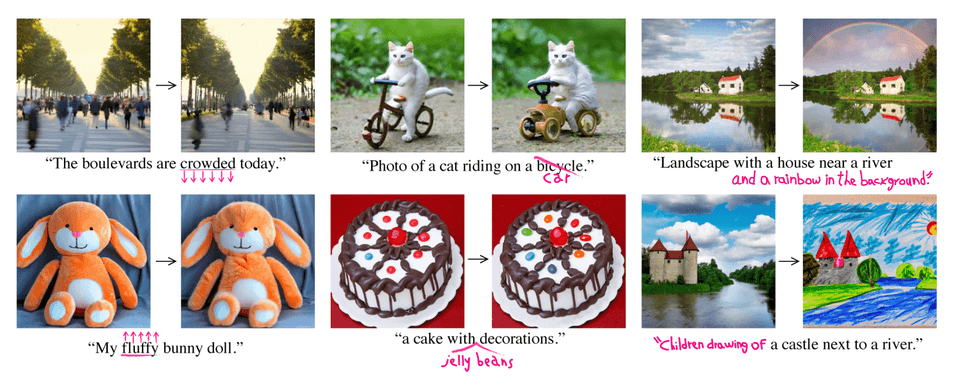
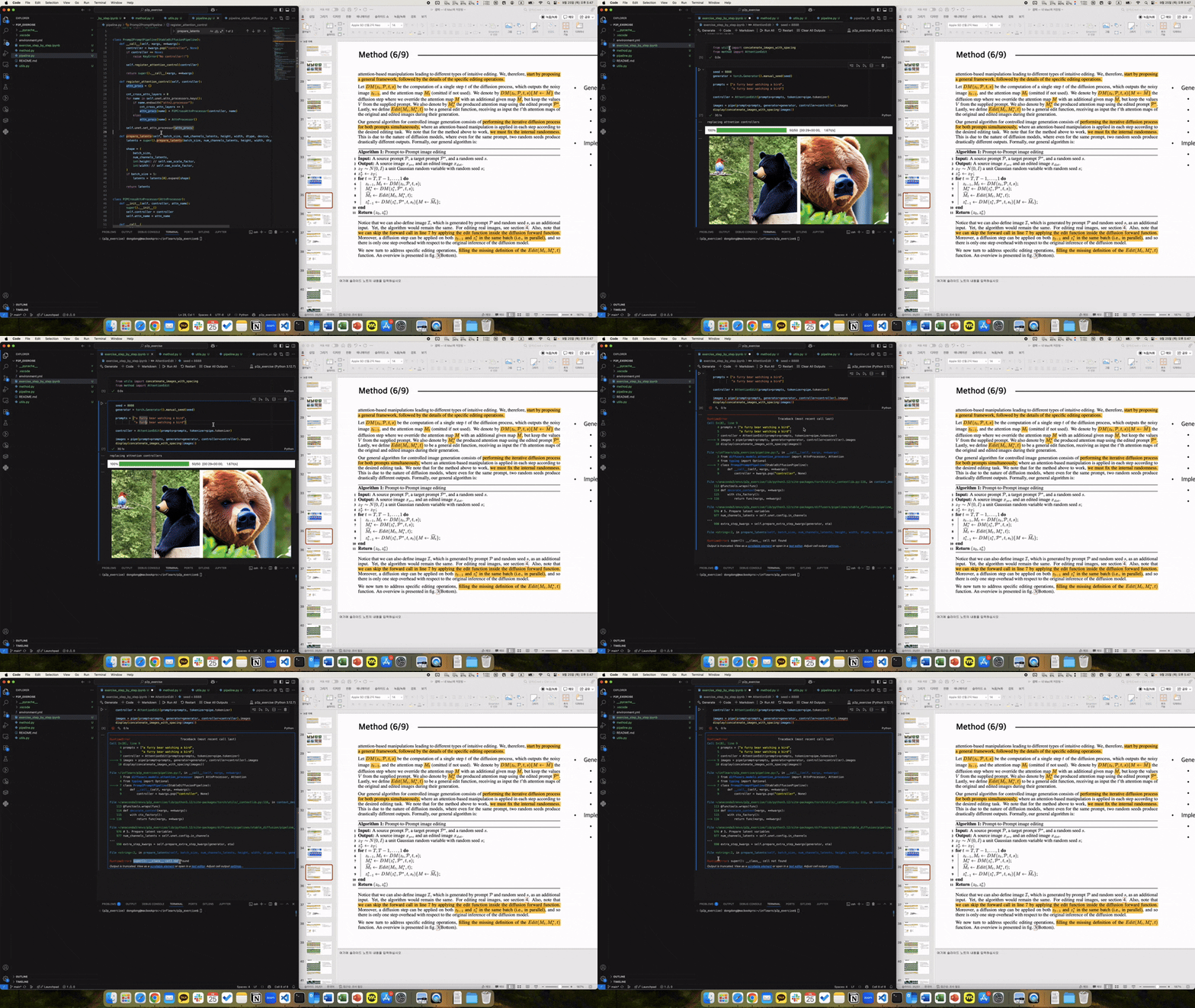
Below is an example of implementation results from the Prompt-to-prompt paper.
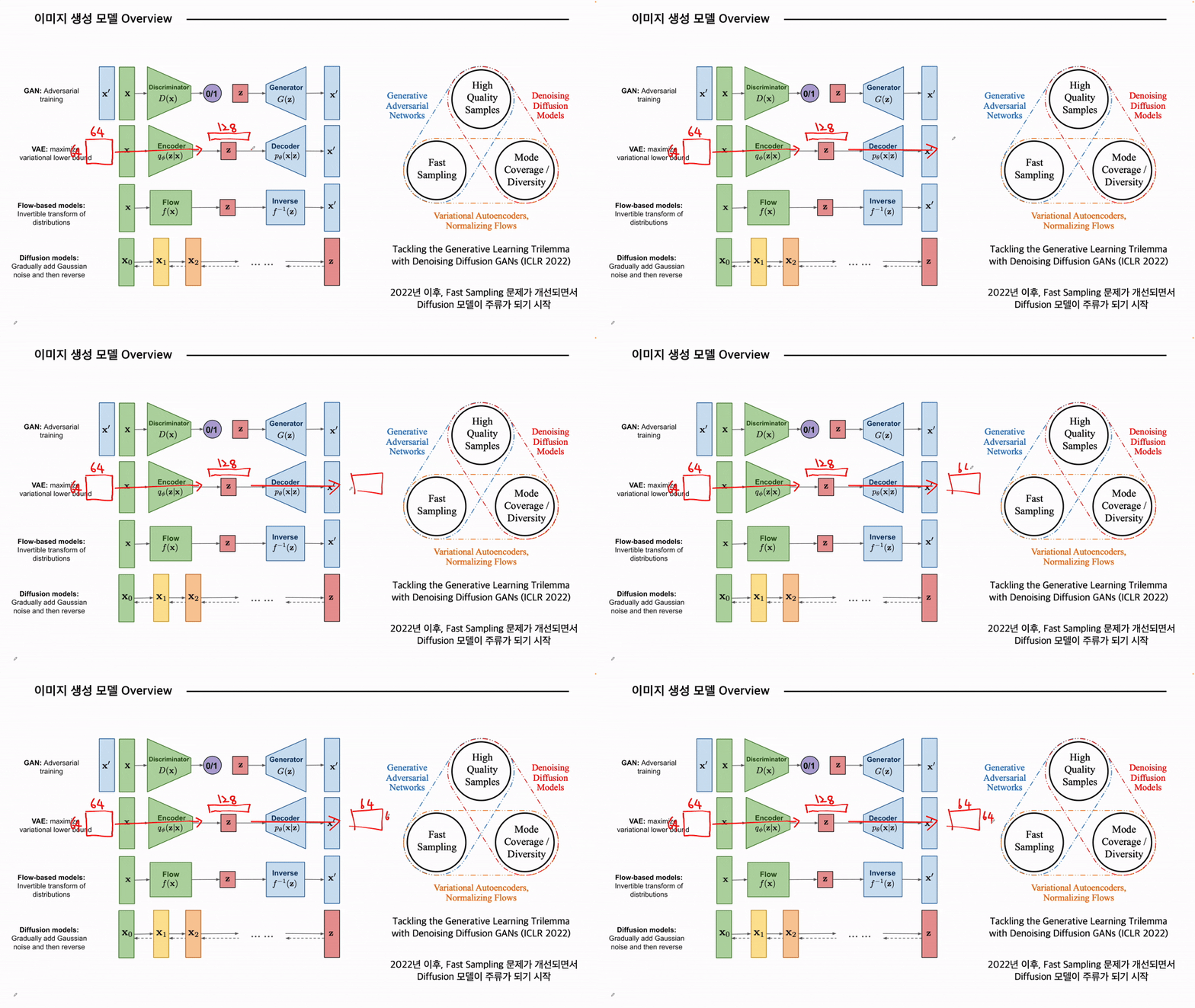
Before reading the paper, we quickly review the prerequisite knowledge about Diffusion models from a practical perspective. We also discuss the Diffusion model architecture that you need to know from an implementation standpoint.

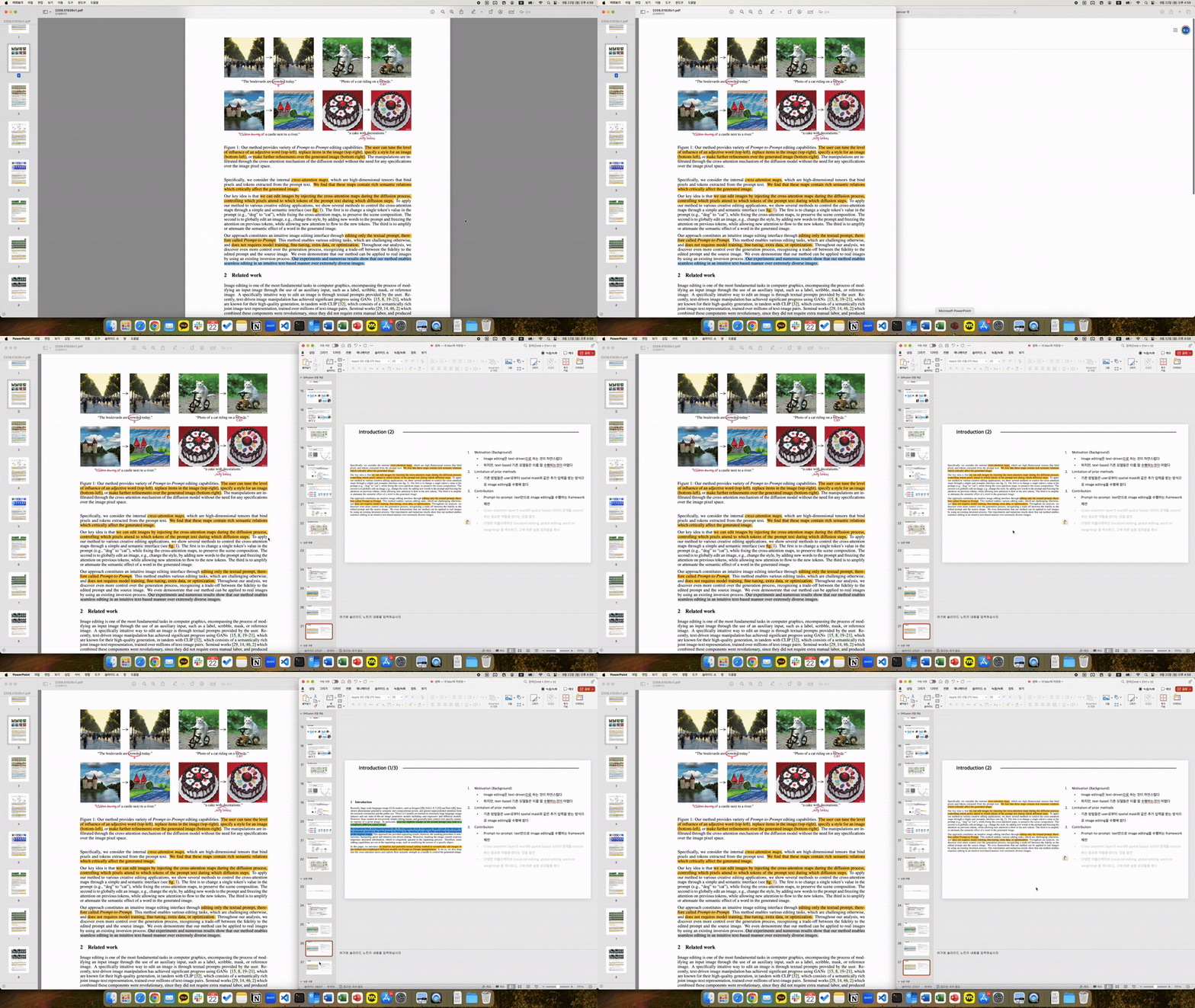
We'll read through the Prompt-to-prompt paper, a representative Diffusion model application paper, and summarize the key contents together. We'll focus on the essential aspects to consider during implementation, and it includes overall tips on how to read AI research papers.

Based on the papers we read together, we will write code to reproduce the results of the papers. The lecture content consists of live coding and includes detailed explanations for implementing the paper's content. You can also learn troubleshooting methods for various problems that occur during implementation.

Q1. I just want to apply the latest AI models, but do I really need to find and read papers?
A. Finding and reading papers is the fastest way to accurately understand the application methods. Try to quickly grasp the latest AI trends through papers.
Q2. Don't you need a lot of prerequisite knowledge to understand research papers?
A. If you have basic prerequisite knowledge in the relevant field, you can understand unfamiliar concepts by looking them up as needed. Through this course, gain the core concepts and know-how needed to understand artificial intelligence papers.
Programming Languages and Libraries: Python, PyTorch, Hugging Face
Development Environment Tools: Visual Studio Code, Anaconda, Jupyter Notebook
Execution Hardware Requirements: Nvidia GPU 12GB or higher / Apple Silicon 16GB or higher
Lecture slides, papers, and practice code provided
Understanding of the Python Language
Basic development experience using Visual Studio Code, Anaconda, and Jupyter Notebook
Basic understanding of linear algebra/artificial intelligence
This course is a hands-on project for understanding and implementing papers that apply Diffusion models.
This is not a course that covers all artificial intelligence theories from A to Z.
Covers the background knowledge needed to implement the paper's content from a practical perspective.
Who is this course right for?
Everyone involved in projects implementing the content of the latest artificial intelligence papers
Those preparing for AI-related careers (AI engineers, AI graduate school, etc.)
Those preparing university graduation thesis/projects on the topic of artificial intelligence
Need to know before starting?
Understanding of the Python Language
Basic development experience using Visual Studio Code, Anaconda, and Jupyter Notebook
Basic understanding of linear algebra/artificial intelligence
735
Learners
52
Reviews
6
Answers
4.6
Rating
2
Courses
Master's degree from Seoul National University
Experience presenting papers at top-tier academic conferences in the field of artificial intelligence
All
53 lectures ∙ (6hr 32min)
Course Materials:
5. Diffusion Process
02:56
16. Abstract
13:57
20. Related work
09:02
21. Method (1/9)
05:44
22. Method (2/9)
10:59
23. Method (3/9)
11:22
24. Method (4/9)
13:49
25. Method (5/9)
04:39
26. Method (6/9)
17:04
27. Method (7/9)
12:21
28. Method (8/9)
05:37
29. Method (9/9)
03:31
37. Conclusions
09:32
All
9 reviews
4.8
9 reviews
Reviews 1
∙
Average Rating 5.0
5
I was looking for deep learning paper implementation lectures since there aren't many available, so thank you for the great lecture!
Thank you for the good review.
Reviews 1
∙
Average Rating 5.0
Reviews 1
∙
Average Rating 5.0
5
I enjoyed the lecture! It would be great if you could also provide lectures on AI fundamentals-related papers for beginners like me.
Thank you for the great review. I'm planning an AI basics course. I'll meet you with a new course soon!
Reviews 111
∙
Average Rating 4.9
Explore other courses in the same field!