[Game planning that will get you a job if you follow it] Reverse planning book/BM analysis and improvement proposal/Creative planning book
If you want to get a taste of what real-world game planning is like, if you feel lost and don't know where to start when writing a plan for indie game production, if you're having trouble creating a plan portfolio for employment at a game company, or if you want to upgrade your current skills beyond your current level, I think this course will be helpful as a reference or reference material on the path to your goals.
Learning Game Planning for Beginners 💣 Let's break it down in one lecture!
Game planning education , why is it so difficult?
"It's hard to find a curriculum that stands out." “The cost of going to a private academy is too high.” "I'm trying to study on my own, but I'm not sure if I'm doing a good job."
Game planning, reverse planning, BM analysis and improvement proposal, creative planning, PM,
I've decided to learn game planning, but it's not easy to actually take the first step. Because the game planning education market itself isn't particularly developed, it's difficult to find a compelling game education curriculum, and attending academies can be a financial burden. However, self-study often leads to doubts about whether you're doing well and a search for a milestone that will instill confidence.
In fact, there's no such thing as a perfect mathematical formula in game planning. Each game planner has their own unique way of expressing their ideas. The common goal of all planners is to communicate their ideas as clearly and easily as possible to their fellow developers and designers.
But if you are having trouble grasping this big picture, I hope this lecture will be helpful as a milestone or reference material .
Seeing the forest of games Everything about game plans!
When creating a game, sales, which are the basis and purpose of production, are closely related to game planning. You can structurally examine one aspect of a popular game by looking at the system reverse planning of a game that is currently generating high sales.
If a detailed system reverse planning document is a tree, then a creative planning document that allows you to see the overall framework of the game is a forest. You can learn the basics of game production for each genre through the creative game planning book.
Through the game planning book Understand the game production methods for 7 different genres, Understand the overall framework of the game!
This course covers seven popular genres, including RPGs, defense, clickers, and puzzles. It includes three currently operating, high-grossing, and popular games, as well as four original creations. It is especially effective for writing creative proposals for portfolios or preparing for actual indie game production .
By approaching the game from various perspectives, including system reverse planning, BM (Business Model) analysis and proposal, and creative planning, you can gain an understanding of the basic game production process and even acquire a subject-specific approach.
Who would benefit from listening?
Anyone who wants to get a taste of what real-world game planning is like
A young planner who is at a loss as to how to start writing a plan before producing an indie game.
Anyone having difficulty creating a portfolio of proposals for employment at a gaming company
Junior game planners in the field who want to upgrade beyond their current capabilities.
The first-class game of the future For planners!
With visual aids Easy to understand How to write a game plan
From RPGs to clickers By various genres Game Approach
The flow of the plan Hold firmly Easy and detailed explanation
Variety of game genres
This course will introduce you to a variety of game genres. From well-known RPGs to clickers ideal for indie development, this course covers four distinct genres (RPG, defense, clicker, and puzzle) in an accessible format, catering to beginners.
Game planning learning that anyone can easily learn
This lecture utilizes visual elements to facilitate understanding, even for those new to game planning. (Presentation + other photo/graphic materials)
The basic content was written as a PPT presentation , and the additional elements were created using PaintTool SAI.
Due to copyright issues, the reverse planning document for the currently-available game includes images instead of screenshots. Additionally, some unique terminology, such as in-game names, has been modified to some extent.
This content I'm learning.
Step 1. RPG
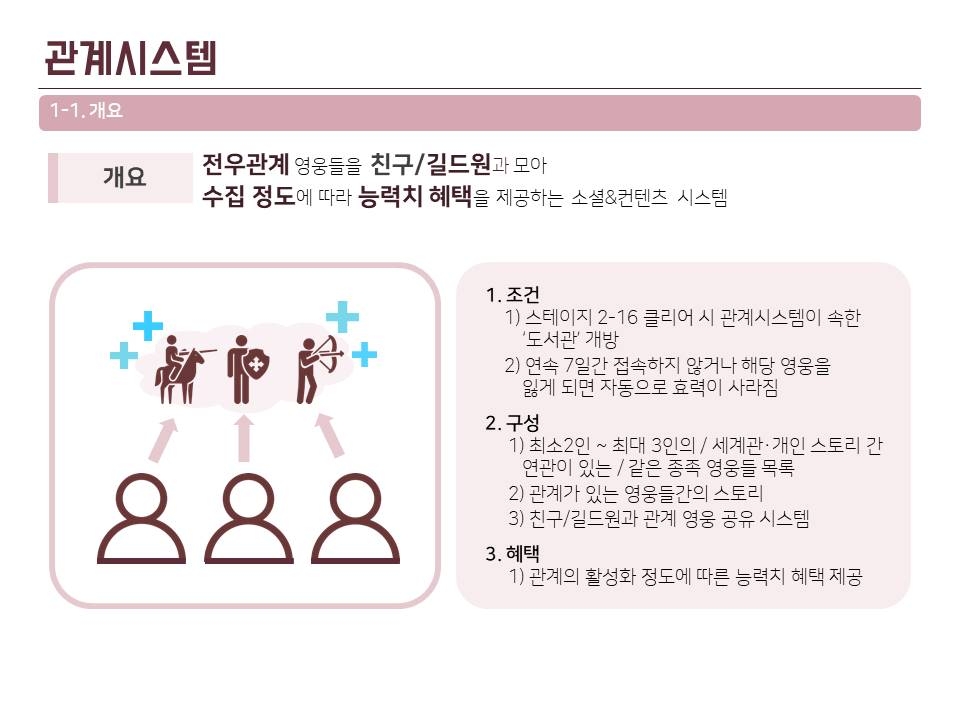
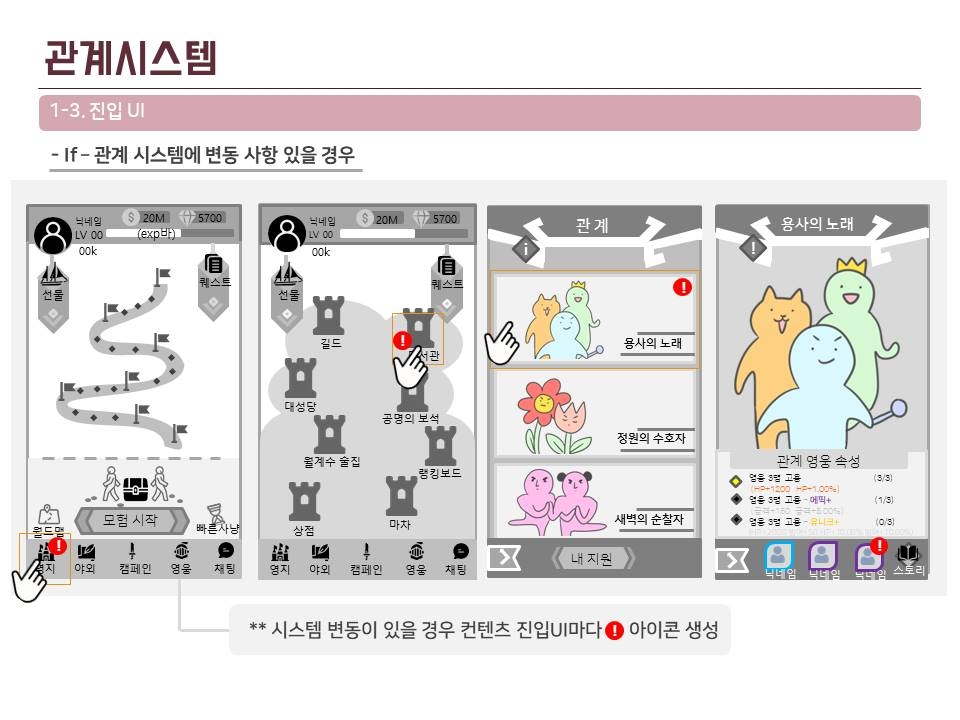
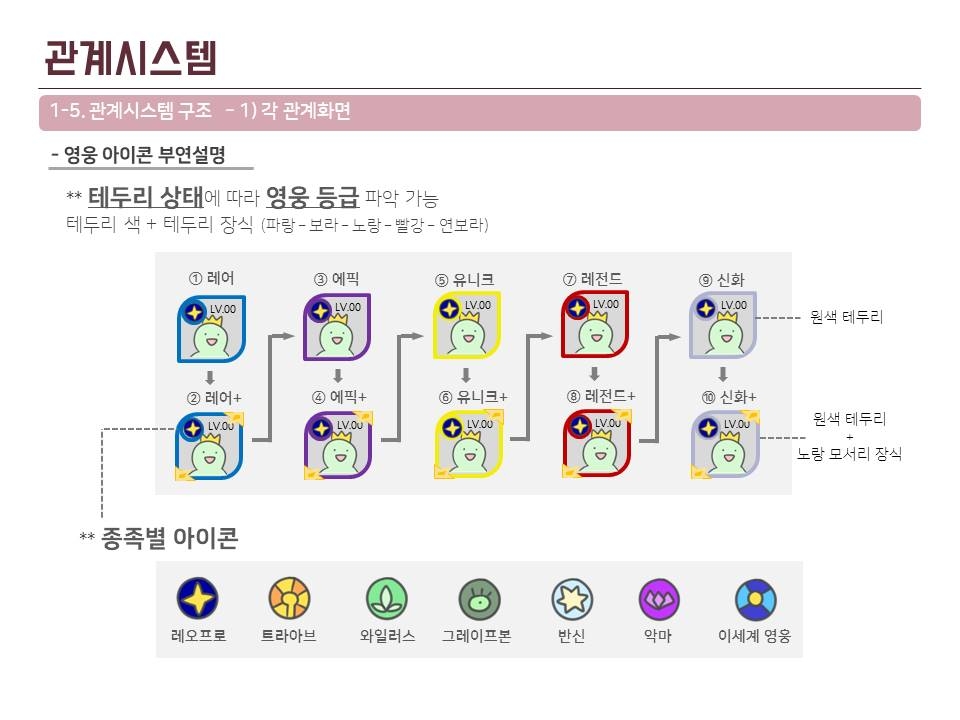
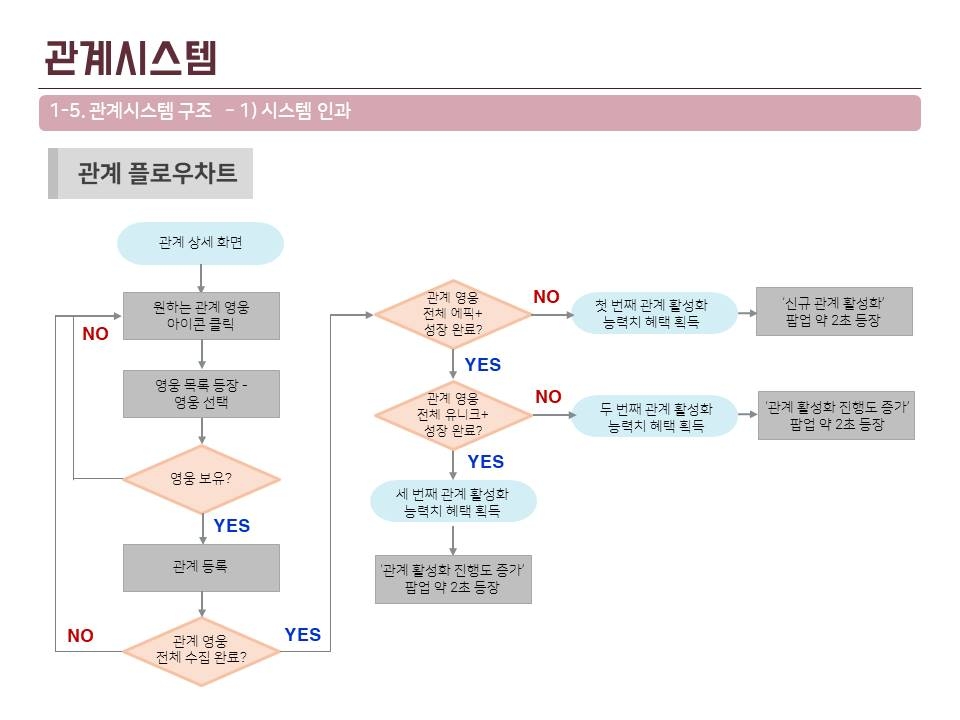
Let's write a reverse planning document for the popular RPG game "A." We'll outline "A's" "relationship system," analyze its entry UI, and create a data table.
Lecture 1 screen capture
Lecture 1 screen capture
2nd lecture capture screen
2nd lecture capture screen
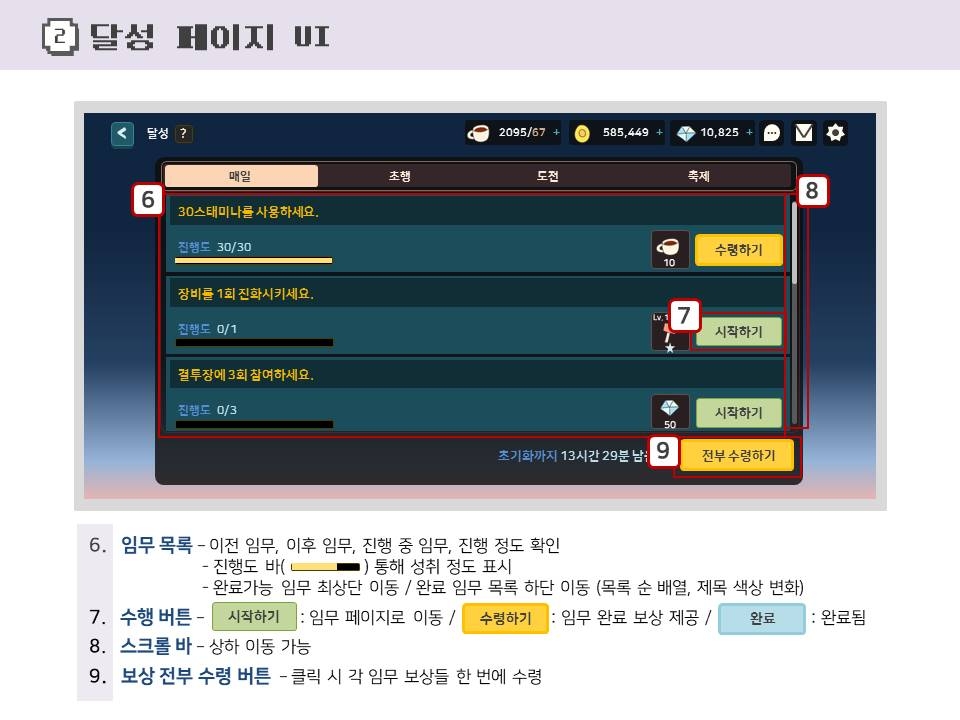
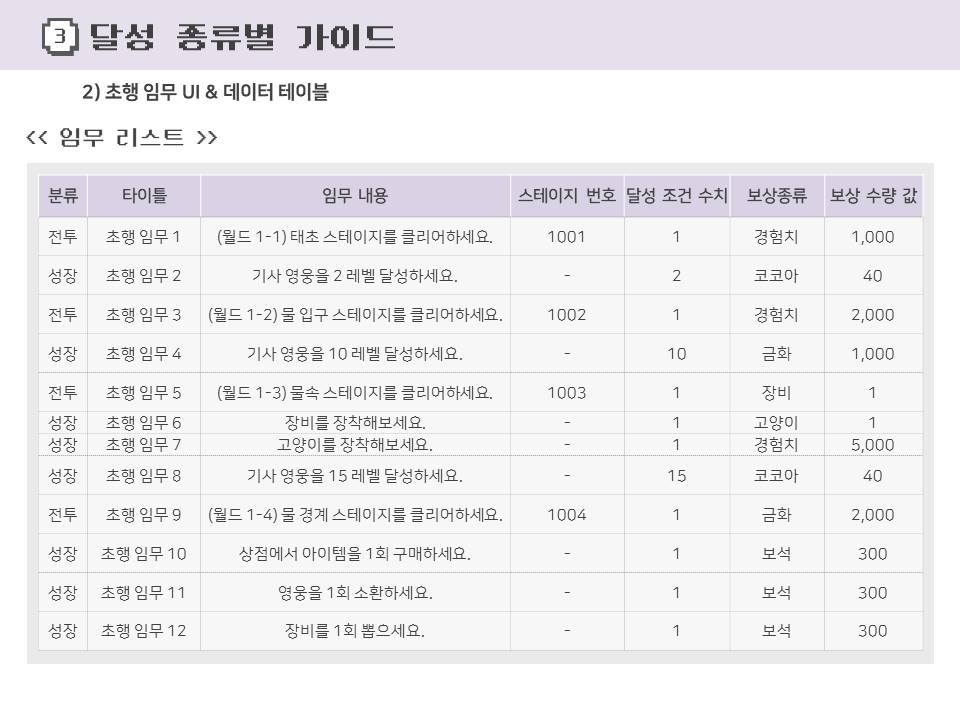
Let's write a reverse engineering plan for the popular RPG game "G." We'll outline the game's "achievement system," analyze its detailed UI, and create a data table.
3rd lecture capture screen
3rd lecture capture screen
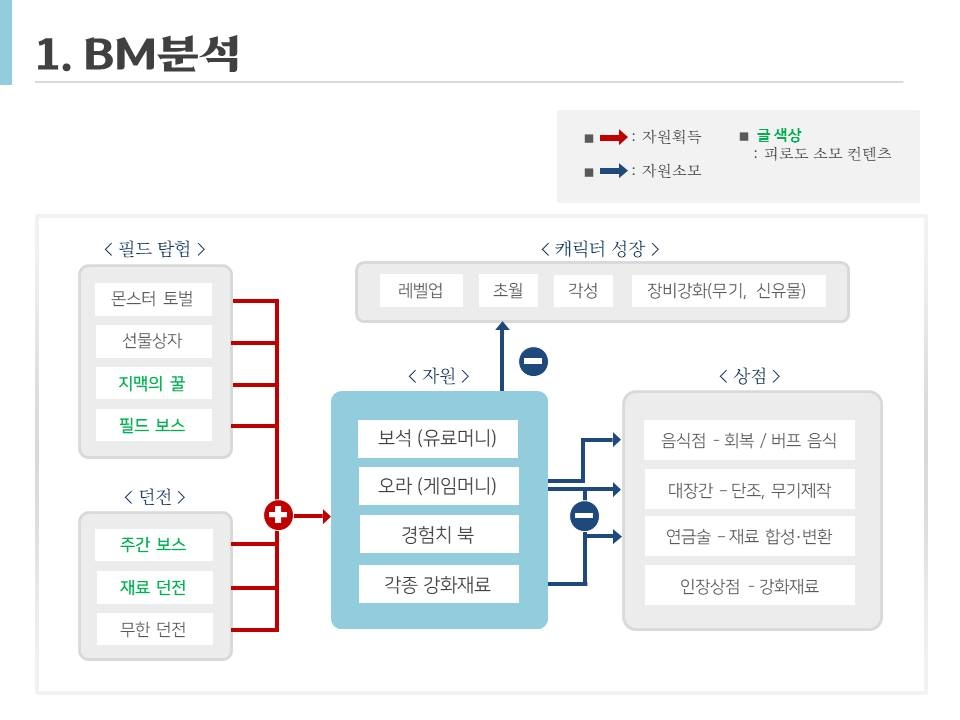
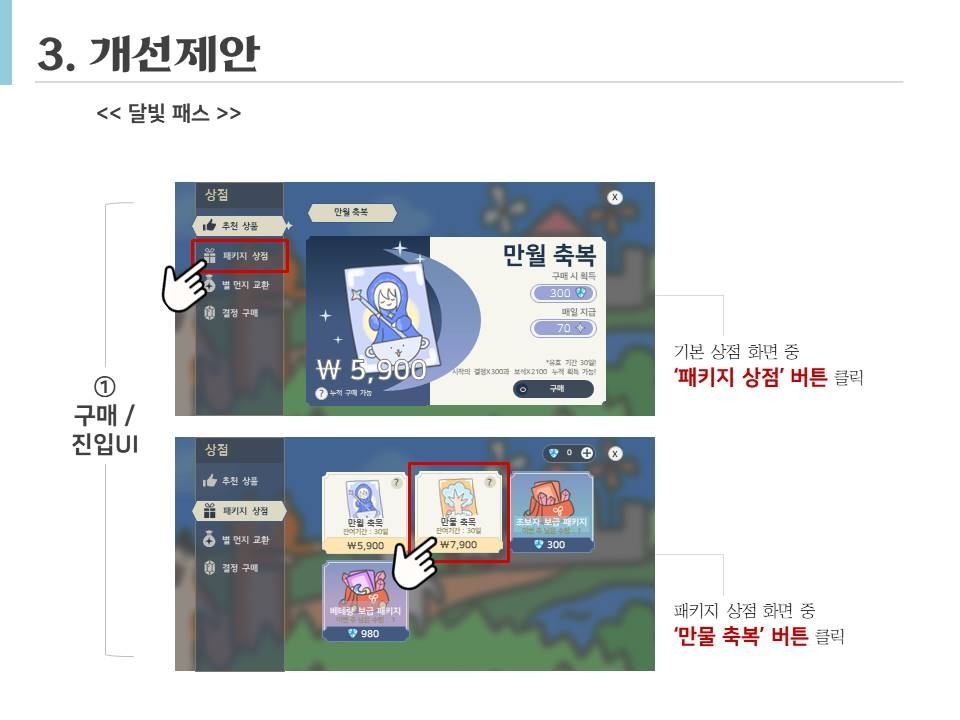
We'll analyze the business model of the popular RPG "O" and write a proposal. You'll learn how to identify the current game's problems and propose improvements.
4th quarter capture screen
4th quarter capture screen
Step 2. Defense Game
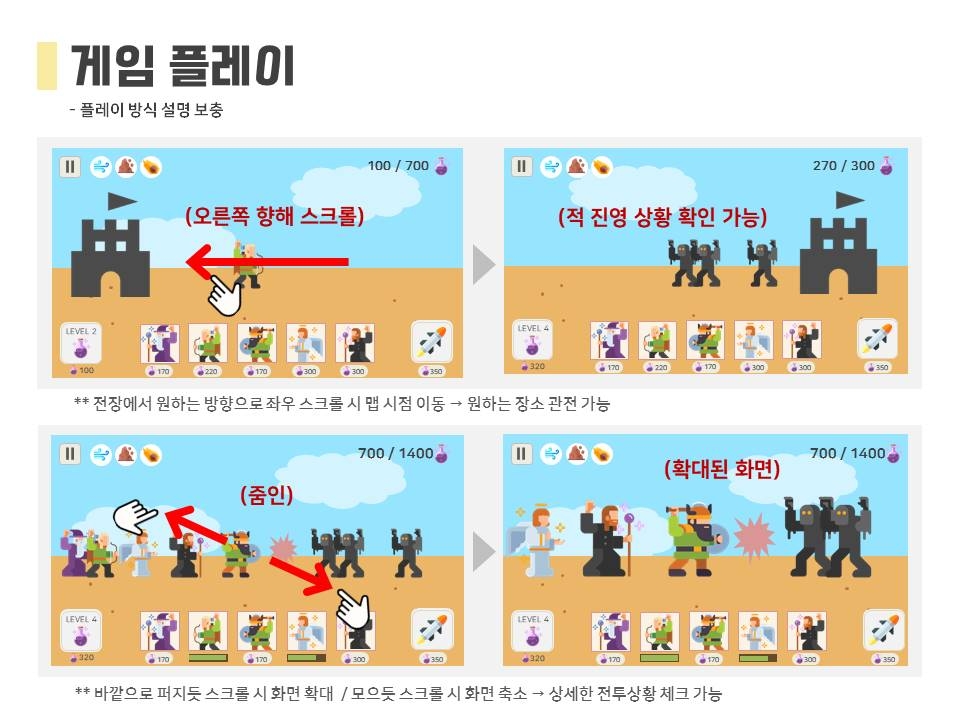
Let's plan the defense game "Fantasy Heroes." We'll learn how to design the main screen UI, stage selection screen, and gameplay structure. We'll also build essential game elements, such as party member/unit settings, draws, and upgrade systems.
5th lecture capture screen
Step 3. Clicker (idle) game
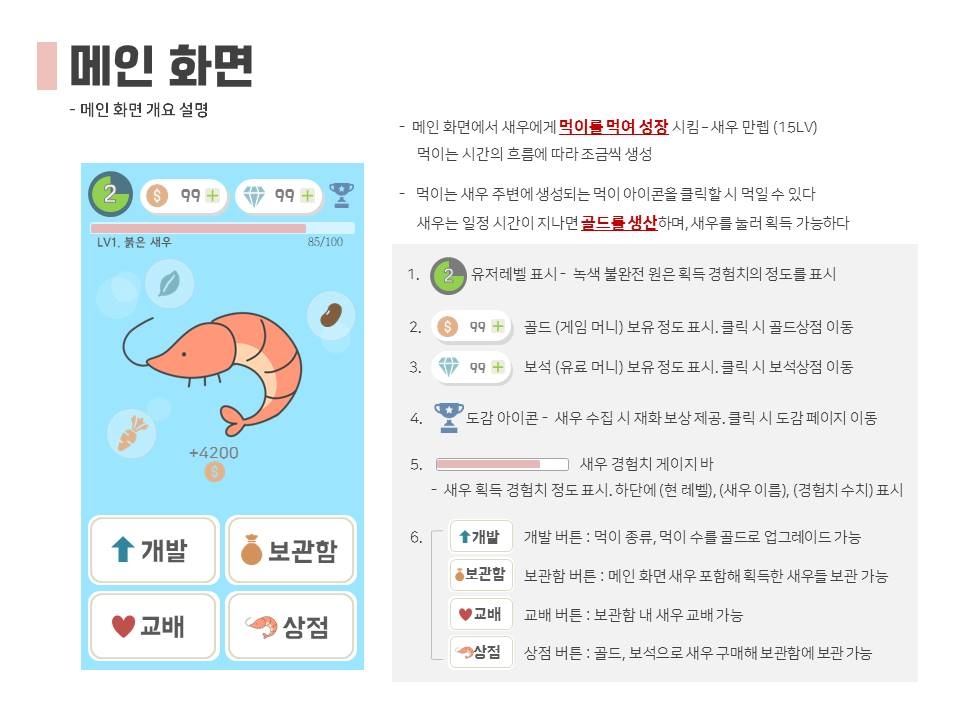
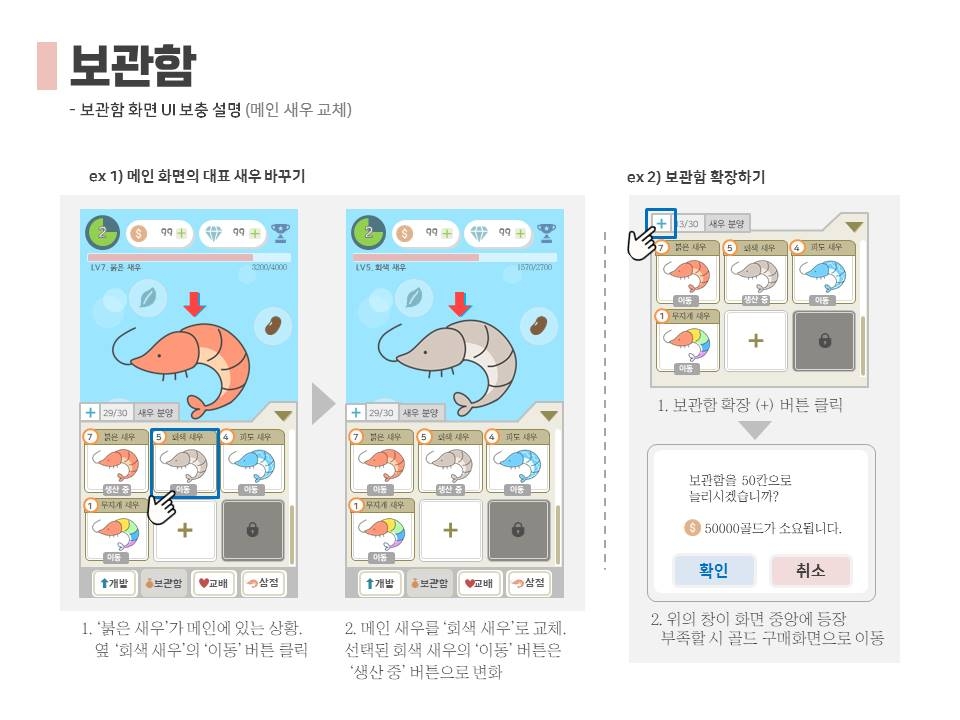
Let's plan an idle game called "Shrimp Raising." You'll design the main screen UI, as well as detailed UI/structure for in-game content like "Development," "Storage," "Shop," "Breeding," and "Pokédex."
Screen capture of Lesson 7
Screen capture of Lesson 7
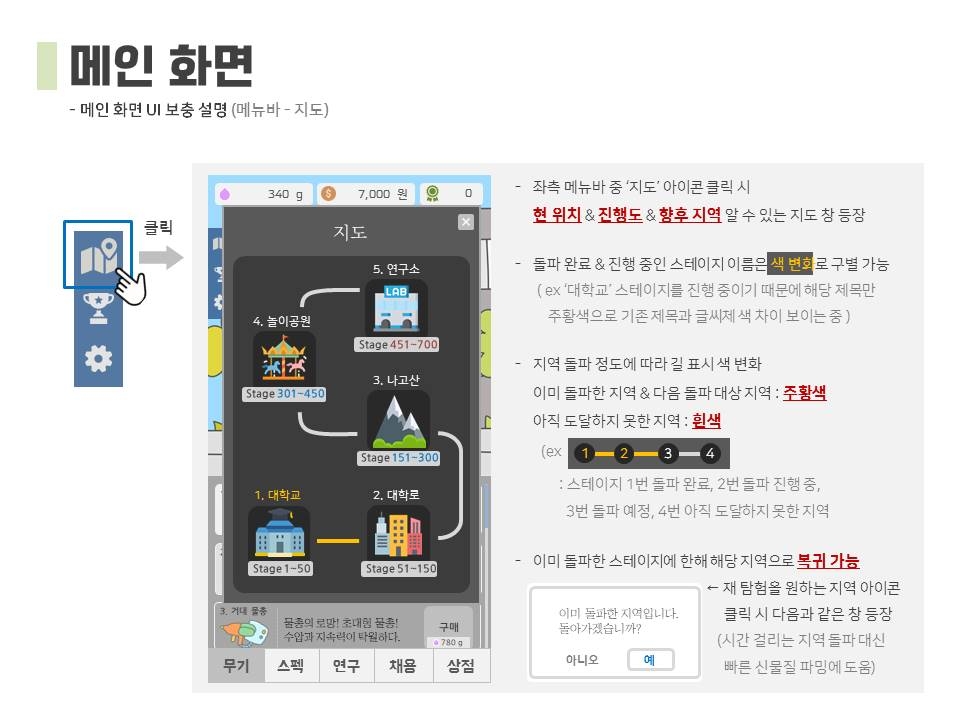
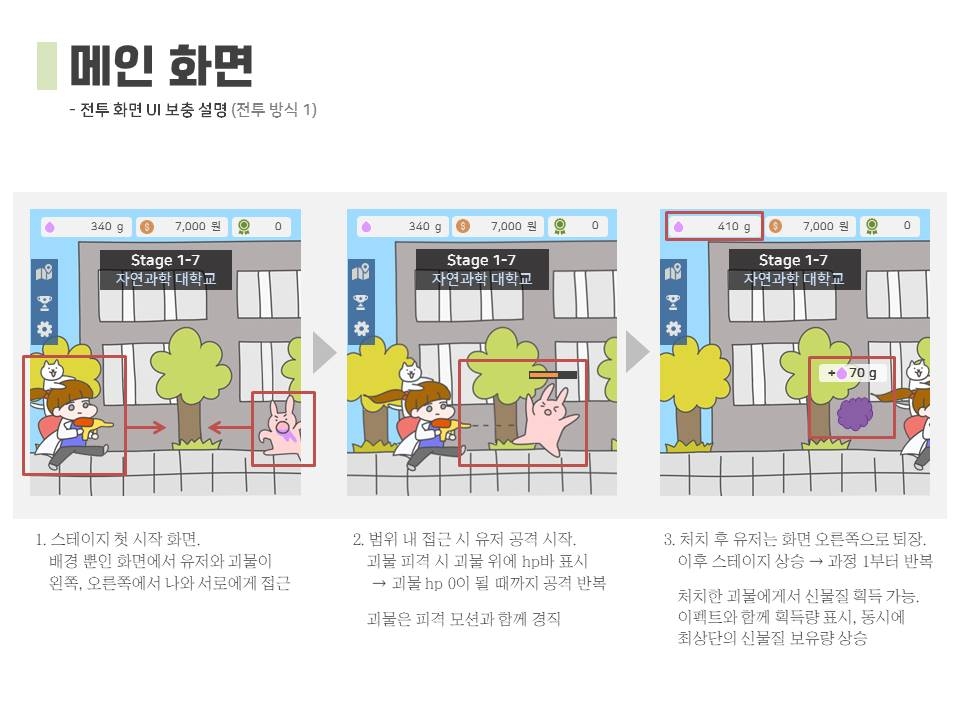
Let's plan the action clicker game "Great Graduate Student." After exploring the main screen UI and detailed menus, you'll build the game's in-game content—"Weapons," "Specs," "Research," and "Recruitment." You'll also plan the store UI and structure accordingly.
Screen capture of Lesson 9
Screen capture of Lesson 9
Step 4. Puzzle Game
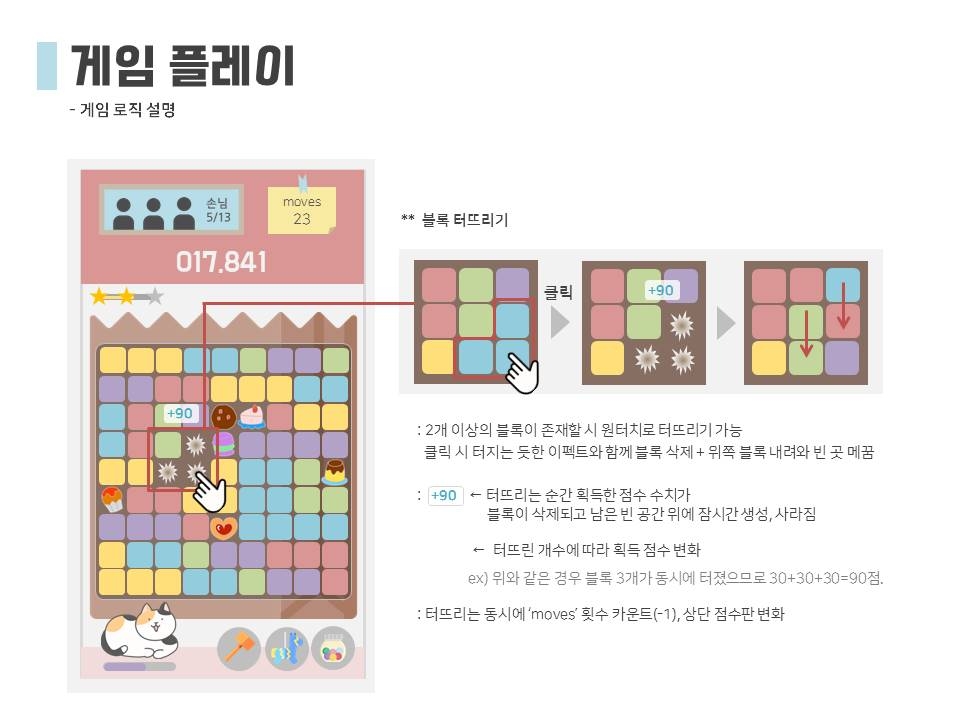
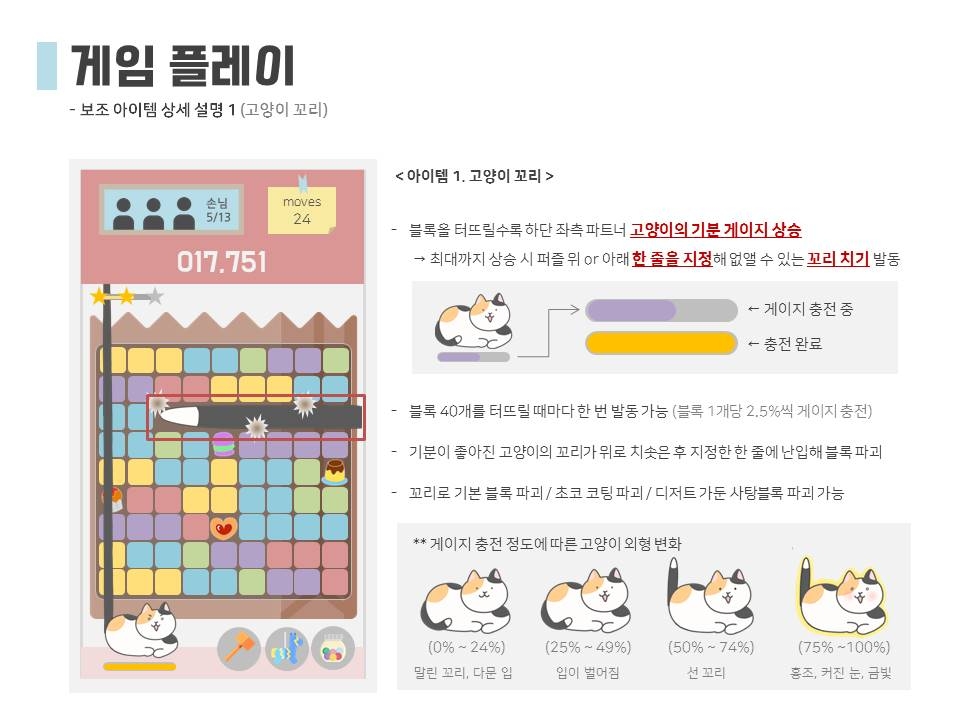
Let's plan a puzzle game called "Dessert Pangpong." We'll explore everything from planning the main screen UI to building a system based on gameplay rules and applying play-assistant items.
Screen capture of Lesson 11
Screen capture of Round 12
The person who created the lecture Who could it be?
Sunny Rider
PO / Game Planner / Service Planner / Business PM (Current) Lecturer, Freelance Service Planner, PM (Former) 3D Metaverse Service PO / Planning Team Leader (Former) Devsisters Game Planner (Cookie Run Kingdom Planning / Party Party Deco Play Planning Team Leader) Former Head of Highbro Media Headquarters (Dragon Village W PD) (Former) LINE+ game planner (LINE Fighters planning) (Former) NHN game planner (Uparu Mountain planning) (Former) Joycity Business PM (Heroes in the Sky Business PM) #Book: Mobile Game Planning that Attracts Users
Hello, I'm Sunny Rider, a game planner and PO. I've worked in the gaming industry for 17 years, including seven years at Naver. I have experience planning and launching a game (Uparu Mountain) that ranked in the top 5 in overall sales on Google Play, and planning the game system. Game content planning, balance planning, and level design are possible.
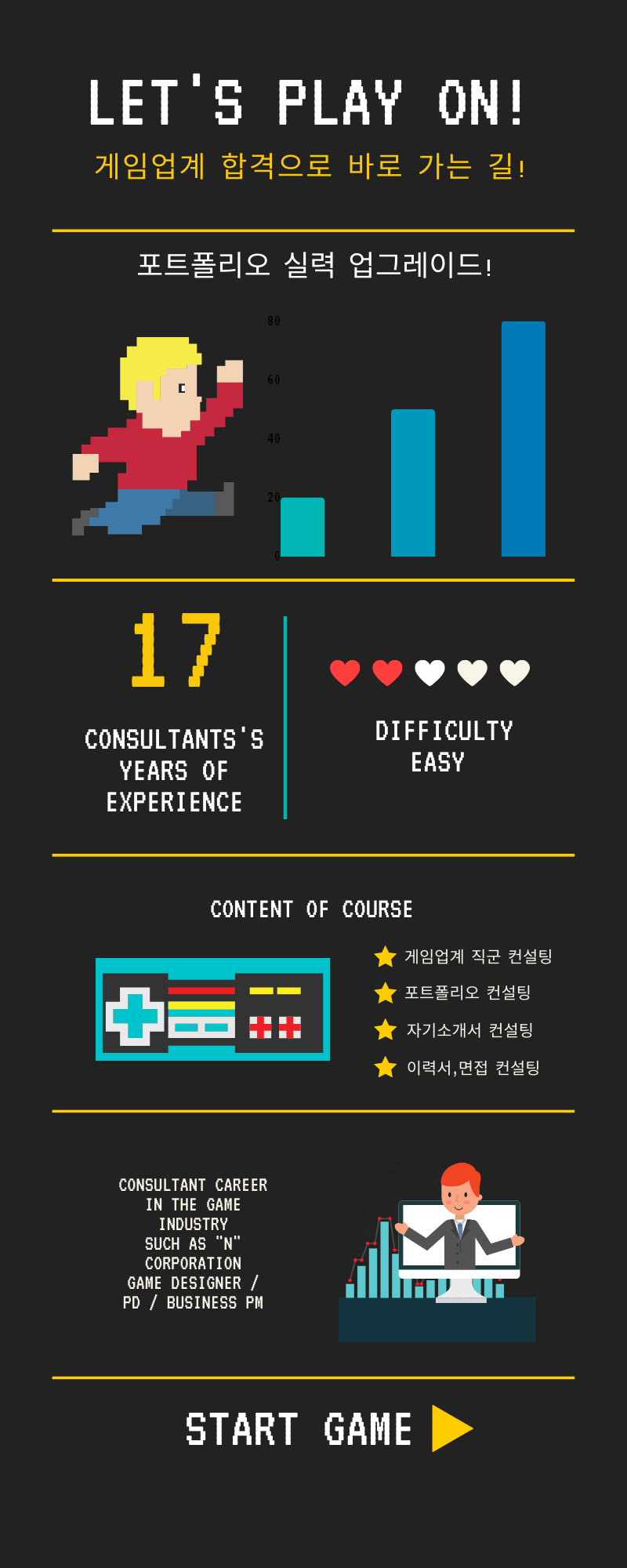
I have extensive experience helping numerous individuals pass final rounds at various large and small companies, including Netmarble, LINE, Kakao, Smilegate, Nexon, Neople, Krafton, Joycity, Neowiz, and Bitmango. I leverage my years of coaching experience to create accessible content for beginners aspiring to become game planners or game business managers.
#Corporate lectures available (game planning, game balance, business PM, PO/PD practice related) For lectures and partnership inquiries,please contact bigfish81@naver.com
Expected Questions Q&A
Q. Can I listen without any basic knowledge?
While it's helpful to have some basic knowledge, we've put a lot of effort into creating the course so that it's easy to understand even without it.
Q. What are the benefits of learning game planning?
Game planning is the backbone and foundation of game production. Developers and designers add muscle and flesh to the framework the planner has painstakingly laid. I'm confident that if you master game planning, you'll be able to create games with greater ease and higher quality.
Q. Can I become a game planning master just by watching this lecture?
Unfortunately, that's not the case. This course focuses on the "basics," so it excludes more advanced elements like data table creation and balance planning. However, it's effectively structured as a visual aid that provides a solid foundation and supports the elements you're currently studying.
Game planning series, Interested in other lectures?
Hello. I am Sunny Rider, currently serving as a PO with experience as a PD (Director), PO (Product Owner), Business PM, and Game Designer. I have worked in the game industry for 19 years, including 7 years at Naver. I have experience solo-designing and launching a game (Wooparoo Mountain) that ranked in the top 5 of Google Play's overall revenue, and I am capable of game system design, game content design, balance design, and level design. I have extensive experience helping many people successfully pass final interviews at various large and medium-sized companies such as Netmarble, LINE, Kakao, Smilegate, Nexon, Neople, Krafton, JoyCity, Neowiz, and BitMango. Utilizing my years of mentoring experience, I create easy-to-understand content for beginners aspiring to become game designers and game business PMs.
Sunny Rider PO / Game Designer / Service Planner / Business PM / Adjunct Professor of Game Design at International Cyber University (Current) Lecturer, Freelance Service Planner, PM (Former) MAXST Metaverse Service PO / Planning Team Leader (Former) Devsisters Game Designer (Cookie Run: Kingdom Planning / Party Party Deco Play Planning Team Leader) (Former) Highbrow Media Division Director (Dragon Village W PD) (Former) LINE+ Game Designer (LINE Fighters Planning) (Former) NHN Game Designer (Wooparoo Mountain Planning) (Former) Joycity Business PM (Heroes in the Sky)
[Publications] Mobile Game Design That Attracts Users
[Game Design/PD/PO/Service Planning] 1. System, Content, Combat, Level Design, Balancing, Paid Item Planning 2. Development Team Scheduling and Management / Sound Planning 3. Game Migration Planning for Platforms like Kakao or LINE 4. Overall Development Spec Management / Update Schedule Management
[Business PM/Operations] 1. Web Planning for Metric Design and Data Analysis 2. Operation Tool Planning (Web) 3. Event Planning / Event Web Page Planning (Mobile, Web) 4. Basic Data Analysis for Business Teams 5. Offline Event Management - G-STAR 6. Sourcing Tasks
The lecture quality is somewhat disappointing compared to the good lecture materials.
The instructor is just busy reading the text in the PPT materials, and even if there are mistakes, they are all recorded in the video. He repeats the same words or reads long stories straight through, and if that were reduced, the video length would be reduced by half.
It would have been better if the video had explained helpful stories that cannot be seen in the PPT. I didn't feel much of a difference from just watching the PPT materials. It would have been better if he had explained more about things to watch out for while working, or his experience as a practitioner.
It would have been good to show the editing process directly when explaining PPT functions such as 'point editing', but it was disappointing that he just explained it in words.
The data screens in the 3rd lecture video and the uploaded class materials are not synchronized. ('Achievement Page' ↔ 'Achievement Page')
Agreed, I don't know how this is supposed to help anyone get a job.
The explanation is too poor, almost nonexistent.
It just feels like they're explaining a game they made in the past.
You'll understand the game system if you play the game a bit,
but it doesn't tell you how to make it.






![[Game planning that will lead to employment if you follow along] Game business PM preparation/Collaboration with game plannersCourse Thumbnail](https://cdn.inflearn.com/public/courses/330882/cover/dd581231-ca52-4208-a1a0-35cc4713d840/330882-eng.png?w=420)

![Sunny Rider's Game Business and Game Planning Practice [E-book] 1230 PagesCourse Thumbnail](https://cdn.inflearn.com/public/files/courses/336837/cover/01jqk8h2vmgbd87ywjdvhck3hx?w=420)
![[Game Planning/PM]Operation Tool/Back Office and Data Analysis PlanningCourse Thumbnail](https://cdn.inflearn.com/public/courses/333099/cover/716ba2cd-d746-495c-9499-4c1298d5b464/333099.png?w=420)
![[PM,PO] Blockchain service planning NFT planning and production marketingCourse Thumbnail](https://cdn.inflearn.com/public/courses/331688/cover/7bdb9fd3-6412-48ee-b2ad-63adb89b6ae5/331688-eng.png?w=420)

![[Game Design for Employment] MMORPG Guild Design/Event DesignCourse Thumbnail](https://cdn.inflearn.com/public/courses/329839/cover/cfda1f68-65c7-4dd6-b3c2-8a21cb40d12d/329839-eng.png?w=420)
![[Follow-up service planning that will get you a job] Basics and application of service planning/job preparationCourse Thumbnail](https://cdn.inflearn.com/public/courses/328554/cover/1e068c37-1558-4a1b-a213-4a155662fad6/Let's putyour knowledge to the test!.png?w=420)
![[Game planning that will get you a job if you follow it]MORPG game balance planningCourse Thumbnail](https://cdn.inflearn.com/public/courses/327615/cover/f6c2ad8c-0c51-4758-9372-1ccf5df87469/327615-eng.png?w=420)

![[Game planning that will get you a job if you follow along] Clicker/Puzzle/RPG planning book creationCourse Thumbnail](https://cdn.inflearn.com/public/courses/326877/cover/9af23df0-0aec-4640-9d42-819950ca9355/326877-eng.png?w=420)
![[Game planning that will get you a job if you follow it] Real-life farm SNG gameCourse Thumbnail](https://cdn.inflearn.com/public/courses/326824/cover/00767f7f-2a49-4512-8605-3819137f9fb7/326824-eng.png?w=420)
![[Unity] Developing Idle Games TogetherCourse Thumbnail](https://cdn.inflearn.com/public/courses/334447/cover/a4464cfb-be08-4a40-b6e2-00060b912c1a/334447.png?w=420)
