



Mastering Next.js 16+ with TypeScript: From Basics to Modern Architecture

This is an all-in-one course that takes you from the basics of TypeScript-based Next.js 16+ to a production-ready project level. You will learn by directly implementing core concepts and practical patterns of the latest Next.js, including App Router, Server Components, Server Actions, Caching, Cache Components, authentication, performance optimization, and deployment.

(5.0) 4 reviews

70 learners

Level Beginner

Course period Unlimited

JavaScript
JavaScript
React
React
TypeScript
TypeScript
Next.js
Next.js
JWT
JWT
JavaScript
JavaScript
React
React
TypeScript
TypeScript
Next.js
Next.js
JWT
JWT

Reviews from Early Learners

5.0

5.0

ㅅㅂ

100% enrolled

This course is insane. The value for money is top-tier. I'm a backend developer, but since React was required, I've been using it for over a year. Now that things have shifted to Next.js, I bought this course, and it helps me understand the operating principles of almost every feature needed for real-world work.

5.0

button_

30% enrolled

The missions are already fully designed, so it really feels like you're actually "playing" the mission! Also, there are hints for each mission, and it's great for learning because it summarizes which parts to think about and what can be learned.

5.0

귀한 불도새

21% enrolled

Since I have been taking Sucoding's lectures for a while now, I was looking forward to the Next.js course as well, and as expected, I could feel the meticulousness just from the curriculum. I believe Sucoding's lectures are excellent because they provide a solid foundation and encourage self-directed learning through missions. Even in the age of AI where we might not write code manually as much, fundamental skills are always important. I am currently taking this course to better understand and utilize Next.js since I use it in my actual work, and it has been incredibly helpful. Thank you.

What you will gain after the course

  • As of 2026, you can learn everything about Next.js.

  • It was built based on the latest version (16) from the start. All content is completely up to date.

  • I can design and implement Next.js 16+ App Router projects from scratch based on TypeScript.

  • The ability to distinguish between Server Components and Client Components and use them correctly.

  • You can implement data processing logic without an API by utilizing Server Actions.

  • You can choose the appropriate Next.js data fetching, caching, and rendering strategies according to the situation.

  • Learn how to utilize Unstable_Cache and Cache Components.

  • Learn how to use Next.js and Tanstack Query in combination.

  • I can develop Next.js applications with SEO and performance in mind.

  • Understand Next.js project structures and development patterns that can be used immediately in practice.

  • You can build and even complete the deployment of a Next.js application.

Next.js that is easy to understand even for non-majors
🛩 Step 7 of Sucoding's Frontend Roadmap Series! 🛩

Bestseller in the field of introductory front-end development

A course created by a bestselling author in the field of introductory front-end development!

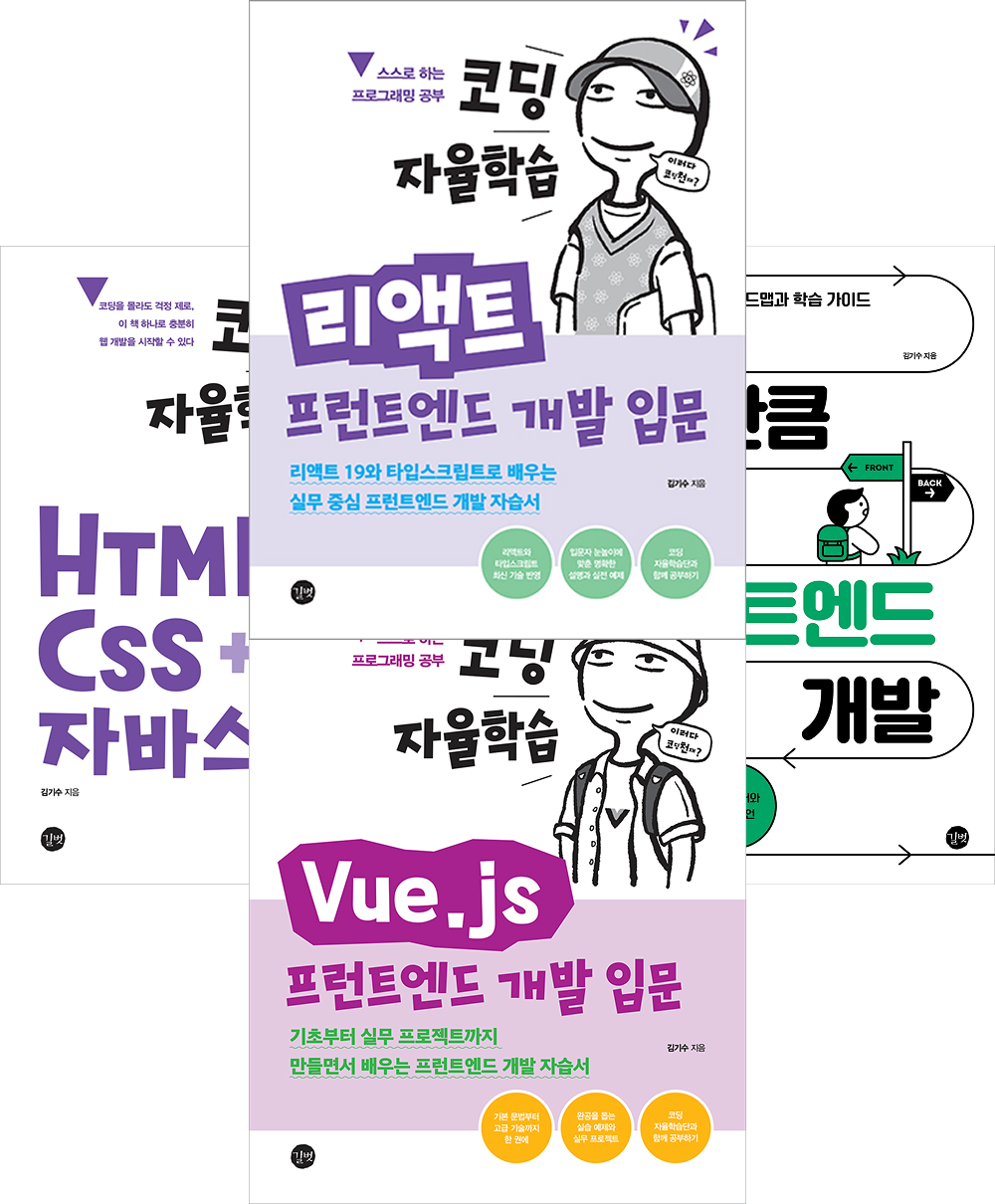
2022 『Coding Self-Study HTML+CSS+JavaScript』 Published! 🎉
2023 『Front-end Development: Seeing as Much as You Know』 Published! 🎉
2024 『Coding Self-Study Vue.JS』 Published! 🎉
2025 『Coding Self-Study React』 Published! 🎉

Sucoding is an active author who has written on various fields of front-end development.
All published books are bestsellers. 😎
This is a special course created by Sucoding, a leader in front-end lectures!

I'm curious

What will I learn?

Next.js 16 is a React-based full-stack framework that provides all the features needed to build modern web services, from
Server Components (RSC), App Router, data caching and rendering strategies, to SEO and performance optimization.

However, Next.js versions are evolving rapidly, and
it is not easy to judge “what should actually be used in practice” or
“when to use this on the server versus the client” based on official documentation alone.

In this course,
👉 we will learn only the essential concepts you must know in Next.js 16.
Rather than focusing on theory, we concentrate on patterns and standards that can be applied immediately in real-world projects.

We will boldly exclude complex settings and options that have low practical utility,

  • Understanding the App Router-based routing structure

  • Clear separation of roles between Server Components and Client Components

  • Data fetching and caching strategies (cache, revalidate, no-store)

  • Mastering the "Cache Component," one of the latest caching systems

  • Establishing criteria for Static Rendering (SSG) and Dynamic Rendering (SSR)

  • The precise meaning of Loading / Error / Not Found boundaries

  • Link, Prefetch, and Router Cache operation principles

  • Server Actions and real-world usage patterns

  • SEO and metadata design methods

It is structured around the core topics most frequently encountered in Next.js 16 practice.

Through this,
even beginners can clearly understand Next.js's rendering and data flows,
and grow into developers who can explain
"why this code runs on the server" and "why this page is being cached."

This is a lecture that doesn't just let you say "I've used Next.js," but helps you establish
the criteria to understand and choose Next.js. 🚀

It's okay even if you're a complete beginner,

I will teach you everything step-by-step, starting from the basics.

Next.js 16 is based on React, but
when you first encounter it,
it can feel difficult due to unfamiliar concepts such as Server Components, routing structure, rendering methods, and caching concepts.

"Why is this code running on the server?"
"When should I use Client Components?"
It's perfectly natural to be confused if it's your first time.
Don't worry!

In this course,
to ensure even those new to Next.js can understand,
we explain everything step-by-step from the very basics, following the natural flow.

  • How pages are rendered

  • how the roles are divided between the server and the client

  • When and where to fetch data

I will explain it so that it can be pictured in your mind.

What makes Sucoding lectures
special

Core curriculum focused on key concepts applicable immediately in practice

  • We will learn by selecting only the core concepts actually used frequently in practice among the vast features of Next.js 16.

  • We focus on structures and standards that can be applied immediately to real-world projects, such as App Router, Server Components, data fetching/caching, and rendering strategies.

A lecture focused on intuitive, easy examples and hands-on practice

  • Step-by-step explanations are provided in the order of Concept → Flow → Code so that even those new to Next.js can understand.

  • Instead of just typing along with examples, this course is designed as a practice-oriented lecture where you build and modify structures yourself, helping you apply what you learn directly to real-world tasks.

Clearly understand the differences between Server Components and Client Components

  • It clearly explains based on the rendering flow "Why does this code run on the server?" and "When is a client component needed?"

  • You can naturally understand the difference in mindset between using only React and using Next.js.

Perfectly applied even the latest TypeScript features

  • The course is structured with the most up-to-date syntax and design methods, reflecting the latest architecture and recommended patterns of Next.js 15.

  • We aim to help you become a developer who can flexibly respond to future updates by focusing on official concepts and operating principles so that you are not shaken by version changes.

Generous disclosure of practical tips and developer know-how

  • I will point out points that are often confusing in practice and examples of common mistakes that are not clearly explained in official documentation.

  • Beyond simple functional explanations,
    we also provide the design perspectives and standards needed to grow as a front-end developer.

Customized feedback for students and meticulous Q&A support

  • We provide fast and friendly feedback to students' questions.

  • By pointing out common mistakes or confusing parts, we maximize the learning effectiveness for each individual.

Core curriculum
optimized for
beginners

Section 01 - Getting Ready

In this section, we will go through the basic preparations for taking the course before diving into the actual practice.
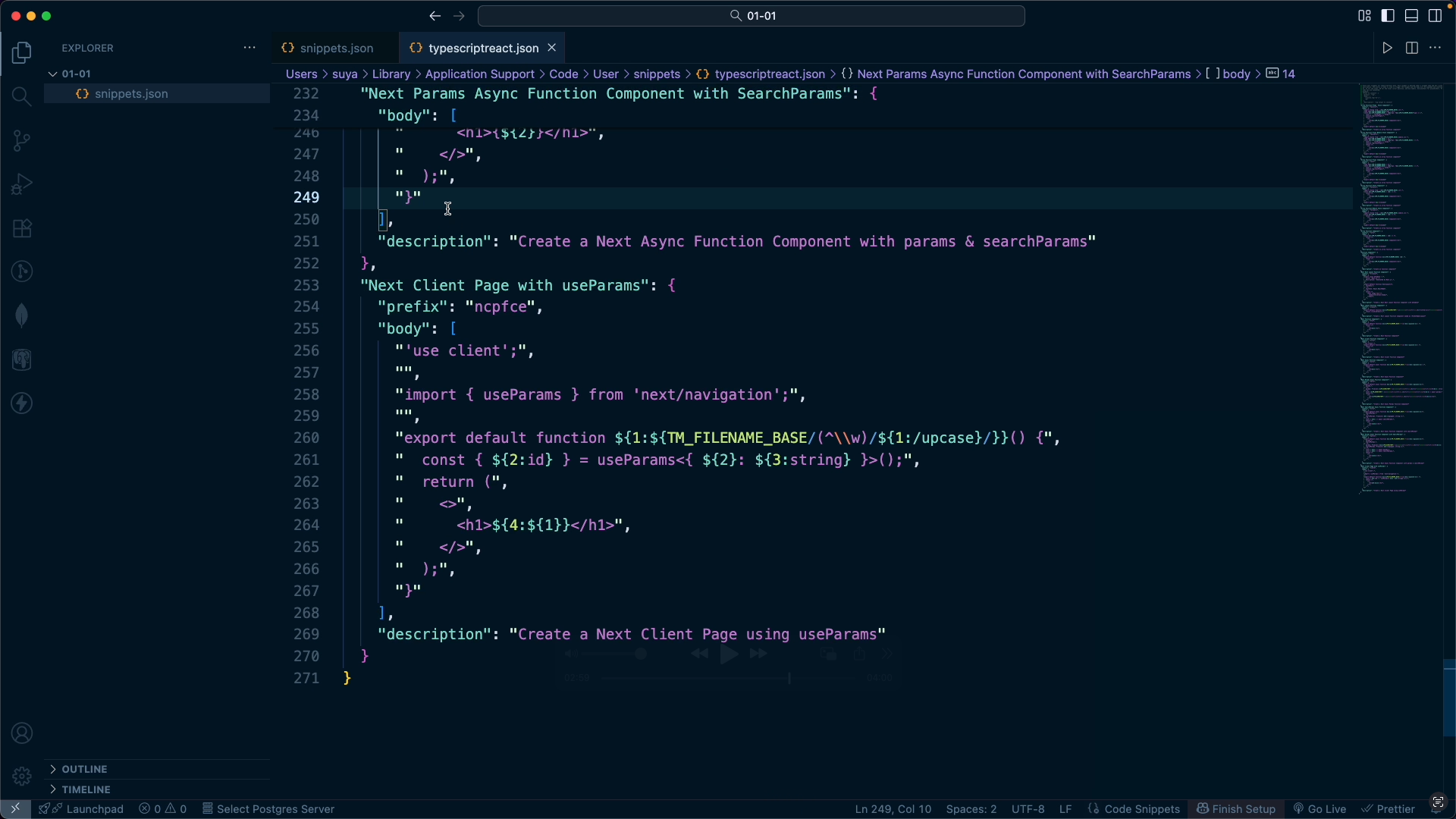
We will cover how to download the example code used throughout the course, guidance on the development environment to increase practice efficiency, and how to register custom snippets to reduce repetitive tasks.

Section 02 - Getting Started

In this section, we will examine the concepts of Next.js step-by-step from the beginning and cover the process of actually starting a project.
After understanding what kind of framework Next.js is, we will compare the differences between the direct installation method and the CRA-based installation method and summarize their respective characteristics. Then, we will examine the basic folder structure and file roles of the created project and organize the structure once more before proceeding with the practice.

Library vs. Framework

Concepts of Library and Framework

Section 03 - Server Components and Client Components

In this section, we will dive into the core concepts of Next.js: Server Components and Client Components.
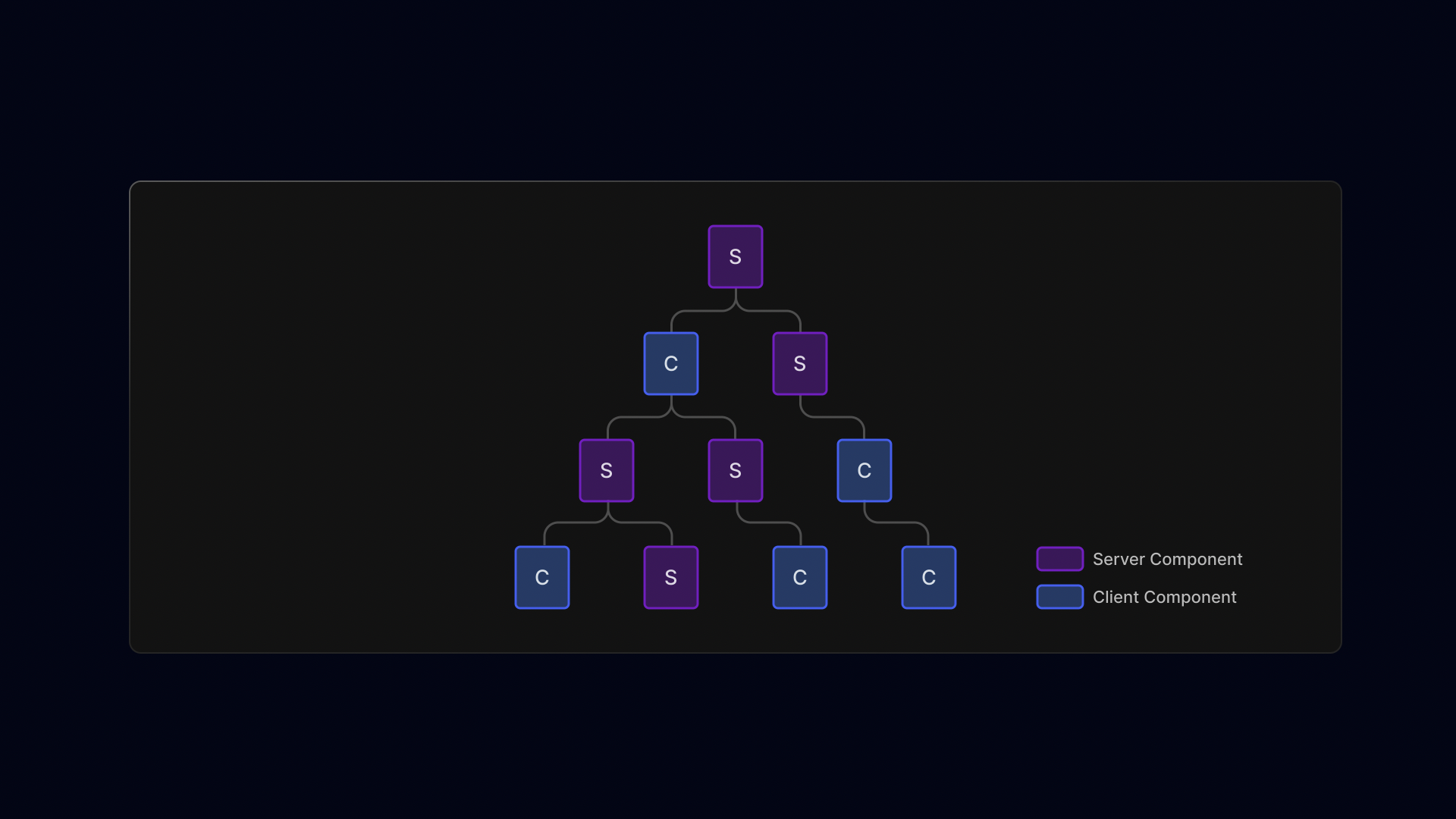
We will understand the respective roles of these two components and examine step-by-step how they are created and based on what criteria they are placed.

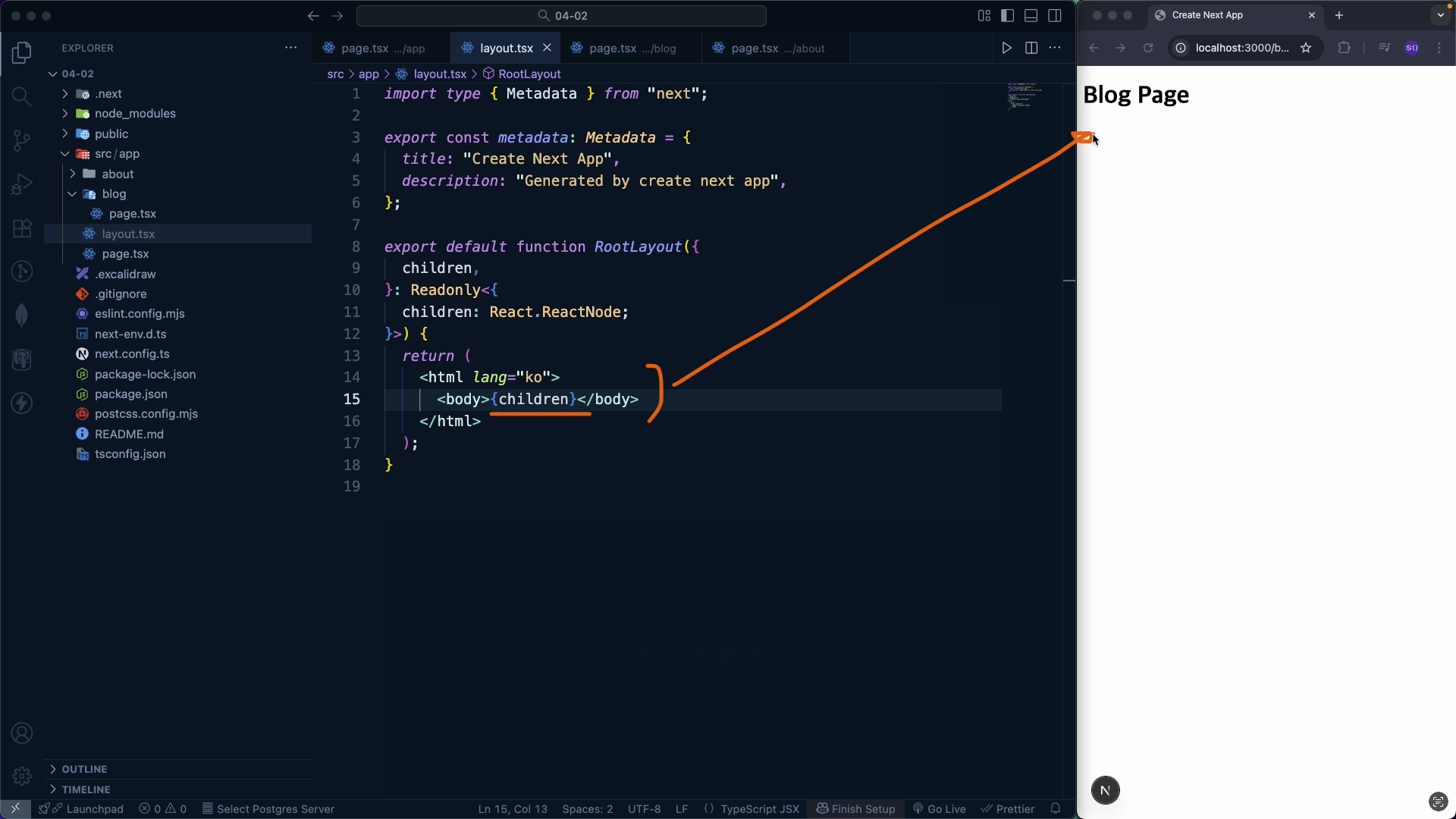
It also explains how to import Server Components within Client Components and how children work within a layout structure.

Finally, we will address the misconceptions about Client Components and hydration errors that many developers find confusing,
and gain hands-on experience in designing how to divide Server and Client Components in a real project through a To-Do list app practice.

Server Components

Core Strategies for Component Trees

Section 04 - App Router

In this section, we will systematically organize the operating principles and routing structure of the Next.js App Router.
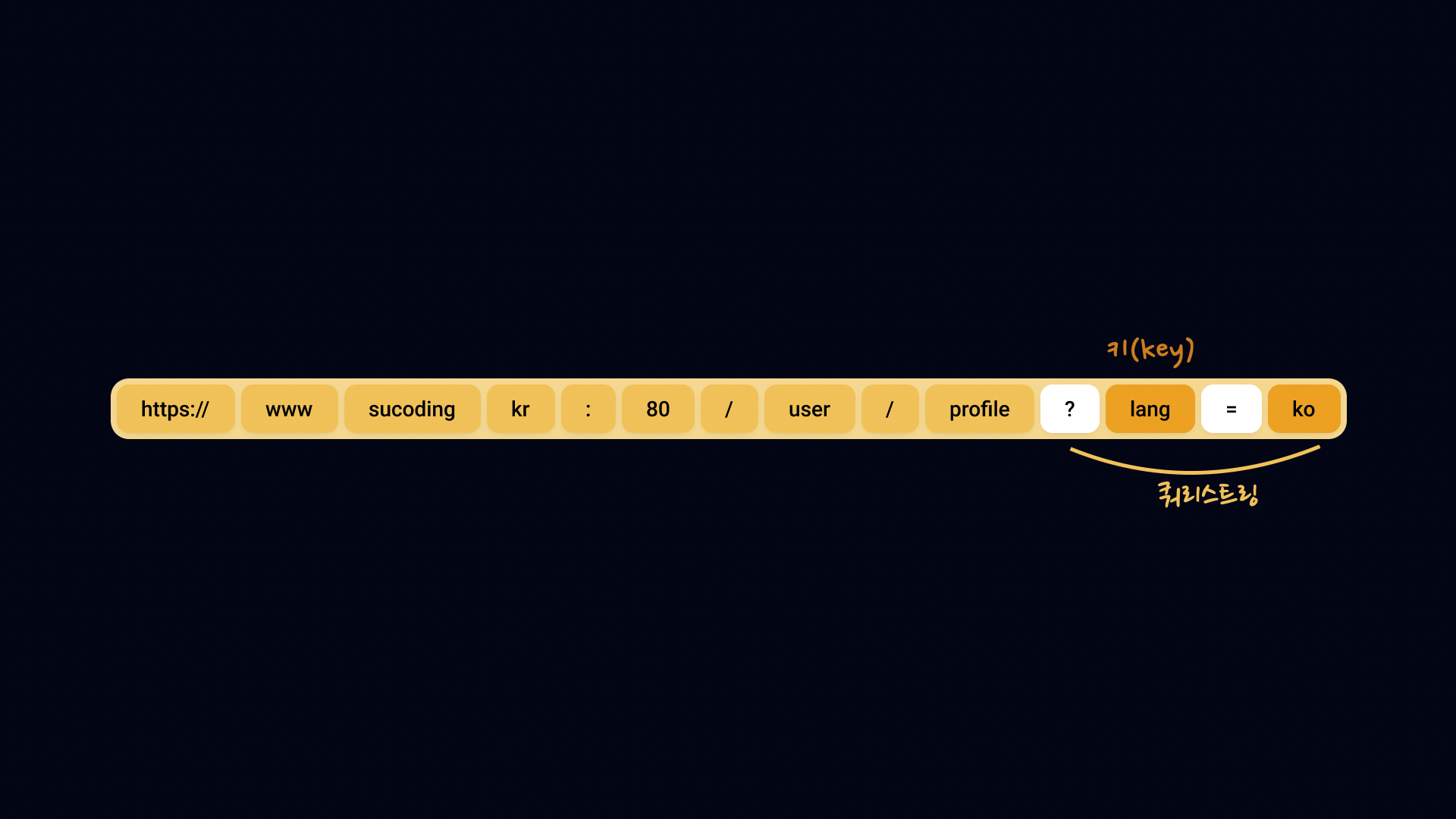
After understanding how the URL structure maps to folders, we will examine core routing methods such as basic routes, nested routes, and dynamic routes in order.

Additionally, you will learn how to handle query strings and design folder structures using private folders and route groups,
and clearly define the differences and usage criteria for route transition methods using Link and useRouter.

Finally, you will complete the entire App Router workflow through a hands-on mission where you design and implement routes yourself.

URL Structure

App Router Flow

Section 05 - Special Routing Files

In this section, we summarize the roles and operating methods of the key routing special files used in the Next.js App Router
.

We will examine how to handle error situations through not-found and global-not-found,
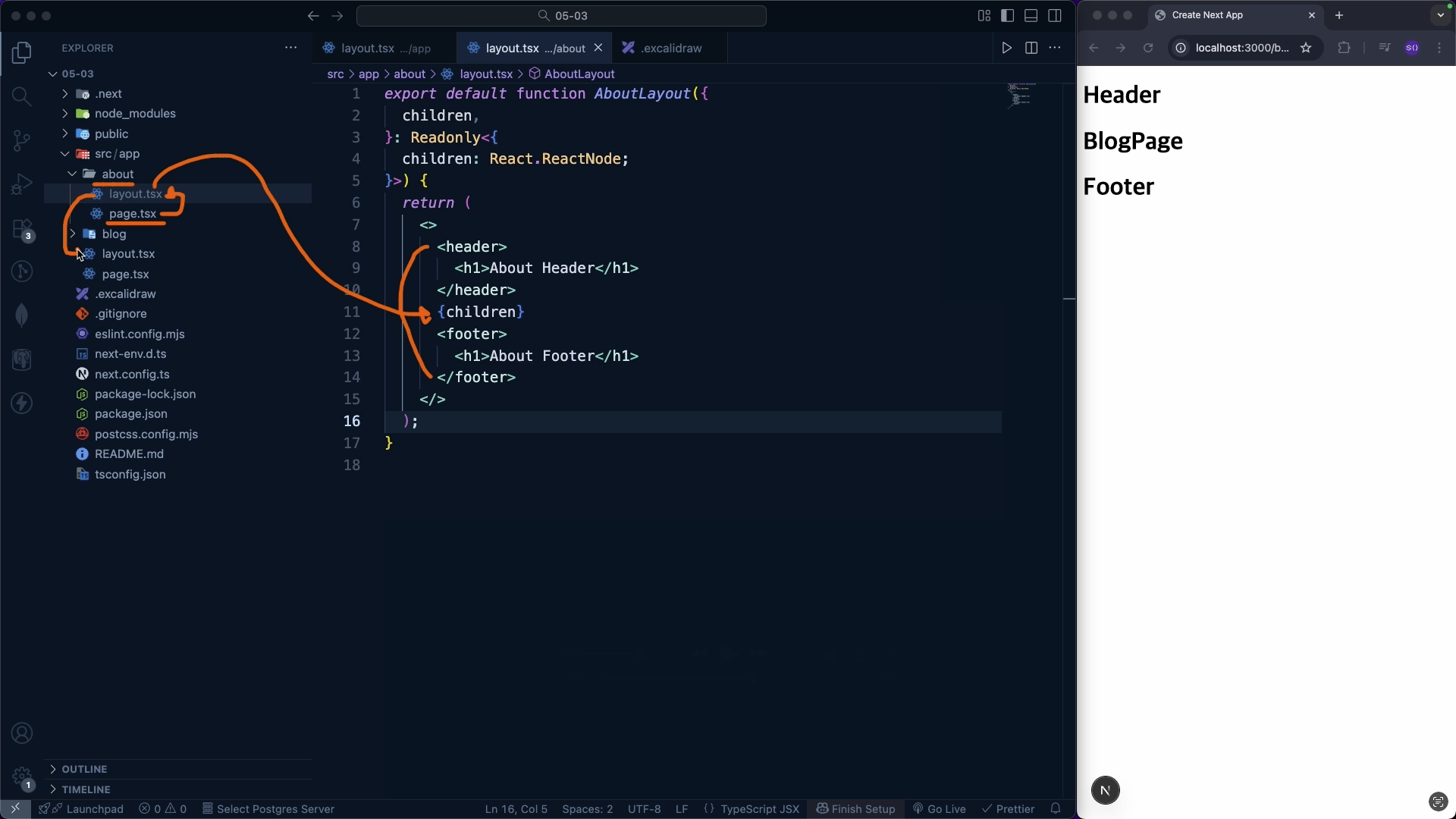
and understand the criteria for layout reuse and initialization by comparing the differences between layout.tsx and template.tsx.

Additionally, we will summarize how to design loading states and error boundaries through loading.tsx, error.tsx, and global-error.tsx, and gain practical experience using special routing files in real projects by separating and applying layouts through missions.

Layout

(Mission) Separating Layouts

Section 06 - Setting Up Metadata

In this section, we will take a step-by-step look at how to set up metadata in the Next.js App Router.
First, you will learn the basic method of setting metadata using the metadata object, and understand how metadata is merged and inherited across pages through the title, absolute, and default options.

Afterward, we will look into the method of dynamically generating metadata based on data using the generateMetadata function,
and summarize the metadata processing flow and the latest changes in the React 19 environment.

Through this, you will establish practical metadata design standards that consider both SEO and user experience.

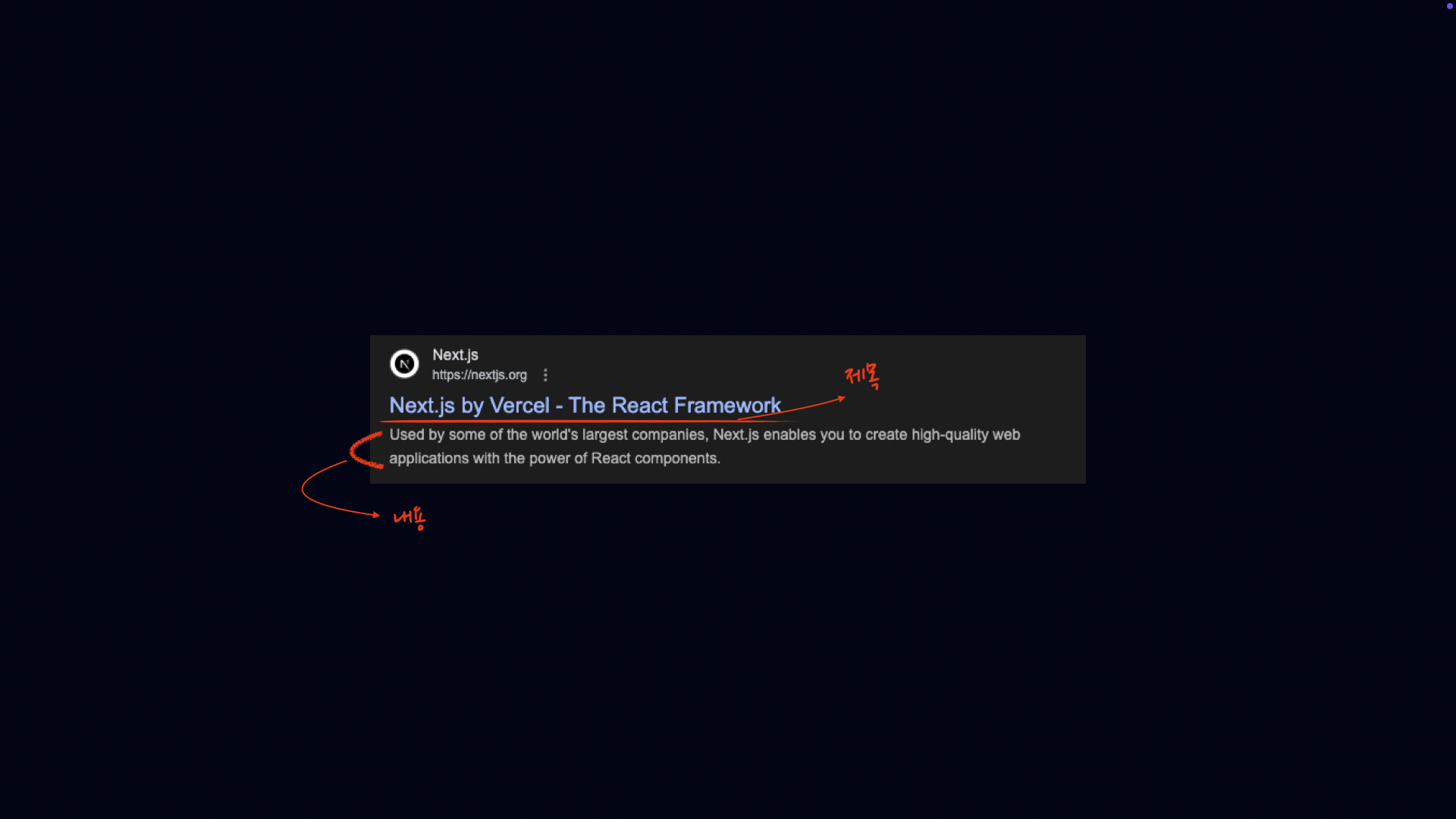
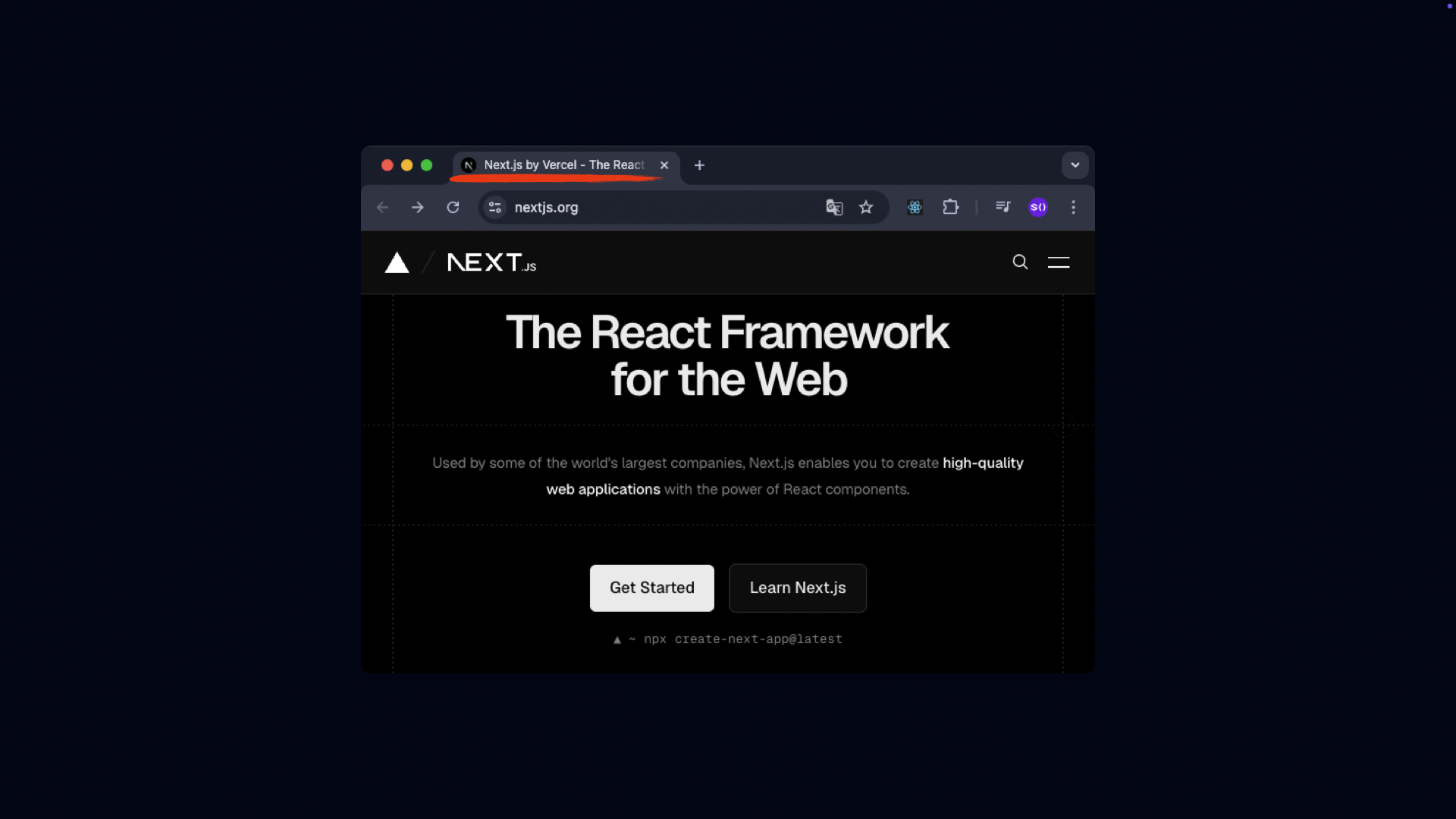
Uses of Metadata

Browser tab title

Section 07 - Data Fetching

This section focuses on how to fetch data in the Next.js App Router environment.
First, we will understand how the fetch API works within Server Components and organize loading states and error handling based on Server Component standards.

Afterward, we will compare data fetching methods using the use hook with methods for fetching data in Client Components, examining the roles and limitations of each approach.

In addition, we will consider data fetching strategies together to determine the criteria for choosing between server-side and client-side fetching in real-world projects.

Finally, through the mission, you will implement the data fetching logic yourself and wrap up by practicing a complete fetching flow that includes loading and error handling.

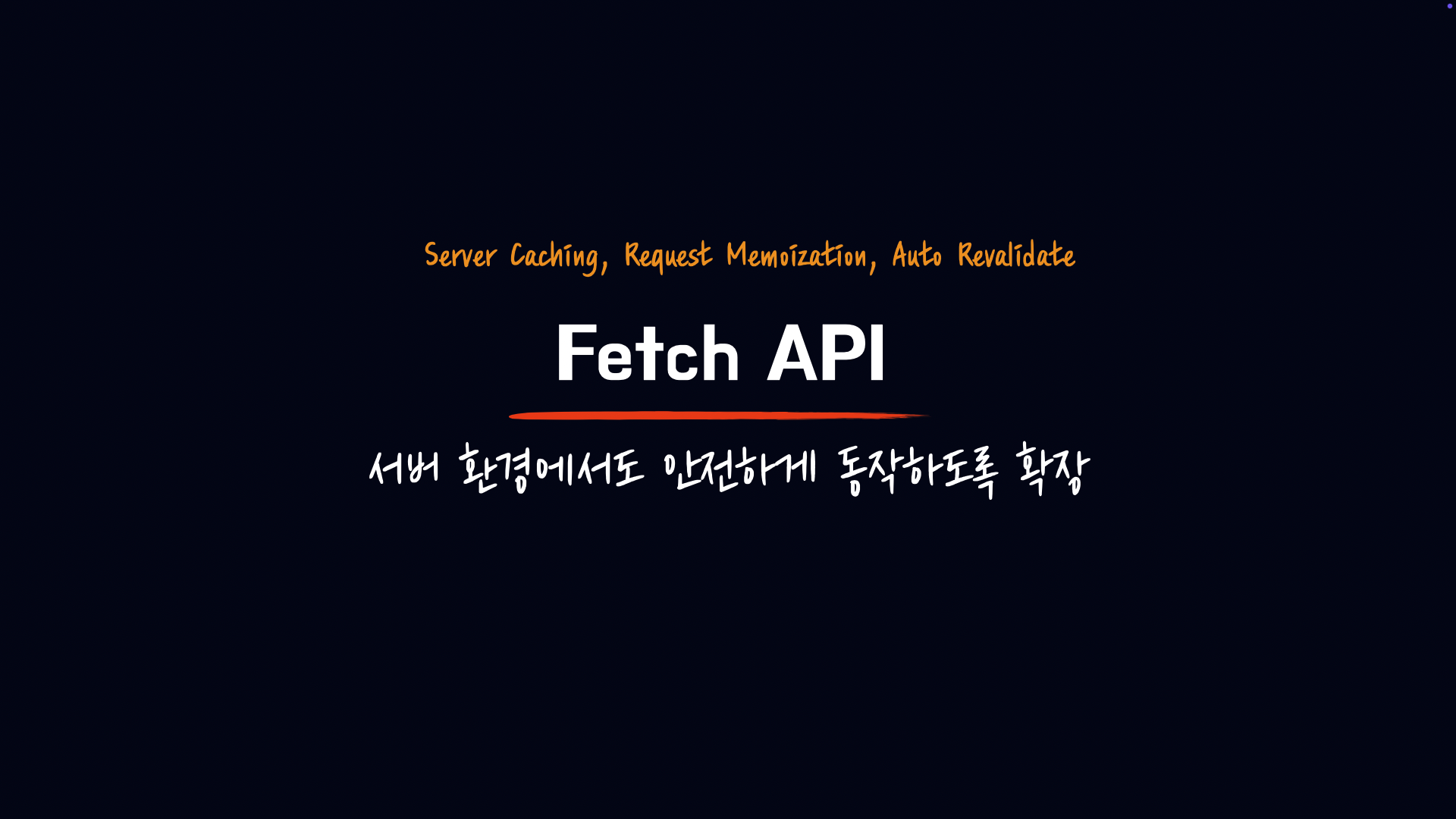
Fetch API

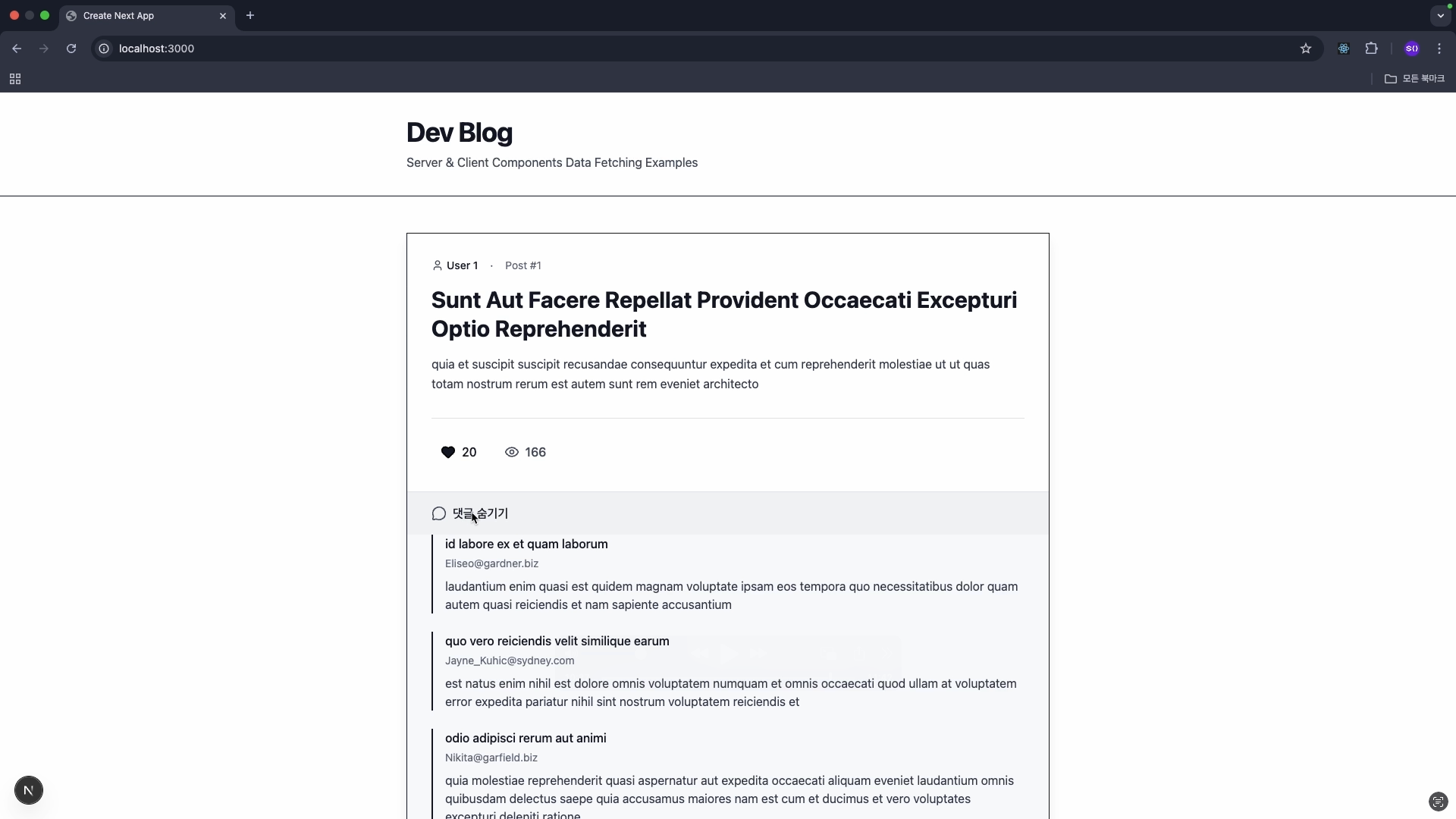
Mission! Data Fetch!

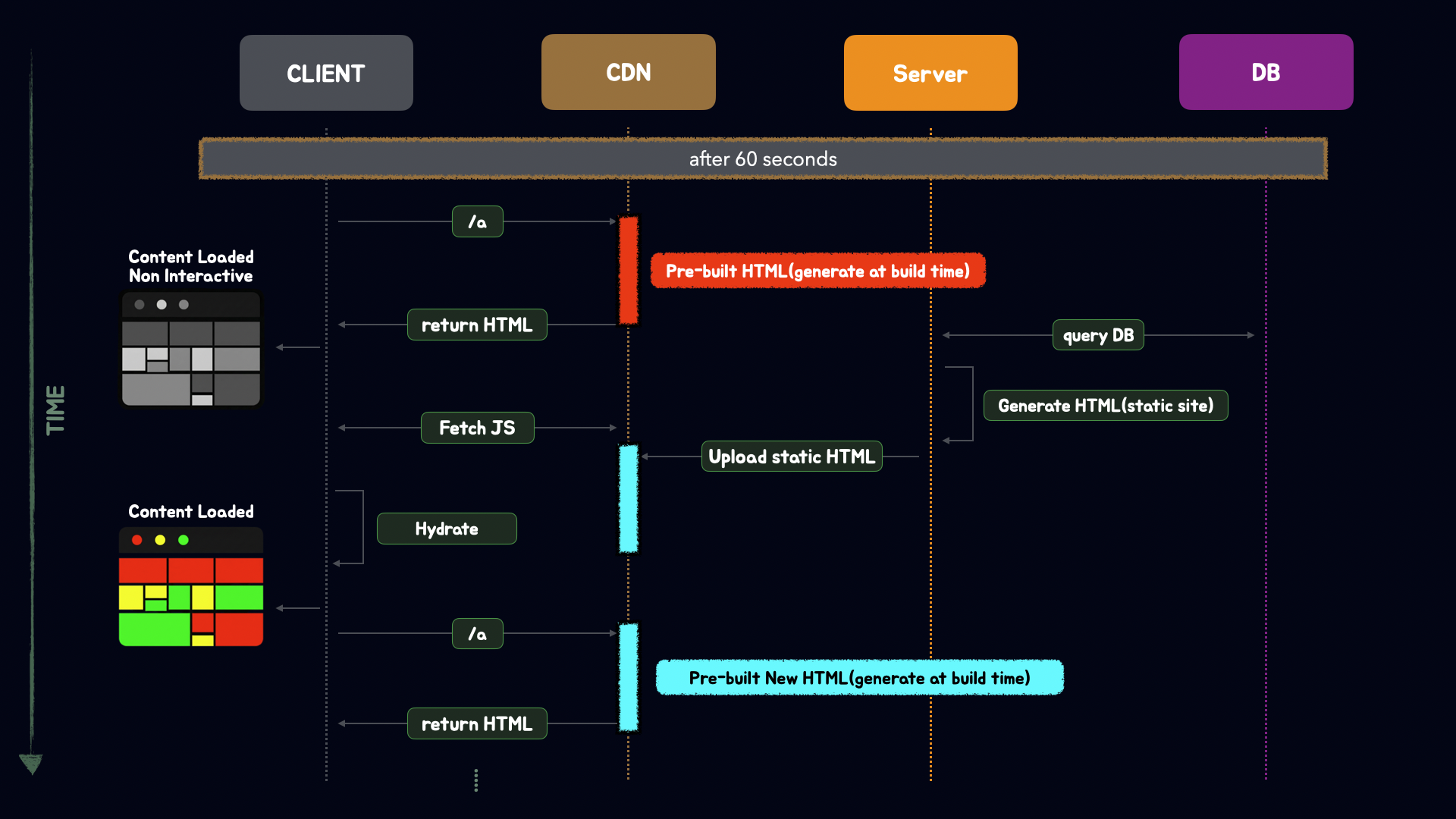
Section 08 - Rendering Strategies

In this section, we will review CSR, SSR, SSG, and ISR—the representative rendering strategies for web applications—from the perspective of the Next.js App Router.

After understanding when each rendering method is executed and what output it produces,
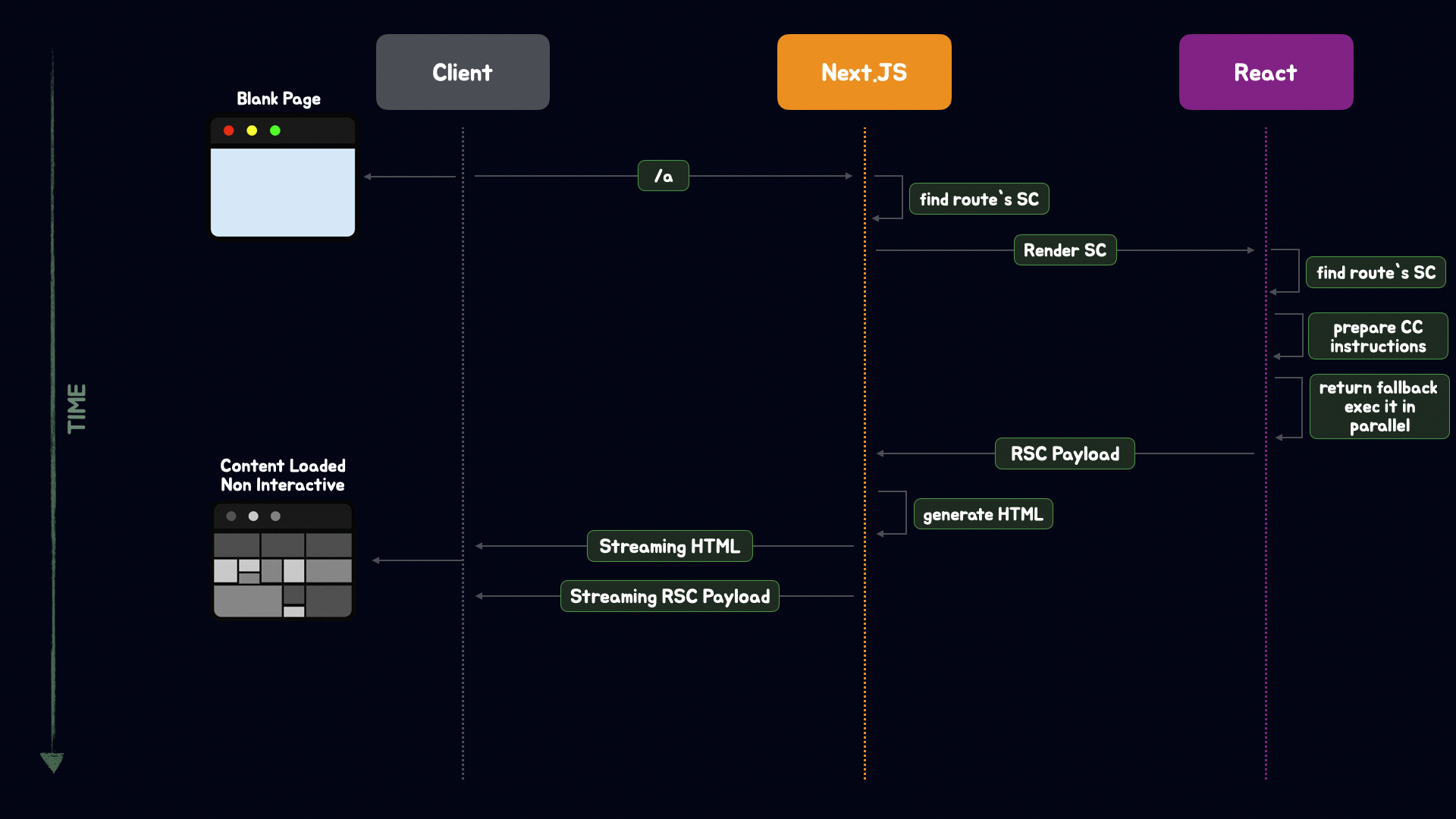
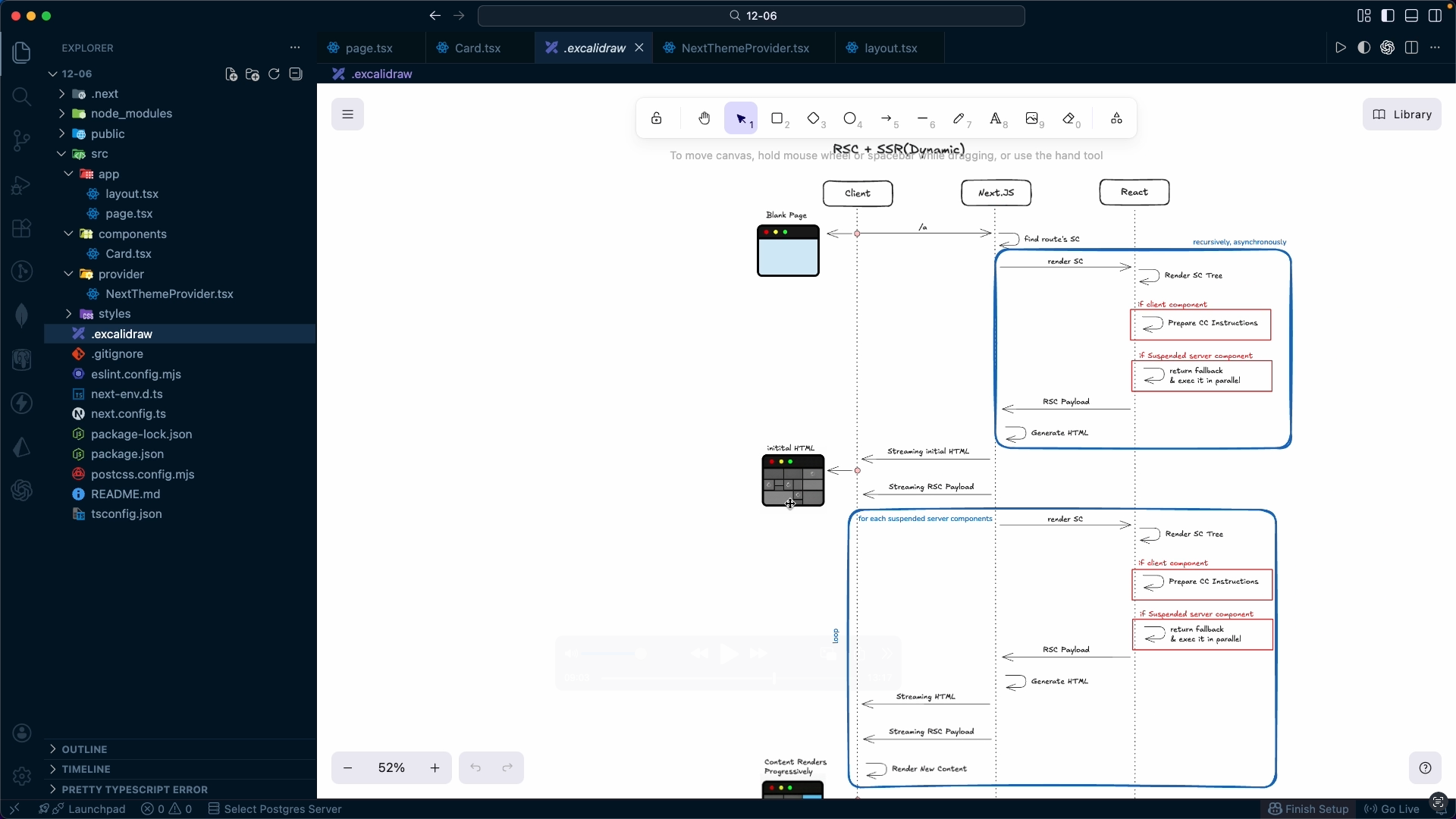
we will examine step-by-step how React Server Components (RSC) combine with existing rendering strategies.

In addition, we will cover practical exercises on how to directly verify whether a page is rendered statically or dynamically in a real project, and summarize the criteria for accurately determining rendering strategies by looking at situations easily mistaken for CSR and common mistakes.

Finally, we will verify ISR rendering firsthand and consider how to strike a balance between performance and data freshness.

ISR Rendering

RSC Rendering

Section 09 - Cache

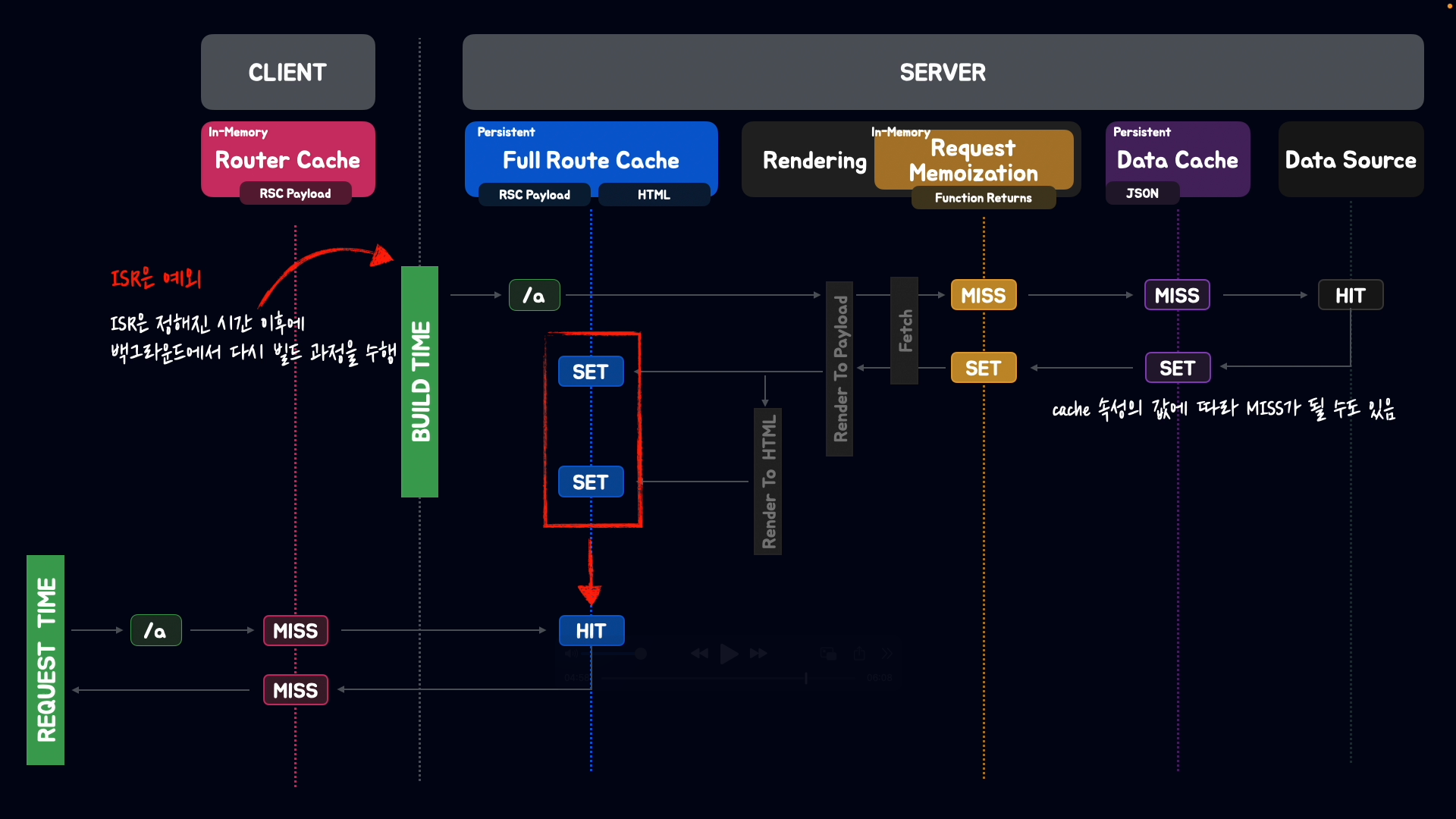
In this section, we will systematically organize Next.js caching strategies.

First, we will conceptually understand the four caching layers provided by Next.js and examine when caching occurs and when it is invalidated, focusing on the Data Cache.

Afterwards, you will directly implement on-demand invalidation by utilizing revalidatePath and revalidateTag alongside Server Actions. Beyond simply using the APIs, you will establish decision criteria for choosing the appropriate invalidation strategy for various situations.

In addition, you will compare the differences between Request Memoization, Full Route Cache, and Router Cache to clearly understand where and in what scope each cache operates.

Finally, through a mission, you will apply caching strategies to a post list and a To-Do app, gaining hands-on experience to understand how caching actually works in practice.

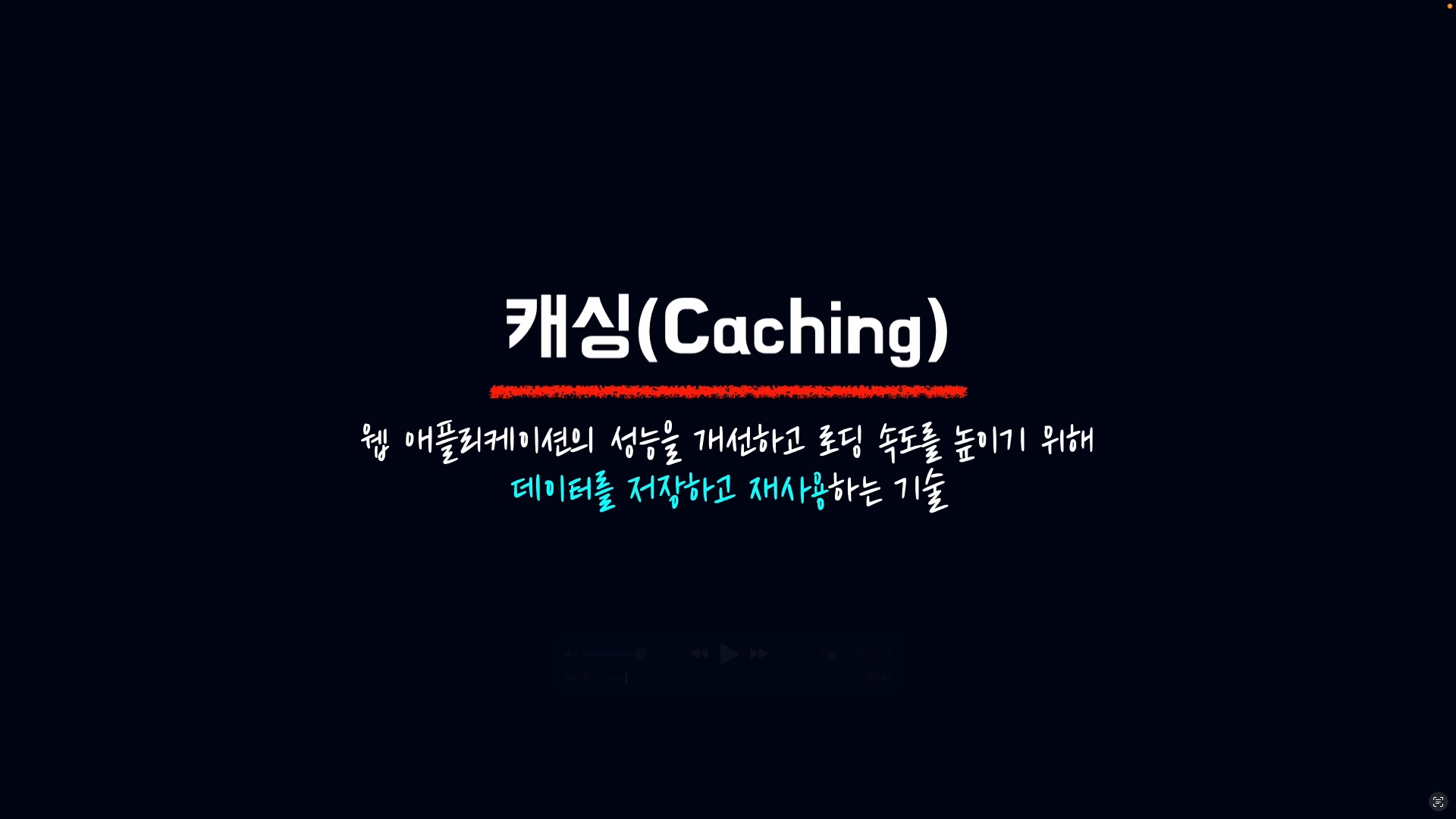
Caching

Caching Visuals

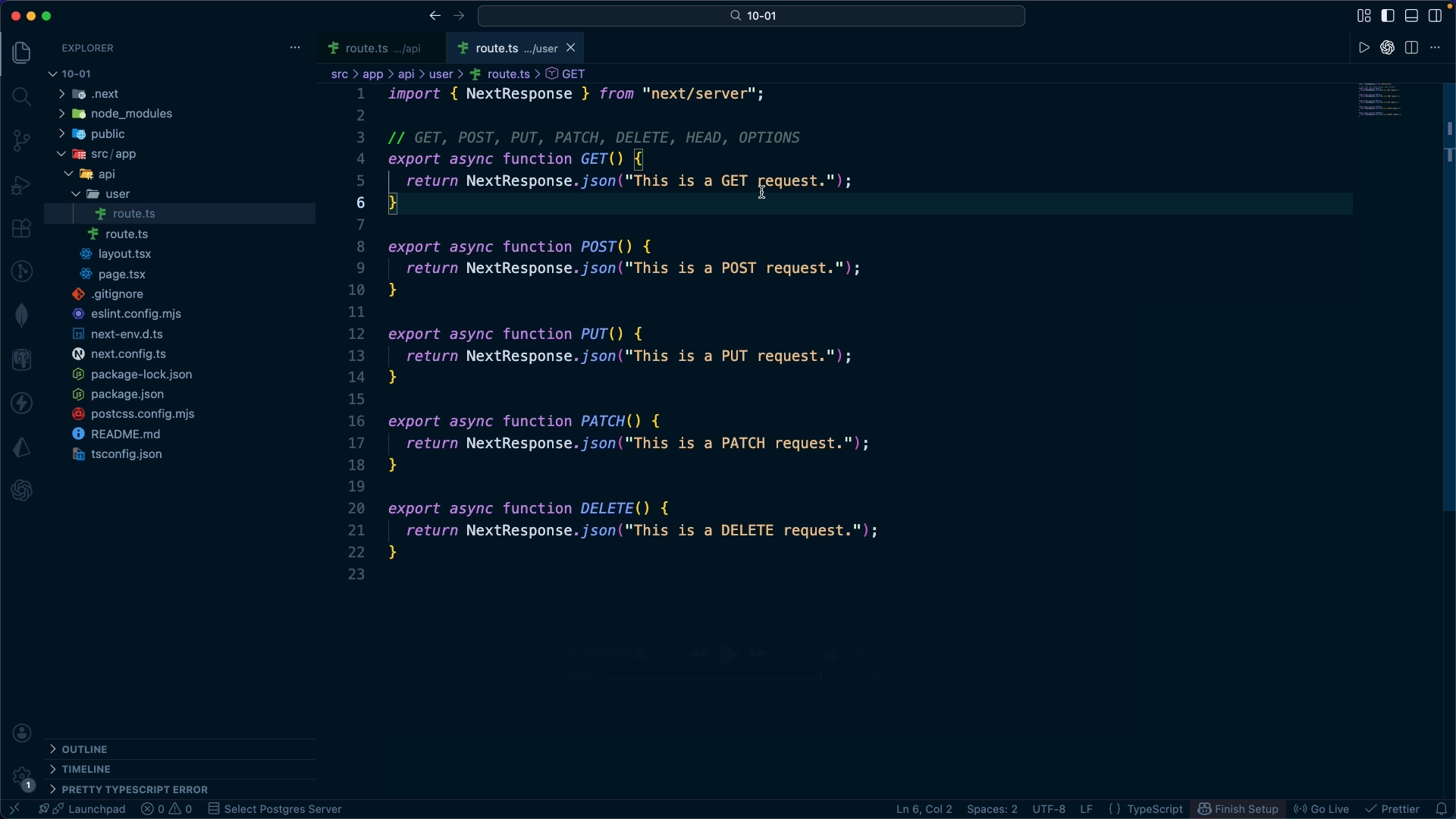
Section 10 - Route Handlers

This section covers how to implement server logic in the App Router environment.

After understanding the basic structure of route handlers, we will systematically organize how to handle query strings, dynamic segments, and body data. Next, we will practice reading and setting headers and cookies to see how authentication or user identification is processed at the server level.

In addition, we will cover caching strategies in route handlers, learning how to design practical server processing flows that go beyond simple API implementation.

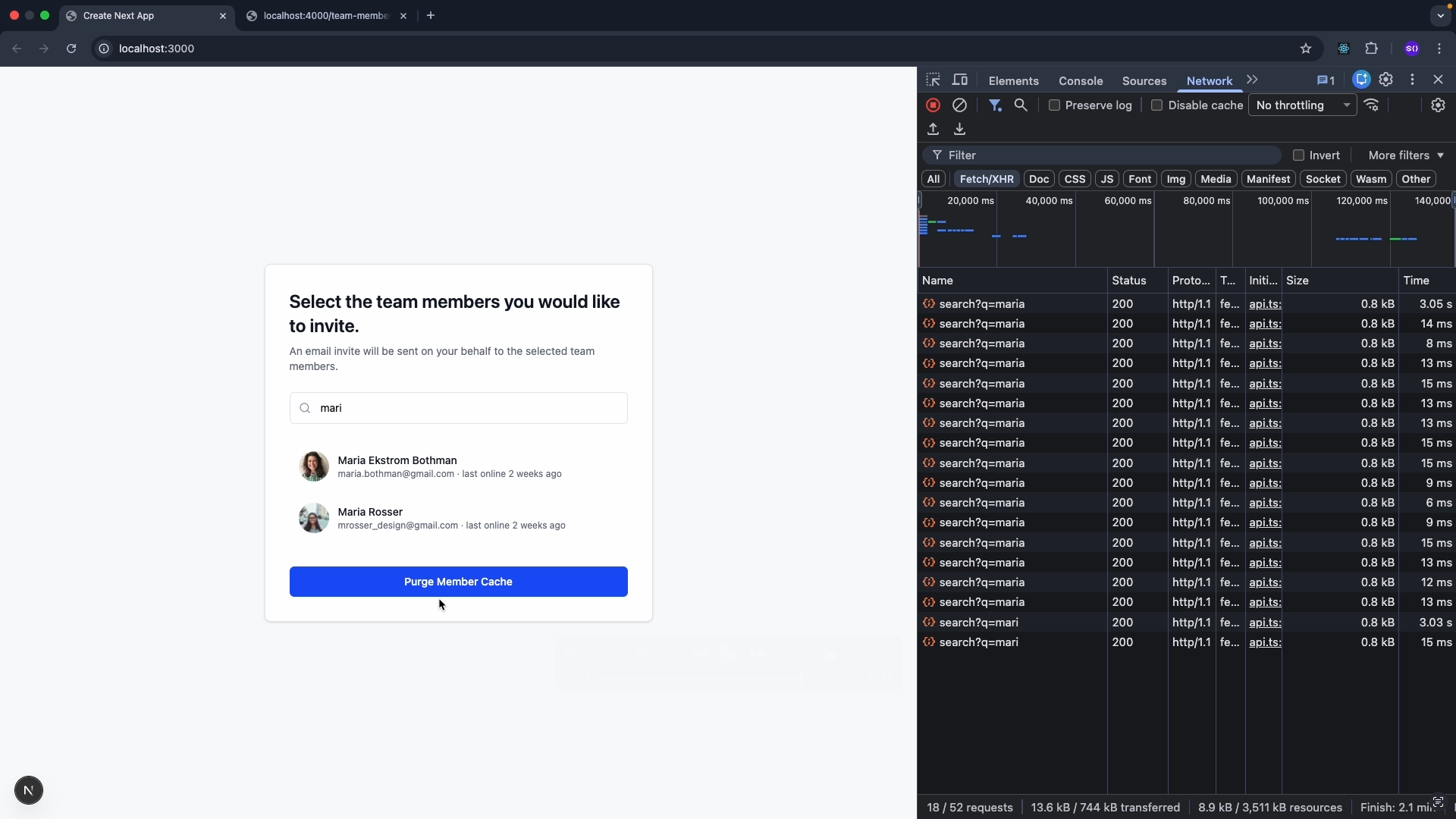
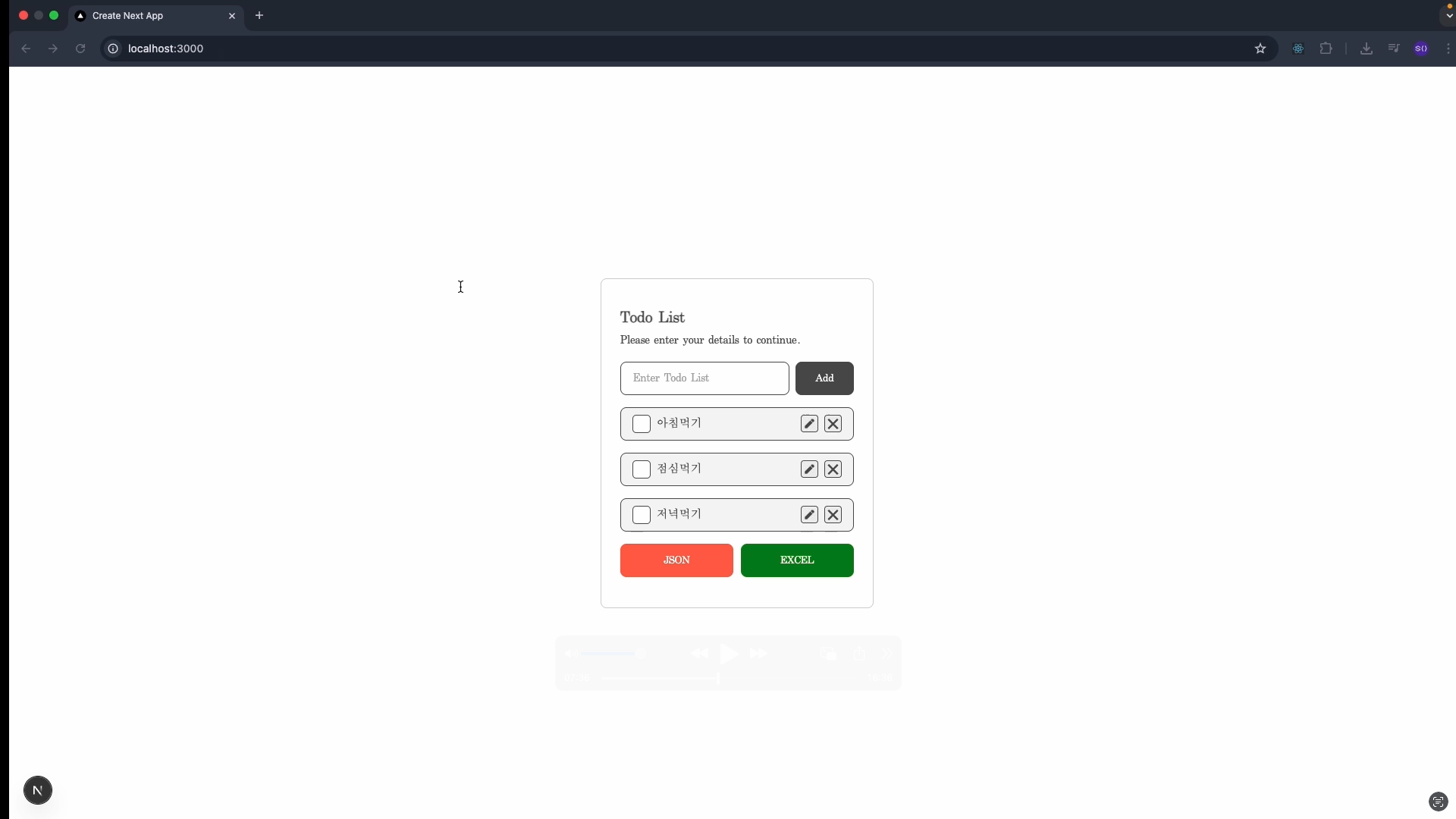
Finally, through the team invitation UI and Excel download mission, you will complete the workflow of collaboration between the server and the client.

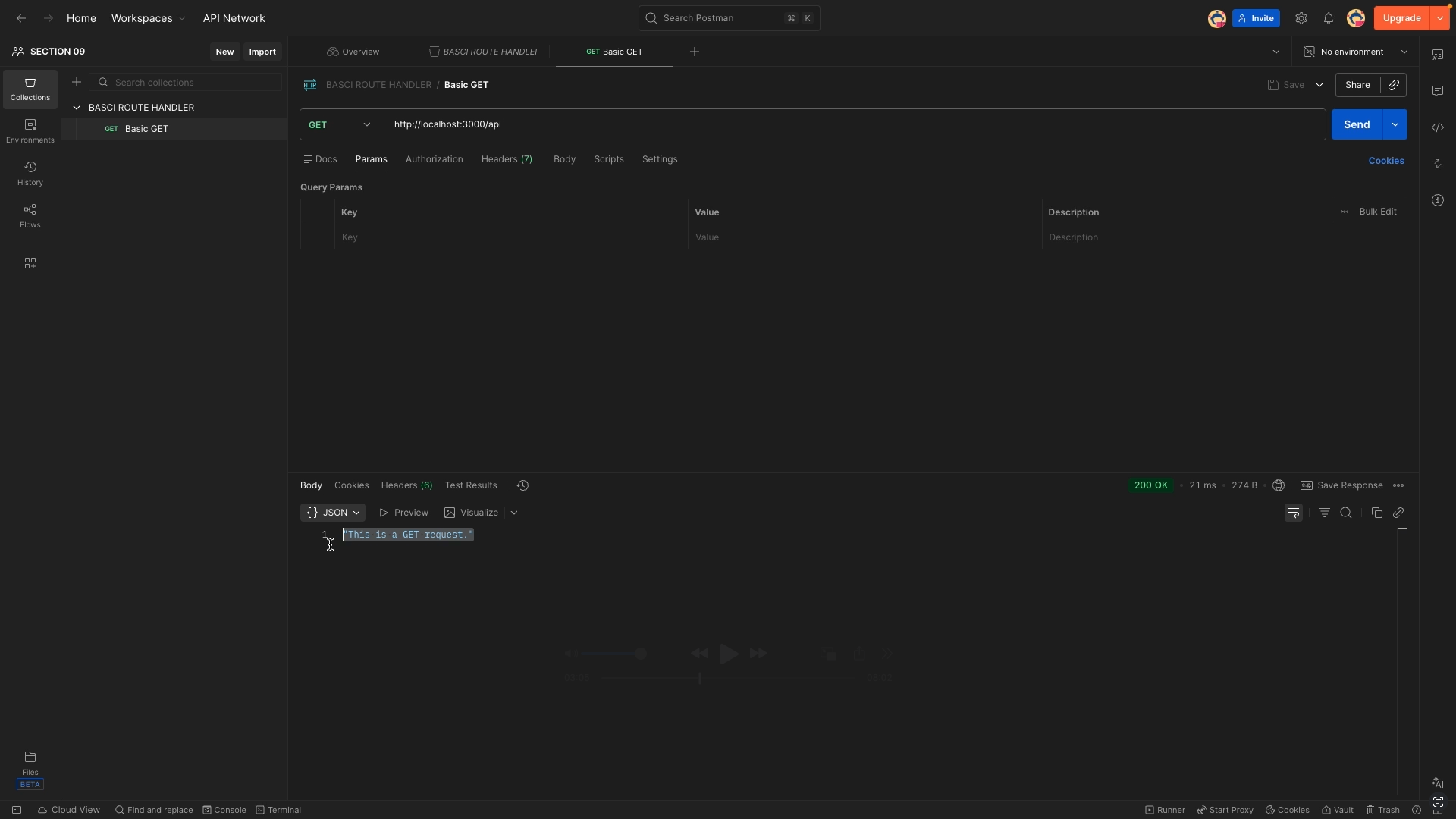
Using Postman

Understanding Route Handlers

Section 11 – Images and Fonts

This section covers Next.js optimization strategies.

First, we will understand the internal working principles of the next/image component and examine how 1x/2x ratios and srcset are generated. Then, we will practice how to efficiently provide images in a responsive environment using the sizes attribute.

We will also apply web and local fonts using next/font and examine how font loading strategies relate to layout shifts. Finally, we will complete the process by integrating with Tailwind to apply optimization strategies in a real-world project.

Team Invitation Mission

Download Task Management Excel

Section 12 – Global Client State Management and Theme Changes

In this section, we will comparatively analyze global state management strategies.

First, we will understand the limitations of the props drilling pattern and summarize basic global state management methods using the Context API. Next, we will compare Redux Toolkit and Zustand patterns, outlining their respective pros and cons and when to use each.

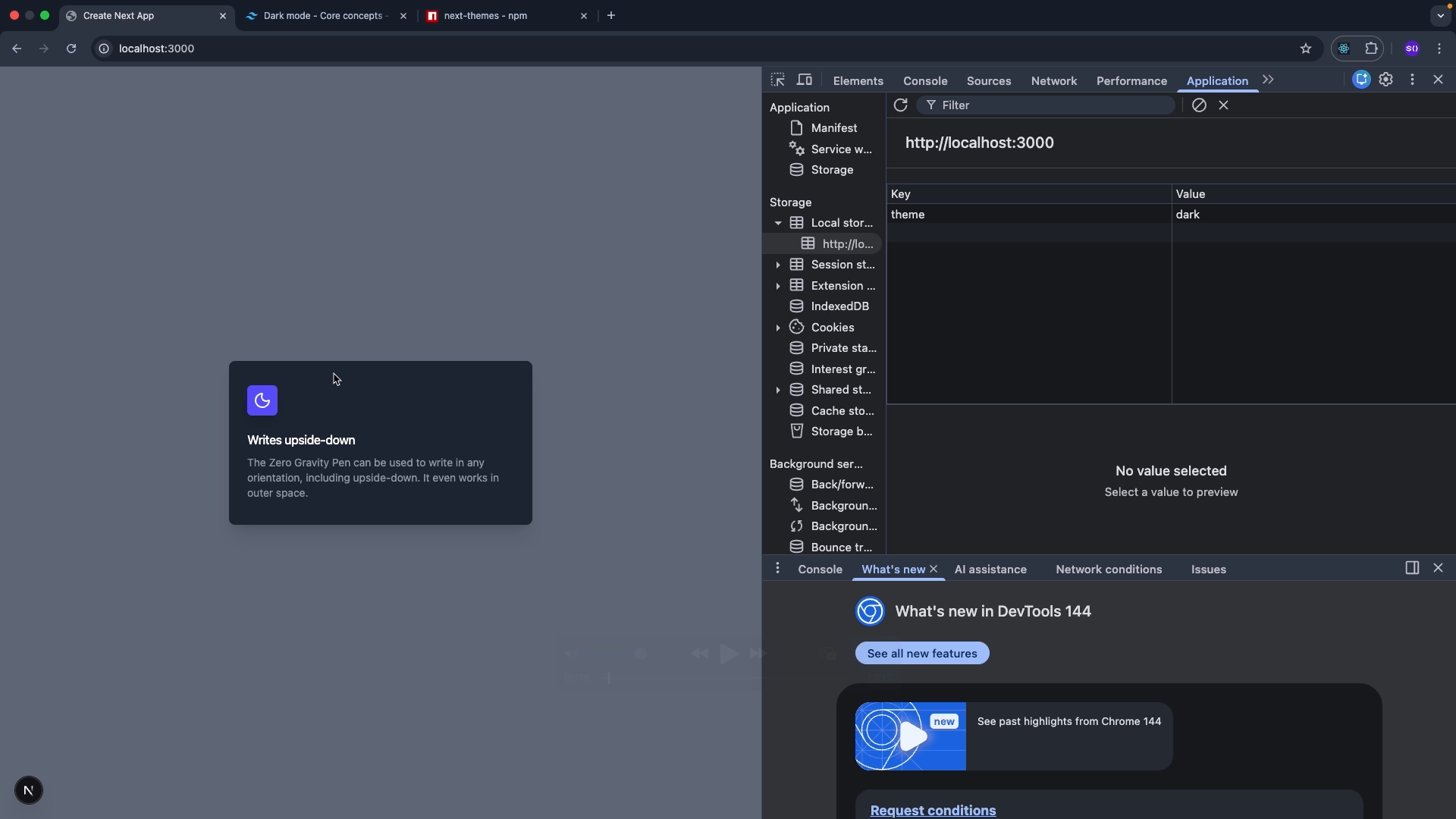
It also covers implementation methods for Tailwind-based dark/light modes and theme strategies using next-themes. Finally, through a calculator mission, you will implement state management and theme-switching logic in a practical way, gaining hands-on experience with the flow of global state design.

Applying Dark Mode

Why does the flickering phenomenon occur?

Section 13 – Building a Movie Site

In this section, you will integrally apply what you have learned so far through a hands-on project.

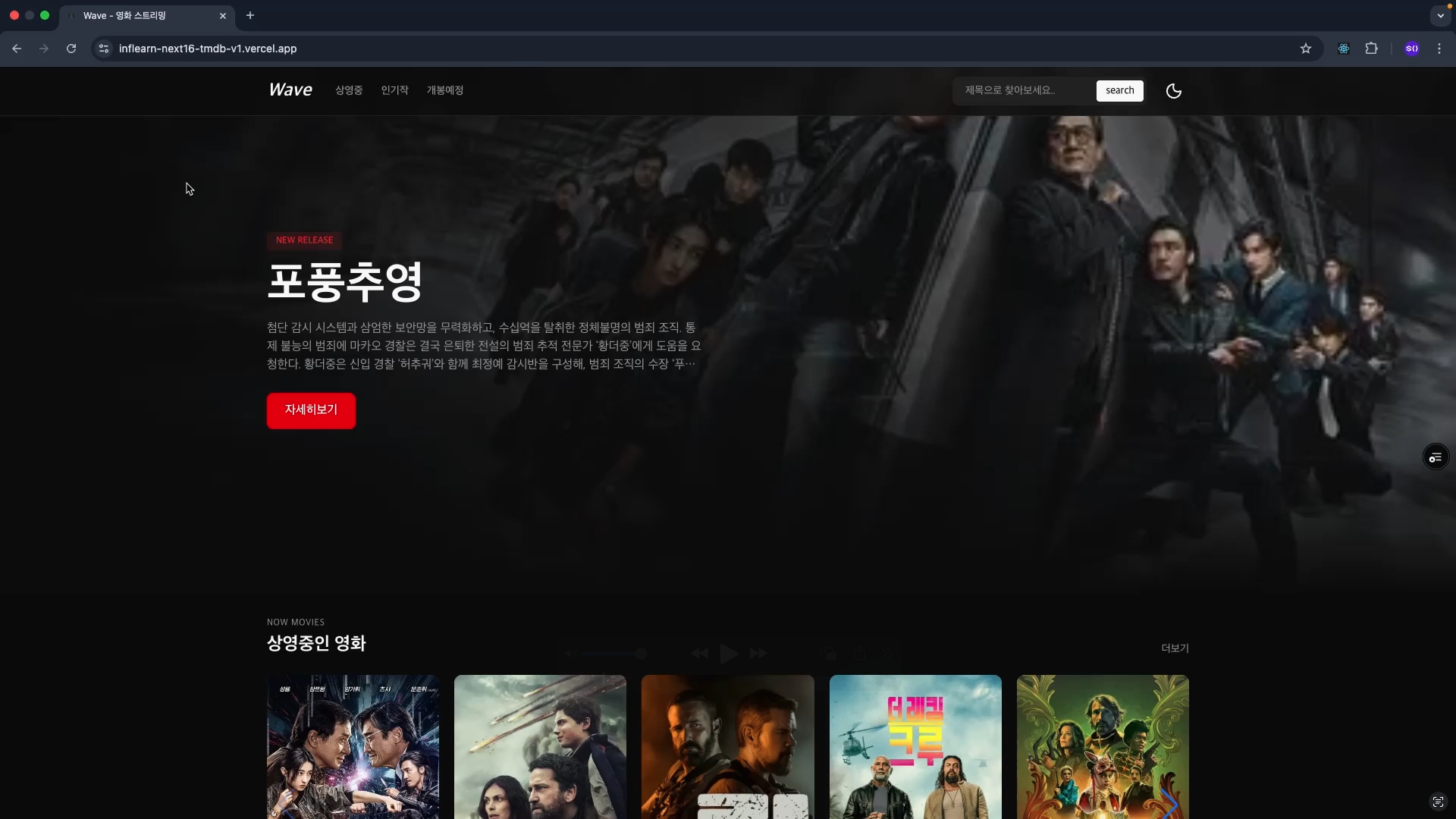
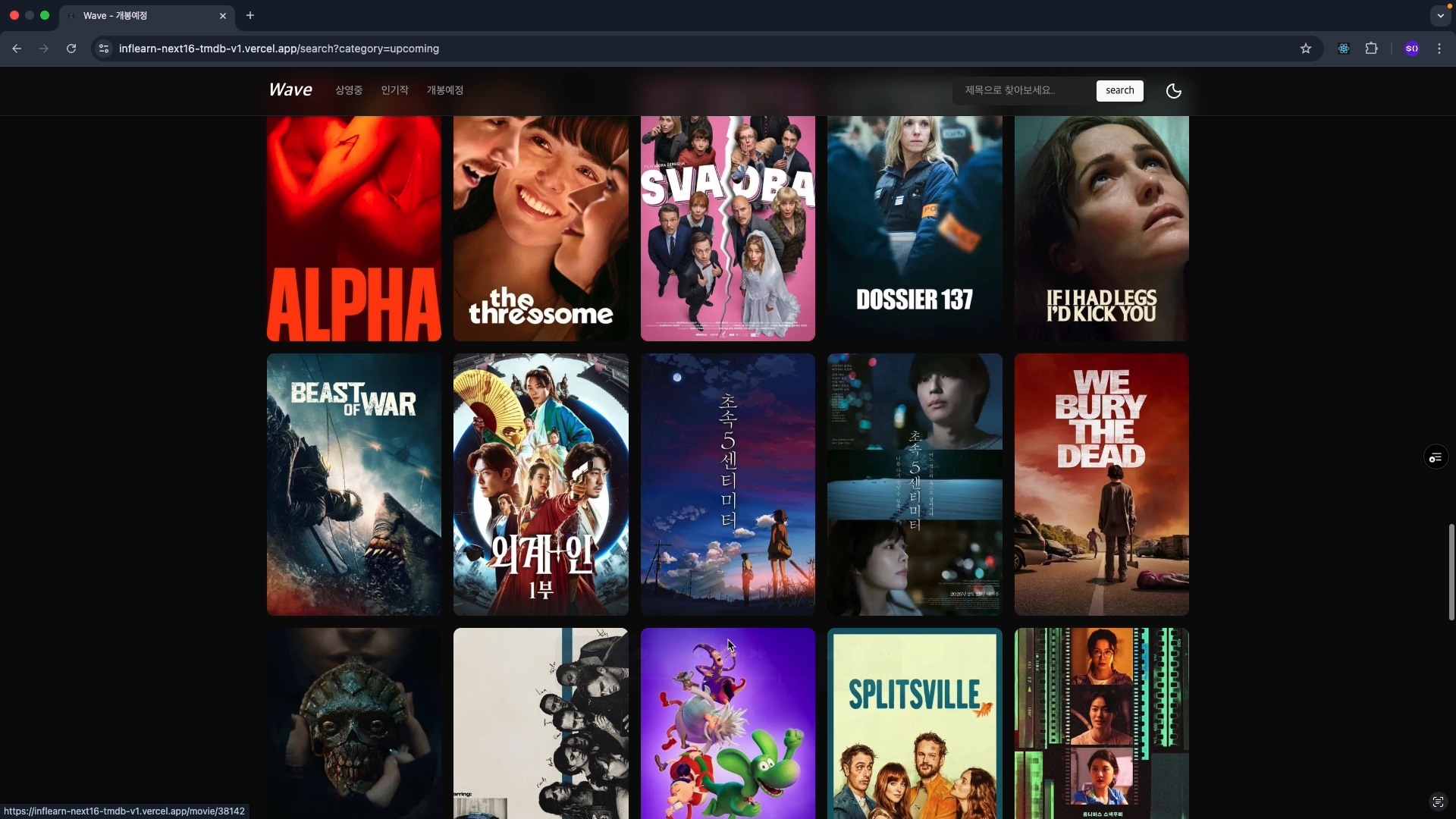
You will experience actual service architecture by implementing a main page, detail pages, and search functionality using the TMDB API. In this process, you will apply image optimization and data fetch caching strategies while also considering security handling methods.

Additionally, we will introduce TanStack Query to compare and analyze client-side fetching strategies, gaining a clear understanding of the differences compared to server-side fetching. Finally, we will proceed with deployment and examine how rendering strategies change after deployment.

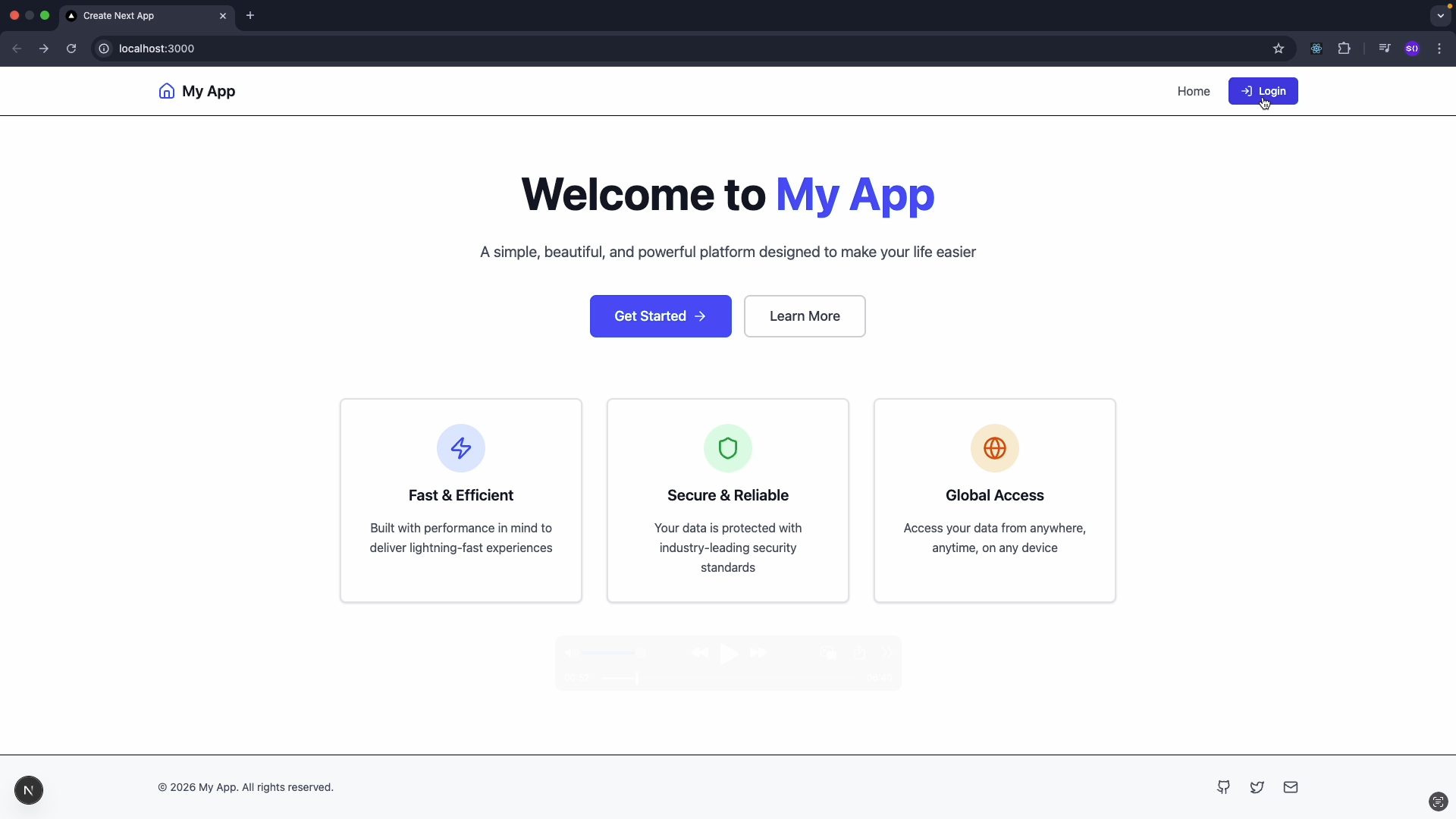
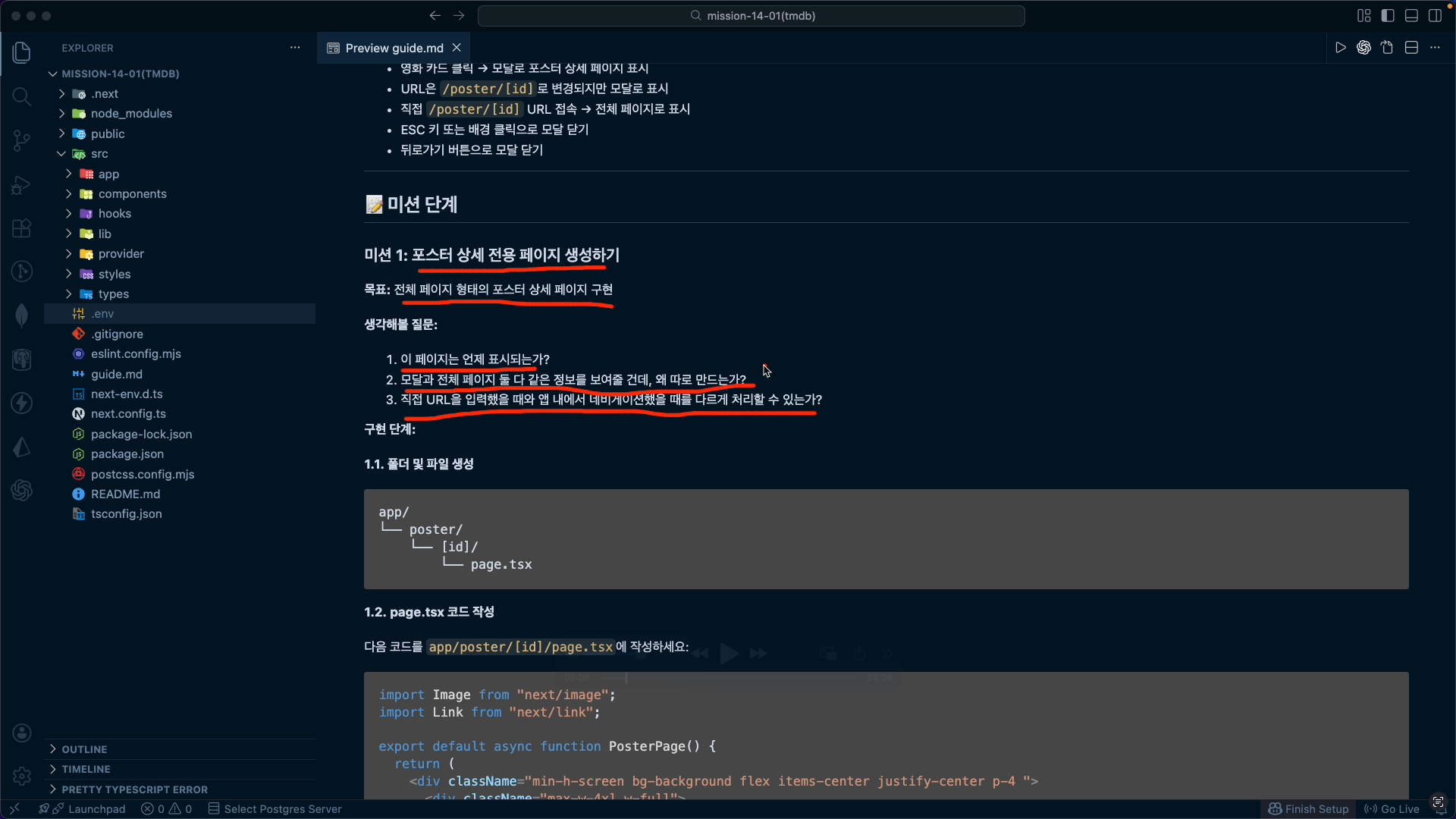
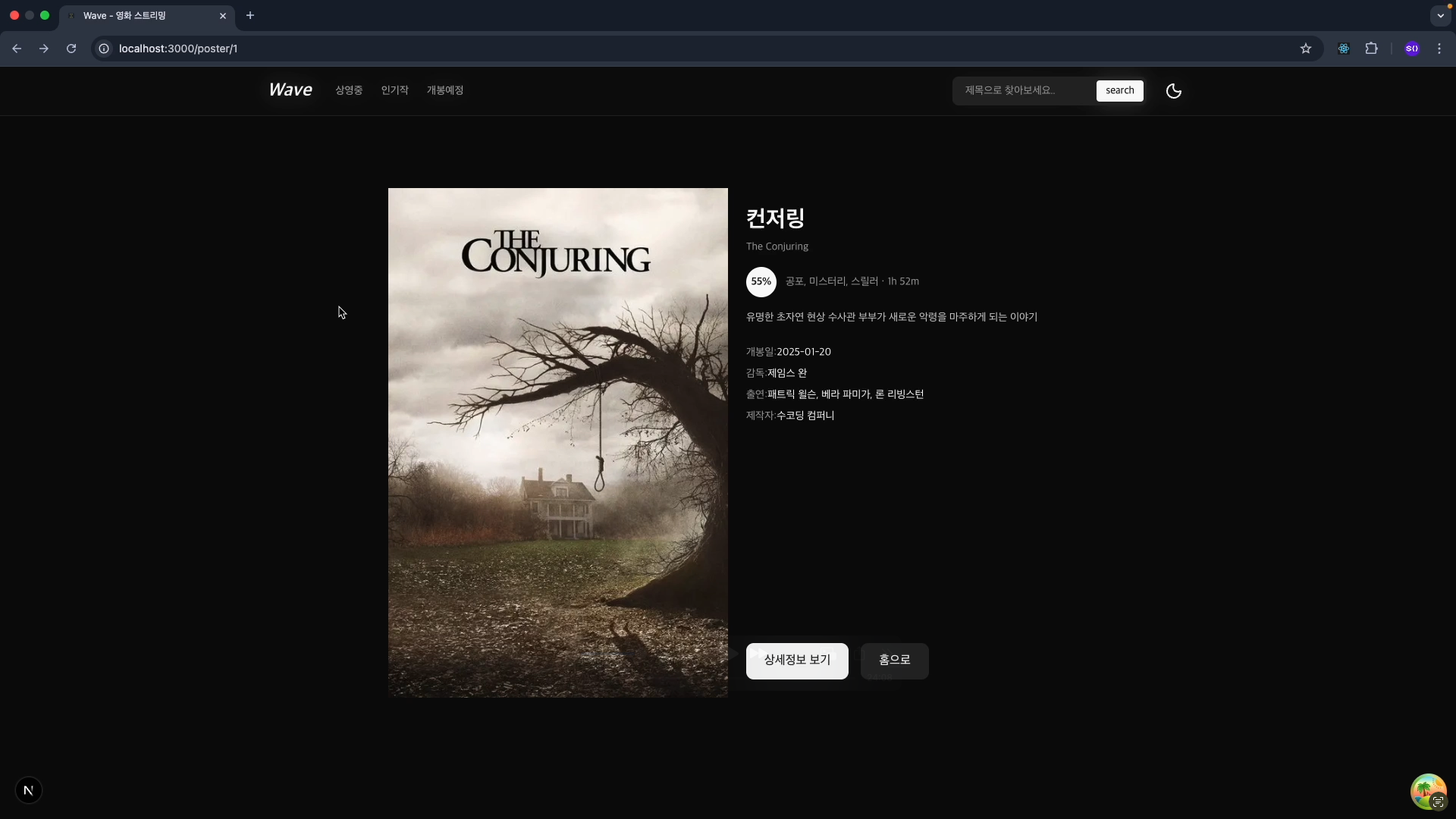
Movie Site

Movie Search Page

Section 14 – Advanced Routing Patterns

In this section, we cover Next.js advanced routing techniques.

Understand the concepts of Parallel Routes and Intercepting Routes, and apply them to a real project to implement a modal-based structure.

Rather than simply implementing features, we approach it from a design perspective to see how the route structure connects to the user experience.

Additionally, we will summarize how the router cache works within this structure and understand the relationship between advanced routing and caching strategies.

Finally, we will complete the practical application by expanding the movie site.

Advanced Routing

Expanding Advanced Routing

Section 15 – Cache Components

This section focuses on Cache Components, a core feature of Next.js 16.

Understand the principles of use cache-based caching and analyze the scope of influence of cache components.

Additionally, we will examine cases where caching is impossible and the impact of non-deterministic operations on the cache.

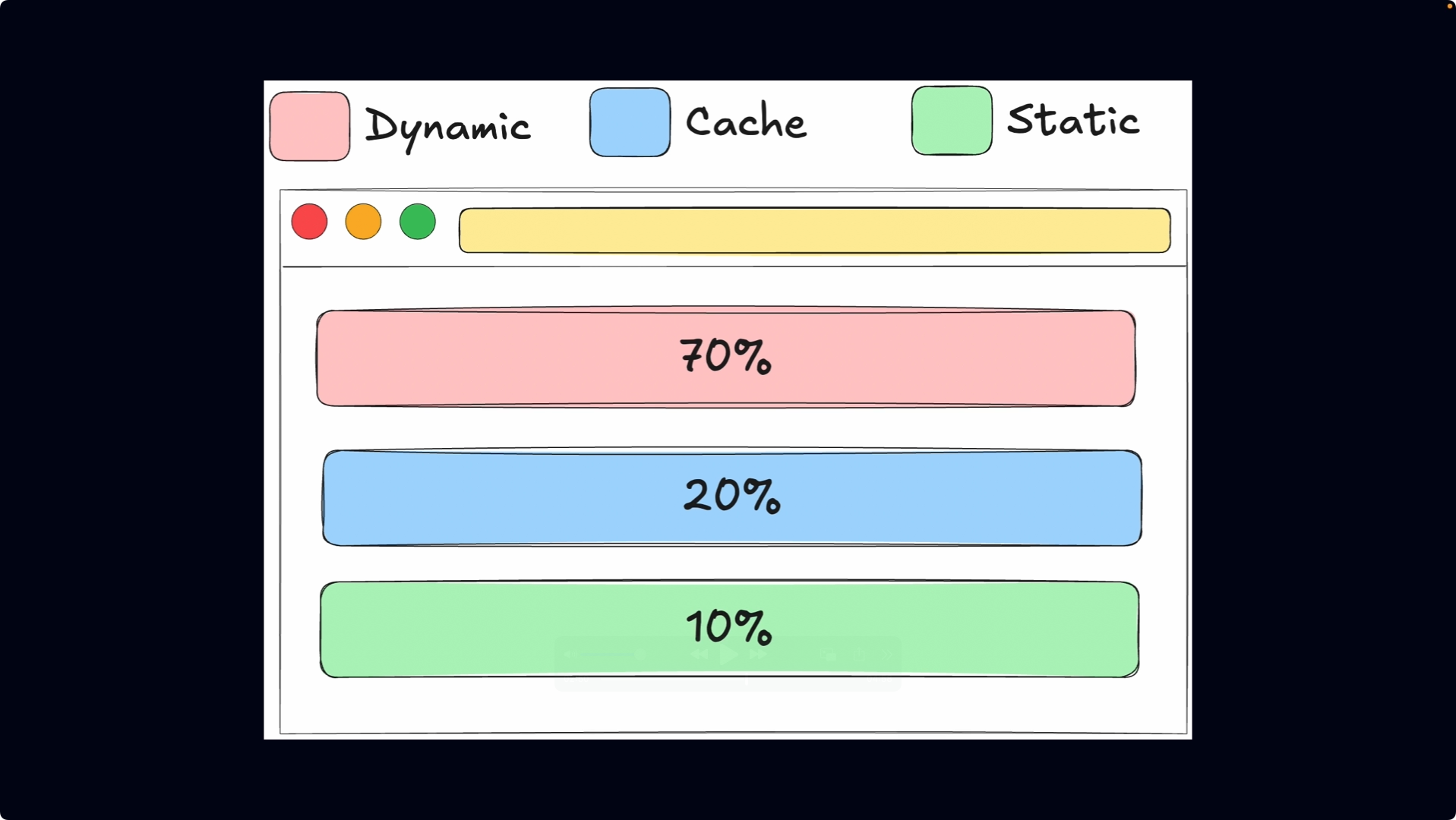
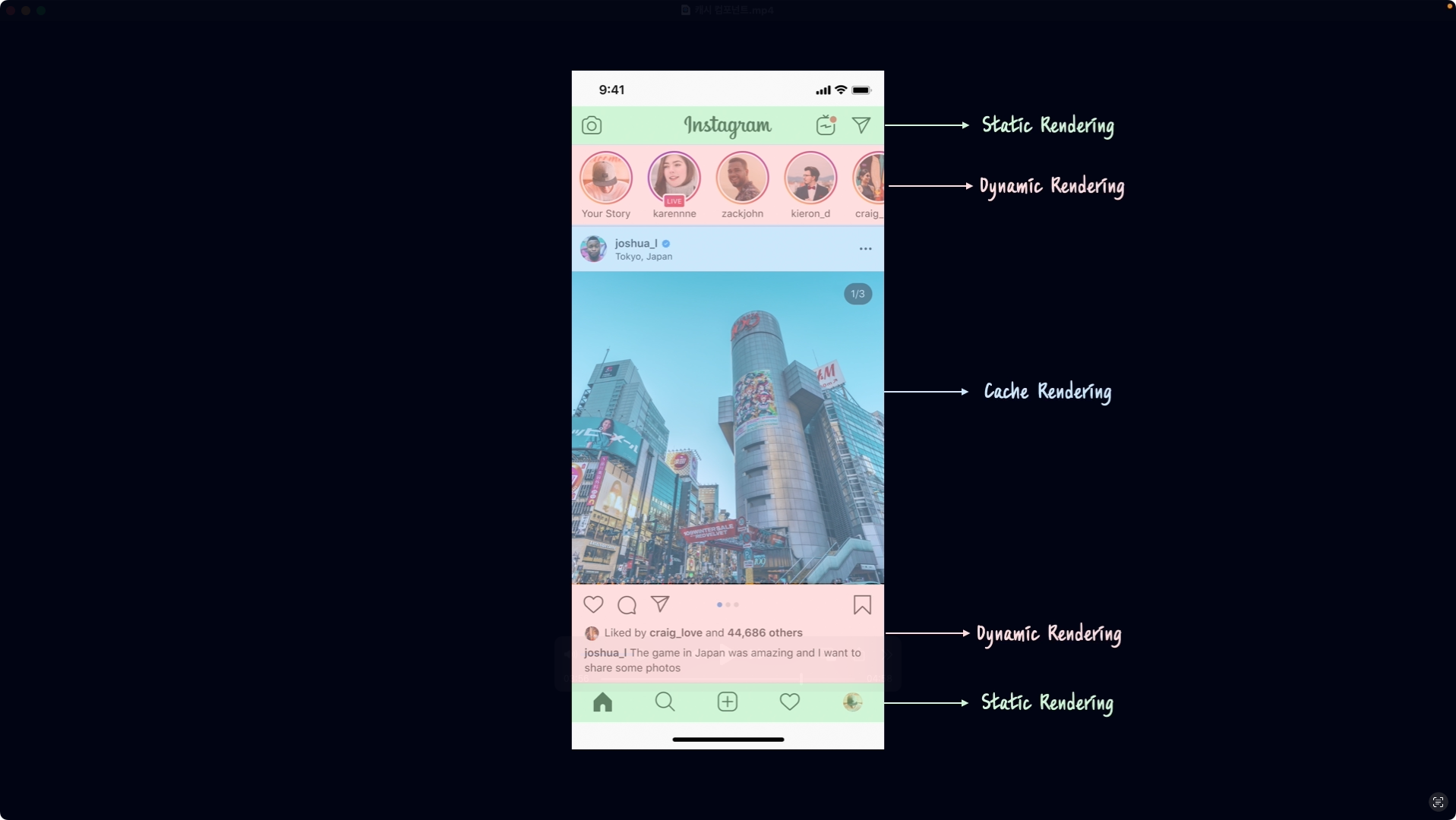
Next, we will practice how to control cache lifetime using cacheLife and design a strategy for mixing static and dynamic content.

Through this section, we will establish the criteria for applying the latest caching models to real-world practice.

Theory of Cache Components

Instagram Application

Section 16 – Final Project

In the final section, we will complete a practical architecture.

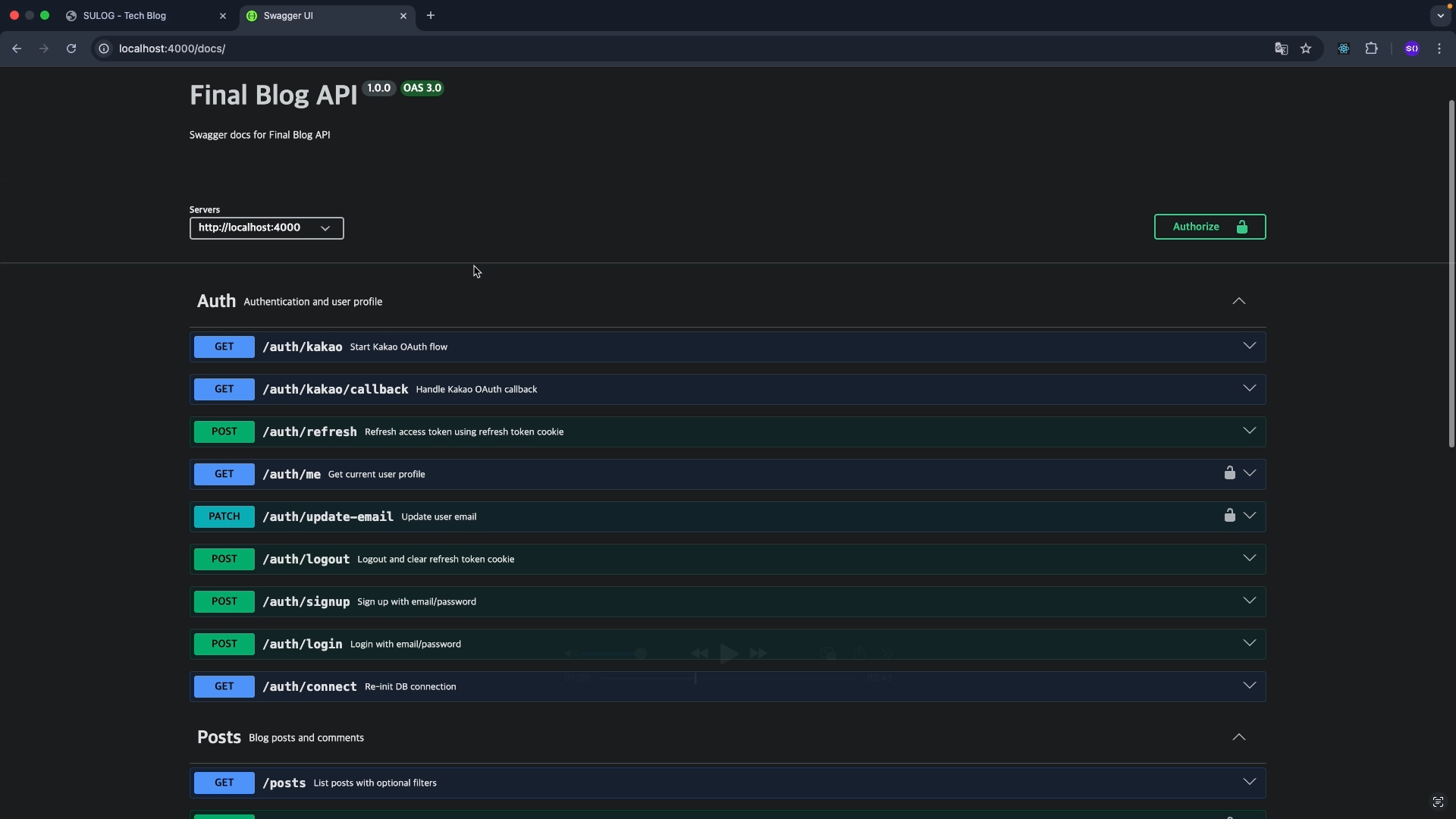
Connect MongoDB and check the API structure through Swagger.

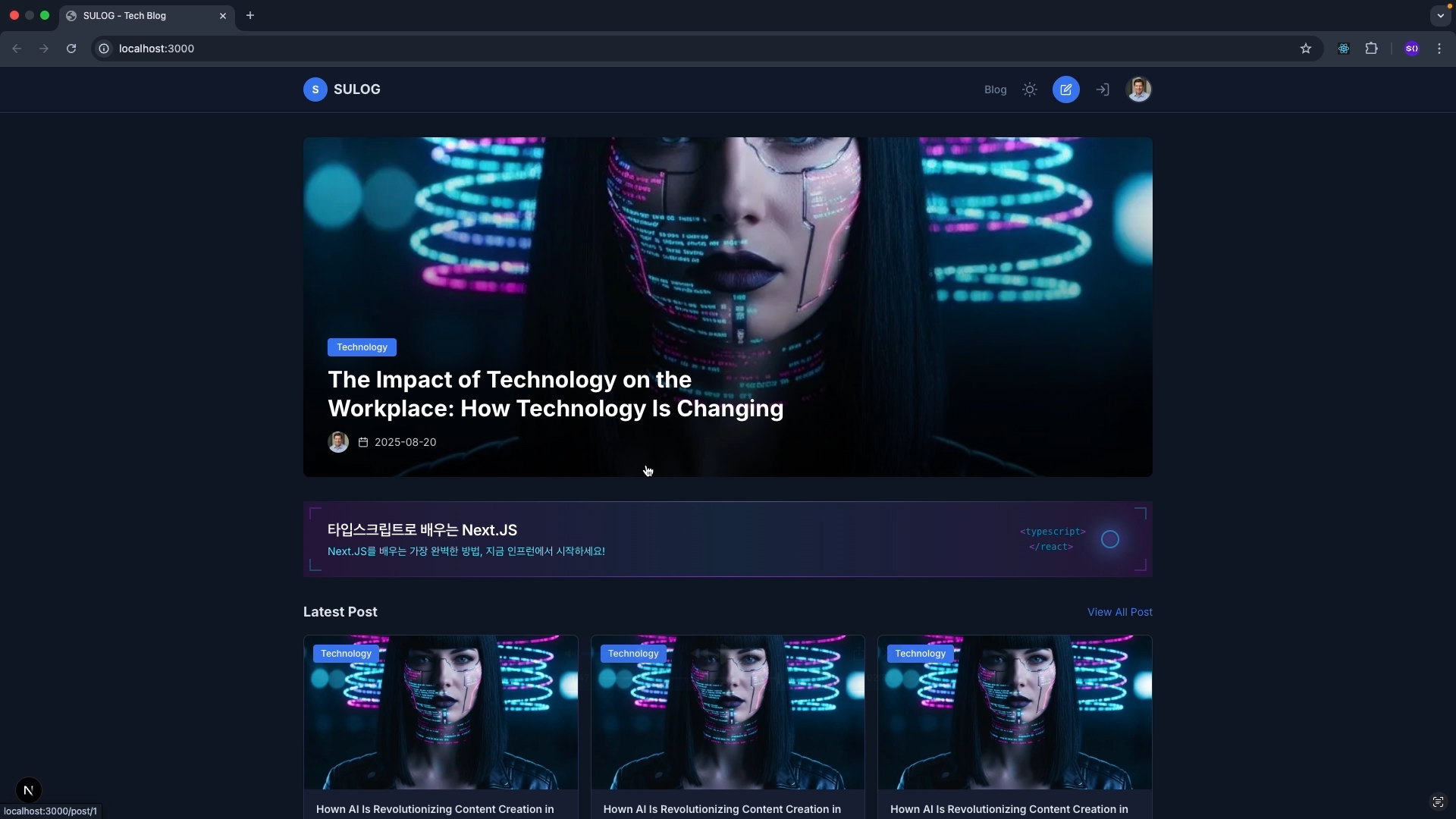
Next, we will apply light/dark modes and implement Kakao Login using parallel routes and intercepting routes structures.

Beyond a simple login feature, we will design token strategies and authentication flows to complete a structure at a production-ready service level.

This section is a process of integrating all the rendering strategies, caching, routing, and server logic learned so far.

Final Project

Swagger

Wait a moment!

Did you know that lectures also have a 'vibe' that needs to match you?

Just as a masterpiece game recognized by everyone might not be fun for me,
a lecture isn't necessarily the right fit for everyone.

No matter how highly praised a lecture is, it might not be the right fit for you,
and conversely, a lecture that seems ordinary to someone else could be the best lecture for you.

That is why at least 10% of all my lectures are available for free.
Try them out for yourself and see if my teaching style resonates with you!

If we are a good match,
I will guide you through the fastest shortcut to becoming a front-end developer.
Trust me and follow along! 🚀

Frequently Asked Questions

Q. I am a complete beginner who knows absolutely nothing. Will it be okay?
A. Yes. It is perfectly fine. This is a customized course designed specifically for those who have no prior knowledge to learn.

Q. Is any prior knowledge required?

A. Yes, this course absolutely requires prior knowledge of
HTML5/CSS3/JavaScript/TypeScript/React.JS.

Notes before taking the course

Practice Environment

  • Operating System and Version (OS): Windows, macOS

  • Tools used: Visual Studio Code, Chrome

  • PC Specifications: Minimum specifications capable of web surfing are sufficient.

Learning Materials

  • Learning materials for each lecture are provided for hands-on practice.


Prerequisite Knowledge and Important Notes

  • Available for complete non-majors and beginners.

  • However, prior learning of HTML5/CSS3/JavaScript/TypeScript/React.JS is required.

Recommended for
these people

Who is this course right for?

  • Developers who have used Next.js but are confused by App Router and Server Components

  • Developers who want to switch from Pages Router to the latest Next.js (App Router)

  • A frontend developer who wants to properly learn Next.js with TypeScript

  • Those who want to create a production-level project with Next.js

  • Those who are familiar with React but do not have a clear grasp of the Next.js structure

  • Developers who want to organize the latest Next.js 16+ development methods all at once.

Need to know before starting?

  • Prior knowledge of HTML, CSS, JavaScript, TypeScript, and React is required.

Hello
This is sucoding

5,103

Learners

302

Reviews

158

Answers

4.9

Rating

9

Courses

Sucoding is active in teaching coding by combining
online and offline methods.

Based on years of offline teaching experience,
we contemplate every day and strive constantly so that more people can learn coding easily and enjoyably.

To date, I have published the following four books and am leading the field of front-end instruction:

Additionally, we provide various free lectures through our YouTube channel.
👇 Visit now
[YouTube Channel Link]

You can also quickly check various discount news on the official website.
👇 Visit now
[Official Website Link]

More

Curriculum

All

199 lectures ∙ (29hr 28min)

Course Materials:

Lecture resources
Published: 
Last updated: 

Reviews

All

4 reviews

5.0

4 reviews

  • tlqkf님의 프로필 이미지
    tlqkf

    Reviews 4

    Average Rating 5.0

    5

    100% enrolled

    This course is insane. The value for money is top-tier. I'm a backend developer, but since React was required, I've been using it for over a year. Now that things have shifted to Next.js, I bought this course, and it helps me understand the operating principles of almost every feature needed for real-world work.

    • sduddla님의 프로필 이미지
      sduddla

      Reviews 15

      Average Rating 5.0

      5

      65% enrolled

      Because you explained why each feature of Next.js is necessary, I was able to study with a true understanding rather than just learning how to use them. Thanks to that, the explanations flowing from concepts to logic and then to code felt like they were naturally building up in my head, and I could understand even new topics all at once. The missions were also excellent; since the approach involved designing the structure myself rather than just typing along, it helped me organize what I learned and made it stick in my memory much longer. I especially liked how it felt like I was training my mindset for architectural thinking. I will work hard to finish the remaining lectures!

      • sucoding
        Instructor

        Hello sy, Thank you so much for your precious review! Hearing that you studied not just how to use Next.js features, but also understood why they are necessary, makes me feel incredibly rewarded as the instructor. As you mentioned, I wanted to provide a learning experience that naturally flows from concept to flow to code, and I'm glad you felt that. Also, thank you very much for the feedback that designing the structure yourself through the missions helped you organize your thoughts and made it more memorable. I specifically focused on that part because the experience of contemplating the design process is much more helpful for improving your skills than simply following along. I hope you enjoy the rest of the lectures and gain many insights. I will be rooting for your future studies. Thank you! 🚀

    • button님의 프로필 이미지
      button

      Reviews 4

      Average Rating 5.0

      5

      30% enrolled

      The missions are already fully designed, so it really feels like you're actually "playing" the mission! Also, there are hints for each mission, and it's great for learning because it summarizes which parts to think about and what can be learned.

      • sucoding
        Instructor

        Hello, button_! Thank you so much for leaving such a precious review 😊 I'm truly glad to hear that you were able to focus more on implementation and experience the 'fun of creating' since the designs were already prepared for the missions! It is also very rewarding to hear that the hints provided for each mission, along with the points to consider and the organized learning materials, were helpful to you. I will continue to strive to create lectures where the learning flow is natural and where you can grow through your own deep thinking. Thank you 🙏

    • sirubom12032826님의 프로필 이미지
      sirubom12032826

      Reviews 11

      Average Rating 5.0

      Edited

      5

      21% enrolled

      Since I have been taking Sucoding's lectures for a while now, I was looking forward to the Next.js course as well, and as expected, I could feel the meticulousness just from the curriculum. I believe Sucoding's lectures are excellent because they provide a solid foundation and encourage self-directed learning through missions. Even in the age of AI where we might not write code manually as much, fundamental skills are always important. I am currently taking this course to better understand and utilize Next.js since I use it in my actual work, and it has been incredibly helpful. Thank you.

      • sucoding
        Instructor

        Hello, precious Buldosae! Thank you so much for leaving such a thoughtful and warm review 😊 It gives me even more strength to know that you have been with me consistently since the previous lecture. I am glad that you had a good first impression of the table of contents for the Next lecture as well, and I am grateful that you viewed the self-learning aspect through the missions positively. As you mentioned, since fundamentals are still important even in the AI era, I am trying my best not to miss that part. It is truly rewarding to hear that it was helpful even though you are already using Next in practice. I will continue to work hard to deliver content that can be applied immediately in the field along with solid fundamentals. Thank you once again 🙏

    sucoding's other courses

    Check out other courses by the instructor!

    Similar courses

    Explore other courses in the same field!

    Limited time deal

    $10,120.00

    20%

    $77.00