


김영한の実戦データベース - 基本編
yh
実務に必ず必要なSQLとデータベースの基礎を学習します。 開発者だけでなく、企画者やデータアナリストの方々もSQLを深く学習します。

초급
SQL, MySQL, DBMS/RDBMS
Develop APIs using Spring Boot and JPA. And learn how to optimize JPA's extreme performance.

Understand the right way to develop APIs using Spring Boot and JPA.
Understand how to tune API query performance using Spring Boot and JPA.
Understand how to optimize practical performance using Spring Boot and JPA.
Want to use Spring Boot effectively in practice?
Develop the power to solve even complex problems.
🚩 This course is a roadmap course.

In the Java world, developing web applications using Spring Boot and JPA is a global trend. Consequently, many developers are learning and using these two technologies. However, effectively utilizing these technologies in diverse and complex real-world situations while also considering performance is not as easy as it might seem.
In practice, you need to go beyond functional development to solve technical problems. You need to develop applications that optimize performance in complex, data-intensive situations while also being easy to maintain.

While Part 1 focused on implementing features while developing web applications, Part 2 goes beyond functional development and focuses on solving technical issues . We'll cover how to implement them properly , what performance issues typically arise in practice, and how to address them. We'll also help you resolve technical issues.

Implement the API properly
Even when developing a single API, using JPA introduces the concept of entities, leading to numerous concerns. Should entities be exposed directly to the API? Or should they be created as separate objects and returned? How should lazy loading be handled when returning entities? These questions often arise. We'll share practical know-how on how to implement these in a safe and maintainable way.

Understanding JPA Extreme Query Performance Optimization
In practice, complex situations often arise where multiple tables must be joined to quickly retrieve data. However, this often requires the addition of collection data with one-to-many relationships, and additional paging may be required. This complicates the problem significantly, making it difficult to resolve with simple table joins. This article will share practical know-how on how to optimize these complex query performance issues with JPA and its limitations.

Performance tuning by coding complex examples in six steps.
We've prepared a six-step guide to help you develop an underperforming API, analyze why it's failing, and tune it step-by-step through coding . By following this guide, you'll naturally learn how to address complex performance issues in real-world situations.

Solving 90% of practical JPA performance issues
This course covers a variety of performance issues that frequently arise in practice, helping you resolve 90% of practical JPA performance issues. I've seen countless developers working on Spring Boot and JPA projects successfully implement functionalities, but struggle with performance issues at the end of the project. So, when I went to help them, I often found they didn't know how to optimize JPA performance.
I've seen a wide range of scenarios, from people who pulled all-nighters trying to figure out a solution, to those who, unsure of a solution, manually rewrote SQL instead of JPA and converted countless codes into SQL. However, when I actually went to help, it took less than five minutes to tune the system for optimal performance. I can still vividly see the look on the developer's face as they saw a query that used to take an hour, despite days of hard work, reduced to tens of seconds by adjusting JPA query options and making a few minor code changes. JPA inherently provides a wide range of performance tuning options , so with just a few options and code modifications, you can experiment with various performance optimizations.
If you understand what I'm talking about in this lecture, you'll be able to solve 90% of your practical performance problems.
These days, rather than using view templates to directly generate HTML on the server and respond, many developers are loading JSON data into APIs and returning it. The goal of this article is to understand the considerations and proper design guidelines for developing APIs using Spring Boot and JPA, and to complete the API with performance in mind.
Part 2 develops a REST API based on the domain created in Part 1. We then step by step optimize the performance of the query API. This process provides a thorough and comprehensive explanation of JPA query tuning, a crucial practice.
This course is largely hands-on . Therefore, you'll get the most out of it by following the lecture from beginning to end, coding on your own .
Please note that this course is intended for those who have some familiarity with Spring Boot and JPA and are capable of developing simple web applications. The goal is to help these individuals develop a deep technical understanding beyond functional implementation. Therefore, if you lack a solid understanding of Spring Boot and JPA, we recommend taking Part 1 first.
💻 Check out the player lecture!
Java ORM Standard JPA Programming - Basics
This is a prerequisite course for understanding JPA-based technologies.
Real-World! Using Spring Boot and JPA 1 - Web Application Development
Design and develop real-world web applications with Spring Boot and JPA.
Spring Data JPA in Practice!
Learn Spring JPA from basics to practice.
Real-world! Querydsl
Solve complex and dynamic query problems with Querydsl.
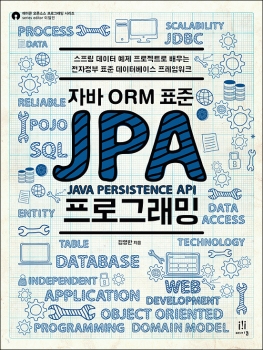
The book is for those who want to study more in-depth content.
You can think of it as a reference book.
(Even if you don't have a book, separate materials for the lecture will be provided.)
Who is this course right for?
For those who use Spring Boot and JPA in their work but want to get better use out of the technology
I know Spring Boot and JPA, but I want to understand the correct way to develop APIs.
Those who know Spring Boot and JPA, but want to understand the performance optimization techniques required for practical use
I know Spring Boot and JPA, but I want to understand the in-depth content that is essential for practical use.
Need to know before starting?
JAVA language
Spring Framework
Relational database basics
JPA

568,466
Learners
38,368
Reviews
9,017
Answers
5.0
Rating
25
Courses
교육자
전: 우아한형제들 기술이사, 카카오, SK플래닛
진짜 실무에 필요한 제대로 된 개발자가 될 수 있도록, 교육하는 것이 저의 목표입니다.
EO 인터뷰 영상
개발바닥 - 시골 청년 개발왕 되다
All
24 lectures ∙ (6hr 35min)
Course Materials:
All
1,312 reviews
5.0
1,312 reviews

Reviews 2
∙
Average Rating 5.0
Reviews 3
∙
Average Rating 5.0
5
全部教えてくれたらどうしますかチーム長! 実務で多くの役に立ったノウハウがいっぱいの講義です。 良い講義を作ってくれてありがとう:)
ㅎㅎㅎkingbbodeはいつも最高に感謝します!
Reviews 2
∙
Average Rating 5.0
5
JPA基本編と活用1、2編まで頑張りました。 倍速再生をしなければ、聞きづらいほど退屈な講義が多かったのですが、ヨンハン様講義は倍速再生をすることができませんでした。それだけ内容が充実しており、講義テンションも良くて集中してすべての講義を聞くことができました。良い講義ありがとうございます〜!〜!
大きい!ありがとうございます。庭園。実は私もテンションが大事だと思って、テンションが死んだらまた撮りますww
Reviews 5
∙
Average Rating 5.0
5
* best practiceを教えてくれますが、bad practiceも一緒に説明してくれたので、改善されたものがなぜbest practiceになるのかがわかりました。 *開発便宜、性能、メンテナンスなどのトレードオフについて詳しく説明します。まだ多くのトラフィックを経験したことはありませんが、サービスが増えてトラフィックが増えたとき、バックエンド開発者はパフォーマンスを向上させるためにどの点を考慮する必要があるのかを知ることができました。 *パフォーマンス改善のために作業したときにSQLクエリを一つずつ見せながら、どのようにパフォーマンス最適化になるのか、常にこのようなパフォーマンス最適化が銀弾ではないことも一緒に教えてくれます。 Spring Data JPA、QueryDSLの説明を聞いてみると、DBとJPAの基本をさらにしっかり固めたいと思います。 実務での経験を素敵な講義で解いてくれてありがとう:)
講義を本当にしっかり習得しましたね^^!
$68.20
Check out other courses by the instructor!
Explore other courses in the same field!


![[Season 2] Spring AI実戦:Multi AIエージェントシステム開発강의 썸네일](https://cdn.inflearn.com/public/files/courses/339915/cover/01kbqgcec3hb576vxxdf9ch76y?f=avif&w=420)


![[JSPからSpring Bootまで]諦めないSpring Bootへの道강의 썸네일](https://cdn.inflearn.com/public/files/courses/334897/cover/01k2j21p3rz09cqh5s0frefaa5?f=avif&w=420)
![[Season 1] Spring AI 実戦:プレミアム予約AIエージェント開発강의 썸네일](https://cdn.inflearn.com/public/files/courses/339732/cover/01kb2qr7zw5gf0724jvv4rndns?f=avif&w=420)


