Hello? Instructor,
I am currently working as a deep learning developer in the field. Since my main job is developing AI models, I was somewhat indifferent to Kubernetes and Docker. Recently, I was assigned to deploy models through Kubernetes, so I applied for the instructor's lecture and listened to it.
There were a lot of terms that I was new to, and there were a lot of new concepts such as Pod, node, and service, so I felt like I was heading towards the bare ground when I did it alone. After listening to the instructor's lecture and applying what I understood to my work, I was able to deploy it efficiently. Also, as I was reviewing, I thought it would be easier if there was a PPT file of the lecture screen, so I asked the instructor, and he uploaded it right away, which was a great help.
I organized and summarized the contents of the book that were different from what I heard in the instructor's lecture, and even gave a seminar to my team members. Haha, of course, there were a lot of questions that I answered with, 'I don't know much about that..'.
Thanks to the instructor, I was able to break down some of the barriers to Kubernetes. So I started to think that not only ML/DL but also MLOps would be fun. As a first step, I will challenge the CKA (Kubernetes Certified Exam) certification. I will review the lectures more thoroughly and get good results on the exam! Thank you!
ps. This is a lecture that I highly recommend to those who are new to Kubernetes! I think it will be very helpful because you can learn everything from terminology explanations to actual application.
5.0
2heedol
100% enrolled
It helped me a lot in learning Kubernetes!
5.0
임성빈
31% enrolled
I like that you keep it short and focus on the key points.
What you will gain after the course
Kubernetes
Software Infrastructure Structure
Kubernetes, the core of container-based technology Easy and detailed, starting from the basics!
Most Silicon Valley companies use Kubernetes
In this course, you will learn general knowledge about Kubernetes and how to use Kubernetes to deploy and manage applications.
Container orchestration system, Kubernetes
K8s is currently the hottest infrastructure in Silicon Valley, and is useful for large-scale applications and complex microservice architectures .
Kubernetes is a tool optimized for deploying, managing, and scaling cloud-native applications . It plays a role in enabling easy and fast application deployment and management by organizing applications into clusters. This helps maintain high availability, scalability, stability, and security.
Kubernetes, why should I use it?
The Outstanding Utilization Provided by Kubernetes
Kubernetes can significantly reduce the cost of deploying and managing applications, while ensuring high availability and stability. It is compatible with various cloud platforms and supports most programming languages and runtime environments.
Convenient problem solving, wide community
Kubernetes offers many benefits to both developers and operators. Not only does it improve productivity and help solve problems quickly, but it also has a large community of contributors, which actively promotes continuous improvements and feature additions.
Complex and daunting SRE/DevOps field? Making learning Kubernetes easier.
I want to understand Kubernetes in general, but it seems too difficult for me.
I want to convert the application I am currently using to a Kubernetes environment.
I want to become a Site Reliability Engineer (SRE) or a DevOps Engineer.
As one of the hottest technologies at the moment, many developers want to learn Kubernetes. However, due to the nature of the SRE and DevOps fields, there are bound to be some parts that feel overwhelming and difficult. This course will help you ease those difficulties and easily understand Kubernetes .
1️⃣ A detailed slide that conveys the core
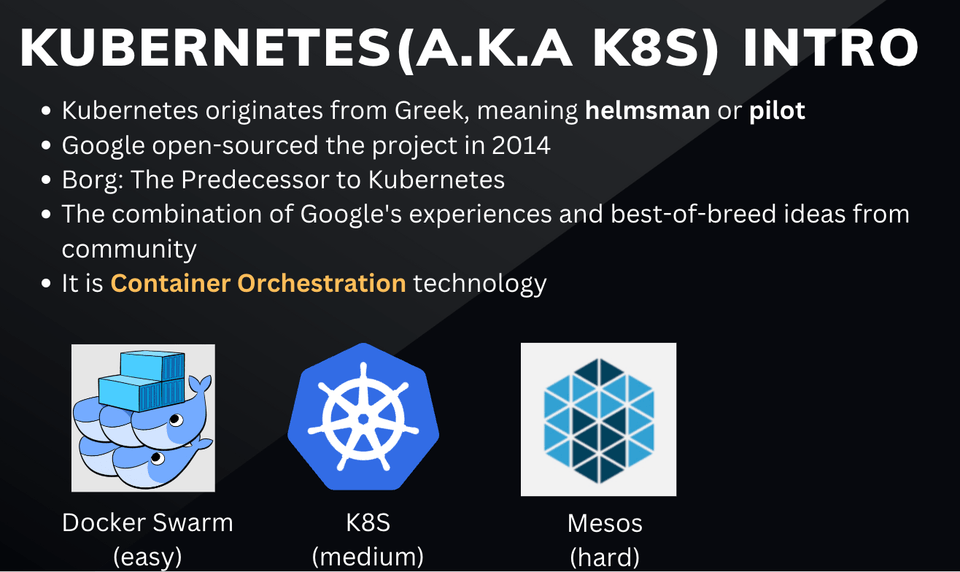
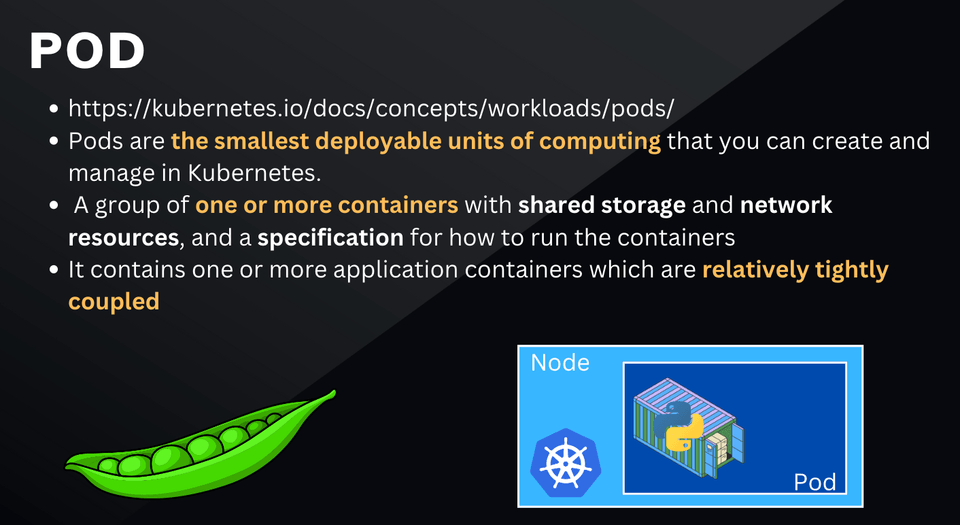
To help you understand the basic concepts of Kubernetes, I will first explain them through slides . Since each slide is in English, you can easily understand the words that appear when you read the official Kubernetes documentation later.
2️⃣ Perfect check through practice
In the latter half of the lecture, we will practice using Minikube and how to use Kubernetes. By covering the basic concepts through slides and then reviewing them through practice, you can understand Kubernetes more easily.
What you'll learn 📚
✅ Helps automate deployment, scaling, and management of container-based applications.
✅ Easily scale applications within a cluster and automatically scale based on resource usage.
✅ Learn how to use features like automatic recovery, load balancing, and rolling updates to increase application availability.
✅ Learn how to efficiently manage resources within your cluster to optimize application performance and reduce costs.
Kubernetes Basics and Environment Setup
Learn the basics of Kubernetes and install Minikube, a virtual environment.
Kubernetes basic components and basic syntax
Learn about components called Pods and the YAML syntax.
Controller in Kubernetes
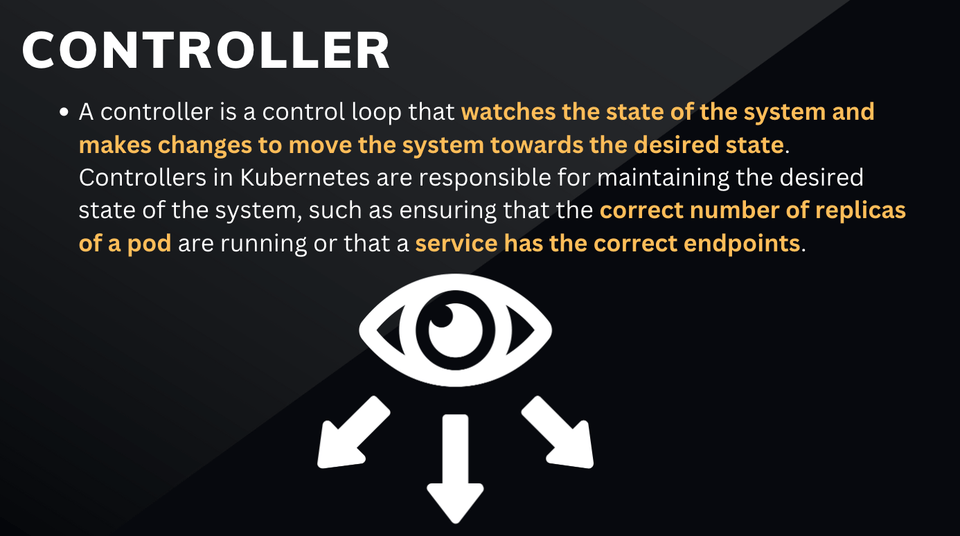
Learn about Controller, ReplicaSet, and Deployment.
Kubernetes Network
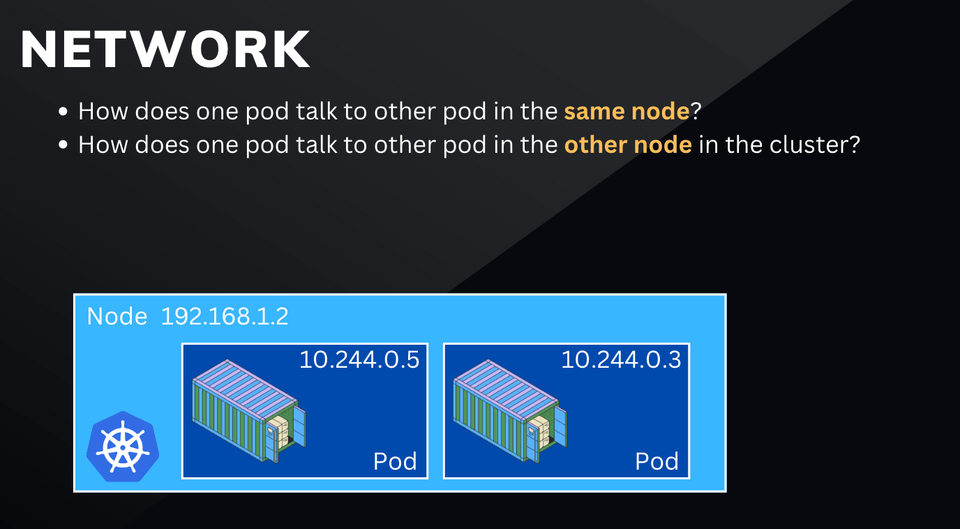
Learn about cluster networks and services
Application Architecture with Kubernetes
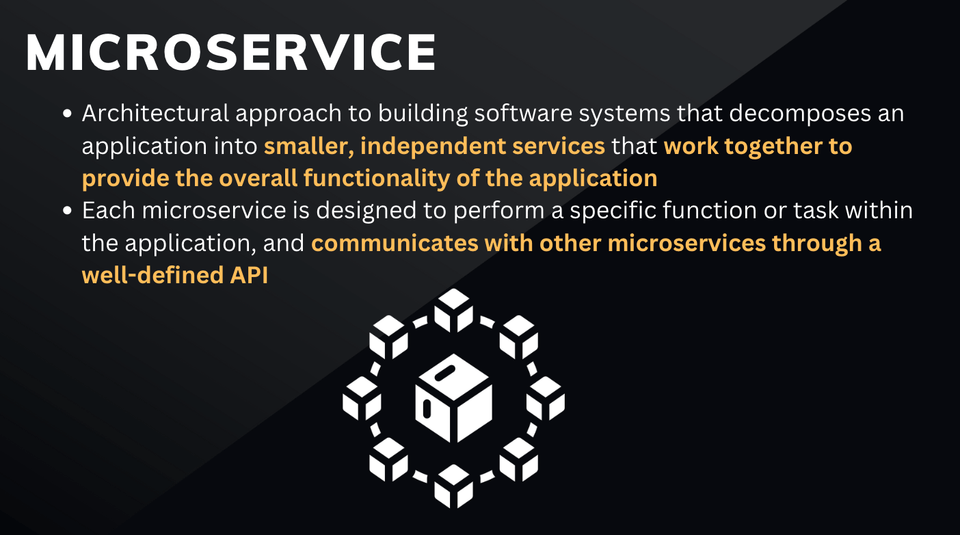
Learn about microservices architecture and the components needed to deploy an application.
Most applications are now deployed as containers. Kubernetes helps automate the deployment, scaling, and management of container-based applications. As container technology gains popularity, Kubernetes is becoming increasingly important.
Q. Is this a lecture that non-majors can also take?
You can learn, but it will be more helpful if you have basic programming knowledge and application development experience. For more information, please refer to the [Prerequisite Knowledge] section below.
Q. What level of content is covered in the class?
It focuses on how application developers can deploy their applications to Kubernetes.
💾 Learning Environment & Materials Guide
For the learning environment, you will need a PC and operating system that can run Minikube .
We share learning materials with students through a Github repository .
🗂️ Check your player knowledge!
Container technology: Since Kubernetes is a container orchestration platform, basic understanding of container technologies such as Docker is required.
Linux Basics: Kubernetes runs mostly on a Linux environment. Basic knowledge of Linux commands, file systems, program management, etc. is helpful.
Basic programming knowledge: Basic knowledge of a programming language and scripting is helpful when deploying and managing applications using Kubernetes. In particular, you should know how to use YAML configuration files.
Recommended for these people
Who is this course right for?
Those who are new to software infrastructure structure
If you want to learn Kubernetes
If you want to see the overall appearance of the software infrastructure structure
Are you going to finish in Korea? Penetrate the global market with English!🌍🚀
Hello. I majored in Computer Science (EECS) at UC Berkeley💻, have worked as a software engineer in Silicon Valley for over 15 years, and am currently a Staff Software Engineer working with Big Data and DevOps at a Big Tech headquarters in Silicon Valley.
🧭 I would now like to share the technologies and know-how I learned firsthand at the forefront of innovation in Silicon Valley with all of you through online lectures.
🚀 Join me, having learned and grown at the forefront of technological innovation, and develop the skills to compete on the global stage!
🫡 I may not be the smartest, but I want to emphasize that you can achieve anything if you stay consistent and never give up. I will always be by your side, supporting you with great resources.
Hello Jeong Byeong-ju,
Thank you for taking the time to leave such a nice review! Yes, I hope you complete the entire course and that it helps with your career!
Hello? Instructor,
I am currently working as a deep learning developer in the field. Since my main job is developing AI models, I was somewhat indifferent to Kubernetes and Docker. Recently, I was assigned to deploy models through Kubernetes, so I applied for the instructor's lecture and listened to it.
There were a lot of terms that I was new to, and there were a lot of new concepts such as Pod, node, and service, so I felt like I was heading towards the bare ground when I did it alone. After listening to the instructor's lecture and applying what I understood to my work, I was able to deploy it efficiently. Also, as I was reviewing, I thought it would be easier if there was a PPT file of the lecture screen, so I asked the instructor, and he uploaded it right away, which was a great help.
I organized and summarized the contents of the book that were different from what I heard in the instructor's lecture, and even gave a seminar to my team members. Haha, of course, there were a lot of questions that I answered with, 'I don't know much about that..'.
Thanks to the instructor, I was able to break down some of the barriers to Kubernetes. So I started to think that not only ML/DL but also MLOps would be fun. As a first step, I will challenge the CKA (Kubernetes Certified Exam) certification. I will review the lectures more thoroughly and get good results on the exam! Thank you!
ps. This is a lecture that I highly recommend to those who are new to Kubernetes! I think it will be very helpful because you can learn everything from terminology explanations to actual application.
Hello disneyhan,
I'm so glad that you've successfully gotten started with Kubernetes. I'm also glad that my lecture helped you with your seminar. Kubernetes has many features and advantages, and I'll update it whenever I have time.

















![[2026 NEW] Easy Kubernetes from the Basics - Resources EditionCourse Thumbnail](https://cdn.inflearn.com/public/files/courses/339725/cover/01kc0ege08f3neqrtaandwysgf?w=420)
![[VANTA] MongoDB on Kubernetes - BasicsCourse Thumbnail](https://cdn.inflearn.com/public/files/courses/341003/cover/01kp0zg5xs18sjqrrm8328n7cs?w=420)