Financial Crisis and Quantitative Easing Case Study Explained by a Securities Company
1. Provides economic and financial market issues and explanations thereof
2. Provides a methodology for interpreting economic and financial issues
3. Through understanding and interpretation, readers can apply it to their asset management/investment
Chapter 4: U.S. Economic Recovery and Exit Strategy after Quantitative Easing
The Fed's Assets and Balance Sheet
The spark of the US economic recovery: the shale revolution andthe 4th industrial revolution
Economic indicators that show America's golden age
Tapering, quantitative easing, and interest rate hikes
Austerity, Liquidity, and the Stock Market in the US
Chapter 5: U.S. Interest Rates, Stock Market, and the Korean Economy
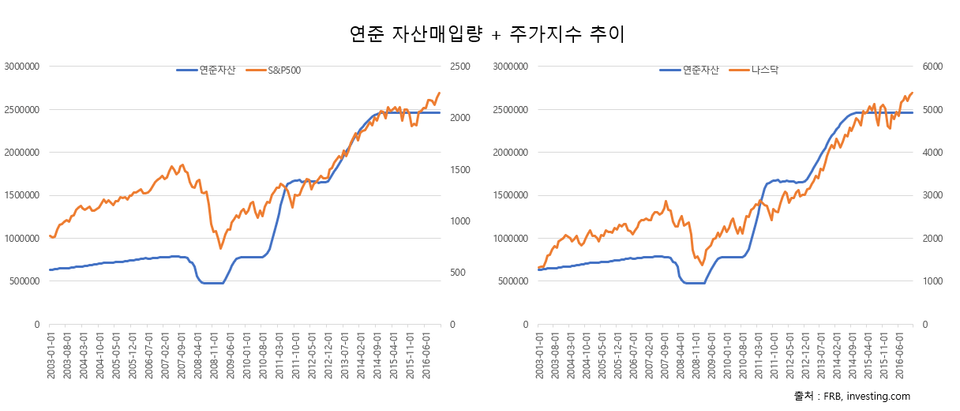
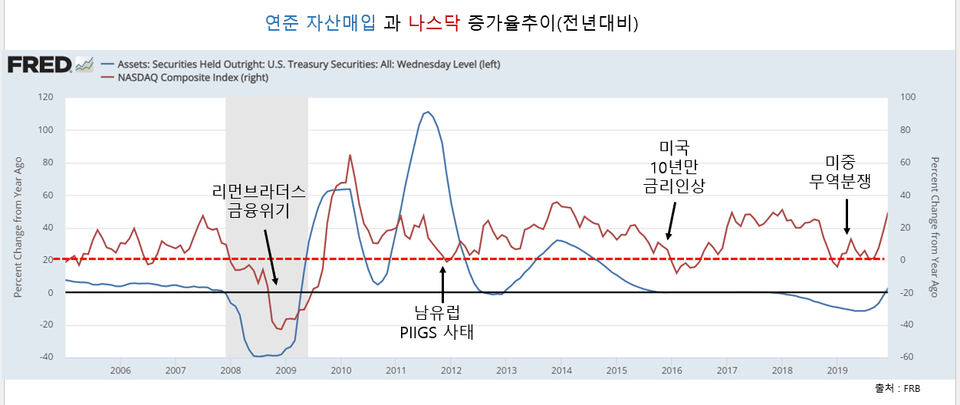
Fed Asset Purchases and Stock Prices
Other economic issues that affect stock prices
Establishing the relationship between interest rate cycle and stock price movement
U.S. Interest Rate Cycle and Korea's Trade
Korea's current account and liquidity
Chapter 6: Stock Market, Interest Rates and Exchange Rates
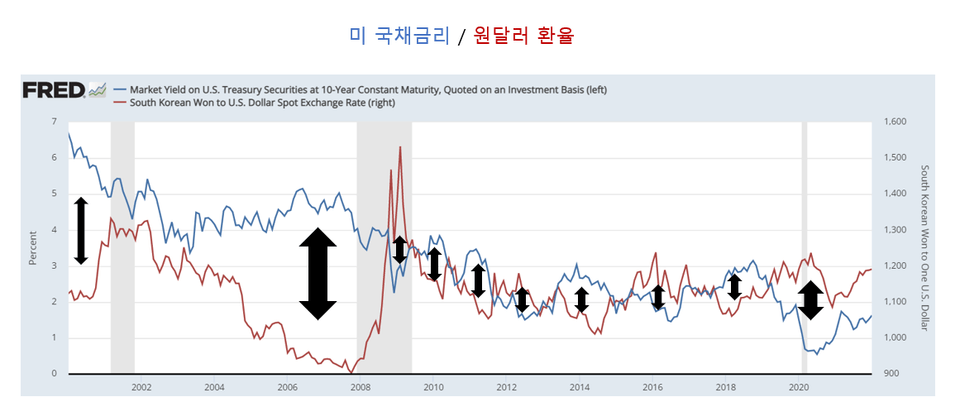
US Treasury yields and Korea's economic growth
Korea's economic growth and foreign net stock purchases
Donghak Ant Movement and Changes in Foreign Trading Patterns
Export/Current Account Balance and Foreign Net Buying
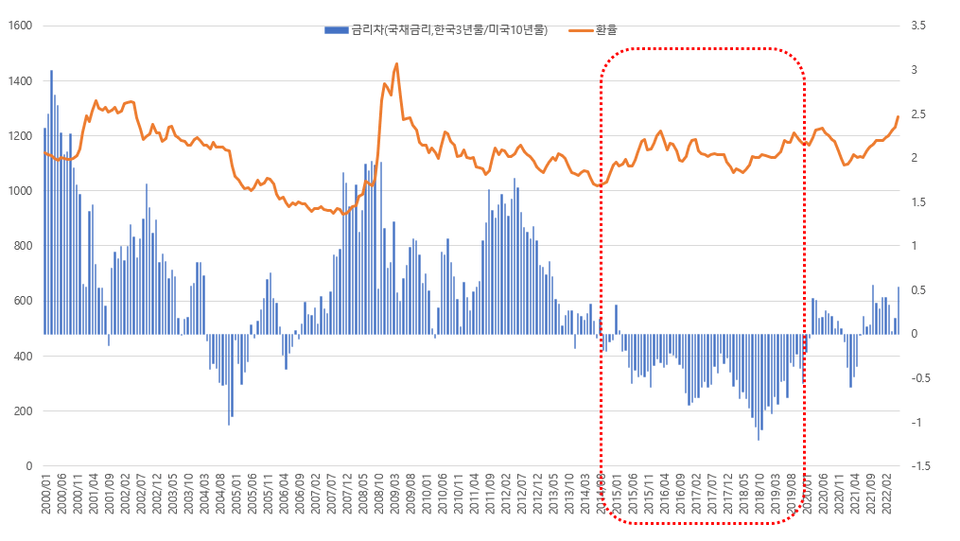
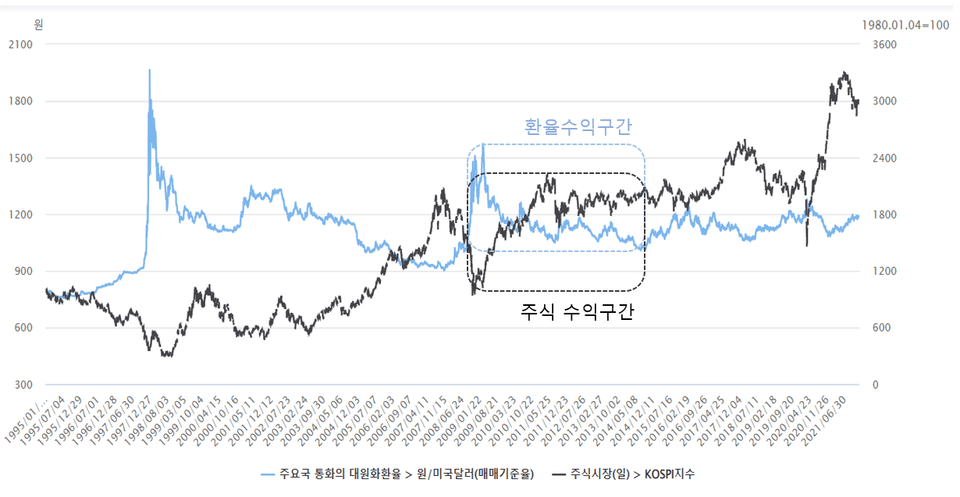
Financial Market (Capital Market) and Exchange Rates
Chapter 7: Direction of Interest Rates and Exchange Rates
High exchange rate policy and exports
Key indicators affecting exchange rates other than interest rate differentials
Link between the real economy (exports) and exchange rates
The impact of the West Sea Ants on the exchange rate
Chapter 8: Exchange Rates and the Stock Market
Relationship with exchange rates when investing in overseas stocks
Countries with Helpful Exchange Rates for Overseas Investments vs. Countries without Helpful Exchange Rates
Foreigners' play in the South Korean stock market over the past 20 years
Things Donghak Ants Should Know in Advance When Investing Abroad
Chapter 9: World Economy and Stock Market Before and After Corona
US-China Trade War and Pre-Corona Boom US Stock Market
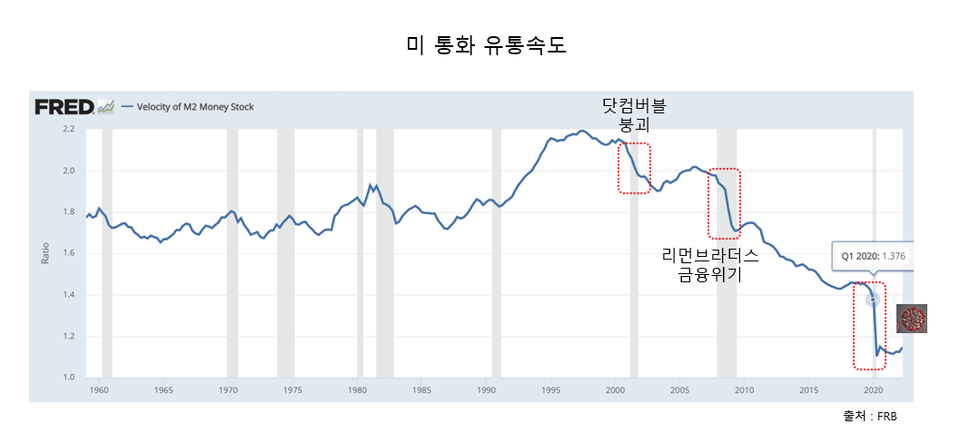
Another indicator of liquidity is 'money circulation velocity'
Review of various economic indicators during the Corona pandemic
The Resumption of Quantitative Easing and the Bond Market in the US
Chapter 10: World Economy and Stock Market Before and After Corona
Reduce the Fed's Balance Sheet
Overheating and bubble in the US due to liquidity explosion
Causes of Inflation – Demand vs Supply Factors
Contraction of Korean trade and asset prices (stocks, real estate)
Expected Questions Q&A 💬
Q. Will interpreting economic/financial issues help improve my account returns?
It's hard to give you a definitive answer, but at least you'll be able to knowfor sure why your returns are improving or worsening .
Q. There are various global economic issues. What issues will the lectures mainly focus on?
Dozens of economic issues, big and small, occur every day.Therefore, we will cover the 2008 Lehman Brothers (subprime crisis) crisis, which had a huge impact on world history,the subsequent US quantitative easing policy,the subsequent Southern European financial crisis, China's exchange rate policy, and the US-China trade dispute.Finally, we will lecture on the global quantitative easing policy implemented before and after COVID-19.
Q. I am financially illiterate. Is it okay for a beginner to listen to this?
Yes, I made it as simple as possible so that even beginners can understand it. However, if you take my existing lectures registered on Inflearn first, you will understand it more easily.
Introducing the knowledge sharer ✒️
Graduated from Kyunghee University, Department of Economics










![[Basic Tax Guide] for Freelancers and YouTubers강의 썸네일](https://cdn.inflearn.com/public/courses/324857/course_cover/784e8eb0-e3a4-48c2-8583-c2a93d28c703/djm-tax.jpg?f=avif&w=420)
