강의

멘토링

커뮤니티

NEW
Career

/

etc. (Career)

Why Doesn't My Writing Ever Improve? - Writing Standards to Apply Directly to Papers, Essays, Personal Statements, and Reports

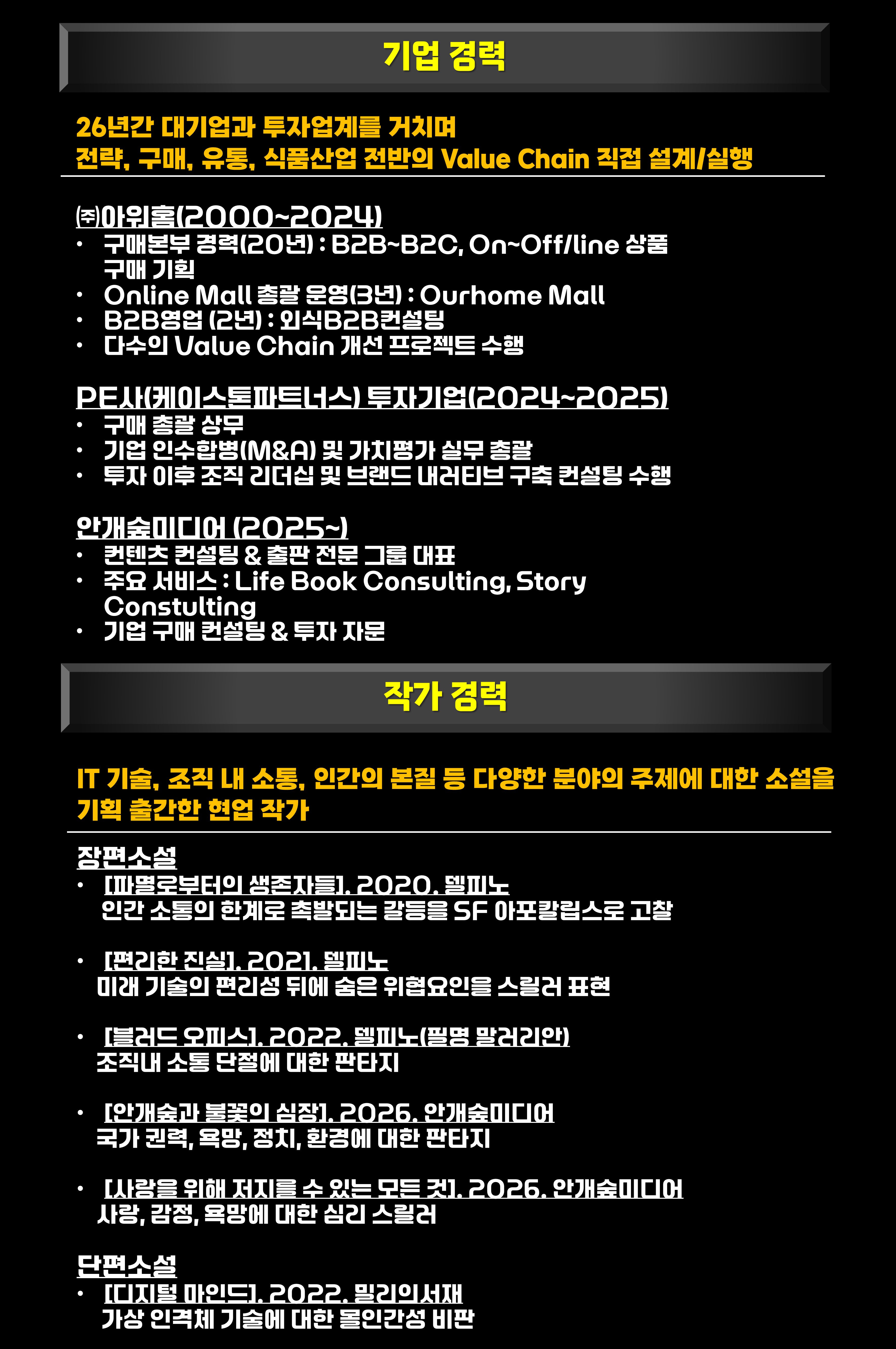
♣ Why do you receive the same feedback every time you write? Moments when you need to write always come around. But the results are strangely similar. - In papers: "The significance of the research is unclear" - In essays: "The argument is ambiguous" - In personal statements: "There's no impact" - In reports: "I don't understand what you're trying to say" - You repeatedly hear that the structure is disorganized At this point, you start thinking: "Am I just bad at writing?" However, when I actually consult with people, in most cases, the problem isn't writing ability. ♣ The problem is 'not knowing what the problem is' Many people already write enough. They revise too. They add emotion and reinforce logic. Yet the results don't change. The reason is simple. [Because they've never learned the criteria to judge and revise their writing.] So they do revise, but they're not sure if they're revising correctly. ♣ This is how this course begins This course doesn't teach you how to write beautiful sentences. It doesn't cover how to make expressions more moving either. Instead, it answers questions like: - Why isn't this piece read to the end? - I thought I wrote logically, so why isn't it persuasive? - Why do evaluations differ when the same content is written? - Why am I still anxious even after revising? The core is one thing. [Good writing has 'structural criteria' that transcend genres.] ♣ The core of this course is just one thing [The reason writing passes is structure, not intuition.] This criterion applies not only to essays, personal statements, reports, content, essays, and novels, but also to 'writing judged by evaluators' like research proposals and dissertations. This course doesn't teach specialized knowledge or research methodology. Instead, it establishes criteria so you can judge for yourself why your writing isn't persuasive. ♣ This course is especially suited for: - Those who always receive ambiguous evaluations on essays and personal statements - Those who get repetitive feedback on company reports or proposals - Those writing papers or research proposals but can't establish structure - Those who've written something but aren't sure if they're on the right track - Those who want to judge writing by criteria, not intuition ♣ What the course covers - 5 structural criteria commonly applicable to essays, personal statements, reports, and papers - The central axis of writing that must be checked before revising sentences - The minimum conditions that separate good writing from rejected writing - Common patterns that evaluators and reviewers actually look for - Structural errors that occur when emotion, information, logic, and context are mixed ♣ How this course differs from other writing courses - It explains literary, essay, business, and academic writing with one unified criterion - It tells you **where to revise**, not 'how to write well' - It can be immediately applied in actual evaluation and review situations - It provides a blueprint that can be expanded to essay, story, novel, and practical writing This course isn't a course that makes you write better. It's a course that enables you to explain why this writing doesn't pass. ♣ About the instructor This course is conducted by Lee Si-hyeong, CEO of Angae Forest Media, a professional writer who has planned and published 3 full-length novels, and has structurally refined countless manuscripts across essays, novels, and business writing. One thing I became certain of while revising writing in the field: The reason writing gets rejected isn't a matter of talent or effort, but a state of not knowing where to revise. This course is a starting point course that establishes those criteria first. ♣ One-line core summary (very important) This course isn't a course that makes you write more, but a course that teaches you how to judge what you've written.

3 learners are taking this course

Level Beginner

Course period Unlimited

  • beath001
글쓰기
글쓰기
글쓰기체크리스트
글쓰기체크리스트
글쓰기진단
글쓰기진단
브랜딩글쓰기
브랜딩글쓰기
글쓰기자기점검
글쓰기자기점검
writing
writing
Planning Document
Planning Document
personal branding
personal branding
cover letter
cover letter
글쓰기
글쓰기
글쓰기체크리스트
글쓰기체크리스트
글쓰기진단
글쓰기진단
브랜딩글쓰기
브랜딩글쓰기
글쓰기자기점검
글쓰기자기점검
writing
writing
Planning Document
Planning Document
personal branding
personal branding
cover letter
cover letter

What you will gain after the course

  • Improving writing techniques commonly applied to papers, reports, essays, content, novels, and essays

  • The ability to self-diagnose problems in my own writing

  • The structural editing ability to refine writing in a stable manner

  • The ability to make my writing more persuasive

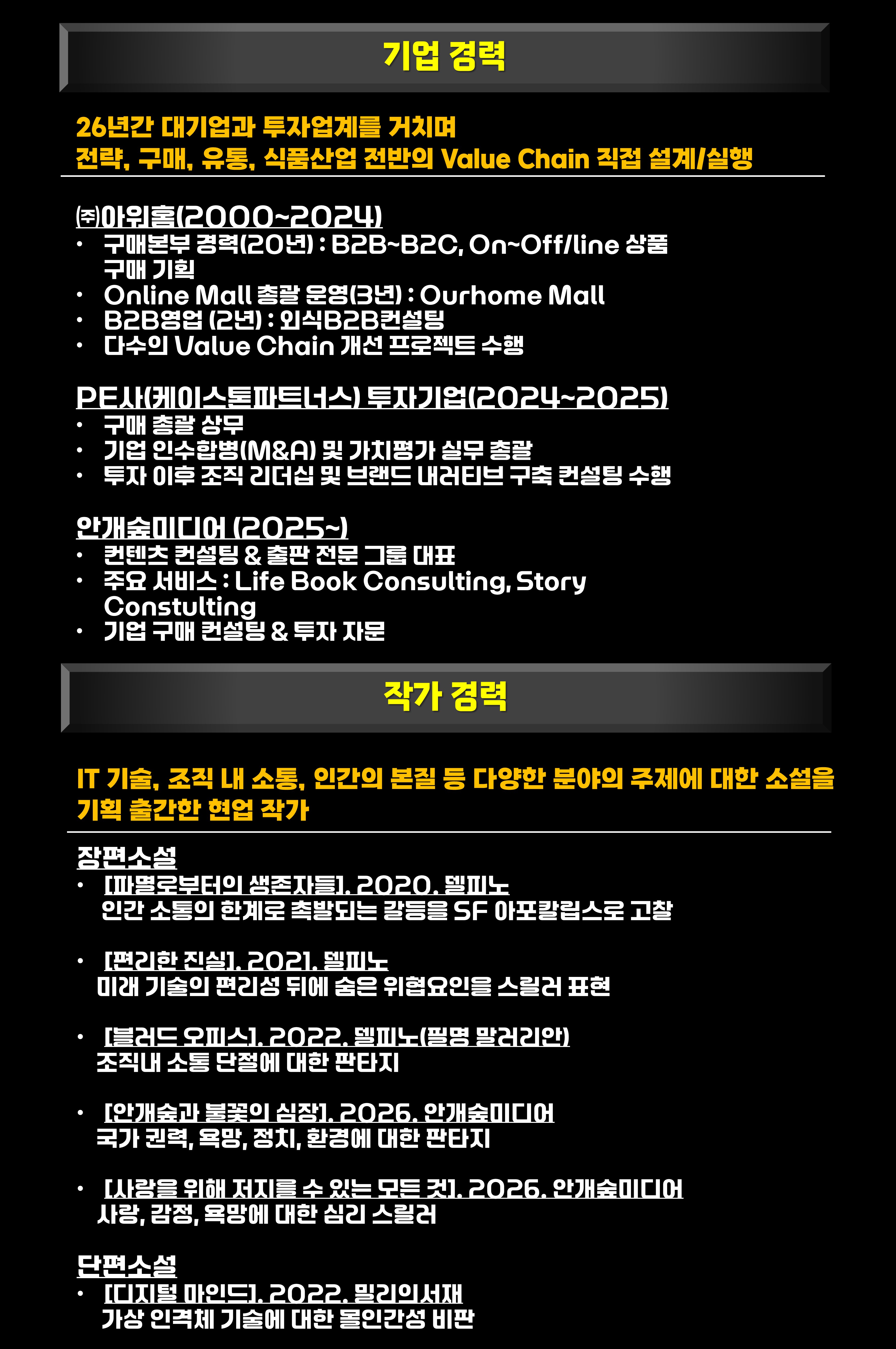
■ Instructor Introduction


■ Why is Section 1 the starting point of this course?

When writing doesn't flow well, most people act like this.

They revise sentences,
change expressions,
and add more emotion.

But strangely enough,
even with these efforts, the writing doesn't change much.

The reason is simple.

Because you're trying to fix it without being able to identify where the problem is.

Section 1 starts
right at this point.


Section 1 does one thing

This section is not a lecture that makes you write better.

Before that, what is absolutely necessary,

This is a section that creates standards for evaluating writing.


From academic papers, personal statements, essays, reports, to novels

Even though the formats differ, the reasons why writing fails to pass usually stem from similar points.


Section 1 organizes these common causes structurally.


Key Questions You'll Learn in This Section

-What state is this writing in right now?

-Why doesn't it become persuasive even after revising?

-What should be added, and what should be removed?

- At this stage, is the problem with the sentences or the structure?

👉 Enabling you to answer these questions yourself—that's the role of Section 1.


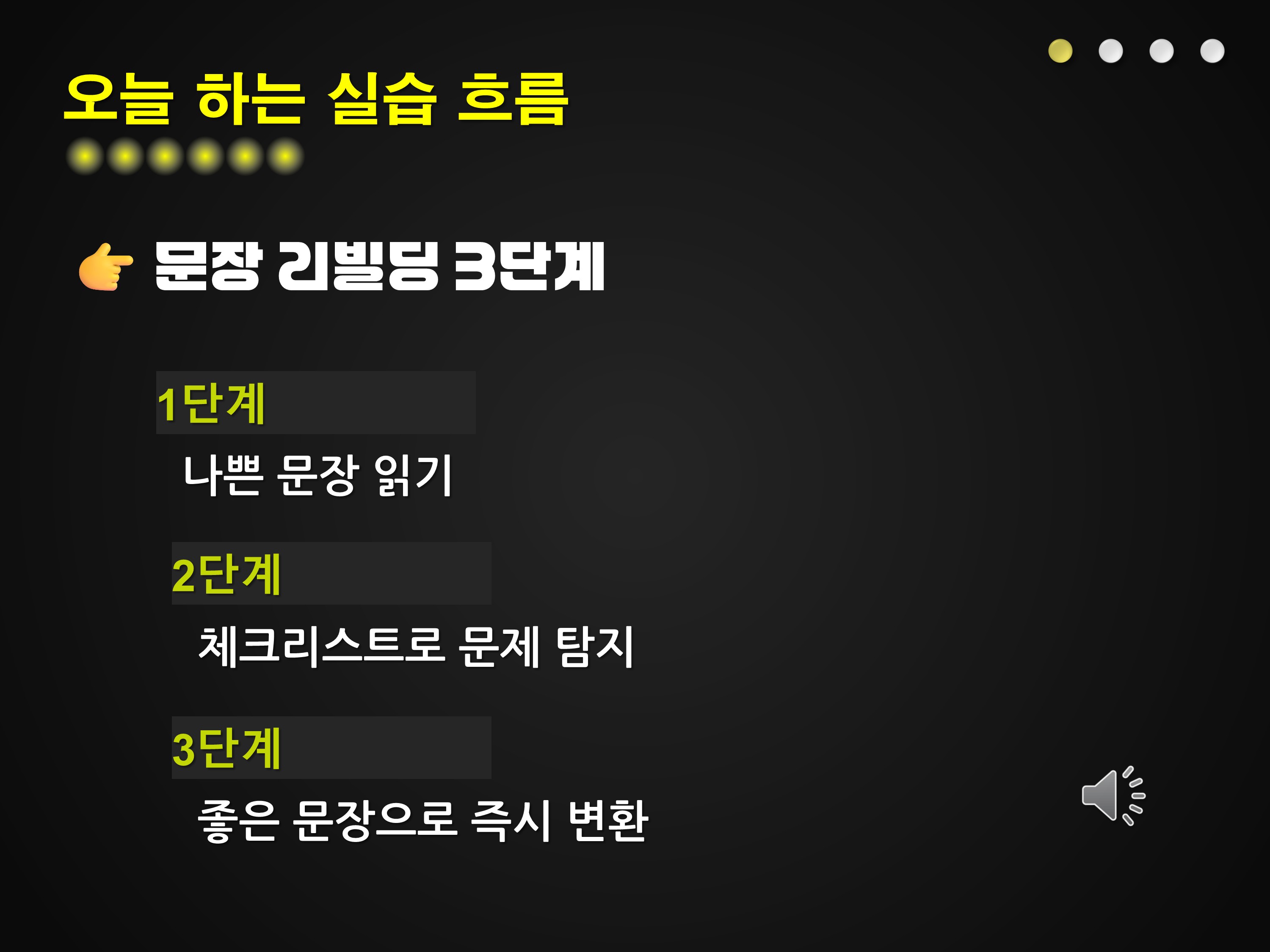
Section 1 proceeds as follows

This section

It is structured in the flow of theory → application → practice → expansion.


In Lecture 1, we pinpoint the real reason why writing is difficult through structure

What must be checked before the sentences

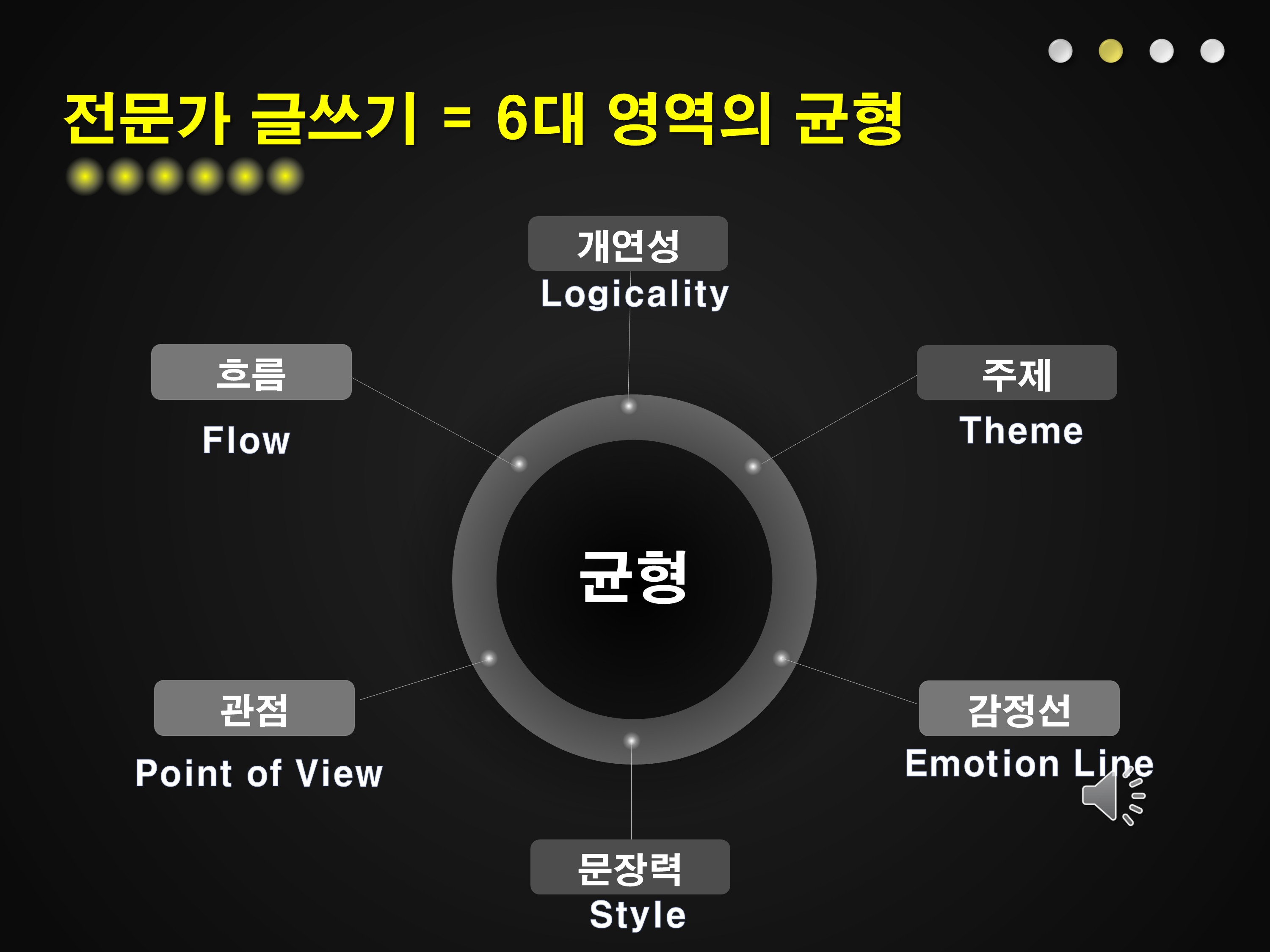
- Is the topic clear

-whether the perspective remains consistent

-Is the flow natural?

- Is the plausibility maintained


These criteria

Papers, personal statements, essays, reports, essays, novels, etc.

These standards apply universally to all writing.


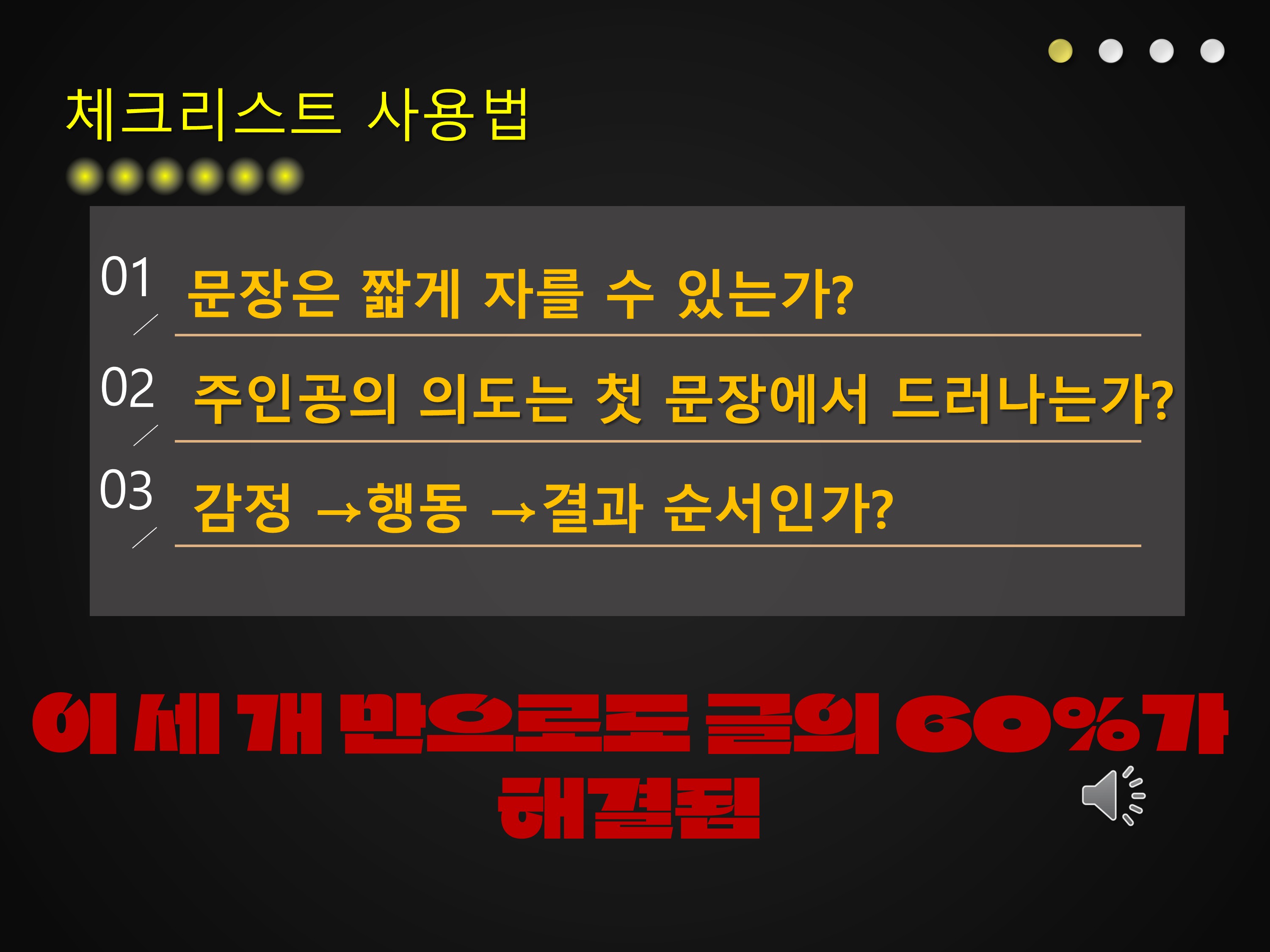
In Chapter 2, we transform vague impressions into a [checklist].


Read the text and

The vague feeling of "something's off..." is broken down into 30 specific questions.

-Is this paragraph really necessary?

-Is the key point at the front?

-Does this information help or hinder the reader?


👉 Not by intuition,

You'll view your writing through verifiable criteria rather than intuition.


In Lesson 3, you'll internalize structure by actually revising sentences

-Break up sentences,

-rearrange the order,

-through the process of moving the core to the front

not the feeling of fixing, but

You will develop a sense of rebuilding the structure.


In Session 4, we examine how narrative works through case studies

Through the example of a figure who dominates controversy

- Why people are moved by stories rather than facts,

- We analyze how stories guide judgment.


And this structure

We will also examine how this structure applies to essays, reports, content, and stories in general.


■ Why This Section Is Important

Section 1 is the reference point for all the lectures that follow.

To properly understand lectures on argumentative writing, theses, reports, essays, emotional records, stories, and novels, you must first be able to view writing through the same standards.


When you complete this section,

-You'll start to see problem areas when reading text

-you'll be able to judge where to start when making revisions, and

-You'll be able to explain good writing through structure, not just intuition.


■ This is especially well-suited for those who:

-Those who write but always feel uncertain

-Those who revise their writing but don't understand why it improved

-Those who want to write across various formats including academic papers, personal statements, essays, novels, and content

- Those who want to learn writing through standards rather than intuition


★ Section 1 Summary in One Line

Section 1 is

It's not a section that makes you write well, but

why your writing isn't working

This is a section that enables you to judge for yourself why your writing isn't working.


Recommended for
these people

Who is this course right for?

  • Someone who writes but keeps going in circles, not knowing what the problem is

  • People who want to write essays, content, or novels but their writing falls apart because they can't establish a proper 'structure'

  • Someone who has taken multiple writing courses but feels like their skills haven't improved

  • Someone who wants to learn writing through standards, not intuition

Need to know before starting?

  • Anyone can do it

Hello
This is

Curriculum

All

4 lectures ∙ (50min)

Published: 
Last updated: 

Reviews

Not enough reviews.
Please write a valuable review that helps everyone!

$41.80

Similar courses

Explore other courses in the same field!