This lecture covers the basics of how the virtual world that makes up a game is created with mathematics.
Through basic mathematics, you will understand the principles of game engine composition and learn practical game mathematics that makes up a three-dimensional space.
When I took this lecture alone, I didn't really know how it was related to game development, but after taking the Unreal lecture, I was able to understand the code for transform, rotation, etc. much better! I'm planning to work with commercial engines, so I think it would be good for people with low mathematical understanding of graphics to take this course!
5.0
김지현
100% enrolled
While studying Unity, I lacked the mathematical background for actual drawing. By taking this lecture, I was able to increase my understanding of Unity settings and graphics, which was great.
5.0
모행
100% enrolled
It may be difficult to hear at first, but it's easy to understand since it's the second time!
What you will gain after the course
Linear Algebra Fundamentals
Vector Mathematics
Game Graphics
Principles of game engines
3D game programming, Knowing the essence will help you do better! 🎮
Our students produce excellent games through their graduation projects every year, earning high praise from industry professionals in the game development field.
However, after gaining a certain level of proficiency in commercial game engines like Unreal and Unity, many students become bored with the repetitive game logic creation patterns. To further develop their skills, they want to delve deeper into topics like game engine structure and rendering pipelines .
However, in order to master these contents, you must understand the mathematical principles that form the basis of the game system and how to utilize them.
The core of the game system, Don't miss out on game math.
People often assume they understand the in-depth concepts of rendering with DirectX or OpenGL, rather than using a commercial game engine. However, when I spoke with students who had actually created renderers with DirectX, I often found that they didn't fully understand the mathematics used in the example code.
To address these issues, we designed a math curriculum that allows for sophisticated 3D graphics using only math and WinAPI, without the use of graphics libraries such as DirectX.
Implementing without a graphics library Core 3D graphics.
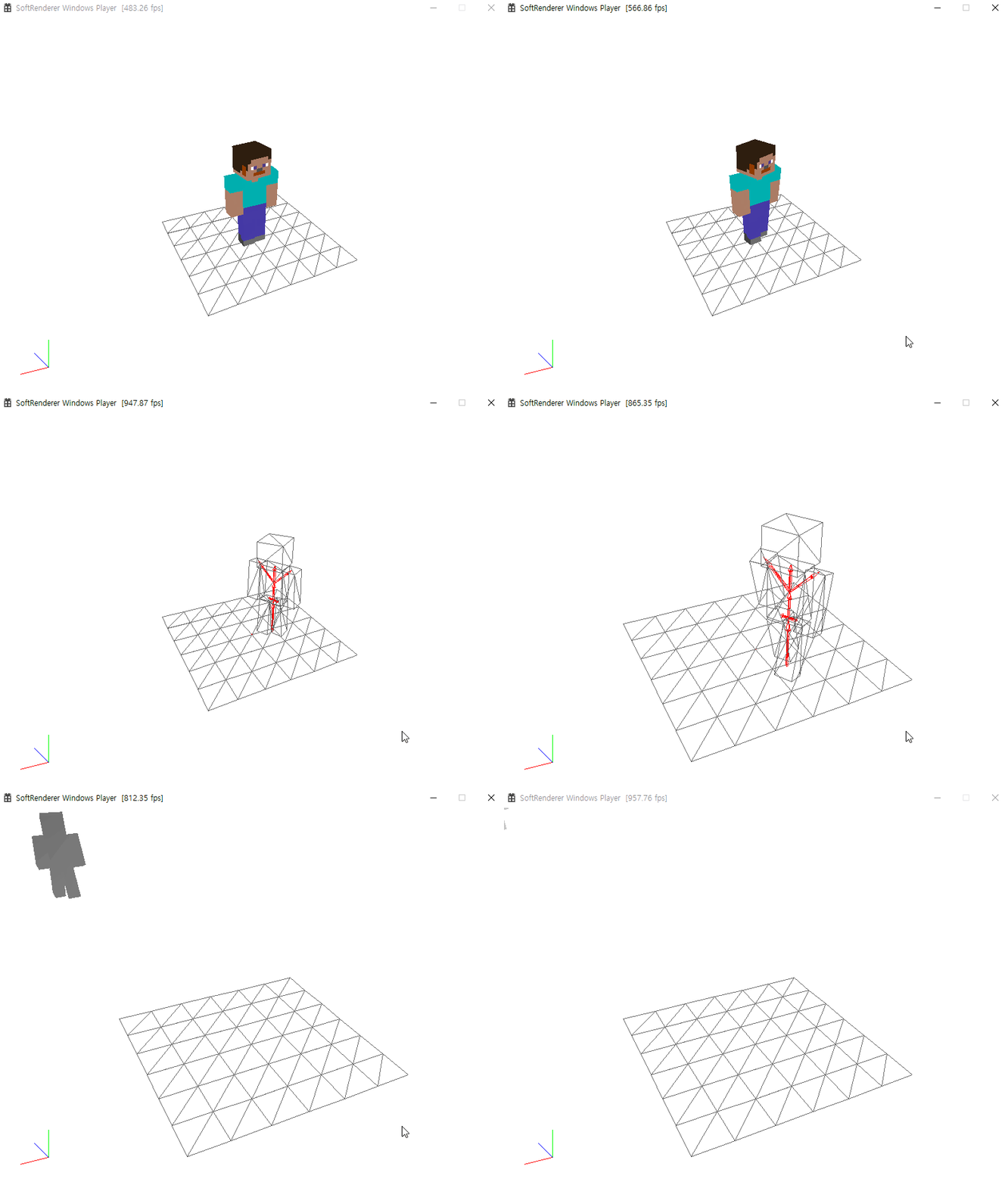
This is a 3D program created using only WinAPI, utilizing the mathematics covered in the lecture.
Covers the core of the actual game school curriculum.
We have summarized the core content of the practical lecture curriculum that is conducted in depth over two semesters at school. For those of you who have been curious about the principles of game composition and those who want to deepen your understanding of game mathematics, we hope this Inflearn lecture will be a great learning opportunity.
The game's composition principles If you are a developer who wants to know!
For efficient game production I want to reinforce my math knowledge game developer
The basis of the game engine I'm curious about game math programmer
Principles of vector mathematics I want to know for sure technical artist
This course is designed for developers who are curious about the principles of game composition.
Students who took the class reported that they had no major difficulty understanding everything from vectors to perspective projection, with a math level comparable to a first-year high school curriculum. However, regardless of the level of difficulty, it takes considerable time to fully grasp the entire process of building a stable 3D system based on mathematics and composing a screen with a sense of perspective.
This course is designed to help you understand the process of building a game's virtual space, starting from the most fundamental system, the axiom of numbers. Upon fully understanding this course, you'll be able to design and implement your own formulas, rather than simply copy-pasting code from the field.
The basic physical strength of game mathematics You can raise it.
Upon completing this course, you'll understand the underlying mathematics of game engines and be able to create programs that utilize it . You'll gain the theoretical and practical skills to implement detailed features like perspective interpolation, triangle clipping, hidden surface removal, and depth buffering, all of which the GPU automatically handles during game development.
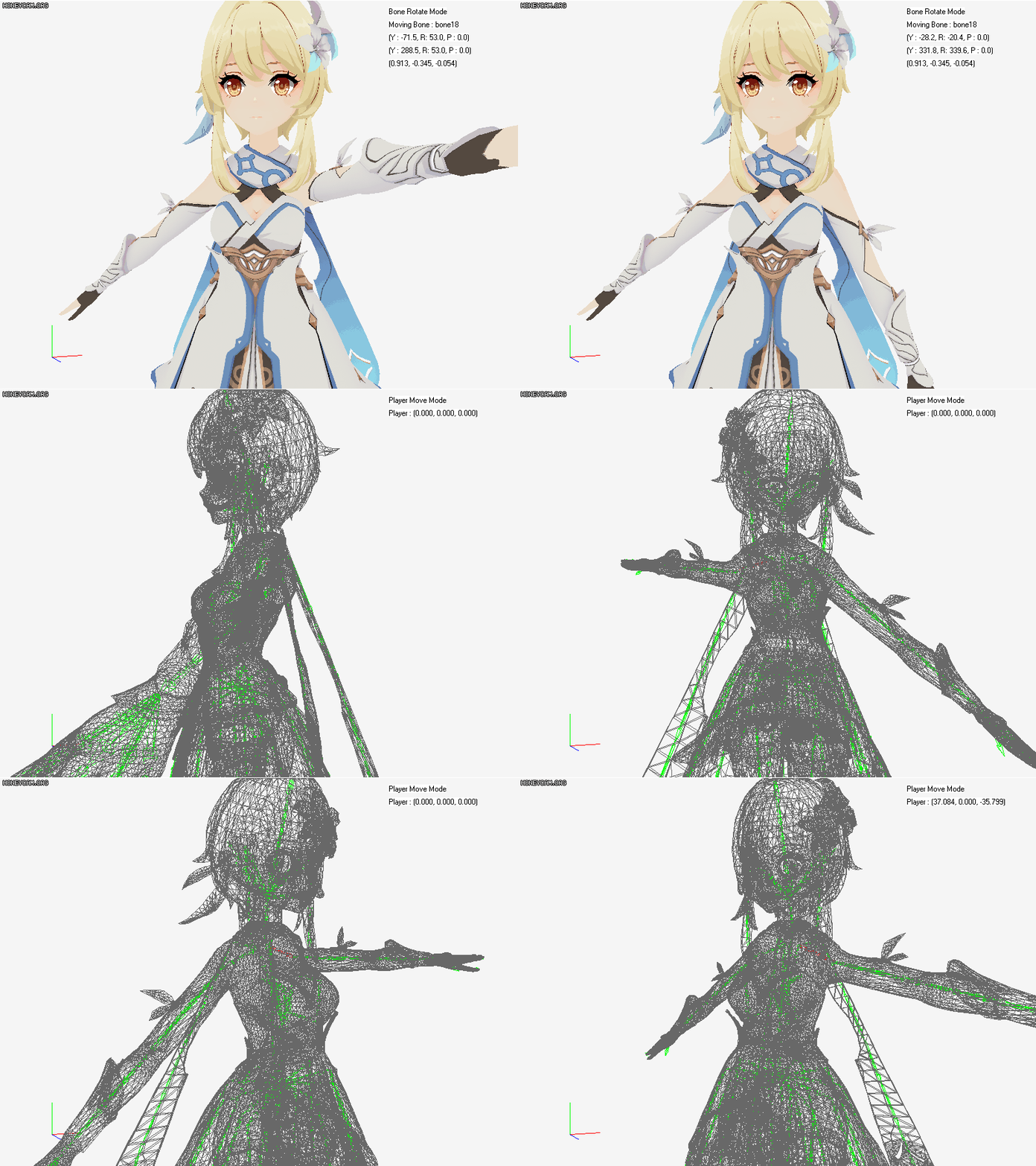
Below is an example program created solely using WinAPI by a student who completed the course. He imported a 3D modeling file, created a hierarchical character, and implemented all the mathematical theory and related functions necessary to control it.
Once you understand game math, you can control/implement 3D graphics algorithms using only WinAPI.
Learn in 3 steps The A to Z of Game Math!
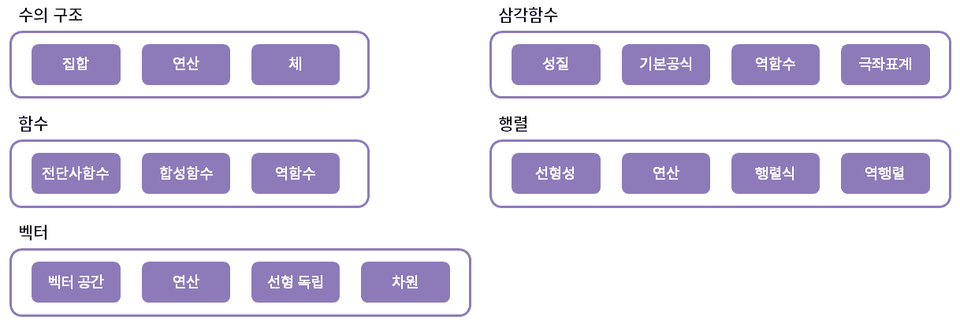
Part 1 - The Fundamentals of Mathematics That Underpin Games
This first part covers the fundamentals of linear algebra. Matrices are the core system of the rendering pipeline, which drives game content for each frame. This section covers all the fundamental mathematics needed to understand matrices.
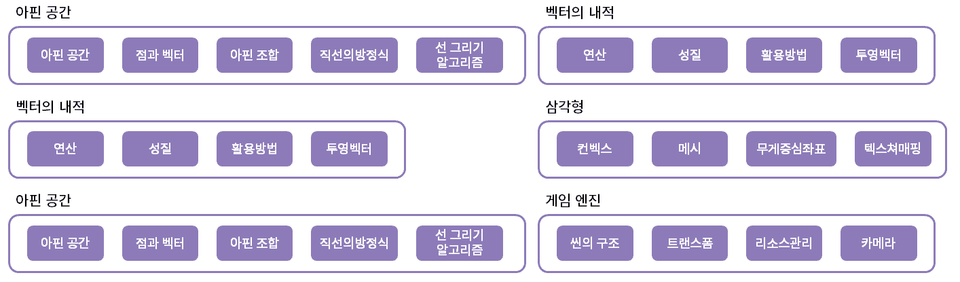
Part 2 - Creating Game Content
Part 2 builds on the matrix knowledge learned in Part 1 to teach you the elements that make up actual game content and useful vector operations. Building on the mathematics learned in Part 2, you'll learn how to effectively draw objects on screen, and expand on this to explain the structure of a game engine.
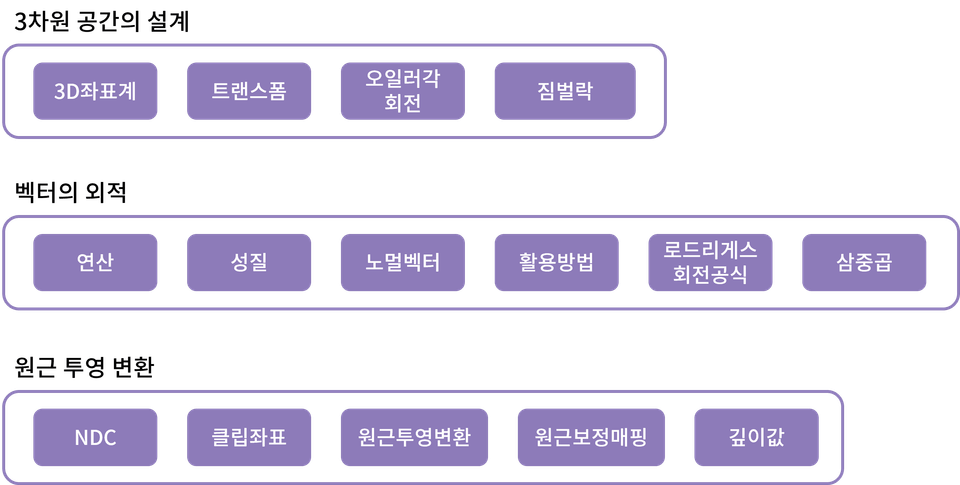
Part 3 - Mathematics for 3D Games
In Part 3, we'll build on the game engine architecture covered in Part 2 to implement 3D graphics. We'll cover the fundamentals of 3D graphics implementation, including rotations in 3D space, the useful cross product operation, and perspective projection techniques.
With lecture notes Increase your comprehension.
Fundamental Mathematics that Supports Games - Vectors
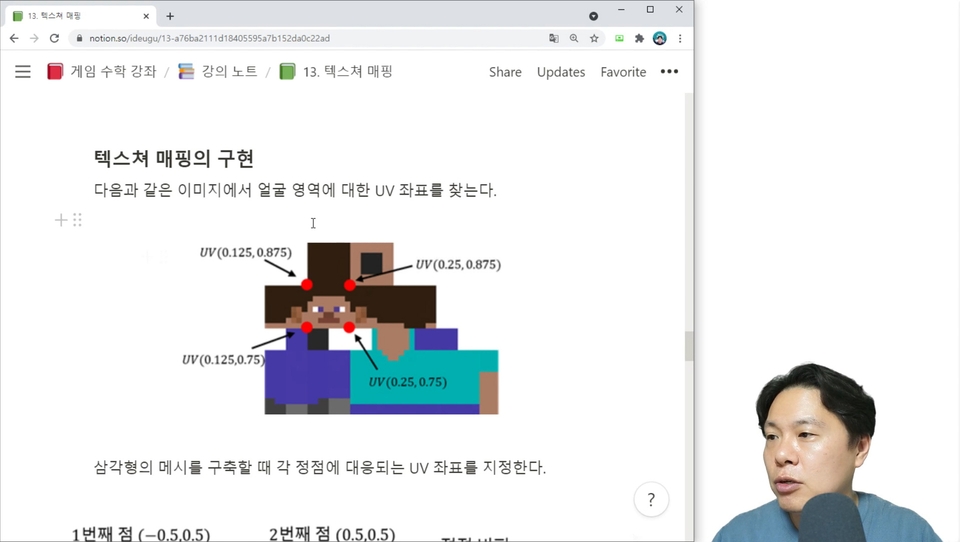
Game Content Production Principles - Texture Mapping
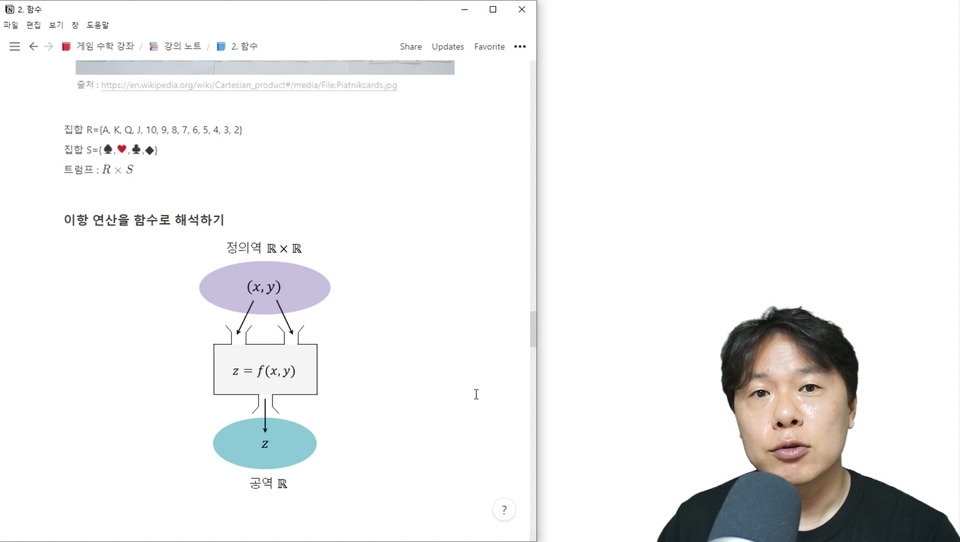
This lecture will be accompanied by lecture notes . We've organized all the content using a formula editor so that you can learn about mathematical principles through various sample images used in the lecture notes and prove the formulas that make up the basic principles of the system one by one.
📝 Learn like this!
I recommend studying by recording your thoughts in a notebook each time you take a class, organizing them so you can understand and understand them on your own. (I personally recommend Notion!)
Frequently Asked Questions Check it out.
Q. I don't know much about math. Can I still take this course?
If you possess basic math knowledge equivalent to a high school freshman's level, you should be able to take this course without any problems. However, to build a solid system, rather than just solve problems, you need to thoroughly understand the vast content. I recommend that you organize the lectures you've spent so patiently attending into your own notes.
Q. Do you learn game engines in class?
It covers the mathematics that underpins game engines, but does not teach you how to use commercial engines like Unreal or Unity.
Q. Will taking this course help me create fun games?
This course won't teach you how to create a game. It will cover the fundamental mathematics that make up a game engine and rendering pipeline.
Created this course Introducing the knowledge sharer.
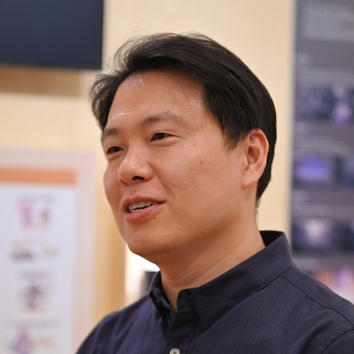
Lee Deuk-woo
Professor at Hyeon Cheonggang Cultural Industries University
Unreal Dev Grant Education Category Selection (2017)
Former Director/Education Evangelist at Unity Technologies Korea
Cheonggang Cultural Industry University, founded by the late Lee Yeon-ho, founder of Namyang Aloe (now Univera), is a school dedicated to the noble educational ideals of loving people and fostering true love, based on the values of love for nature, love for humanity, and love for culture.
I teach Unreal Engine, Game Mathematics, and Game Production at Chungkang College of Cultural Industries. - Author of "Lee Deuk-woo's Unreal C++ Programming," selected as the official training textbook for Nexon Korea, 2023 - Head of Education for "Unseen," Smilegate's Unreal Programmer Training Program, 2023 - Epic Games Unreal Authorized Instructor, 2022 - Recipient of Epic Games Unreal Dev Grant for developer support, 2017 - Speaker at Unreal Summit 2017, 2018, 2019 - Host of "Let's Start Unreal" and UEFN 2022, 2023 webinars - Editorial Committee Member for the Technology section of the Korea Game White Paper, 2022 - Jury Chair for Busan Indie Connect Festival (BIC) 2022, 2023
When I took this lecture alone, I didn't really know how it was related to game development, but after taking the Unreal lecture, I was able to understand the code for transform, rotation, etc. much better! I'm planning to work with commercial engines, so I think it would be good for people with low mathematical understanding of graphics to take this course!
While studying Unity, I lacked the mathematical background for actual drawing. By taking this lecture, I was able to increase my understanding of Unity settings and graphics, which was great.












![[MMORPG Game Development with C++ and Unreal Series] Part 2: Game Math and DirectX12Course Thumbnail](https://cdn.inflearn.com/public/courses/326418/cover/e2783ee5-8230-4130-964d-66d317980b5f/326418-eng.png?w=420)

![[A Must-Know for Game Developers] Practical Game MathematicsCourse Thumbnail](https://cdn.inflearn.com/public/files/courses/339548/cover/ai/3/8b7a81f3-57e8-41fa-ae00-331f7672e104.png?w=420)