Building the Basics of R Programming
coco
This course covers the basics of R programming for those who have no knowledge of R programming.
Beginner
R
This course covers basic natural language processing techniques and various text tasks using deep learning.
358 learners
Level Intermediate
Course period Unlimited

Reviews from Early Learners
5.0
Simon yun
I like the teaching style that builds up from the basics.
5.0
킴허클베리
Thank you for explaining the in-depth contents by focusing on the important parts. Thanks to you, I was able to understand the flow of the table of contents and get a sense of which parts to focus on.
5.0
한지연
Thank you for the informative lecture!
Basic Concepts of Natural Language Processing
Concept and Application of Attention
Recent Trends in NLP
Natural language processing techniques through deep learning
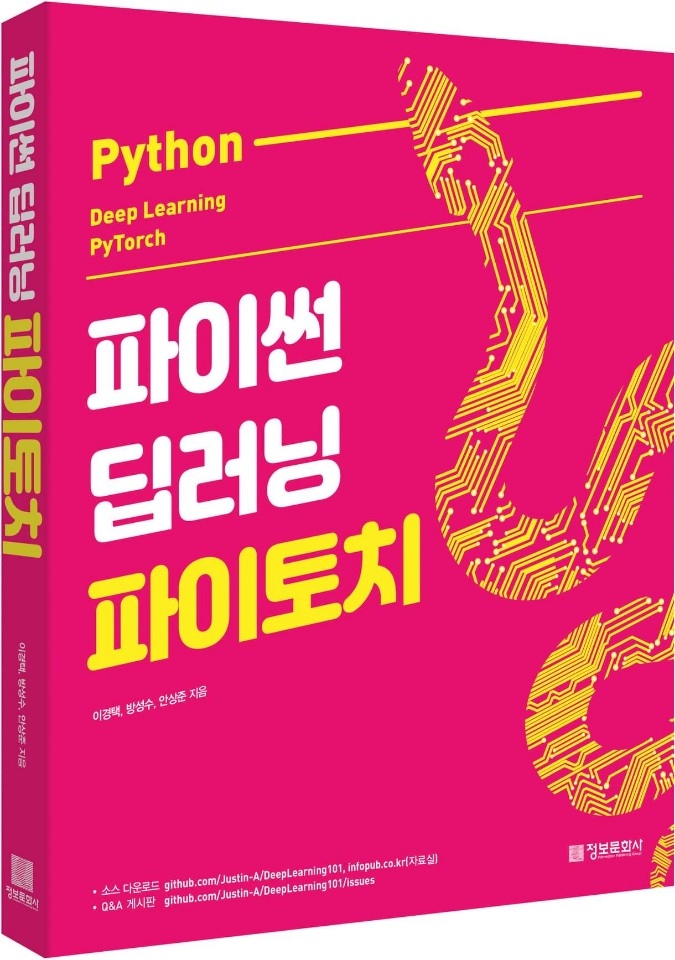
I organized the lectures given at Inflearn and published a book titled 'Python Deep Learning PyTorch'.
Thank you for your interest : )
(Inflearn lectures have been updated as of 2020.10.06. We will continue to update the lectures.)
http://m.yes24.com/Goods/Detail/93376077?ozsrank=10
http://mbook.interpark.com/shop/product/detail?prdNo=339742291&is1=book&is2=product
[PyTorch] I learned the basics of deep learning through the easy and fast deep learning course.
In this lecture, you will learn the basic knowledge required for natural language processing in a relatively small amount, and learn techniques for analyzing natural language data using deep learning technology.
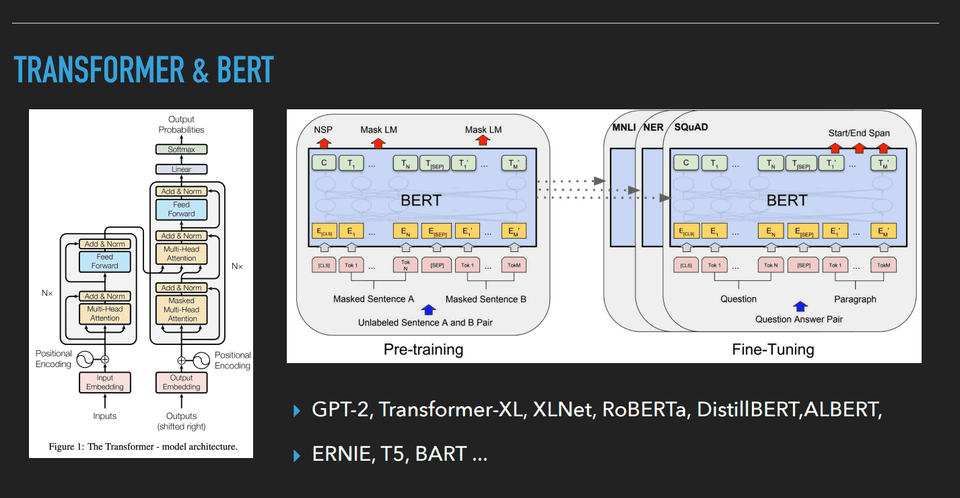
If you are interested in natural language processing, you may have heard of Transformer and BERT models.
However, I expect that you may not easily understand the working principles of Transformer and BERT models.
This is because of the lack of basic knowledge about natural language processing .
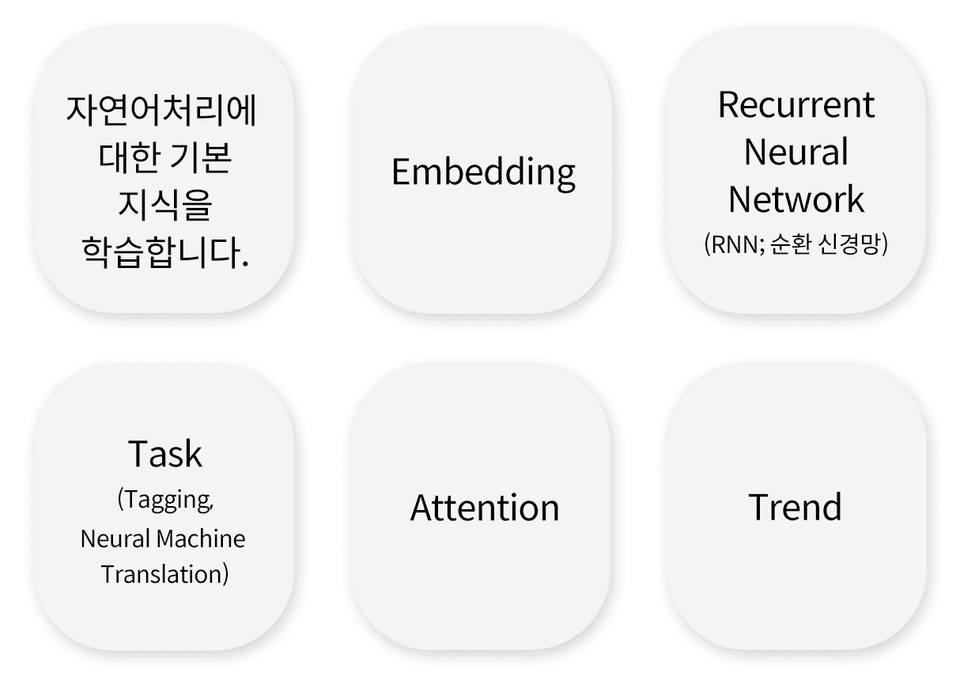
Therefore, in this lecture, we will learn the contents that can build basic knowledge about natural language processing .
We present limitations of the existing methodology that expressed natural language as categorical variables.
We describe a natural language expression methodology that can overcome this.
We will cover the core contents of the methodology and explain through practice how it can be used in practice .
Learn about the Recurrent Neural Network (RNN) deep learning model, which can well reflect the characteristics of natural language.
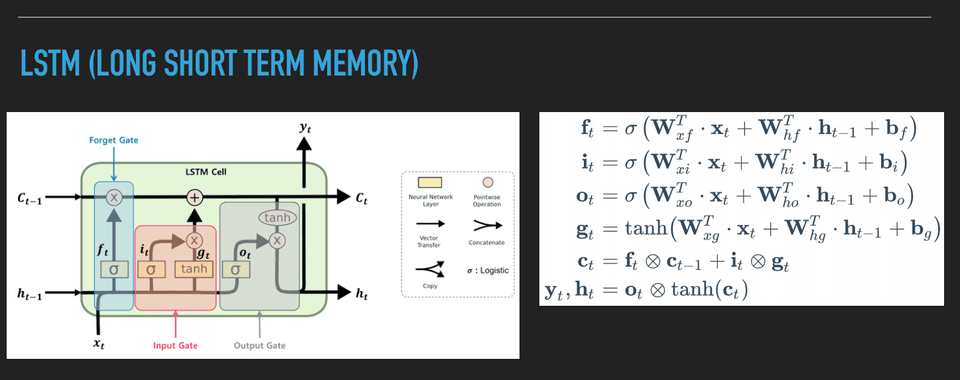
We will learn the feeding process of the RNN model mathematically, and also explain the feeding process of the advanced Long Term Short Memory (LSTM) and Gated Recurrent Unit (GRU) models mathematically.
There are many tasks in the field of natural language processing.
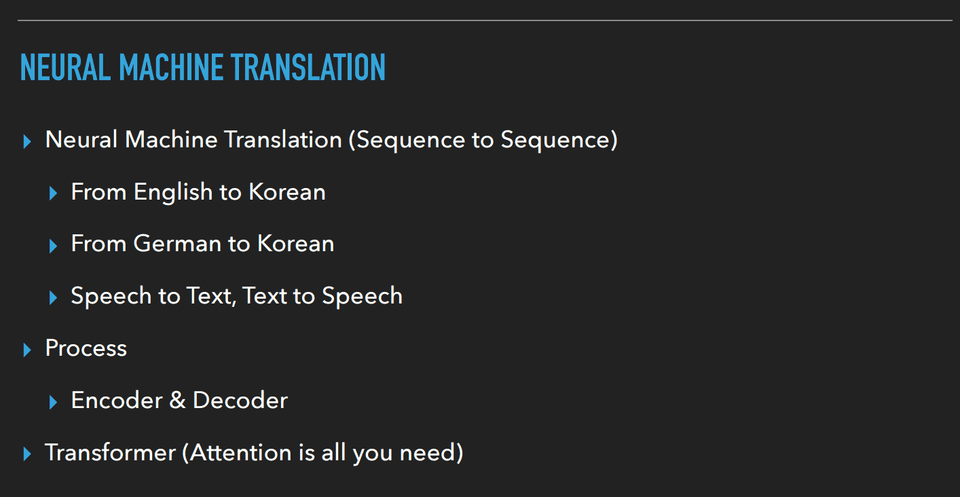
Among them, we will learn what tasks are most representative: Tagging and Neural Machine Translation .
We present a representative deep learning model structure for analysis methods along with specific examples for each task.
Describes the Weight Feeding process of data.
The limitations of the RNN model are presented, and a methodology for improving them is presented.
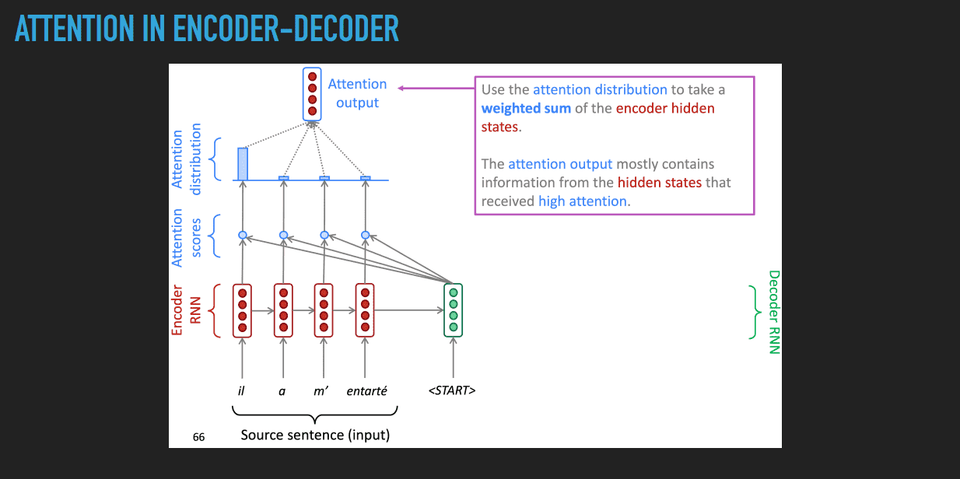
We introduce Attention, a recently emerging mechanism in the field of natural language processing .
Neural Machine Translation using Attention Mechanism,
We will explain how each tagging method using the Attention Mechanism can be applied.
From the perspective of a knowledge sharer, I will introduce the major areas of research currently being conducted in the field of natural language processing .
After taking this course, I will suggest a direction for how to study natural language processing.
Q. Can you explain Transformer and BERT models in this lecture?
→ This lecture is a basic lecture on natural language processing. The goal of this lecture is to prepare the basic knowledge required when studying Transformer and BERT models. Therefore, we will briefly introduce Transformer and BERT models, but will not cover specific content.
Q. How much knowledge do I need before taking the course?
→ [PyTorch] I recommend taking the easy and fast deep learning course. In addition, if you have basic knowledge of deep learning algorithms, you can take the course sufficiently.
Q. How are the practical classes conducted?
→ I will prepare and lecture on practical code related to the theoretical content. I recommend that you share the code, but review it by writing the code line by line. (Practical code: [ https://github.com/Justin-A/ ]( https://github.com/Justin-A/torch_nlp_basic)torch_nlp_basic )
Justin
Who is this course right for?
Those who want to deal with natural language processing using deep learning
Those who want to learn about text and NLP
Need to know before starting?
Deep Learning Basics
Pytorch Basics
8,388
Learners
509
Reviews
136
Answers
4.4
Rating
20
Courses
I am an unemployed scholar who majored in statistics as an undergraduate, earned a PhD in industrial engineering (artificial intelligence), and is still studying.
Awards ㆍ 6th Big Contest: Game User Churn Algorithm Development / NCSOFT Award (2018) ㆍ 5th Big Contest: Loan Delinquency Prediction Algorithm Development / Korea Association for ICT Promotion
Awards
ㆍ 6th Big Contest Game User Churn Prediction Algorithm Development / NCSOFT Award (2018)
ㆍ 5th Big Contest Loan Defaulter Prediction Algorithm Development / Korea Association for ICT Promotion (KAIT) Award (2017)
ㆍ 2016 Weather Big Data Contest / Korea Institute of Geoscience and Mineral Resources President's Award (2016)
ㆍ 4th Big Contest: Development of Insurance Fraud Prediction Algorithm / Finalist (2016)
ㆍ 3rd Big Contest Baseball Game Prediction Algorithm Development / Minister of Science, ICT and Future Planning Award (2015)
* blog : https://bluediary8.tistory.com
My primary research areas are data science, reinforcement learning, and deep learning.
I am currently doing crawling and text mining as a hobby :)
I developed an app called Marong that uses crawling to collect and display only popular community posts,
I also created a restaurant recommendation app by collecting lists of famous restaurants and blog posts from across the country :) (it failed miserably..)
I am currently a PhD student researching artificial intelligence.
I even developed a restaurant recommendation app by collecting blog posts and lists of top-rated restaurants across the country :) (though it failed miserably...) Now, I am a PhD student researching artificial intelligence.
I even developed a restaurant recommendation app by collecting lists of famous restaurants and blogs from all over the country :) (It failed miserably...) Now, I am a PhD student researching artificial intelligence.

All
15 lectures ∙ (5hr 44min)
Course Materials:
All
19 reviews
4.4
19 reviews
Reviews 2
∙
Average Rating 5.0
5
I like the teaching style that builds up from the basics.
Hello, this is Justin. Through this lecture, I hope that you will build on the basics of natural language processing and study more advanced content to develop the ability to be proficient in natural language processing. Thank you for taking the course.
Reviews 3
∙
Average Rating 5.0
5
Thank you for explaining the in-depth contents by focusing on the important parts. Thanks to you, I was able to understand the flow of the table of contents and get a sense of which parts to focus on.
Hello, this is Justin. I've created a lecture that focuses on the most basic content about natural language processing and focuses on understanding the flow. Thank you for your interest.
Reviews 2
∙
Average Rating 5.0
Reviews 9
∙
Average Rating 5.0
Reviews 6
∙
Average Rating 5.0
$42.90
Check out other courses by the instructor!
Explore other courses in the same field!