Introduction to Python for Data Analysis
pnuswedu
Free
Beginner / Python
4.8
(8)
600+
Let's build a solid foundation in Python and solve data analysis problems!

Beginner
Python

This course has a published textbook based on its contents.
This lecture is the first lecture of the data science course developed by TEAMLAB and Inflearn, "Introduction to Python for Data Science." This lecture was created based on the content of the K-MOOC: Introduction to Python for Data Science (YouTube) course, which was produced with the support of the Ministry of Education. This lecture was created with the support of 249 people through crowdfunding prepared by TEAMLAB and Inflearn. We plan to develop additional lectures on the list below in the future.
Please also refer to the list below for existing K-MOOC courses.
Python is currently the most widely used language for data analysis, development, artificial intelligence, and office automation. Through this course, you can build a foundation for understanding how to use Python, programming concepts, and specialized lectures that will be added in the future.
| Learning Objectives | Helpful people |
|---|---|
| Acquire basic knowledge of basic programming language grammar and data handling. | Anyone who wants to get started with programming, a beginner who wants to learn data science, anyone who wants to build a foundation before starting machine learning, anyone who is preparing for a job in the data science field |
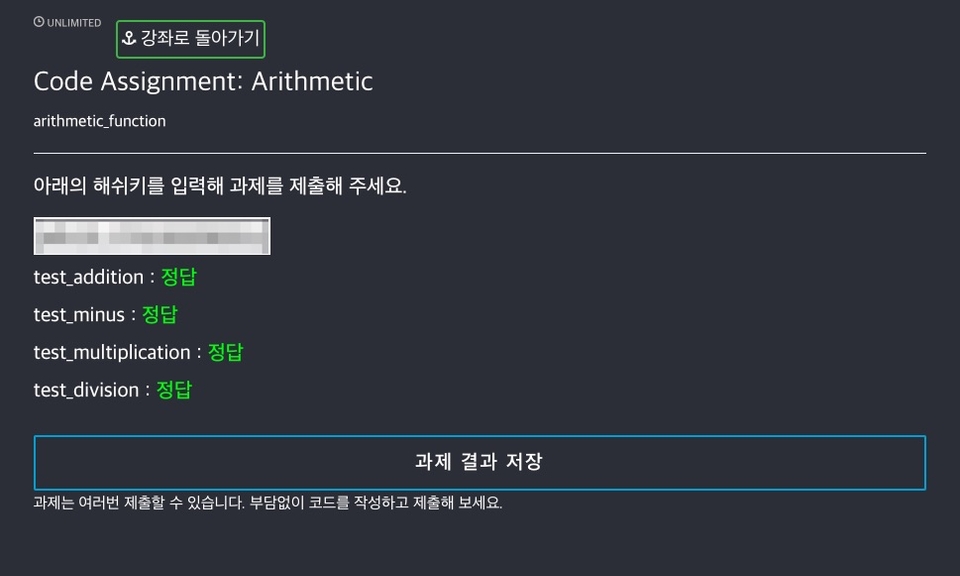
This Python programming course is structured as a lecture-quiz-practical assignment for each chapter.
If you count 1 chapter as 1 week, it's 15 weeks of study.
Professor Seong-cheol Choi, who has experience in both corporate and academic settings and has received much support from previous K-MOOCs, and Inflearn have prepared this with great care.
The grammar is concise and easy to learn. Since it is open source, there are many useful libraries.
Python is a popular language used in various fields such as programming, data analysis, and the Internet of Things. Learn basic Python and improve your skills through various advanced courses such as programming or data analysis!
Jump to Python , by Park Eung-yong,
2014 Hello Python Programming, by Warren Sande and Carter Sande / Translated by Seungbeom Kim and Junpyo Park,
2014 Ha Yong-ho, How should we view startup data ?
2014 Choi Seong-cheol, Introduction to Programming for Industrial Engineering Part 1 (w/Python) ,
2014 Seongcheol Choi, Introduction to Programming for Industrial Engineering Part 2 (w/Python) ,
2014 Choi Seong-cheol, Introduction to Programming for Industrial Engineering Code (w/Python) ,
2014 Code Assignment Analysis Technical Support: Lablup (www.lablup.com)
Choi Seong-cheol (Director of TEAMLAB )
Gam Dong-geun, Kang Nam-gu, Kang Dong-hoon, Kang Min-goo, Kang Seung-hyung, Kang Shin-hyun, Kang Jeong-mo, Kang Cheon-seong, Kyeon Eun-gyeong, Ko Sang-gyu, Ko Tae-young, Ko Hyeong-ju, Kwak Byeong-woo, Kwak Jun-gyu, Kwak Hyo-eun, Kwon Ki-woong, Kwon Su-rim, Kwon Jun-ho, Kim Kang-han, Kim Ki-beom, Kim Ki-hyun, Kim Dae-hyun, Kim Dong-soo, Kim Beom-young, Kim Sang-ho, Kim Seok, Kim Seol-hwa, Kim Seong-seon, Kim Yeong-gon, Kim Yeong-bok, Kim Wan, Kim Woo-jae, Kim Won-jun, Kim Yu-jun, Kim Jae-hoon, Kim Jong-cheol, Kim Joo-ho, Kim Jun-yeop, Kim Jun-cheol, Kim Jun-tae, Kim Ji-hoon, Kim Jin-yeong, Kim Tae-il, Kim Tae-hyung, Kim Hyun-soo, Kim Hyun-il, Kim Hyun-pyo, Kim Hyung-soo, Kim Hee-jung, Nam Goong-yeong, No Dong-heun, No Jeong-cheol, No Jin-seon, No Tae-ju, Ryu Jae-guk, Ryu Ji-hwan, Mok Jeong-hwan, Moon Jong-bae, Moon Jin-sol, Moon Jin-won, Park Kyung-hwa, Park Dong-hee, Park Du-gang, Park Min-joon, Park Seon-ho, Park Se-won, Park Soo-yeon, Park Shin-young, Park Jae-ho, Park Je-min, Park Jun-hwan, Park Jin-tae, Park Chan-jin, Park Cheol-hong, Park Tae-gyun, Park Tae-wook, Park Hye-won, Park Hong-seong, Park Hoon-beom, Park Heung-joo, Bae Yoon-seong, Bae I-hwan, Bae Jin-ui, Baek Gil-ho, Baek Sang-il, Byeong-seop Byun, Ki-yong Seo, Dong-jin Seo, Dong-hwa Seo, Yoon-hee Seo, Jae-won Seo, Min-ho Seong, Ki-chang Son, Baek-mo Son, Yu-yeon Son, Jeong-hoon Son, Min-gyu Song, Eun-jeong Song, Ji-hoon Song, Dong-soo Shin, Myeong-seok Shin, Ik-soon Shin, Jae-geun Shin, Jeong-hyeon Shin, Jin-gyu Shin, Heon-seop Shin, Byeong-hun Ahn, Jung-hee Ahn, Je-yeol Yang, Seong-woo Oh, Seung-jae Oh, Jae-woo Ok, Ji-won Woo, Seon Won, Ha-ri Won, Jae-hyeok Wi, Yeong-ho Yoo, Byeong-gil Yoon, Seok-chae Yoon, Seok-pil Yoon, Yoon Sung-hyun, Yoon Jun-seo, Yoon Jin-hwan, Lee Kyung-rok, Lee Kyung-mi, Lee Kyung-eun, Lee Ki-yong, Lee Dae-gyu, Lee Deok-gi, Lee Don-joong, Lee Min-sun, Lee Sang-yeop, Lee Seong-ju, Lee Seong-han, Lee Seong-hoon, Lee Su-hwan, Lee Seung-gyu, Lee Seung-jun, Lee Shin-ae, Lee Yeon-jun, Lee Yeong-sook, Lee Yeong-il, Lee Yong-min, Lee Yu-jeong, Lee Eun-seop, Lee Ja-ho, Lee Jae-jun, Lee Jae-hyun, Lee Jeong-yeon, Lee Jeong-ho, Lee Jong-seok, Lee Ju-woong, Lee Ju-won, Lee Ji-seon, Lee Ji-o, Lee Chang-seop, Lee Hyeong-beom, Im Se-min, Im Won-gyun, Im Jong-tae, Im Ji-hong, Im Chae-hyeon, Jang Seok-won, Jang Woo-il, Jang Woo-cheol, Jang Jun-hyeok, Jang Hyeon-jeong, Jang Hong-gi, Jeon Gyeong-hwan, Jeon Yong-jin, Jeon Jong-yeol, Jeon Jin-myeong, Jeong Gwang-yoon, Jeong Gwang-ho, Jeong Dae-hwan, Jeong Dong-ryeol, Jeong Dong-min, Jeong Seong-uk, Jeong Su-jeong, Jeong Seung-hyeon, Jeong Yeong-gyo, Jeong Yun-gi, Jeong Chan-mo, Jeong Hyang-won, Jeong Hyeon-cheol, Jo Gwang-je, Jo Min-ha, Jo Su-jeong, Jo Yeong-man, Jo Yong-jun, Jo Won-seok, Jo Jae-moon, Jo Jung-hyun, Joo Jeong-seok, Jin So-ra, Cha Dong-cheol, Cha Jin-man, Chae Ho-jin, Choi Gyeong-min, Choi Woong-sik, Choi In-bo, Choi Jeong-won, Choi Je-ho, Choi Jun-sik, Choi Han-dong, Chu Jeong-ho, Ha Jun-su, Han Bo-ram, Han Seong-uk, Han Seong-hyeon, Han Hyeong-seop, Hyun Seung-cheol, Hong Mi-na, Hong Sim-hee, Hong Jun-won, Hong Tae-hwan, Hwang Dae-seong, Hwang Eui-young, Hwang Ji-young, Hyo-ju, eric, Sunghuek Park, Lablup, Shin Jeong-gyu, TeamLab, Choi Soo-kyung, Lee Se-ri


![[Renewed] Python Introduction and Web Scraping Basics Bootcamp [From Python and the Web to Fundamental Data Concepts] (Updated)Course Thumbnail](https://cdn.inflearn.com/public/courses/324082/cover/57af93de-1021-40b4-80d7-a0dfc17190cf/324082.png?w=420)

![[Renewed] First-Time MongoDB and NoSQL (Big Data) Database Bootcamp [From Beginner to Practical Use] (Updated)Course Thumbnail](https://cdn.inflearn.com/public/courses/324183/cover/fbe9f0cc-4c42-4435-b855-f283f6932415/324183.png?w=420)
![[AICE] Data Analysis and AI Modeling with PythonCourse Thumbnail](https://cdn.inflearn.com/public/files/courses/340648/cover/01kg1qqxb50yahem3fa8znqr9p?w=420)
![[Python] The DFS Algorithm Even Liberal Arts Students Can Understand! – Beginner’s EditionCourse Thumbnail](https://cdn.inflearn.com/public/courses/331842/cover/bc65732d-d4df-4d03-b804-625dbd6b1a83/331842-eng.png?w=420)
![[Coding Basics All-in-One Package] Global Talent Development ProjectCourse Thumbnail](https://cdn.inflearn.com/public/courses/330666/cover/a0d165df-f81a-4fe2-99c6-a567bac4d9db/codesprint_01.png?w=420)