

inflearn logo

Overview of Non-invasive EEG-based BMI (Motor Imagery)

This is an introductory lecture designed to help you understand the core concepts of non-invasive EEG-based Brain-Machine Interfaces (BMI) and the process of Motor Imagery-based signal processing. It provides an easy-to-follow explanation of the entire workflow, from the basic principles of EEG signals to Motor Imagery experiments, data processing, and how actual BMI systems operate.

11 learners are taking this course

Level Basic

Course period Unlimited

Machine Learning(ML)
Big Data
Big Data
AI
AI
Machine Learning(ML)
Big Data
Big Data
AI
AI
Thumbnail

What you will gain after the course

  • Understanding the Core Concepts of Non-invasive EEG-based BMI

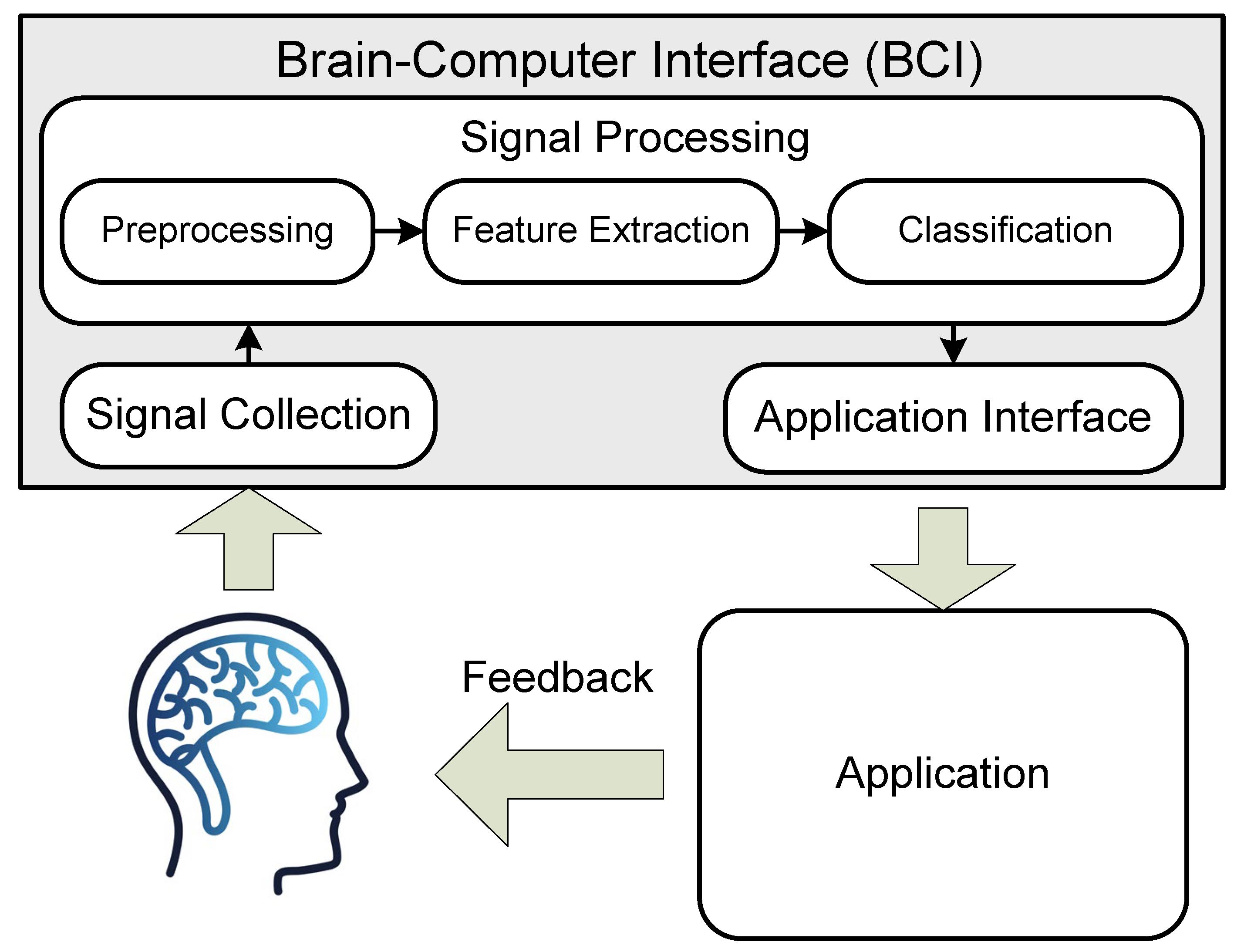
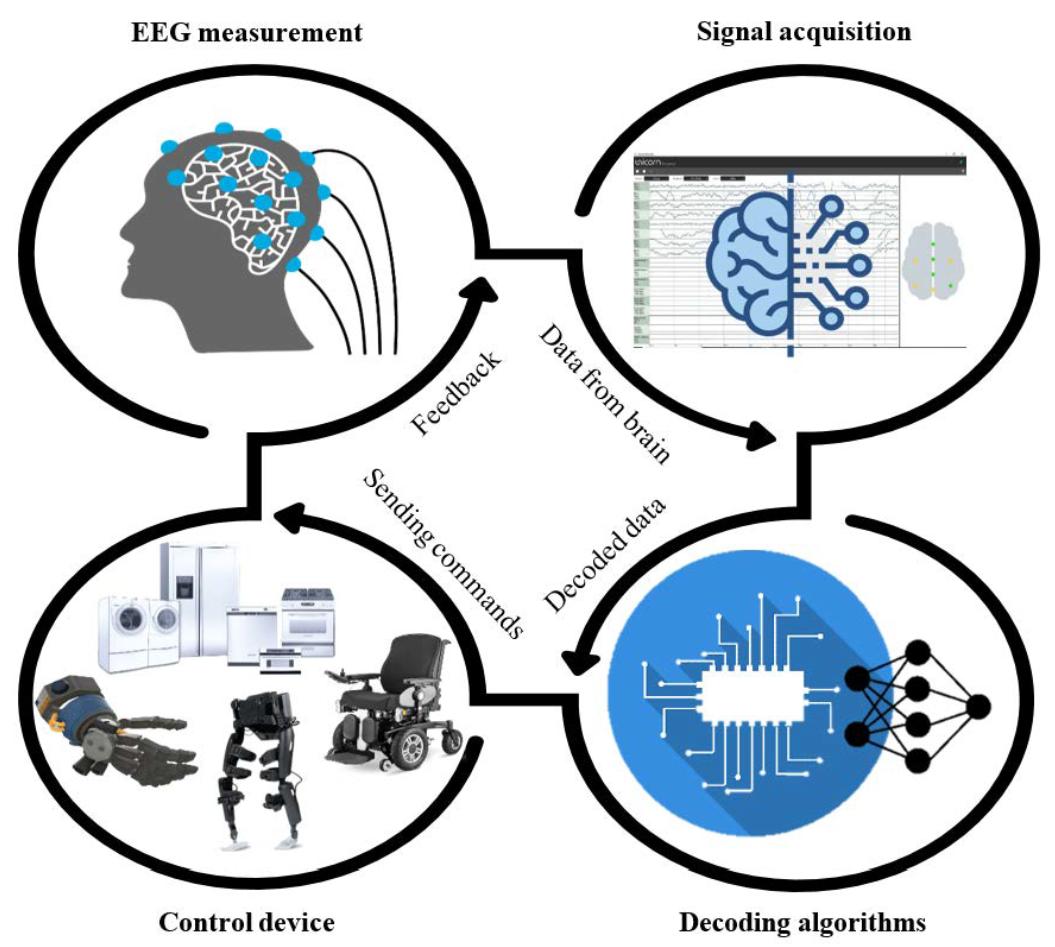
  • Understanding the flow of the BMI signal processing sequence (Acquisition–Feature Extraction–Classification)

Understanding Non-invasive EEG and Motor Imagery

This lecture is an introductory overview course focusing on the 'Motor Imagery' system, which is a core and the most popular technology in non-invasive Brain-Computer Interface (BCI/BMI).

  • Understanding the Basics of BMI: Definition of non-invasive methods and the mechanism of Motor Imagery (MI)

  • Characteristics of EEG Data: Analysis of physical properties and data structures of brainwave signals

  • Signal Processing Pipeline: The flow from noise removal to feature extraction

  • Classification Algorithms: Overview of machine learning/deep learning that recognizes brainwave patterns and converts them into commands

  • Latest Technology Trends: Application cases in actual industrial and research fields

Recommended for these people

📌

  • Brain Engineering/Bioengineering undergraduate and graduate students

📌

  • Developers or researchers who are curious about the operating principles of BCI/BMI systems


📌

  • Data scientists interested in biosignal data analysis


Expected Learning Outcomes

  • Understanding the basic concepts and structure of non-invasive EEG-based Brain-Machine Interface (BMI)

  • Understanding the operating principles of Motor Imagery-based brainwave interfaces

  • BMI understanding the flow of the signal processing sequence (acquisition–feature extraction–classification)

  • Understanding the research and practical application fields of BMI technology của công nghệ BMI

What you will learn

Section (1) EEG

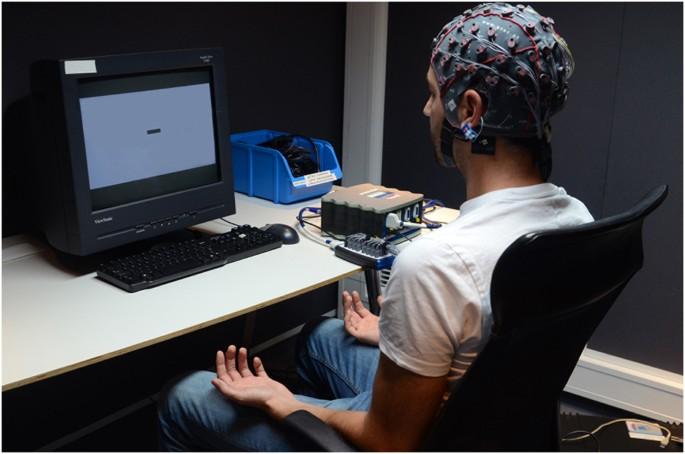
This is a technology that measures electrical signals from the brain through electrodes attached to the scalp.
As the most widely used signal acquisition method in non-invasive Brain-Machine Interfaces (BMI), it is utilized to control computers or external devices by analyzing the user's brain activity in real time.

Section (2) Motor Imagery

This is a technology that utilizes changes in brainwaves that occur just by imagining physical movement without actually moving.
In BMI systems, these brainwave patterns are analyzed to recognize the user's intention, which can be applied to various applications such as cursor movement, robot control, and rehabilitation therapy.

Notes before taking the course

Practice Environment

  • Operating System and Version (OS): OS types and versions such as Windows, macOS, Linux, Ubuntu, Android, iOS, etc.

  • Tools used: Software/hardware versions required for practice, billing plans, whether virtual machines are used, etc.

  • PC Specifications: Recommended specifications for running programs, such as CPU, memory, disk, graphics card, etc.

Recommended for
these people

Who is this course right for?

  • Those who want to understand the overall structure and concept of non-invasive BMI technology

  • Those who want to understand research and application cases of brain-wave-based interfaces

Need to know before starting?

  • Basic interest in Electroencephalography (EEG) and Brain-Machine Interface (BMI)

  • A basic understanding of signal processing or artificial intelligence is helpful (not required).

Hello
This is aisw

90

Learners

4

Reviews

5.0

Rating

2

Courses

Institute of Software Convergence Innovation, Pukyong National University

Curriculum

All

4 lectures ∙ (1hr 45min)

Published: 
Last updated: 

Reviews

Not enough reviews.
Please write a valuable review that helps everyone!

Similar courses

Explore other courses in the same field!

Free