
강의

멘토링

커뮤니티

AI Technology

/

Natural Language Processing

History and Development of LLMs

Describes in detail the various language models developed from the inception of Natural Language Processing technology to the process leading up to the latest LLM models.

16 learners are taking this course

  • arigaram
NLP
RNN
self-attention
transformer
LLM

What you will gain after the course

  • Language Model Development and Principles of Each Model

  • Origin of NLP

  • Structure and Principle of Transformers

  • RNN, LSTM Structure and Principles

  • Principles of Attention Mechanism

🔍What you'll learn in this course

This course focuses on the history and development of Large Language Models (LLMs), covering the latest technological trends and innovative approaches. The course is structured into four main sections, each systematically introducing important developments from the origins of language models to the latest technologies.


Section 1: Origins and Early Development of Language Models

This section covers the fundamental concepts of language models and early research. We examine how language processing technology has evolved and explore the early limitations and challenges.


Section 2: Development of Language Models Before Transformers

We analyze language models before the emergence of Transformer models. In particular, you can understand how models such as RNN and LSTM were utilized in natural language processing (NLP) and what their limitations were.


Section 3: The Transformer Revolution and the Era of Large Language Models

The revolutionary advancement of Transformer models explains how they have revolutionarily transformed the NLP field. It focuses on how large-scale language models like GPT and BERT emerged, and the practical applications where they have been implemented.


Section 4: Latest LLM Models and Technological Advances

This section covers cutting-edge LLM technologies, particularly multimodal processing, model optimization, device-based execution (LLM on Device), and reinforcement learning and Agentic Workflow along with other latest techniques. It introduces how the latest LLMs are evolving and presents industrial application cases utilizing these technologies.


🔍Example Screen

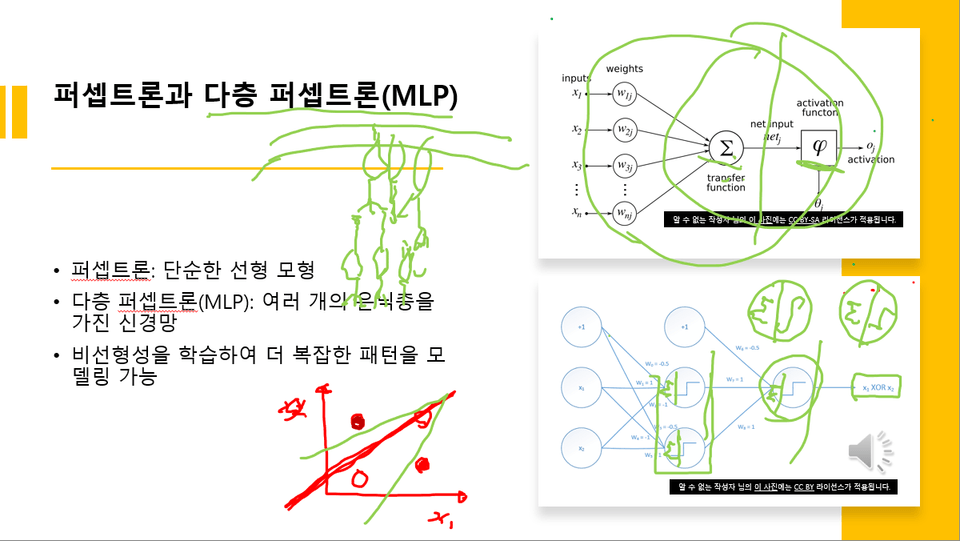
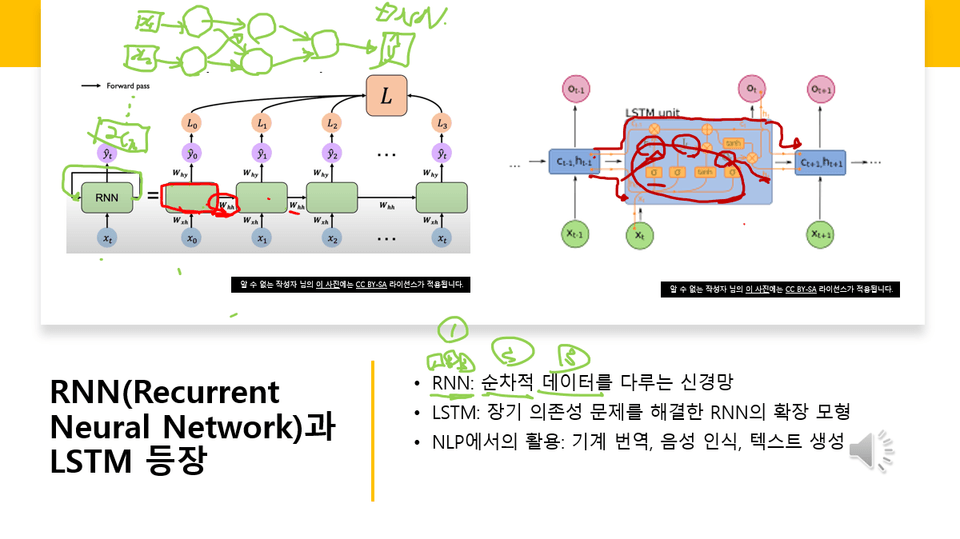
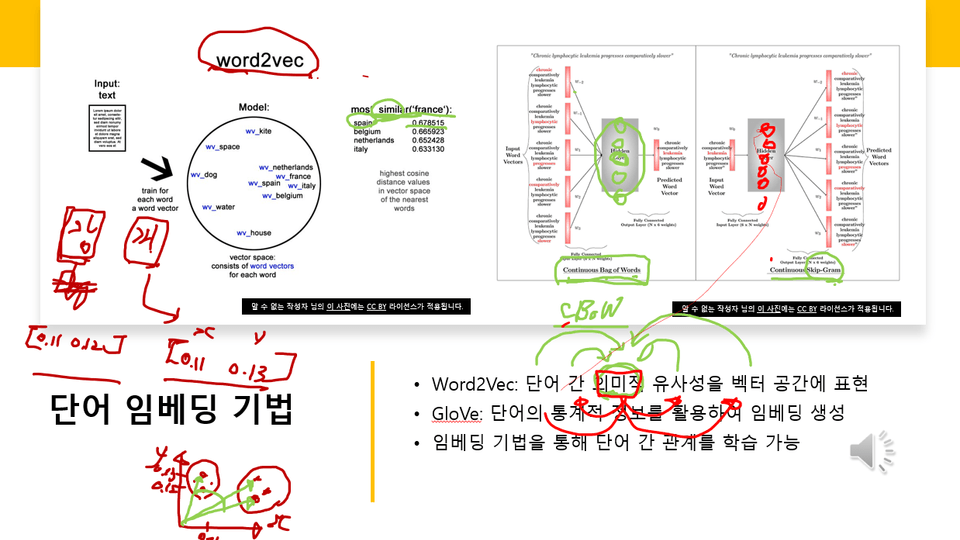
As shown in the example screen below, various diagrams are used during the lecture to explain LLM-related concepts in detail. In particulardiagrams related to NLP, RNN, self-attention, transformer, and LLM are used to provide focused explanations.

Screen Example 1 explained in Lesson 3

Screen Example 2 explained in Lesson 3

Screen example 3 explained in lesson 3

Pre-enrollment Reference Information


Practice Environment

  • Since this is a theory-focused lecture, no separate practice environment is required.

Learning Materials

  • I am attaching the lecture materials in PDF file format.

Prerequisites and Important Notes

  • Having background knowledge in natural language processing, artificial intelligence, deep learning, and reinforcement learning will help you better understand the content.

Recommended for
these people

Who is this course right for?

  • For those interested in LLM's origin, evolution, and tech trends.

  • Those who want to know about the artificial neural network structure underlying LLMs

  • Those wishing to gain theoretical knowledge for direct LLM development.

Hello
This is

560

Learners

29

Reviews

2

Answers

4.5

Rating

17

Courses

IT가 취미이자 직업인 사람입니다.

다양한 저술, 번역, 자문, 개발, 강의 경력이 있습니다.

Curriculum

All

11 lectures ∙ (5hr 23min)

Course Materials:

Lecture resources
Published: 
Last updated: 

Reviews

Not enough reviews.
Please write a valuable review that helps everyone!

$17.60

arigaram's other courses

Check out other courses by the instructor!

Similar courses

Explore other courses in the same field!