




강의

멘토링

로드맵

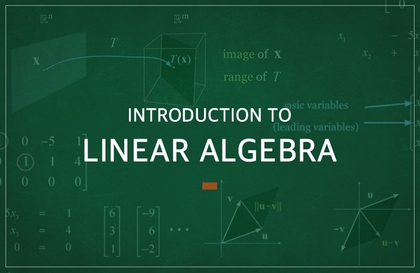
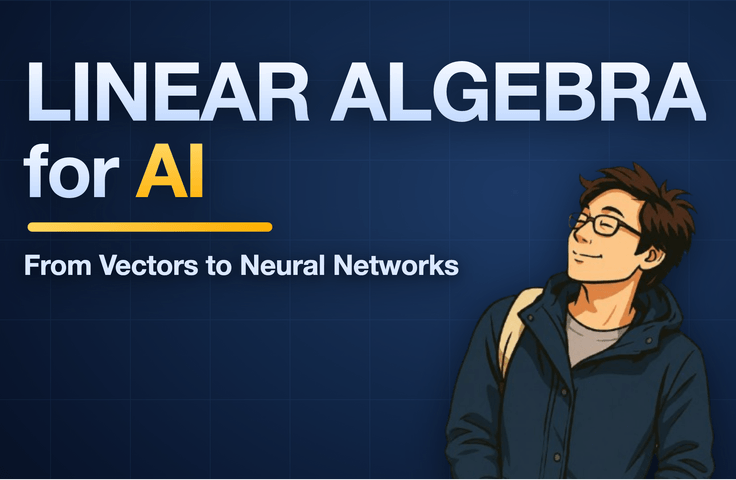
Linear Algebra for AI

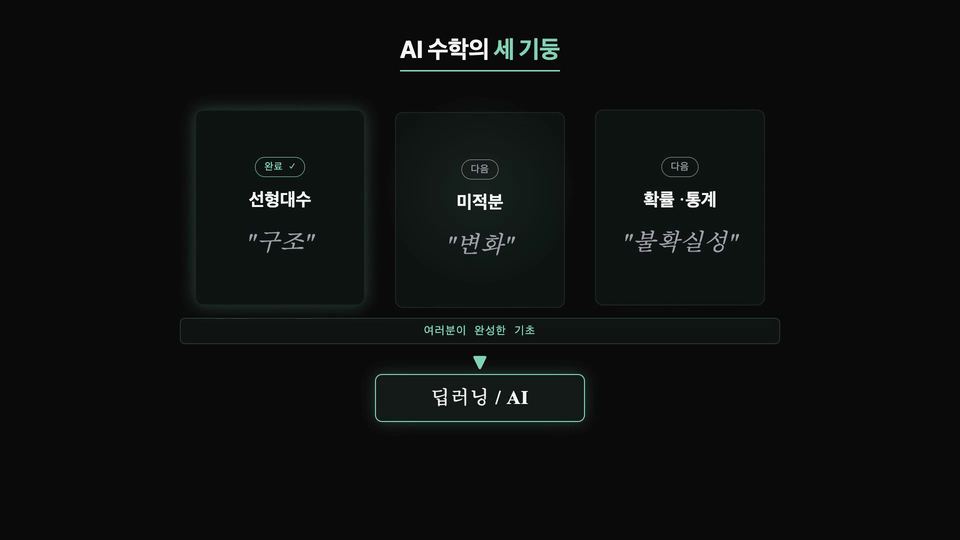
Have you been getting stuck on linear algebra formulas every time you try to study AI? Instead of memorizing formulas, this lecture shows you visually how vectors and matrices actually move in space. By the end of the course, you will be able to interpret the mathematics behind neural networks, PCA, and SVD on your own.

1 learners are taking this course

Level Basic

Course period Unlimited

Machine Learning(ML)
Deep Learning(DL)
Deep Learning(DL)
Artificial Neural Network
Linear Algebra
Linear Algebra
AI
AI
Machine Learning(ML)
Deep Learning(DL)
Deep Learning(DL)
Artificial Neural Network
Linear Algebra
Linear Algebra
AI
AI

What you will gain after the course

  • You can understand and explain vectors, matrices, and linear transformations as movements in space rather than just formulas.

  • You can read and understand the linear algebra principles behind neural networks, PCA, and recommendation systems on your own.

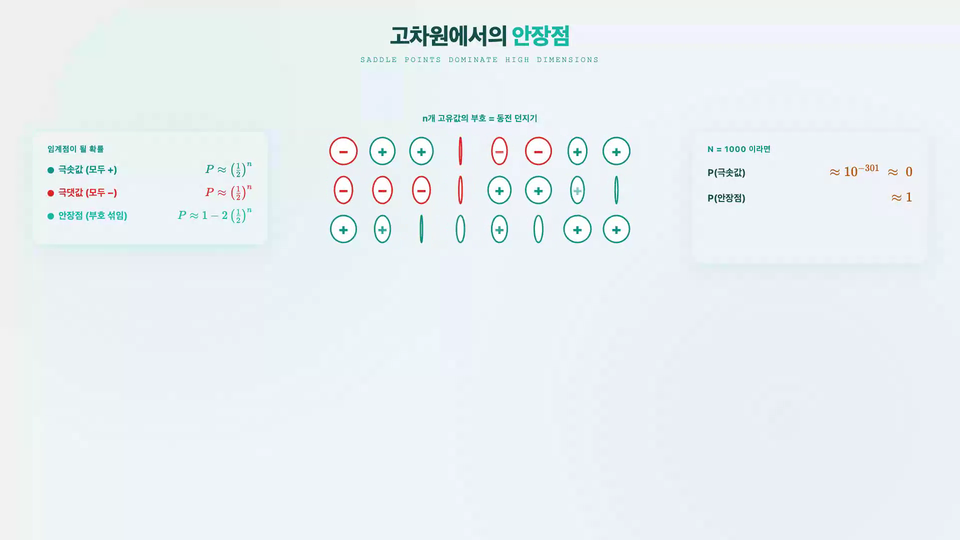
  • Intuitively understand the process of finding hidden patterns in data through eigenvalues and Singular Value Decomposition (SVD).

  • Understanding why least squares linear regression is a 'projection' through geometry

  • Get ready to confidently handle norms and tensors, the foundational languages of deep learning.

Linear Algebra for AI

Many people feel overwhelmed when faced with linear algebra, the foundation of AI, and especially when confronted with its mathematical formulas.

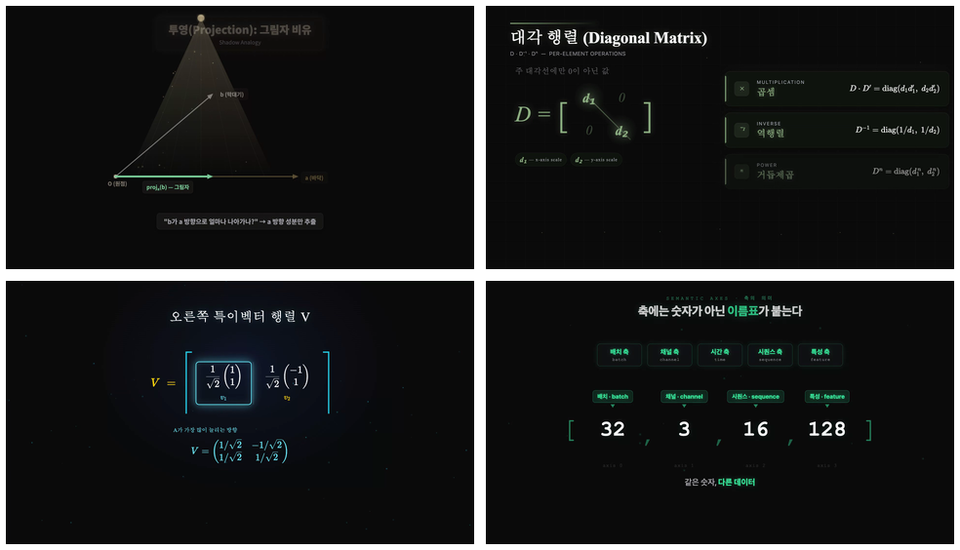
Instead of memorizing formulas, this lecture visually demonstrates how vectors and matrices actually move in space.

The moment abstract symbols turn into clear images, the mathematics of AI, which once felt difficult, finally begins to make sense.

You can build a solid foundation for moving into machine learning and deep learning.

If many AI lectures felt difficult because they were full of formulas, this lecture is different. We explain how vectors and matrices move in space through geometric intuition. You will develop the ability to read the mathematical principles of complex AI models on your own.

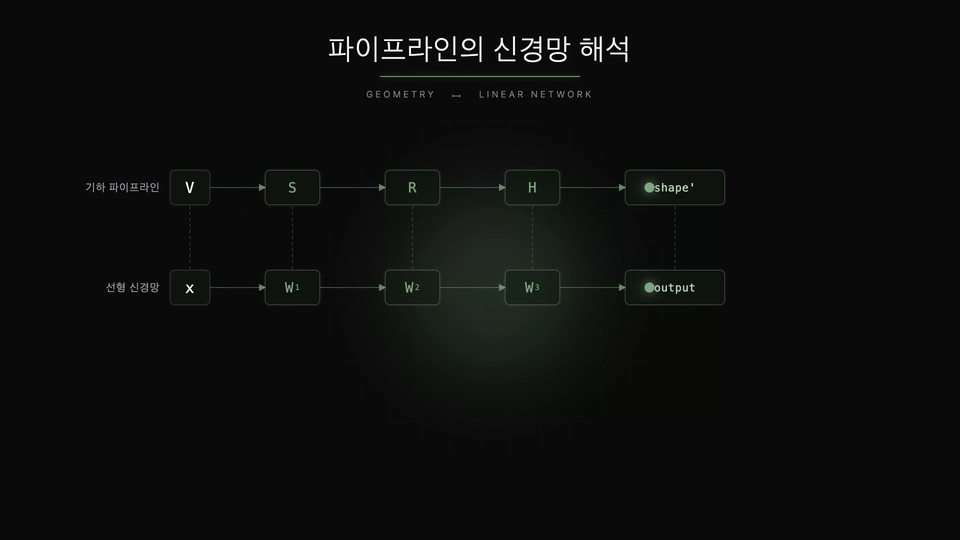
Neural networks, PCA, and SVD—the core technologies of AI—are ultimately explained in the language of linear algebra. When you understand them through the movement and transformation of data instead of rigid formulas, the fundamental principles of AI become clear. You can easily follow along with just a high school level of mathematics.

The goal is 'understanding,' not memorization. Once you understand what each concept means in space and why it is important, you will be able to build the mathematical foundation of AI models on your own. You will be fully prepared to confidently handle norms and tensors, the fundamental languages of deep learning.

You will have grown into an expert who clearly understands the mathematical foundations of AI.
I support your journey in leading the AI era.

Curriculum

What is covered in this course

Section 1

Course Introduction and Learning Guide

We introduce the importance of linear algebra as the foundation of AI and guide you through learning core concepts—such as vectors, matrices, linear transformations, decompositions, norms, and tensors—with a focus on geometric intuition. We also present the overall structure of the course, learning objectives, and effective study strategies.

Section 2

Scalars, Vectors, and Matrices: The Fundamental Building Blocks of AI Data

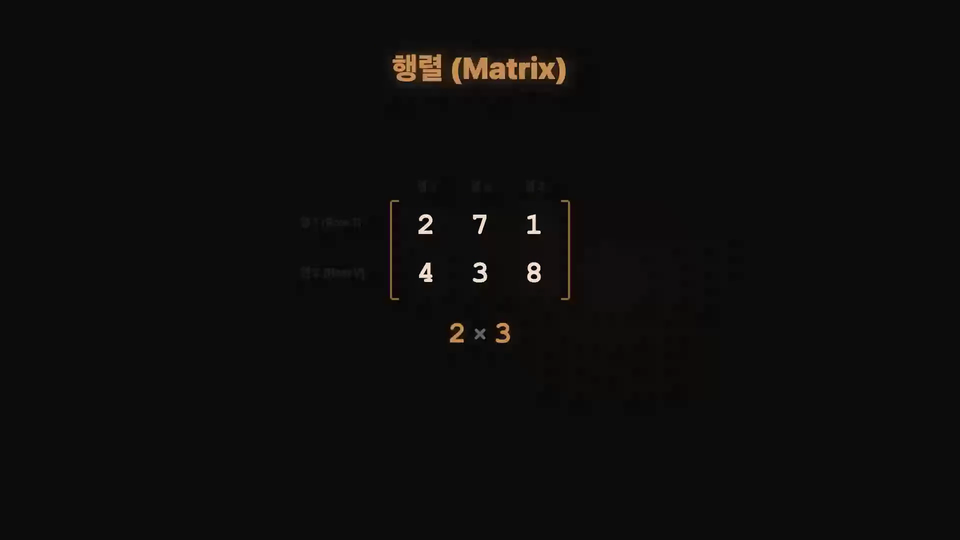
We will define the concepts of scalars and vectors, which are the basic units for how AI perceives and processes data, and learn their operations (addition, scalar multiplication, and dot product). Additionally, we will learn the definition of matrices—collections of multiple vectors—and their key operations (addition, scalar multiplication, transposition, and multiplication) to understand how to apply them to real-world data representation.

Section 3

Geometric Interpretation and Operations of Vectors

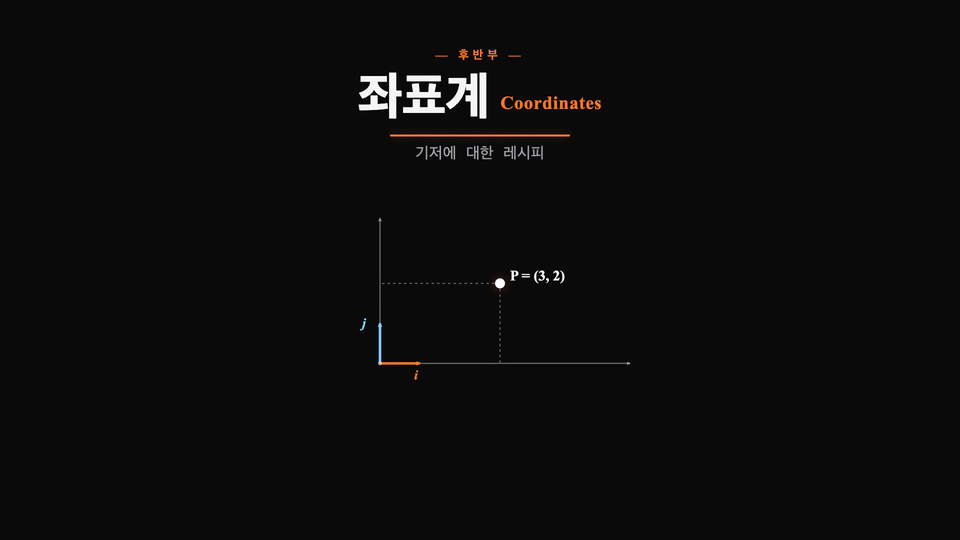
Understand vectors by visualizing them as points or directions in space, and explore geometric relationships such as distance between vectors, angles (cosine similarity), orthogonality, and projection. Grasp the fundamental properties of vector spaces through the concepts of span and convex combinations.

Section 4

Linear Transformation: Spatial Deformation Using Matrices

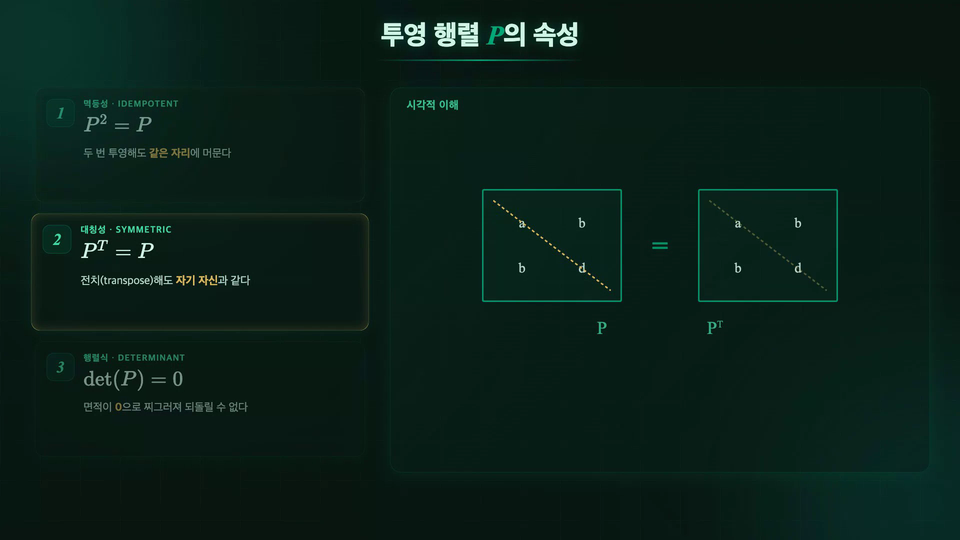
Understand geometrically how matrices transform 2D or 3D space (rotation, scaling, shearing, reflection, projection, etc.). It covers the composition of linear transformations, their role in neural networks, and affine transformations in depth.

Section 5

Mini Project: Building a Transformation Gallery

This is a project where you will implement the concepts of linear transformation learned so far into actual code. By synthesizing various transformations and interpreting neural network models, you will enhance your ability to practically apply linear transformations.

Section 6

Systems of Linear Equations and Basics of Optimization

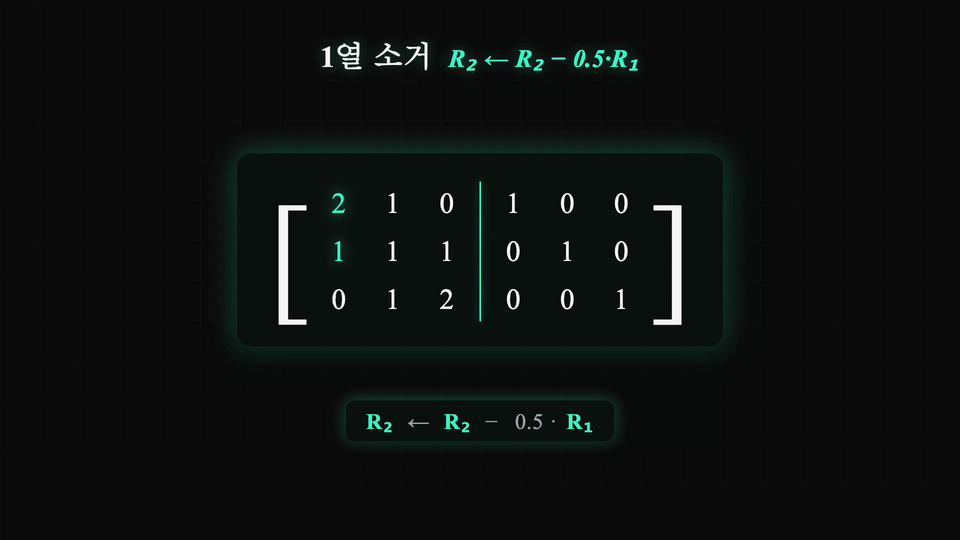
You will learn how to represent systems of linear equations in the form of matrix equations and how to find solutions using concepts such as Gaussian elimination, RREF, and inverse matrices. You will also explore the geometric meaning of determinants and their connection to linear regression.

Section 7

Vector Spaces and Subspaces: The Core of Data Structures

Understand abstract concepts such as the definitions of vector spaces and subspaces, linear independence, span, basis, and dimension intuitively. Grasp the fundamental characteristics of data structures through concepts like column space, null space, and rank.

Section 8

Midterm Project: Geometric Understanding of Linear Regression

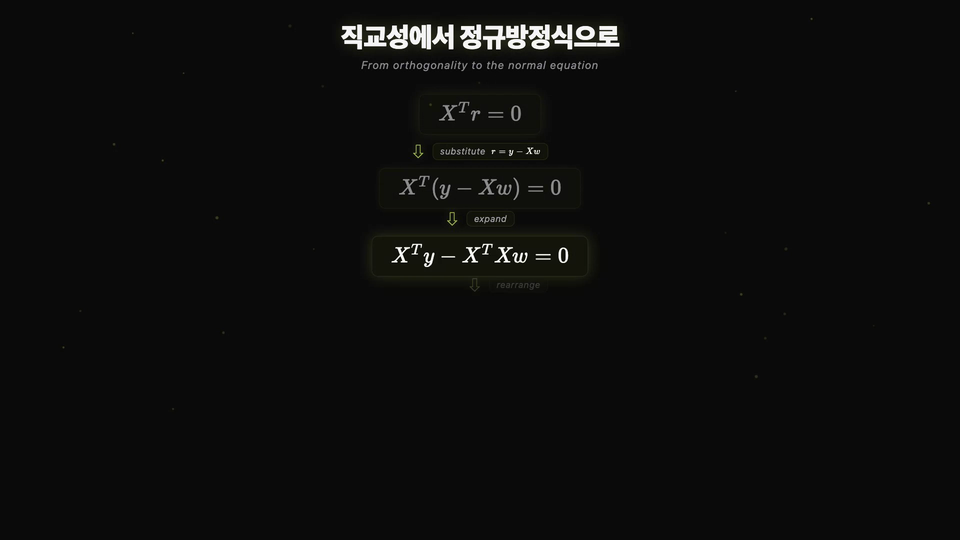
This project reinterprets linear regression problems from a geometric perspective. It explores the meaning of the least squares method through the principles of projection, provides an understanding of normal equations, and extends these concepts into a machine learning context.

Section 9

Eigenvalues and Eigenvectors: Core Tools for Matrix Analysis

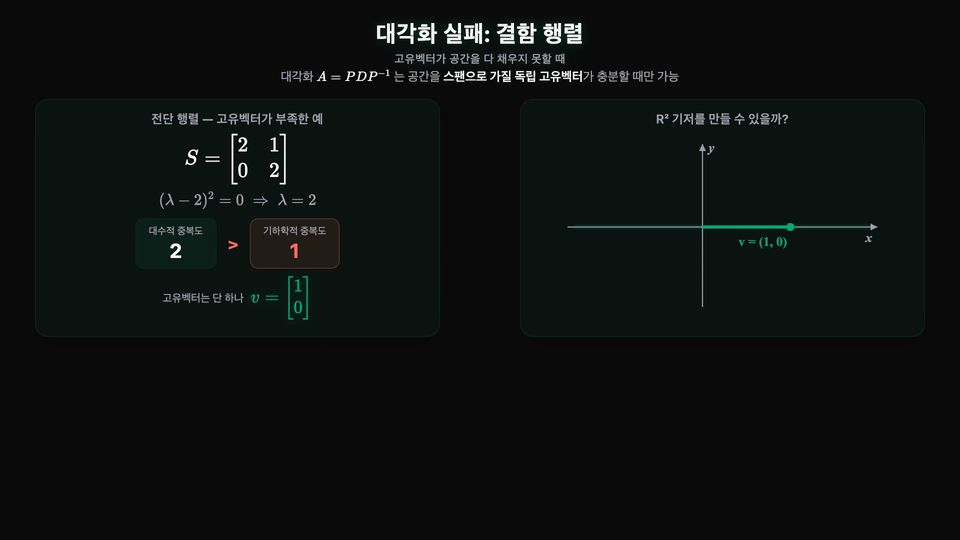
Understand the concepts of eigenvalues and eigenvectors geometrically and learn how to extract key information from a matrix. Explore their connections to core AI algorithms such as diagonalization, covariance matrices, and PCA (Principal Component Analysis).

Section 10

Singular Value Decomposition (SVD): The Master Key to Data Analysis

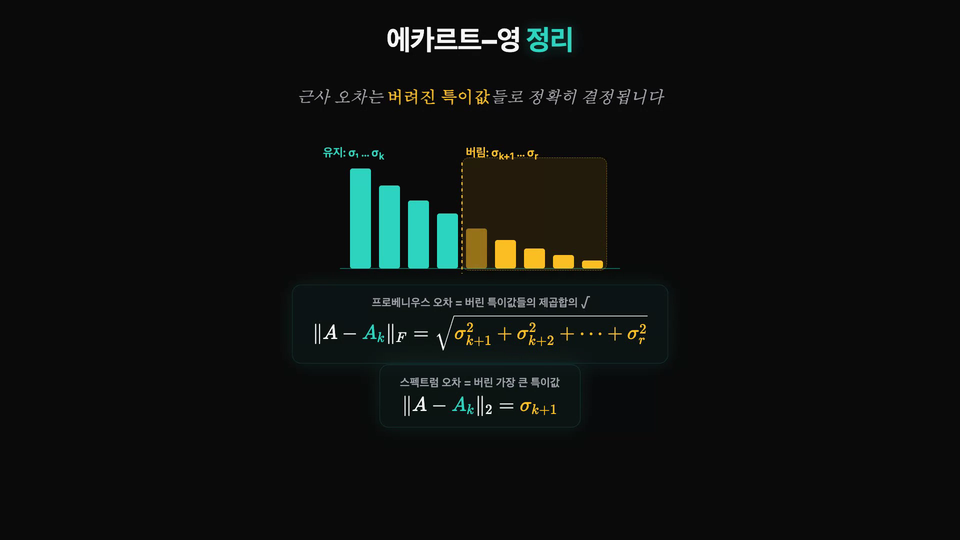
Learn the principles of Singular Value Decomposition (SVD) and master how to extract important data patterns by decomposing a matrix into three different matrices. Explore SVD use cases in various AI application fields, such as NLP and recommendation systems.

Section 11

Norms and Distance: Measurement Methods in AI

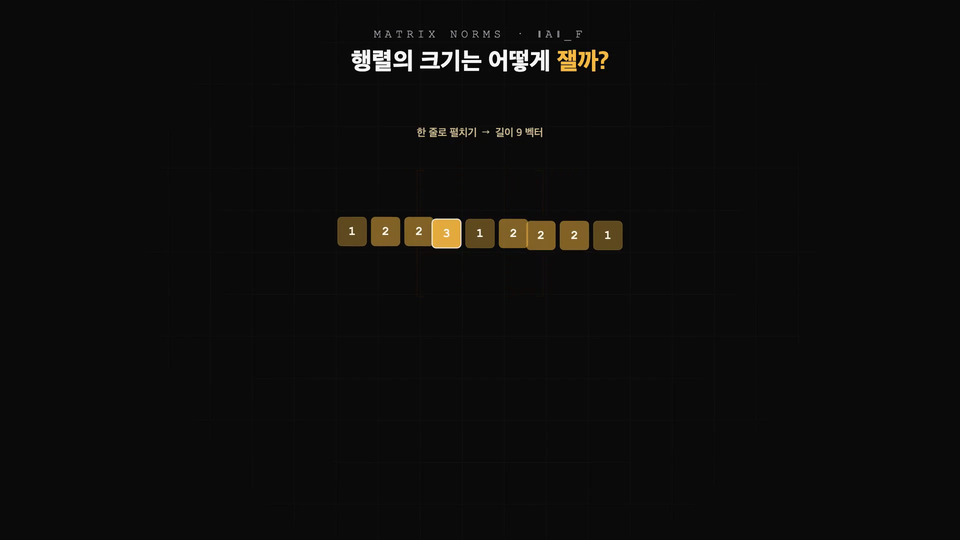
Understand the concept of norms (L1, L2, L∞) for measuring the size of vectors and matrices, and learn how to calculate distances between data points using them. Explore how norms are utilized in performance evaluation and regularization of neural network models.

Section 12

Positive Definite Matrices and Quadratic Forms

Understand the concept of quadratic forms and explore their relationship with positive definite matrices through eigenvalue analysis. It covers advanced topics such as the Hessian matrix, covariance matrix, and Cholesky decomposition.

Section 13

Tensor: High-Dimensional Data Representation and Operations

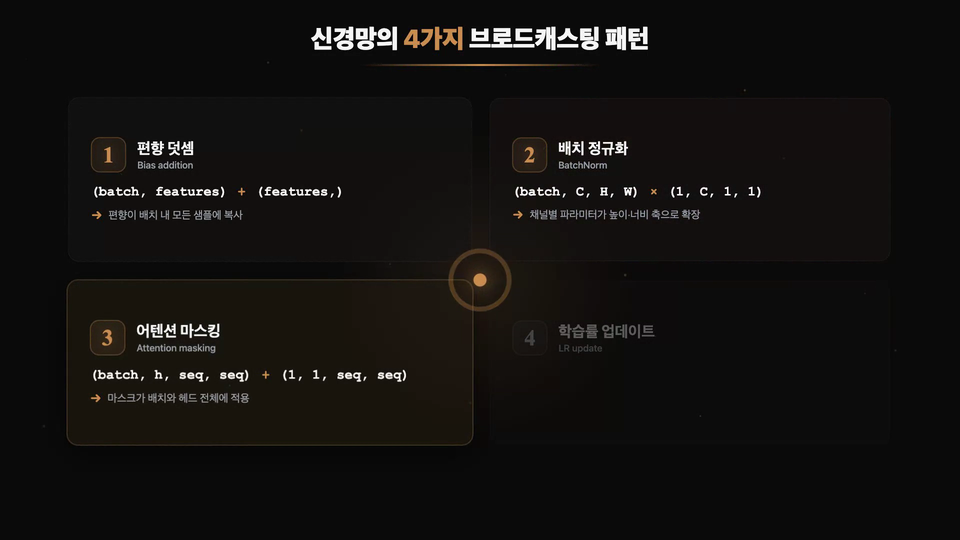
We introduce the concept of tensors—n-dimensional arrays that go beyond scalars, vectors, and matrices—and explore examples of their use in AI frameworks (PyTorch, TensorFlow). We cover complex data structures through tensor operations, broadcasting, and outer products.

Section 14

Capstone Project: Image Compression Using SVD

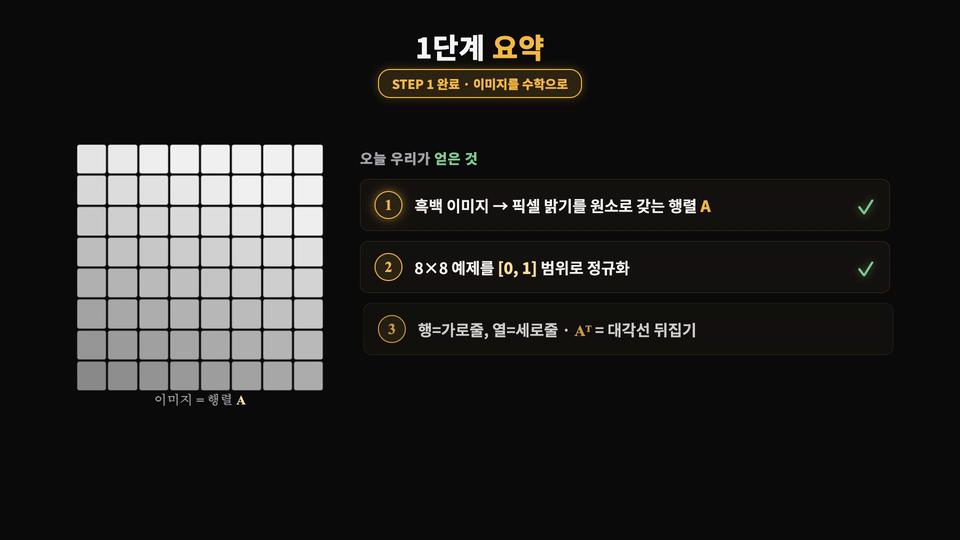
You will carry out a practical project to compress image data using SVD. You will understand the principle of matrix rank approximation and analyze the relationship between the compression ratio and reconstruction quality.

Section 15

Capstone Project: Implementing a Recommendation System

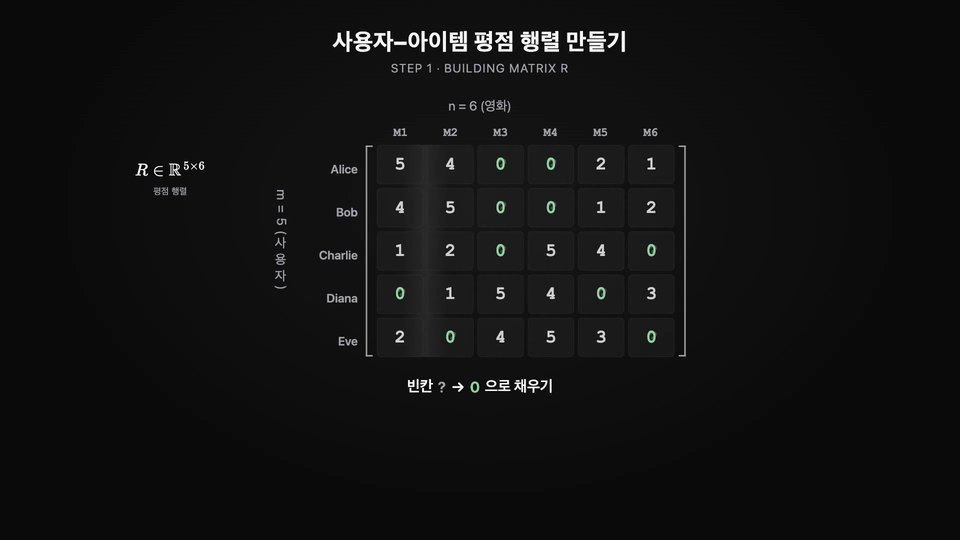
This project involves building a personalized recommendation system using low-rank matrix factorization and SVD. You will create a predictive model based on user preference data and apply SVD truncation techniques to improve recommendation accuracy.

Section 16

Conclusion of the Lecture and Future Learning Directions

Summarizes the core content of the Linear Algebra for AI course and presents the future learning path for AI and mathematics. Congratulates learners on their successful learning experience and provides guidance on additional study materials.

Section 17

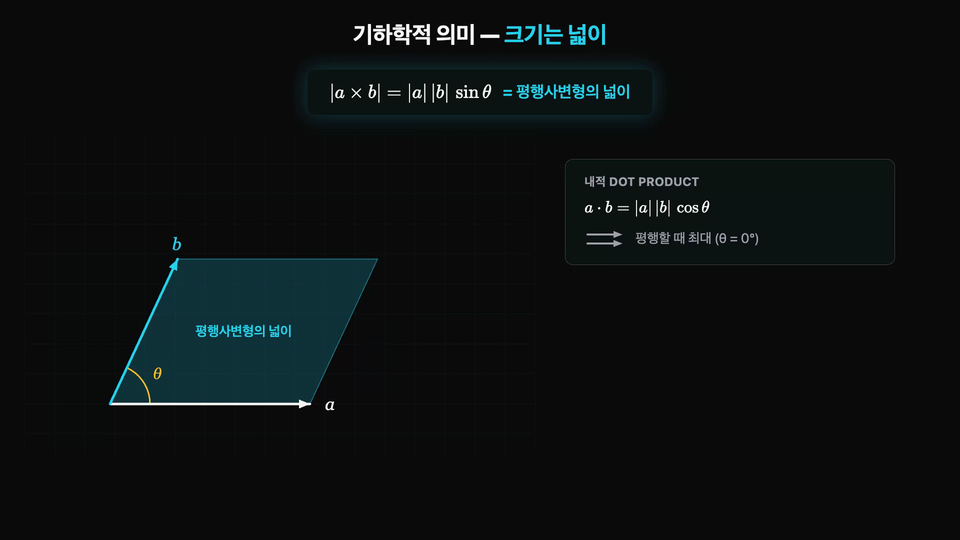
Additional Content: Vector Cross Product

We will further study the concept and geometric meaning of the vector cross product, one of the important operations in linear algebra. This is useful for understanding vector relationships in 3D space.

Target Audience for the Lecture

Recommended for these people

Beginners who are hesitating because they are stuck on AI mathematics

Those who want intuitive understanding over mathematical formulas

Notes before taking the course


Practice Environment

  • An environment where you can watch videos and view PDFs on Inflearn is sufficient.


Prerequisites and Important Notes

  • High school level mathematics (functions, graphs) knowledge is required.

  • Geometric intuition is emphasized over mathematical formulas.

  • It is suitable for those who want to learn the mathematical principles of AI/Machine Learning.

Learning Materials

  • Lecture slide materials are provided.

  • Lecture notes containing the course content are provided for every lecture.

  • The lesson notes include both practice problems and an answer key.


Lecture Voice Information🎙️

  • To reflect corrections and updates to the lecture content quickly, the recordings were made using a cloned version of the instructor's voice. Please keep this in mind when enrolling.

Recommended for
these people

Who is this course right for?

  • Those who want to learn AI and machine learning but are held back because mathematics feels like a barrier.

  • Those who have learned linear algebra formulas but feel frustrated because they lack the intuition for 'why this is important'

  • Those who want to build a solid foundation in the mathematical principles of AI before diving into coding.

  • Those who have only completed up to high school mathematics and feel anxious about moving on to ML/DL lectures

Need to know before starting?

  • High school level mathematics (coordinate planes, function concepts) is sufficient.

  • No programming knowledge is required (proceeds with theory and visualization without code)

Hello
This is codingmax

Career Verified

535

Learners

45

Reviews

18

Answers

4.9

Rating

3

Courses

Hello. I am CodingMax, the operator of the Enjoyable Coding Experience on YouTube - CodingMax channel.
I enjoy learning and sharing new knowledge as I go through life. 😊


📺 https://www.youtube.com/@coding-max
📘https://www.codingmax.net


I will always come back with informative and substantial content!

Curriculum

All

76 lectures ∙ (11hr 40min)

Course Materials:

Lecture resources
Published: 
Last updated: 

Reviews

Not enough reviews.
Please write a valuable review that helps everyone!

Limited time deal

$4,358.00

38%

$42.90

codingmax's other courses

Check out other courses by the instructor!

Similar courses

Explore other courses in the same field!