[PyTorch] Deep Learning Leading to Practical AI - From Basics to Paper Implementation
This is a lecture on implementing various artificial neural networks using PyTorch, a deep learning framework with very high utility in the field of artificial intelligence.
I took all the lectures.
I studied deep learning just because I was interested.
There was more to know than I thought, and there were a lot of technical terms, so I wasn't familiar with the terminology interpretation?, but Ho-hyung answered my questions well, so it was very helpful.
I will have to study again from CNN several times. Thank you.
5.0
조희제
100% enrolled
A lecture that organizes knowledge that was scattered all over the place
What you will gain after the course
Python
PyTorch
Model Tuning and Transfer Learning Methods for Enhanced Performance
Paper Implementation
Why Deep Learning Hohyeong?📝
I am Deep Learning Ho-hyung, who currently runs a YouTube channel about deep learning/machine learning.
Based on my knowledge of mathematics/data analysis , experience with numerous deep learning/machine learning projects , and career as a research engineer, I will point out the content that you must study.
Lecture Introduction💡
"This lecture is about implementation."
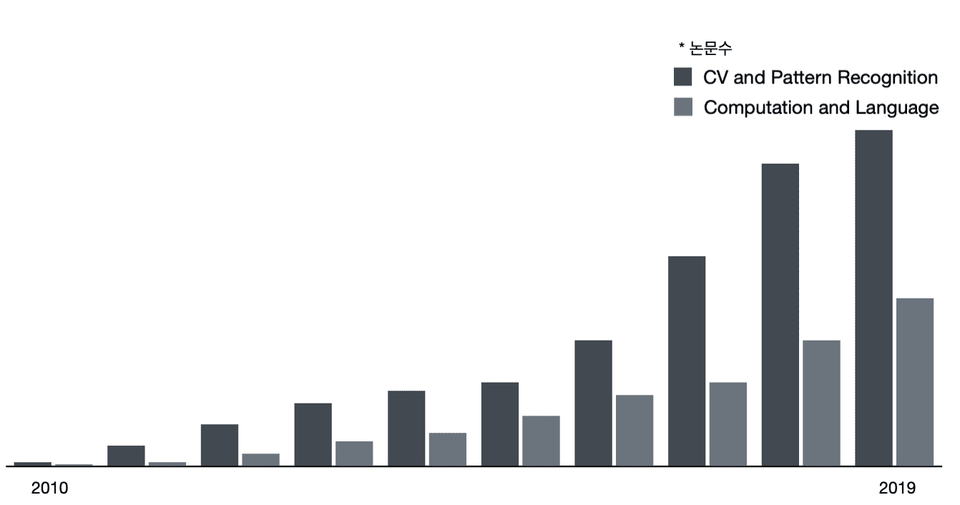
Artificial neural networks are powerful AI technologies that are already being applied in a wide range of fields, including manufacturing, autonomous vehicles, healthcare, biotechnology, and robotics. In fact, the number of papers submitted is increasing every year, and many universities around the world are opening related departments, and the industry is investing heavily in them. In Korea as well, universities are opening AI-related departments one after another . In line with this trend, we have created a lecture for those who want to study deep learning properly .
Deep learning is a subject that requires both conceptual understanding and implementation skills , so many people find it difficult. Therefore, through this lecture, I will try to explain it more easily and point out important parts. The curriculum is organized based on the lecturer's specialized knowledgeandresearch experience, and the content is largely divided into two parts.
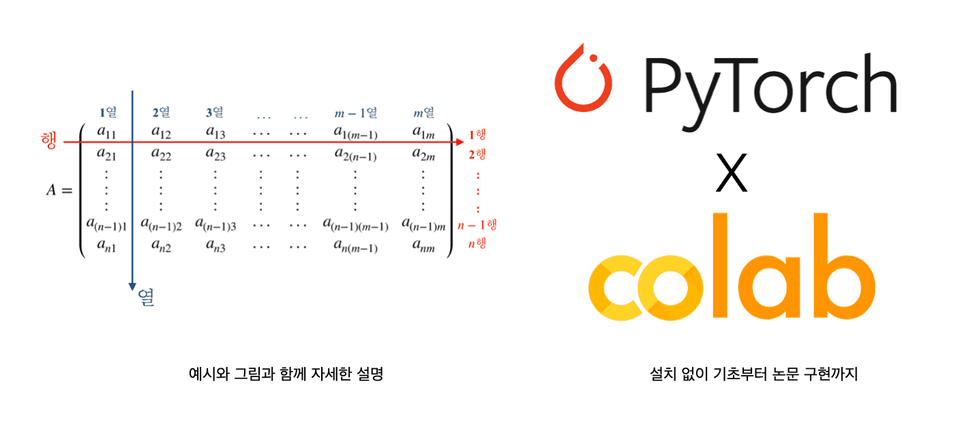
The first is to provide essential knowledge about deep learning through the concept section . Deep learning research has many parts that are expanded or improved from existing content. Therefore, it is important to acquire basic content and related knowledge to understand the latest research. The second is to develop the ability to implement models using Pytorch . In this lecture, you can build various artificial neural networks such as CNN, LSTM, GAN, and CAM without separate installation of the programming part.
We have organized the lectures compactly considering your precious time! Shall we begin now?
What you will learn in this course ✏️
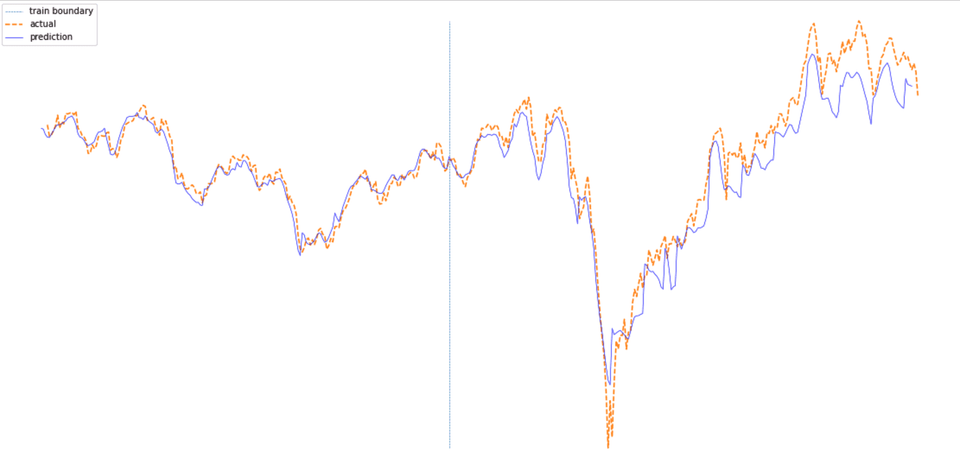
Are you still just using other people's code? Or are you implementing code without understanding the concepts? You can apply it and identify existing problems only with an accurate understanding. (If you have not yet learned deep learning, it will be helpful to watch the lecture " Understanding Deep Learning Concepts Leading to Practical AI .") In this lecture, we will explain how the concepts used in artificial neural networks work and learn together through practice (house price prediction, image classification, stock price prediction, fashion item creation, etc.) . ( All the practice codes covered in the lecture are provided . + Direct implementation of 6 top academic/journal papers )
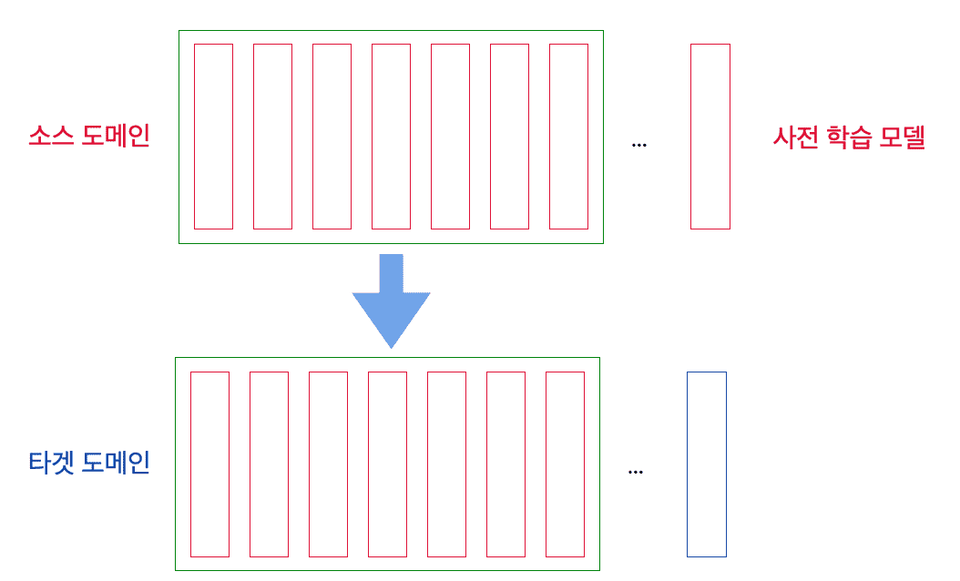
It also goes beyond the basics and coverstransfer learning and tuning methods that are essential for practical research.
Why PyTorch? 💎
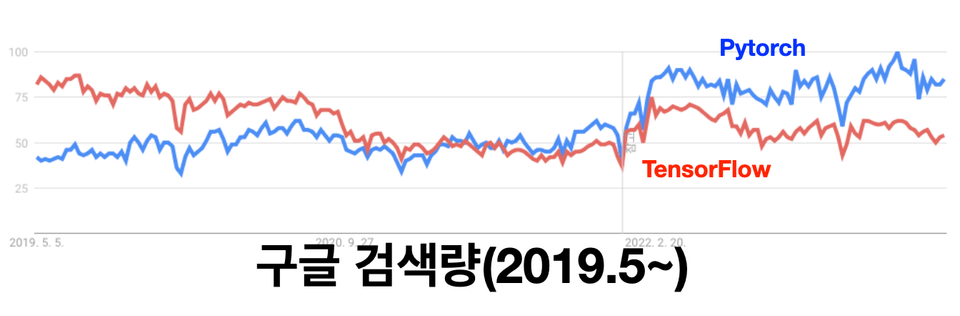
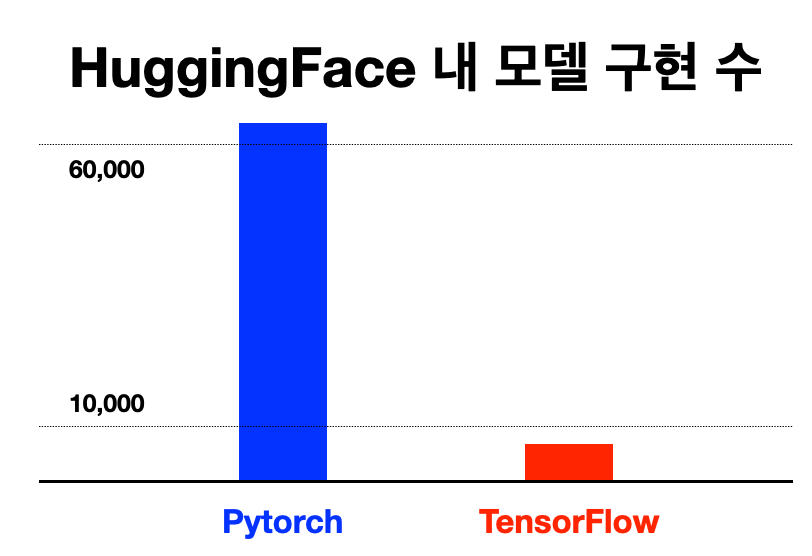
PyTorch is currently the most widely useddeep learning framework . Many indicators already show the immense popularity and usability of PyTorch.
Expected Questions Q&A 🙋🏻♂️
* The entire curriculum is divided into theory and implementation parts, andthis lecture is the implementationpart .
Q.Can non-majors also take the course? A. You can take this course regardless of your major , but we recommend that you take the implementation course after taking the deep learning theory course ( “Understanding deep learning concepts leading to practical artificial intelligence” ). If you have basic deep learning concepts, you can take this course right away. This is an introductory course that does not require any programming experience.
Q. What are the benefits of learning deep learning? A. Deep learning is the most widely used machine learning technology, and it is a subject that must be learned by anyone entering the field of artificial intelligence. In addition,since there are already many products that use deep learning technology around us,acquiring related knowledge will be very helpful for employment or work related to artificial intelligence.
Q.What program do you use in the implementation section? A. All exercises do not require separate installation.This will be conducted in Google Colaboratory .A Google account (free) is required, and if you are unable to use Colab, you may experience difficulties in practicing .
Q.Are there any special advantages to this course? A. Although it is an introductory course, it covers paper implementation,transfer learning, model tuning, etc.We will share stories that can only be learned throughactual research, and you can learn the basics from Python to PyTorch.
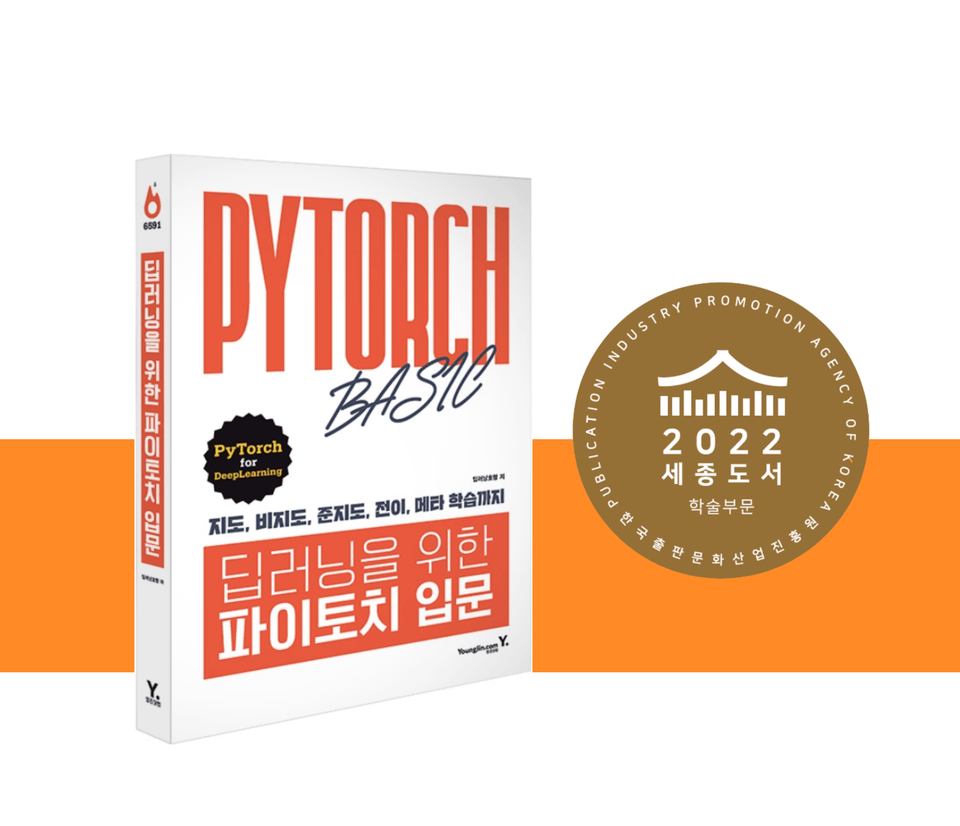
Q.Should I buy the book "Introduction to PyTorch for Deep Learning"? A.You can take the class without purchasing the book.However, since the content of the book was supplemented and published after the lecture was produced, you can access more content through the book. You can check the table of contents of the book through the link below. Also, even if there is no lecture on Inflearn, we will answer questions about the content of the book.
Selected for the 2022 Sejong Book Academic Category! (43 excellent books selected out of a total of 257 books)
I am Deep Learning Ho-hyung, and I run a YouTube channel related to deep learning and machine learning.
I majored in mathematics/data analysis and have completed and am currently working on numerous machine learning/deep learning projects.
I have knowledge that I can share with you, ranging from Artificial Intelligence topics such as machine learning, advanced machine learning, deep learning, optimization theory, and reinforcement learning, to mathematical content including linear algebra, calculus, probability and statistics, analysis, and numerical analysis.
Nice to meet you all!
§ Profile
Research Engineer at a large corporation - Development of smart factory-related models
PhD in Mathematics from Germany
§ Related Experience
Numerous SCI(E) papers and international conference presentations
Multiple university consultations related to artificial intelligence
Doctoral/Post Doctoral Researcher at a German Research Institute
Major Corporation Research Engineer - New Product Development
Author of "Introduction to PyTorch for Deep Learning" (Selected as a 2022 Sejong Book in the Academic Category)
I took all the lectures.
I studied deep learning just because I was interested.
There was more to know than I thought, and there were a lot of technical terms, so I wasn't familiar with the terminology interpretation?, but Ho-hyung answered my questions well, so it was very helpful.
I will have to study again from CNN several times. Thank you.







![[Python] Easily understand and implement machine learning without mathCourse Thumbnail](https://cdn.inflearn.com/public/courses/328518/cover/5748a5c0-65a6-4d06-bb54-9f3981fafeee/328518-eng.png?w=420)



![[AICE] Python for AICE Certification ExamCourse Thumbnail](https://cdn.inflearn.com/public/files/courses/340646/cover/01kg1pzqfsmh3pnt4dnwtkjcq6?w=420)
![[Updated] Your First Python Data Analysis (Easily! Learn the Entire Process of Preprocessing, pandas, and Visualization) [Data Analysis/Science Part 1]Course Thumbnail](https://cdn.inflearn.com/public/course-325576-cover/75d85753-8e0b-40f3-9f11-ca43e70c5200?w=420)
![[ICT Archive] Big Data Core and Business ModelsCourse Thumbnail](https://cdn.inflearn.com/public/files/courses/338811/cover/01k44rs7zkwq0ehc8vqsy2mdtb?w=420)