[Renewed] Python Data Analysis for Beginners (Easy! Learn the entire process of preprocessing, pandas, and visualization) [Data Analysis/Science Part1]
This is a course for learning the basic skills of the entire Python data analysis process for data analysis beginners. As an e-commerce planner and developer who utilizes data analysis techniques in actual work, I created this to help you easily learn the entire Python data analysis process and apply it immediately.
I'm continuing this course after taking the Web Scraping Basics Bootcamp!
I'm currently taking other bootcamps in parallel with the goal of becoming a data scientist, and from a beginner's perspective, Fun Coding's lecture quality seems truly overwhelmingly excellent!
Going forward, I plan to actively use Fun Coding's lectures for preview purposes, while focusing on review and project work in other bootcamps!
Thank you sincerely for the great lectures and passionate feedback every time! I'll see you again in the next lecture 😊
5.0
gyunhwank
100% enrolled
This course was structured around practical exercises covering data preprocessing and EDA using Pandas, and visualization through Plotly, which was a great help in learning the flow and feel of data analysis.
By applying the various features of Pandas to actual datasets, I became familiar with the analysis process, and through Plotly, I could create intuitive visualization results, allowing me to develop my data interpretation skills as well.
As someone learning data analysis for the first time, the practical-oriented structure was particularly useful, and because the instructor's explanations were kind, it was a course that even non-majors could follow without difficulty.
5.0
박해성
100% enrolled
Overall, it was very helpful for me to learn, and I could see the instructor's love for teaching. I hope that in the future, as you mentioned in the middle of the lecture, you will provide easy-to-understand lectures on a wide range of topics.
What you will gain after the course
How to use pandas
Data Analysis Fundamentals
Python Data Preprocessing
Latest Data Visualization
plotly visualization library
Various Data Formats and Data Collection
The official course chosen by top tech companies for internal training! A comprehensive course that will build your foundation in Python data analysis
This course is a course for learning Python data analysis techniques. It is designed to help you master data preprocessing, data processing through the pandas library, and even the most useful modern visualization library (plotly). While working in the field, through 8 years of teaching experience with 80,000 students, this is a special course created with maximum consideration for the learner's perspective rather than typical IT courses, and provides detailed materials in addition to the lectures.
This course is currently being used as the official in-house Python data analysis training at one of the major tech companies (Naver, Kakao, Line, Coupang, Baemin).
This course has been newly renewed in 2025, reflecting previous feedback
How can I build a foundation in data science and data analysis?
Experience the entire process of data collection, preprocessing, and analysis (SQL/NoSQL + Python). If you want professional analysis skills, learn the Python-based techniques in this course. If you're aiming to become a data analyst or scientist, we provide a roadmap that enables step-by-step learning from beginner level. (See the data analysis/science roadmap below)
We've created a video that explains in detail data-related careers and the complete analysis/science process. Through this video, you can efficiently learn the data process on your own according to your goals.
I notice that the text to translate between the `` tags is empty. There is no Korean text provided for me to translate to English.
The surrounding context shows:
- Before: Text about creating detailed videos explaining data analysis/science processes for self-study
- After: Text about wanting to do actual data analysis quickly, and that basic knowledge like understanding averages is sufficient
However, without any text between the `` tags, I have nothing to translate. Please provide the Korean text you'd like me to translate.` tags are empty - there is no Korean text between them to translate.
The surrounding context shows:
- Before: Text about creating detailed videos on data analysis/science processes
- After: Text about wanting to try data analysis quickly and having basic knowledge
However, without any content between the `` tags, there is nothing for me to translate. Could you please provide the Korean text you'd like translated to Japanese?
I want to try doing real data analysis myself as quickly as possible!
Everyone already has the basic knowledge needed for data analysis. Knowing just the average is enough. The key is to quickly learn the skills to go through the entire data analysis process with Python.
Everyone has basic knowledge. Knowing just the average is enough. The key is to quickly learn the skills to go through the entire data analysis process with Python.
From various data preprocessing to data analysis with real-world data We cover all the essential skills for professional data analysis
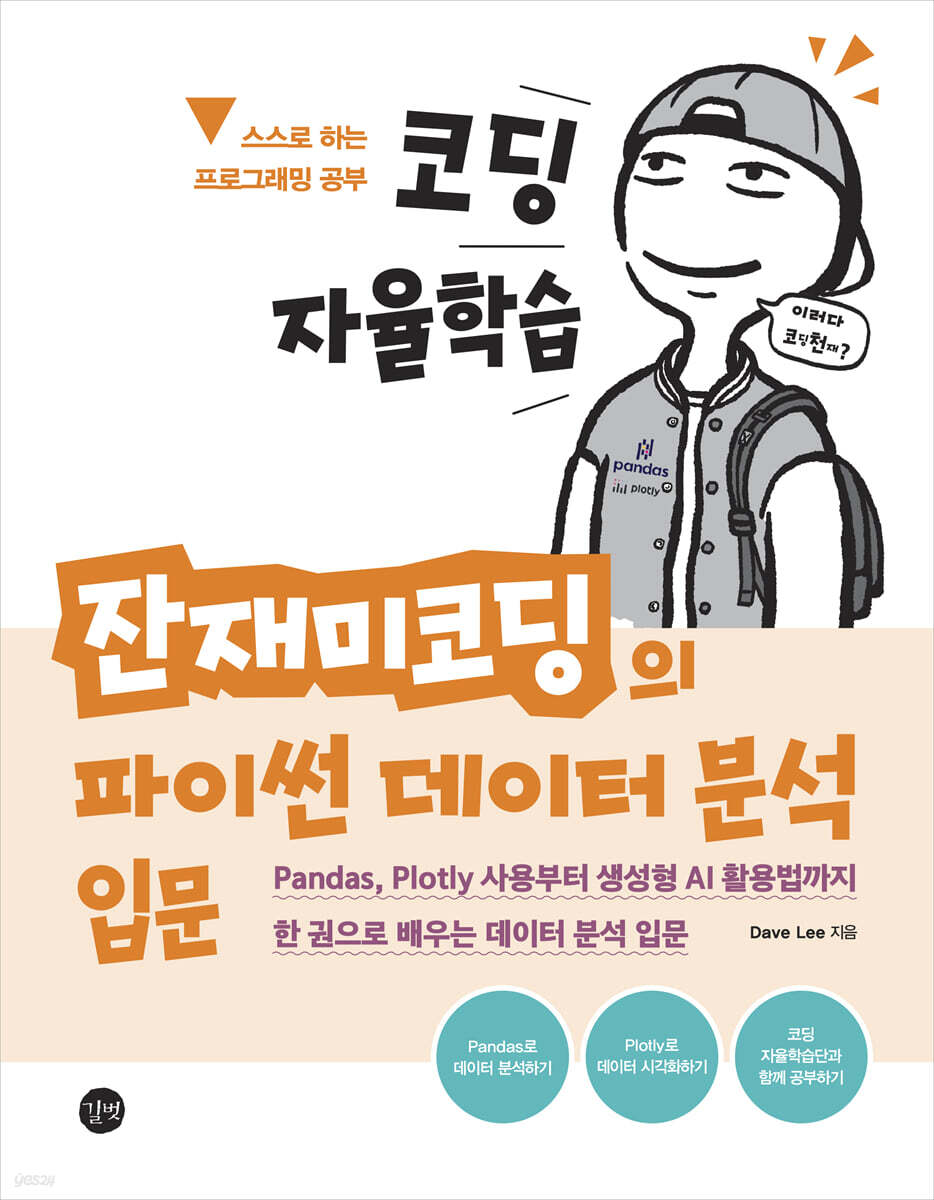
Python data analysis is not a simple skill that can be mastered all at once. To build proficiency, you need to 'become familiar' with it, which is more effectively achieved by encountering similar concepts from various angles and learning multiple application examples. To this end, I'd like to introduce the following books I've written that will be helpful to reference along with this online course. By utilizing both media, you can become familiar with Python data analysis skills in a shorter amount of time.
Python data analysis can feel very awkward at first. By learning through online courses where you can watch how to use the relevant tools and see real-time code execution, you can effectively learn actual working methods and difficult concepts.
After building a solid foundation easily through online courses, you can become more familiar with concepts and syntax by encountering different explanations of similar grammar and additional examples through books. This allows you to develop the ability to apply Python data analysis techniques to various types of data.
Through this, you can develop the ability to apply Python data analysis techniques to various data. Self-Learning Coding - Fun Coding's Introduction to Python Data Analysis
There are many data analysis courses, but even after taking various courses, I still don't understand!
The data field is a combination of various theories and technologies. Therefore, it is important to learn systematically. Rather than lectures that assume you already know all the related theories and immediately analyze data and apply fancy machine learning and AI technologies, a lecture where you can learn the theories and technologies that beginners need to acquire one by one, practice them, and build them up as your own is more helpful.
Based on real data analysis and domain experience from top-tier companies (NAVER, Kakao, LINE, Coupang, Baemin) A course that systematically explains foundational technologies step-by-step from a beginner's perspective
I even want to participate in Kaggle competitions
Kaggle competitions mainly involve predicting data using machine learning and AI. To master these techniques, you first need to become familiar with data analysis skills such as pandas. This course covers pandas and visualization techniques, and is structured to help you learn machine learning and deep learning (AI) techniques step by step through a systematic roadmap. (See roadmap below)
What skills are needed for data analysis?
In the field, data is primarily analyzed using SQL and pandas. Professional data analysis requires data preprocessing, analysis, and visualization skills. To achieve this, you need to learn pandas and plotly. This course covers all the essential skills needed for professional data analysis with Python in real-world settings.
How can you effectively learn data analysis skills?
pandas has a high entry barrier due to its non-intuitive syntax and extensive functionality, requiring a lot of practice. This course is designed with this in mind:
First half: Learn pandas basics and preprocessing functions by converting massive daily data into monthly data
Second half: Apply EDA analysis, data analysis, and visualization (plotly) techniques using real e-commerce data
Through this, it is designed to help you become familiar with pandas and plotly in a short period of time and master the entire Python data analysis process.
I heard that data analysis requires a good understanding of the actual business domain?
But it's difficult to take courses that require you to first understand various fields you're not even interested in. Try analyzing the e-commerce data covered in this course. Even without using the term "untact era," all businesses have been moving online in recent years. To understand online business, start by understanding e-commerce data, which is at its core. Both understanding the most helpful domain and the related technologies will be of great benefit.
With core e-commerce data from the business domain and real-world experience Get a grasp on both data analysis and the business domain!
Even after watching the lectures, since there are no materials, should I also purchase the book?
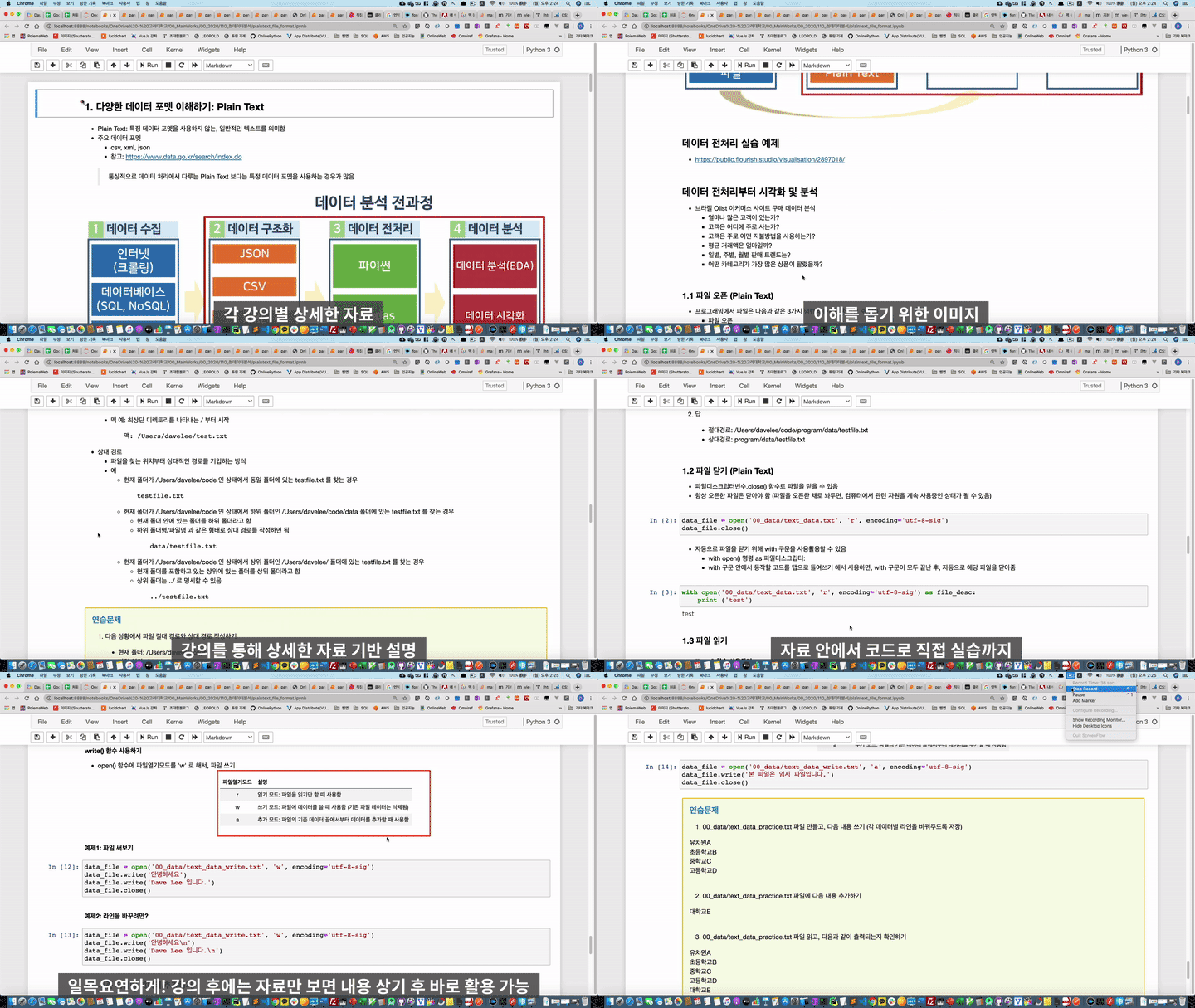
We provide summarized explanations that go beyond the limitations of books, along with actual code in a format you can execute right away. When you watch the lectures and run the materials together, it's easy to review! And you can continue to refer to them whenever needed. (I have a great attachment to these materials. I make them better than books, so that the materials alone are worth the course fee)
Now verified by 90,000 people online and offline over 9 years With well-organized materials and clear explanations We provide better online IT courses! Learn well, and things will change!
Don't I need to learn matplotlib for Python visualization?
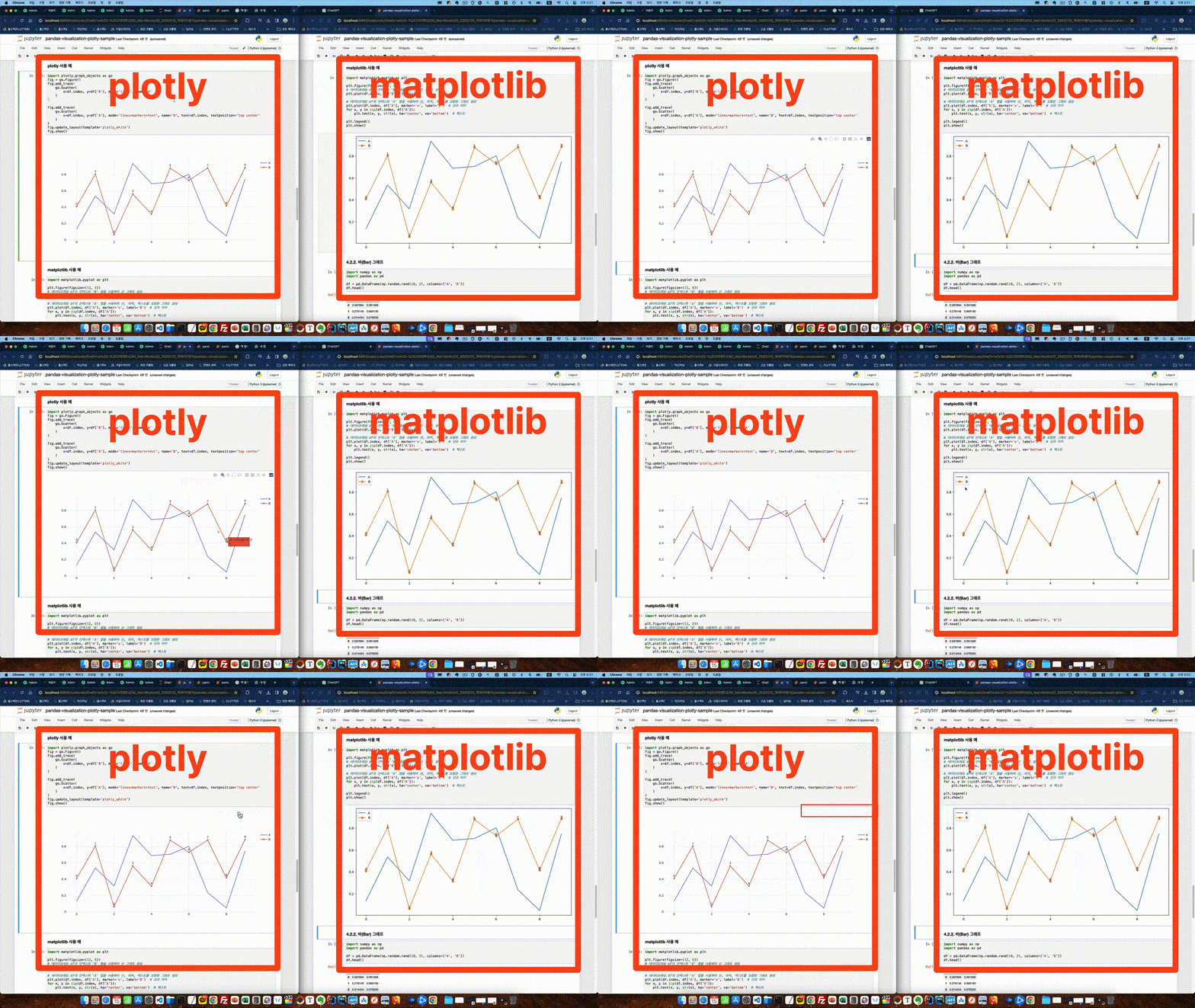
matplotlib is a traditional but limited data visualization technology that primarily focuses only on creating static graphs. In contrast, the modern technology plotly focuses on creating interactive graphs that allow user interaction. It also has advantages such as excellent visual quality, suitability for web environments, and support for a wider variety of graphs. Therefore, plotly has recently been becoming more mainstream in the industry. That's why this course explains plotly technology, which is becoming the mainstream visualization technology.
plotly (supports dynamic graphs) VSmatplotlib (focuses on static graphs)
A helpful course even for those who have taken data analysis courses before!
To make Python data analysis skills your own, you need various practical exercises. This course covers data analysis from start to finish with diverse real-world examples (COVID data preprocessing, e-commerce data analysis). Through this, you can improve your proficiency in related skills and organize knowledge you may have missed.
I notice that the `` tags are empty - there is no Korean text between them to translate.
The surrounding context shows:
- Before: "...e-commerce data analysis) from start to finish. Through this, you can improve your proficiency in related skills and organize knowledge you may have missed."
- After: "This is a lecture that has been improved through countless feedback over the years, and created after much deliberation with a passion for online courses. So that you can feel 'Ah! It really is different!'..."
However, there is no content between the `` tags for me to translate. Could you please provide the Korean text you'd like translated?
시간을 낭비하지 마세요! 우리는 정보가 없어서 못하는 것이 아닙니다! 검증된 강의로 익히세요!
I notice that the `` tags are empty - there is no Korean text between them to translate.
The "surrounding" context shows:
- Before: "...e-commerce data analysis) from start to finish. Through this, you can improve related technical proficiency and organize knowledge you may have missed."
- After: "This is a lecture that has been improved through countless feedback over the years, and created after much deliberation with a passion for online courses. So that you can feel 'Ah! It really is different!'..."
However, there is no actual content between the `` tags for me to translate. Could you please provide the Korean text you'd like translated?
This course has been refined through countless feedback over the years and created after much deliberation with a passion for online education.
This is a course created through continuous thought and improvement so you can feel 'Ah! This is really different!' I ask that only those who are reasonable, considerate of others, and with whom we can build good relationships enroll!
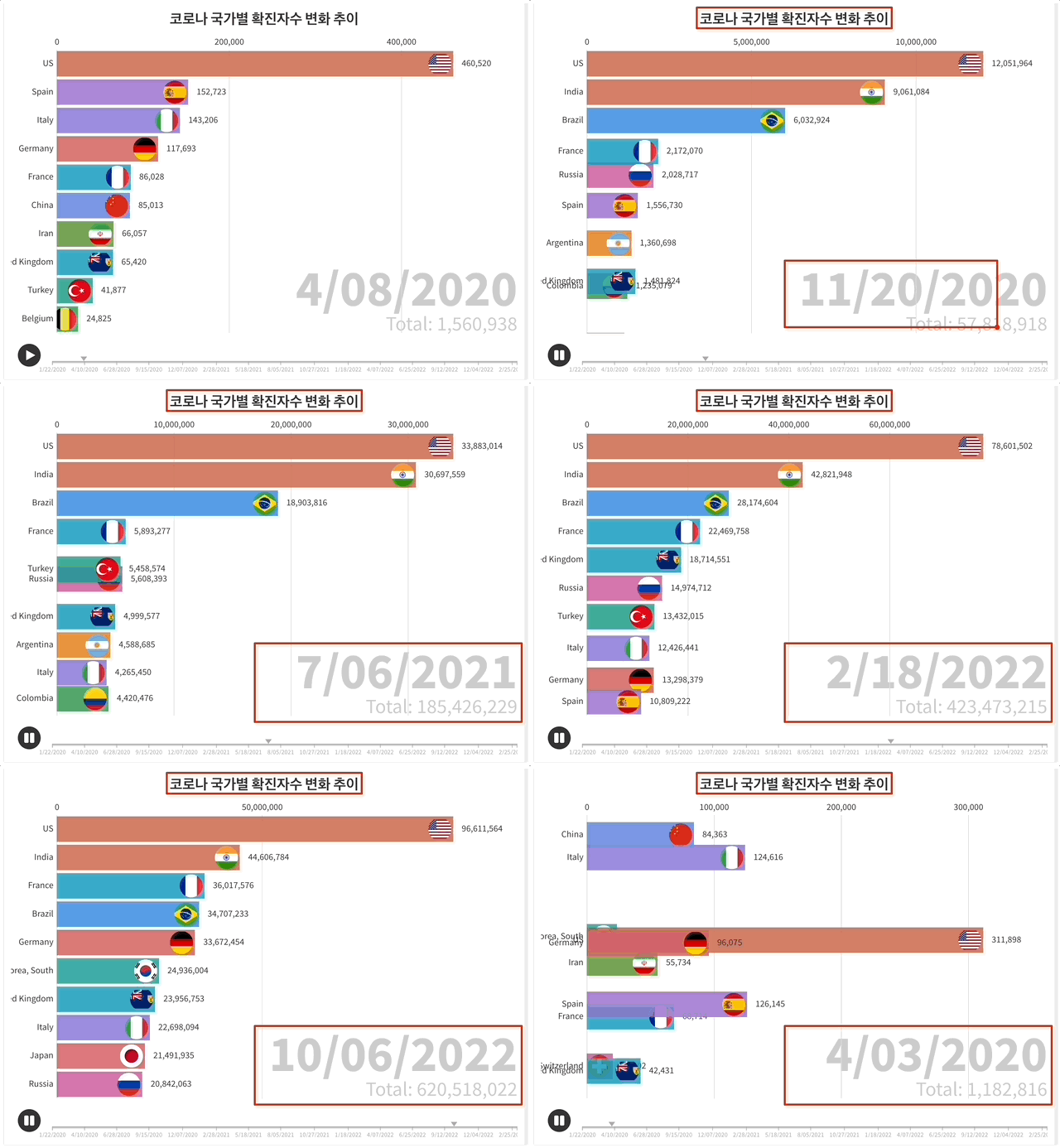
A data preprocessing example in a data course that processes and creates from actual raw data Corona data is the most helpful example for actual pandas basic functions and preprocessing examples. Therefore, we have structured it to firmly learn related skills by creating graphs as follows for the entire period when COVID was most active
Daily COVID-19 Confirmed Cases Trends by Country (Including the Entire Tracking Period During the COVID-19 Pandemic)
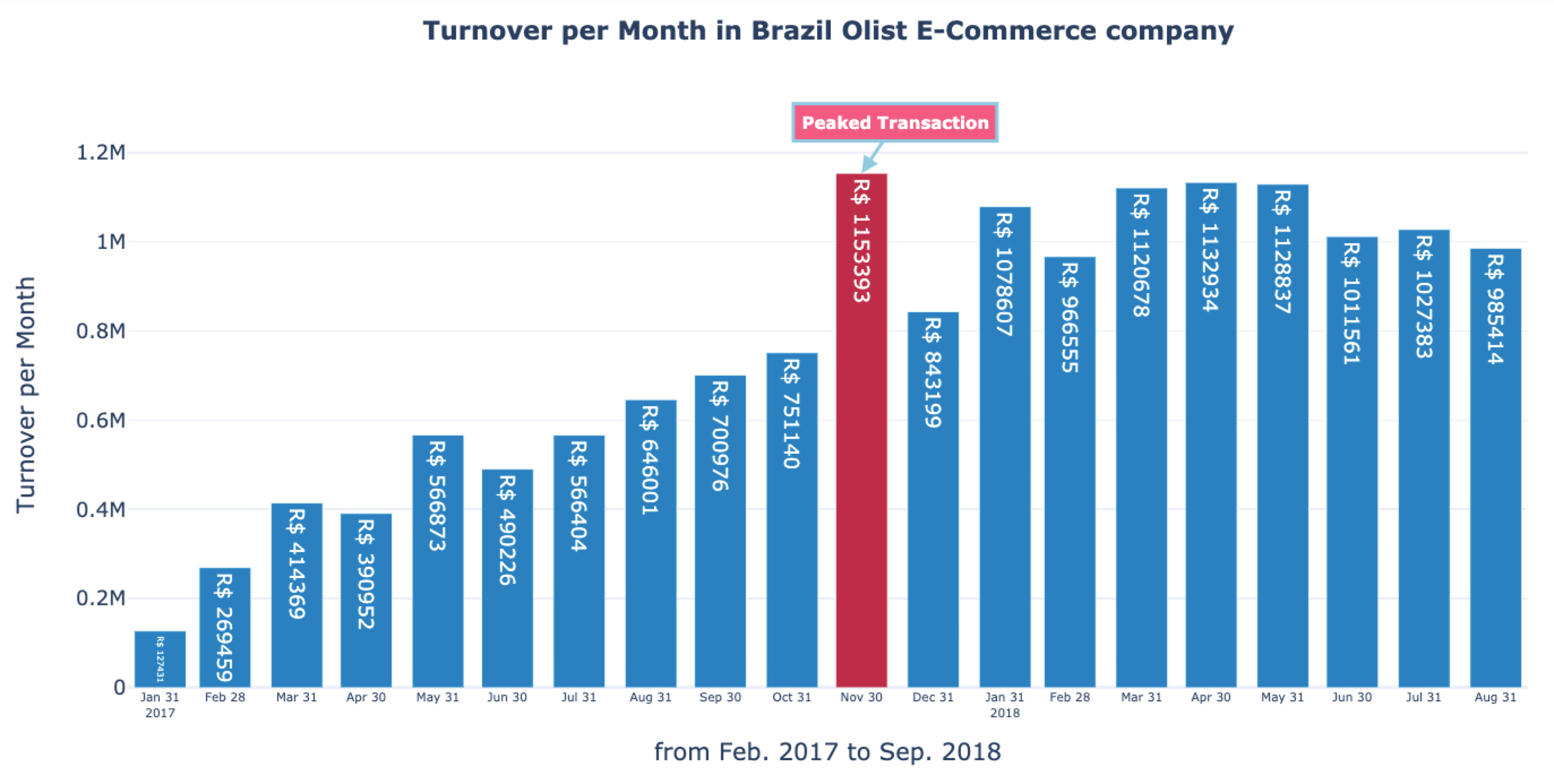
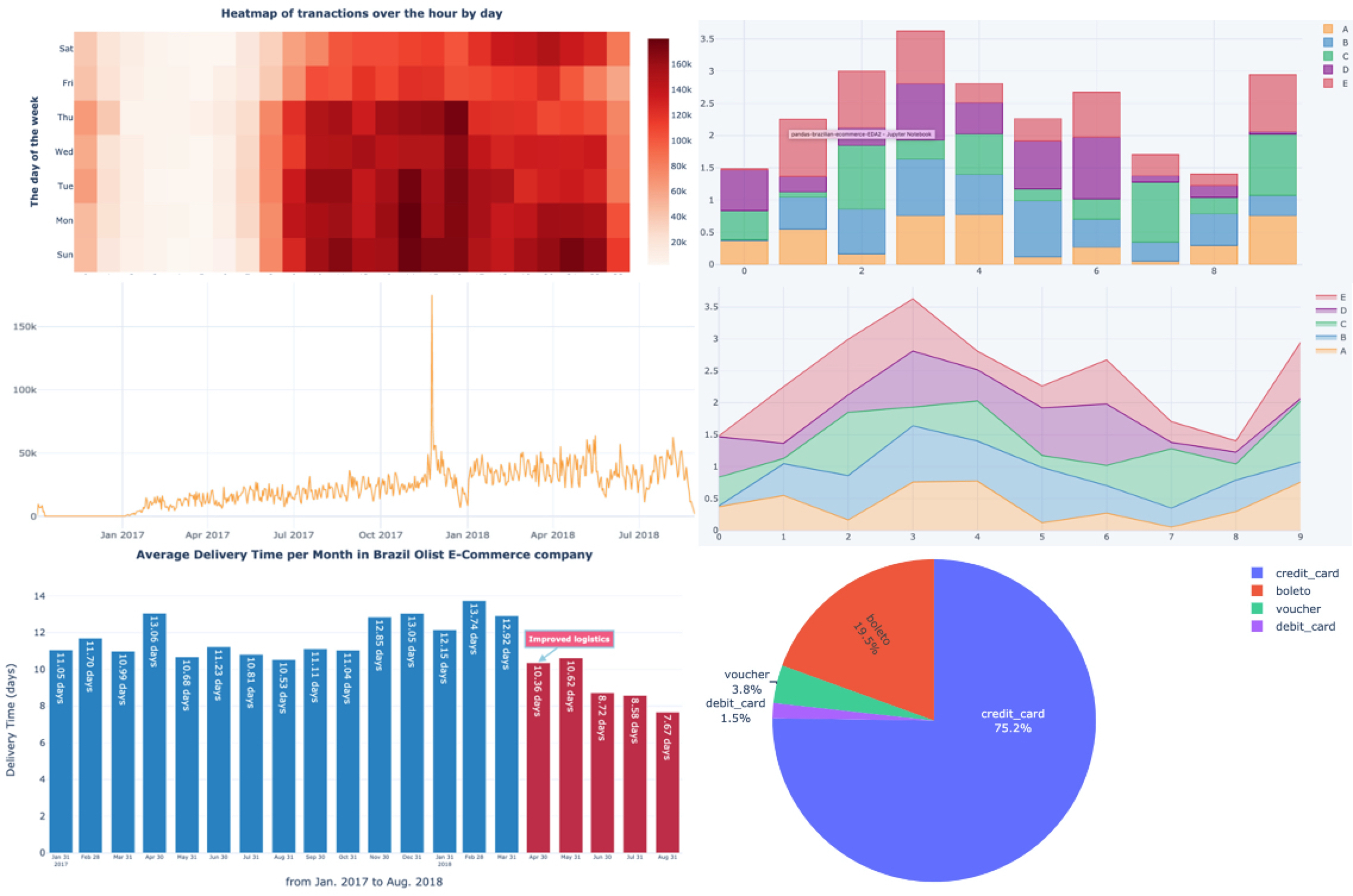
Create report-level visualizations for real-world data analysis, including practical know-how! Simply drawing graphs is not enough. Details matter in real-world practice.
Various graphs and multi-faceted analysis
Learn Systematically with Janzaemicoding Dave Lee's Roadmap 🔑
Career roadmap for developers, data analysts, and data scientists!
From web/app development to data analysis and AI, we provide an A to Z roadmap that allows you to build a solid foundation in a short time. IT technologies are closely interconnected, and integrating them is essential for web/app services and data science. By gradually increasing difficulty and mastering core technologies, you can learn efficiently, understand systems and data comprehensively, and grow into a competitive developer or data professional. To achieve this, we have prepared a roadmap that systematically organizes the core technologies of each field.
1. The Fastest Complete Data Roadmap
We've created a video that explains this roadmap, data-related careers, and the entire data analysis/science process in detail. By referring to this video, you can easily learn the data process without trial and error in a short time, even on your own!
Wait! ✋ Click on the roadmap below to see more details. If you purchase the roadmap all at once, it will be offered at a discounted price! (The discount rate will be reduced soon.)
2. The Fastest Full-Stack Roadmap
We've created a detailed video explaining this roadmap and how to learn and implement web/app development on your own in the fastest way possible. By referring to this video, you can implement web/apps in a short time without trial and error.
Wait! ✋ Click on the roadmap below to see more detailed information. If you purchase the roadmap all at once, it will be offered at a discounted price! (The discount rate will be reduced soon.)
3. Essential Computer Science (CS) Core Knowledge Required for Development and Data Fields
This roadmap is a course that systematically organizes essential Computer Science (CS) knowledge, which is the core IT theory that forms the foundation of development and data fields. Among these, we are opening lectures where you can systematically learn the most important core subjects, especially computer architecture, operating systems, and networks.
Recommended for these people
Who is this course right for?
People who want to learn Python data analysis skills
Those who want to learn pandas and visualization techniques
Those who want to grow as data analysts in the long term
People who want to learn data analysis skills in the long term
For those who want to solidly master basic data analysis skills
Key Experience: Senior Engineering Manager/Principal Product Manager at Coupang, Engineering Manager at Samsung Electronics (approx. 15 years of experience)
Education: BA in Japanese Language and Literature from Korea University / MS in Computer Science from Yonsei University (A total mix)
Key Development History: Samsung Pay, E-commerce search services, RTOS compiler, Linux Kernel Patch for NAS
Books: Linux Kernel Programming, Understanding and Developing Linux Operating Systems, IT Core Technologies for Everyone to Read and Understand, Python Programming Primer for Absolute Beginners
I'm starting to share tips and short free lectures little by little to help with IT learning!
For eight years, I have been consistently creating solid full-stack, data science, and AI courses while balancing my work in the industry with teaching IT.
I am gradually starting to share my lectures. Balancing my current industry experience with teaching, I have been consistently creating solid full-stack, data science, and AI courses for 8 years.
The materials in the provided Jupyter notebook are neat and easy to read, and the practice of graphing the trend of confirmed COVID-19 cases by country is good. If you ask a question you don't know, they will answer quickly and sincerely, and there are no points to deduct. 5 out of 5. The explanations are also good and not difficult.
Thank you very much. It was a great help.
I am very satisfied with the lecture content and lecture materials.
I am also looking forward to the machine learning lecture. ^_^
I am so glad that it was helpful. I will also use the course reviews you wrote to encourage me, always think about them, and try to make better lectures. I really work hard on the lecture materials. I also enjoy making materials. I am so glad and happy that you are satisfied. Please do not open it to the outside, and use it only for personal use. Thank you.
Thanks to the A-Z approach with detailed explanations for each topic, I feel like I'm building knowledge from the ground up. No matter what subject you're studying, finding the right course and instructor that fits you is the most important thing, and I think I've found mine.
As a coding beginner, I started with nothing, starting with the Python bootcamp lecture, then the crawling lecture, and now I have finished the Python data analysis lecture.
Although these lectures may seem like separate lectures on the outside, they have a single flow and purpose as they always emphasize during the lectures, and most importantly, they explain in detail and in an easy-to-understand manner from the perspective of a non-major, so I was able to take the classes comfortably.
I am currently working in the real estate business, and after taking these lectures, I gained the ability to process and utilize data provided by sites such as Naver Real Estate and public data portals as I want.
It may seem lacking to experts, but I think that having this ability as a real estate business owner who is not an IT expert is a really great weapon.
Also, there is a huge difference between passively looking at processed data provided by others and looking at data that you have processed yourself.
So, if you are just starting out like me, don't worry too much and follow Janjaemi Coding's lectures one by one, you will find yourself growing before you know it.
And if there's one thing I wish for, it would be great if there was a lecture that completed a project from start to finish (even if the lecture length is relatively short) based on the lectures I've taken so far (Python Bootcamp, Database, Crawling, Data Analysis, etc.).
I'm now going to listen to SQL and NOSQL that I missed in the middle!!!! (My goal is to take all of Janjaemi Coding's lectures this yearㅎㅎ)
Thank you for the great lecture and I will continue to trust and follow you in the future.
Ah... such a good course review... you must have spent some time on it... thank you. I'm a little touched again. In my opinion, developers only know IT, but people in other fields have expertise in their own fields. Since there are not many people in each field who know IT well, I think that if you have your own expertise and can utilize IT, you can have a huge impact. However, it is very difficult to create such a lecture or absorb such a lecture. Nevertheless, through this lecture, I really like that you actually analyzed real estate data with Python. I think it's because the students are that smart. Thank you.
I am a student who aims for graduate school and research in deep learning, machine learning, and mechatronics.
So I took Python lectures from other instructors to build up my basics, and I took this lecture to learn the data processing and analysis process. At first, unlike other instructors, he didn't write the source code while filming videos, but prepared class materials and lectured on the content in detail. Most of the lectures I took were from the former, so it took me a while to get used to the latter. However, the materials related to the class content were really solid. I really liked this part.
Also, as the class progressed, what impressed me the most was that even though the class was just continuing, it was repetitive learning. For me, the most difficult thing about listening to lectures is repetitive learning. In the case of academies, they make students repetitive learning through assignments, but on average, many students, including me, find repetitive learning difficult or boring through lectures. However, this lecture was a very helpful lecture for me because it allowed me to learn new content while repetitive learning. Of course, I plan to take other classes again and challenge myself with repeated learning, lol...
When I take this class, I first watch the video all at once. If there is a part that I don't understand, I watch it over and over again. Then, I put down the video, put the materials that the teacher gave me on one monitor window, and at first, I wrote down the source code as I remembered it, and when I couldn't remember it/when I thought I had finished writing the source code, I checked the materials.
In addition, if you post a question on the Q&A board or the video, you will receive a reply in a day or less at the earliest. This is where you can feel the teacher's enthusiasm. Also, one of the things I felt when I took the Python class was that when you ask a question, they give you a link to the relevant content. And I saw some people who lectured by saying that it would be helpful if you referred to it. Personally, I didn't like it, but the instructor of that class put a lot of effort into leaving comments.
And, I plan to take a class on MongoDB for the next class!
The class was really good ^_^!

Thank you so much for leaving such a great review. It must have taken you a long time to write such a review, but I was actually a little touched that you wrote it in such detail. Reviews like this are a great force that can create good lectures.
I tried both the method you mentioned, writing code while doing it, and the method of explaining it with materials and a kind of scenario, but when I did the former, the content I wanted to convey was not conveyed in a substantial way, and since I was worried about both the code and the content I wanted to convey, the learning effect actually decreased. So I decided to use the latter.
Actually, answering questions every day is not easy for me either... I'm worried that I'll have to make an announcement when I go on vacation, haha.
After all, since I've never met you before, if my answer is not conveyed properly, it's easy for there to be misunderstandings, so I'm paying more attention.
When I meet many people online without meeting them in person, there are many cases... Luckily, many people gave me positive reviews, which is a great help.
Thank you so much.