강의

멘토링

커뮤니티

Hardware

/

Embedded IoT

Learning RISC-V Architecture Through Debugging - Part 1

This book provides easy and detailed explanations of the core concepts and practical tips of RISC-V, the latest open-source-based CPU architecture.

(4.9) 22 reviews

137 learners

Level Basic

Course period Unlimited

  • austinkim
cpu
cpu
cpu-architecture
cpu-architecture
riscv
riscv
cpu
cpu
cpu-architecture
cpu-architecture
riscv
riscv

Reviews from Early Learners

Reviews from Early Learners

4.9

5.0

mikeseohyungjin

35% enrolled

It was a lecture where I could feel the author's efforts and inner strength. As expected from someone who has been debugging and developing in the field, it was full of useful content. I learned a lot.

5.0

sunny75

100% enrolled

2024/09/08/Sun 15:10 I listened to the lecture well. The detailed explanation was good. Even for those who are seeing this lecture for the first time, it was explained well so that it was easy to understand. While listening to all of Kim Dong-hyun's lectures, I came to understand a lot about Linux & System & Debugging. Thank you for the great lecture.

5.0

간절한개발자

59% enrolled

RISC-V is on the rise these days, so I thought I should study it, but there were no proper books or lectures, so I was at a loss as to where to start. Then, Dong-Hyun Kim gave a RISC-V lecture! I was a bit afraid of the unfamiliar architecture called RISC-V, but I already had a clear understanding of Arm after reading Dong-Hyun Kim's Arm book and listening to his lectures, so I trusted him and bought it right away. After listening to the lecture, I found that RISC-V is very similar to Arm. Of course, it is not exactly the same, but I think people who have a concept of Arm will not find it too difficult. I plan to buy and listen to all of Dong-Hyun Kim's RISC-V lectures that come out in the future. I believe that if I follow along closely, I will be ahead of others in RISC-V architecture. I will listen to the remaining lectures diligently. I sincerely thank you for always giving great lectures.

What you will gain after the course

  • I can effectively answer and explain questions related to RISC-V in technical interviews.

  • You can learn about registers, assembly instructions, and Privilege mode, which are the core features that make up RISC-V.

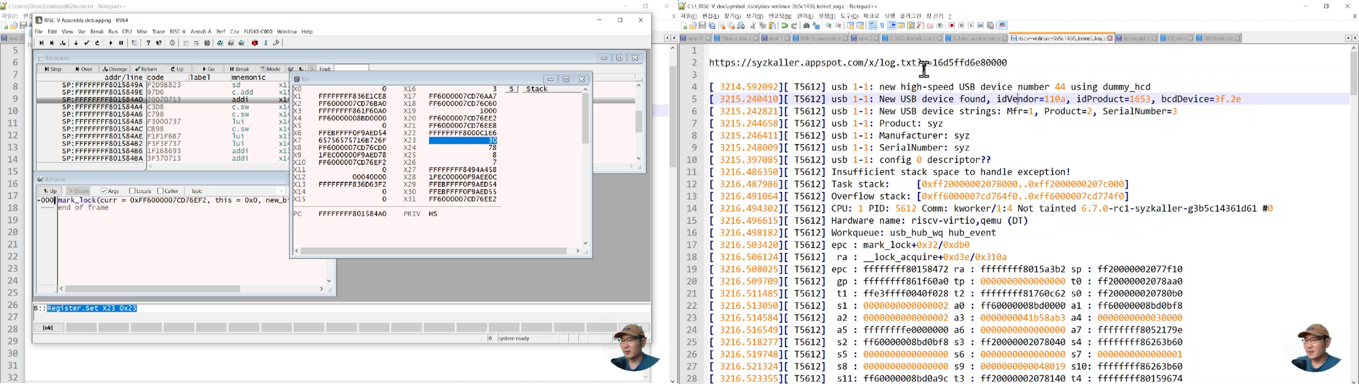
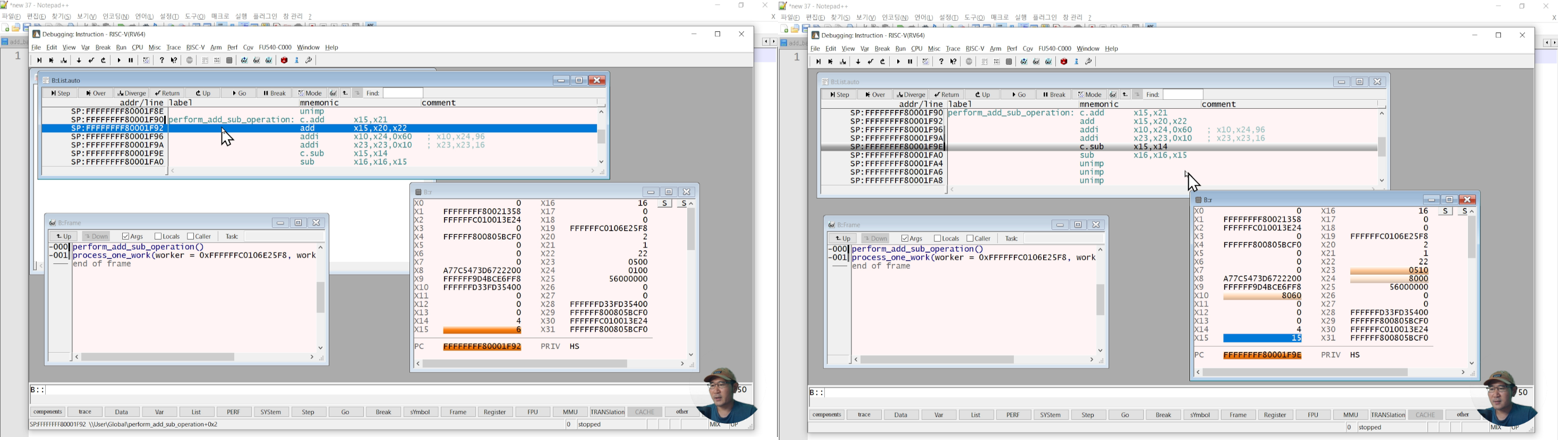
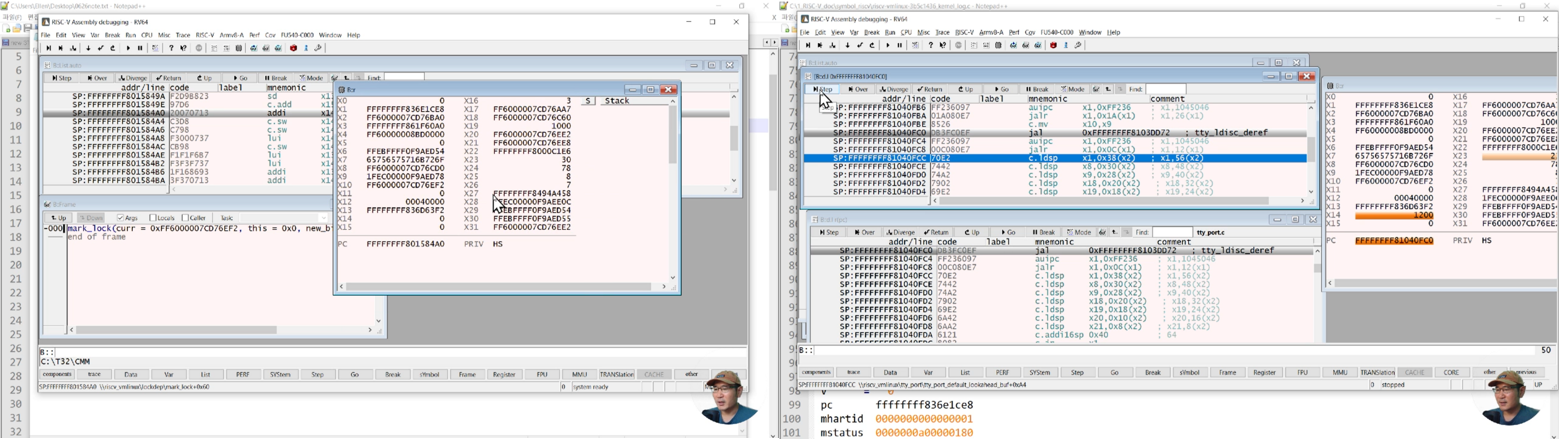
  • You can practice debugging features such as registers, assembly instructions, and Privilege mode using the TRACE32 simulator program.

  • You can learn how the RISC-V architecture is utilized in operating system kernels such as the Linux kernel.

  • You can analyze the startup code of bootloaders or Linux kernels running on RISC-V based systems.

Announcement 🎯

To celebrate the launch of Korea's first RISC-V course, we're offering a 30% discount coupon (limited to the first 100 people).

Coupon link: https://inf.run/cbK8L

Rising in the latest system software industry
RISC-V Architecture

Recently, the open-source based CPU architecture RISC-V is emerging. You can immediately see the following content in IT-related press articles and news:

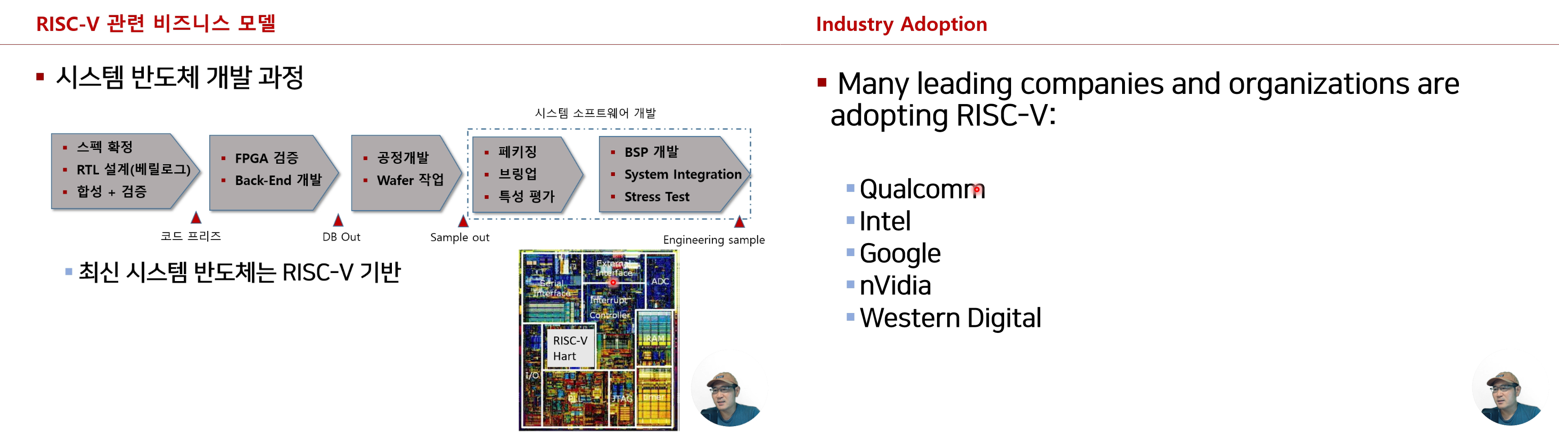
  • Big tech companies like nVidia, Intel, and Qualcomm are developing RISC-V-based products (chipsets).

  • The number of startup companies in Korea designing various chips using RISC-V is increasing, and the proportion of products being developed based on RISC-V devices is growing.

  • When designing AI semiconductors, RISC-V-based CPU architectures are widely utilized.

  • By 2026, 15 billion devices are expected to be released based on RISC-V.

  • Graduate schools (processor design) are conducting various research using toolkits that can design RISC-V CPUs.

Embedded and system software companies are increasingly developing products utilizing the RISC-V CPU architecture. As a result, job seekers need to prepare for RISC-V questions even in technical interviews.

Background of Creating This Course

For beginners, RISC-V architecture is difficult to learn. The reasons are as follows:

  • I don't know what's important among the vast amount of content that makes up RISC-V

  • I don't know which features among the components that make up RISC-V are actually used in real-world projects

  • Even if you read the RISC-V specification documents diligently, they are difficult to understand right away


  • It's difficult to understand what the terms used to explain RISC-V actually mean


The reality is that compared to the Arm architecture, there are not enough resources related to the RISC-V architecture, and there is a lack of materials that explain RISC-V in a concrete and easy-to-understand way. This course was created to address the difficulties that system software developers, including junior developers, experience in the process of learning RISC-V.

Course Structure and Part 2, Part 3 Course Roadmap

This lecture covers the content of Part 1, which focuses on the core features of RISC-V, from the complete RISC-V lecture series.

You can find the complete RISC-V architecture lecture series in the roadmap - 'RISC-V Architecture for System Software Developers' course.

Key Differentiating Points of the Course

1. Debugging RISC-V Architecture with TRACE32 Simulator Program (Educational Version)

What's the shortcut to learning RISC-V architecture (registers, assembly instructions, Privilege modes)? It's through hands-on debugging practice.

If you take this course, you can download the educational TRACE32 simulator program from the 'Inflearn course materials' and directly practice with RISC-V architecture registers, assembly instructions, and Privilege modes using the TRACE32 simulator program.

For reference, TRACE32 debuggers and related programs are widely used throughout system software development. TRACE32 programs require a license to run.

2. Carefully selected core content explained in an easy-to-understand way

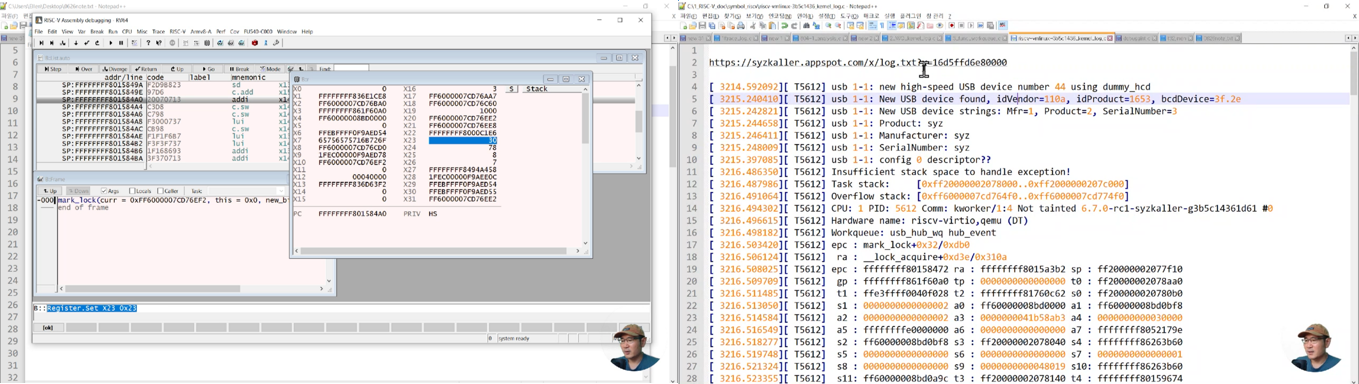
When learning RISC-V, people often start by obtaining and analyzing reference documents. However, from a beginner's perspective, it's difficult to get a sense of what aspects of RISC-V should be learned first. This is because it's hard to know what to learn well first. In this course, we carefully select and explain content that can be applied in practice and must be thoroughly understood. For example, we open logs received from RISC-V-based devices and explain registers and assembly instructions in an easy and detailed manner.

3. Explained with concrete examples alongside software and stack

Most people learn RISC-V because they want to excel at system software development or enter this field. This course explains how RISC-V is utilized in real-world projects through various examples.

  • How software is executed in RISC-V systems

  • How the boot process works in RISC-V systems

  • How to debug and reverse engineer in RISC-V systems

By taking this course, you can quickly gain practical skills along with understanding the RISC-V architecture.

4. Explaining RISC-V in comparison with Arm architecture

Looking at the system software industry ecosystem, up until 2023, the embedded and chipset industry ecosystem has been built around the Arm architecture. Many system software developers are familiar with Arm processors and the Arm architecture. In this course, we explain the core concepts of RISC-V alongside the Arm architecture. The instructor is the author of a book on Arm architecture, and is better positioned than anyone to explain RISC-V by comparing it with the Arm architecture.

Here's what you'll learn 📕

We explain each stage of system semiconductor development and introduce the development ecosystem related to RISC-V architecture.


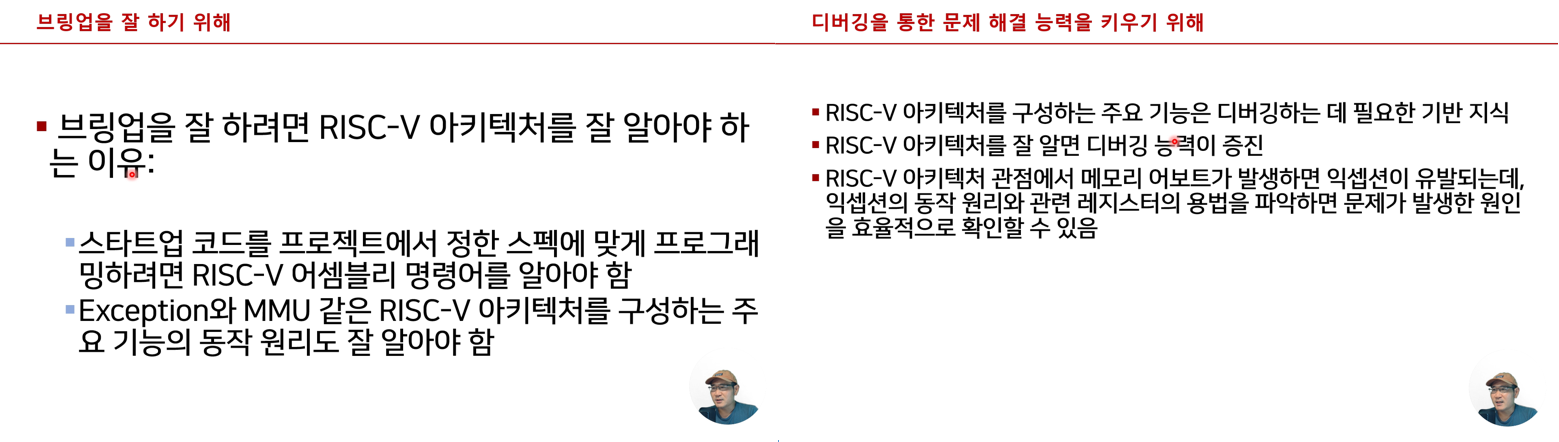
We explain in detail why you need to understand the RISC-V architecture well from a practical project perspective.

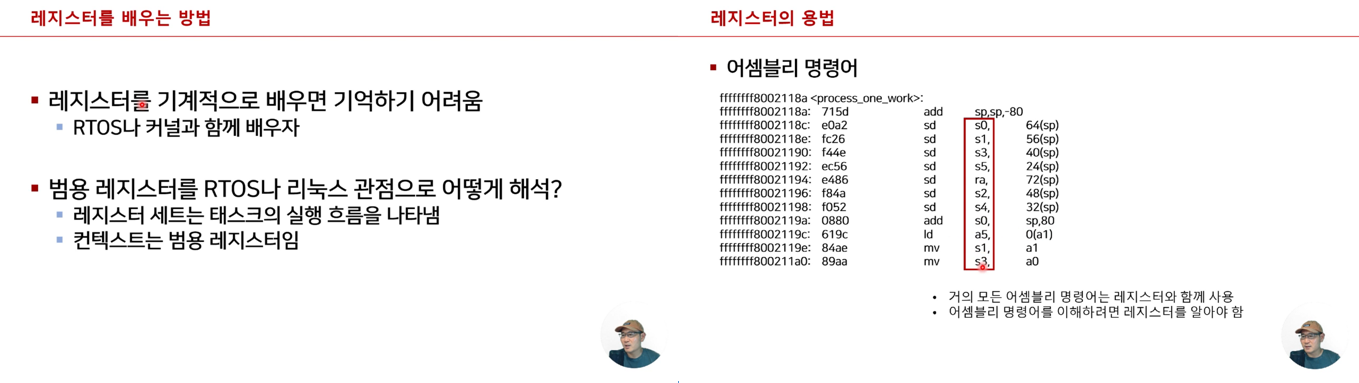
We will explain in detail the registers, which are the core of the RISC-V architecture. We will also explain how registers are utilized.

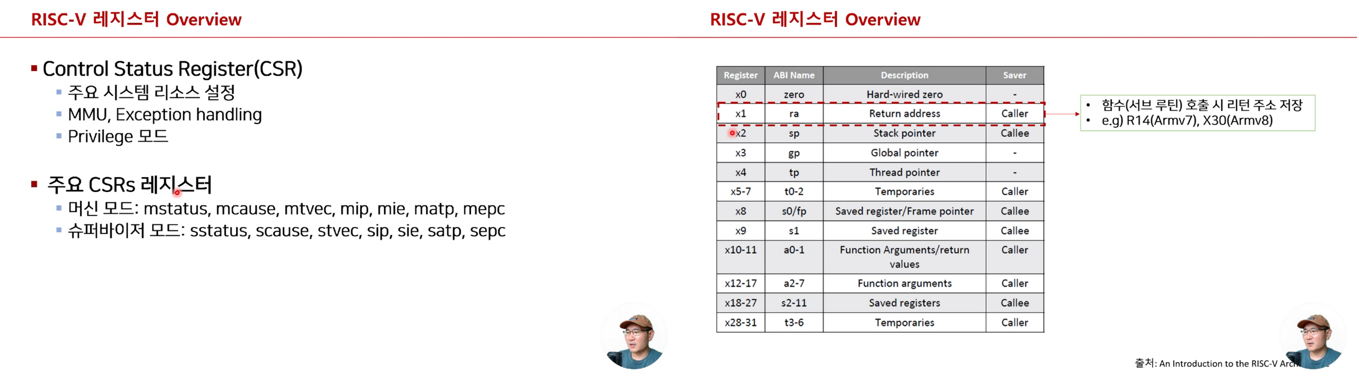
Introduces the types of registers that are core to the RISC-V architecture and explains general-purpose registers in detail.

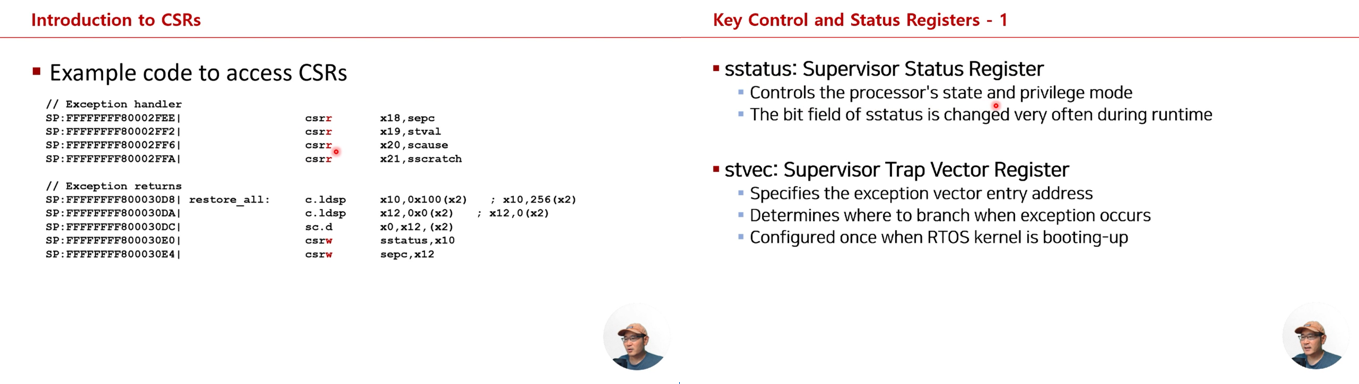
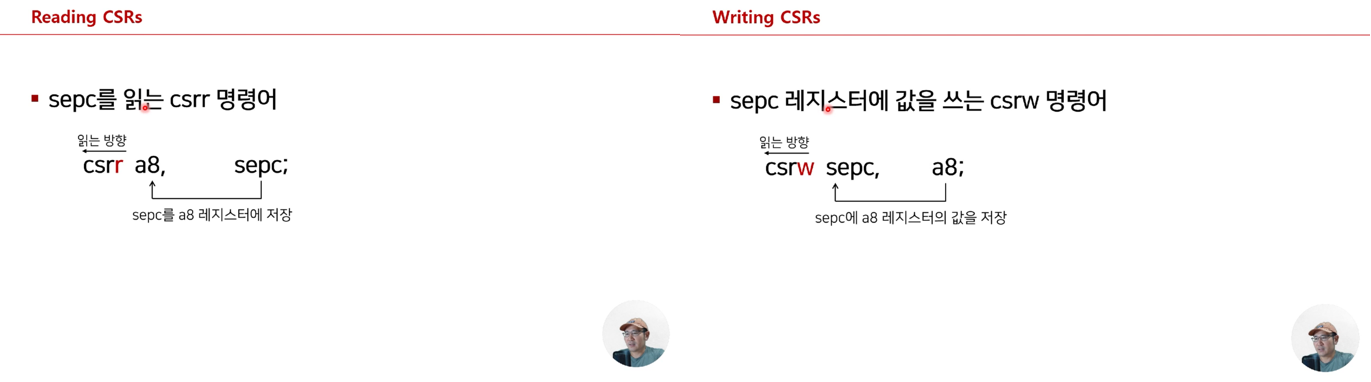
This explains the basic functions and types of CSR (Control and Status) registers.

It explains in detail how to read and write CSR registers

The structure and operation of registers are explained through hands-on practice by running the TRACE32 educational program (simulator).

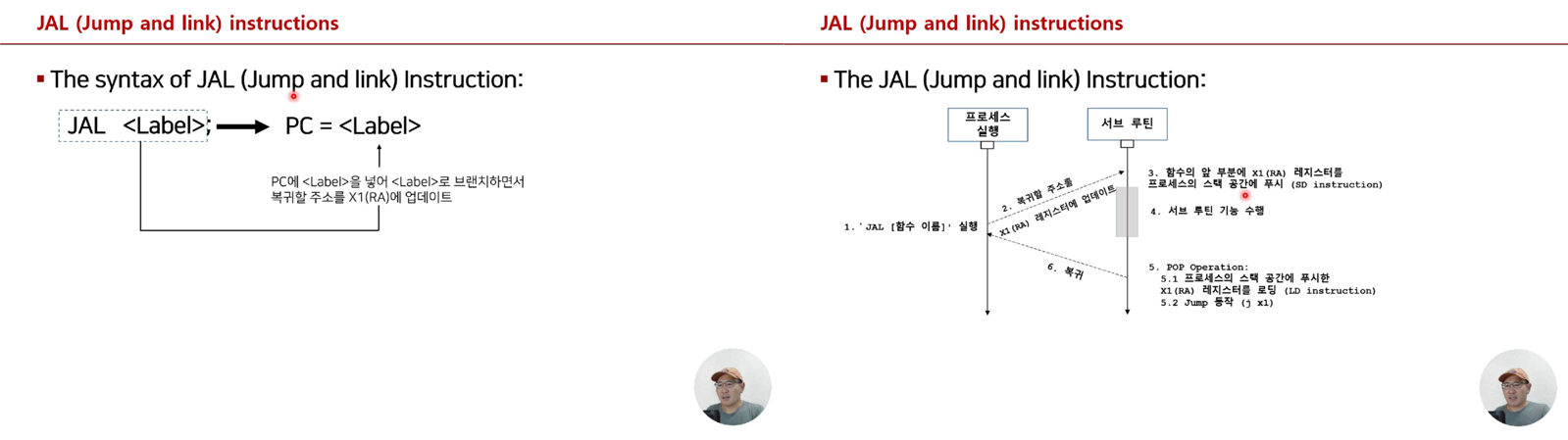
Explains the basic operation of assembly instructions and covers various assembly instructions. (Example: JAL instruction analysis)

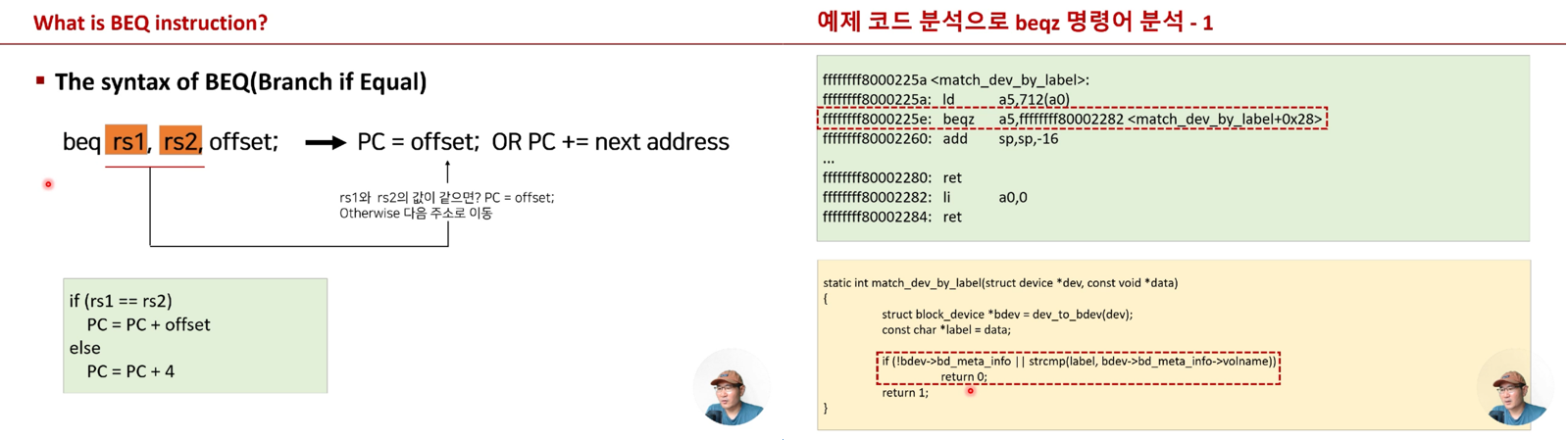
Explains conditional branch instructions like BEQ and covers in detail how they are utilized in real-world projects.

We will conduct hands-on practice debugging assembly instructions using the TRACE32 simulator (for educational purposes). (Instructors can also follow along with the practice themselves)


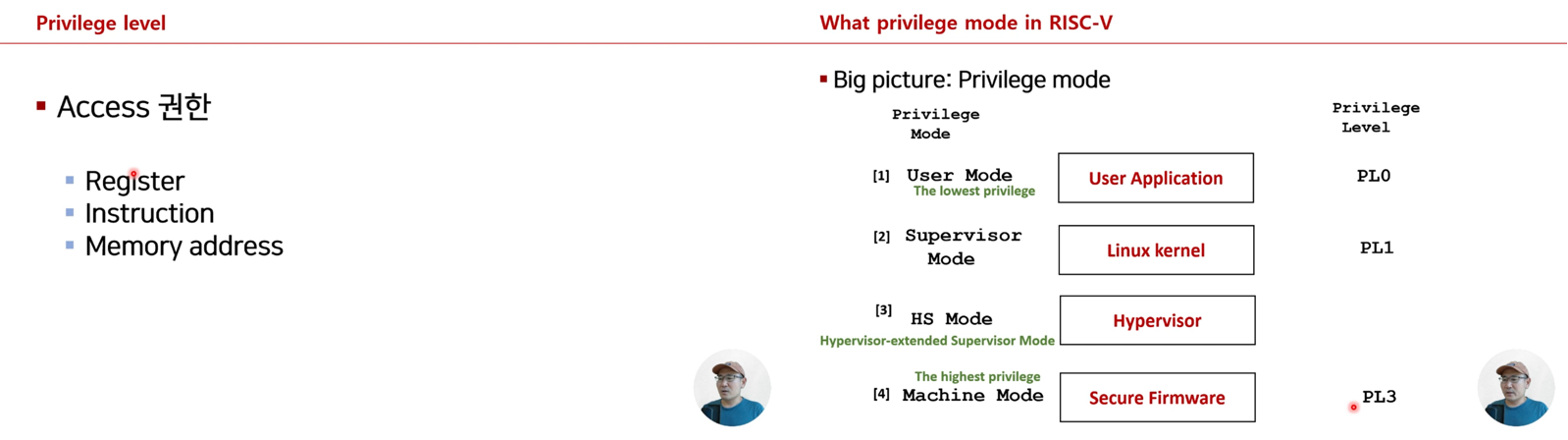
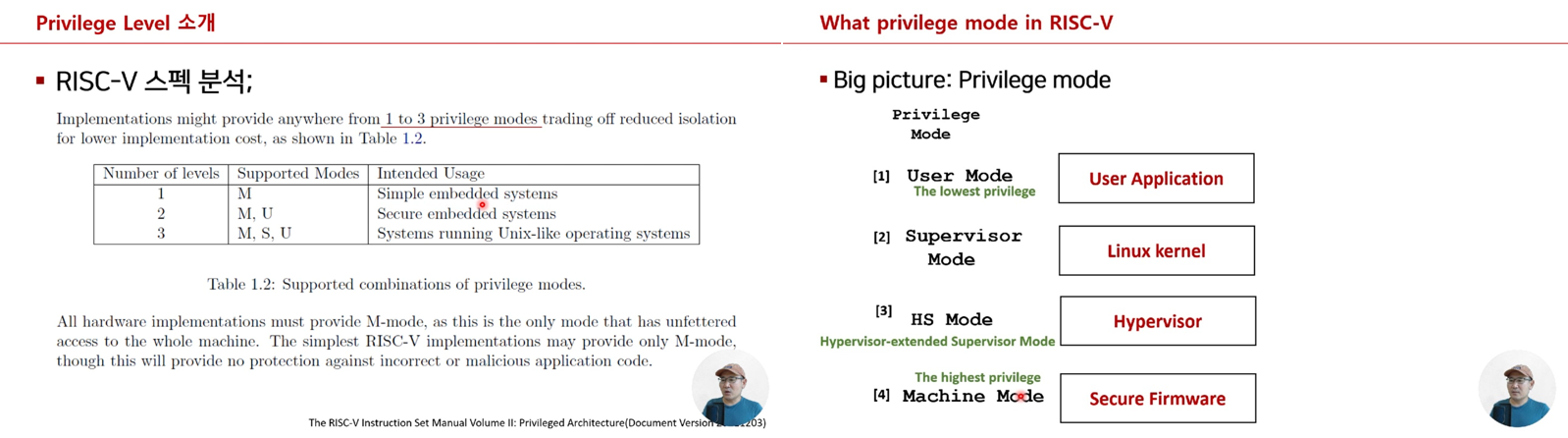
It explains in detail the concept of Privilege Mode and the related Privilege Level.

We analyze the specifications related to Privilege Mode and explain what software runs in each Privilege Mode.

Based on book writing/teaching experience
More in-depth and detailed than anyone else!

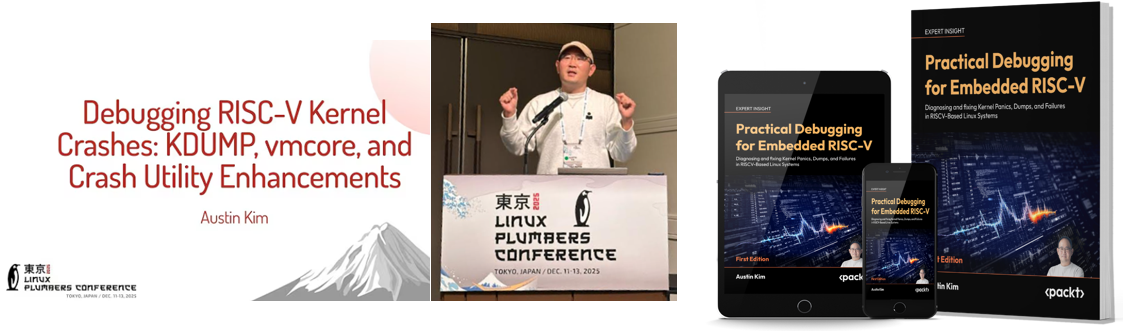
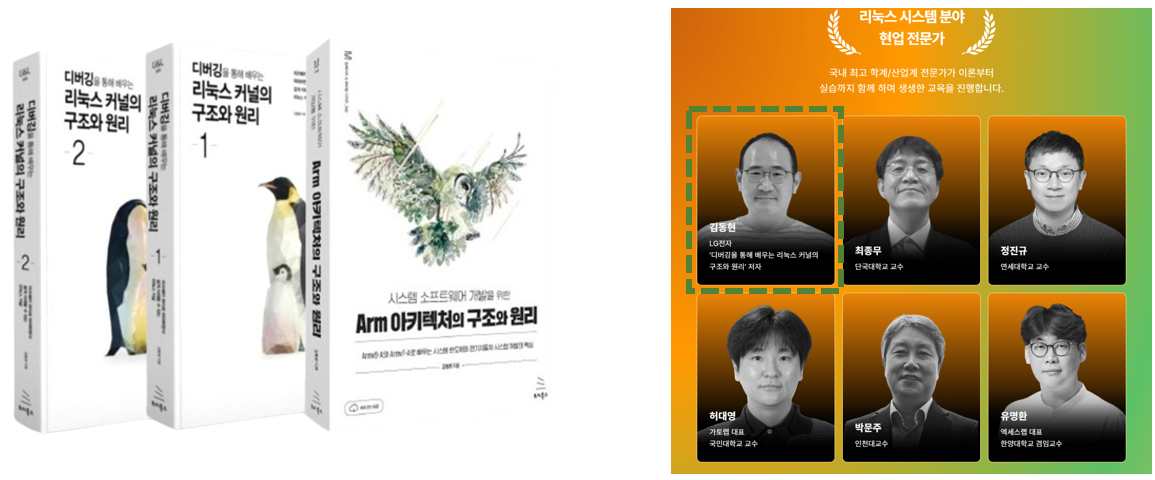
In the field of system software in Korea, an unprecedented author who has written books on 'Arm Architecture (Armv8-A, Armv7-A)' and 'Linux Kernel' (both books selected as Outstanding Academic Books by the National Academy of Sciences of the Republic of Korea), and the first in Korea to author "Reverse Engineering Armv8-A Systems" (in English) through an international publisher (Packt), making them a global author. Above all, they are a working developer who has the best understanding of the latest system software trends (electric vehicles, system semiconductors - system software). They are also an educator who is most actively engaged in knowledge dissemination activities in the system software field.

  • Reverse Engineering Armv8-A Systems: A practical guide to Kernel, Firmware, and TrustZone analysis (Packt Publishing: English) - Published in 2025

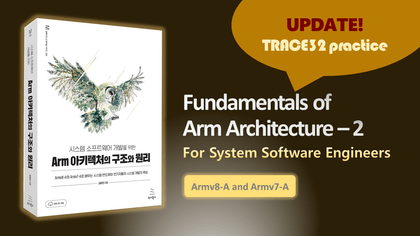
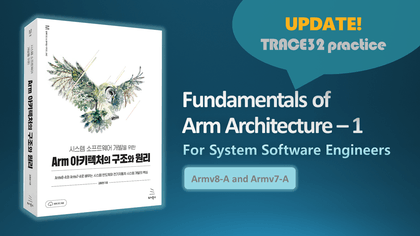
  • Author of 'Arm Architecture Structure and Principles for System Software Development' (2024 Korea Academy Outstanding Book Award)

  • 'Learning Linux Kernel Structure and Principles through Debugging' (2021 Korea Academic Award for Excellence) Author

  • Main instructor for 'Programmers Dev Course: Linux System and Kernel Expert'

  • June 2022, Korea Computer Congress (KCC2022) - Tutorial Presentation [Mastering the Linux Kernel with ftrace]

  • LG Electronics 'Linux Kernel' and 'Armv8 Architecture' in-house instructor (domestic and international developers included) - (2020~2024)

Recommended for
these people

Who is this course right for?

  • A junior developer who wants to build capabilities in system software fields including system semiconductors (fabless) and electric vehicle sectors (autonomous driving, infotainment)

  • A job seeker who wants to develop system software in the fields of system semiconductors (fabless) and electric vehicles

  • System software developers (system semiconductors, electric vehicles) who want to know how to debug in practice by utilizing the features of RISC-V architecture

  • Developers from other fields looking to transition their career into systems software

  • An undergraduate student aiming for graduate school in systems software (memory, file systems, operating systems)

Need to know before starting?

  • Computer Architecture

  • C language

  • Operating System

Hello
This is

6,220

Learners

233

Reviews

93

Answers

4.9

Rating

22

Courses

Global Author & Linux System Software Developer (Arm, RISC-V Architecture)

A global author who has written unprecedented books on 'Arm Architecture (Armv8-A, Armv7-A)' and the 'Linux Kernel' in the domestic system software field (both books were selected as Excellent Academic Books by the National Academy of Sciences of the Republic of Korea), and is the first in Korea to author the book (in English) "Reverse Engineering Armv8-A Systems" through an international publisher (Packt). Above all, he is an active developer who is most well-versed in the latest system software trends (electric vehicles, system semiconductors-system software). He is also an educator who is most actively engaged in spreading knowledge within the system software field.

  • Author of the book (English) 'Reverse Engineering Armv8-A Systems: A practical guide to Kernel, Firmware, and TrustZone analysis', (Packt Publishing)

  • Author of 'Structure and Principles of Arm Architecture for System Software Development' (2024 National Academy of Sciences Outstanding Book Award)

  • Author of 'Structure and Principles of the Linux Kernel Learned Through Debugging' (2021, National Academy of Sciences Outstanding Scholarly Book Award)

  • Main Instructor for 'Programmers Dev Course: Linux System and Kernel Expert'

  • June 2022, Korea Computer Congress (KCC2022) - Tutorial Presentation [Conquering the Linux Kernel Using ftrace]

  • LG Electronics 'Linux Kernel' and 'Armv8 Architecture' internal instructor (including domestic and overseas developers) - (2020–Present)

I can confidently say that I am an educator who can explain the Linux kernel and Arm architecture (Armv8-A, Armv7-A) better than anyone else in Korea.

Lecture Inquiries: austindh.kim@gmail.com

Main Roadmap 🎯

'Arm for System Software Developers - basic course'

'Arm for System Software Developers - advanced course'

Linux kernel for system software developers - basic course

Curriculum

All

94 lectures ∙ (12hr 2min)

Course Materials:

Lecture resources
Published: 
Last updated: 

Reviews

All

22 reviews

4.9

22 reviews

  • rousalome6394님의 프로필 이미지
    rousalome6394

    Reviews 4

    Average Rating 5.0

    5

    59% enrolled

    RISC-V is on the rise these days, so I thought I should study it, but there were no proper books or lectures, so I was at a loss as to where to start. Then, Dong-Hyun Kim gave a RISC-V lecture! I was a bit afraid of the unfamiliar architecture called RISC-V, but I already had a clear understanding of Arm after reading Dong-Hyun Kim's Arm book and listening to his lectures, so I trusted him and bought it right away. After listening to the lecture, I found that RISC-V is very similar to Arm. Of course, it is not exactly the same, but I think people who have a concept of Arm will not find it too difficult. I plan to buy and listen to all of Dong-Hyun Kim's RISC-V lectures that come out in the future. I believe that if I follow along closely, I will be ahead of others in RISC-V architecture. I will listen to the remaining lectures diligently. I sincerely thank you for always giving great lectures.

    • austinkim
      Instructor

      Thank you for your good evaluation and feedback. RISC-V is the future of system software, so it will be a great help to your career if you learn it in advance. If you have any questions, please leave a question.

  • aceoftop1975님의 프로필 이미지
    aceoftop1975

    Reviews 114

    Average Rating 5.0

    5

    100% enrolled

    2024/09/08/Sun 15:10 I listened to the lecture well. The detailed explanation was good. Even for those who are seeing this lecture for the first time, it was explained well so that it was easy to understand. While listening to all of Kim Dong-hyun's lectures, I came to understand a lot about Linux & System & Debugging. Thank you for the great lecture.

    • austinkim
      Instructor

      Thank you for your good evaluation and feedback. I am sure that learning RISC-V in advance will be a great help to your career. Please refer to the TRACE32 program for debugging to efficiently analyze RISC-V assembly instructions.

  • sujin85203954님의 프로필 이미지
    sujin85203954

    Reviews 1

    Average Rating 5.0

    5

    100% enrolled

    • heecheolsong님의 프로필 이미지
      heecheolsong

      Reviews 19

      Average Rating 5.0

      5

      31% enrolled

      • swjang1486님의 프로필 이미지
        swjang1486

        Reviews 1

        Average Rating 5.0

        5

        31% enrolled

        $93.50

        austinkim's other courses

        Check out other courses by the instructor!

        Similar courses

        Explore other courses in the same field!