Learn NestJS by following along
John Ahn
In this course, you will learn about NestJS.

Basic
NestJS, PostgreSQL, TypeORM
Through this course, you can learn about Docker and configure a CI environment.
5,990 learners
Level Basic
Course period Unlimited
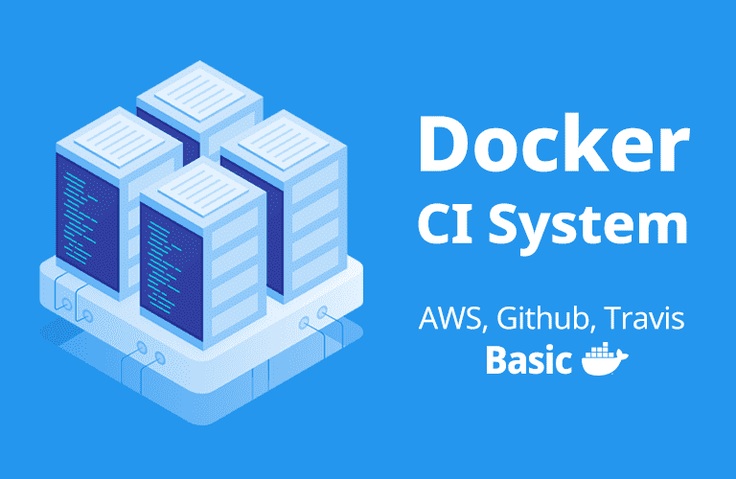
Reviews from Early Learners
5.0
Han
In short, this is the best Docker introductory course. I haven't used Docker for over a year, but I didn't have a chance to properly learn it. I recently used it briefly while deploying a simple project and realized that it is a very useful technology. So I was thinking about learning it properly, and I found this course and took it. I was not interested in studying development these days and was in a rut, but after taking this course, I became interested in studying development again. In particular, I only heard about CI, but when I actually tried it, I felt like I experienced a new world. There were a lot of things to pay attention to as the course progressed, so it was a little difficult, but overall, the voice and pronunciation were good, and the explanations were just right for what I needed, so I was able to take the course comfortably. Lastly, thank you so much for making such a great course. I'm looking forward to the Kubernetes course as well.
5.0
nocolorsoft
In my case, I didn't know much about CI before I got a job. After I got a job, I learned about CI and started studying it. I think it would be good for those who didn't know much about Docker and CI tools to learn about them. Although it's the beginning of the lecture, the teacher explained it in an easy-to-understand way with diagrams, so it was easy to understand. I'm personally making a toy project, and I'll use Docker and CI tools to build and deploy both the backend and the frontend. Thank you so much for the great lecture ^^
5.0
소라연
Take the class without hesitation*^^*
AWS Cloud Services
Travis CI
Docker
ReactJS NodeJS Mysql

Set up the Docker + CI environment essential for practical work all at once!
Hello.
In this lecture, we covered how to build Docker and CI environments.
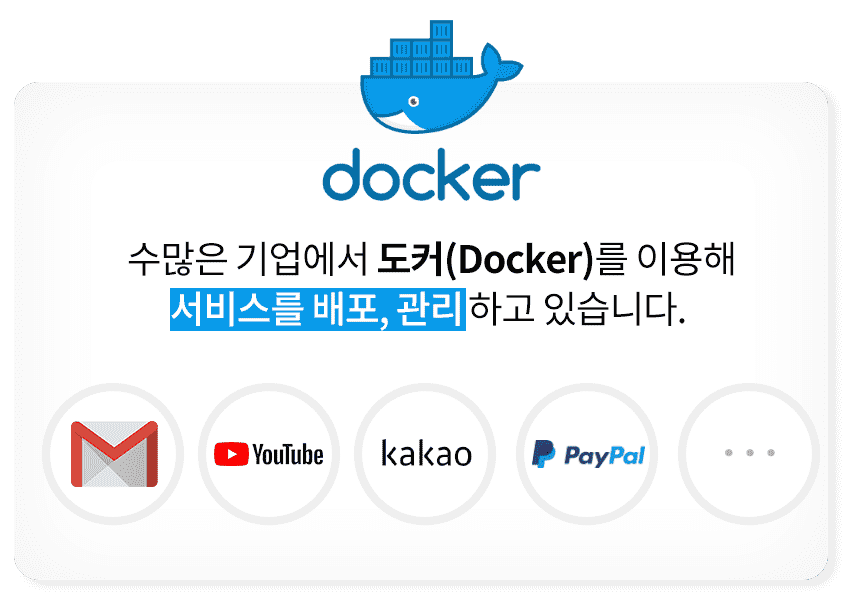
In the case of Google, Docker's influence is growing to the point where they use it for all their services, from Gmail to YouTube.
Once you try using Docker, you can't help but understand why its influence is expanding so much.
That's why this is a course on Docker that will be a huge plus for full-stack developers or back-end server developers to know.
In this Docker course, you will learn everything from deep knowledge of how Docker works to how to use it in practice,
and even how to use Docker more brilliantly by building a CI environment by connecting Travis CI, Docker Hub, and AWS services.
Through this course, I hope many of you will learn more about
CI systems and Docker—which are currently very hot topics in the development field—and gain the opportunity to actually use them!
Furthermore, this course also connects to the upcoming Kubernetes course.
Docker
Docker Image Docker Container Docker Volume Docker Compose Docker Hub
Github
Git Flow
Travis CI
Travis Flow Travis.yml File Testing System Deployment System Environment Variables
AWS
IAM EC2 ElasticBeanstalk VPC Security Group S3 Dockerrunaws Task Definition
Stacks used during practice
Node.js React.js Mysql Redis
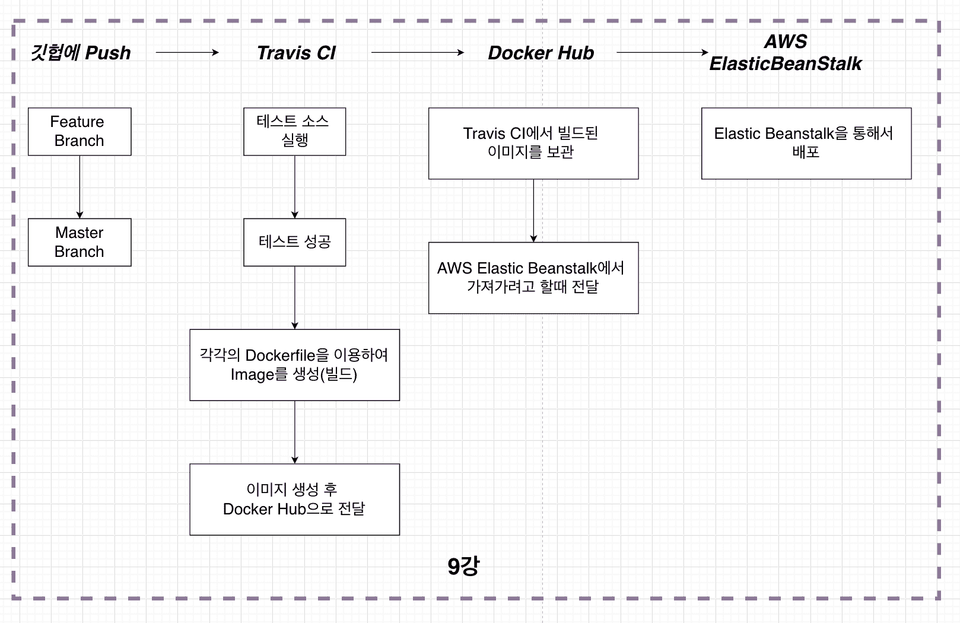
This course consists of a vast number of diagrams.
Since Docker and CI systems themselves are quite complex,
if explained only in words, the learner would have to visualize it separately to understand it.
To simplify that process, I have made an effort to turn all complex parts into diagrams
so that those taking the course can understand more easily.
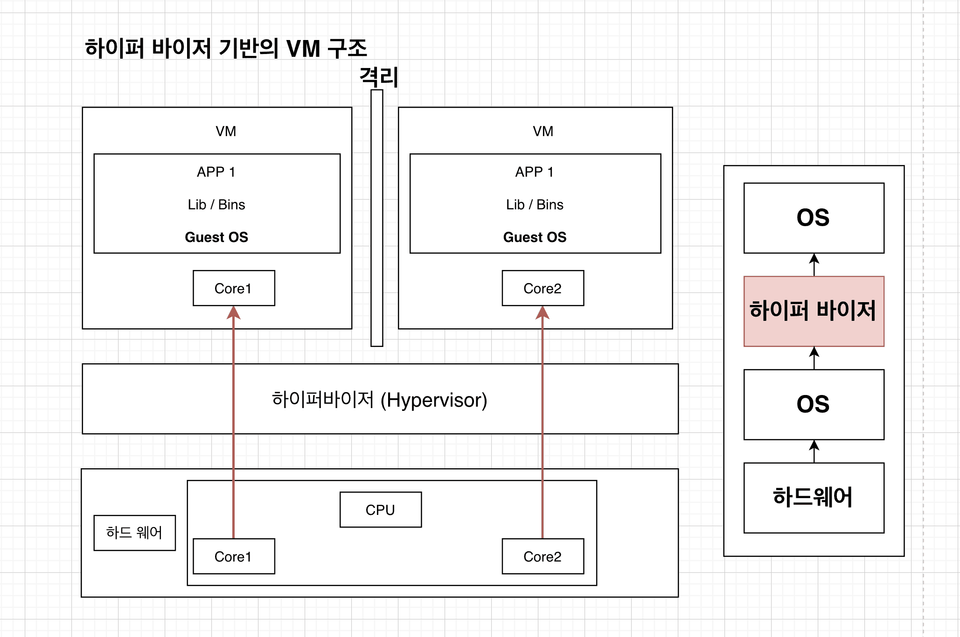
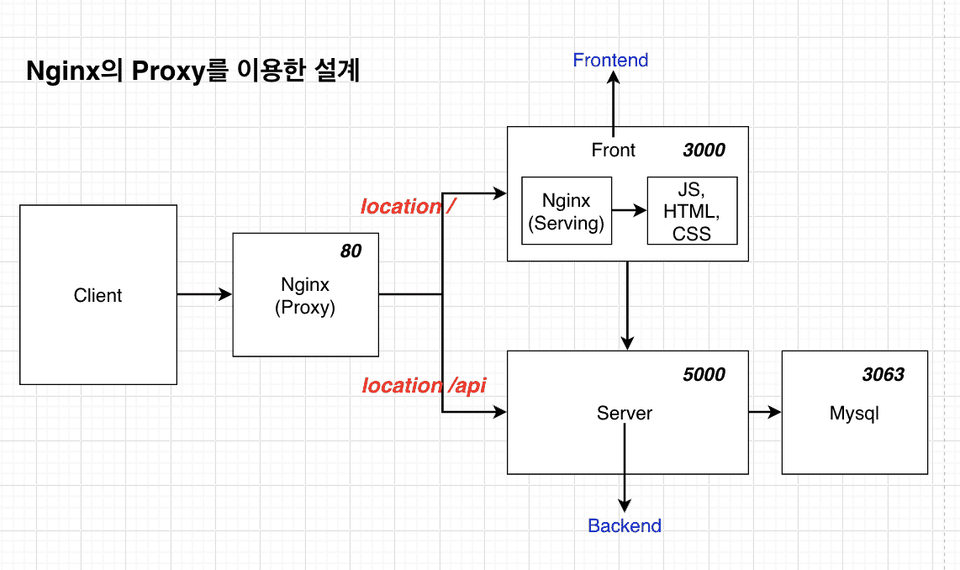
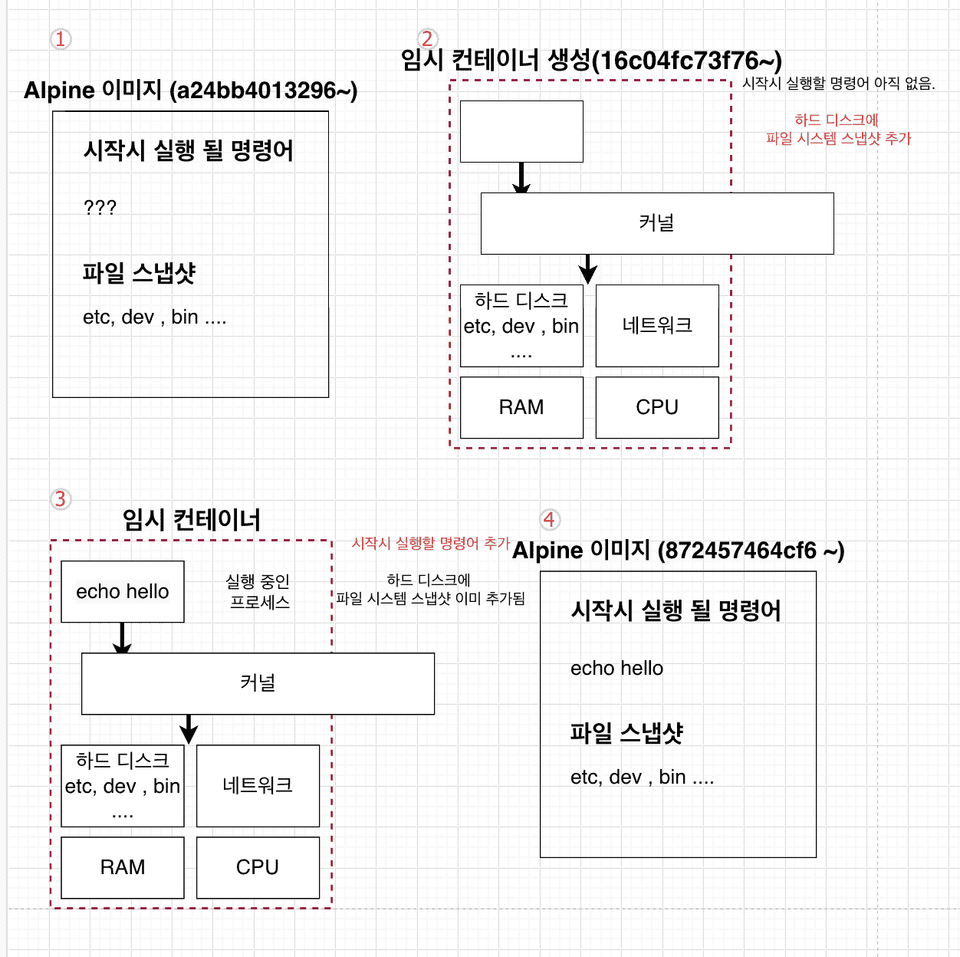
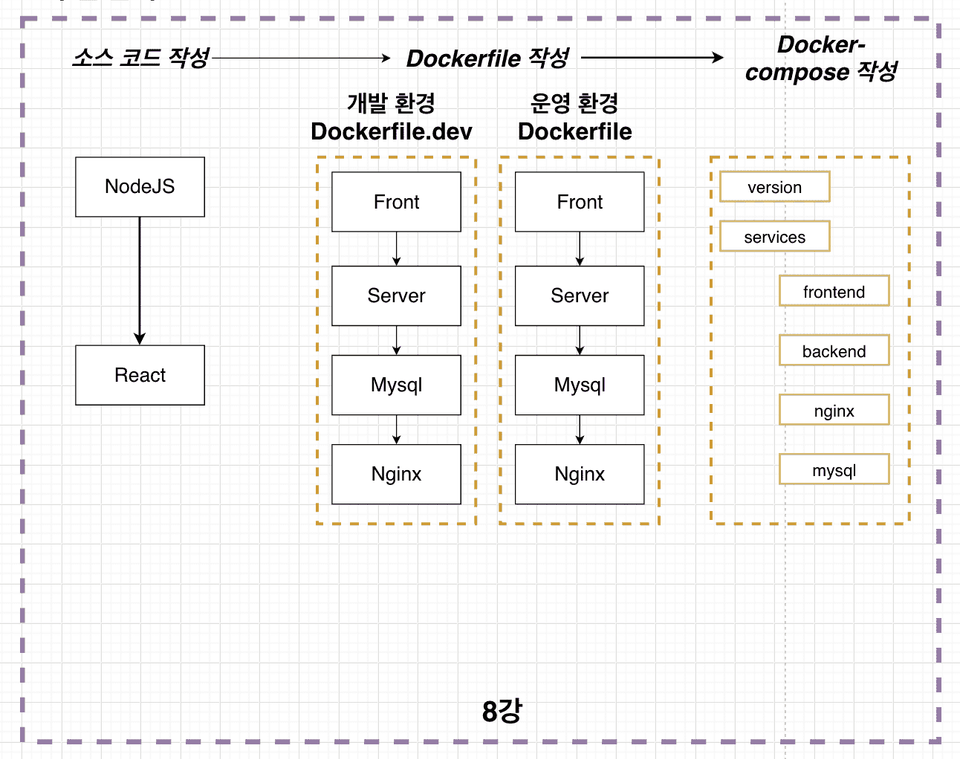
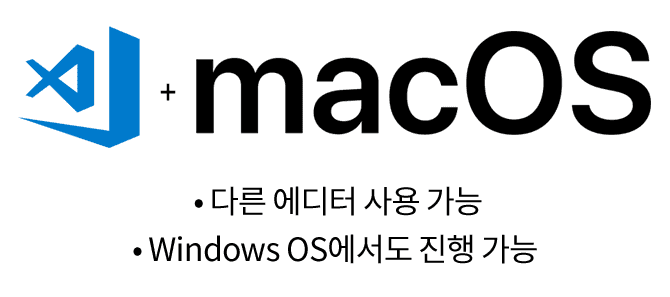
We use Visual Studio Code, but you may use any editor you prefer.
I am using a MAC, but it is also possible on Windows.

Who is this course right for?
Those who want to learn about CI environments
Those who want to learn Docker from the basics to how it is used in practice.

85,876
Learners
2,819
Reviews
2,430
Answers
4.8
Rating
20
Courses
Hello.
I am a developer who enjoys the process of development.
I hope I can be of great help to you in the future.
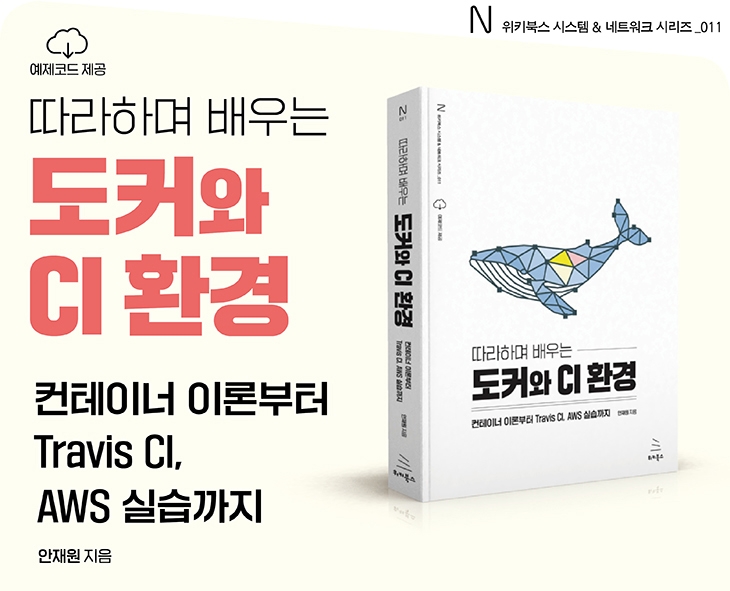
- Author of "Learning Docker and CI Environments by Following Along"
- FE Instructor for Kakao New Employee Recruitment
- Instructor at Fast Campus and Goorm
- Corporate Development Training for Hyundai Motor Company
- Full-stack development for Shinhan Bank Metaverse and Korbit Town
- Full-stack development for various public institution SNS platforms
All
93 lectures ∙ (10hr 54min)
Course Materials:
5. What is Docker?
04:02
All
379 reviews
4.8
379 reviews

Reviews 10
∙
Average Rating 5.0
5
In short, this is the best Docker introductory course. I haven't used Docker for over a year, but I didn't have a chance to properly learn it. I recently used it briefly while deploying a simple project and realized that it is a very useful technology. So I was thinking about learning it properly, and I found this course and took it. I was not interested in studying development these days and was in a rut, but after taking this course, I became interested in studying development again. In particular, I only heard about CI, but when I actually tried it, I felt like I experienced a new world. There were a lot of things to pay attention to as the course progressed, so it was a little difficult, but overall, the voice and pronunciation were good, and the explanations were just right for what I needed, so I was able to take the course comfortably. Lastly, thank you so much for making such a great course. I'm looking forward to the Kubernetes course as well.
Reviews 11
∙
Average Rating 4.6
5
In my case, I didn't know much about CI before I got a job. After I got a job, I learned about CI and started studying it. I think it would be good for those who didn't know much about Docker and CI tools to learn about them. Although it's the beginning of the lecture, the teacher explained it in an easy-to-understand way with diagrams, so it was easy to understand. I'm personally making a toy project, and I'll use Docker and CI tools to build and deploy both the backend and the frontend. Thank you so much for the great lecture ^^
Reviews 2
∙
Average Rating 5.0
5
This was the lecture I was looking for. Other lectures are Docker A-Z, CI/CD tools A-Z, AWS A-Z, but I wanted to learn the parts necessary for practical work rather than learning one in depth and see how the CI/CD environment is run as a whole first. This lecture satisfied what I needed. He explained it clearly and I don't know how he knew it, but he explained only the necessary parts. This is the first time I completed an Inflearn lecture :) I recommend it to those who are new to CI/CD :)

Reviews 14
∙
Average Rating 4.6
1
As of 24 years ago, you can see that almost half of the lectures are not working. It seems that the commands have changed a lot due to Docker version updates, etc. Even if you follow the lectures, errors occur, so it takes a lot of time to actually find and fix the errors. Above all, there are almost no answers to questions.....
Check out other courses by the instructor!
Explore other courses in the same field!


![Learning React A-Z by Following Along [Version 19 반영]Course Thumbnail](https://cdn.inflearn.com/public/courses/329170/cover/223c54c0-9220-4937-836d-70a36be3eb1c/329170-eng.png?w=420)
![Learn React Testing by Following [Updated November 2023]Course Thumbnail](https://cdn.inflearn.com/public/courses/327775/cover/0ef9c174-9974-4530-9470-d1ce8648aa75/327775-eng.png?w=420)
![Learn React and Firebase by following along - Creating a Chat Application [Renewed in December 2023]Course Thumbnail](https://cdn.inflearn.com/public/course-326181-cover/d012cab3-58e1-45cd-899e-03f86c7b1df1?w=420)
![TDD Development by Following [Updated in November 2023]Course Thumbnail](https://cdn.inflearn.com/public/course-326029-cover/7f87dfc8-b7a2-4ab7-9c44-b3e6dfdcd702?w=420)
![Learn by Following Along Node, React Series - Building a Shopping Mall Site [Complete Renewal]Course Thumbnail](https://cdn.inflearn.com/public/courses/325240/course_cover/d5d7e9a9-2d6f-4a81-84da-5e9cde3f39a4/nodereactecommerce-eng.png?w=420)

![Docker and Modern Server Technologies for Full-Stack Development (Linux, nginx, AWS, HTTPS, Deployment) [Full-Stack Part 3]Course Thumbnail](https://cdn.inflearn.com/public/courses/326771/cover/bc862b4d-abe6-4d80-a826-3a5324a9f998/326771-eng.png?w=420)