



inflearn logo

[UX Bible Exposition 1] Design and Human Psychology: Understanding the Fundamental Principles of UX

'The Design of Everyday Things' is a classic introductory book on UX that explains cognitive psychology and design principles through everyday objects such as doors, handles, and controls. NNGroup, founded by the author, also describes the book as showing how to make things easier to understand and use based on people’s needs and cognitive psychology. Although it may seem like an easy read, properly understanding its principles and applying them to design is not easy. Many people remember concepts such as affordances and usability, but find it difficult to explain why those principles matter and when they should be applied. It was only after nearly 10 years of practical experience and teaching the material eight times that I finally understood how the ideas in the book fit together. In this course, we go beyond memorizing principles to explore the author’s arguments, cognitive processes, and the context in which the book was written. Discover the design intent hidden in familiar objects and build a solid foundation for applying these principles to real-world UX decisions.

3 learners are taking this course

Level Beginner

Course period 6 months

Web Design
Web Design
Service Planning
Service Planning
frontend
frontend
usability
usability
product design
product design
Web Design
Web Design
Service Planning
Service Planning
frontend
frontend
usability
usability
product design
product design

What you will gain after the course

  • Go beyond definitions of usability and affordance to understand design principles based on users’ cognition and behavior.

  • Learn a way of looking at everyday objects and explaining why they are easy or difficult to use.

  • Learn how to identify the causes in the design and the user’s thought process, rather than blaming users for their mistakes.

  • Build a solid foundation you can apply to real-world UX design, rather than just memorizing concepts from books.

[7 PM UX Bible Deep Dive 1] Design and Human Psychology


If all you remember from the book is affordances, now’s the time to truly understand it and apply it in your work.

Donald Norman’s *The Design of Everyday Things* is a classic introductory book in UX. Yet even though it explains its ideas through familiar everyday objects, the cognitive psychology principles behind them can be difficult to understand. As a result, many people finish the book remembering only a few terms, such as affordance, and feeling unsure how to apply them to real-world planning and design.

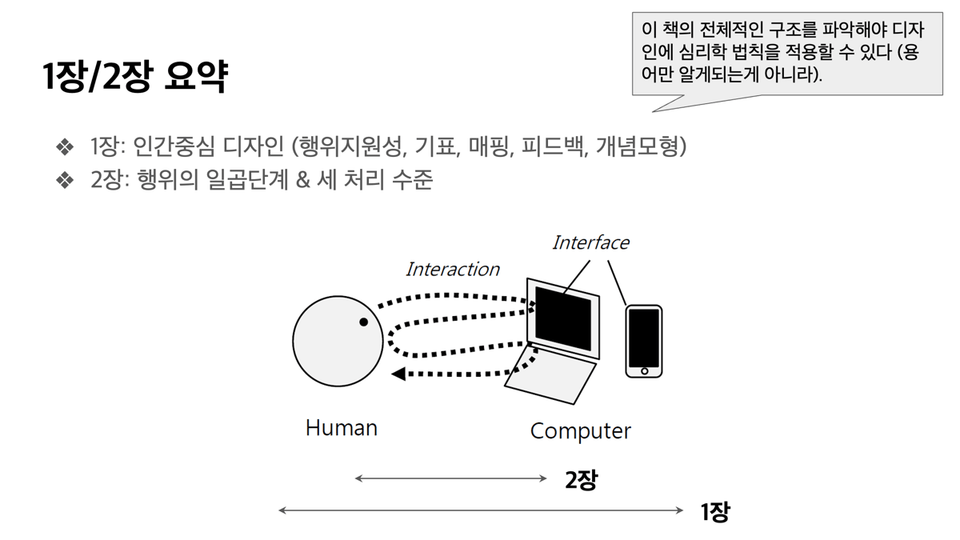
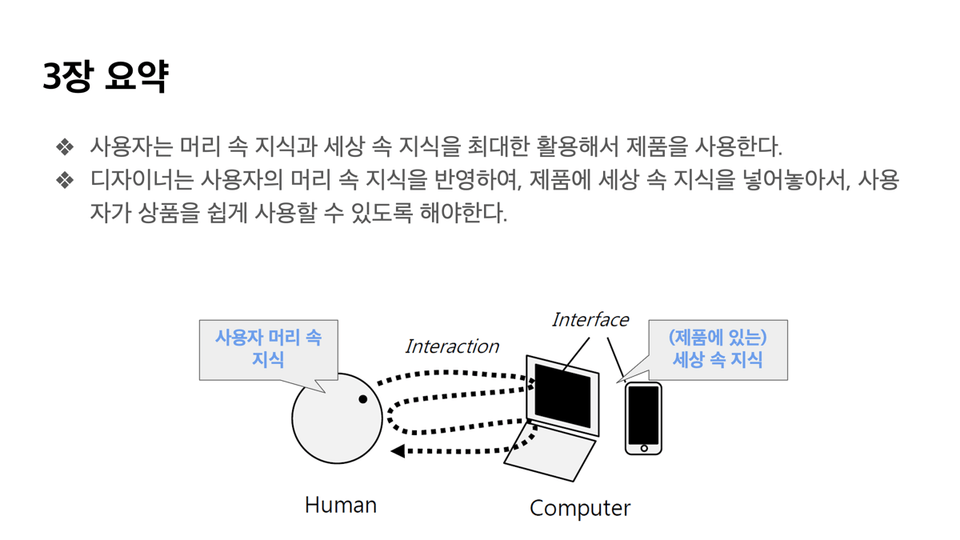
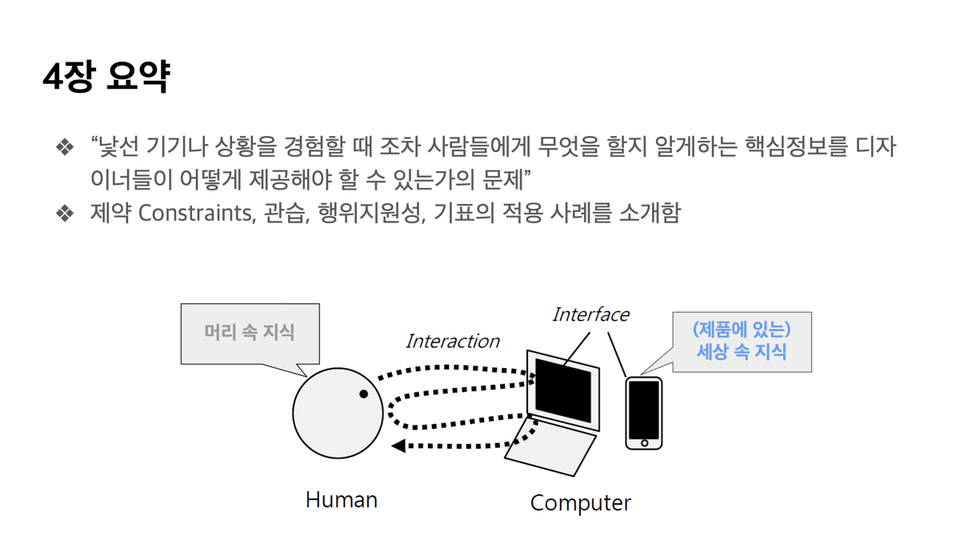
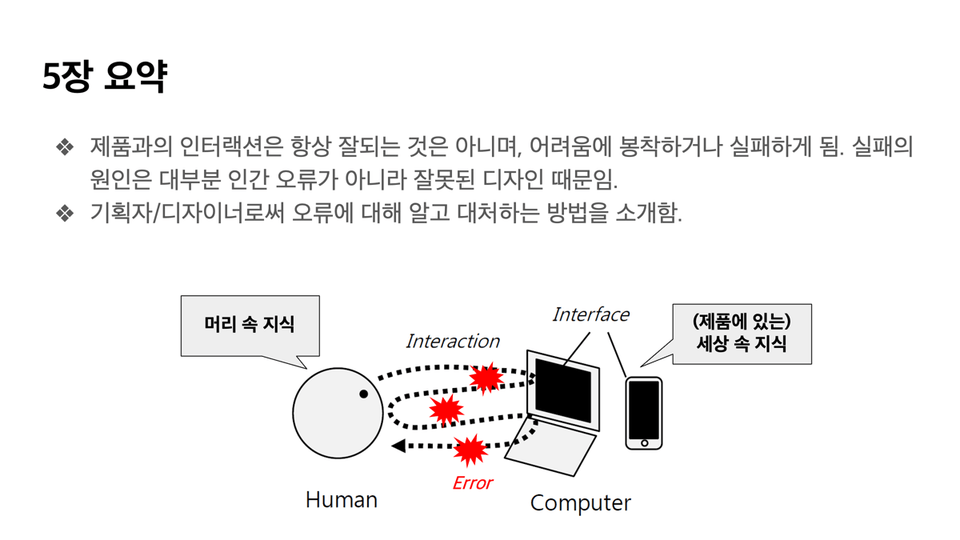
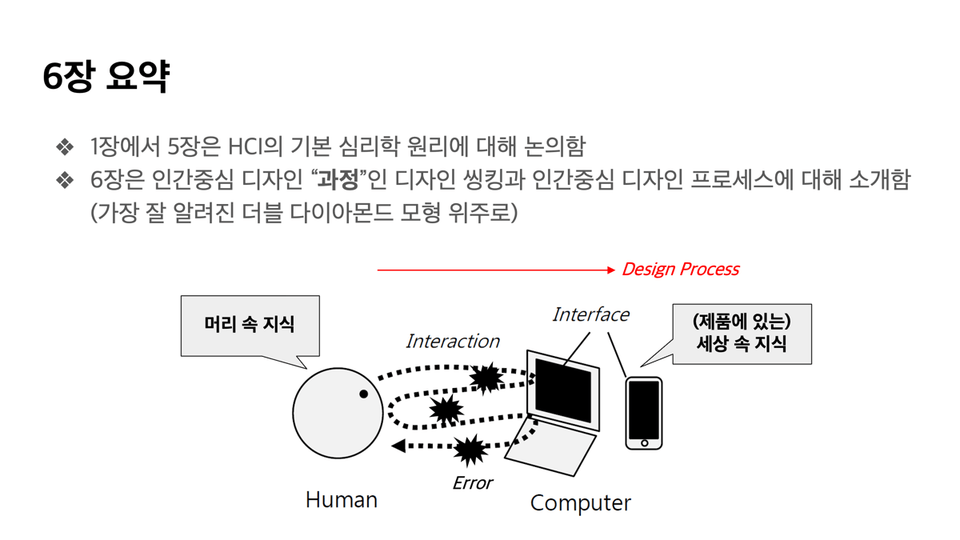
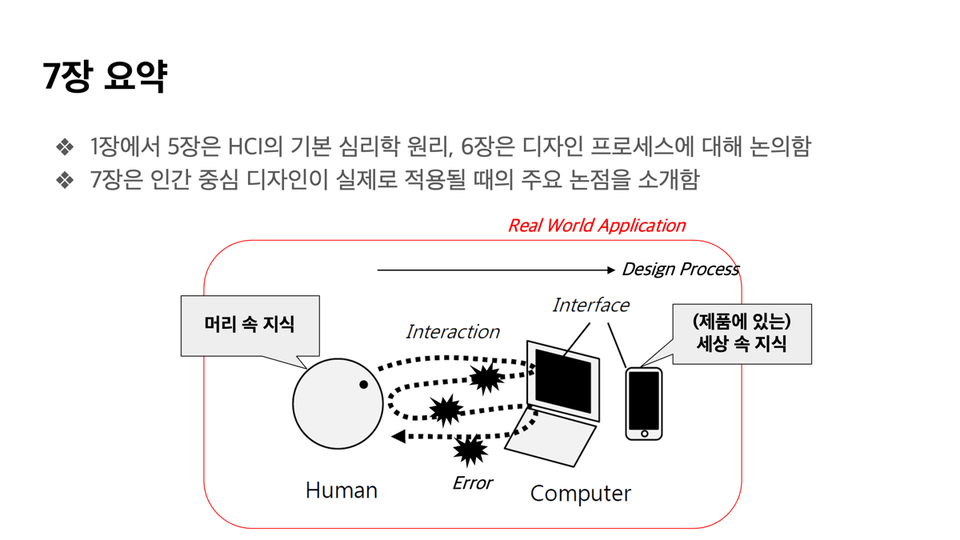
Even while working in the field, it was only after explaining this book several times in training sessions for company employees and in university lectures that I was able to organize my perspective on understanding and applying its ideas. In this course, we explore the book’s core principles through a single interpretive framework (starting with the second image below) and explain, with examples, how each principle is used in real-world planning and design. Go beyond memorizing terms: understand why users get confused and build the fundamentals for designing better experiences.


About the Instructor

I’m a cognitive engineer and experience designer, and I’ve worked in UX planning since 2002, progressing from assistant manager to executive.


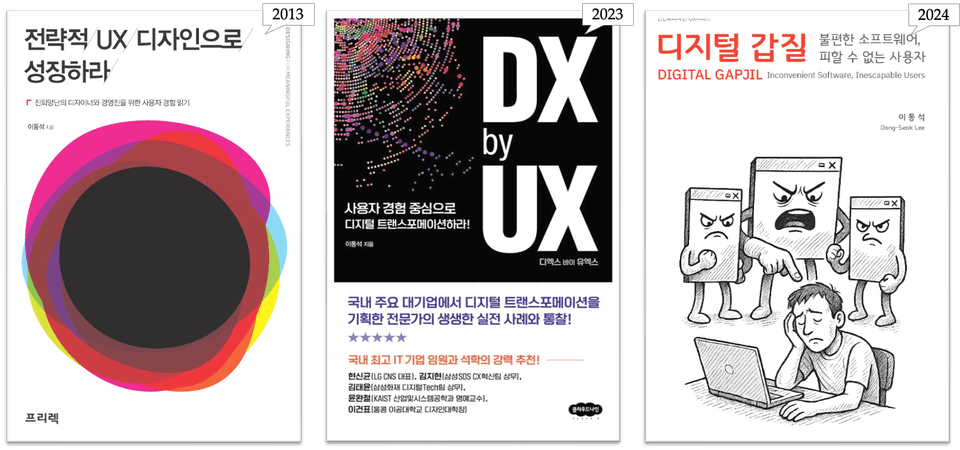
Books: Grow Through Strategic UX Design (2013), DX by UX (2023), Digital Abuse of Power (2024)


Related Brunch article https://brunch.co.kr/magazine/meetpm7


Seven O’Clock Course Introduction

  • [Beginner] UX Bible Lecture 1: Design and Human Psychology


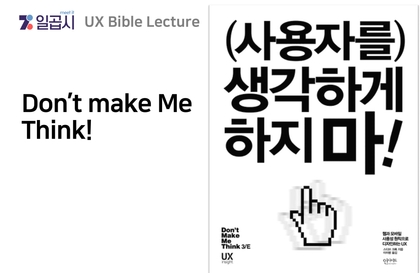
  • [Introductory] A Deep Dive into the UX Bible 2: Don’t Make Me Think


  • [Introductory] UX Bible Deep Dive 3: The Elements of Experience Design


  • [Beginner] Product UX Course

  • [Intermediate and Above] Creating a Top-Tier Service Planning Portfolio

  • [Special Lecture] Service Planning Competencies in the Age of AI


Recommended for
these people

Who is this course right for?

  • A student who is new to UX and wants to build a solid foundation in its core concepts and principles.

  • Someone preparing to transition into UX from another field

  • A software developer who wants to design and develop user-friendly UIs.

  • Practitioners with hands-on experience who want to revisit and organize their understanding of the UX principles they’ve been using.

  • For those who want to explain, from a cognitive psychology perspective, why users find a product easy or difficult to use.

  • For those who want to move beyond a superficial understanding of affordance and usability and develop a sound basis for their design decisions.

Hello
This is meetpm7

Career Verified

Instructor Introduction

As a cognitive engineer and experience designer, I have been planning UX projects since 2002, from the assistant manager level to executive positions.

image.png

Books: Grow Through Strategic UX Design (2013), DX by UX (2023), and Digital Abuse of Power (2024)

image.png

Related Brunch article https://brunch.co.kr/magazine/meetpm7

More

Reviews

Not enough reviews.
Please write a valuable review that helps everyone!

meetpm7's other courses

Check out other courses by the instructor!

Similar courses

Explore other courses in the same field!

Limited time deal

$16.50

28%

$23.10