
inflearn logo

Craft a defense industry software developer self-introduction essay that gets you hired!

Applying to defense companies with an SW developer cover letter unchanged often leads to rejection during the document screening stage. This is because defense companies value reliability, process compliance, and security awareness more than rapid development. This course begins by helping you understand the flow of defense R&D and the way defense SW is developed. It then shows you how to rewrite your existing experience in language that defense industry professionals can understand. It covers a formula for writing your motivation for applying, experience-substitution storytelling, how to use practical keywords such as SRS/SDD, configuration management, CMMI, and DAPA coding standards, as well as preparation for security-related interviews.

1 learners are taking this course

Level Beginner

Course period Unlimited

Resume
Resume
Self Improvement
Self Improvement
personal branding
personal branding
Resume
Resume
Self Improvement
Self Improvement
personal branding
personal branding

What you will gain after the course

  • A defense industry-specific statement of motivation rewritten using the formula: abstract value → concrete target → my role

  • The ability to reframe control, communications, and optimization experience in defense-industry terminology (stability, integrity, and reliability)

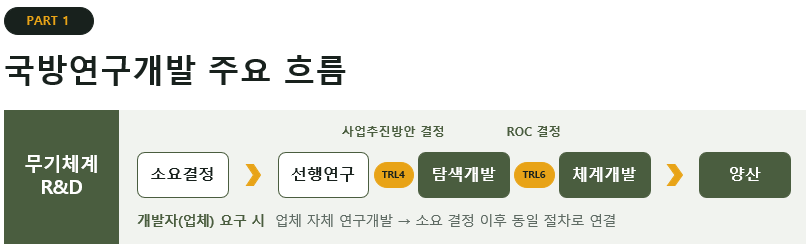
  • Understanding of the defense research and development flow (from preliminary research to mass production, TRL) and the waterfall development process

  • A self-introduction letter sentence that accurately incorporates SRS/SDD, configuration management, CMMI, DAPA coding rules, and MISRA C.

  • Strategies for Preparing Follow-Up Interview Questions on Personal Statement Keywords and Security-Related Questions

For a Defense Industry Software Job, You Need to Rewrite Your Personal Statement from Scratch

I have sufficient qualifications, so why do I keep getting rejected at the application screening stage only for defense companies?

I prepared for coding tests and worked hard on projects. But whenever I apply to defense companies, I strangely get rejected at the resume screening stage. Have you ever had an experience like this?

The cause is usually not your qualifications, but your ‘language.’ If you follow the standard advice for writing cover letters for web and app developers, you may end up with statements that conflict with the values defense companies consider important. General IT companies look for rapid deployment and trendy technologies, whereas defense companies look for reliability, strict adherence to processes, and security awareness.

This course does not ask you to create new experiences. It teaches you how to rewrite the experiences you already have in language that defense industry professionals understand.

If you are struggling with these concerns,

  • I applied for a defense software position, but I don't know why my application keeps getting rejected.

  • I have no experience with embedded systems or defense projects, so I’m at a loss as to what I should highlight.

  • I’ve heard terms like CMMI and DAPA coding standards, but I don’t know how to incorporate them into my personal statement.

  • Before paying for expensive feedback, I want to have criteria I can use to revise it myself.


What You Will Learn in This Course

1. First, understand the essence of defense industry software roles.

To write a strong personal statement, you first need to understand your audience. Following the defense R&D process outlined by the Defense Acquisition Program Administration, we’ll examine how weapon systems are developed. We’ll look at each stage—requirement determination, preliminary research, exploratory development, system development, and mass production—as well as technology readiness levels (TRL). We’ll compare waterfall and agile methodologies and learn why defense development places such importance on stage-by-stage deliverables and reviews.

2. Learn the defense industry–tailored cover letter framework

Sentences like "I want to contribute to national security" do not set you apart. Rewrite your motivation for applying more compellingly using a three-step formula that connects abstract values, specific targets, and your role. You will also learn storytelling techniques for reframing your experience in control, communications, and optimization from the perspective of the defense industry’s core values: stability, integrity, and reliability. You will immediately put this into practice by revising frequently used sentences in Before & After format.

3. Incorporate domain keywords that catch interviewers’ attention.

We cover how to naturally connect concepts such as RTOS, real-time data processing, and manned-unmanned teaming (MUM-T) to your personal statement and portfolio. We also point out that using keywords superficially can leave you vulnerable to follow-up questions in interviews, and prepare strategies to defend against them.

4. Highlight the practical qualifications that improve your application pass rate.

Learn how to accurately understand the terminology and standards actually used in the defense industry and connect them to your own experience.

  • How to showcase your experience writing SRS (Software Requirements Specification) and SDD (Software Design Description) documents

  • The meaning of Configuration Management beyond simply using Git

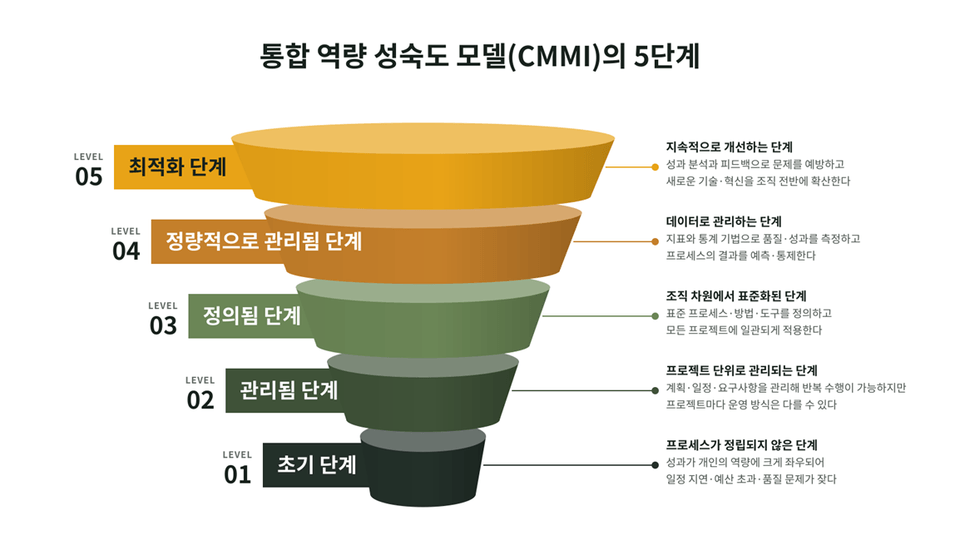
  • A process-oriented description of CMMI (Capability Maturity Model Integration) Level 5

  • Specialized technical keywords such as DAPA coding standards, MISRA C, and STANAG 4586


5. Prepare for the Security Interview and Final Acceptance

Security-related questions are almost always included in defense industry interviews. We’ll examine what interviewers are trying to assess with these questions, and organize the types of questions that are likely to come up along with guidance on how to answer them. Finally, we’ll wrap up with an action plan to put into practice as soon as the course ends.


Lecture Structure

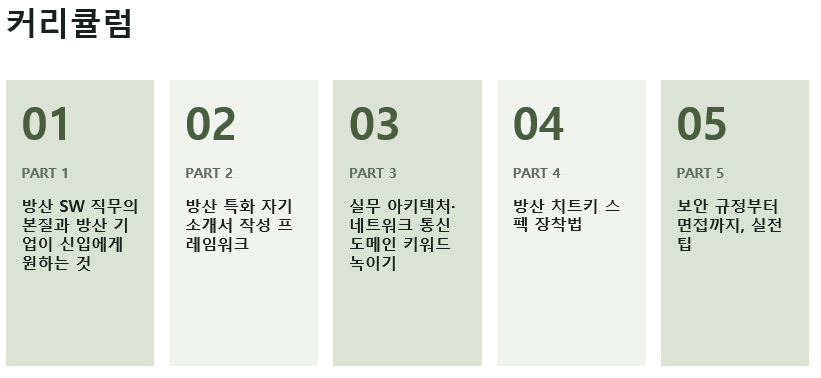
  • Part 1. The essence of defense-industry software roles and what defense companies want from entry-level candidates

  • Part 2. Defense industry–specific cover letter writing framework

  • Part 3. Integrating Practical Architecture and Communication Domain Keywords

  • Part 4. How to Equip Yourself with Defense Industry Cheat-Code Credentials

  • Part 5. Practical tips for getting hired, from security regulations to interviews


Why This Course Is Special

Reinterpret your experience without exaggerating it

This is not about making up experiences you don’t have. It teaches you how to reframe the experiences you already have from a defense industry perspective. That way, you won’t be thrown off even when follow-up questions come up in interviews.

I’ll give you criteria that can be applied throughout your cover letter and résumé.

The sentence formulas and keyword-checking criteria learned in the course can be applied not only to your cover letter but also directly to your résumé and portfolio. Once you learn them, you can continue using them even when the defense company you apply to changes.

Start Building Your Personal Brand as a Defense Industry Developer

Not a "developer who learns quickly," but a "developer who thoroughly verifies everything and takes responsibility through to the end." Defining yourself as the kind of person the defense industry wants is the very essence of personal branding as a defense software engineer. This course takes that first step with you.

Self-development beyond job preparation

An understanding of the defense R&D structure, development processes, and coding standards will continue to be directly relevant in your work after joining the company. This is not merely a strategy for passing the document screening stage; it will serve as the starting point for your self-development as a defense software engineer.


Please note before enrolling

  • You can take this course even without any defense industry or embedded systems knowledge.

  • Whether it’s a school, team, or personal project, having at least one development experience will make this much more effective.

  • We recommend keeping your draft cover letter open beside you and revising it as soon as each section ends.

Recommended for
these people

Who is this course right for?

  • A job seeker applying for a defense industry SW position who keeps getting rejected at the application screening stage without knowing why.

  • Those who feel at a loss about how to adapt a general IT/web development personal statement to a defense industry R&D position

  • Non-majors and those from other fields who have no experience with embedded or defense projects and don’t know what to highlight

  • People who are familiar with practical terms such as CMMI and DAPA coding rules but don’t know how to naturally incorporate them into a personal statement.

  • For those who want criteria to revise their own personal statements instead of paying for expensive editing services

Need to know before starting?

  • At least one development project involving programming experience (school, team, or personal projects are all acceptable)

  • If you have a draft of your personal statement, you can revise it as you follow the lecture, making it highly effective.

  • You don't need any defense industry or embedded systems knowledge.

Hello
This is kmmom591

Career Verified

843

Learners

79

Reviews

4

Answers

4.6

Rating

8

Courses

Hello.
I am a developer working as a defense researcher and SW developer at a defense contractor.

I majored in Computer Science in college,
and since joining a defense contractor, I have been participating in actual defense SW development projects.
Currently, I develop software linked to weapon systems and defense systems,
performing system development based on C++ and Java.

More

Reviews

Not enough reviews.
Please write a valuable review that helps everyone!

kmmom591's other courses

Check out other courses by the instructor!

Similar courses

Explore other courses in the same field!

Limited time deal

$11.00

28%

$15.40