
강의

멘토링

로드맵

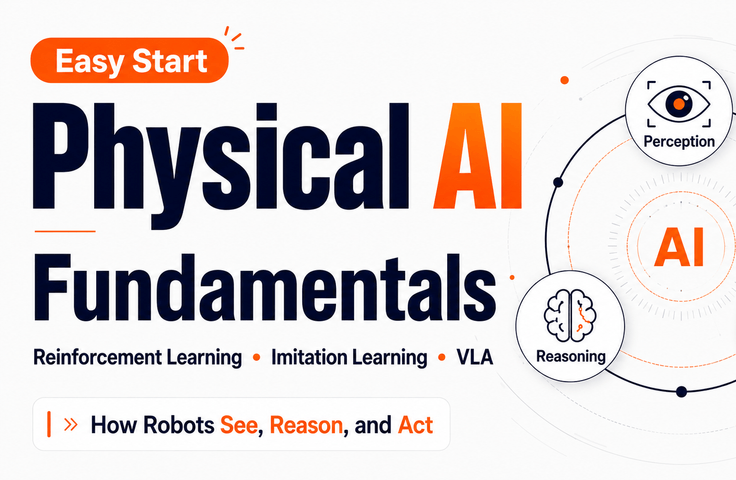
Introduction to Physical AI: Understanding Imitation Learning and VLA Principles

Systematically learn the core concepts and operating principles of Imitation Learning and VLA (Vision-Language-Action) technologies, which serve as the foundation for Physical AI. Through real-world case studies, understand the mechanisms by which Physical AI interacts with the physical world and build a foundation for future hands-on sessions.

1 learners are taking this course

Level Basic

Course period Unlimited

AI
AI
Deep Learning(DL)
Deep Learning(DL)
AI
AI
Deep Learning(DL)
Deep Learning(DL)

What you will gain after the course

  • Understanding the core algorithms of imitation learning and the principles of their application in Physical AI

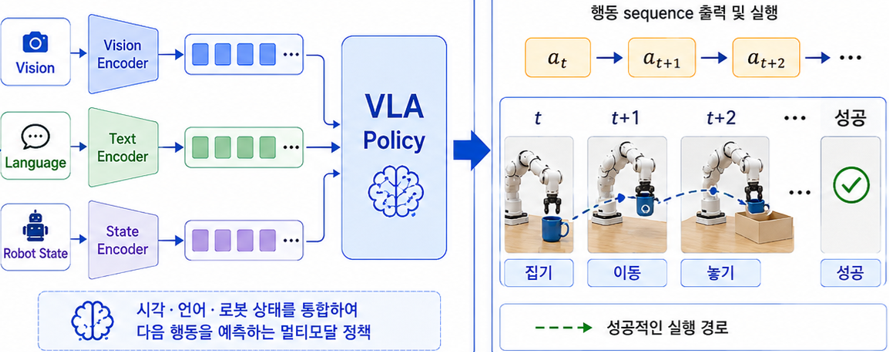
  • Understand the structure of VLA architecture and the multimodal learning mechanism

  • Analysis of Implementation Cases and Application Fields of Actual Physical AI Systems

Core Concepts of Physical AI
Understanding Imitation Learning and VLA

Strengthen AI capabilities from development trends to the latest cases


Pay attention to Physical AI, the AI that goes beyond digital to interact with the real world.
Systematically learn the principles of imitation learning, which overcomes the limitations of reinforcement learning to learn like a human, and
VLA models that integrate vision, language, and action.


Introduction to Physical AI
Explore the future of AI through the principles of imitation learning and VLA.

Understanding Physical AI Without Formulas

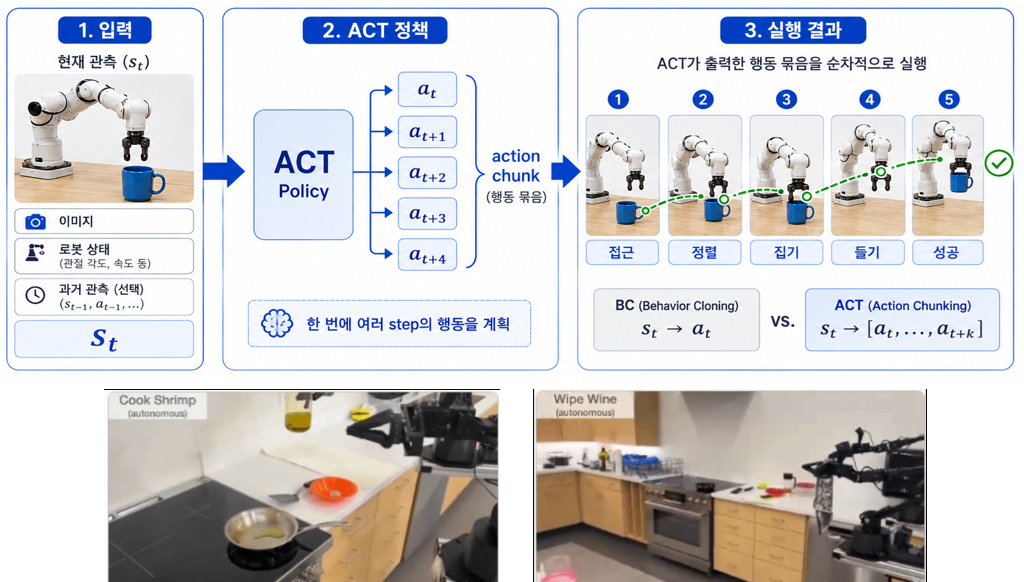
Imitation Learning, BC, ACT, and Diffusion Policy are explained in an easy-to-understand manner.


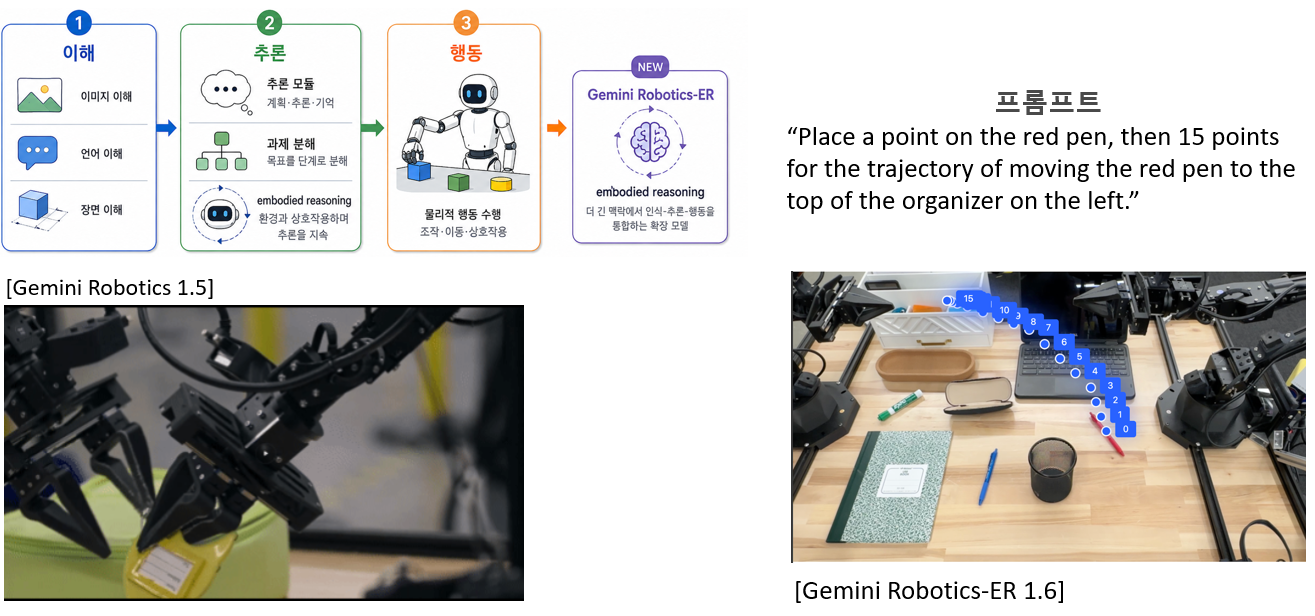
Google Gemini Robotics Case Studies

Learn about the latest technologies in VLA models through case studies and gain experience exploring the possibilities of Physical AI.


Exploring the Core Principles of Physical AI
with Imitation Learning and VLA

[Physical AI Overview and Learning Methodologies]

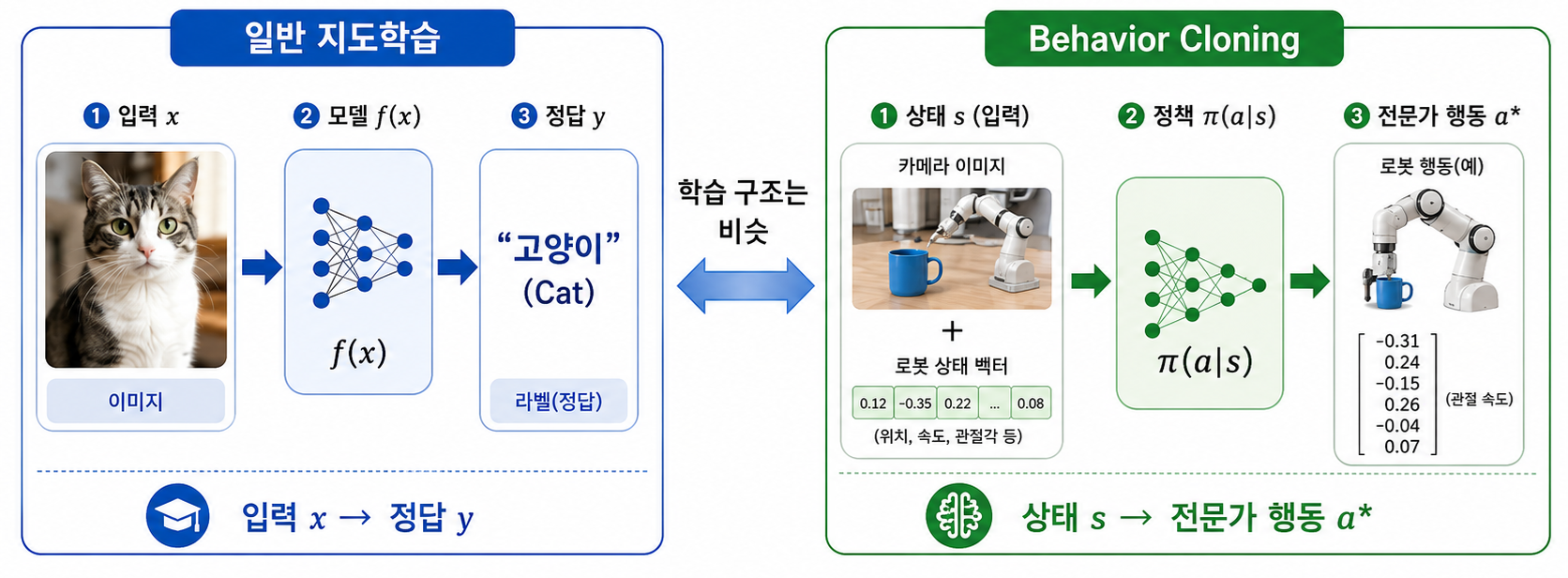
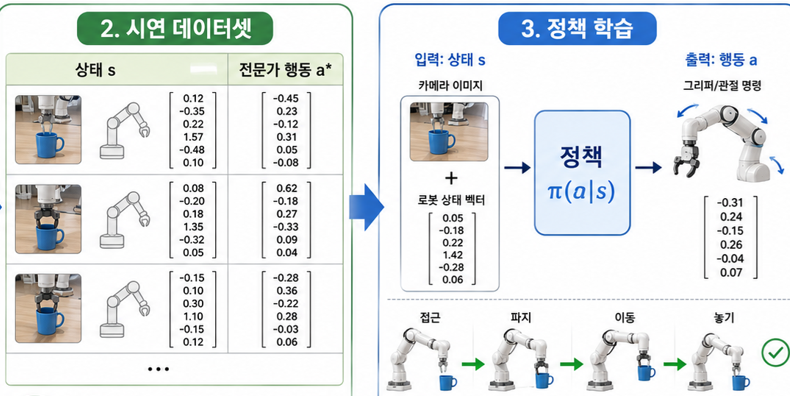
It introduces the definition and importance of Physical AI and covers the core concepts of reinforcement learning and imitation learning. Imitation learning is a methodology for learning robot behaviors using human demonstration data, exploring techniques such as Behavior Cloning, ACT, and Diffusion Policy.


[Principles and Development Trends of VLA Models]

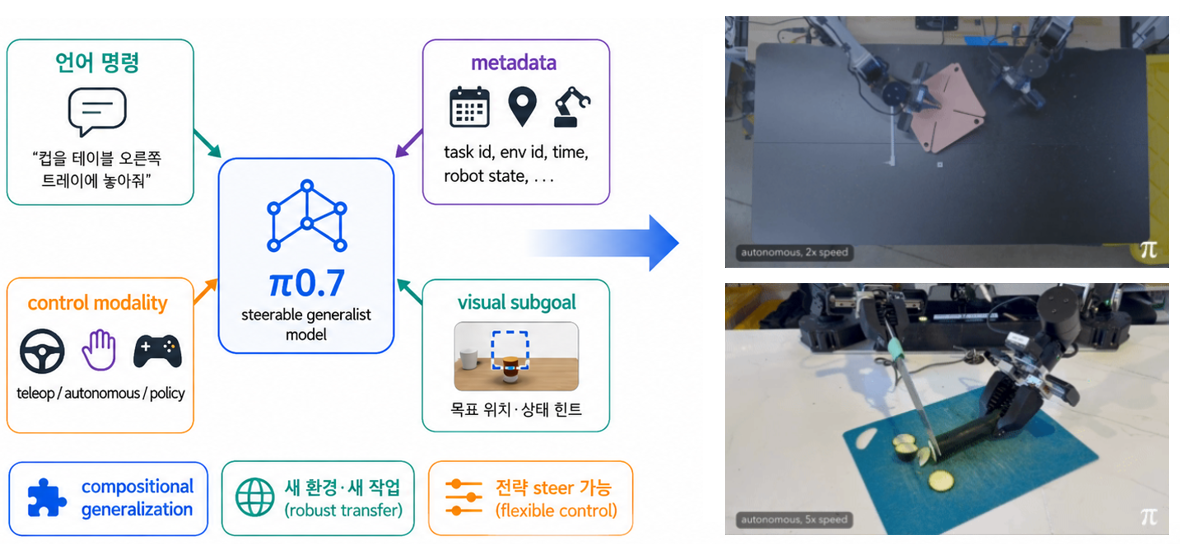
Explains the basic principles of VLA (Vision-Language-Action) models, which integrate visual information and language commands to generate real physical actions. It analyzes the development process of the latest VLA architectures, such as Google's RT series, OpenVLA, and Nvidia's GR00T, to provide an outlook on the present and future of Physical AI technology.


Introduction to Physical AI: Understanding Imitation Learning and VLA Principles

Point 1. The Core of Robot Control: Imitation Learning

Imitation Learning is a powerful method that reduces trial and error and allows robots to quickly learn behaviors through human demonstration data. You can learn imitation learning techniques and how to apply them to real-world robot control.


Point 2. The Future of AI: In-depth Understanding of VLA Principles

VLA (Vision-Language-Action) models are cutting-edge technologies that understand visual information and language commands to implement them into actual physical actions. You will grasp the operating principles of major models and learn in-depth how they interact with the real world.


Physical AI, the technology that allows robots to learn about the world,
this course was created specifically for these people.


✔️ Beginners who want to understand the basic principles of Physical AI

  • Those who are curious about Physical AI, the AI that goes beyond digital.

  • Those who want to understand the core technologies of robot learning, imitation learning, and VLA principles

  • Those who want to know the latest Physical AI technology trends and real-world application cases

✔️ Developers who want to gain a deep understanding of how Physical AI works

  • Those who want to understand the operating principles of core algorithms such as reinforcement learning, imitation learning, and VLA.

  • Those who want to understand technology trends through the flow of Physical AI and the latest VLA use cases

  • Those who want to build a theoretical foundation for future Physical AI practice


Do you want to take your first step into the world of Physical AI?
Start preparing to lead future AI technology through systematic learning that covers both theory and real-world cases.

Notes before taking the course

Prerequisites and Important Notes

  • No prior knowledge is required, but an understanding of basic deep learning and AI concepts is recommended.

  • You can learn even without prior experience in robotics or computer vision.

  • This lecture explains the core principles easily, using as few mathematical formulas as possible.

Learning Materials

  • Lecture slide PDFs provided


  • Continuous uploading of the latest research trend materials


Recommended for
these people

Who is this course right for?

  • Anyone interested in Physical AI

  • Those who want to know the principles, use cases, and latest trends of Physical AI

Need to know before starting?

  • Prior knowledge is not required, but it is helpful to have a basic understanding of AI concepts.

Hello
This is navbuilder

Curriculum

All

14 lectures ∙ (2hr 22min)

Published: 
Last updated: 

Reviews

Not enough reviews.
Please write a valuable review that helps everyone!

Limited time deal

$23.10

30%

$33.00

Similar courses

Explore other courses in the same field!