
inflearn logo

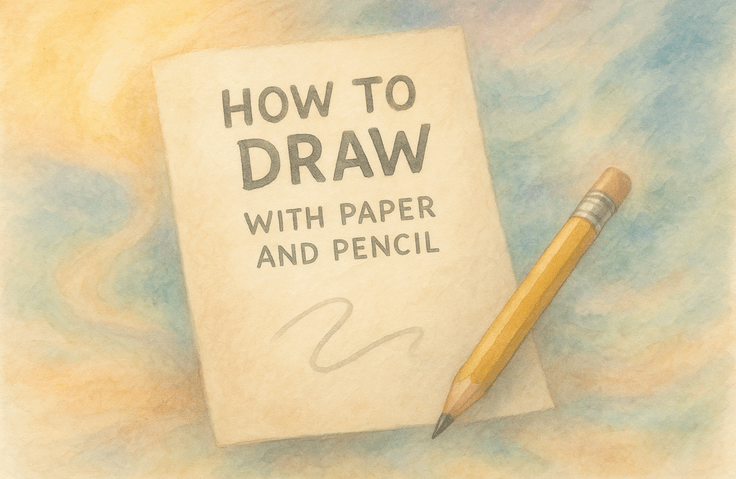
How to Draw Essentials with Paper and Pencil

Master the fundamental skills of pencil drawing through practical, step-by-step exercises using only paper and pencil. Learn to observe objects, understand shapes and proportions, control pencil pressure, and create light and shadow effects. Progress from basic lines and forms to drawing everyday objects with confidence, building a strong foundation in traditional drawing techniques.

17 learners are taking this course

Level Beginner

Course period Unlimited

Drawing
Drawing
geometry
geometry
observability
observability
2.5d
2.5d
shaders
shaders
Drawing
Drawing
geometry
geometry
observability
observability
2.5d
2.5d
shaders
shaders
Thumbnail

What you will gain after the course

  • Accurate observation and translation of three-dimensional objects into two-dimensional drawings using basic shapes

  • Controlled pencil pressure techniques for creating varied line weights, textures, and realistic shading effects

  • Step-by-step construction method for drawing everyday objects with correct proportions and simple compositions


Can a pencil reveal 3D form?

Strong drawing starts with observation—not guessing.
Build shapes, proportions, pencil pressure, and light-to-dark values step by step, then turn everyday objects into confident pencil drawings.


Begin with paper, pencils, essential shapes, and basic forms so your sketches have a clear structure from the start.

Learn to observe proportions and light direction, then separate each object into light, mid-tone, and dark values.

Apply those building blocks to everyday objects, moving from a basic sketch to a finished pencil drawing.

Struggling with proportion or shading is a normal part of learning to draw. With focused practice using only paper and pencil, you can build accurate observation, controlled marks, and confidence in your finished drawings.


Study shapes and proportions,
then control pencil pressure, light, and shadow.

Move from hesitant marks to
confident object sketches
built from simple forms and careful observation.

After completing this course, you can


See ordinary objects as clear, drawable structures.

  • Rather than guessing at the outline of a cup, bottle, or box, you’ll break it into circles, rectangles, cylinders, and other basic forms. This gives you a repeatable way to turn three-dimensional subjects into accurate two-dimensional sketches.


✔️

A practical path from hesitant marks to confident pencil drawings

See Objects Clearly
Build Them with Simple Forms

This course guides you through observation, proportions, basic shapes, pencil pressure, and value control so you can translate three-dimensional objects into clear two-dimensional drawings. Step by step, you’ll move from simple lines and forms to complete sketches with believable light and shadow.

Turn Everyday Objects into Structured Drawings

Using only paper and pencils, you’ll practice breaking familiar objects into essential shapes, checking their proportions, and applying light, mid-tone, and dark values. These exercises help you create more accurate sketches instead of relying on guesswork or tracing.

Paper-and-Pencil Practice Resources

The course focuses on guided drawing exercises rather than software or source code, giving you practical methods to use with accessible paper and pencils at home. You’ll finish with repeatable construction and shading techniques for developing basic sketches into finished pencil drawings.

We can solve these concerns!

📌

Complete Beginner in Traditional Drawing

You want to draw household objects such as mugs, books, and bottles, but your sketches often look flat or oddly proportioned.
This course gives you a clear starting point with basic shapes, observation practice, pencil control, and simple light-and-shadow exercises using only paper and pencil.

📌

Hobby Artist Building Stronger Foundations

You can copy loose outlines, yet your drawings lose structure when you add shading or work from real objects instead of reference images.
Step-by-step exercises help you compare proportions, construct forms from simple shapes, and vary pencil pressure to create convincing line weights, textures, and tonal values.

📌

Aspiring Illustration or Game Art Student

You are preparing a portfolio or personal art practice, but your object studies still contain uneven proportions, unclear light direction, and disconnected shadows.
This course strengthens the observational foundation behind more advanced artwork by guiding you from an initial sketch to a finished pencil drawing with readable form and simple composition.

Recommended for
these people

Who is this course right for?

  • Complete beginners with little to no drawing experience who want to learn traditional art fundamentals

  • Hobby artists seeking to strengthen their foundational drawing skills using accessible materials

  • Self-learners who prefer practicing art at home with simple, inexpensive tools like paper and pencil

Need to know before starting?

  • Basic ability to hold and control a pencil for writing or sketching

  • Access to simple drawing materials including paper and pencils of varying hardness

  • Willingness to practice observation skills and complete hands-on drawing exercises regularly

Hello
This is jonkistim

Through my courses and educational content, I aim to make complex topics easier to understand and help learners build valuable skills for today’s fast-changing professional world.
Published: 
Last updated: 

Reviews

Not enough reviews.
Please write a valuable review that helps everyone!

Similar courses

Explore other courses in the same field!

Free