강의

멘토링

커뮤니티

Data Science

/

Data Analysis

GCP BigQuery Tutorial for Beginners

Let's learn together about Columnar Storage, which allows you to conveniently handle both structured and unstructured data provided by GCP and allows for a free table format, and BigQuery, a universal database.

20 learners are taking this course

Level Beginner

Course period Unlimited

  • Sungmin Kim
SQL
SQL
Google Cloud Platform
bigquery
bigquery
sql-query
sql-query
database
database
SQL
SQL
Google Cloud Platform
bigquery
bigquery
sql-query
sql-query
database
database

What you will gain after the course

  • Special syntax provided by BigQuery

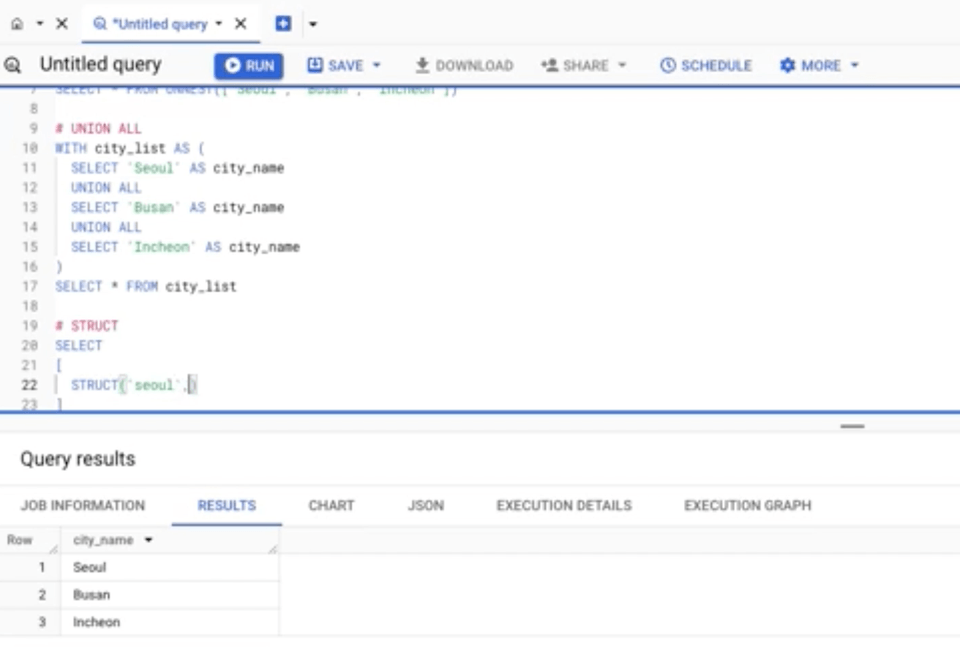
  • ARRAY, STRUCT Data Type Queries

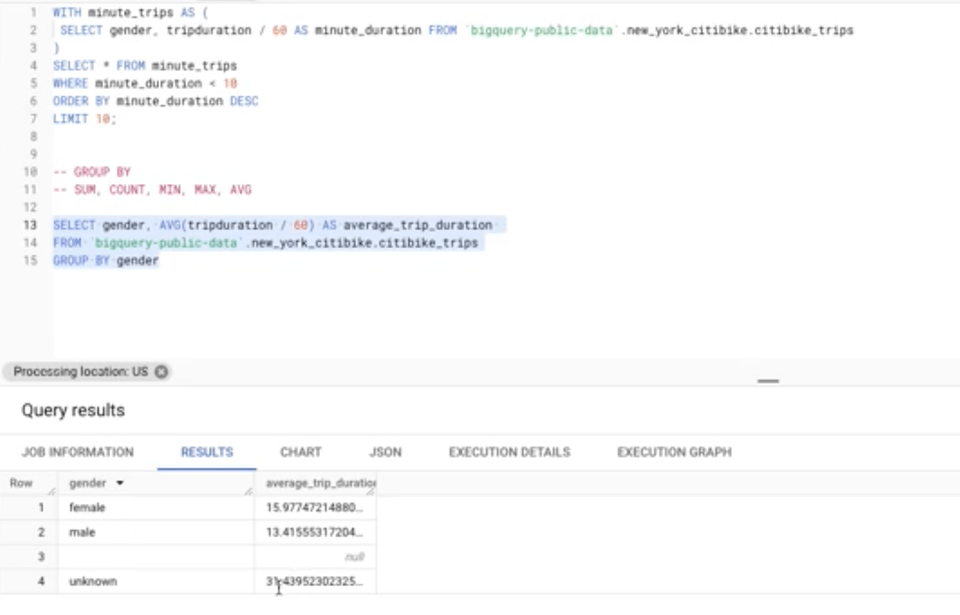
  • Simple SQL Query

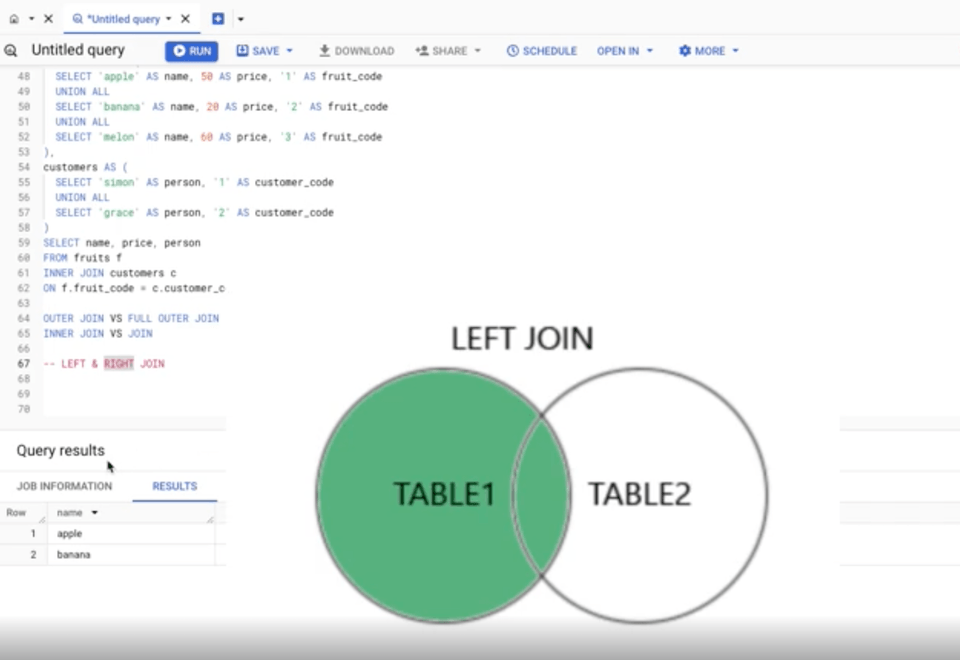
  • Various JOIN Patterns and Pros/Cons

What is BigQuery and why should you learn it? 🤔

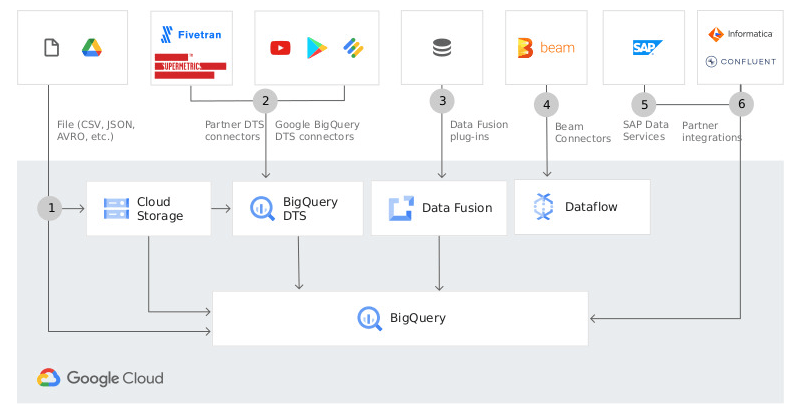
BigQuery is a serverless data warehouse on Google Cloud Platform (GCP). BigQuery is a cloud database that easily handles petabytes of data, helping companies store and query it. These advantages allow you to upload massive amounts of data to BigQuery machine learning to better understand it. BigQuery also allows you to easily retrieve any data you need from anywhere. Using various plugins, including Google Drive, you can easily import external datasets into BigQuery tables. This scalability is driving BigQuery's continued growth in popularity.


Anyone familiar with SQL will find BigQuery easy to learn . Its advantages include fast data processing and scalability. It can be used for complex data analysis and integration with other Google Cloud services, making it ideal for Google Analytics 360.

In this course, you'll learn how to explore data, tables, and datasets. Use BigQuery hints and formatting help to write efficient queries. Using the SELECT statement, you'll write SQL queries that answer important questions about your data, using the FROM, WHERE, GROUP BY, HAVING, and ORDER BY clauses. If you're unfamiliar with working with multiple tables and using joins, don't worry. You'll learn everything in this beginner's BigQuery course.

BigQuery's serverless architecture allows you to answer your organization's biggest questions without managing infrastructure, using languages like SQL and Python. BigQuery provides a uniform way to handle both structured and unstructured data and supports open table formats like Apache Iceberg, Delta, and Hudi.


By completing this course, you will gain a lot of confidence in SQL 😃


What are the unique features of this course for beginners using GCP BigQuery?

📌 The course will be conducted directly in the BigQuery environment.

📌 Even those without SQL experience can easily follow the lecture content.

📌 We focus more on practice than theory, so we write SQL line by line and include additional explanations.

📌 The instructor's know-how and explanations, with over 10 years of SQL experience, are easy to understand.

I recommend this to these people

I want to learn more about BigQuery.
Anyone who wants to learn the in-depth internals of BigQuery components

I want to learn SQL quickly.
If you're just starting your data journey and want to master SQL from beginner to advanced in a short period of time.

I'm interested in the Google Cloud Data Engineer certification.
If you would like to learn more about BigQuery, it is included in the data engineer certification course.

After class

  • The BigQuery Console environment is becoming more convenient.

  • You can become more proficient in SQL.

  • BigQuery makes data analysis easier.

  • Preparing for the Google Cloud Data Engineer certification becomes easier.

Learn about these things.

ARRAY & STRUCT

ARRAY, a complex data type provided by BigQuery & STRUCT is covered in depth and explained in an easy-to-understand way with abundant practical exercises.

Various JOIN patterns

SQL has many JOIN patterns. Knowing when and how to use JOINs can be difficult for beginners, so we've included illustrations throughout the lecture to help you understand.

SQL basic grammar

This course covers numerous essential keywords for writing SQL. You can enjoy hands-on practice without worrying about incurring fees when running queries using public datasets provided by BigQuery.

CRUD

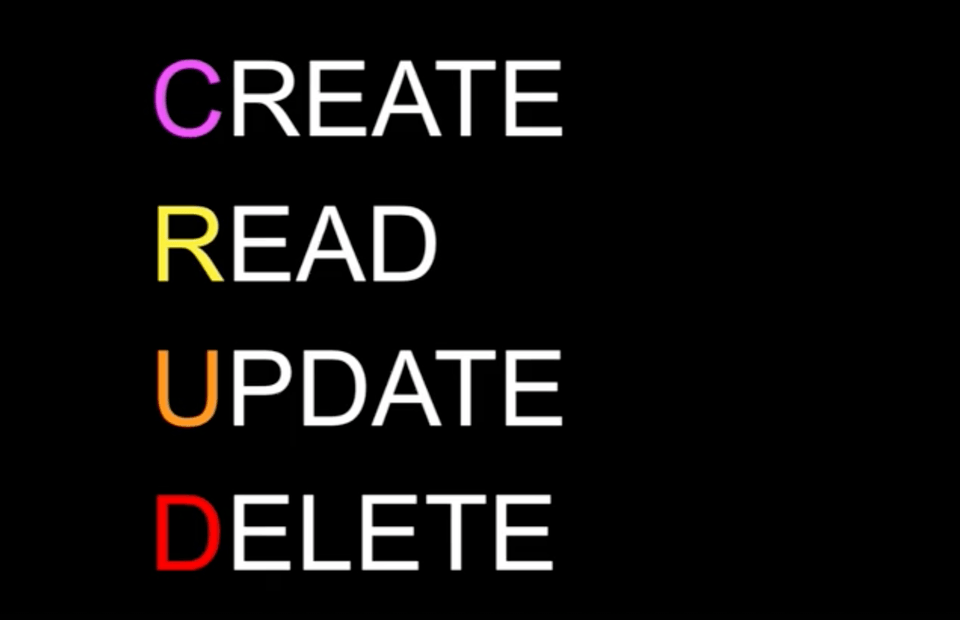
This is a topic that is not covered well in many SQL lectures, but this lecture explains in detail what CRUD is and how it is used in BigQuery.

Instructor Introduction


  • Tempus Inc - Senior Software Engineer (2019 ~ Present)

    • Data preprocessing development using BigQuery & Python BigQuery SDK & DBT (Data Build Tool)

    • Implement PHI data masking & automate data legal review process

  • CarVi Inc - Data Scientist ( 2017 - 2019)

    • Autonomous driving data analysis

    • Real-time driving data collection and analysis, lane departure and vehicle collision detection system implementation


  • Inflearn Instructor - AWS Beginner Course ( Lecture Link )

  • Inflearn Instructor - AWS Intermediate-Advanced Course ( Lecture Link )

  • Inflearn Instructor - AWS Practical Course ( Lecture Link )

  • Inflearn Instructor - Python Beginner Course ( Lecture Link )

  • Author - AWS for Business ( Book Link )


Things to note before taking the course

Practice environment

  • The lecture will be held on MacOS and Google Chrome.


Learning Materials

  • This course does not provide separate attachments. All lectures are conducted via video.

Player Knowledge and Precautions

  • SQL basics (even those who have never used SQL before are welcome 😄 )

  • Basic programming knowledge (no programming knowledge required 😃 )

Recommended for
these people

Who is this course right for?

  • If you want to try BigQuery

  • If you are interested in SQL

  • If you want to learn BigQuery's unique grammar

Need to know before starting?

  • SQL Basics

  • Basic programming knowledge

Hello
This is

6,044

Learners

308

Reviews

156

Answers

4.7

Rating

5

Courses

Hello. I completed my undergraduate and master's degrees in the United States, majoring in Computer Science and Data Science, respectively. Currently, I am working as a data engineer at a healthcare company. To briefly describe my daily responsibilities: I use AWS and Airflow to ingest data daily and perform ETL processes. I also monitor the data flow and implement programs whenever issues arise or there is room for improvement. For data monitoring, I primarily use AWS CloudWatch and a program called Splunk. The technologies I currently use at work include Python, AWS, SQL, and more. Recently, we have been migrating to GCP, so I am gaining experience with both AWS and GCP simultaneously.

In 2022, nearly 80% of the company's data and pipelines completed migration to GCP, and I am now working extensively with BigQuery, GCS, and GKE. I am also handling overall IaC tasks using Docker containers and Terraform.

The biggest thing I've realized while working as a data engineer is this: with new technologies emerging every day, will the tools I'm using now become obsolete? If so, why? Can that new technology really replace this one? Are there no downsides? Indeed, finding answers to all these questions seems very difficult. However, through that process, I noticed one commonality. When you dive deep, they are mostly similar. In other words, if you dig into one thing properly, learning other technologies becomes much easier. I want to frequently mention this mechanism in my lectures. I want to share all the knowledge I currently have with you. I will do my best to be your guide.

I, Simon Kim, will present fun and easy-to-understand lectures for you. I promise to become a better person by constantly communicating with all of you. It is my great happiness to watch your skills improve.

Published Book: Introduction to AWS for Immediate Practical Use

I promise to become a better person. Watching your skills improve is a great source of happiness for me. Authored Book: Introduction to AWS for Immediate Practical Use

Curriculum

All

35 lectures ∙ (2hr 48min)

Published: 
Last updated: 

Reviews

Not enough reviews.
Please write a valuable review that helps everyone!

$35.20

Sungmin Kim's other courses

Check out other courses by the instructor!

Similar courses

Explore other courses in the same field!