Essential Chinese Vocabulary Series VOCA 1

We provide guidance on 'how' to use words, such as when you know the meaning of a word but cannot form a sentence with it or when you are unable to interpret it.

1 learners are taking this course

Level Beginner

Course period Unlimited

Chinese
Chinese
Chinese
Chinese

What you will gain after the course

  • You can learn how to use the words.

  • You can learn expressions commonly used in daily life.

Turn the words you know into sentences
and even learn everyday Chinese expressions!

Apply auxiliary verbs and body part vocabulary to actual sentences.


This course is for those who struggle with sentence interpretation and speaking because they only memorize word meanings.
From expressions of gratitude to auxiliary verbs and body parts, you will build the ability to use words yourself.


Essential Chinese Vocabulary Series
This is a practice for turning words into sentences.

It doesn't stop at just memorizing meanings;
you will learn how frequently used words like gratitude, declining, will, and existence
are used within sentences.
Auxiliary verbs and expressions for body parts are also covered.


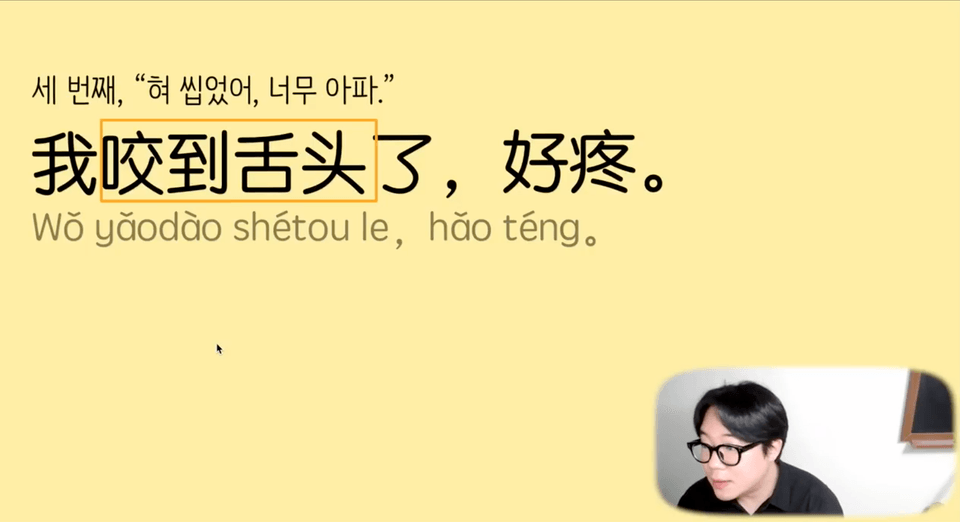
From ‘【舌】: Tongue’

We solve the experience of struggling with interpretation because you didn't know which words to use together,
even when you knew the meaning of the words but got stuck on the sentence.
We will practice step-by-step with example sentences,
covering everything from greetings and daily expressions to
word usage required for exams.


We will examine greetings, modal verbs, and body part vocabulary
in order, checking both the meanings of the words
and their roles within sentences.
From beginners learning Chinese for the first time
to students preparing for exams,
you can develop the ability to take the words you know
and put them into actual practice.

Practical training to turn words into sentences

Section 1 - Greetings, Auxiliary Verbs, and Body Parts

Learn basic Chinese greetings, expressions of gratitude, and apologies, and study how to use key auxiliary verbs that indicate will, desire, possibility, permission, and causation in sentences. Acquire vocabulary related to body parts—such as the face, tongue, ears, hands, fingers, head, and mouth—alongside everyday conversation to apply them to sentence interpretation and composition.

From words to sentences!

Point 1. From Words to Sentences

Use words that you used to only memorize the meanings of in actual sentences. This reduces the frustration of interpreting and speaking.


Point 2. Focus on Everyday Expressions

Learn frequently used expressions such as greetings, gratitude, and apologies. Connect the words you've learned directly to everyday conversations.


Point 3. Core vocabulary in depth

It covers core words such as want, do, have, and think. It even organizes words for body parts by their usage within sentences.


Point 4. Both Exams and Conversation

It builds the word application skills necessary for HSK preparation. Through repetitive learning, it enables you to actually use the words you already know.


You know the meaning of the words,
but can't connect them into a sentence?
This course was created specifically for people like you.


✔️ Chinese language learners who want to use words in sentences

  • Those who feel lost on how to put memorized words into actual sentences

  • Those who know the meaning but miss the
    sentence structure every time they translate

  • Those who want to learn
    expressions frequently used in daily life

✔️ Learners strengthening their Chinese conversation skills

  • Those who want to speak naturally, from saying thank you to making requests and
    responding to them

  • Those who want to distinguish between similar expressions,
    such as being able to and having to

  • Those who want to use body-related words such as face and hands
    in conversation

✔️ Learners preparing for Chinese proficiency exams

  • Those who want to organize basic vocabulary found on exams
    into sentence units

  • Those who want to clearly master the use of auxiliary verbs and core verbs
    through example sentences

  • Those who want to go beyond memorizing words
    and connect them to interpretation and composition


Don't just stop at knowing the words;
step by step, develop the power to
create and interpret sentences yourself.

Notes before taking the course


Practice Environment

  • A computer with an internet connection is required.

  • You can learn on both Windows and Mac operating systems.

Prerequisite Knowledge and Important Notes

  • You must know the basic meanings of Chinese words.

  • The focus is on practicing putting words into sentences.

Learning Materials

  • Please be sure to check the class notes within the lecture.

  • Practice greetings and daily expressions out loud.


Recommended for
these people

Who is this course right for?

  • Those who clearly know the meaning of a word but always struggle with how to use it

  • Chinese language learners preparing for the HSK

Need to know before starting?

  • Pinyin (Chinese pronunciation)

Hello
This is learnupeveryday

Career Verified

1,335

Learners

22

Reviews

1

Answers

4.9

Rating

11

Courses

인사말 사진과 경력_1.jpg

Hello. I am Haru Baeum Instructor Kim Tae-young, providing you with a joyful day of learning.


Experience

Former) Full-time instructor for HSK Levels 4 and 5 at Busan Seomyeon Confucius Institute Chinese Language Education Center

Former) Interpreter for the Korea-China Game Industry Exchange Meeting hosted by the Korea Game Industry Association and the Korea Copyright Commission

Former) Pukyong National University COVID-19 Emergency Response Team Chinese Translator/Interpreter

Former) Ranked 2nd most popular expert in the Naver eXpert Chinese language category

Current) Operating Haru Baeum Chinese Language Lab

8월_인스타_홍보물_2.jpg


The Story of Chinese Instructor Kim Tae-young
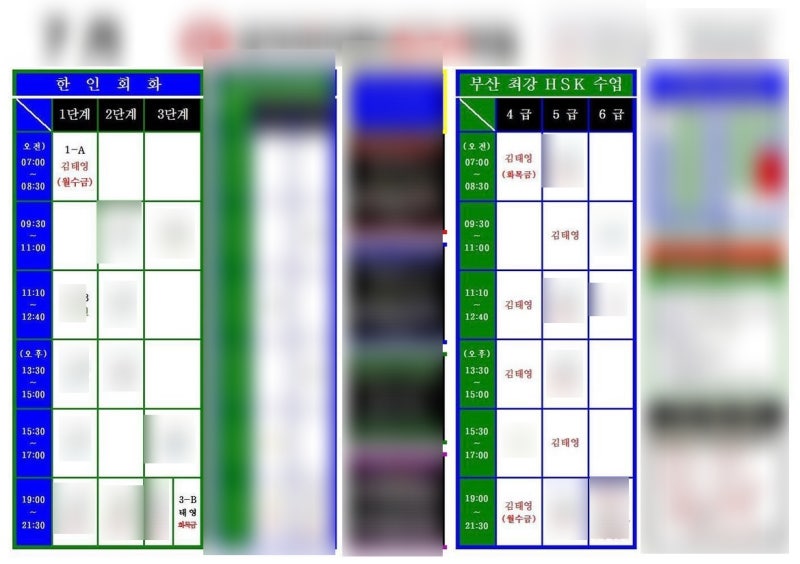
SE-b6ddb240-3370-457e-a85b-e4d1d7448d91.jpg

This is the schedule from my days teaching at the academy, a time I spent with youthful ambition and passion. They were good times, but back then, I didn't know how to take care of myself and nearly collapsed several times during lectures due to overwork.

Whenever I felt my consciousness fading for a moment, I would lean against the chalkboard as if I were writing on it. Part of it was because I didn't want the students to feel anxious, but I was also grateful to be able to lecture like this, and I endured it by thinking that it was only natural to feel exhausted since my lectures were so well-loved.


IMG_0013.JPG

This is a photo from the conversation class at that time. In the conversation class, I taught in a way that encouraged speaking as much as possible, and the students started bringing me drinks from the second day after attending the first class. Their passion fired me up even more. There was even a time when we received a complaint because my voice and the students' voices were echoing into other classrooms. At that moment, I thought, "Ah, I'm doing a great job," and put even more heat into the lecture.


SE-5a08c068-49d2-46d1-bf06-b532e630219d.jpg

It was a course where we watched dramas together, practiced speaking, and learned the process of translating Chinese into Korean. Since it was a class I really wanted to teach, it was held as a special weekend lecture without a tuition fee, and unexpectedly, many people showed up. There weren't enough seats in the designated classroom, so we had no choice but to arrange extra chairs to make space. I felt so bad for the students who were sitting on chairs in the back of the room where they couldn't see well. So, I spoke with the director and moved the class to a larger room starting from the next session. Even after moving, we had to create more spots than originally available, but I was relieved that we could at least provide desks for everyone. It was such an enjoyable class.


2.유튜브 한단어_1.jpg

I remember how much the students' reviews gave me strength when I was teaching. Students who were with me from Conversation Class 1 to HSK wrote down their stories, and thanks to their sincerity, I think I was able to keep my sense of gratitude and always strive to deliver better lectures.


One Day Learning, the story that hasn't ended yet

说 하드트레이닝.JPG

Currently, I am working in a small office, creating my own textbooks, providing private Chinese tutoring, and developing various courses to teach Chinese.

"Join a company and live a stable life." I received a lot of realistic advice like this, but

I want to do this work. I must do this work. Therefore, I will do this work.
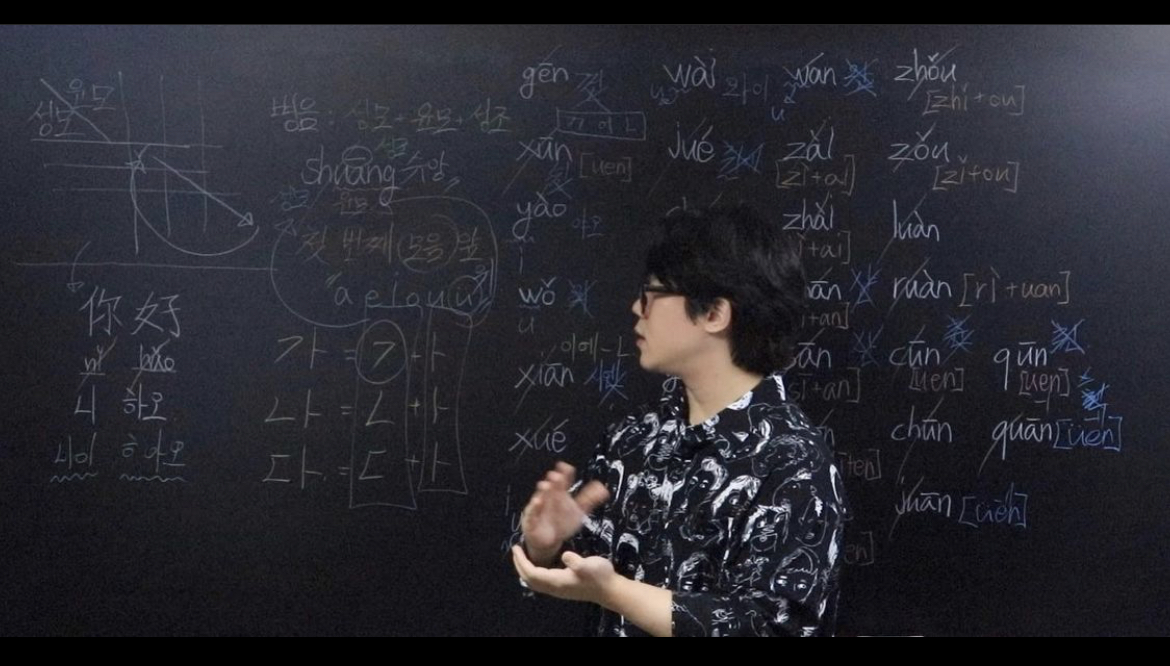
IMG_0251.jpg

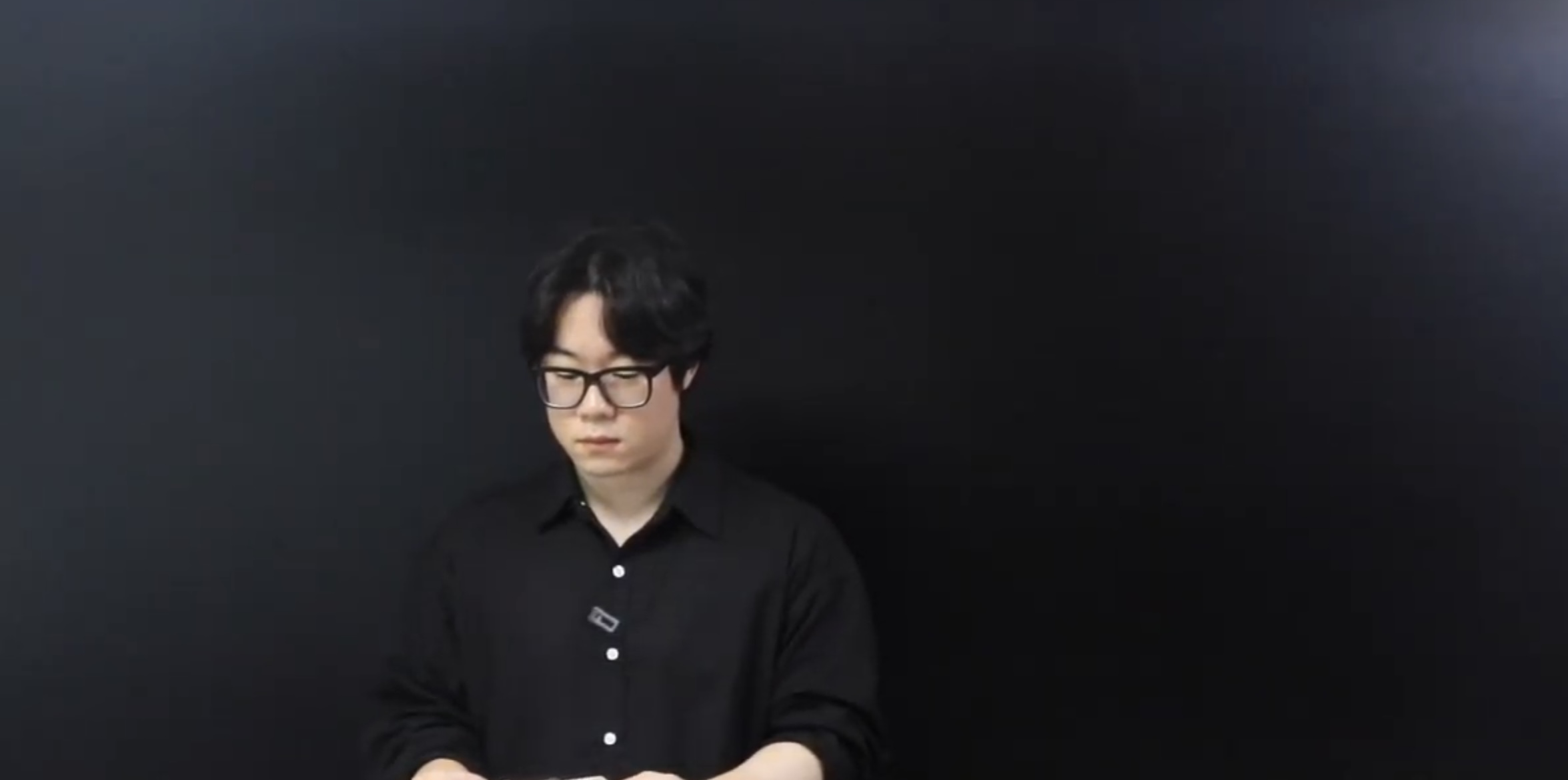
I think about what defines 'my own lecture' as I write by hand, watch recordings of myself to reflect, and after finishing a session, sit in the quiet lab to enjoy a brief moment of solitude; then, I prepare for the next lesson, believing that I can deliver an even better lecture with better materials and better content.

IMG_2806.jpg

I will not give up on helping the student reach the level of Chinese proficiency they desire.

If it is content that the student must know, I will stay with them, repeating it over and over again until they can do it.

If a student is anxious about whether they can make it, I will reassure them through both the process and the results.


Thank you.

More

Reviews

Not enough reviews.
Please write a valuable review that helps everyone!

learnupeveryday's other courses

Check out other courses by the instructor!

Similar courses

Explore other courses in the same field!

Limited time deal

$16.50

28%

$23.10