Do you still feel like something is lacking even after taking all the AWS beginner, intermediate/advanced courses? The AWS practical course is just for you.
Practical! The definitive guide to AWS applications.
Are you wondering how to use AWS in your work?
🤔 I finished the AWS beginner/intermediate advanced course, but I feel like I'm still missing 1%.
😎 I'm looking to get promoted at my company through the AWS Showcase.
😀 I want to build various pipelines using resources provided by AWS.
🥺 I want to experience various use cases of AWS.
🤓 I want to dive deeper into the world of the cloud.
👉 The final stop in the AWS series! We offer solutions to your concerns.
This practical AWS course wouldn't have been possible without the support of all of you who love and encourage AWS beginners , intermediate users, and advanced users . It's no exaggeration to say that this course was created thanks to your enthusiastic support and encouragement.
This course is for those who want to quickly apply AWS in real-world situations.
This course is designed to provide indirect experience with how engineers in the field use AWS to build ETL pipelines, Docker containers, and Airflow schedulers. As the title suggests, the course focuses on hands-on practice , minimizing conceptual explanation.
Each section lasts from 30 minutes to an hour. We aim to deliver the essential content in a concise, concise manner, stripping away all unnecessary details.
I highly recommend this course to anyone who wants to quickly learn and use AWS, or to anyone who wants to delve deeper into the cloud by taking an introductory course on AWS.
Provides solutions to exceptional situations that may arise in practice.
One area where I put a lot of thought into developing the course was the Troubleshooting section . My AWS environment (operating system, configuration, etc.) isn't always the same as yours. Therefore, even if things run smoothly for me, I expect you'll encounter errors. While it's impossible to explain every single error, I've put a lot of thought into compiling common errors and figuring out how you can troubleshoot them yourself. That's why I created this section.
When creating a lecture, I think, "I'm running it fine, but won't other people get this error?" and I organize the most likely exceptions and suggest solutions to them.
So, after learning...
✅ You can use AWS freely.
✅ You will get a sense of what resources are available, when, where, and how.
✅ You will also gain the ability to weigh the pros and cons of each situation.
✅ Increase your understanding of the cloud.
The final stop in Simon Kim's AWS series
This course consists of 90% hands-on practice and 10% theory . Therefore, the prerequisite knowledge is for AWS beginners . The intermediate/advanced lectures are optional, and you can watch them alongside the practical lectures.
This course, "Practical AWS," marks the final stop in the AWS series. Completing the Practical AWS course doesn't guarantee a complete understanding of AWS. However, I'm confident it will be of great help as you continue to use AWS and learn new technologies.
Check out the series player progression.
Preview learning content
1. AWS and Airflow Meet
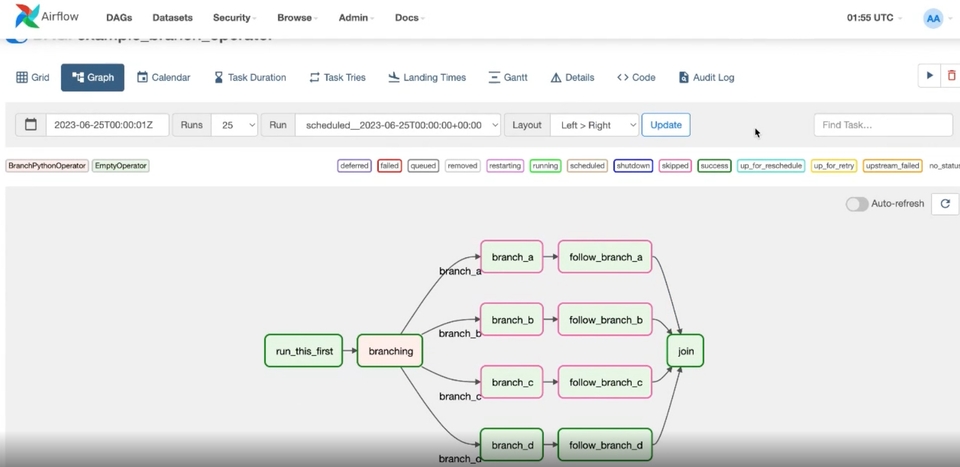
Can Airflow run on AWS? Yes. By using AWS and Airflow together, you can build more diverse pipelines with the help of AWS resources.
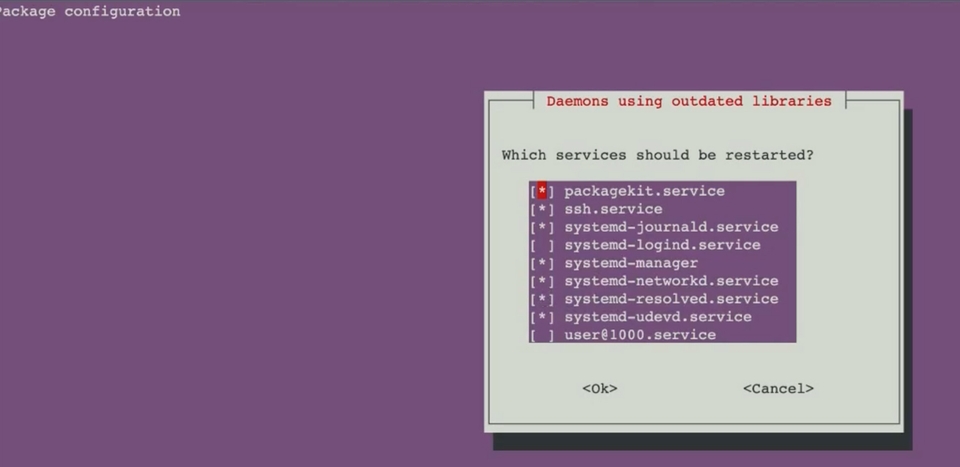
(1) After creating an instance, install the packages required to run Airflow.
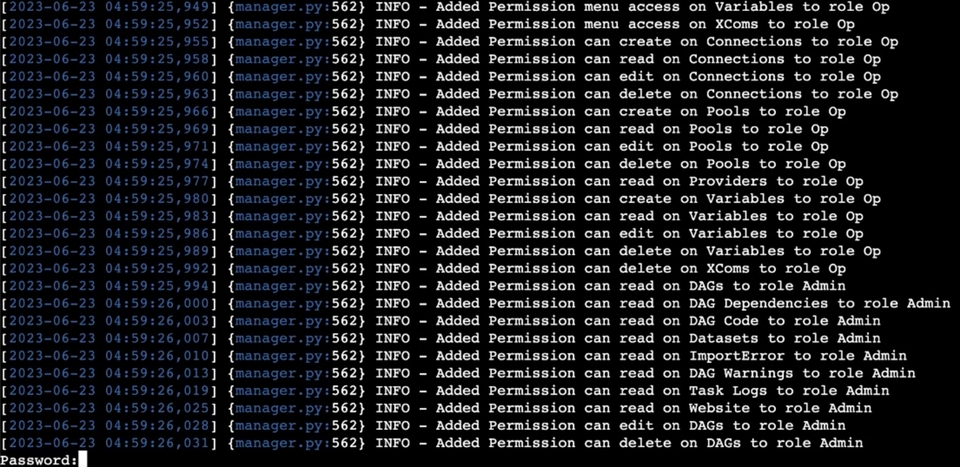
(2) Create an Airflow database and create a user.
(3) Run the Airflow DAG.
2. AWS Batch & ECR
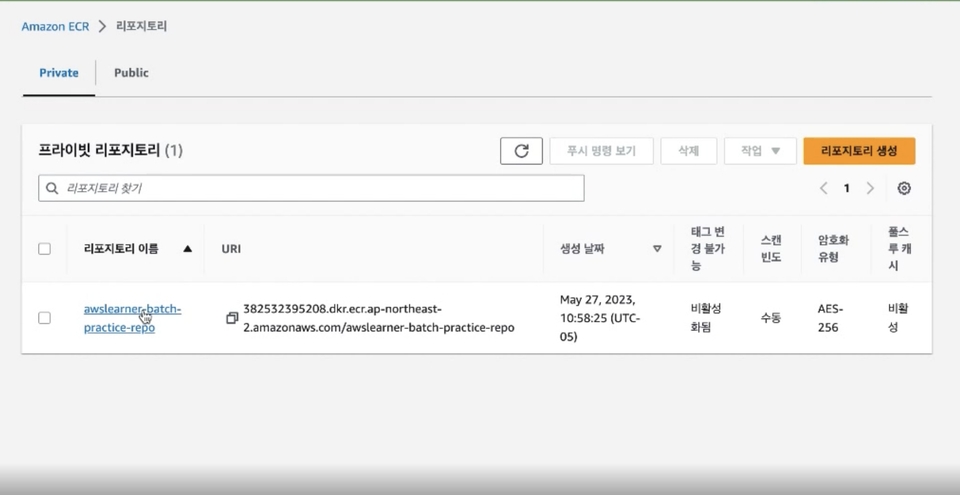
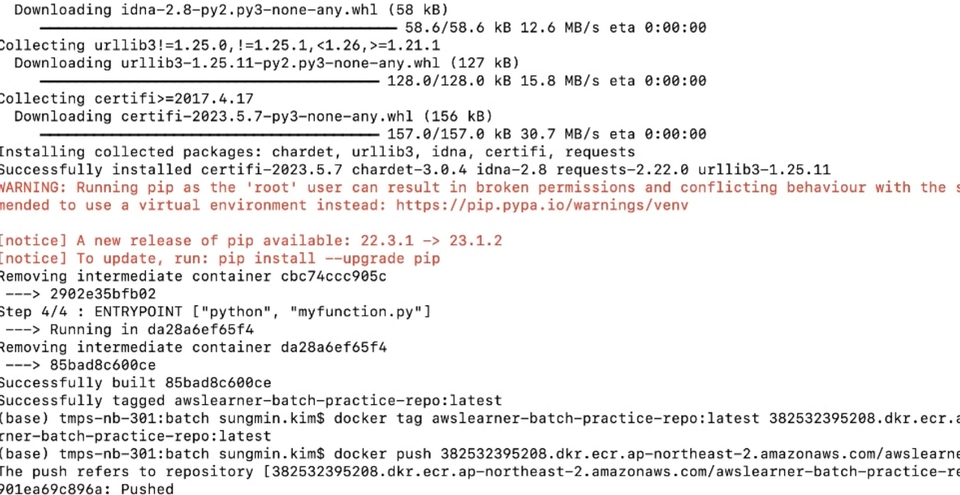
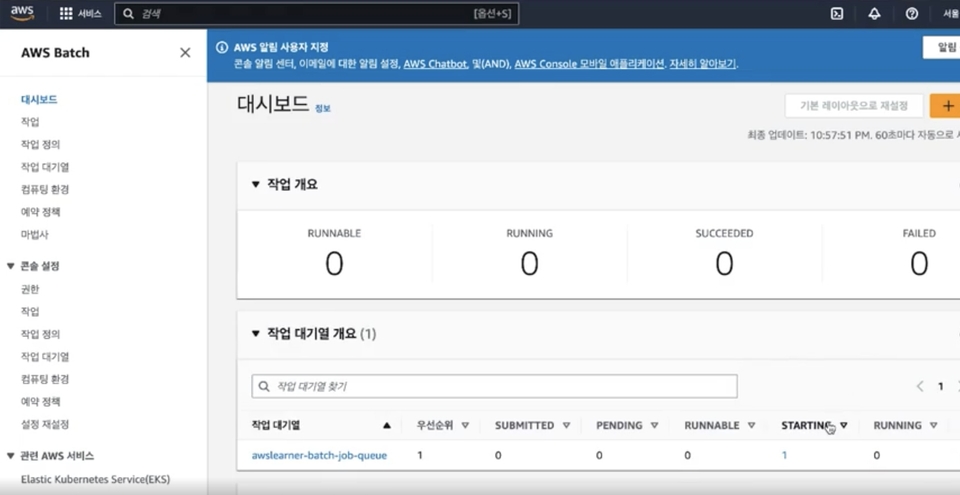
This section will provide a hands-on experience creating batch jobs and queues and running images pushed to ECR. AWS Batch wasn't covered in the beginner, intermediate, and advanced courses, so this section provides a brief introduction.
(1) Create an ECR repository to store Docker images.
(2) Create a Docker image and push the image to the ECR repo.
(3) Create a batch job and queue and run the job.
3. ETL pipeline
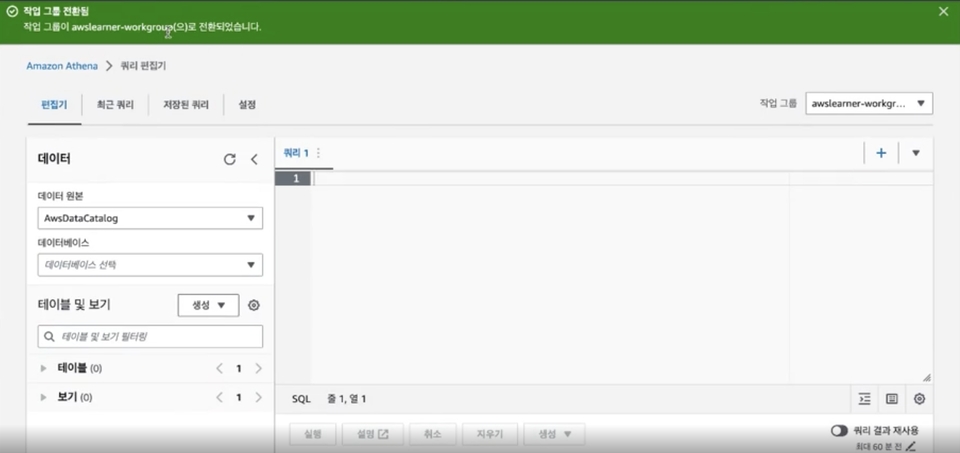
Let's build a simple ETL pipeline using AWS resources (S3, Glue, Athena).
(1) Create a bucket to store raw data and create an Athena database to store the data.
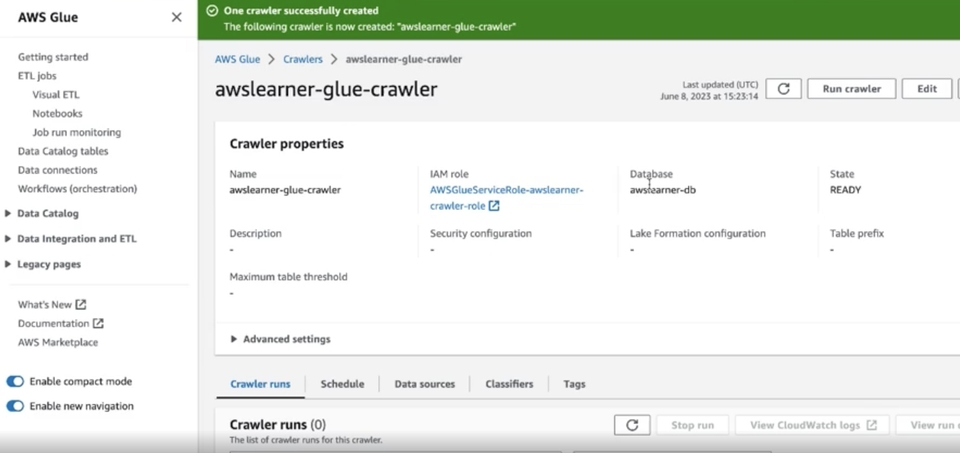
(2) Create a Glue Crawler to extract raw data.
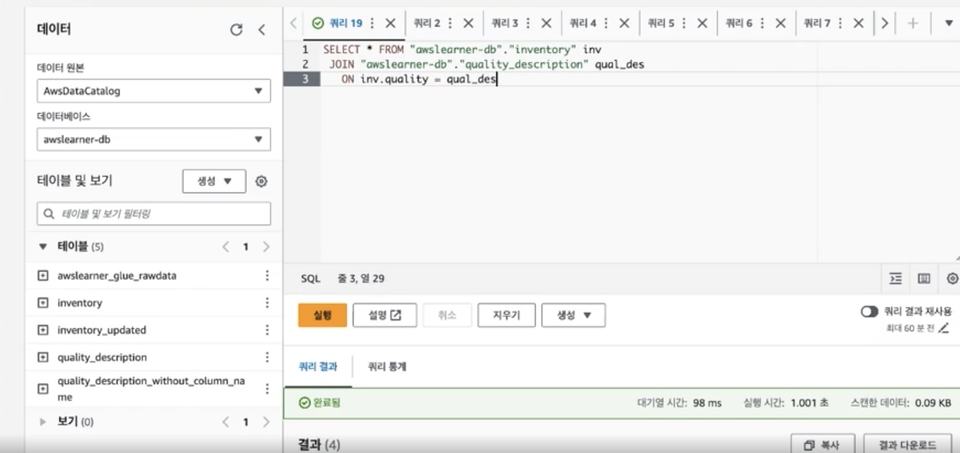
(3) Data goes through a verification process in Athena.
Q&A 💬
Q. Why should I take this course?
Cloud computing is now being discussed and used in a wide range of fields, not just the IT industry. Cloud infrastructure is now inseparable from our daily lives. Living in the era of big data, we produce, process, and analyze vast amounts of data every day. This is something humans simply cannot accomplish. We need the help of the cloud. AWS is here to fulfill this role.
This AWS practical course introduces several architectures frequently used in real-world applications and is structured so that you can follow along and practice. As you follow the exercises, we encourage you to ask yourself why certain resources are being used and whether there are better ways to do things. There's no right answer in the cloud; there are only better ways. You must explore and discover the best approach within your given environment. This course will help you do just that.
Q. Can non-majors also take the course?
Of course. Even if you're not a computer science major, you can still take this course if you have experience with the AWS cloud.
Please check before taking the class 📢
OS and tools for practice
You can take the course on Windows/macOS.
We recommend that you take the course after completing the AWS account creation.
Learning Materials
Text files and Python code files that organize commands used during practice are provided as learning materials.
Useful links to read before and after class can be found on the lecture bulletin board.
💡 Player Knowledge and Precautions
This course is designed for practical application and is not suitable for AWS beginners. If you have no experience with AWS or the cloud, we strongly recommend taking the AWS Beginners series first. (You can also take this course in conjunction with the AWS Intermediate/Advanced courses .)
You can download and use the files attached to the class to follow the practical exercises.
If you copy the lecture content, please indicate the source.
Recommended for these people
Who is this course right for?
Those who have completed AWS beginner, intermediate/advanced courses
Anyone who wants to build a pipeline using various AWS resources
Anyone who wants to experience various use cases of AWS
Need to know before starting?
Python
Cloud Basics
AWS
Hello This is
6,044
Learners
308
Reviews
156
Answers
4.7
Rating
5
Courses
Hello. I completed my undergraduate and master's degrees in the United States, majoring in Computer Science and Data Science, respectively. Currently, I am working as a data engineer at a healthcare company. To briefly describe my daily responsibilities: I use AWS and Airflow to ingest data daily and perform ETL processes. I also monitor the data flow and implement programs whenever issues arise or there is room for improvement. For data monitoring, I primarily use AWS CloudWatch and a program called Splunk. The technologies I currently use at work include Python, AWS, SQL, and more. Recently, we have been migrating to GCP, so I am gaining experience with both AWS and GCP simultaneously.
In 2022, nearly 80% of the company's data and pipelines completed migration to GCP, and I am now working extensively with BigQuery, GCS, and GKE. I am also handling overall IaC tasks using Docker containers and Terraform.
The biggest thing I've realized while working as a data engineer is this: with new technologies emerging every day, will the tools I'm using now become obsolete? If so, why? Can that new technology really replace this one? Are there no downsides? Indeed, finding answers to all these questions seems very difficult. However, through that process, I noticed one commonality. When you dive deep, they are mostly similar. In other words, if you dig into one thing properly, learning other technologies becomes much easier. I want to frequently mention this mechanism in my lectures. I want to share all the knowledge I currently have with you. I will do my best to be your guide.
I, Simon Kim, will present fun and easy-to-understand lectures for you. I promise to become a better person by constantly communicating with all of you. It is my great happiness to watch your skills improve.
I promise to become a better person. Watching your skills improve is a great source of happiness for me. Authored Book: Introduction to AWS for Immediate Practical Use
It's been a while since I've been here, but I'm only just now hearing about it.
I think it was a bit lacking as a practical part.
But I think it covered the most useful content.