Yoon Jae-seong's Beginning C Language
softcampus
Introduction to C language, the foundation language for software development

Beginner
C
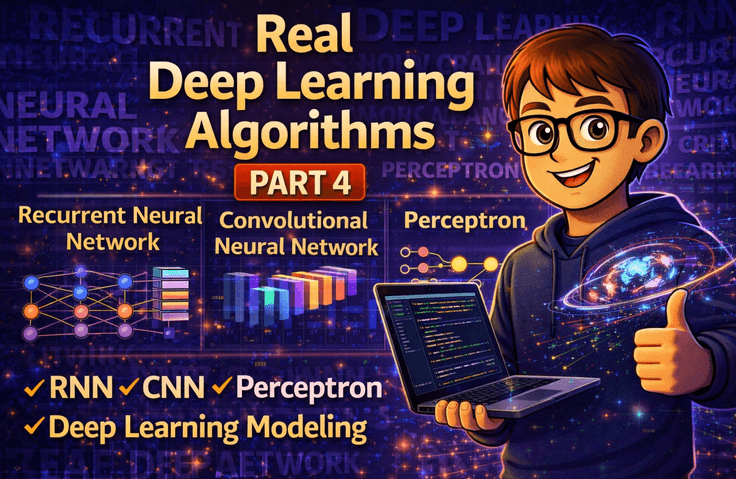
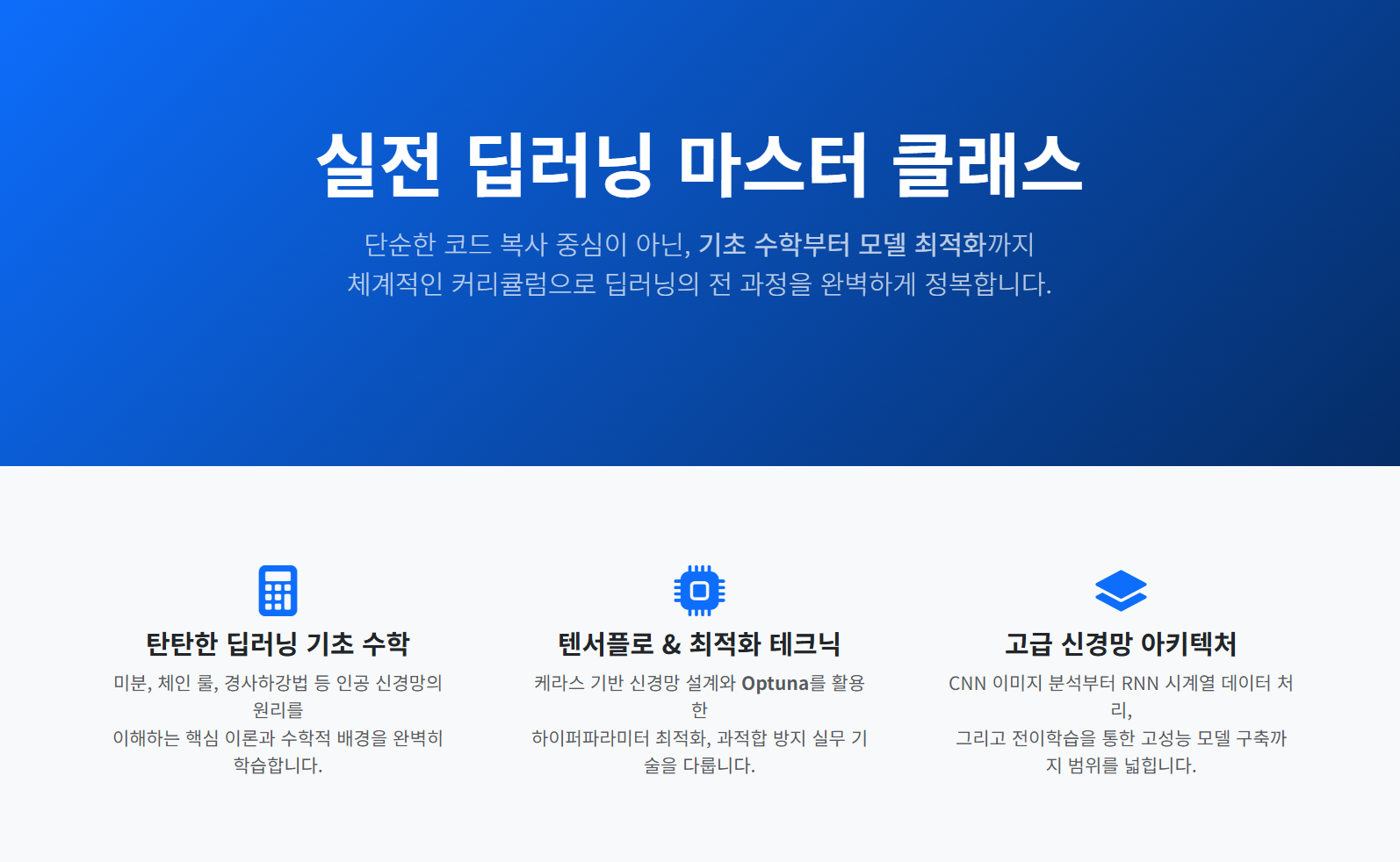
: "From Mathematical Foundations to the Latest Models, Completing the Deep Learning Pipeline with TensorFlow (Total 44 Lectures)"
The era of simply learning how to call model.fit() is over. From the very foundations of artificial neural networks, such as differentiation and gradient descent, to the practical use of TensorFlow and Keras essential in the industry, and even CNN/RNN for handling image and time-series data! We will help you systematically master the entire process of deep learning.
Now, move beyond analyzed data and enter the amazing world of deep learning, where artificial intelligence mimicking the human brain learns and makes decisions on its own.
Key points unique to this lecture
* Solid Mathematical Foundation: We select and explain only the essential mathematics needed to understand deep learning, from linear/quadratic functions to partial derivatives and the Chain Rule, in an easy-to-understand way.
* Understanding Deep Learning Architecture: From Single-Layer Perceptrons to Multi-Layer Perceptrons (MLP), we thoroughly explore the principles of Backpropagation.
* The Pinnacle of Optimization Strategies: We cover everything from Dropout and Early Stopping to prevent overfitting, to how to use Optuna, the latest hyperparameter tuning tool.
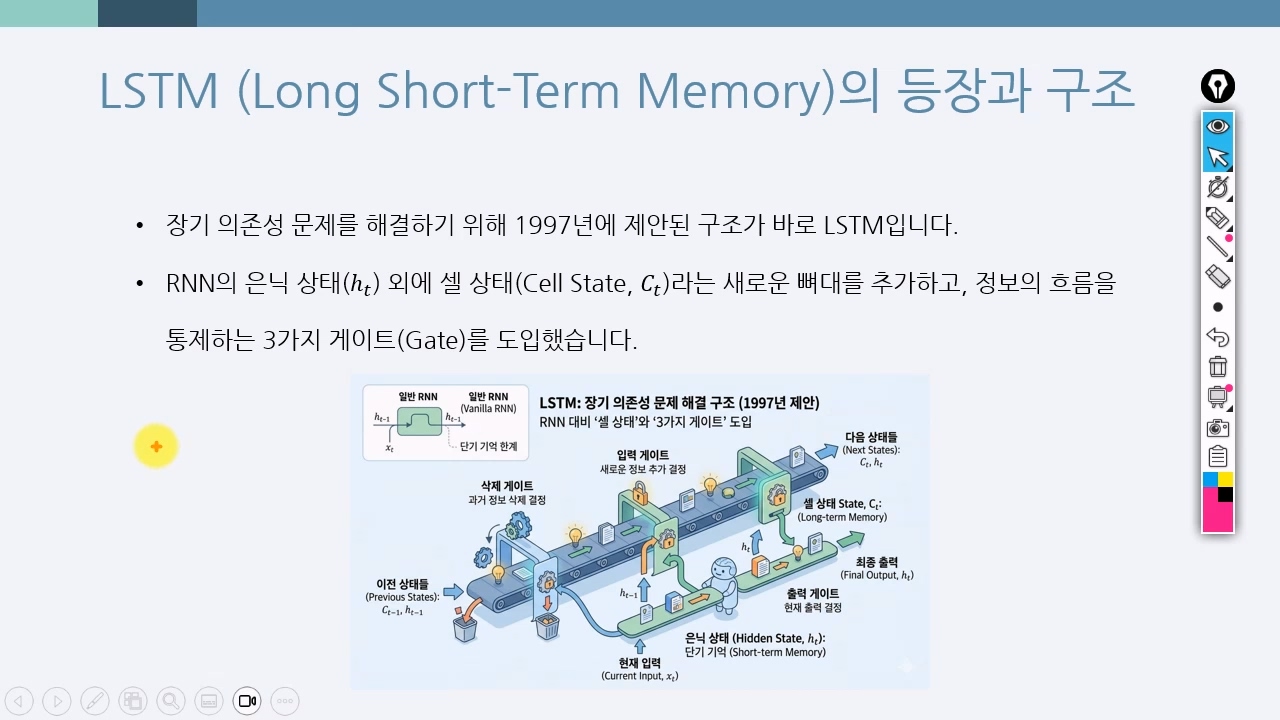
* Computer Vision & Sequence Data: Covers everything from MNIST image classification (CNN) and time-series/language data processing (RNN) to Transfer Learning for efficient training.
* Real-world Environment Setup: Covers the entire practical process, from building a professional development environment using TensorFlow and Keras to model saving and automation.
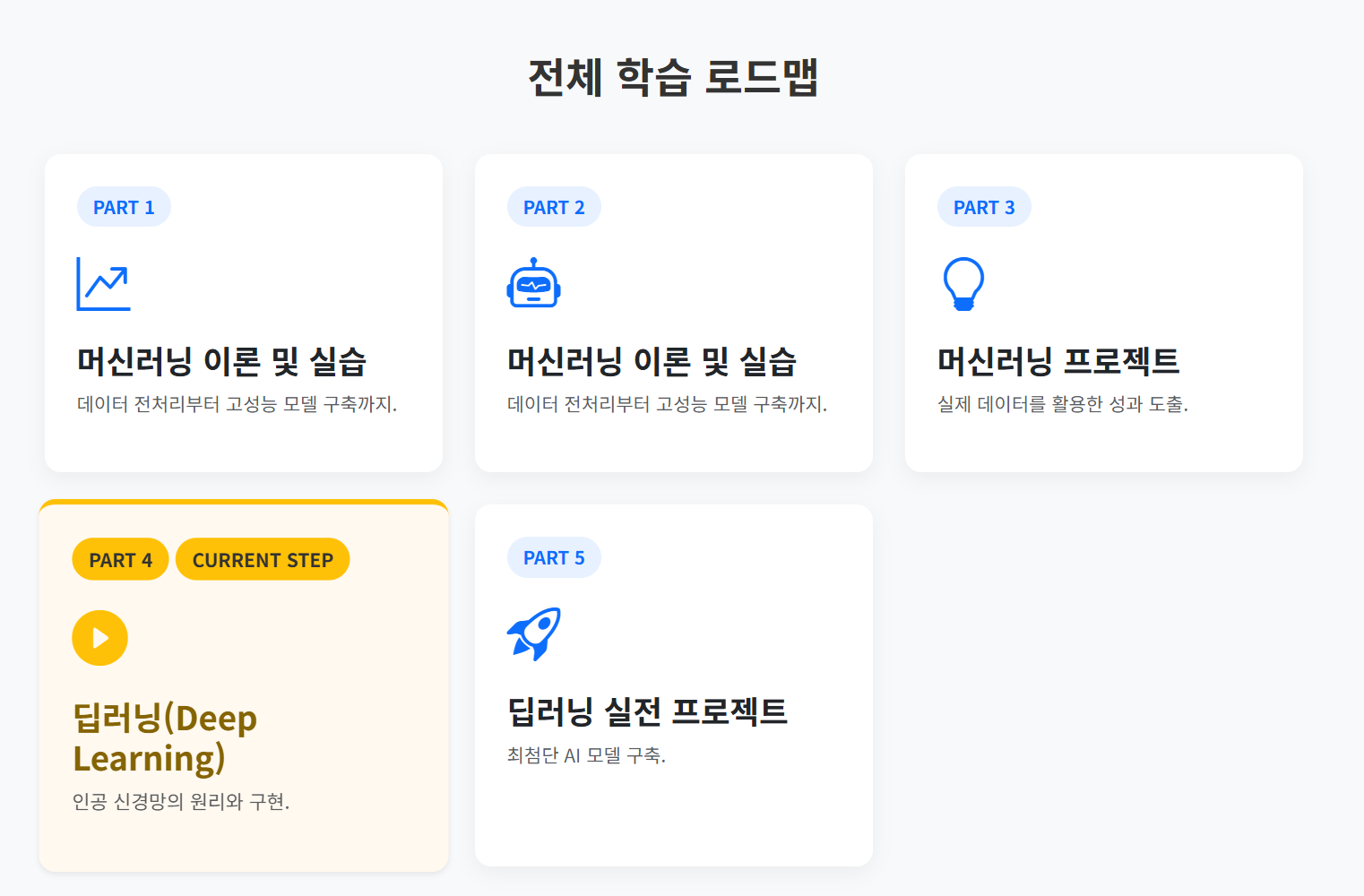
We will look into the history and application fields of deep learning, and cover the foundational mathematics (functions, derivatives, partial derivatives, and composite functions) that serve as the engine for neural network training.
Key Learning: History of Deep Learning, Setting up the Development Environment, Basics of Derivatives, Chain Rule
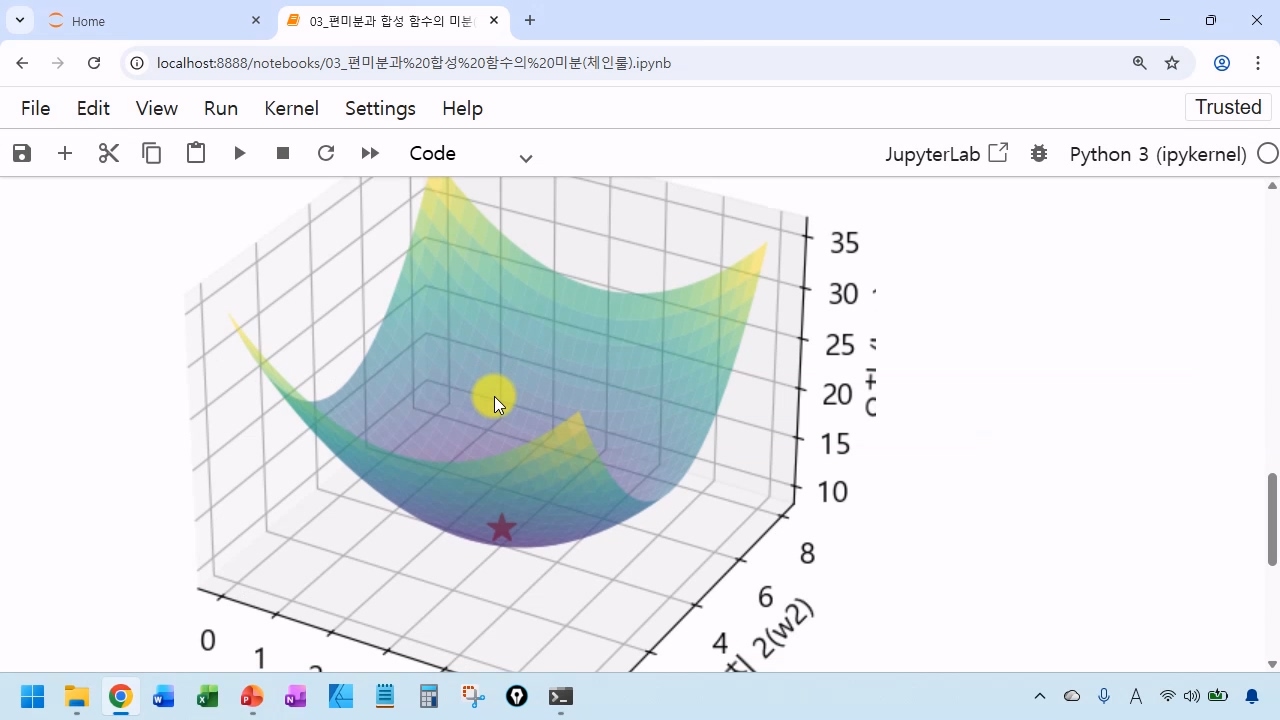
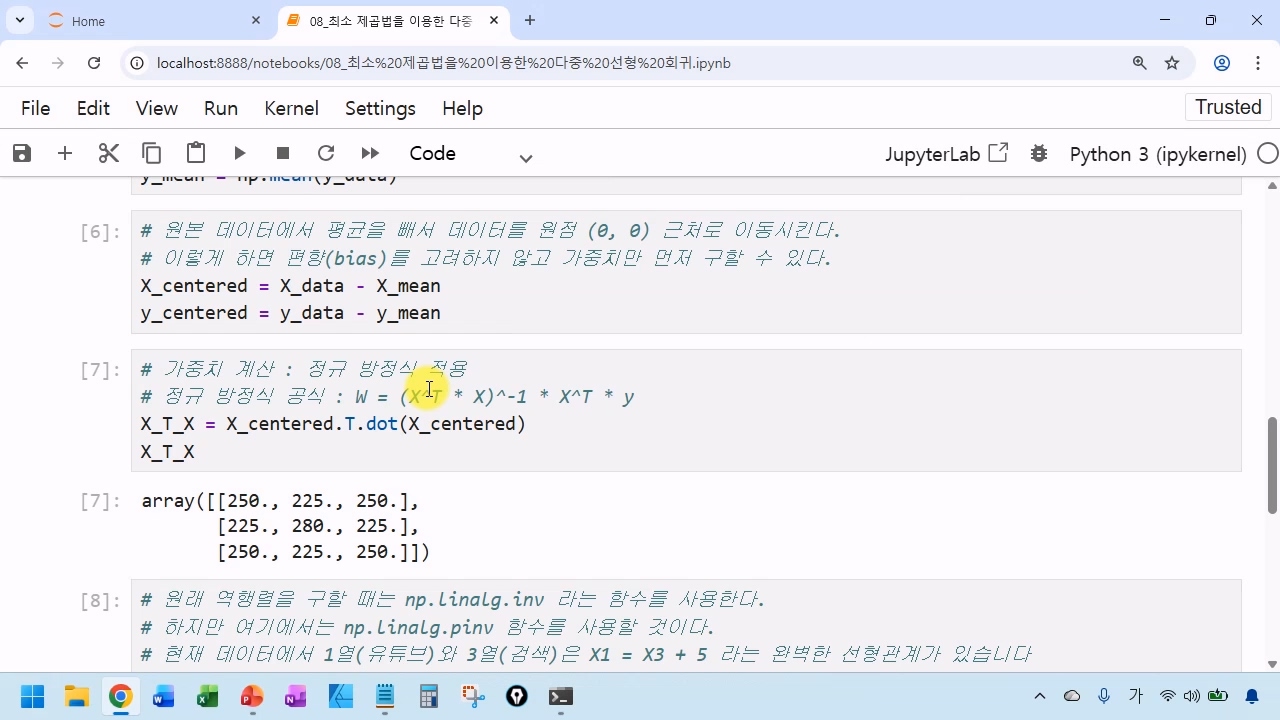
We will study in depth the principles of linear regression, which is the basis of prediction, gradient descent for finding optimal weights, and the learning rate.
Core Technologies: Hypothesis Function Design, Error Evaluation Metrics, Multiple Linear Regression, Method of Least Squares
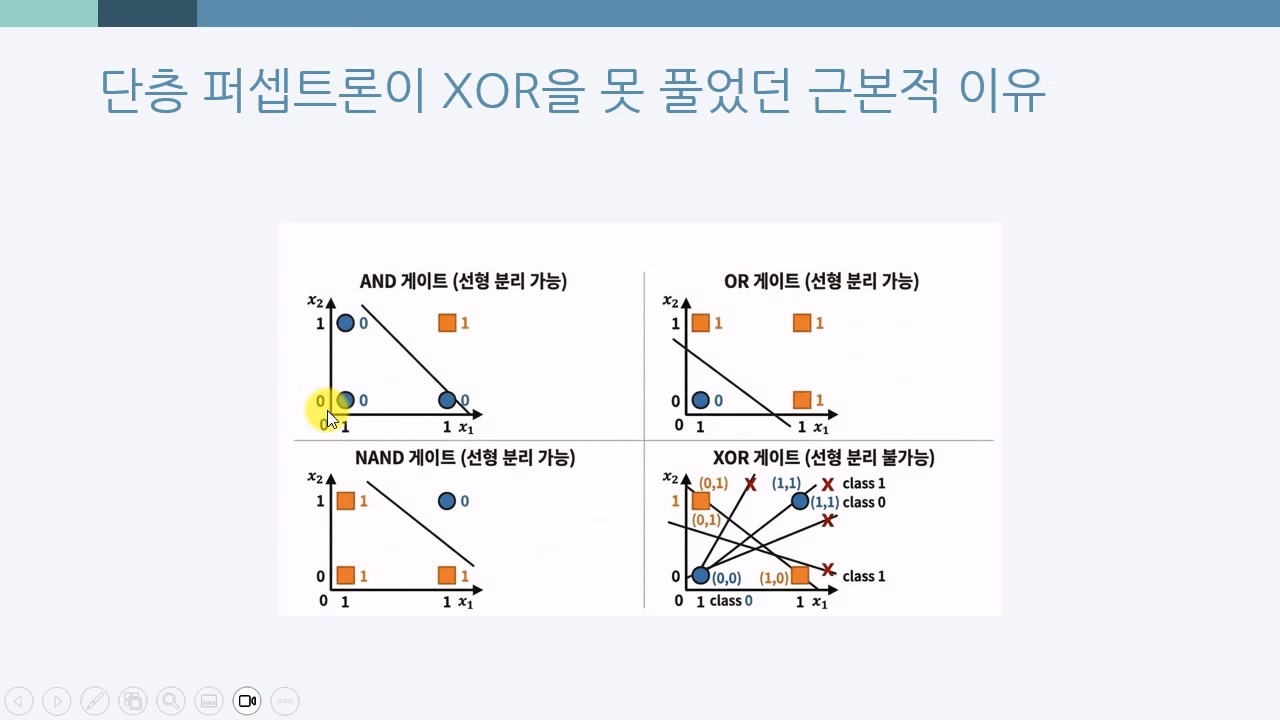
Understand logistic regression and the sigmoid function, and learn the structure of the perceptron—the precursor to artificial neural networks—and the multi-layer perceptron that solves the XOR problem.
Key Learning: Sigmoid function, perceptron, solving logic gates, backpropagation
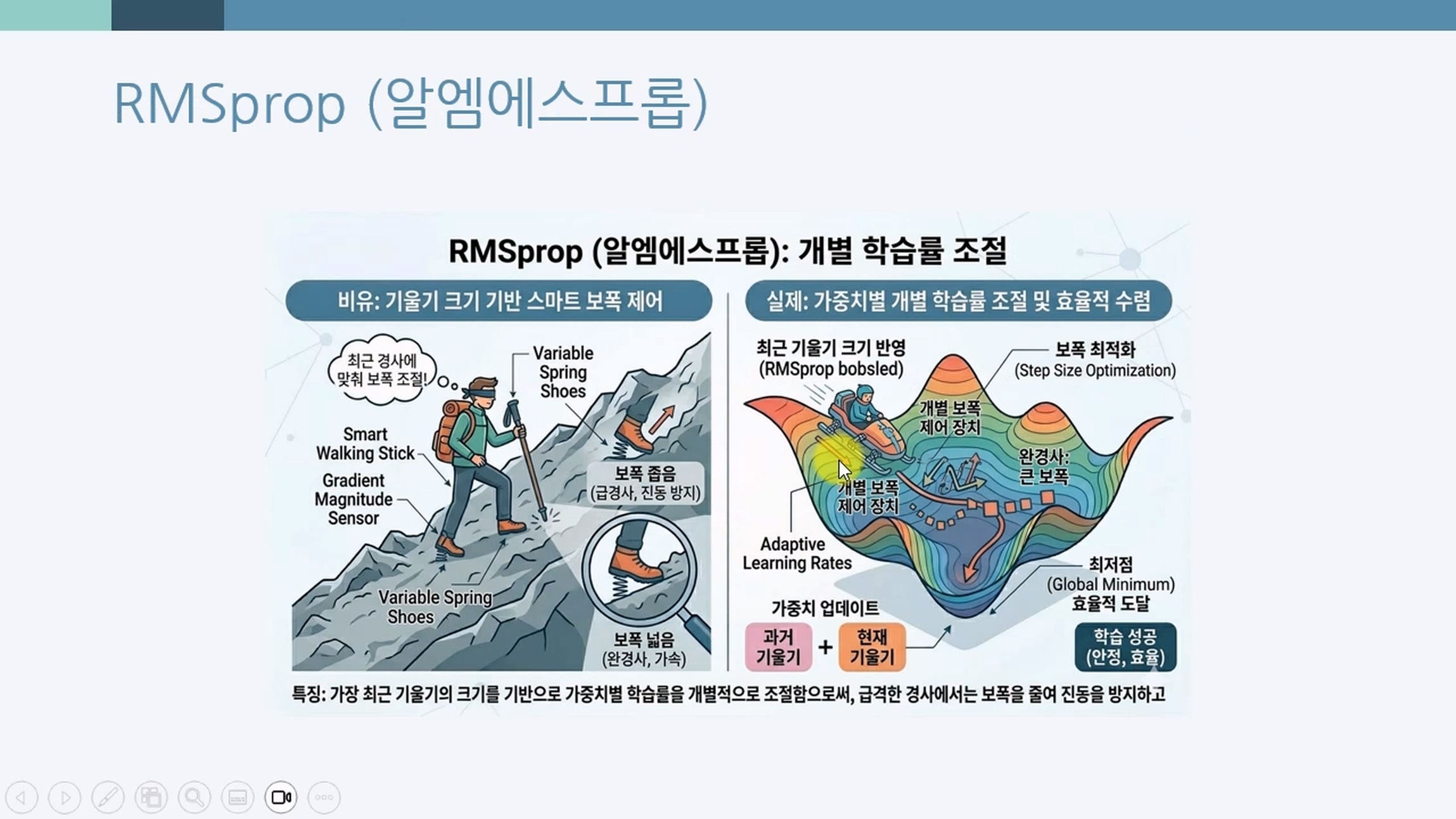
We will begin designing artificial neural networks in earnest using frameworks. You will create optimal model structures yourself by selecting activation functions and optimizers.
Key Technologies: How to use TensorFlow/Keras, activation functions, optimizers, designing basic deep learning structures
Learn core practical techniques for preventing overfitting. You will study Dropout, Early Stopping, automatic model saving, and automated hyperparameter optimization using Optuna.
Key Learning: Checking for Overfitting, Dropout, EarlyStopping, Model Auto-save, Optuna Tuning
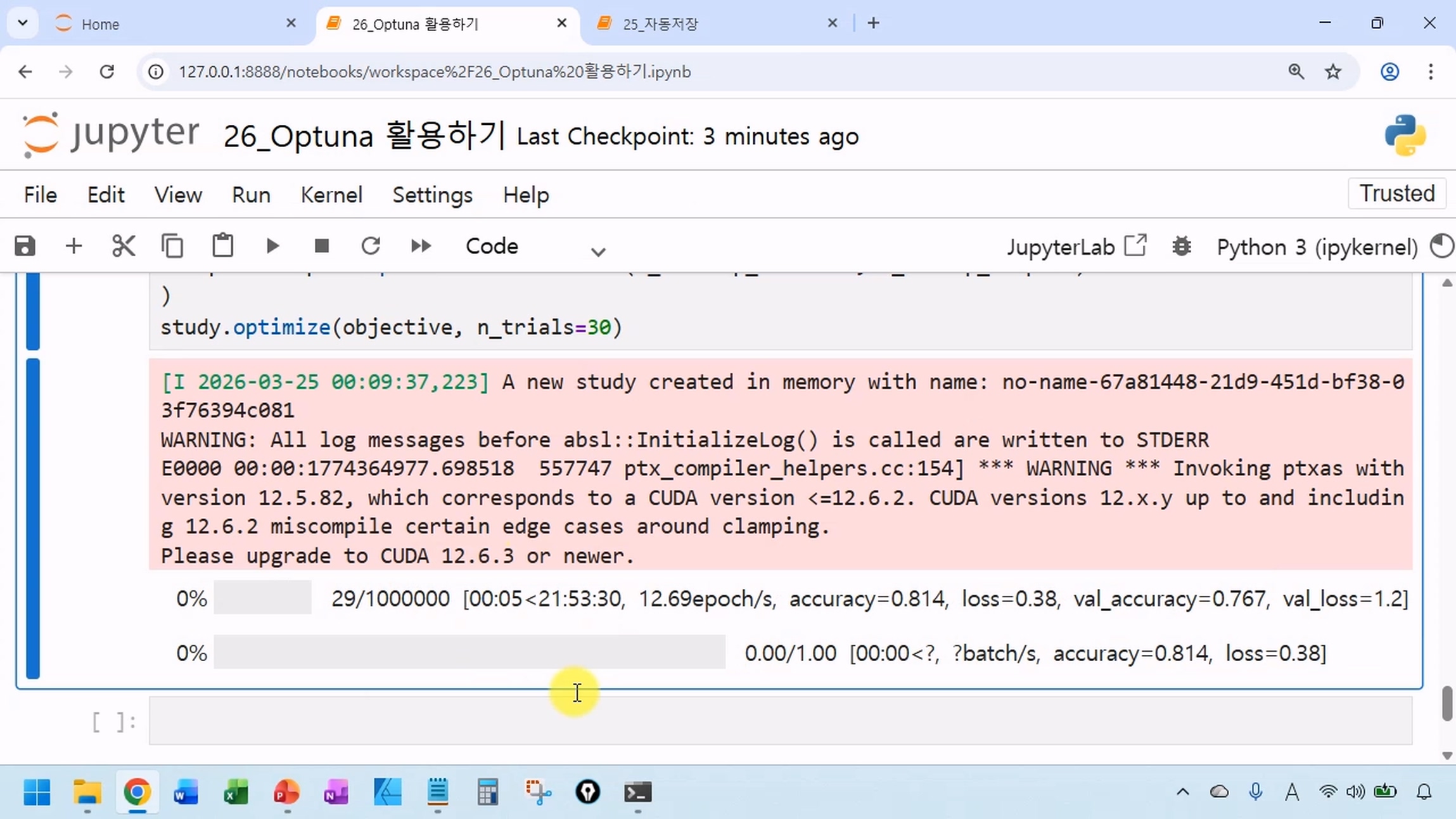
Master CNN, the core of image recognition, and RNN for handling sequence data through MNIST practice, and conquer transfer learning to reuse existing models.
Core Technologies: Binary/Multi-class Classification, CNN Architecture, MNIST Practice, RNN Basics, Transfer Learning
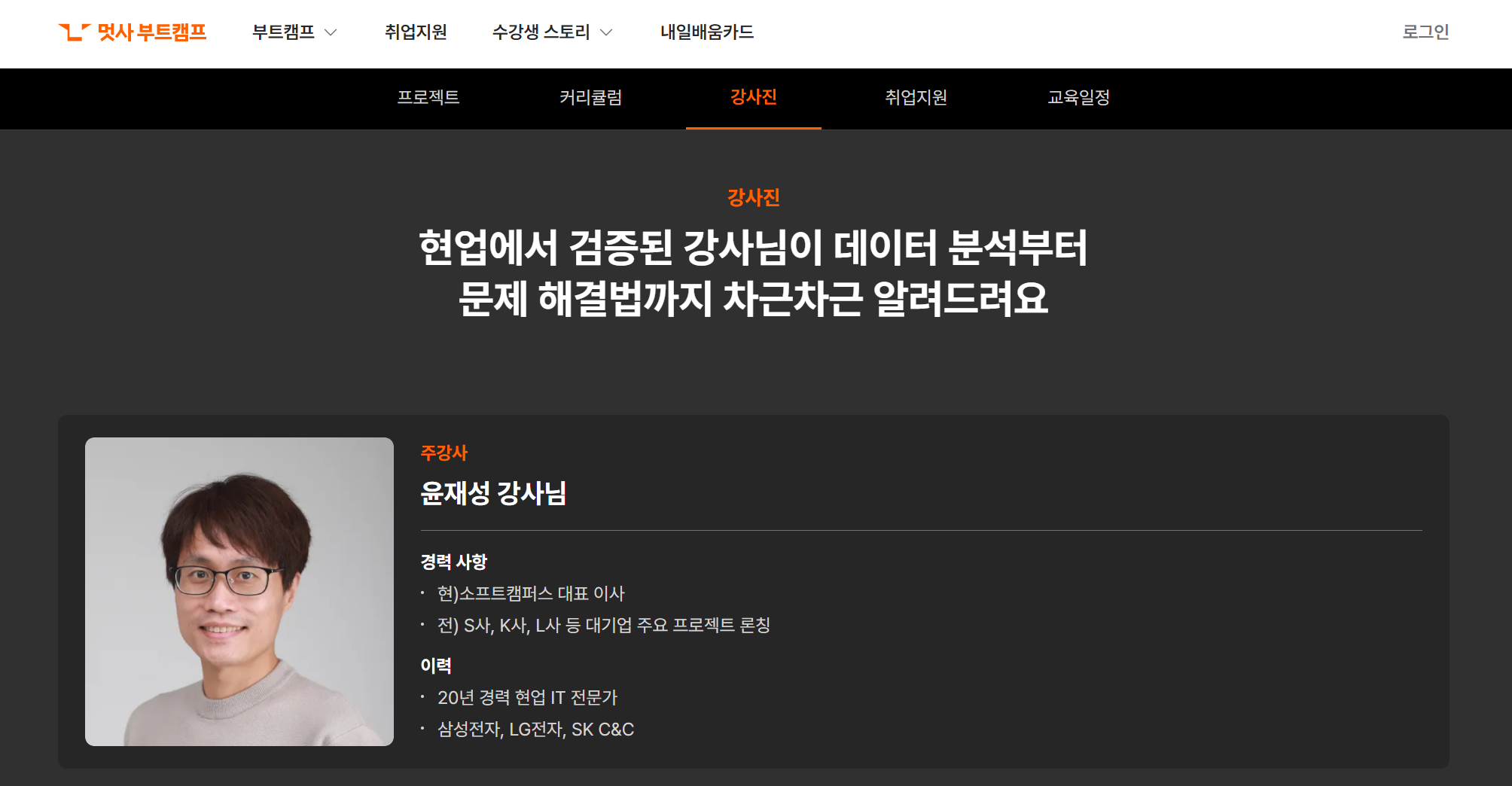
Development Experience
• Developed and launched SKT "Island Adventure" mobile content
• Developed and launched KT "Quiz Soccer" mobile content
• Launched SK "Mobile Real Estate Agent"
• Developed iPhone "Hanjatong" app
• Developed iPhone "Health Training" app
• Developed KT/SK Japanese Namco "Tales of Commons" content
• Developed KT mini-games (Yageum Yageum Land Grab, Aladdin's Magic Lamp, Mystery Block Detective Agency, BUZZ and BUZZ)
Teaching Experience
A veteran instructor with 19 years of experience in teaching and development for current employees of famous domestic companies and job seekers, including Samsung Multi Campus, Busan IT Industry Promotion Agency, Jeonju IT & Cultural Industry Promotion Agency, Incheon IT Industry Promotion Agency, Korea Radio Promotion Association, SK C&C, T Academy, Korea Institute for Robot Industry Advancement, Daejeon ETRI, Samsung Electronics, nica Education Center, Korea Productivity Center, Hanwha S&C, LG Electronics, and more.
Teaching Fields
Teaches in fields such as Java, Android, Frameworks, Databases, UML, iPhone, Big Data processing and analysis, Python, IoT, data analysis using R/Python, Deep Learning, Machine Learning AI, and Spark. The lectures are structured to explain concepts as easily as possible by incorporating diverse experiences, and to create examples that can be applied to practical exercises. Since this is not an offline class, please use the Q&A for anything you don't understand.

Thank you for the great lecture!





![[Tensorflow2] Complete conquest of Python machine learning - Marathon record prediction projectCourse Thumbnail](https://cdn.inflearn.com/public/courses/324207/course_cover/1a79c7dc-1624-4d3a-95ff-79ba1e9c4025/python_machine_learning.png?w=420)