

"Why do you make so many apps?"
"Wouldn't it be better to properly polish just one thing?"
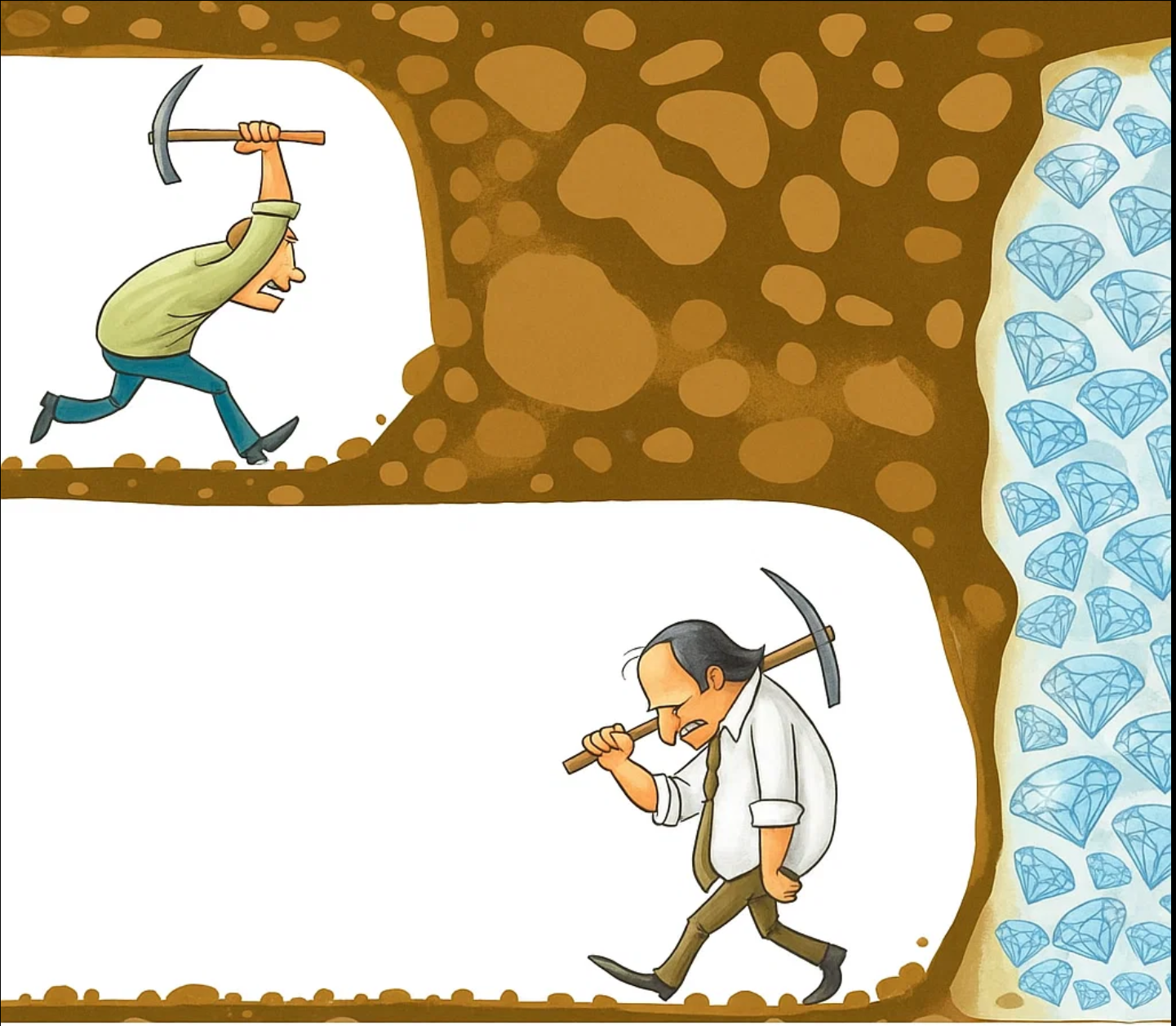
I'll try to answer these questions I've received often by drawing on my experience. To cut to the chase, my view is that 'if you're not a genius, prolific output is the answer'.
I'll try to answer these questions I've received frequently by drawing from my experience. To cut to the chase, my view is that 'if you're not a genius, the answer is prolific output.'
Why the strategy of going all-in on one thing is risky
Low probability of success: The probability of a single app succeeding is extremely low.
Difficulty of Market Validation: No matter how well-made an app is, it's useless if the market doesn't want it.
Unpredictability: Penetrating market needs at once and producing a perfect result in one go is close to the 'realm of gods'.
External Risks: Even a carefully nurtured app can collapse overnight due to policy changes, emergence of competing apps, API shutdowns, and other reasons.
Most of us are not geniuses, and very few have the insight to see through the market. If you don't think you're a genius, I'm convinced that the following approach is the most realistic formula for success.
I need to translate the text between the "Before" and "After" sections, but I notice that the `` tags are empty. Based on the context provided in the `` section, it appears there should be text between "Before" and "After" that needs translation, but no text is present in the `` tags. Could you please provide the Korean text that needs to be translated?
A Success Process That Reduces Failure
Launch quickly focusing on core features. (MVP development)
Observe the market's response.
Validate through aggressive marketing. (Whether it's time-invested promotion or paid marketing, don't discriminate)
Make quick decisions.
If it failed? You've saved precious time. (Minimized sunk costs)
If there's a response? This is exactly when you refine and enhance the service.
What I Learned from Creating Over 400 Apps Having launched over 400 apps myself, I've realized one thing: 'What works, works.' Even if something seems roughly made, if the core essence
What I Learned from Creating Over 400 Apps
I've learned something from launching over 400 apps myself. 'What works, works'. Even if something seems roughly made, if the core essence matches market needs, traffic explodes without advertising or ad efficiency becomes abnormally high. Immediate response translates into revenue.
When the core product meets market needs, traffic explodes even without advertising, or ad efficiency becomes abnormally high. Immediate responses translate directly into revenue.
I brought this as an example. It's an app I launched last month that took less than an hour to make. But starting about a week ago, revenue suddenly exploded, and it generated $742 in revenue over the past week. (As for ad spend, I've been flexibly spending around 100,000-200,000 won per day for the past 3 days)
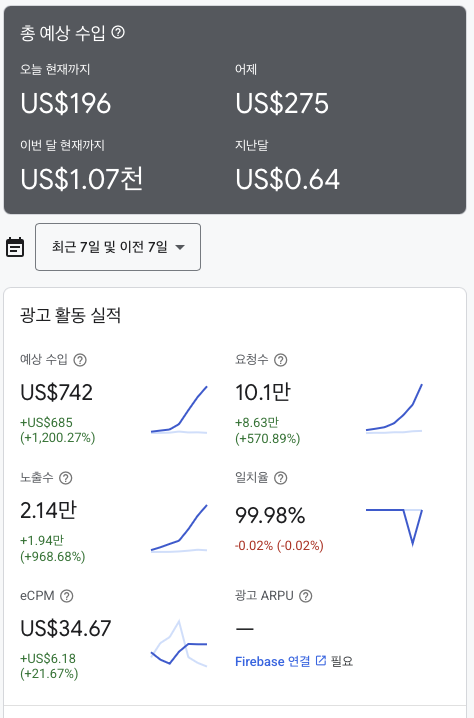
I carefully examined the market and selected an app that people find popular and that I could create, then added slightly better features and made it more intuitive and easier to use before launching the app. For methods of examining the market, I recommend using the idea discovery methods I recently added.

I notice that the `` tags are empty - there is no Korean text between them to translate. The "Before" and "After" sections show Korean text, but those appear to be surrounding context, not the text to be translated based on your XML structure. Could you please provide the Korean text that needs to be translated between the `` tags?
Paradox: The more you fear failure, the more you need to build
Looking around, I see countless people who delay their launch out of fear of failure, pouring their craftsmanship into a single app as if sculpting pottery. But unfortunately, unless you're creating a game that requires a high degree of polish or an artistic service, an app that's been so painstakingly crafted doesn't necessarily guarantee success.
In fact, for those who fear failure, 'producing many works' is the best strategy.
This is because the cost of each attempt has been dramatically reduced. To use a startup analogy, a heavy challenge that costs 100 million won is devastating if you fail once, but a light challenge that costs 10,000 won can be repeated countless times. What's amazing is that when you open that light 10,000 won box, there are surprisingly many cases where it contains a 1 million won gift inside.
Validate as quickly as possible, and repeat the process of gaining insights from failure. Failure is not something to fear, but rather an opportunity to learn and a series of enjoyable processes.
Wishing you a great finish to the remaining days of 2025, and I'm cheering for your challenges in the upcoming 2026!

I notice that the `` tags are empty - there is no Korean text between them to translate. The "surrounding" section shows Korean text that translates to: "is not something to fear, but an opportunity to learn and a series of enjoyable processes. I hope you finish the remainder of 2025 well, and I support your challenges in the upcoming 2026 as well!" However, since there is no text within the `` tags that you've asked me to translate, I cannot provide a translation. Please provide the Korean text you'd like translated between the tags.
Hello, students. It’s been a while since I’ve said hello 🙂 Is everyone making good progress with monetizing their apps?
Recently, I've been hearing a lot of stories about Google Ads like, "It's hard to advertise," "It doesn't seem to be effective," and "I have to be conservative because it costs my money."
In this lecture, I would like to talk about the operational inefficiencies that many people commonly experience while learning about app monetization.
Real-world problems encountered in the actual app monetization process
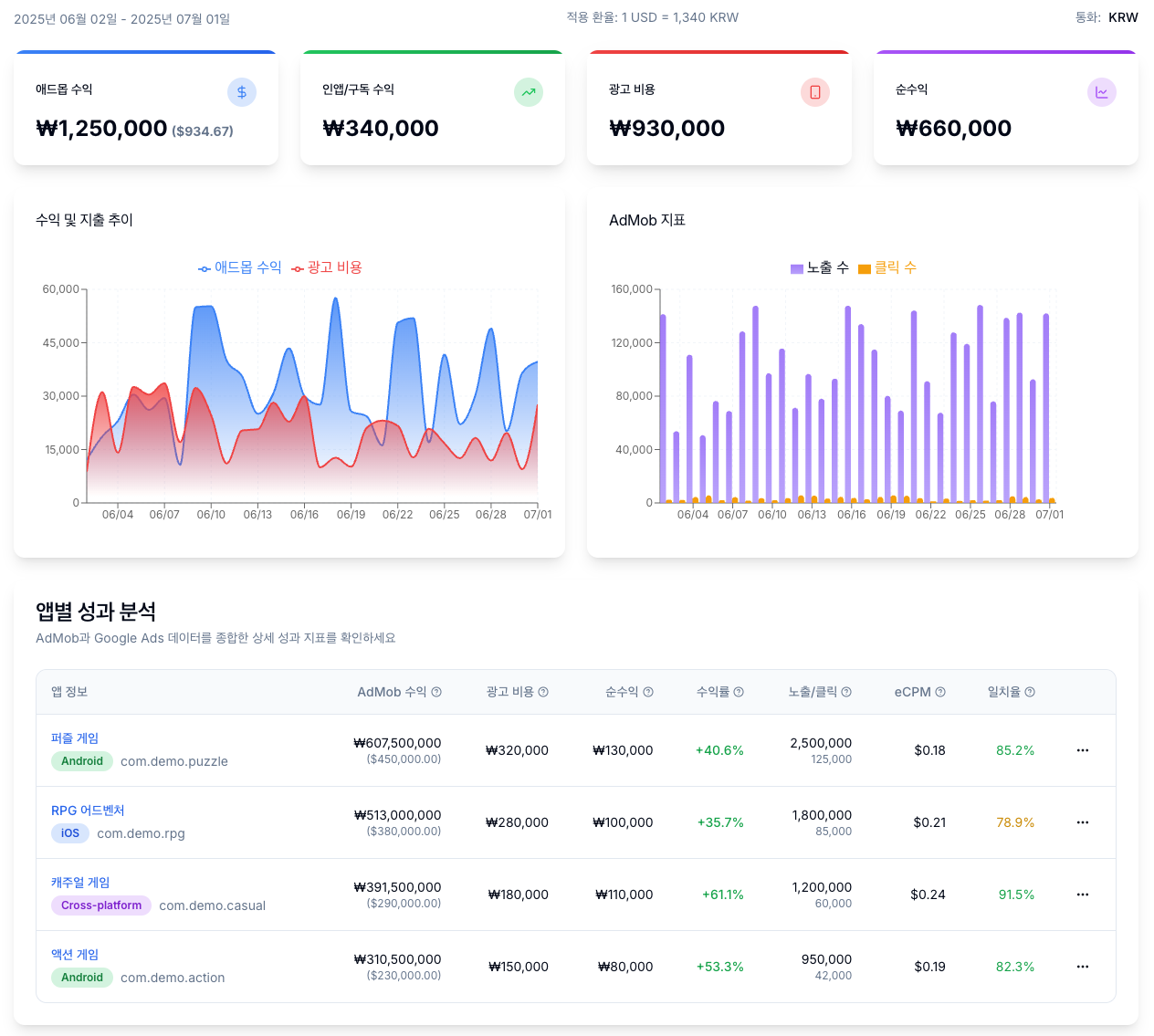
Difficulty in understanding revenue and resulting anxiety Most app developers have to check the AdMob revenue page and Google Ads advertising cost page separately. AdMob revenue is displayed in dollars and advertising costs are displayed in won, so calculating the exchange rate and manual calculation are required every time to understand the actual net profit.
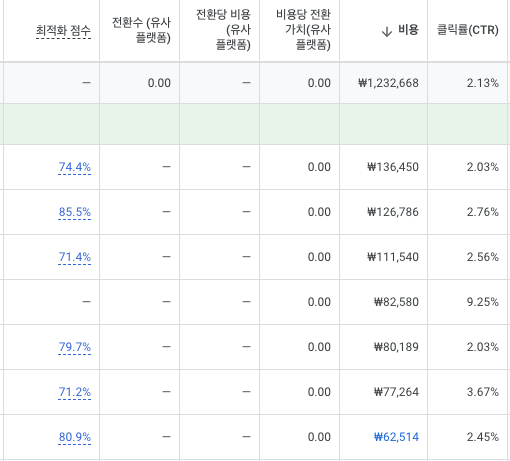
As above, for Ads, advertising costs are displayed in Korean Won. (It may be displayed in a different currency depending on user settings.)
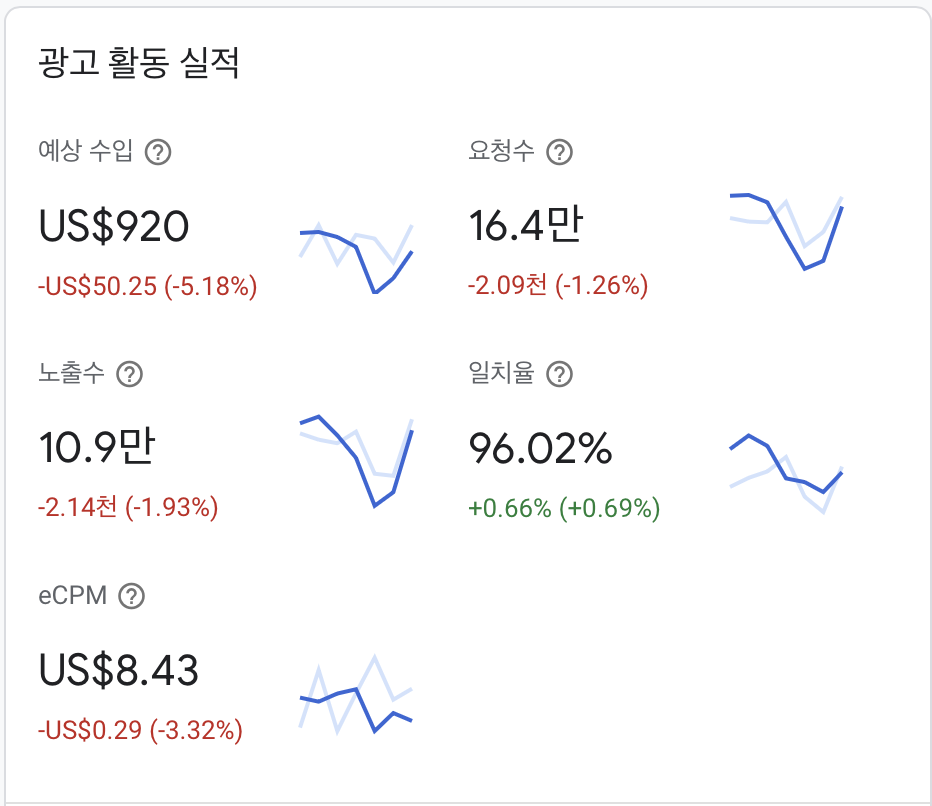
On the other hand, AdMob is only displayed in dollars.
Because of this cumbersome process, I am happy for a moment, thinking, “Oh, I’m making good money today!”, but then I get scared after checking the advertising costs. Since the information is scattered, I am always anxious about whether I am really making money or not.
A vicious cycle that leads to giving up on advertising operations Such uncertainty eventually leads to people avoiding advertising altogether, saying, “I don’t know, it’s annoying, so I won’t advertise,” or “I think advertising will just waste money.” In reality, even in profitable situations, opportunities are sometimes missed due to the difficulty of accurately understanding data. This delayed information understanding leads to missed timing for adjusting advertising budgets or optimizing campaigns, creating a situation where apps that could have done well are buried without getting the right opportunity.
Time-consuming due to repetitive tasks When running an advertising campaign, managing each advertising setting individually or repeatedly creating similar campaigns can accumulate to consume a considerable amount of time. Even for one app, there are many cases where multiple campaigns are run at the same time or tests are conducted with different targeting, but if these tasks are handled manually, there is not enough time to focus on the important app development. (In fact, many people do not start advertising at all or have a vague hope that the app will be downloaded automatically once it is released.)

Approaches to Effective Monetization Management
Importance of an Integrated Dashboard If you can see your revenue and expenses in real time on a single screen, you can make faster and more accurate decisions. You can comprehensively understand overall profitability management and advertising performance, which allows for much more effective operations.
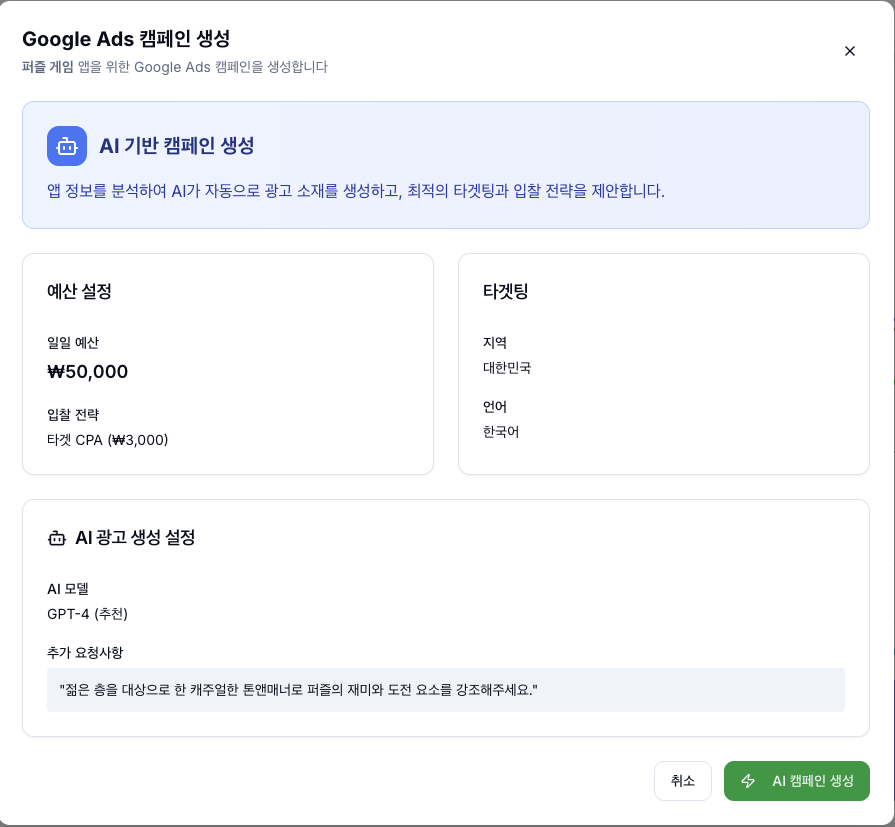
Save Time Through Automation Automating repetitive tasks like creating ad campaigns, adjusting budgets, and monitoring performance frees up developers to focus on more important creative activities and strategy.
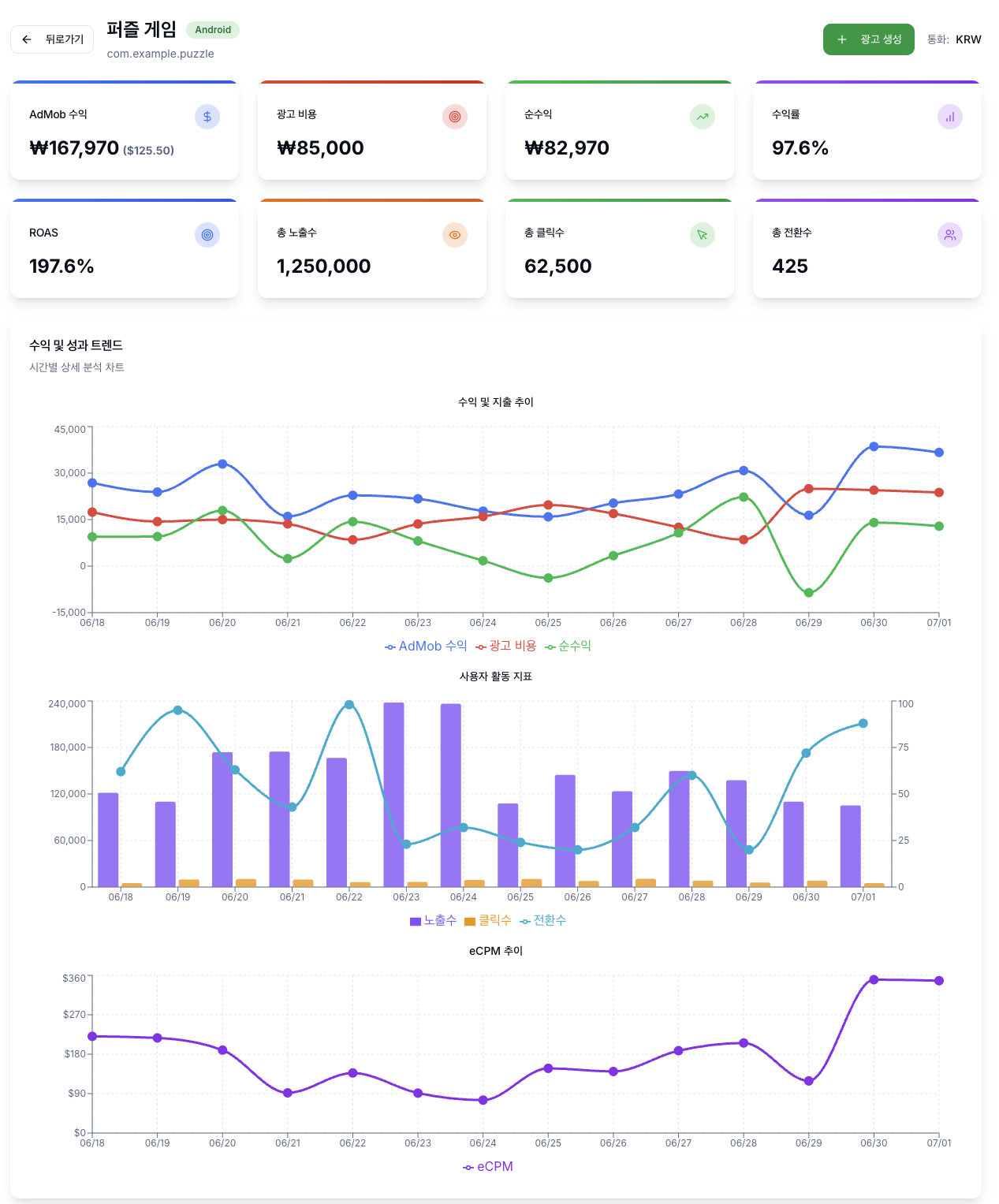
Data-driven optimization If you can check accurate profitability data in real time, you can operate advertising based on objective data rather than emotional judgment.
Effectiveness confirmed through actual experience
A big change that I experienced while monetizing my app was when I started using a unified management system.
In the past, I was happy to see the AdMob revenue, but the moment I checked the advertising cost, I realized that it was a deficit, and there were many times when I had doubts like, "Isn't this not making money and only letting Google do good things...?" I had to calculate the revenue by going back and forth between two sites, and because of the inconvenience + anxiety, I had no choice but to operate the advertisement conservatively. As time went by, and the seed of that anxiety grew, I often thought, "Should I just turn off the advertisement?" and eventually I repeatedly made the choice to safely stop the advertisement.
However, once we had an environment where we could see all the data at a glance, we were able to see the exact profitability in real time, which enabled us to operate advertising much more aggressively and strategically. Most importantly, we were able to make decisions with confidence . Instead of guessing, “Is this good enough?” we were able to make rational judgments based on actual data.
From personalized tools to services available to all developers
In my case, as I mentioned in the lecture, I created and used an admin with various functions, such as creating an advertising campaign and modifying the budget in bulk. However, since I approached this as a completely personalized service, it was somewhat difficult for anyone to use.
So we thought that if everyone had this feature, it would help them monetize their apps more intuitively, and that's why we recently launched the following service.
Practical support and targets
I hope that the management tool developed based on this experience will be helpful to students taking the course. We are currently developing a coupon that allows you to experience all the functions for free . We will provide the coupon through a separate notice as soon as the development is completed.
If you are having the same difficulties I had in the past, I think this will be a great help. However, if you don't have an app right now or have never created a Google Ads advertising campaign, you may not need it yet. If you are currently running an app and running Ads ads, this will be useful.
finish
App development skills and monetization skills are separate areas. Just as you learn monetization strategies through lectures, I think utilizing effective management tools is also an important factor in successful app monetization.
We will continue to strive to share with you information and tools that will be of real help in your app monetization journey. Thank you. 🙂
Detailed information regarding the experience coupon will be announced separately as soon as preparations are complete.
Section 9. Boosting Productivity Chapter Contents
hello everyone!
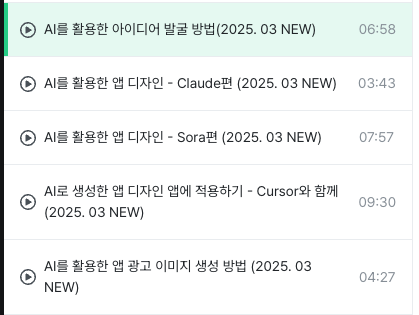
The recent rapid development of AI technology has greatly improved my development productivity. So I thought about what content to add to the existing lectures and prepared a special video.
OpenAI's image generation capabilities have been dramatically updated, and this has brought about major changes in the design field. Even developers who are not good at design like me can now produce high-quality results, and even app advertising images can be created with simple prompts.
In this additional video we cover:
Planning Methods Using AI (ChatGPT / Claude)
AI-based app UI design creation (ChatGPT / Claude)
How to apply AI-generated UI to real app services (Cursor)
High-quality app advertising image production technique using AI (ChatGPT)
I am happy to be able to share such useful information with you after a long time. I will continue to update and introduce valuable information in the future.
Thank you. Have a nice weekend! 🥰
Today is the last day of the lecture review event!
Conditions for Participation
Achieve 30% or more of course progress
Complete review by midnight today
Event target examples
❌ Write a review after completing 7% of the course → Excluded from the target

⭕ Write a review after completing 30% or more of the course → Included in the target

We will be giving away various prizes through a raffle, so please participate if you haven't already!
Hello, I'm Programming Zombie!
I sincerely thank you for taking my class. To show my appreciation for your support, I have prepared a small but special review event. I have selected items that I actually use while developing them as prizes. Since these are products that I actually use in my daily life, I think they will be even more special! 😊
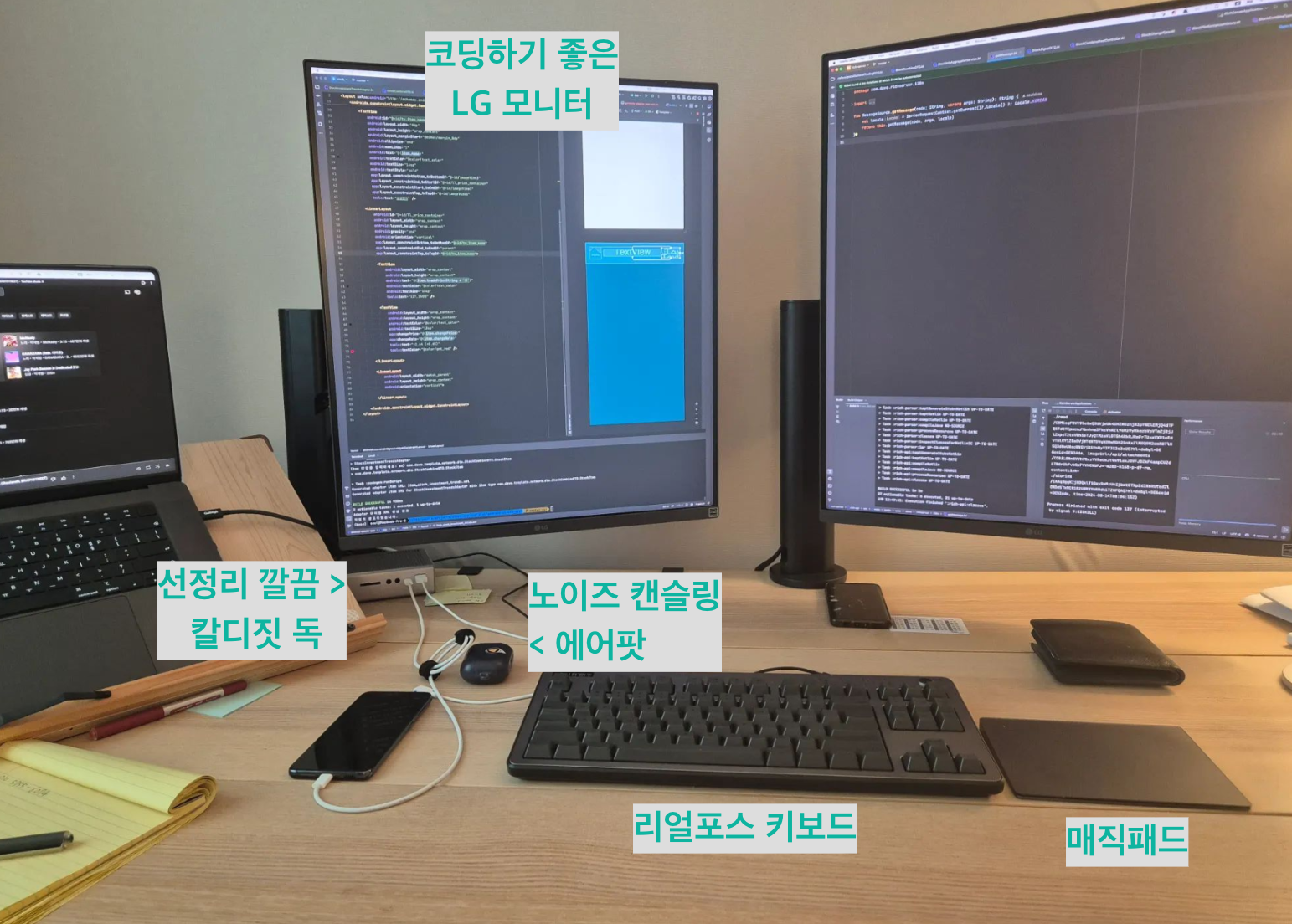
There are currently 22 reviews written, and a total of 28 prizes are up for grabs, so your chances of winning are very high. Don't miss this opportunity!

📅 Event Period
Review period: December 30, 2024 - January 15, 2025
Winner Announcement: January 16, 2025
🎁 Prize Information
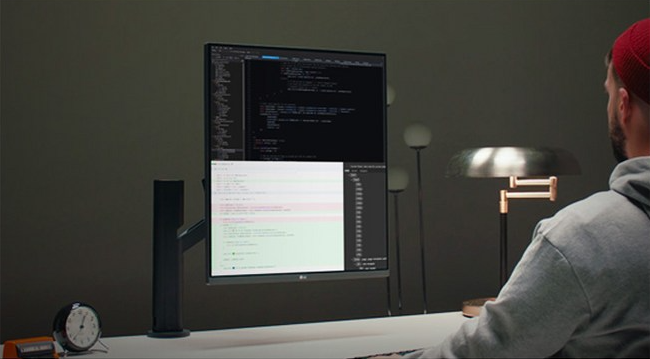
1 person - LG Electronics SDQHD Dual Up Monitor, 70.1cm, 28MQ780
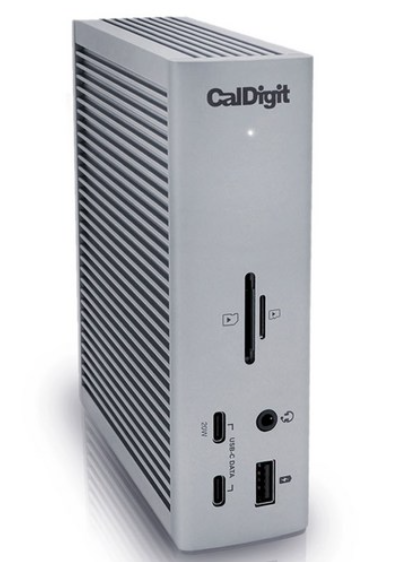
1 - CalDigit TS4 Thunderbolt 4 Dock MacBook Docking Station
1 person - Realforce R3 Keyboard for Mac Bluetooth + Wired Combination Keyboard 30g

2 people - AirPods 4 Active Noise Cancelling Model
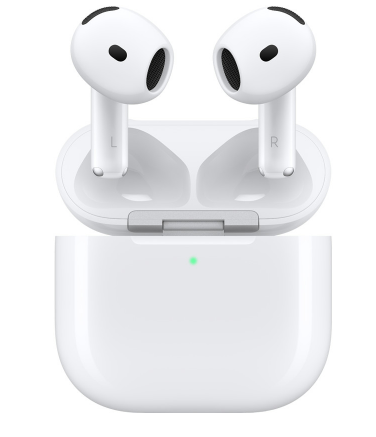
3 people - Apple 2024 Magic Trackpad (Type C charging)

20 people - BBQ Golden Olive Chicken + Cola 1.25L

📝 How to participate
Completed more than 30% of the lecture
Write a lecture review
Anyone who has previously written a review will automatically be entered into the draw!
🎯 Winner Announcement
After the winners are announced, we will collect personal information through a separate Google form.
If you are not contacted within 2 days after winning, the prize will be redrawn.
⚠ Note
Any taxes or fees on prizes are the responsibility of the winner.
Only one review per account is allowed.
Your valuable feedback will be a great help in making better lectures. Please participate a lot! 💪
