



inflearn logo

2026! A Practical Guide to Redis for Backend Developers: From Basics to Real-World Patterns

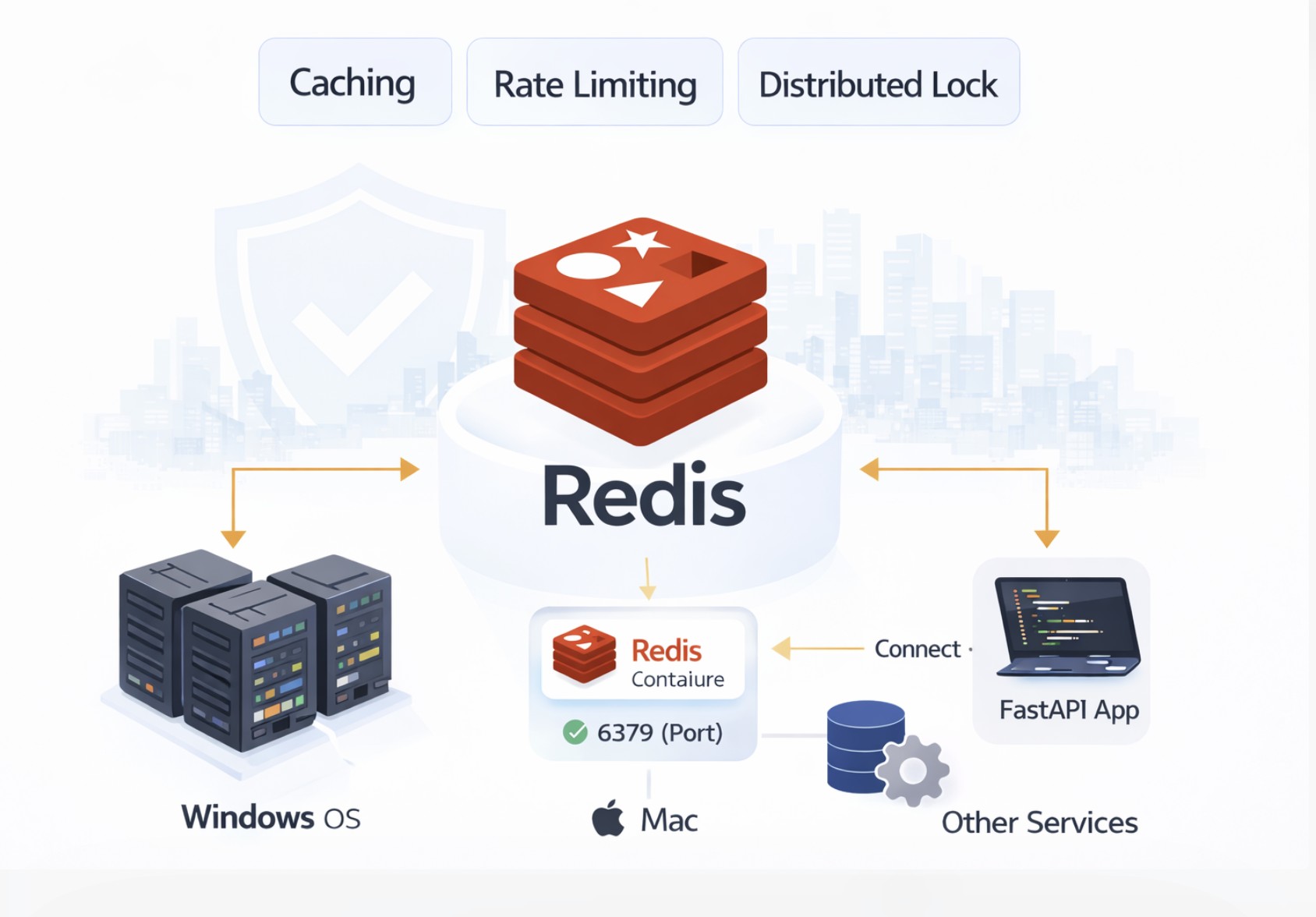
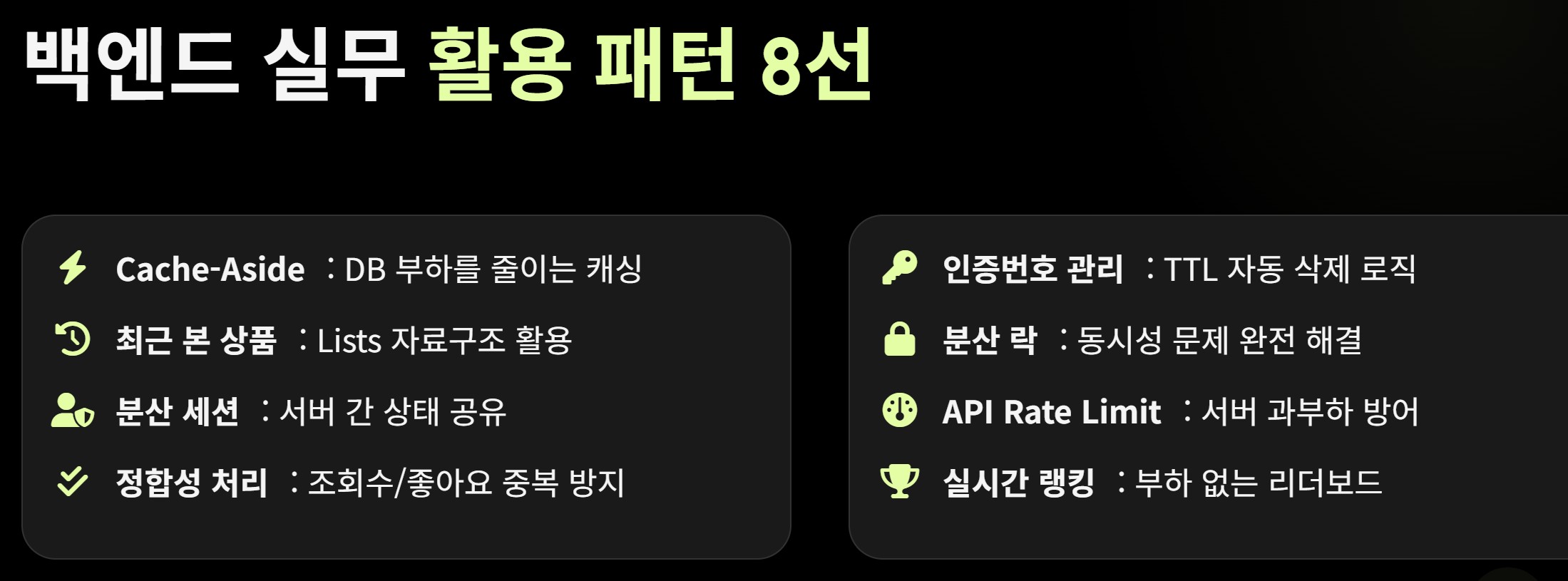
Many backend developers use Redis, but in reality, they often use it merely as a simple cache server. There are many cases where developers know Redis data types but don't know how to apply them in practice, lack experience implementing real-world patterns like Distributed Locks or Rate Limiting, or fail to understand Redis from a backend architecture perspective. I also had the experience of struggling with how to utilize Redis in a high-traffic environment while developing actual services. This is because simply knowing the commands is a completely different story from solving service problems using Redis. This course starts with the basic concepts and data structures of Redis and progresses through learning by implementing core patterns used in actual backend services step-by-step. In particular, you will learn how to solve the following practical problems using Redis: Caching (Cache-Aside) strategies to reduce server load Distributed Sessions (Session Store) to share login states Distributed Locks to solve concurrency issues Rate Limiting to prevent API overload Real-time ranking systems (Leaderboard) for large-scale users All hands-on exercises are conducted in a real API server environment based on Python FastAPI. Rather than just learning simple CLI commands, you will understand how Redis is used in backend systems by implementing it yourself. Through this course, you will be able to utilize Redis not just as a simple cache, but as a core tool for designing backend architectures.

44 learners are taking this course

Level Beginner

Course period Unlimited

Architecture
Architecture
Redis
Redis
FastAPI
FastAPI
Architecture
Architecture
Redis
Redis
FastAPI
FastAPI

What you will gain after the course

  • Understand the necessity, basic concepts, and usage of Redis.

  • I can understand Redis data structures and design them to fit the service requirements.

  • I can directly implement Redis practical patterns (caching, distributed locks, rate limiting, etc.).

  • You can understand Redis operation and performance issues and apply them in a practical environment.

  • You can build backend features using Redis in a FastAPI-based API server.


2026 Redis

Basic Utilization + Advanced Features + Latest Trends

And even hands-on practice with real-world backend application patterns!

Master Redis!

The true power of Redis lies beyond caching, in applying it as a core engine of backend architecture.

In this course, based on a solid foundation of Redis basics, you will learn by directly implementing complex and critical practical patterns such as distributed locks, session management, and real-time ranking systems using FastAPI. Beyond simply memorizing commands, you will master Redis application methods that dramatically improve the performance and stability of actual services.


Learn basic Redis concepts, core data structures, and commands

(100% testable in Windows and Mac local environments)

Understanding Advanced Redis Features and Latest Trends

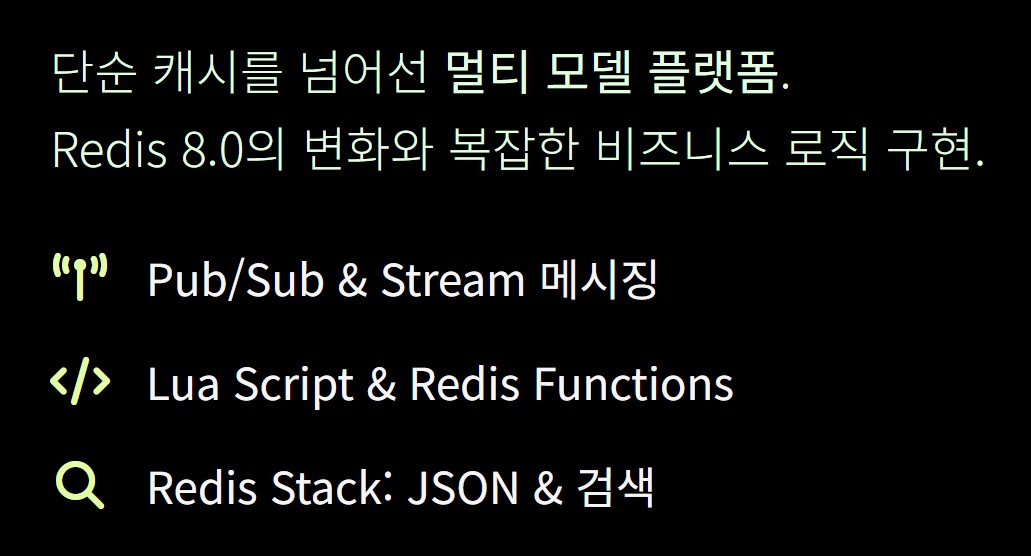
(Based on Redis 8.6.1, Pub/Sub, Streams, Redis Stack, Lua Scripting, Redis Functions)

Design and Implementation Practice of Backend Practical Application Patterns

(Implement practical backend application patterns by integrating FastAPI and Redis)

Basic + Advanced + Practical implementation, along with Redis operation and troubleshooting tips, and even a bonus track on Redis-related architecture design for high-traffic services! You will learn various core theories and real-world cases to properly utilize Redis in practice.

By the end of this course, you will


You will be able to perfectly understand and utilize Redis, from basic concepts to practical patterns.

  • Beyond simple caching, you will gain an understanding of Redis's various data structures and the ability to design and apply the optimal data types to meet actual service requirements. You will move beyond using it merely as a Key-Value store and learn to utilize Redis as a core tool in your architecture.

You can directly implement core backend practical patterns.

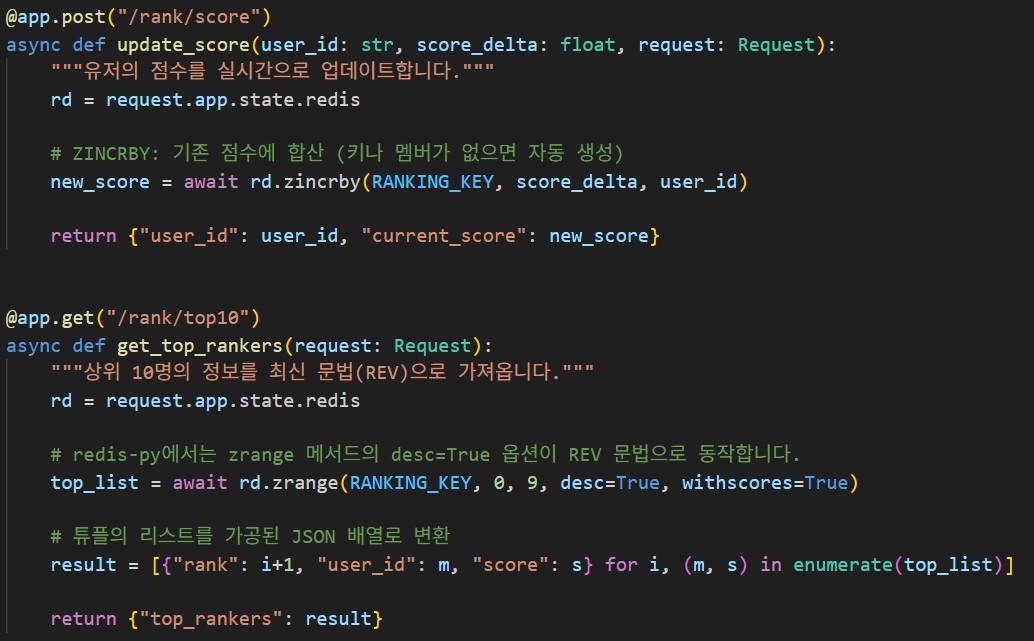
  • You will gain hands-on experience implementing complex and critical backend solutions using Redis, such as caching (Cache-Aside), distributed sessions, distributed locks, rate limiting, and real-time ranking systems. Beyond just learning theory, you will develop problem-solving skills by writing functional code for actual FastAPI-based API servers.

Gain insights into resolving performance bottlenecks in high-traffic environments.

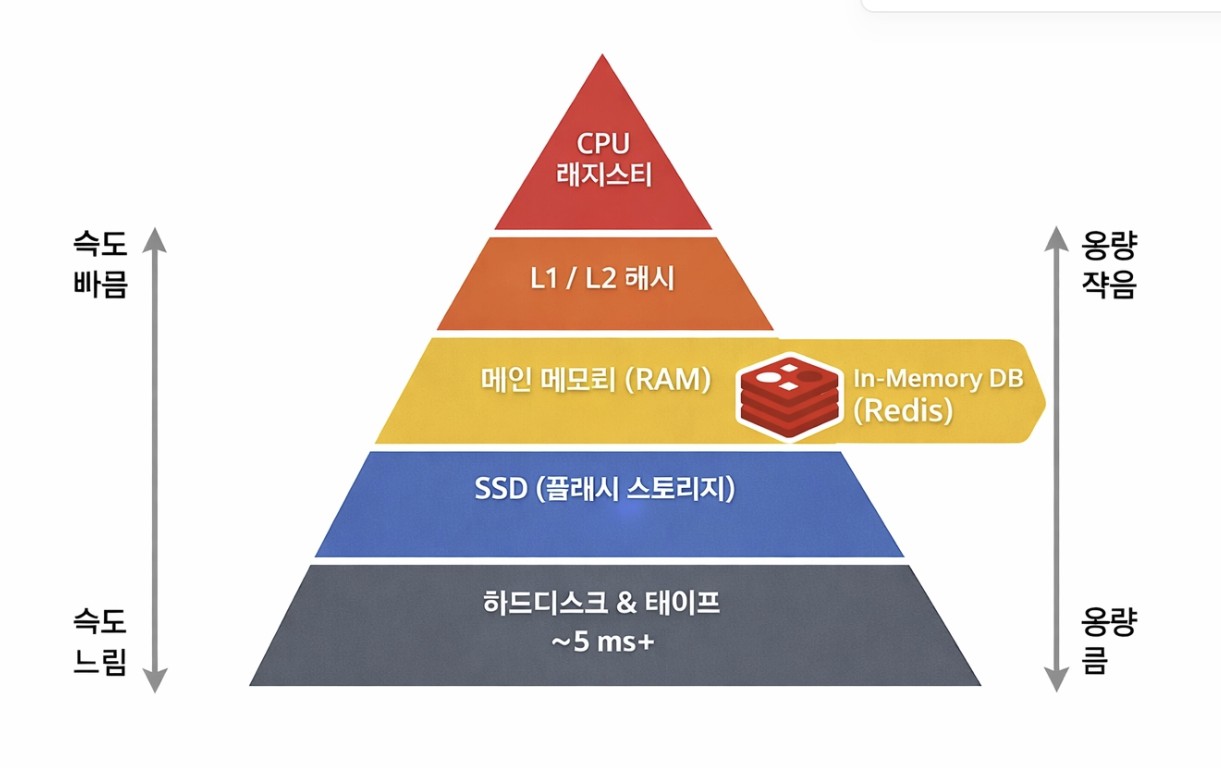
  • You will gain a clear understanding of the speed advantages of memory-based data storage over Disk I/O bottlenecks. Based on this, you will be able to establish strategies for effectively introducing and utilizing Redis to ensure stable operations without service performance degradation, even as traffic increases.

You will acquire practical Redis operation skills and knowledge of the latest trends.

  • You will learn and practice the core aspects of Redis operation, such as efficient key naming strategies, memory management, and persistence settings. Additionally, you will grasp the latest Redis technology trends, including Pub/Sub, Streams, and Redis Stack, to prepare yourself to keep pace with the rapidly changing technological environment.


✔️

Redis, why is it necessary? The secret to speed and performance

Redis, the Core of Backend Architecture
An Essential Guide for Performance Improvement

This course covers the basic concepts and various data structures of Redis in depth, and implements practical patterns to solve traffic and performance issues that occur in real-world backend services. You will systematically learn how to use Redis as a core tool for architectural design, going beyond its use as a simple cache.

Practical Redis Patterns with FastAPI

Based on real-world service development experience, you will learn how to solve various problems encountered in backend development—such as caching, distributed locks, rate limiting, and real-time ranking systems using Redis—by directly implementing them in a Python FastAPI-based API server environment.

Practical Redis implementation code

All practice code covered in the lecture is conducted in a Python FastAPI environment. Beyond just Redis commands, we maximize learning effectiveness by providing practical code on how to integrate and utilize Redis within an actual backend system.


📚

Redis, a core tool for designing backend architecture
Master it by implementing it yourself!

Section 1

The Necessity of Learning Redis: Understanding the Speed Difference

We answer the fundamental question of why you should learn Redis. We analyze the speed difference between disk and memory and explain why these performance advantages make Redis essential in modern backend architecture. We highlight Redis's role in improving data processing speeds.


Section 2

Redis Basic Concepts and Environment Setup

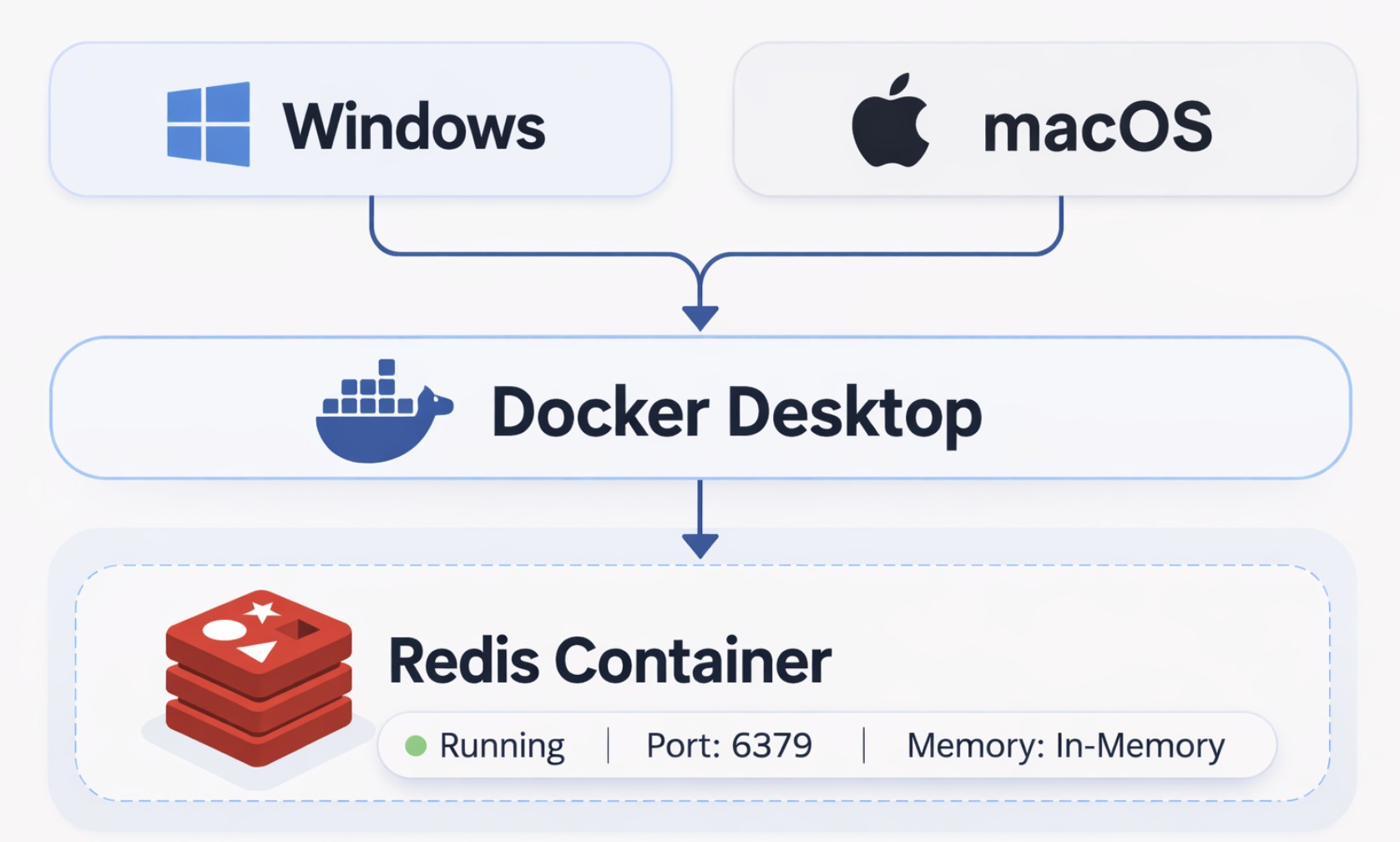
We introduce the core concepts, data structures, and characteristics of Redis. We cover the pros and cons of the single-threaded model and data persistence options. Additionally, we provide hands-on practice for installing Redis in Windows and Mac environments, as well as setting up the environment using Docker Desktop.


Section 3

Redis Core Data Types and Command Utilization

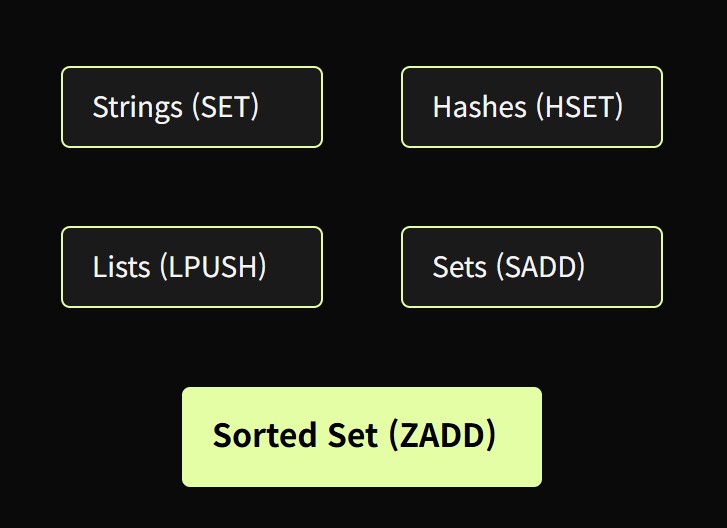
We will study Redis's primary data types—String, List, Set, Hash, and Sorted Set—in depth. You will learn the characteristics of each data type along with the essential commands for efficiently storing and retrieving data. We will also cover strategies for selecting the optimal data type to meet specific service requirements.


Section 4

Advanced Redis Features and Latest Trends

Explore advanced features such as Pub/Sub, Stream, and Redis Stack (JSON, Full-Text Search). It covers the latest changes in Redis 7.x and 8.0, and how to implement complex business logic using transactions, Lua scripting, and Redis Functions.


Section 5

Implementation of Redis Practical Patterns Based on FastAPI

We will implement patterns to solve real-world backend service issues by integrating Python FastAPI with Redis. You will learn practical ways to utilize Redis through various scenarios, such as caching, distributed locking, rate limiting, and real-time ranking systems.


Section 6

Redis Operational Strategies and Troubleshooting

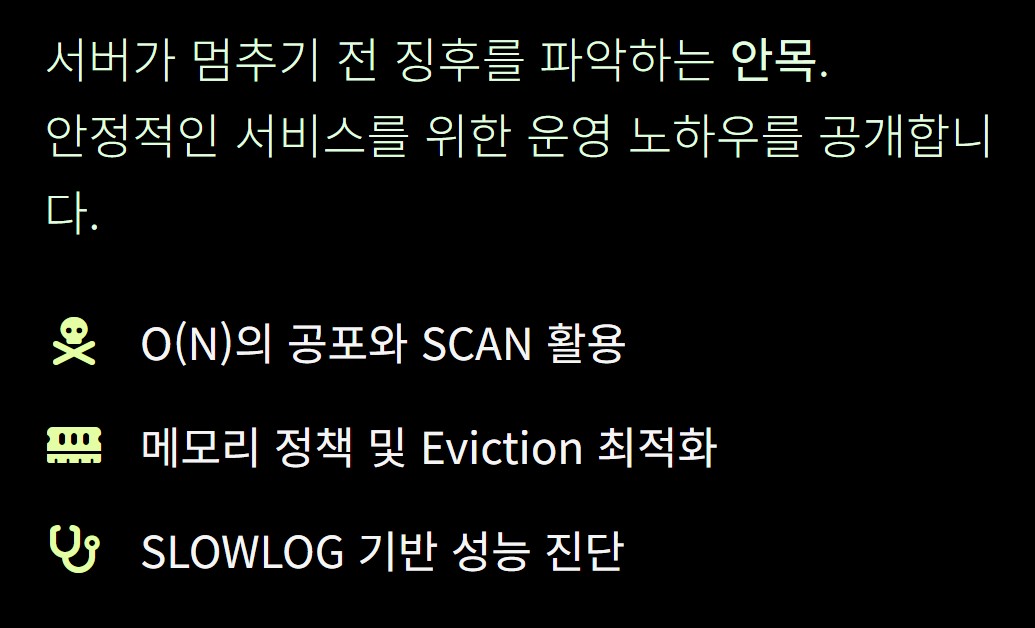
Learn efficient key naming strategies, memory management techniques, and data eviction policies. Understand the principles of RDB and AOF persistence options and practice backup and recovery procedures. Learn system diagnosis and troubleshooting methods using monitoring tools.


Section 7

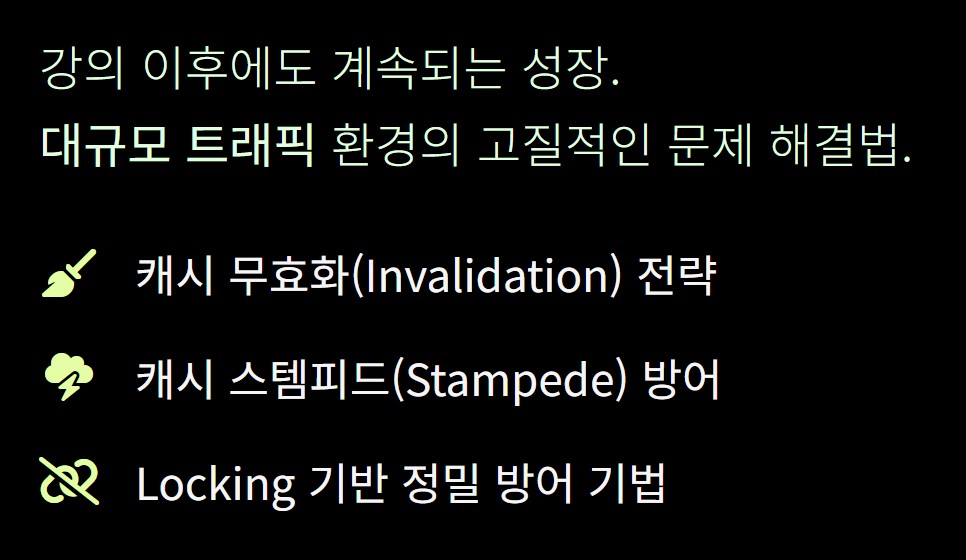
Bonus Track for Designing Large-Scale Services

We will cover in-depth strategies for defending against cache invalidation and cache stampede phenomena encountered in high-traffic environments. You will specifically learn cache stampede defense techniques using locking mechanisms to strengthen your ability to operate stable services.


We can solve the concerns of people like this!


📌

Backend developers learning Redis for the first time

Developers who are new to the basic concepts and data structures of Redis,
but want to understand them quickly with a focus on practical application

📌

Backend developers who are only using simple caching functions

Developers who are using Redis but only as a simple cache server,
and want to learn more in-depth practical application methods.

📌

FastAPI-based backend developer

Developers who are developing backends using FastAPI and
want to directly implement features such as caching, distributed locks, and rate limiting by integrating Redis


Notes before taking the course


Practice Environment

  • Operating System: Both Windows and macOS are supported.

  • Essential Tools: Installation of Docker Desktop is recommended.

  • PC Specifications: A PC with a basic development environment is sufficient.

Prerequisite Knowledge and Precautions

  • Since the course covers the basic concepts of Redis from the ground up, no prior knowledge is required.

  • Of course, it is helpful to have a prior understanding of basic Redis concepts (such as caching).

  • The implementation of backend practical patterns is done with FastAPI, but it is at a level that can be understood if you have basic backend knowledge in other languages.

  • If you have experience with FastAPI, you will be able to learn even more easily.


Learning Materials

  • All practice code materials provided in the lecture will be utilized.

  • You can achieve in-depth learning by referring to the official Redis documentation.


Recommended for
these people

Who is this course right for?

  • Developers who are new to Redis but want to understand it quickly with a focus on practical application.

  • A backend developer who uses Redis but only as a simple cache.

  • Developers who want to utilize Redis in a FastAPI-based backend

  • A developer who wants to solve backend issues that occur in high-traffic situations

Need to know before starting?

  • Basic understanding of web backend development

  • Redis covers basic concepts in the course, so no prior knowledge is required.

Hello
This is codingpe

709

Learners

27

Reviews

5

Answers

5.0

Rating

4

Courses

Coding Professional Engineer

Systematic theory + Over 20 years of practical experience + Top-tier license holder


20+ years of practical experience

  • Development Leader/Architect at major gaming companies, large telecommunications subsidiaries, and startups.

  • Development of various applications including web, Windows, games, automation, and data analysis

  • Managing development teams (main), database teams, infrastructure teams, etc.

  • Official Internal Instructor


Equipped with systematic theory


Holds Top-Tier Licenses

  • Professional Engineer (Information Management) / Senior Information Systems Auditor

  • ISMS-P Auditor / SW Security Vulnerability Diagnostic Specialist

  • Data Quality Certification Auditor (DQC-V)


  • Microsoft MVP (C#) / MCAD


  • PMP / OCP9i


Creative Activities

  • Brunch Writer


I will grow together with the developers at Inflearn.

Good luck to all the developers who are studying! You can do it!^^

More

Curriculum

All

45 lectures ∙ (10hr 42min)

Course Materials:

Lecture resources
Published: 
Last updated: 

Reviews

Not enough reviews.
Please write a valuable review that helps everyone!

codingpe's other courses

Check out other courses by the instructor!

Similar courses

Explore other courses in the same field!

Limited time deal

$44,000.00

50%

$68.20