강의

멘토링

커뮤니티

NEW
Design

/

UI/UX

Design Sense? It's Not Innate. UX/UI Design Principles Engineered with 'Neuroscience'

"Design, don't rely on intuition—solve it with logic." It's okay if you're a developer without a design sense or a designer without a mentor. Once you grasp the 'principles' of design with me, your screens will definitely transform.

9 learners are taking this course

  • Doo it
실습 중심
uxui
프로덕트디자인
이론 실습 모두
디자인기초
Web Design
ui
ux
product design
psychology

What you will gain after the course

  • Design Eye (Aesthetic Sense)

  • The persuasive power of logically explaining the reasons behind design decisions

  • Leading AI as a 'Director'


1. An era where AI does all the design?

"But choosing 'what the right answer is' is ultimately up to you."

AI tools have advanced to the point where anyone can create dozens of design drafts in a short time.
However, can you determine which of them is a 'good design' that users will find comfortable?
While you can have AI create designs, it's ultimately people (planners, developers, designers) who must select and take responsibility for the results.

  • ❌ Without discernment: You end up choosing plausible-looking images that AI creates for you.

  • ⭕ With discernment: You become a 'capable director' who commands AI like your own hands and feet.

This course helps you develop 'an eye for design (aesthetic sense)' that AI cannot replicate.

2. After completing this course, you'll gain these abilities!

  • Equipped with Design Discernment: You can logically explain not just "this is better," but "why this is better."

  • Layout based on priority: Learn how to design so that the user's brain can comfortably absorb even complex information.

  • Visualizing Proposals: Learn practical skills to transform text-heavy proposals into intuitive screens.

3. The Process of Transforming Vague Understanding into Logical Skills

Learn, verify, and make it yours.

4. Prove with 'principles', not 'intuition'

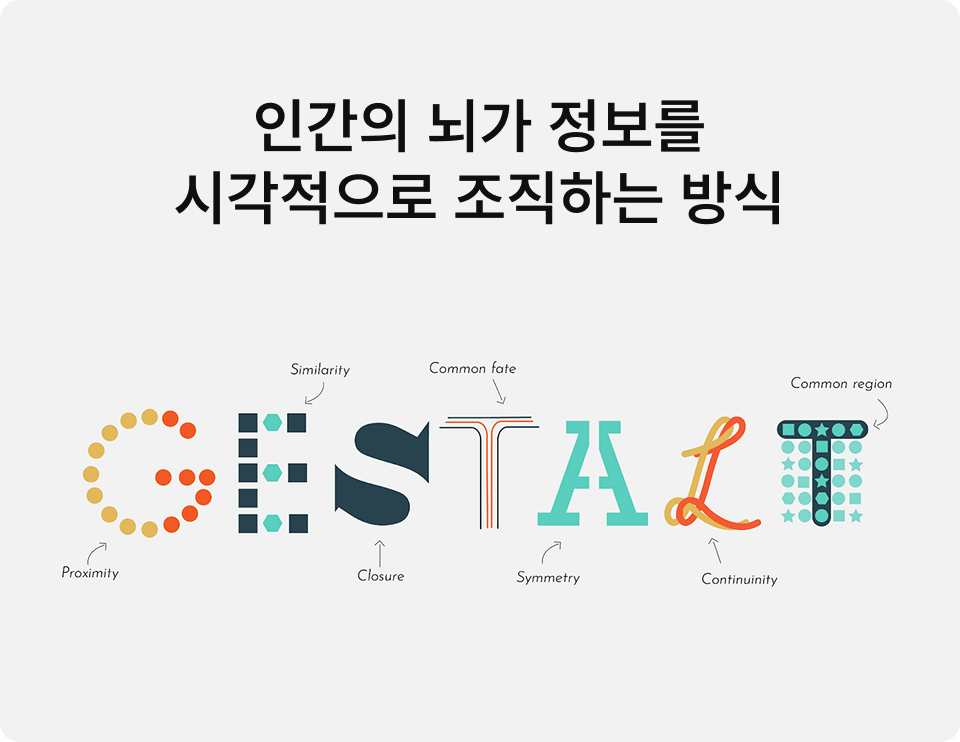
This course doesn't give you the irresponsible advice of "just make it pretty." Based on [Gestalt psychology], which explains how the human brain processes visual information, it teaches you why designs look good, as clearly as a mathematical formula.

✅ 10 Core Principles We'll Learn

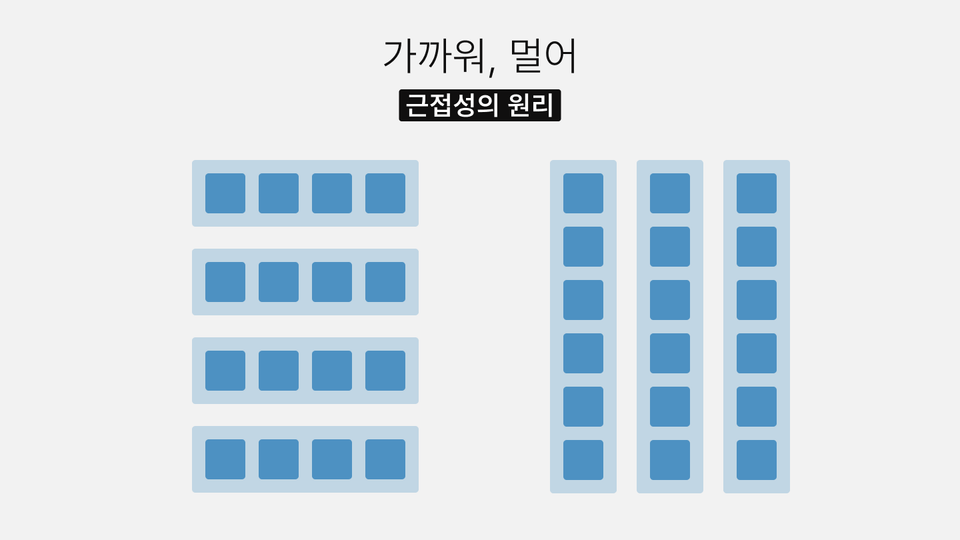
Principle of Proximity: Things that are close together appear grouped

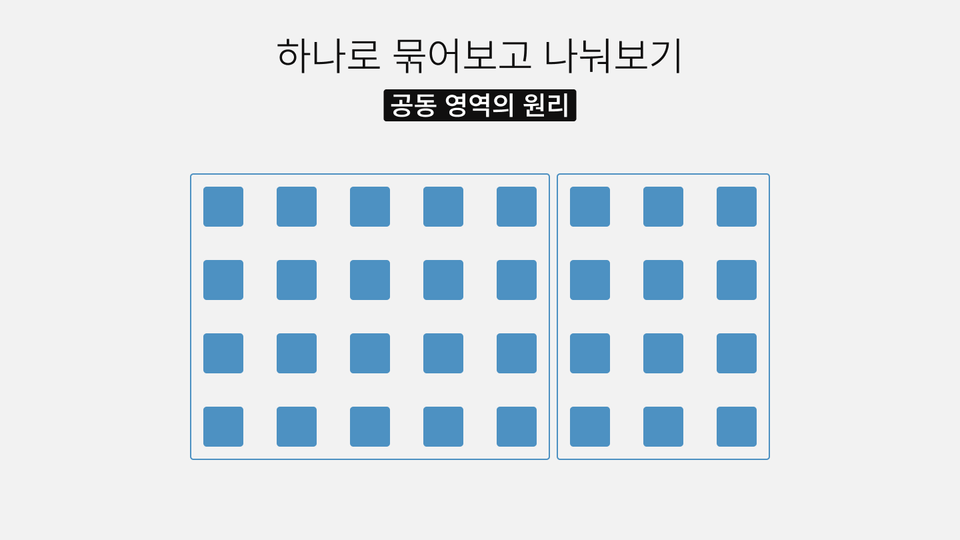
Principle of Common Region: When enclosed in a box, they are perceived as one

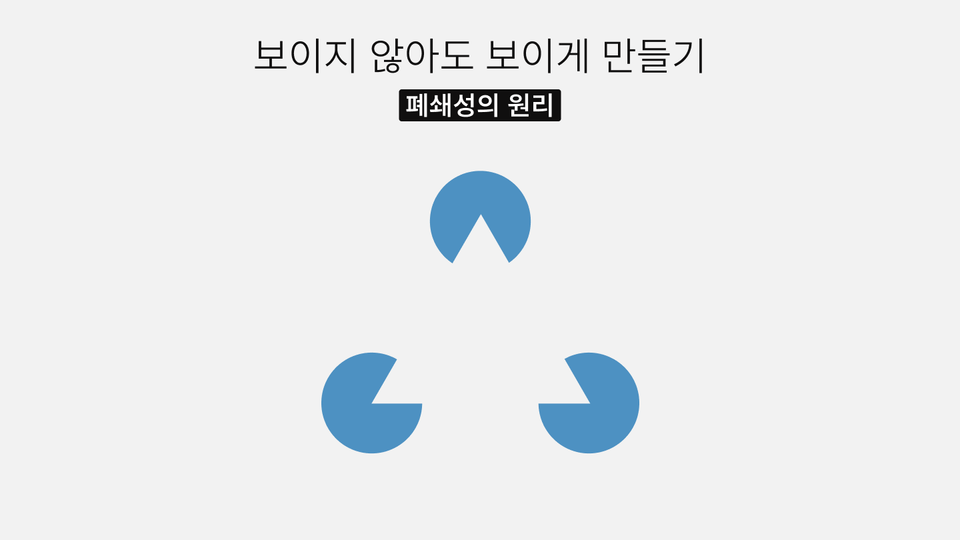
Principle of Closure: We imagine the whole even when parts are cut off

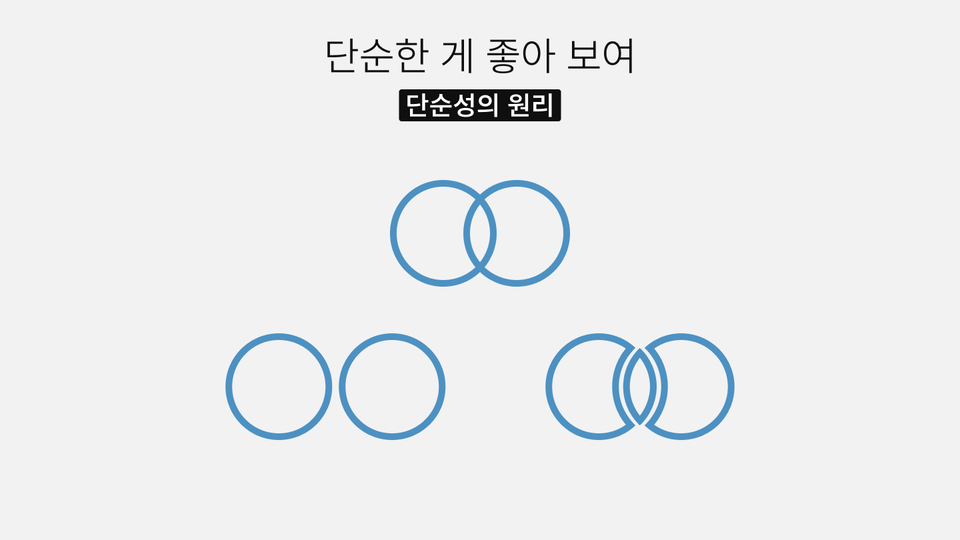
The Principle of Simplicity: The Brain Prefers Simple Things

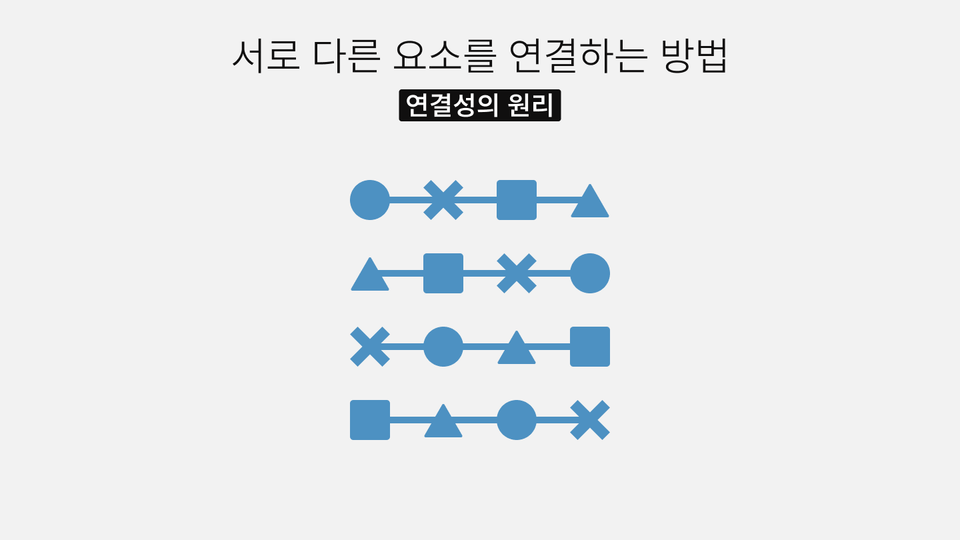
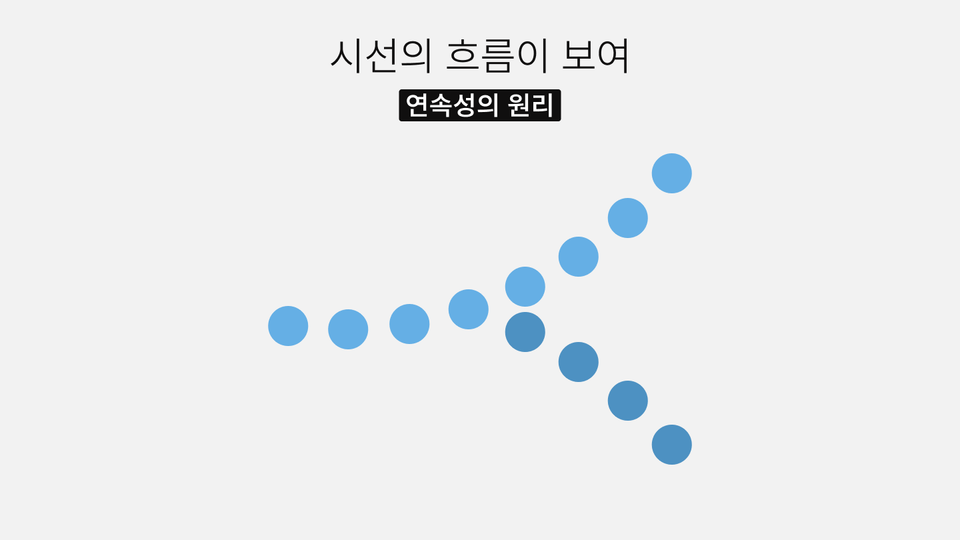
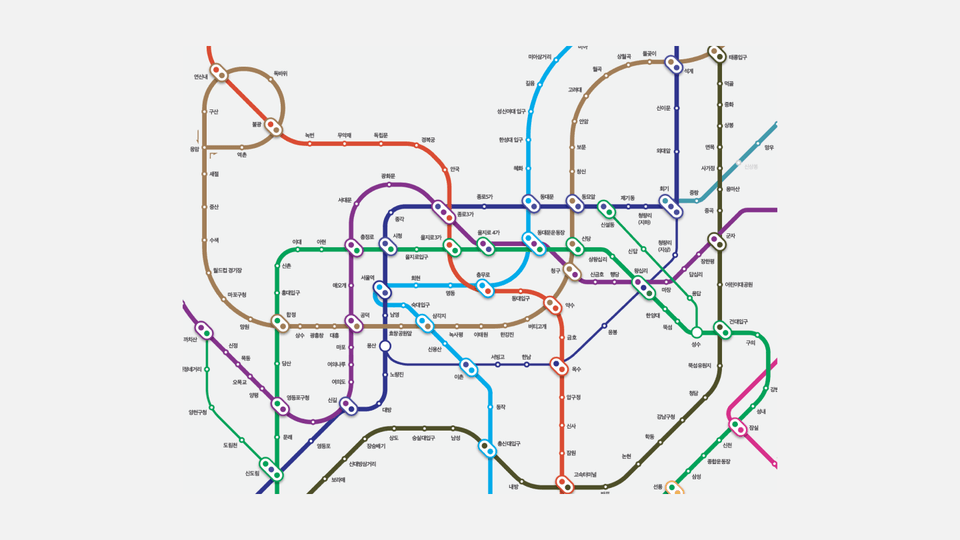
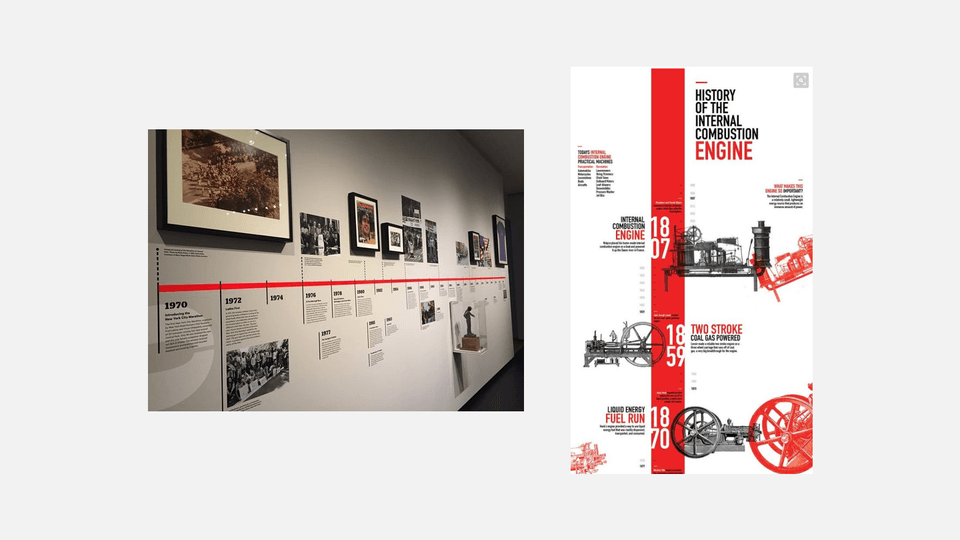
The Principle of Connectivity: Creating Order and Flow with a Single Line

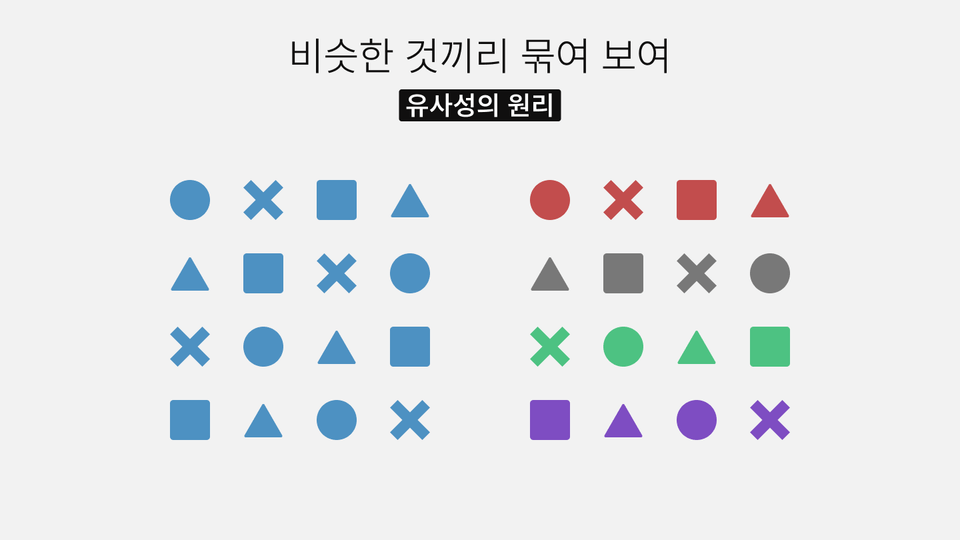
Principle of Similarity: Same colors are perceived as the same group

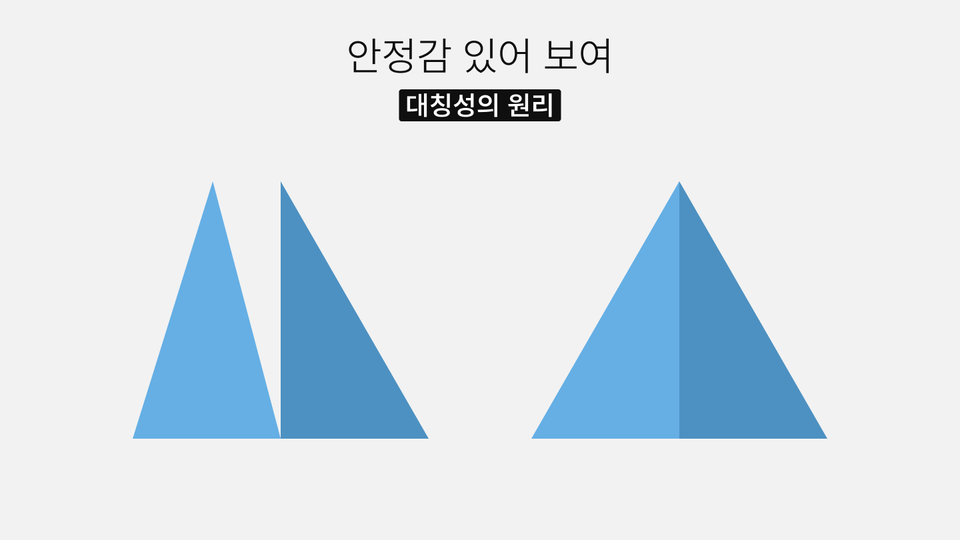
Principle of Symmetry: Symmetrical forms provide a sense of stability

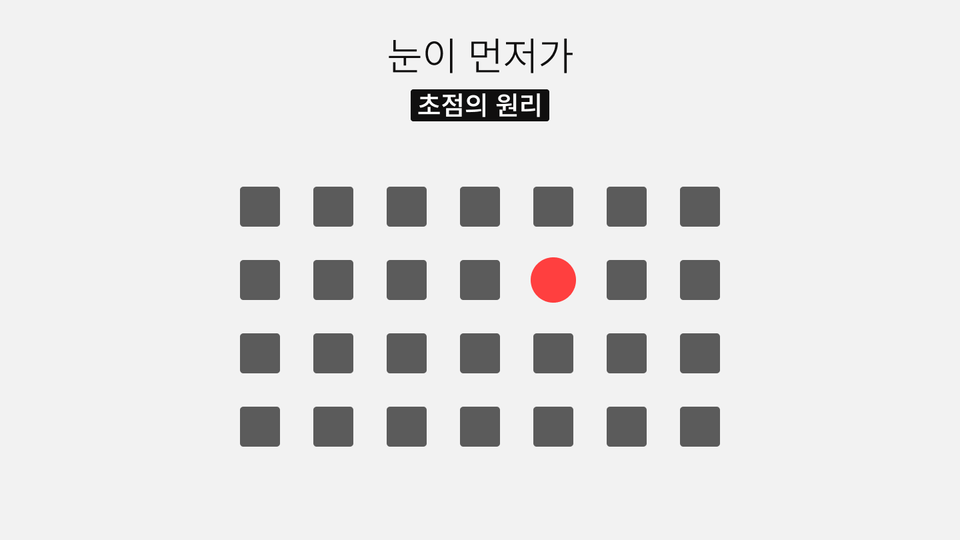
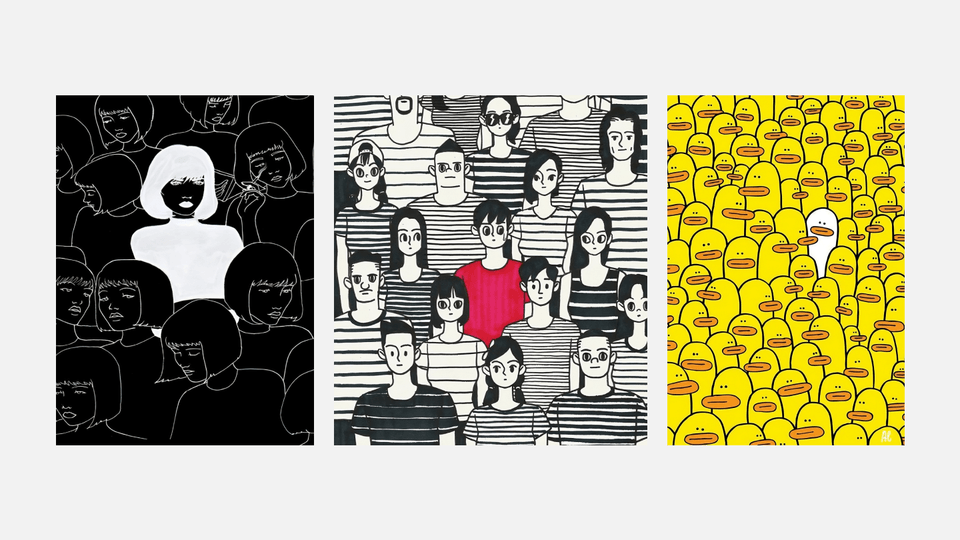
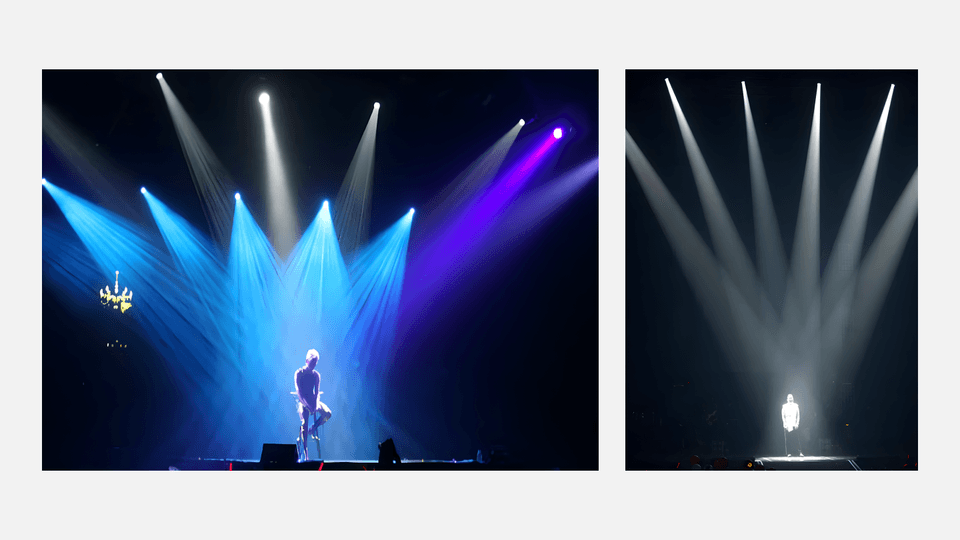
The Principle of Focus: Our eyes are drawn to elements that stand out from their surroundings

Principle of Continuity: Elements connect as a flow even when interrupted

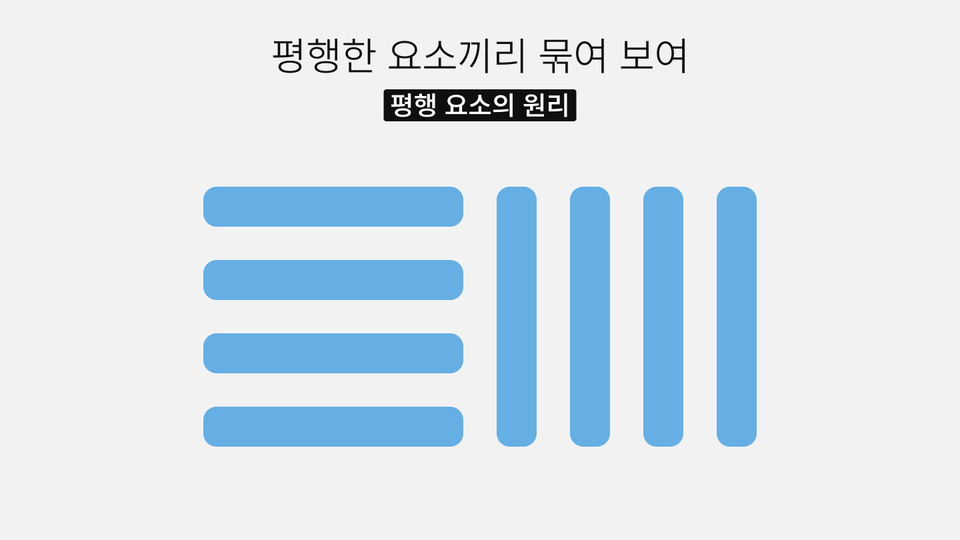
Principle of Alignment: Elements with the same direction are perceived as a group

5. Theory is 10%. 'Real-world examples' are 90%

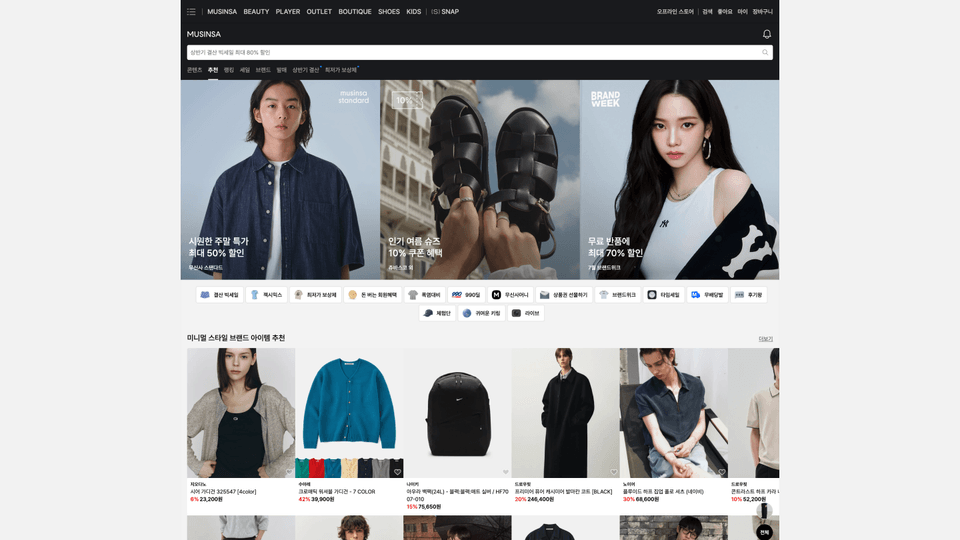
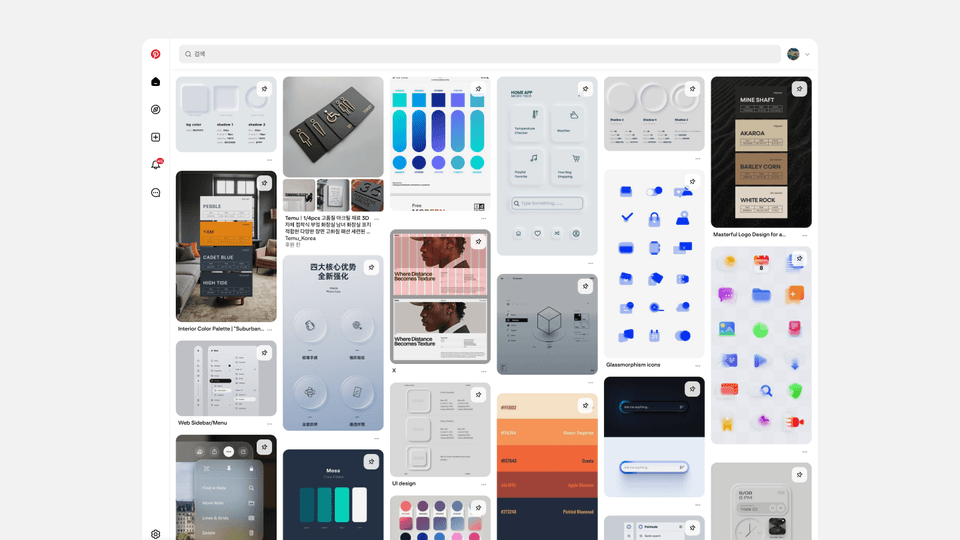
We reduce conceptual explanations and analyze various examples and actual service screens one by one.
Visually confirm the principles of 'why it looks good' and take away design formulas you can apply to your own work.

6. Practical Examples to Master the Laws 100%

It doesn't end with just learning theory.
We show you the entire process from start to finish of transforming real-world project briefs you might encounter in the field into 'logical UX/UI'.

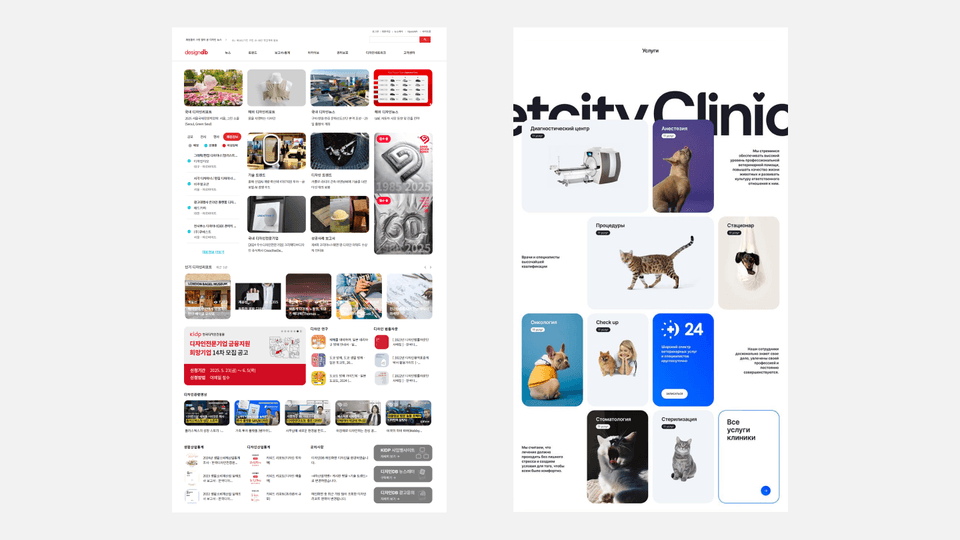
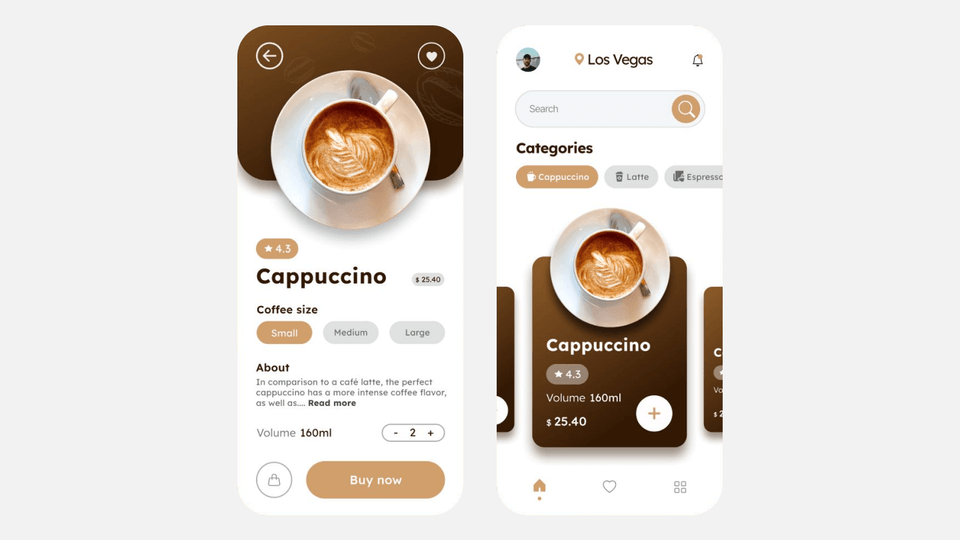
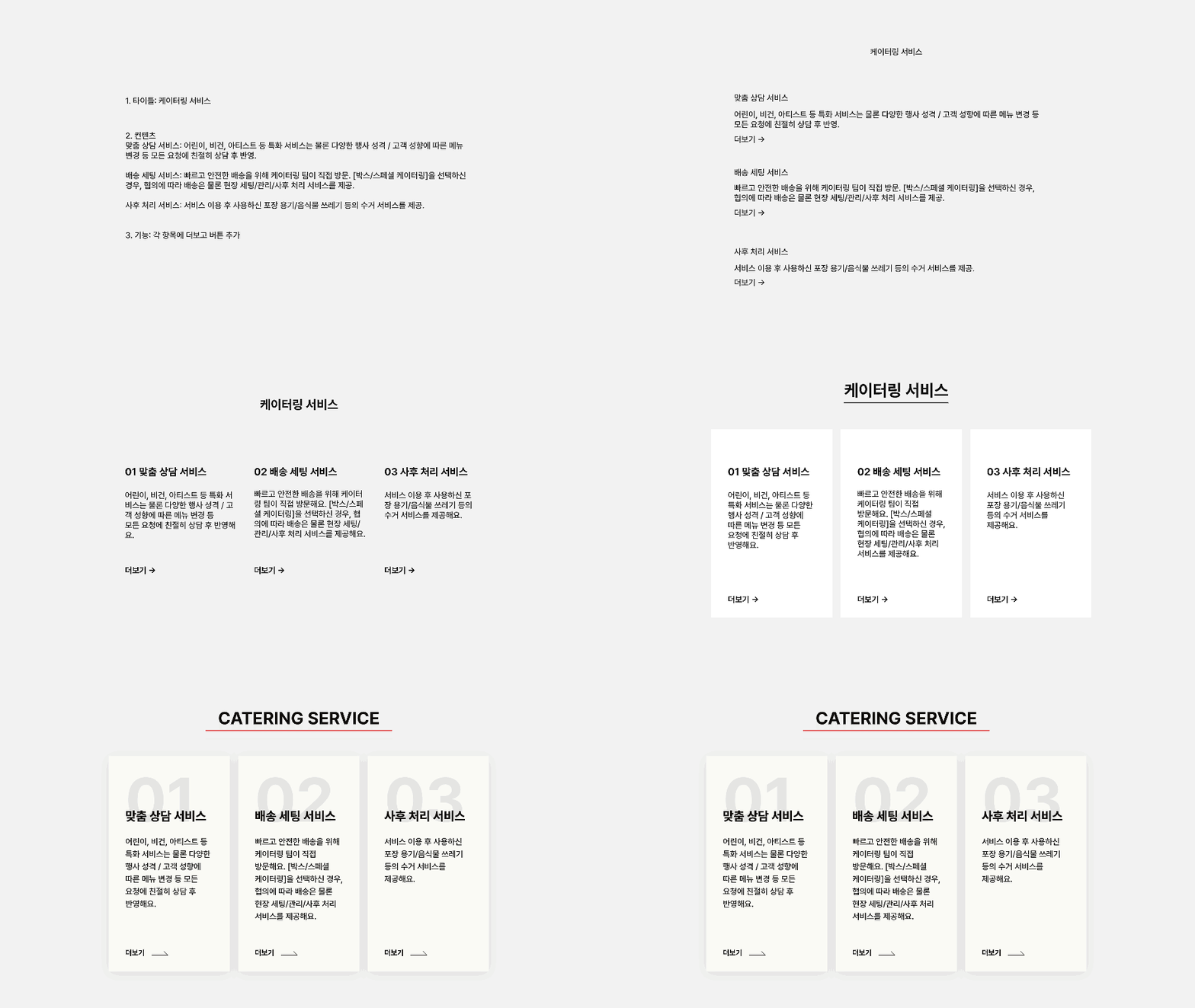
1. Service Introduction Screen

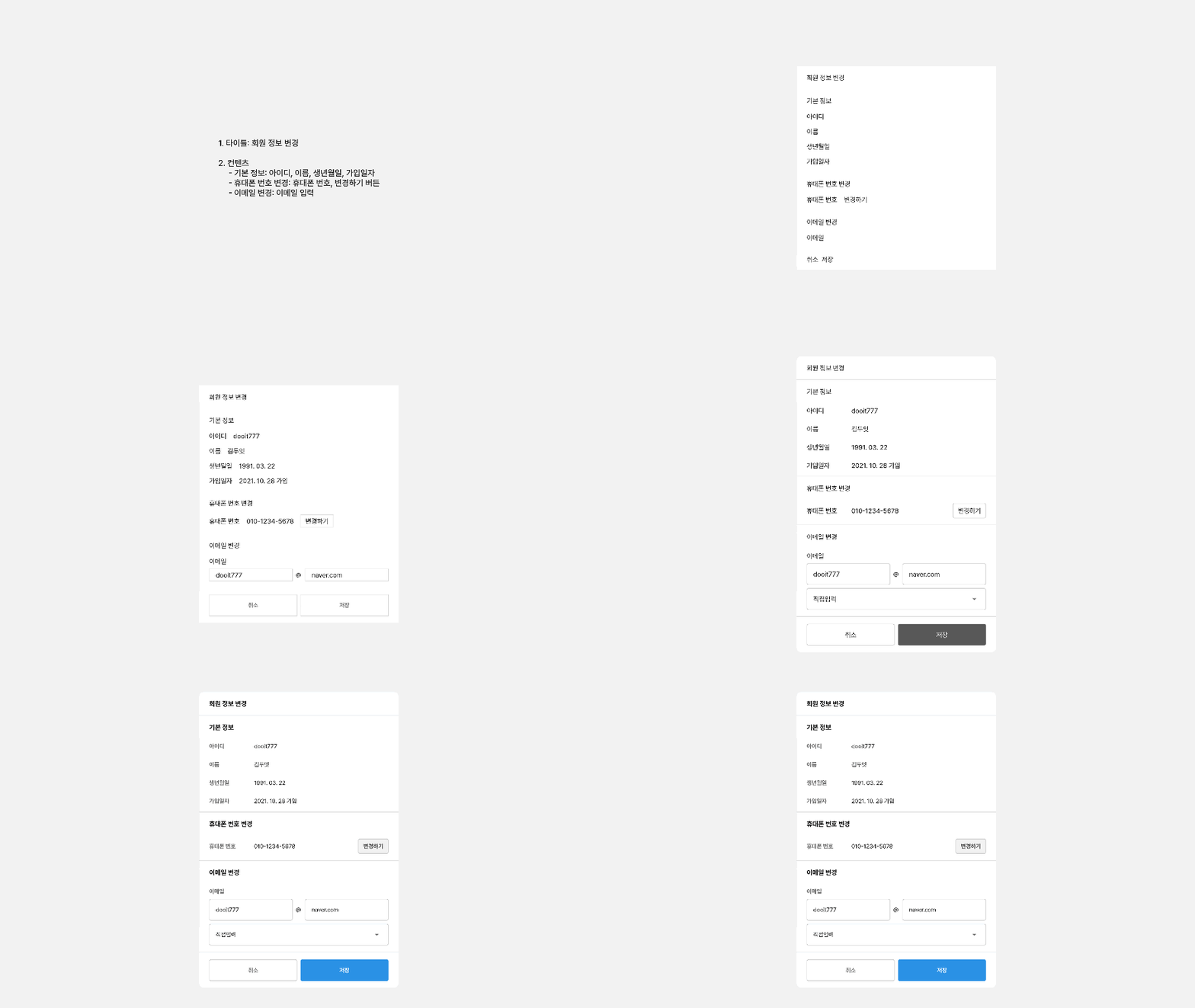
2. Changing Member Information

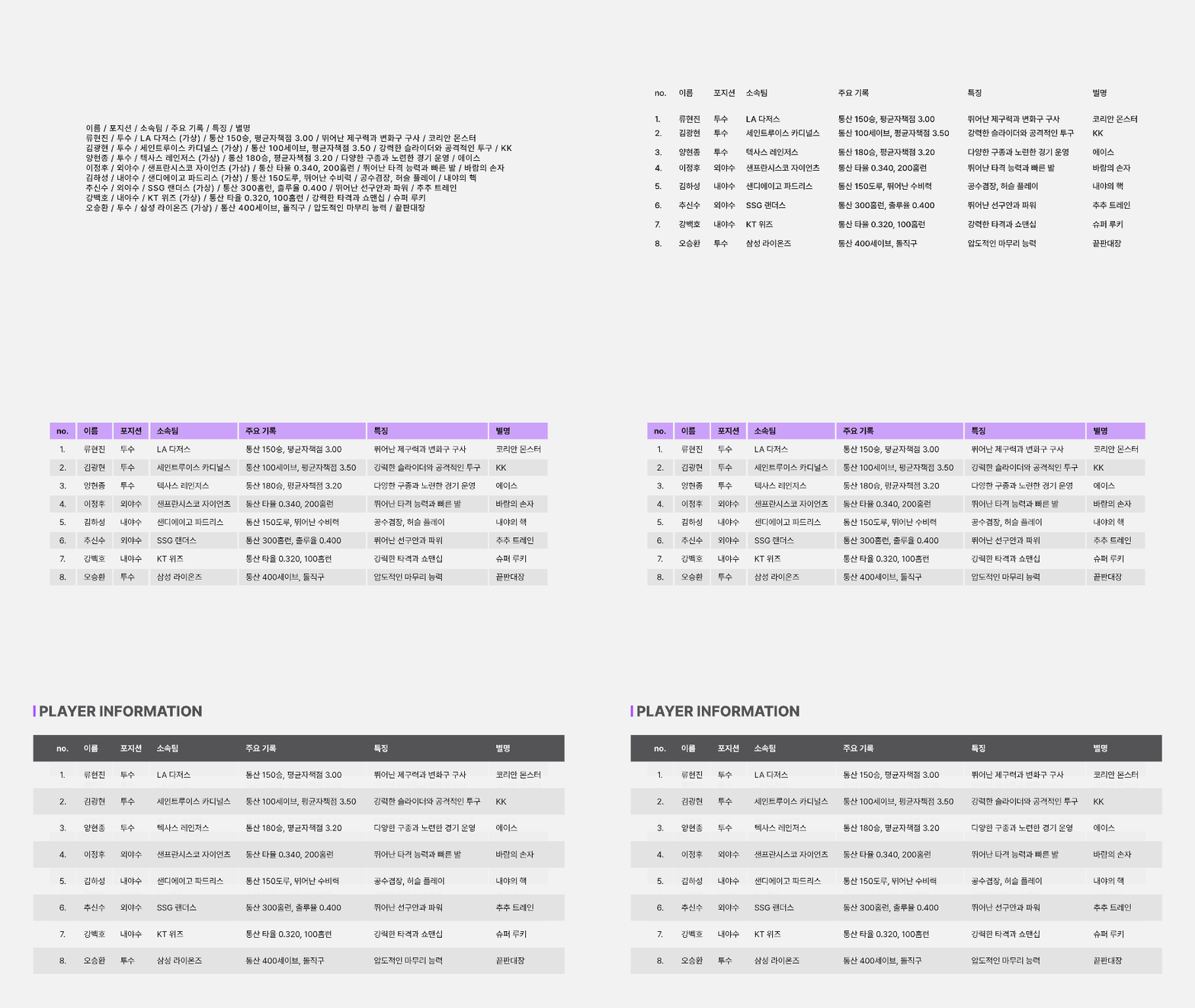
3. Table Design

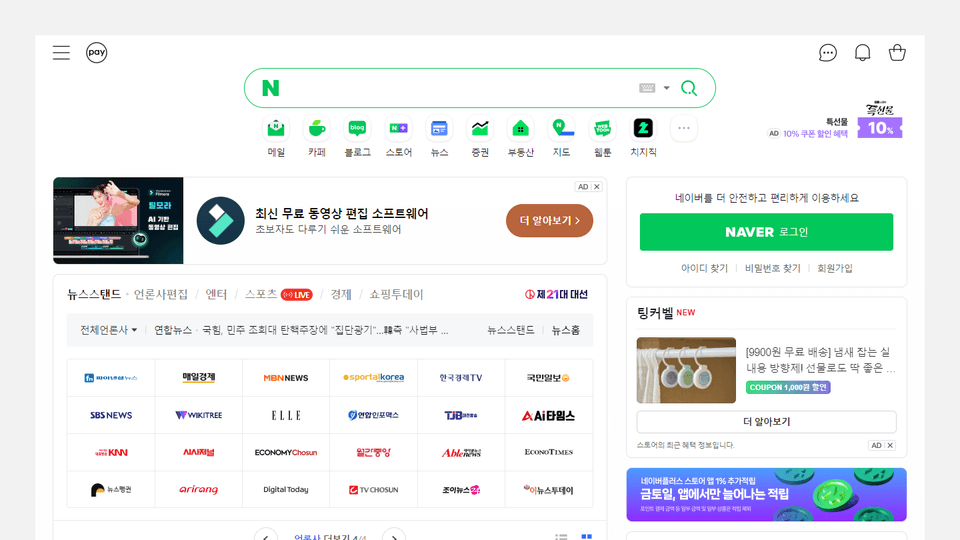
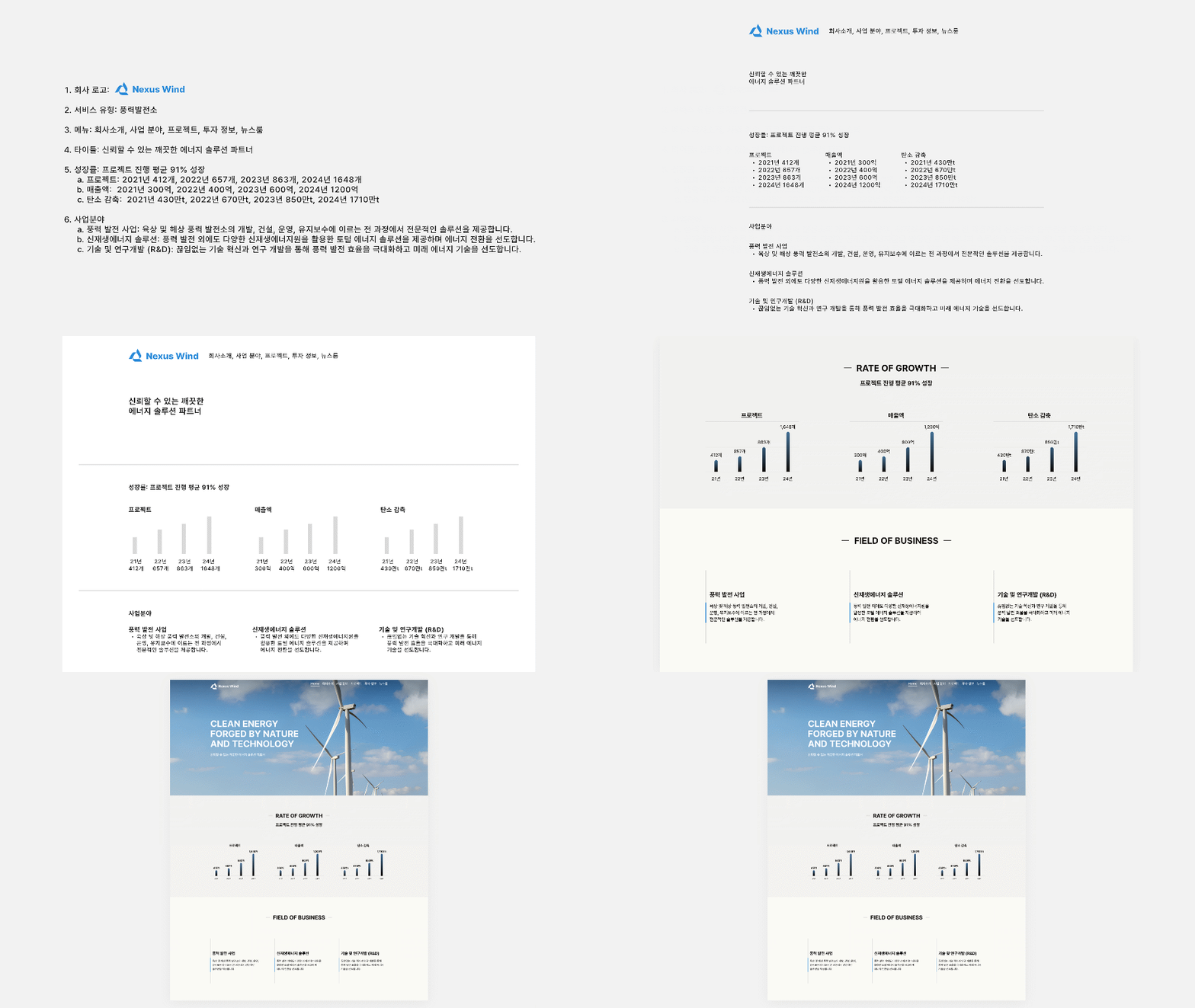
4. Enterprise Services Main Page

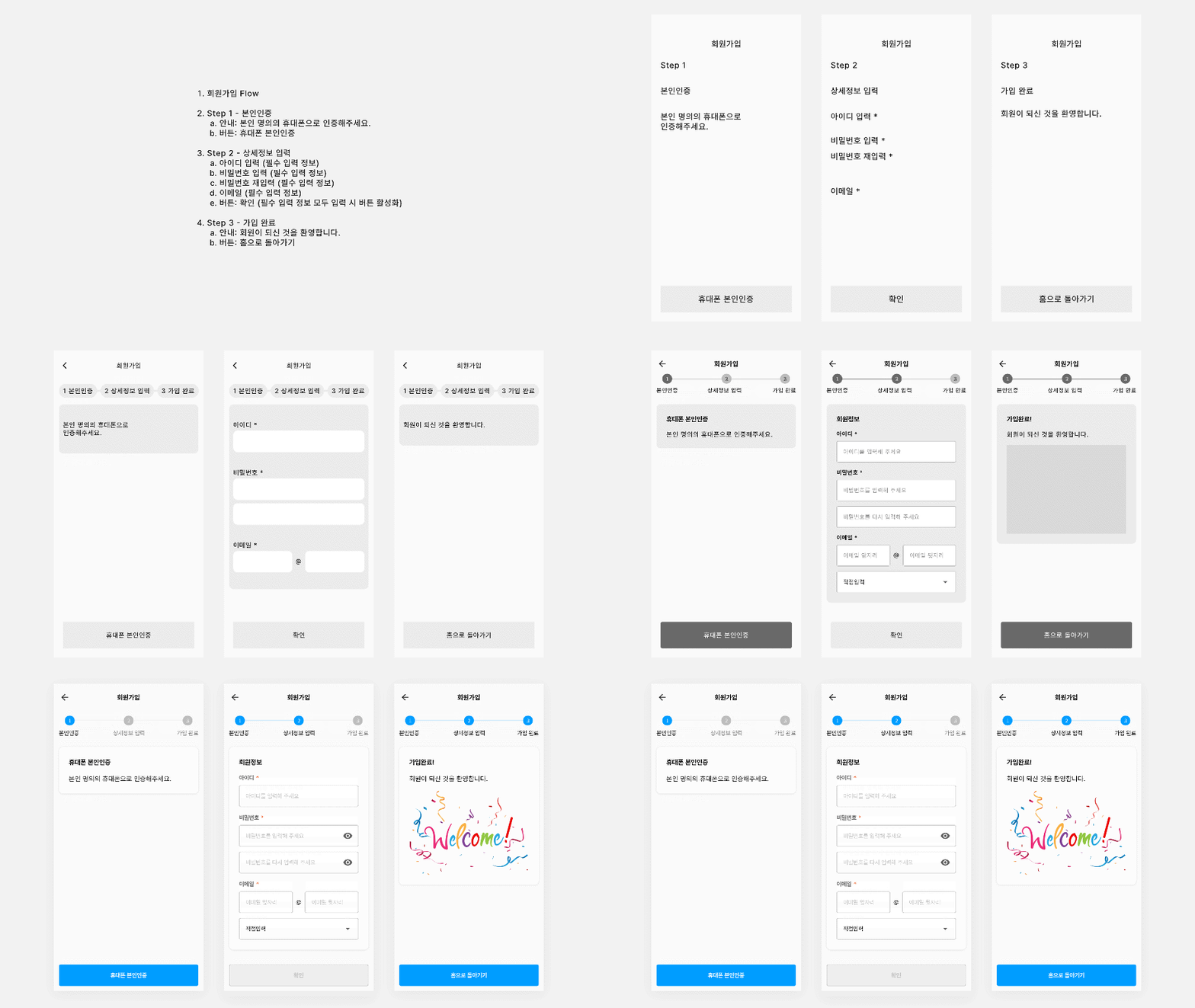
5. Sign-up Flow

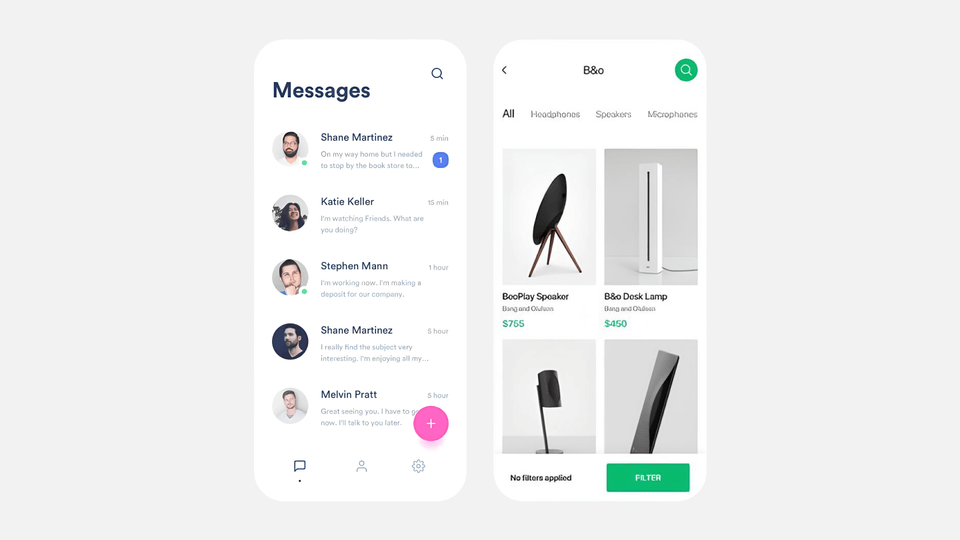
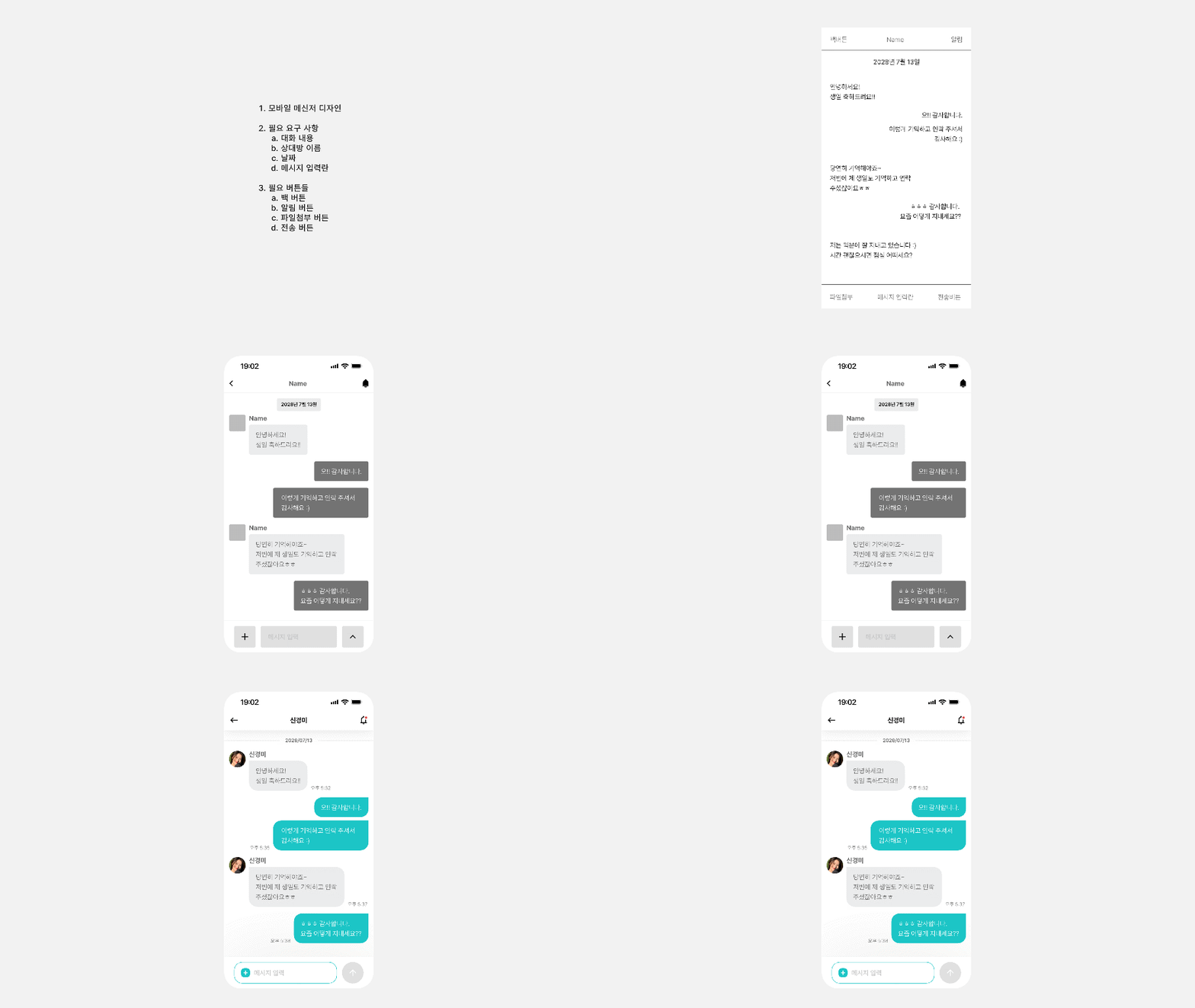
6. Mobile Messenger

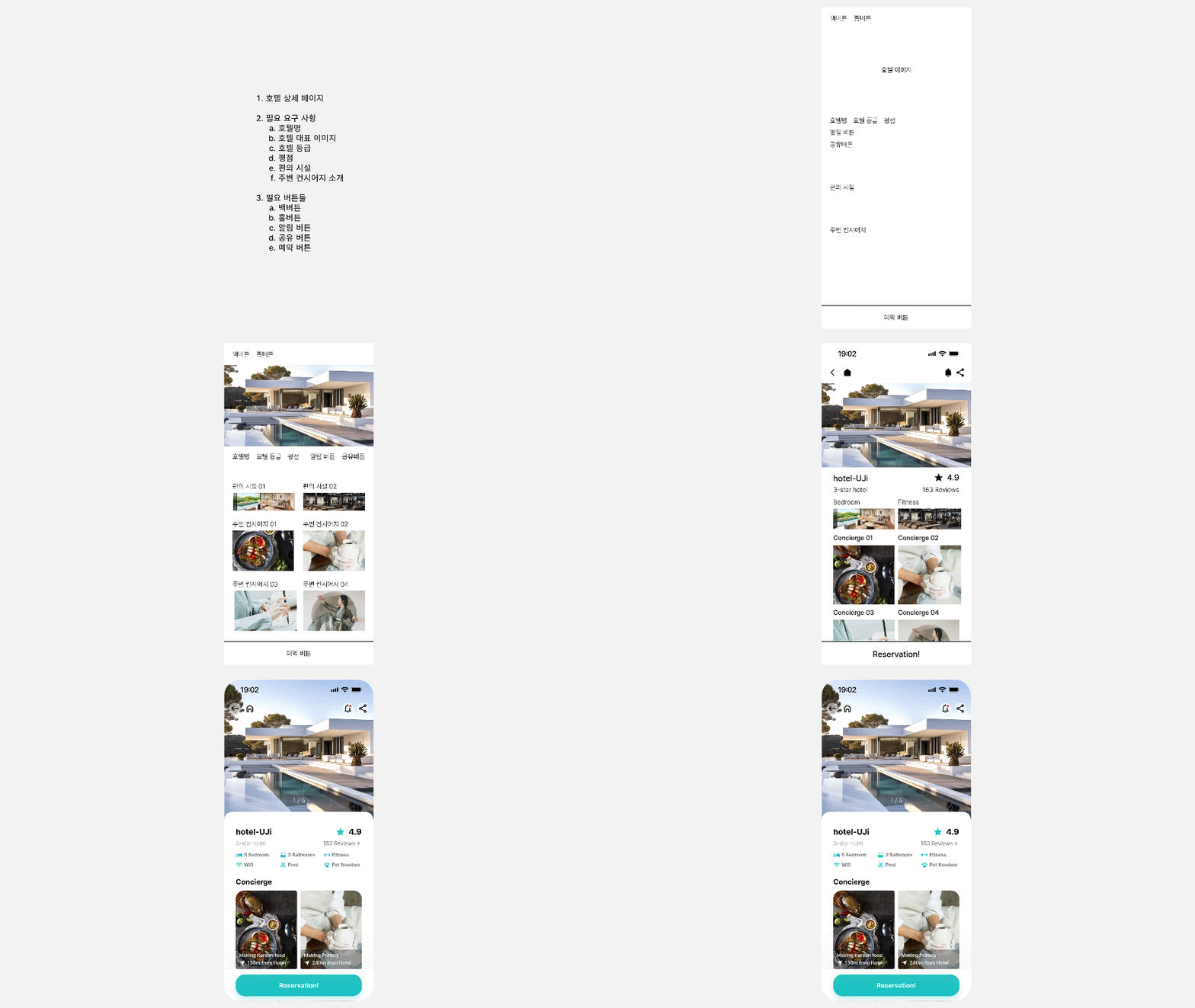
7. Detail Page

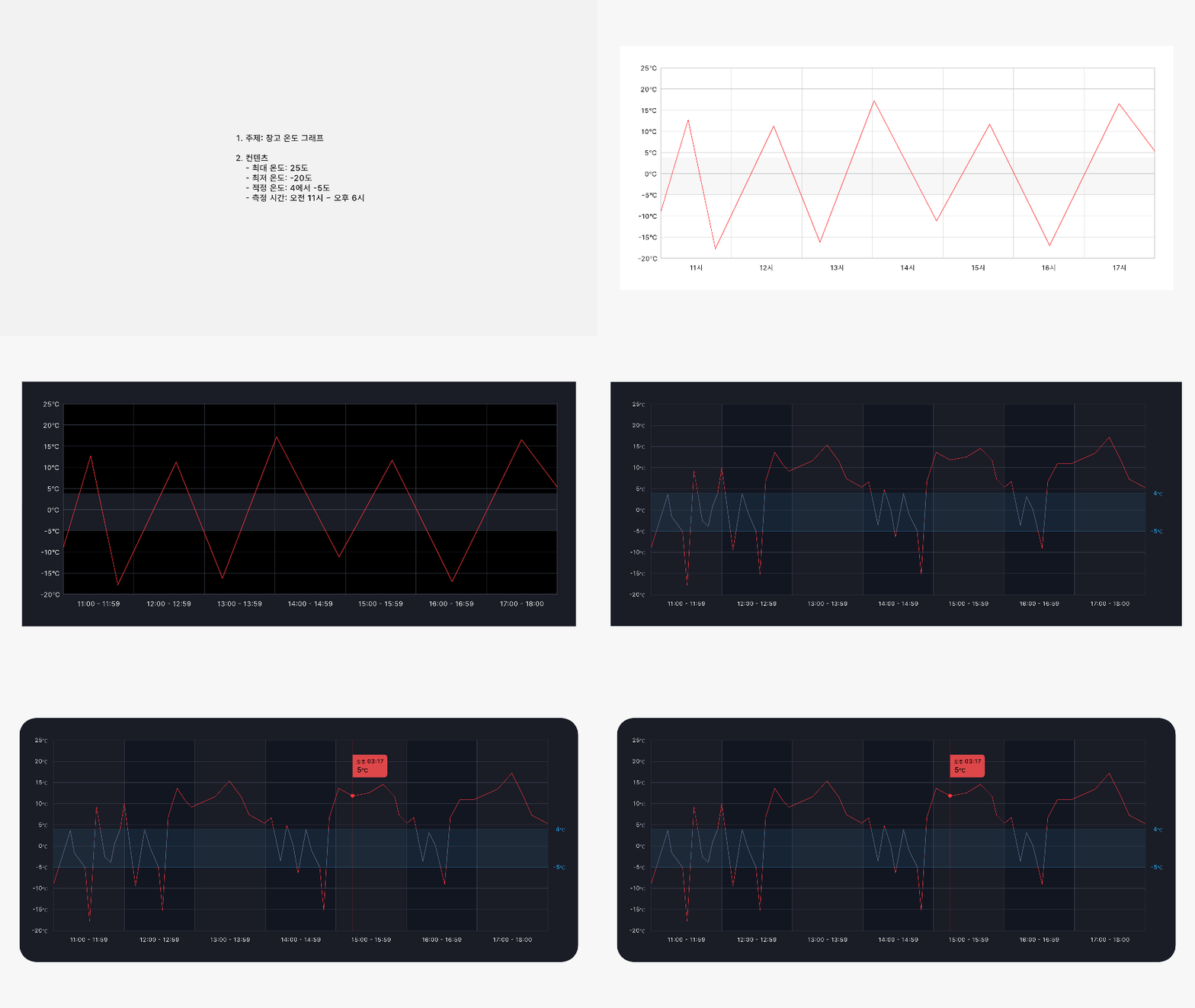
8. Graph Design

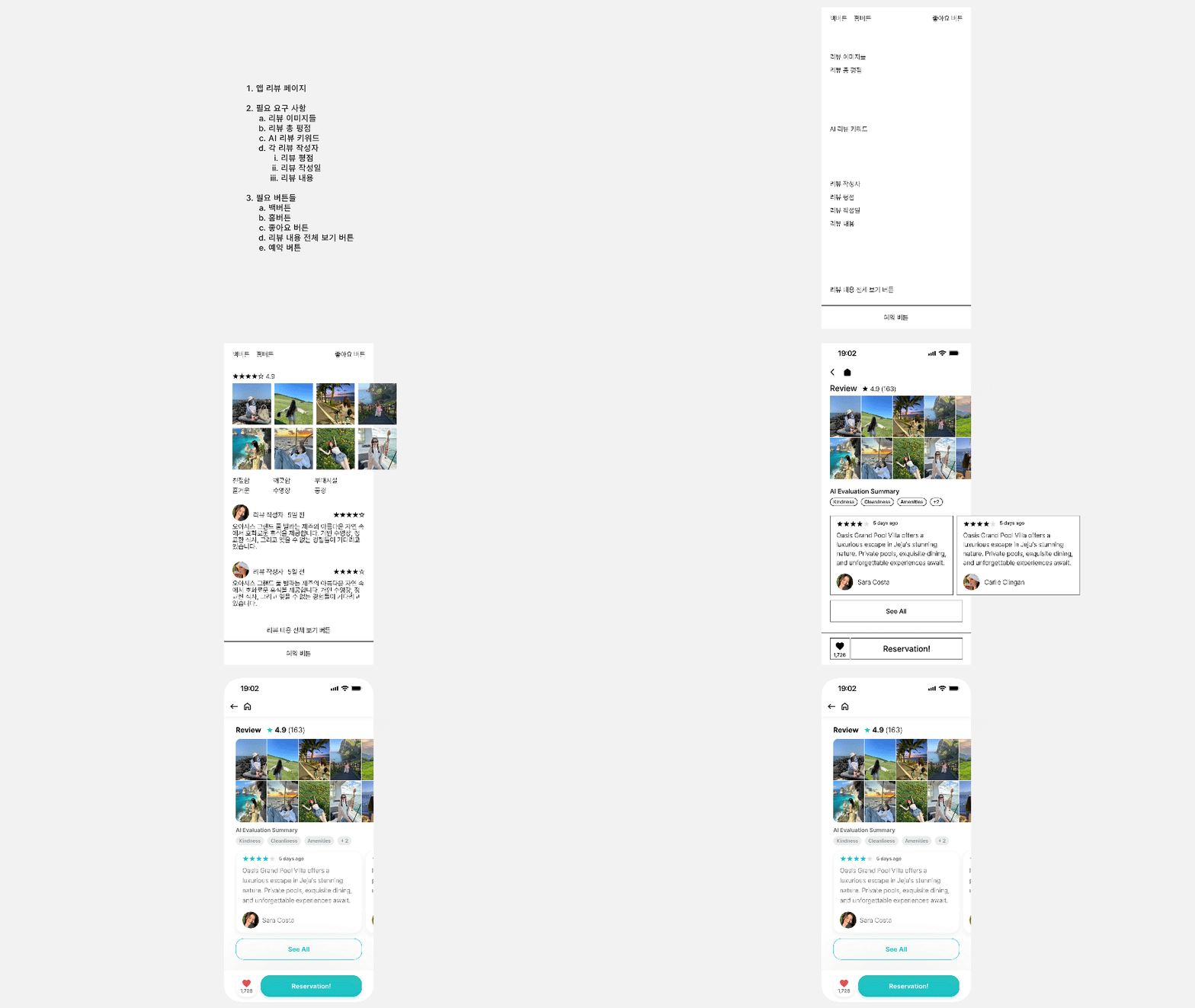
9. Review Page

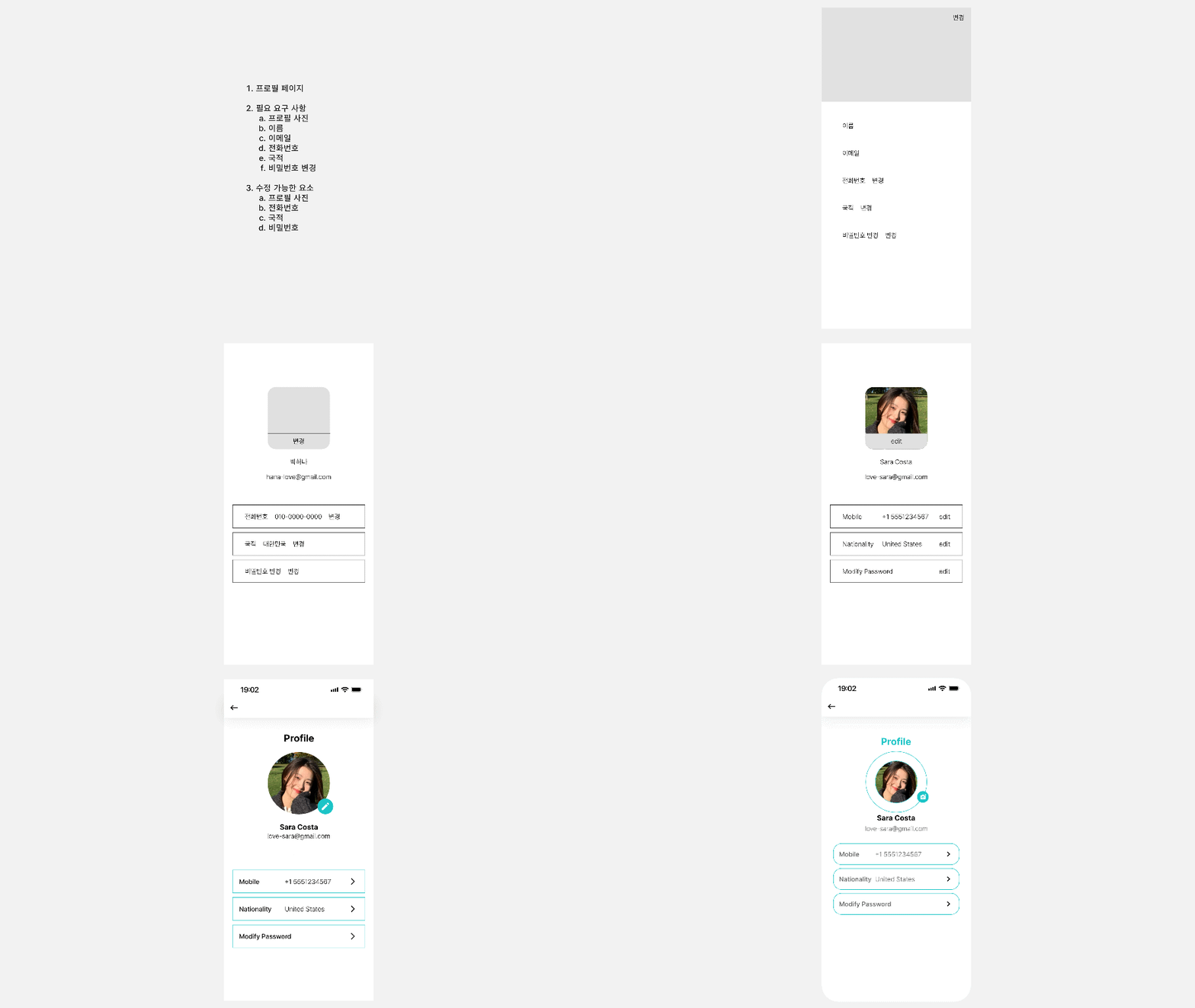
10. Profile Page

🎯 Strongly recommended for those who

  • For those who use AI tools but lack confidence in the results: We provide clear standards for those who are always uncertain whether their chosen design is right.

  • Developers struggling with design sense: Those who want to learn design with clear-cut logic, just like coding.

  • Junior designers/planners without a mentor: Those who are at a loss for words when asked "Why did you design it this way?"

💡 Preview of Student Q&A


Q. Do I need to be proficient in design tools (like Figma)?
A. No! This course focuses on developing 'design thinking (Why)' rather than tool usage (How). Once you understand the principles, you can create excellent designs even with PowerPoint or hand-drawn sketches.


Q. Can non-majors understand this?
A. Yes! While psychological terms (such as Gestalt) appear, they are explained through easy everyday examples like supermarket displays, closet organization, and subway maps, so you don't need to worry.

🚀 Enroll now and equip yourself with a lifelong 'design eye'!

Recommended for
these people

Who is this course right for?

  • "Why did you design it this way?" - A designer who finds themselves in an awkward position, only able to say "I just felt it looked good"

  • A planner staring at an empty screen, unable to figure out how to arrange things for user convenience

  • Developers frustrated by their self-made screens looking rough and outdated

Hello
This is

반갑습니다! 여러분의 멘토 Doo it입니다.

UX/UI 디자인 시장에서 16년, 강산이 한 번 반이나 변하는 시간 동안 현장을 지켜온 디자이너에게는 특별한 노하우가 있습니다. 저는 ERP, 여행, 포털, 이커머스 등 가장 복잡하고 설계하기 까다로운 산업 현장에서 수많은 경험을 해왔습니다. 이러한 경험과 노하우를 전해 드리고 싶습니다.


최고의 지원자

저는 여러분이 디자인 분야에서 꿈을 이루고, 최고의 전문가로 성장할 수 있도록 아낌없이 지원할 것입니다. 저와 함께 즐겁게 배우고, 함께 성장하는 경험을 만들어 보세요!


주요 이력

(현) 이커머스 서비스 프로덕트 디자이너

(전) 스타트업 CDO, 대기업 프로덕트 디자이너

Curriculum

All

30 lectures ∙ (2hr 23min)

Course Materials:

Lecture resources
Published: 
Last updated: 

Reviews

Not enough reviews.
Please write a valuable review that helps everyone!

Limited time deal

$25,740.00

40%

$33.00

Similar courses

Explore other courses in the same field!