Data Science Using Machine Learning (RSSI Communication Error Correction Project, Coin Price Prediction Project)
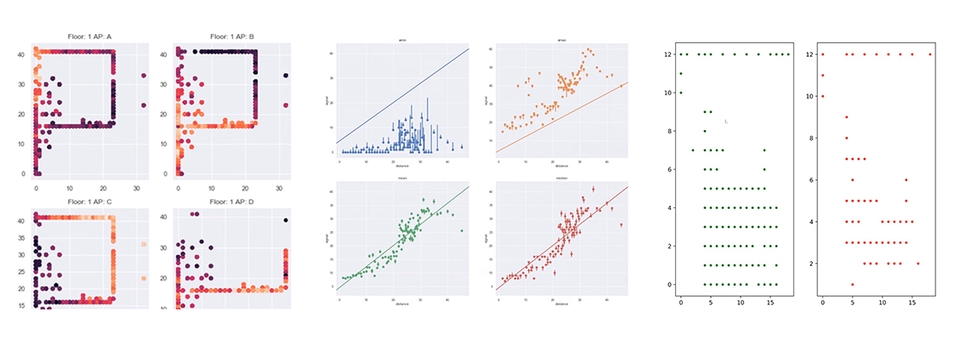
There are various approaches to data science. Among them, we will learn how to use scikit-learn (SKlearn), a machine learning library natively provided in Python. We will also explore various libraries necessary for data science, including Numpy, Pandas, metaplotlib, and Seaborn, and their usage. This intermediate and advanced course will explore how data science is applied in the real world, including projects for correcting errors in Bluetooth or WiFi beacon measurements and predicting market fluctuations for coins. This course will explore how data science is applied in the real world and how to select various algorithms and learning models.
Learning Objectives
Understand the general concepts of data science.
You can follow along with simple data science tasks using machine learning.
Things to learn
Helpful people
Those who need a basic understanding of data science
For those new to machine learning
For those who want to know in which fields machine learning algorithms are applied
Those who want to learn step by step through examples used in the field in addition to the basic examples in the book
Hands-on project
Note
Prerequisite: Basic Python Grammar
Development tool: Anaconda 3.5 (with Spyder)
Introduction of knowledge sharers
Lim Hak-su
Backend middleware programmer in Perl, Java, C#, Python, GO, and C/C++. NoSQL and BigData tool engineer for Hadoop, MongoDB, Redis, and ElasticSearch. DBMS administrator for MariaDB, Oracle, and MSSQL. ERC20-based token developer. Machine learning developer (Socail Crawling using Python and Go, A/B Testing, and ML-based data analysis tools).
There were many reasons for evaluating the recording status.
I listened to the audio while coding the lecture, but the audio was too uncomfortable.
The content was interesting.
The recording quality wasn't great (there was a lot of noise, wind noise, etc.), but I think this can be easily fixed by replacing the equipment.
I was able to get a rough idea of what learning methods there are and what results they produce.