
inflearn logo
inflearn logo

Building a Python Trading Room for Quantitative Investing - Part 3

In Part 3 of Creating a Python Trading Room for Quant Investment, you will learn about portfolio theory and concepts necessary for real investment, as well as how to implement them with code. In Parts 1 & 2, you mainly learned about code implementation methods for analyzing financial data, and in Part 3, you will learn about 'portfolios', which are an important part of quantitative investment. With the question of why you should create a portfolio, you will learn portfolio theory, implement it in Python, and practice the code necessary for real portfolio investment. I hope this lecture will be helpful for your own portfolio investment.

(5.0) 수강평 6개

강의소개.상단개요.수강생.short

난이도 중급이상

수강기한 무제한

Quant
Quant
Python
Python
Investment
Investment
Financial Engineering
Backtesting
Backtesting
Quant
Quant
Python
Python
Investment
Investment
Financial Engineering
Backtesting
Backtesting

먼저 경험한 수강생들의 후기

먼저 경험한 수강생들의 후기

5.0

5.0

BACK HO KIM

99% 수강 후 작성

I ran through parts 1 to 3. As a developer with 10 years of experience, I tried to manage my personal assets through finance, and it helped me a lot in lowering the entry barrier. I also liked the content I studied for my past big data analysis article. I will cheer for the next lecture. Thank you.

5.0

hakjuknu

9% 수강 후 작성

great!

5.0

김기한

100% 수강 후 작성

It's easy to understand. The lectures aren't too long.

강의상세_배울수있는것_타이틀

  • Financial and mathematical foundations required for quantitative investing

  • Creating a portfolio using momentum

  • Portfolio theory and python code implementation

  • How to implement the code needed to backtest your own investment strategy

  • Understanding Bond Products

  • A taste of implementing financial modeling code

Portfolio Theory & Practical Investment for Investment

Building a Python Trading Room for Quantitative Investing Part 3

In Part 3, we'll learn about "portfolios," a crucial part of quantitative investing. We'll explore portfolio theory, practice it in Python, and implement a portfolio strategy using momentum. We'll also practice implementing essential investment concepts and simple strategies in Python.

Section 1. Portfolio Theory

  • What people are talking about: portfolios. Why should we learn about portfolios?

  • Is a portfolio essential for investing?

    • By learning portfolio theory, you will be able to solve this question.

    • Rather than simply learning the theory, you will develop a sense of how to do financial modeling in Python by implementing a portfolio in Python.

  • If you're learning portfolio theory, you'll learn about the Efficient Frontier & Capital Market Line (CML), a topic that's sure to come up.

  • You will also learn about the probability knowledge necessary to understand portfolio theory.

Section 2. Practical Portfolio and Practical Investment

  • Based on the portfolio theory learned in Section 1, you will learn about portfolio management principles and investment strategies to adhere to these principles.

  • We'll implement basic yet diverse investment strategies in Python. Through this, we'll also learn the considerations needed to implement investment strategies in code.


  • Learn about the momentum phenomenon in finance and portfolio strategies that leverage momentum.

Other 1. Bonds

  • This article delves into bonds, an asset class often discussed alongside stocks in portfolios. Should we really include bonds in our portfolios? And if so, why?

  • By learning more about the securities called bonds, we will have time to reconsider the question above.

What you'll learn in 'Section 1. Portfolio Theory'

Section 1. Correlation Coefficient

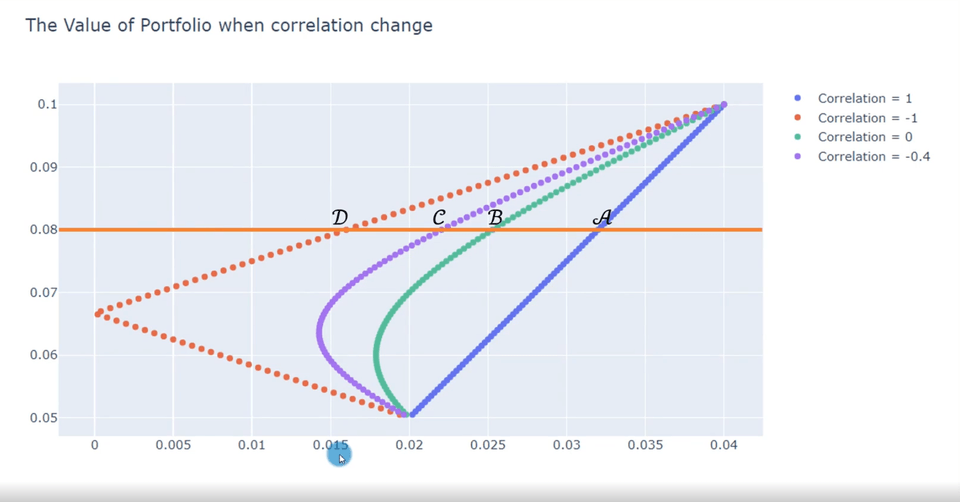
This exercise examines how the expected value of a portfolio's standard deviation changes as correlation coefficients between assets change. Which portfolio should you choose based on these changes in correlation coefficients?

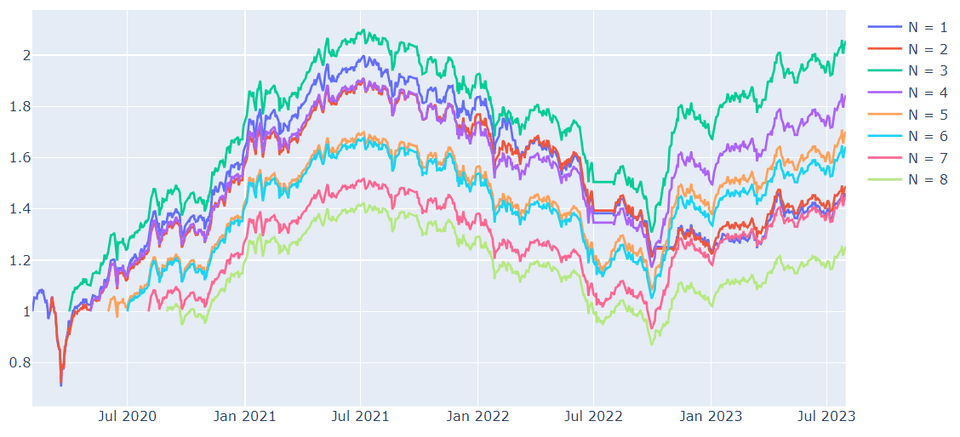
Section 1. Creating a portfolio of N asset classes

Take time to apply what you've learned in portfolio theory to actual financial data and interpret the results.

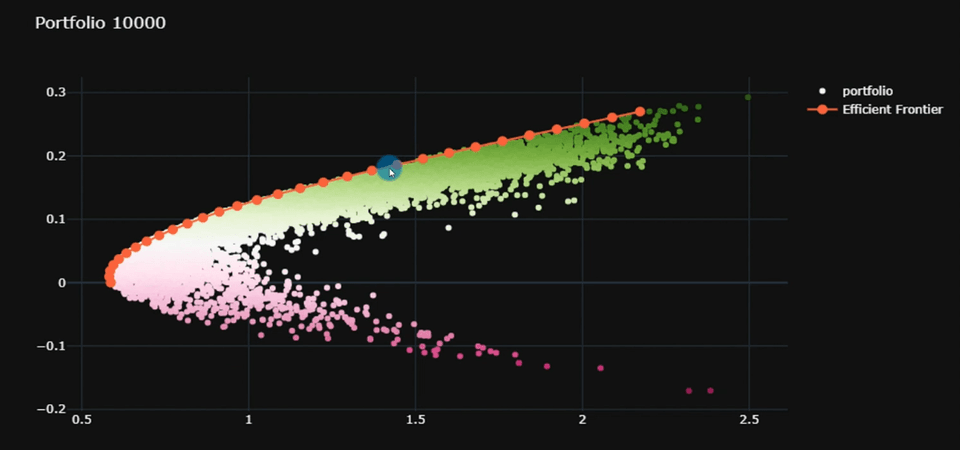
Section1. Efficient Frontier

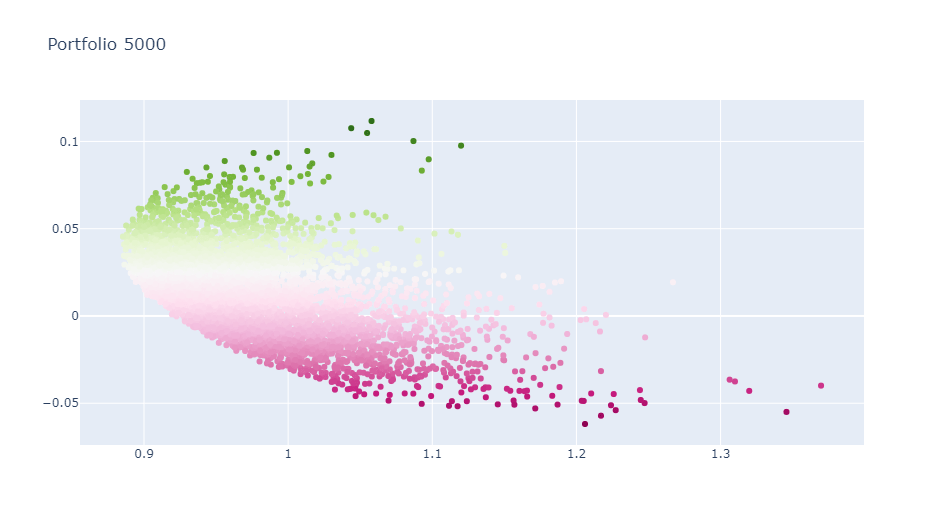
Take the time to extract random numbers to create an Efficient Frontier and interpret the results.

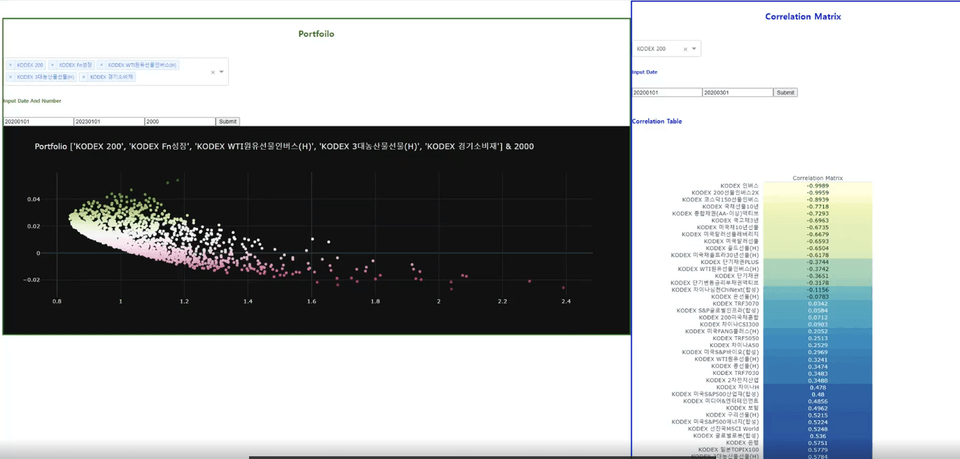
Section 1. Project Results

Take the time to create a portfolio Web Dashboard using actual data based on what you learned in Section 1.

Section 1. Project Results

What you'll learn in 'Section 2. Portfolio Practice'

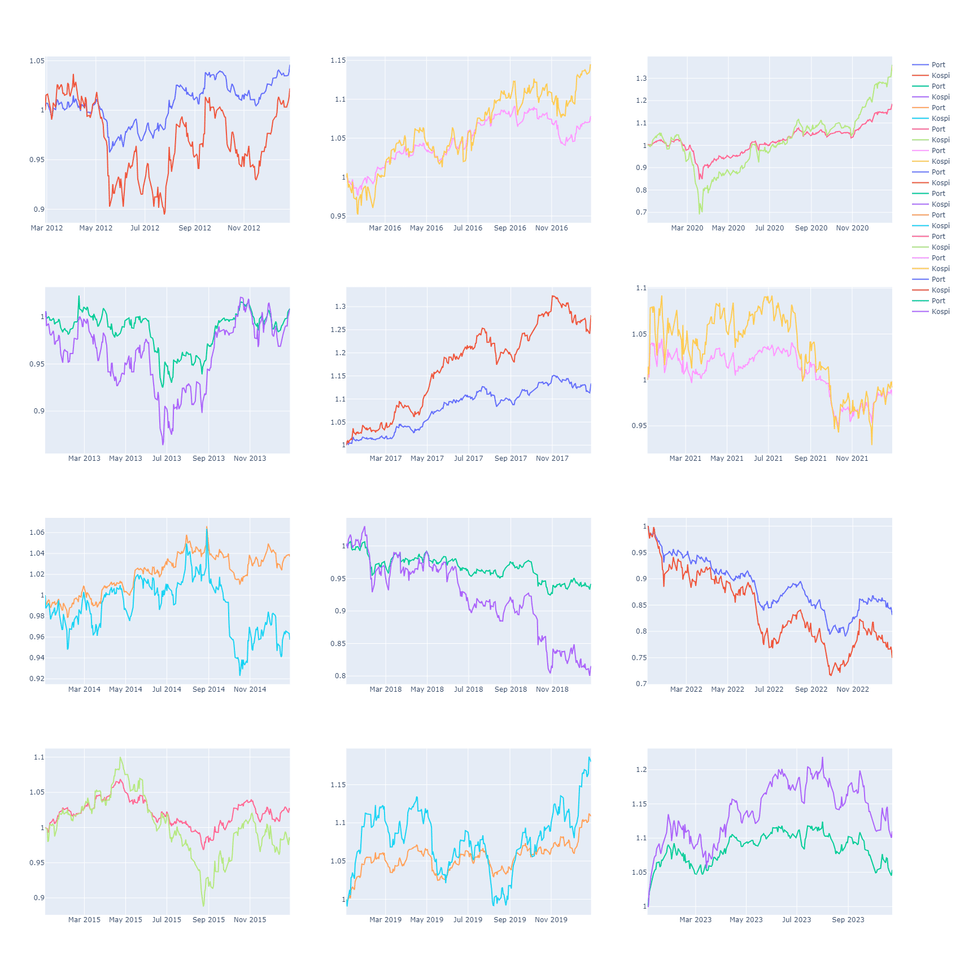
Section 2. Drawing Graphs by Year, Part 1 & 2

I took the time to write a function that shows Plotly at a glance what the strategy I implemented did for each past year.

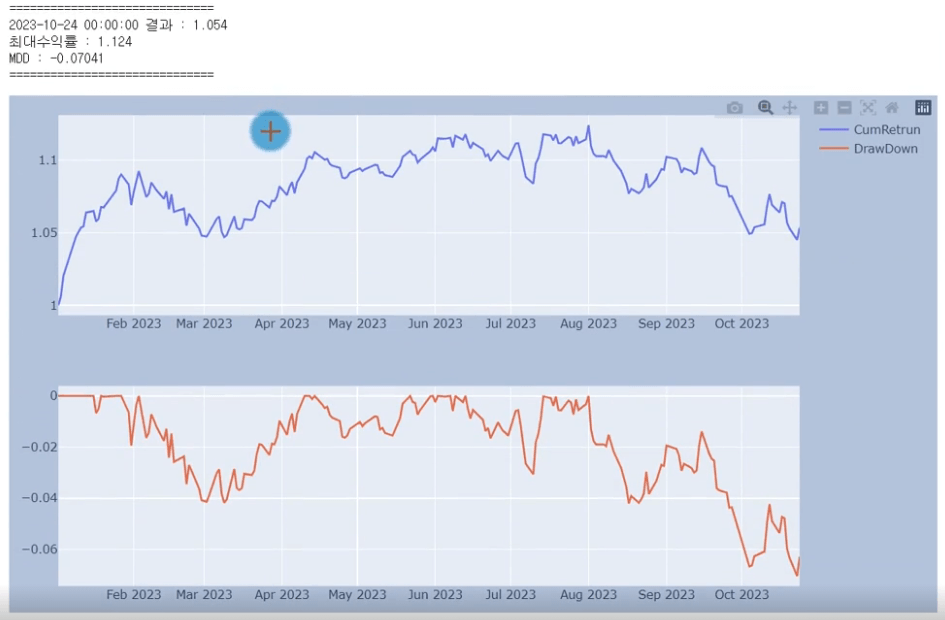
Section 2. Portfolio Investment Strategy Part 3 _ Part 1

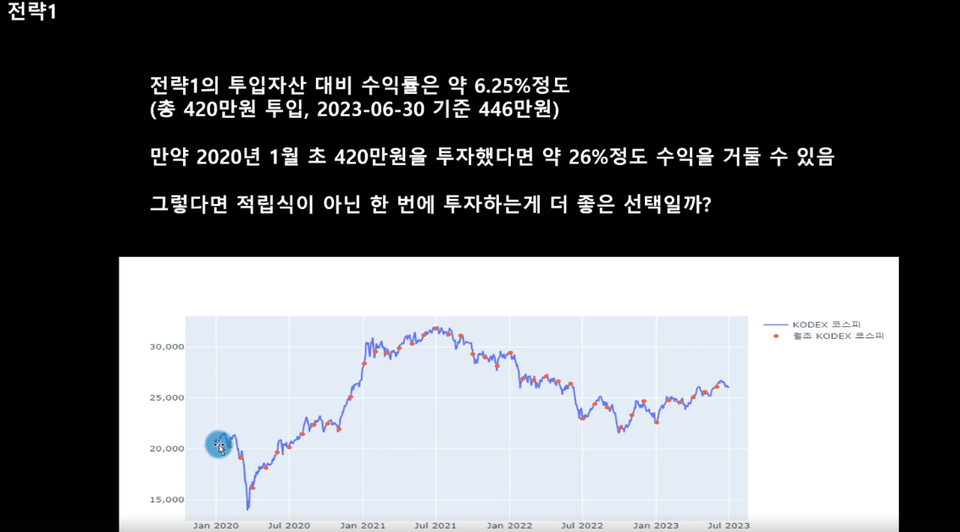
An example of creating a portfolio of stocks and bonds, the most basic portfolio among portfolio investment strategies, and examining the cumulative return and drawdown according to the weight.

Section 2. Portfolio Investment Strategy Part 2 _ Part 2

Take the time to implement various strategies and interpret the results of each strategy.

Section 2. Portfolio Investment Strategy Part 6

Implement a momentum portfolio using the 'momentum' strategy among portfolio strategies, and interpret how the results are derived according to the momentum index.

Section 2. Portfolio Investment Strategy Part 6: Momentum Strategy Code Practice

Target audience

  • Students who took Building a Python Trading Room for Quantitative Investment, Part 1 & 2

  • Students who want to learn portfolio theory

  • Students who want to learn how to write investment-related Python code

  • Students who want to implement portfolios and various investment strategies in Python.

Practice environment

  • Windows & Jupyter Notebook

Learning Materials

  • Providing code and data used in the lecture

Player Knowledge and Precautions

  • This course is for intermediate users who want to analyze financial data using Python.

강의소개.콘텐츠.추천문구

학습 대상은 누구일까요?

  • Building a Python Trading Room for Quant Investing Part 1 & 2 Students

  • Students who want to study investment portfolio theory clearly

  • Students who want to learn the basic financial knowledge and code implementation required for real-world investment

선수 지식, 필요할까요?

  • Python

강의소개.지공자소개

158

수강생

11

수강평

26

답변

5.0

강의 평점

2

강의_other

I am Suit&Coffee, an office worker who loves suits and coffee.

I am currently working in the financial sector, primarily focusing on data analysis and fund management.

I am creating courses to share insights and knowledge gained from my experience in data analysis.

I will work hard to create these lectures in the hope that my experiences will be of help to you.

더보기

커리큘럼

전체

79개 ∙ (강의상세_런타임_시간 강의상세_런타임_분)

해당 강의에서 제공: [object Object]
강의 게시일: 
마지막 업데이트일: 

수강평

전체

6개

5.0

6개의 수강평

  • airjoy2460님의 프로필 이미지
    airjoy2460

    수강평 18

    평균 평점 5.0

    5

    100% 수강 후 작성

    It's easy to understand. The lectures aren't too long.

    • paulmoon008308님의 프로필 이미지
      paulmoon008308

      수강평 111

      평균 평점 4.9

      5

      25% 수강 후 작성

      • mirrorlaw0346님의 프로필 이미지
        mirrorlaw0346

        수강평 49

        평균 평점 4.9

        5

        6% 수강 후 작성

        Very good

        • bhkim님의 프로필 이미지
          bhkim

          수강평 32

          평균 평점 5.0

          5

          99% 수강 후 작성

          I ran through parts 1 to 3. As a developer with 10 years of experience, I tried to manage my personal assets through finance, and it helped me a lot in lowering the entry barrier. I also liked the content I studied for my past big data analysis article. I will cheer for the next lecture. Thank you.

          • hakjuknu님의 프로필 이미지
            hakjuknu

            수강평 155

            평균 평점 5.0

            5

            9% 수강 후 작성

            great!

            비슷한 강의

            같은 분야의 다른 강의를 만나보세요!

            강의상세.할인문구

            $53.90

            30%

            $77.00