Python Programming Using Chat GPT
admin0013
Leveraging Python's basic syntax and popular libraries Auto-generating Python syntax and library code using ChatGPT
Basic
Python, ChatGPT, Web Crawling
Through this lecture, even non-majors can fully understand the concepts and operating principles of the ORM module, which is the core of Spring.
80 learners
Level Basic
Course period Unlimited


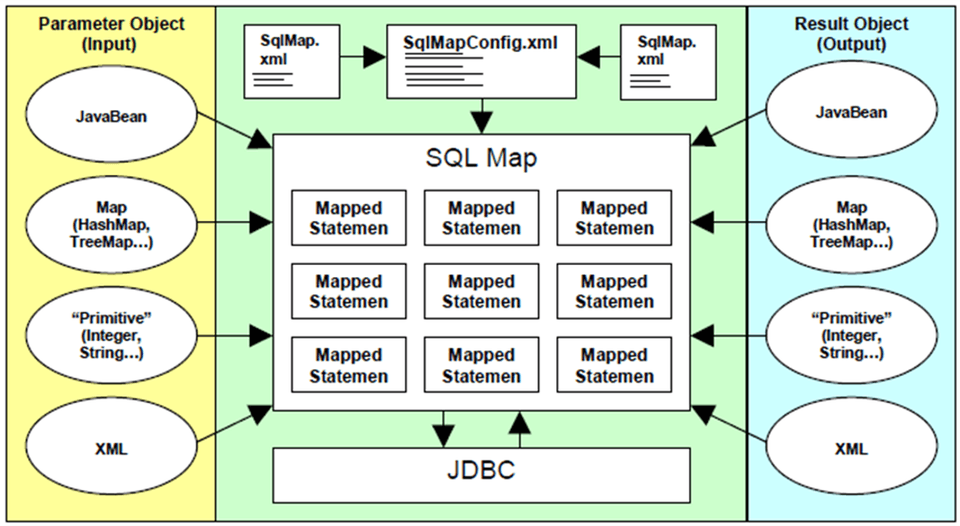
Understanding the structure and working principles of the MyBatis framework
Understanding MyBatis and Spring Integration
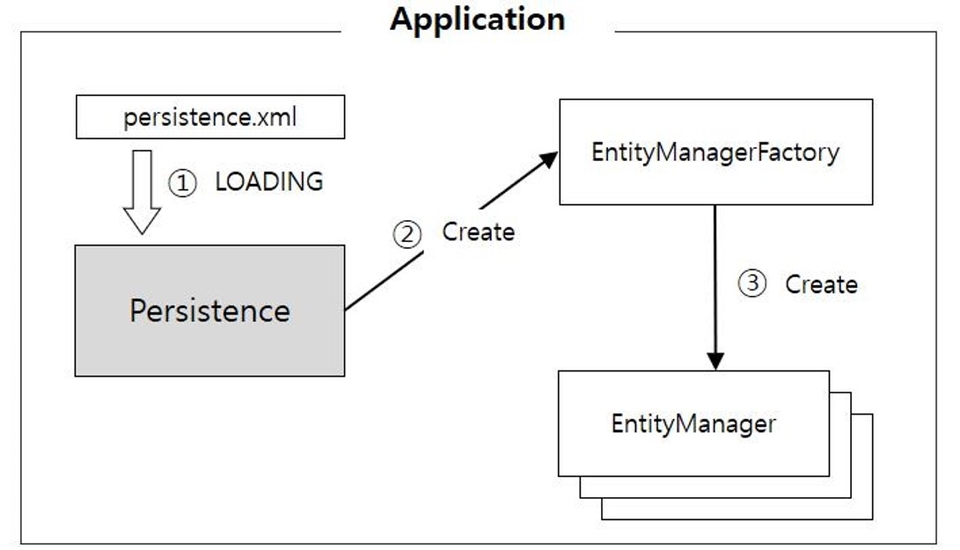
Understanding the structure and operation principles of the JPA framework
Understanding JPA and Spring Integration
Applying MyBatis and JPA to Web Applications

Most IT companies you know develop programs using Spring directly or their own frameworks modified from Spring. Furthermore, public systems operated by the government also use the Spring-based e-government standard framework. Ultimately, without Spring, you can't carry out Java-based projects or operate Java-based systems.
In general, the Spring framework consists of four modules that you will learn sequentially:
- Spring IoC (Inversion Of Control)
- Spring AOP (Aspect Oriented Programming)
- Spring MVC (MoelView Controller)
- Spring ORM (Object Relation Mapping)
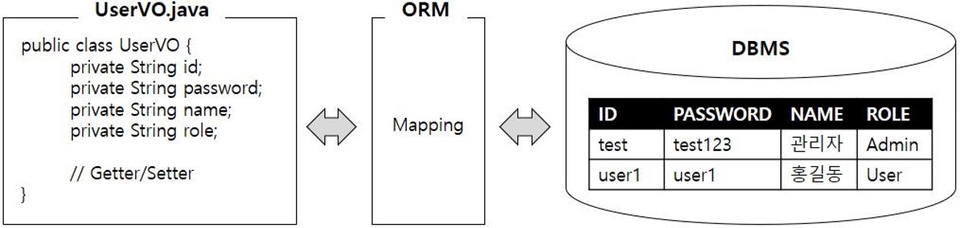
Among these, Spring ORM is a technology for connecting relational databases in Spring-based applications . Java offers a variety of frameworks that support database connectivity, including MyBatis and Hibernate. This course covers not only Spring ORM but also the operating principles of ORM frameworks like MyBatis and Hibernate.
The Spring Framework is not only conceptually challenging, but its content is also complex and extensive. Therefore, learning Spring is incredibly challenging for non-specialists. The terminology and explanations used by specialists are completely useless to non-specialists.
It's not easy for new developers to get involved in actual development, and even asking questions of other developers can be challenging. Even when they do ask questions, the answers they receive tend to be limited to formulaic coding patterns or API explanations, rather than concepts or principles. Understanding the concepts, principles, and terminology will help you adapt to the work more easily and quickly.
When problems arise during operation, framework-based systems can be difficult to identify. This is because programs rely on the architecture and features provided by the framework. Therefore, understanding Spring's architecture is essential to troubleshooting operational issues.

Typically, when developing programs, we frequently use only about 10-20% of the APIs. For example, when developing a web application, HttpServletRequest provides around 40 methods, but we only actually use about 3-5 of them. So, why invest time and effort in learning syntax and methods we won't even use?
This course focuses on learning only the Spring ORM concepts and syntax used in actual projects, thereby increasing efficiency.
The fragmented examples written while learning grammar and APIs are easily forgotten over time because they lack any connection to one another. Furthermore, it's difficult to understand how the APIs are applied in real-world projects, making the learning process incredibly frustrating. So, while you might have a general understanding of the material during lectures, when you try to build something yourself later, you'll be at a loss as to where to begin.
This course focuses on practical application of grammar and APIs, rather than simply explaining general grammar and APIs. As you progress through the course, you'll naturally develop your own bulletin board program based on Spring ORM, and all the functions you develop are interconnected.
Programming skills are typically learned from senior developers or expert instructors who have previously studied the technology. However, these senior developers and expert instructors often use their own commonly used terminology and expressions when explaining, making it difficult for non-experts or beginners to understand.
This course explains Spring ORM from the perspective of a non-technical user, as closely as possible. The examples used in the practical exercises are also based on a bulletin board program that anyone can understand. I pride myself on incorporating my extensive experience in training non-technical students into professional developers into this course.
You can install a relational database and set up library dependencies required to connect to the database.
Implement the bulletin board's CRUD functions using only the MyBatis framework.

MyBatis structure
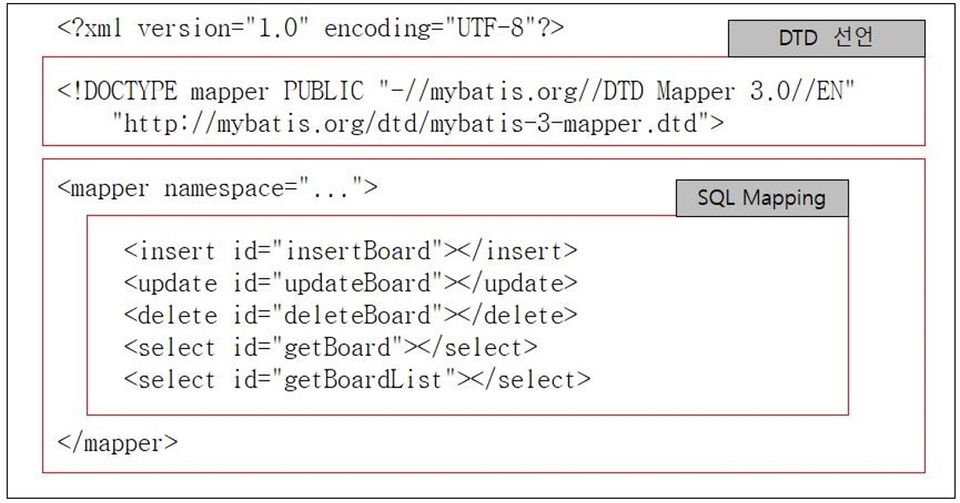
Understand MyBatis' Mpper XML file syntax.
Understand MyBatis' API.

Mpper XML structure
Understand the XML configuration required for Spring integration.
Integrate MyBatis in a Spring-based web application.
Implement the bulletin board's CRUD functions using only JPA.

ORM concept
Understand the XML configuration required for Spring integration.
Integrate JPA in Spring-based web applications.

JPA API structure
Operating System and Version (OS): Windows
Tools used: Tomcat (10.1), Eclipse (4.28),
JDK (Java17:LTS),
H2(2.2.222)
In the first lecture, you can download the PPT materials needed for the lecture.
You can download the completed project source code from the last lecture.
To take this course, you must have basic knowledge of Java Programming and the JDBC API.
Please be careful when using the PPT provided with the lecture, as it is copyrighted.
Who is this course right for?
Non-major graduates seeking employment as Java-based backend developers
A humanities/social sciences student who wants to become a Java-based backend developer
New employees who need to develop or operate Spring-based systems
Beginner developer who has completed learning Java programming
Need to know before starting?
Java Programming Language
SQL Basics (Understanding Basic CRUD Queries)
JDBC-based DB connection processing
1,644
Learners
156
Reviews
17
Answers
4.9
Rating
21
Courses

SSAMZ is a company founded by top-tier instructors in each field who have spent over 20 years teaching and interacting with diverse learners at IT corporate training sites.
In addition to online lectures, SSAMZ provides coaching and mentoring through customized in-person corporate training, striving to nurture everyone from students dreaming of becoming software experts to current developers and engineers.
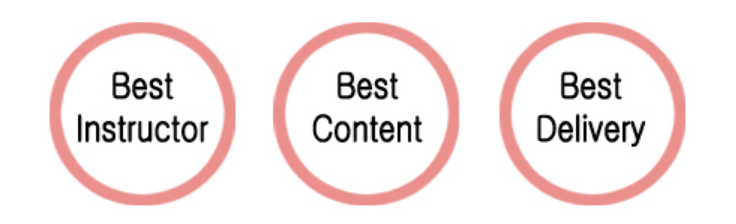
A great lecture is determined by the instructor's expertise, the quality of the content, and their delivery skills. Based on high-quality content from top-tier professional instructors, SSAMZ aims to provide education that is easy to understand from the student's perspective.
Training Inquiry: admin@ssamz.com
SSAMZ aims to provide education that is easy to understand from the student's perspective, based on high-quality content from top-tier professional instructors. For education inquiries: admin@ssamz.com
All
37 lectures ∙ (5hr 27min)
Course Materials:
All
5 reviews
5.0
5 reviews
Reviews 42
∙
Average Rating 4.9
Reviews 5
∙
Average Rating 5.0
Reviews 8
∙
Average Rating 5.0
Reviews 1
∙
Average Rating 5.0
Reviews 6
∙
Average Rating 5.0
Check out other courses by the instructor!
Explore other courses in the same field!