Advanced C Language
jikim1770
By understanding the internal structure of the C language, you can implement faster and more memory-optimized programs.
Intermediate
C, Computer Architecture, device-driver
This course is designed to guide you through the essentials of Python, a language renowned for its simplicity and power. Immerse yourself in the exciting world of programming with our Basic Python course.


Learn how to code.
Learn the characteristics and caveats of operators.
Learn control structures through control statements.
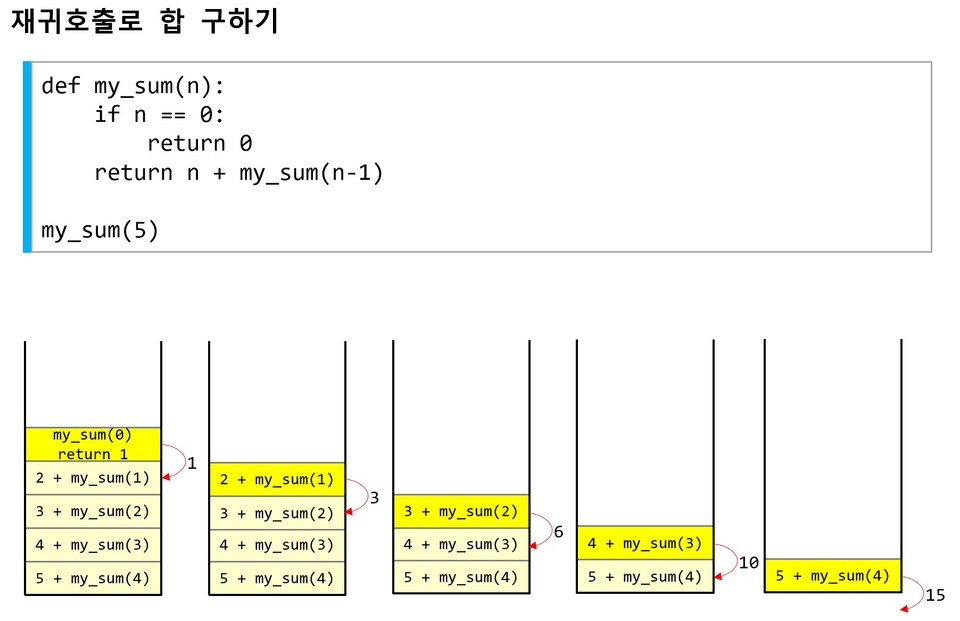
Learn about function implementation and Python's unique function features.
Learn about basic containers.
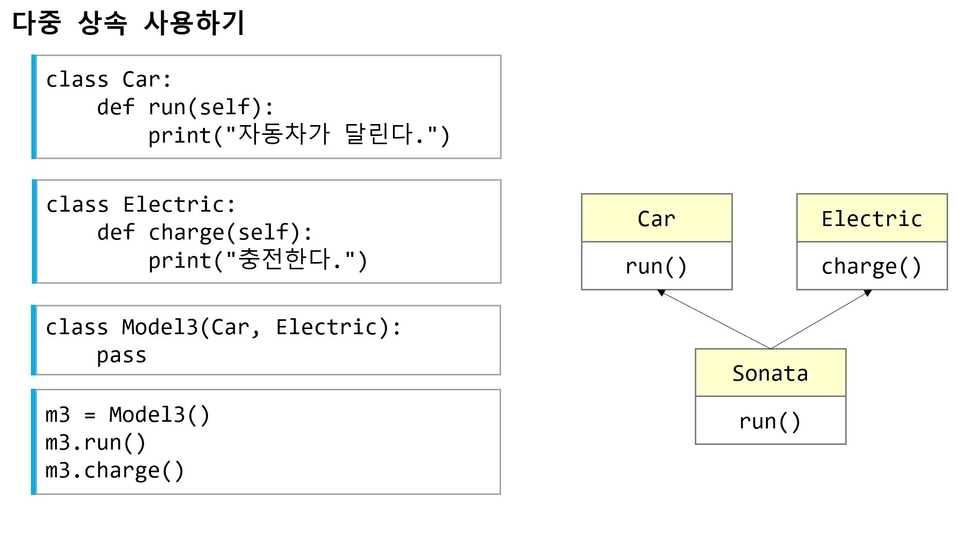
Learn object-oriented programming techniques.
Understand the background of Python's emergence and cover Python's unique grammar.
This article focuses on how Python differs from other languages.
You will learn how to understand Python's basic containers and implement various programs using them.
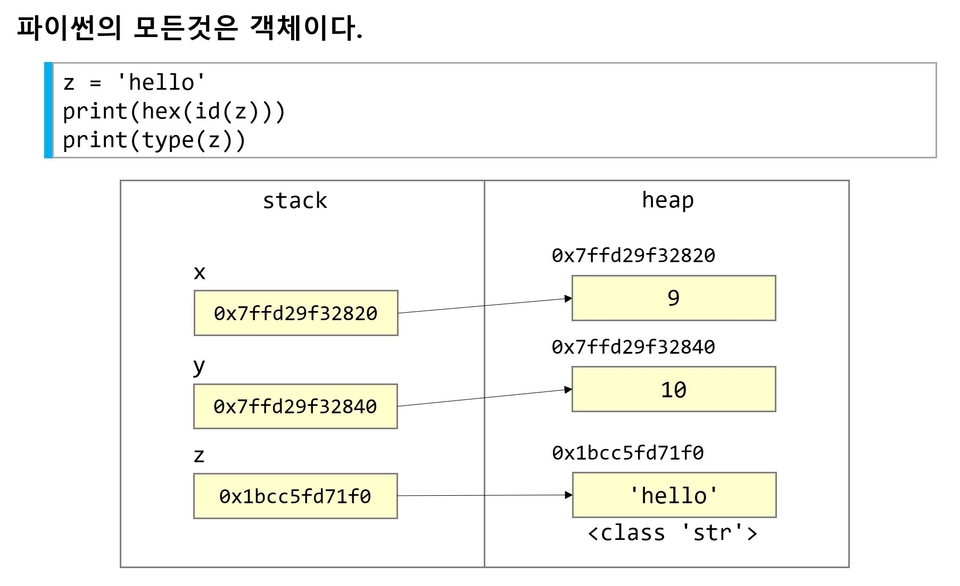
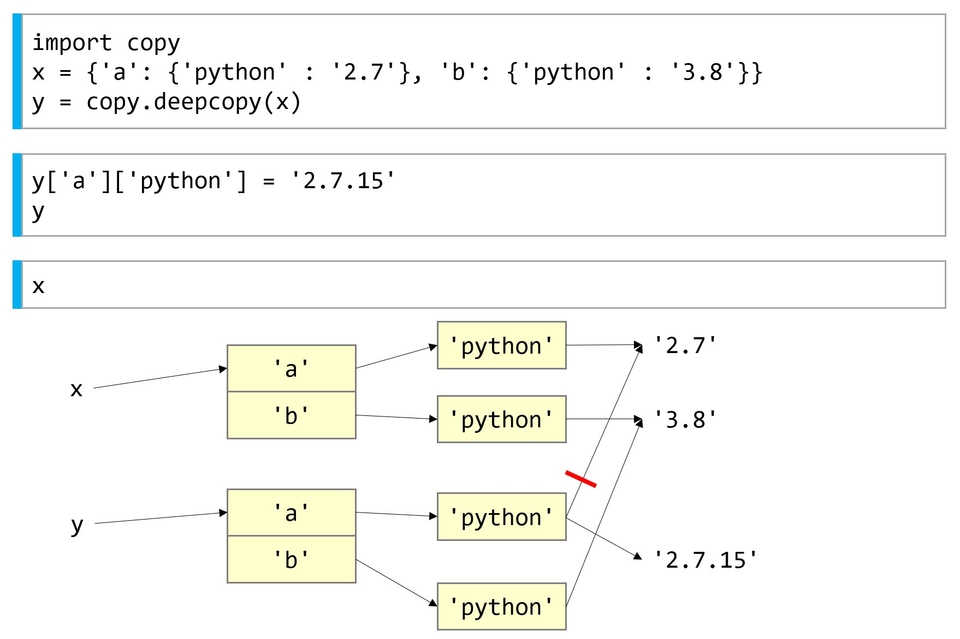
Explains how Python syntax works within memory and the system.

Section (1) Python Overview
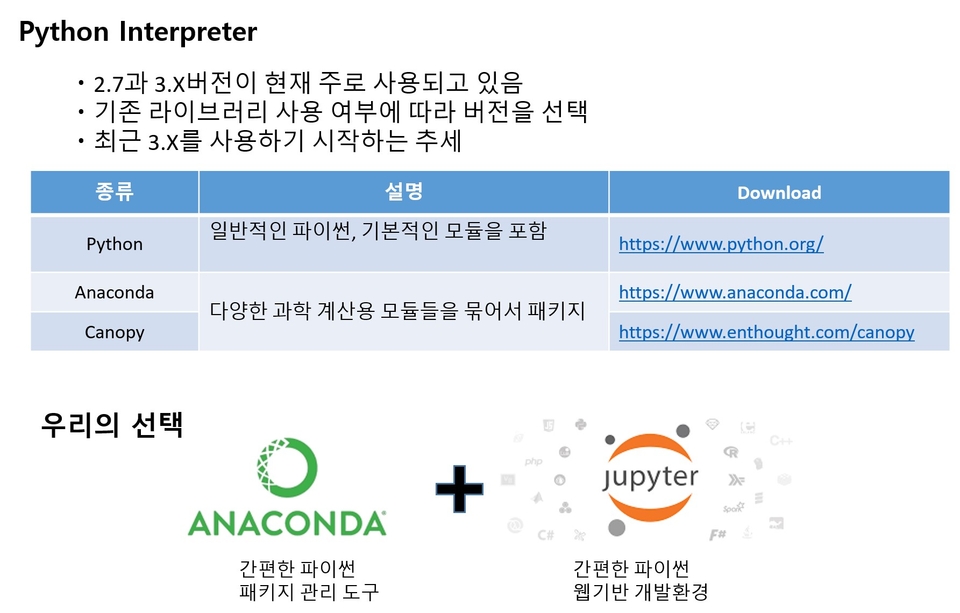
We cover the background and features of Python and how to set up a Python development environment.
Section (2) Basic Grammar
Explains Python's basic syntax, variables, and their internal structure.


Section (3) Boolean Operations and Strings
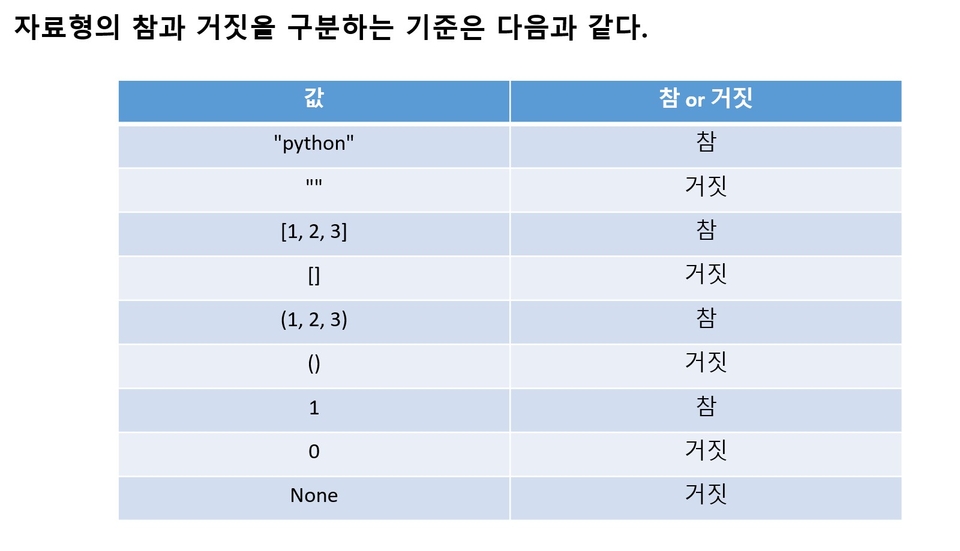
Explains the characteristics and usage of the boolean data type and also covers strings (str).
Section (4) Basic Data Structures
We will explain the basic containers provided by Python, including lists, tuples, dictionaries, and sets.


Section (5) Control Structure
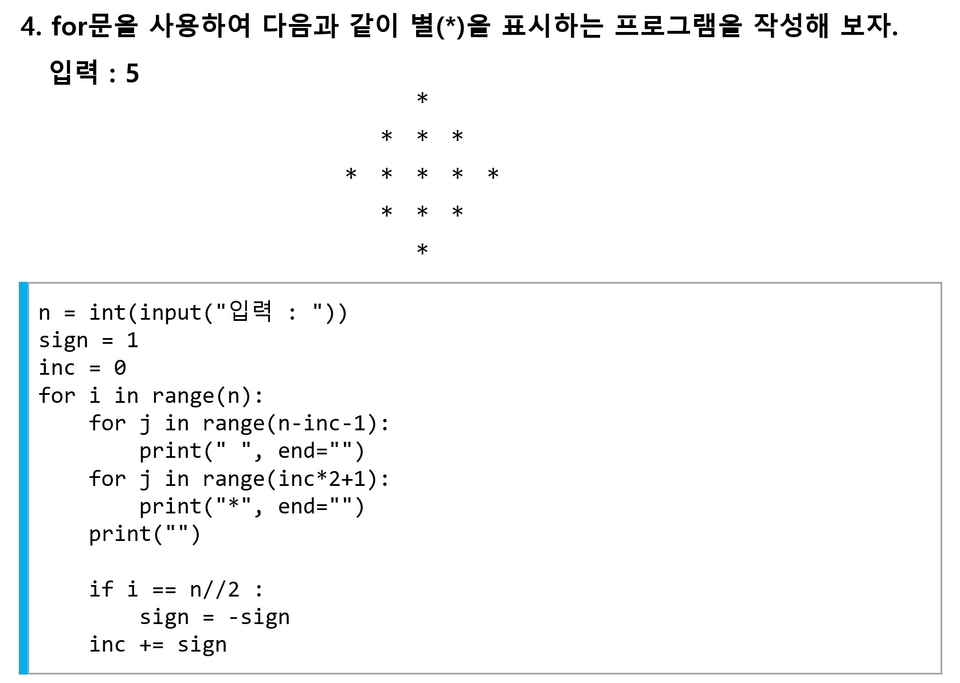
Describes the features and implementation of Python's conditional control and range-based loops.
Section (6) Data Structure Applications
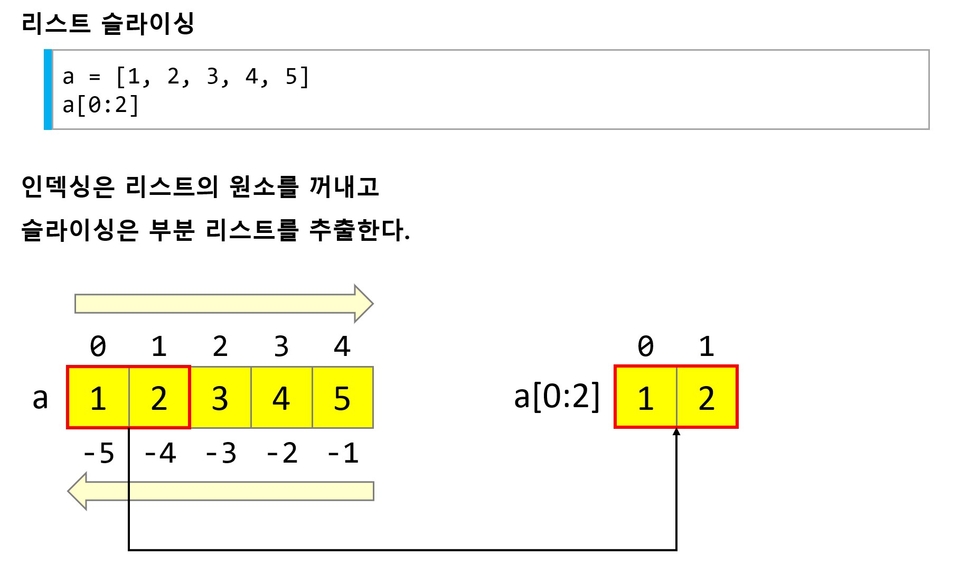
Explains the features of Python's basic containers, such as indexing, slicing, and common functions.


Section (7) File Input/Output
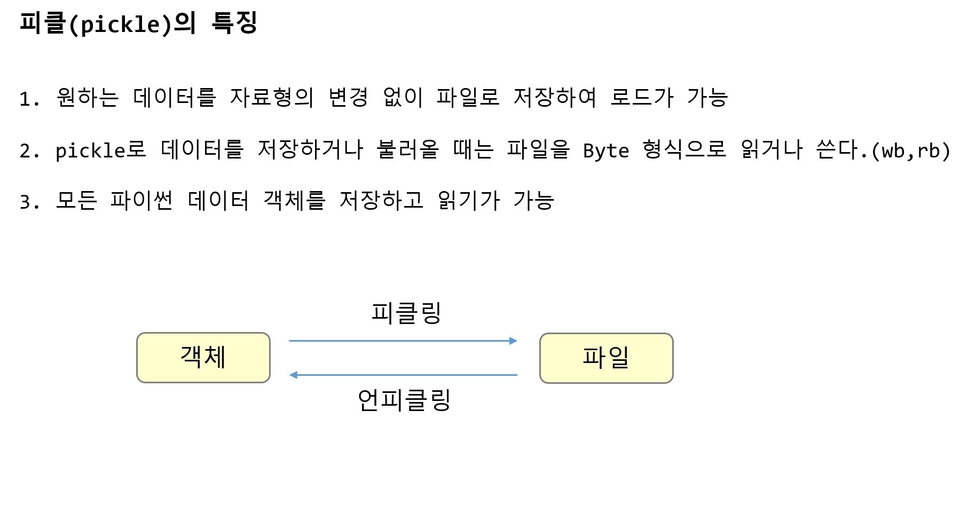
This course explains how to create file objects in Python and utilize them for various file input/output methods. It also covers pickle, a tool for storing Python objects.
Section (8) Function
It covers the basic syntax of functions and handling of various arguments and return values, and also explains modern syntax such as lambda and closure.


Section (9) Object Orientation
Explains object-oriented coding in Python, covering inheritance, polymorphism, and abstraction.
Operating System and Version (OS): Windows 10,11
Editing tools: Windows Anaconda, Jupyter Notebook
Compiler: Python 3.8
Learning materials provided in PDF format
During class, we use PPT to write on the board and share it as class materials (PDF).
Prerequisites for this course: Introduction to Python
This lecture video specifications: FPS-60, resolution-1280*720, audio sample rate-44,100
Please feel free to ask questions, and the lectures may be revised as new techniques emerge.
The learning materials distributed during lectures are for class use only and unauthorized distribution is prohibited.
Who is this course right for?
Anyone who wants to learn Python
Anyone who wants to study artificial intelligence
For those who want to experience the simplicity and extensibility of Python
Need to know before starting?
Introduction to Python
905
Learners
114
Reviews
12
Answers
4.9
Rating
9
Courses
Instructor Jung-in Kim emphasizes the importance of open source, saying that
He is an open-source enthusiast who analyzes the implementation source code of the Linux kernel and deep learning every day as a hobby.
Since he believes in understanding through code and tries to grasp every principle by recklessly analyzing the source,
Be careful of the source code overload when taking the course.
Lecture Inquiries : jikim@imguru.co.kr
All
41 lectures ∙ (9hr 11min)
Course Materials:
All
3 reviews
5.0
3 reviews
Reviews 1
∙
Average Rating 5.0
Reviews 2
∙
Average Rating 5.0
Reviews 1
∙
Average Rating 5.0
$68.20
Check out other courses by the instructor!
Explore other courses in the same field!