강의

멘토링

커뮤니티

NEW
Programming

/

Back-end

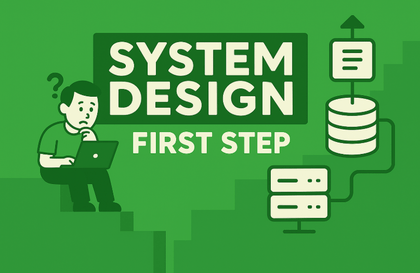
The Complete Guide to System Design Every Developer Must Know

It covers the essential core of computer science that remains unchanged in the AI era. You can prepare for system design interviews for employment or career transitions.

24 learners are taking this course

Level Beginner

Course period Unlimited

  • J Tech
Interview
Interview
backend
backend
Interview
Interview
backend
backend

What you will gain after the course

  • Basic understanding and insights into system design

  • System design topics worth checking in practice

  • Basic system design content covered in interviews


Essential for Developers:
System Design Core Concepts


Have you ever worried about what to do now that AI is doing all the coding?

Have you ever felt overwhelmed and unsure of what to study amidst the vast amount of information available?

Have you ever felt lost and unable to answer confidently when faced with system design questions in front of an interviewer?

All of these difficulties can be fully overcome through systematic learning. This course will help you understand the core principles of system design and gain the in-depth knowledge and confidence needed to apply them directly to real-world practice.

A developer is a problem solver. Beyond simple coding, the ability to efficiently design complex systems is the essence of computer science that remains unchanged even in the AI era. This course will guide you through the fundamental elements of system design for employment and career transitions, providing the insights and practical knowledge needed to solve problems encountered in real-world work.

By the end of this course, you will


You will gain a deep understanding of the essence of computer science, which remains unchanged even in the AI era.

  • Instead of simply chasing the latest technology trends, you will grasp the fundamental principles of system design and grow into a developer who remains unshaken by any change. When faced with complex systems, you will have clear criteria for where to begin your approach.

Develop practical system design interview preparation skills for employment and career transitions.

  • You will learn problem-solving strategies for system design challenges frequently encountered in practice and develop the ability to construct logical and persuasive answers that captivate interviewers. You will gain the confidence to clearly explain "why" you designed it this way.

Clearly grasp the core concepts of complex systems.

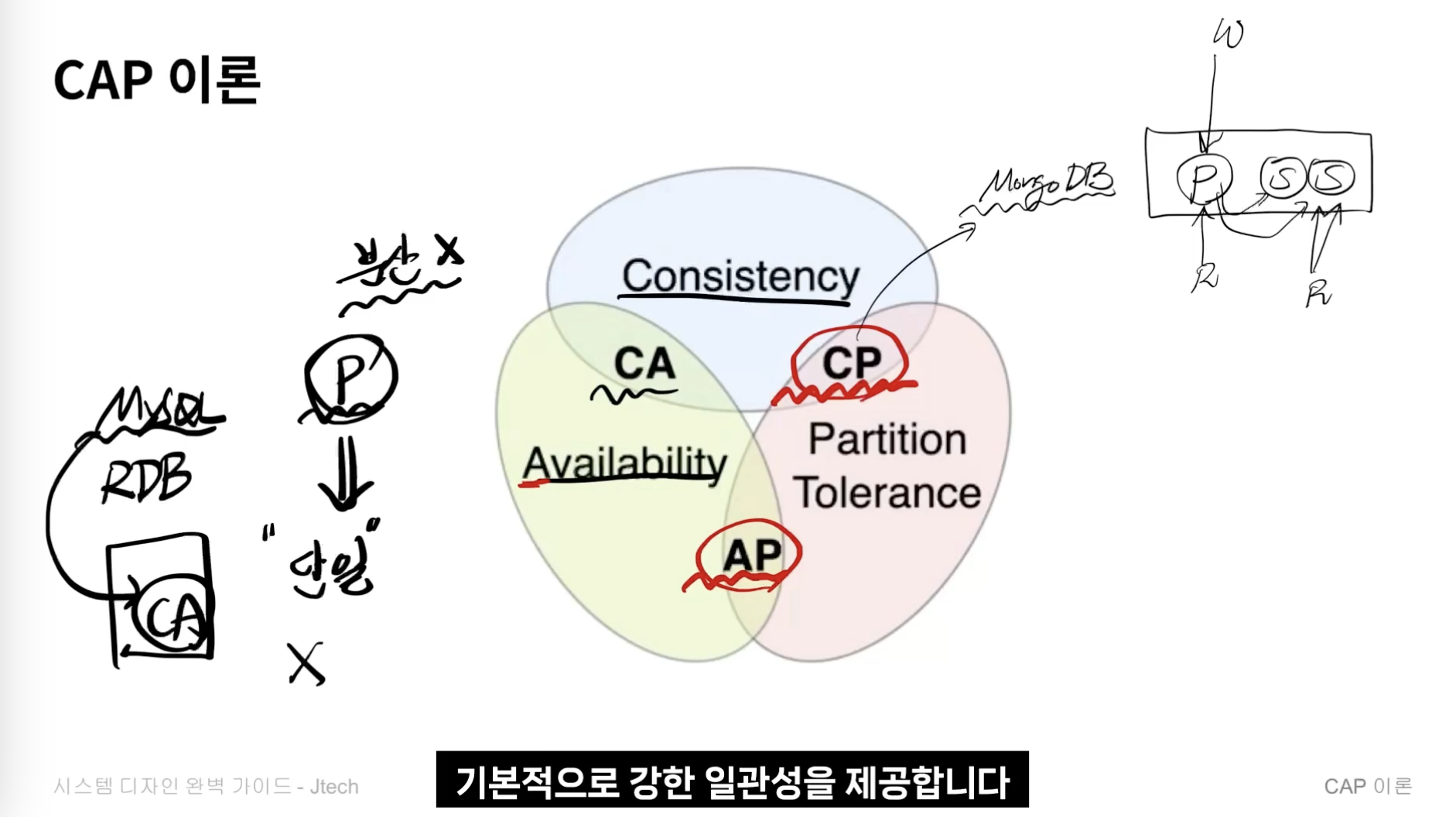
  • You will gain a precise understanding of core system design terms and concepts—such as latency, throughput, scalability, distributed systems, and the CAP theorem—and learn how they are applied to real-world system design through specific examples. System design terminology that once felt vague will become clear and intuitive.

Master various system design techniques for solving real-world practical problems.

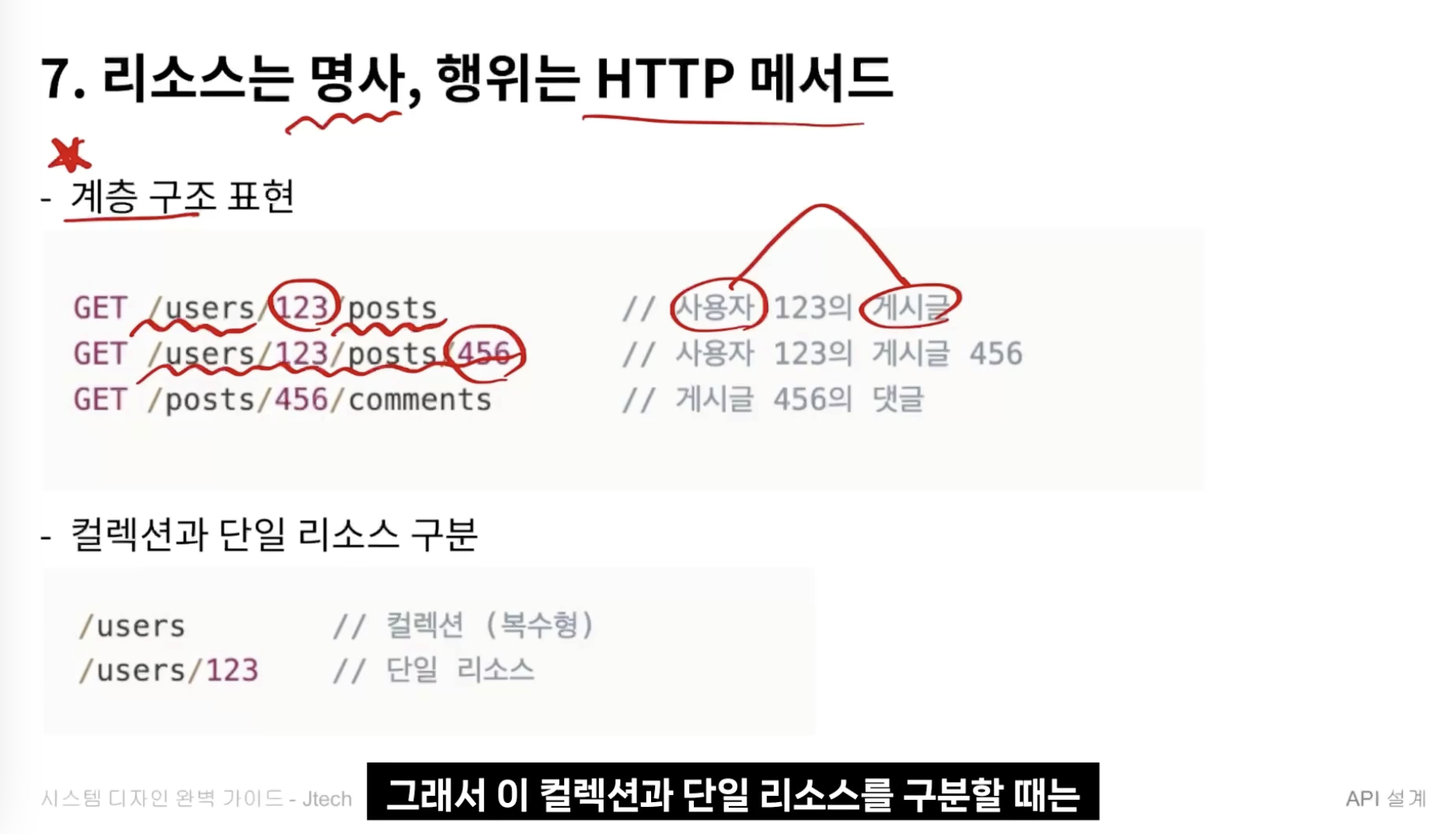
  • From HTTP and TCP/UDP communication to API design, in-depth understanding of databases (SQL, NoSQL), caching strategies, message queue utilization, big data processing methods, and monitoring techniques, you will systematically acquire a wide range of design skills necessary for building and operating actual services. You will become capable of presenting effective solutions for various problem situations that arise in practical work.


✔️

The AI Era, the Unchanging Essence of Computer Science
The Complete Guide to System Design

No matter how many AI tools emerge, the essence of a developer and the core principles of system design remain unchanged. By solidifying these fundamentals, you will find it much easier to perform tasks like prompting in the future.


📚

Exploring the Essence of
Computer Science for the AI Era

Section 2

Understanding Core System Design Concepts

We cover core principles of system design in depth, including latency, throughput, scalability, load balancing, distributed systems, CAP theorem, failover, and quorum. Through this, we establish the foundation for robust system design.


Section 3

Inter-system Communication Protocols and API Design

Understand the principles of communication protocols such as HTTP and TCP/UDP, and learn about efficient API design, API proxies, and strategies for ensuring API resilience. This provides technical insights for seamless interaction between systems.


Section 4

In-depth Database Analysis and Selection Guide

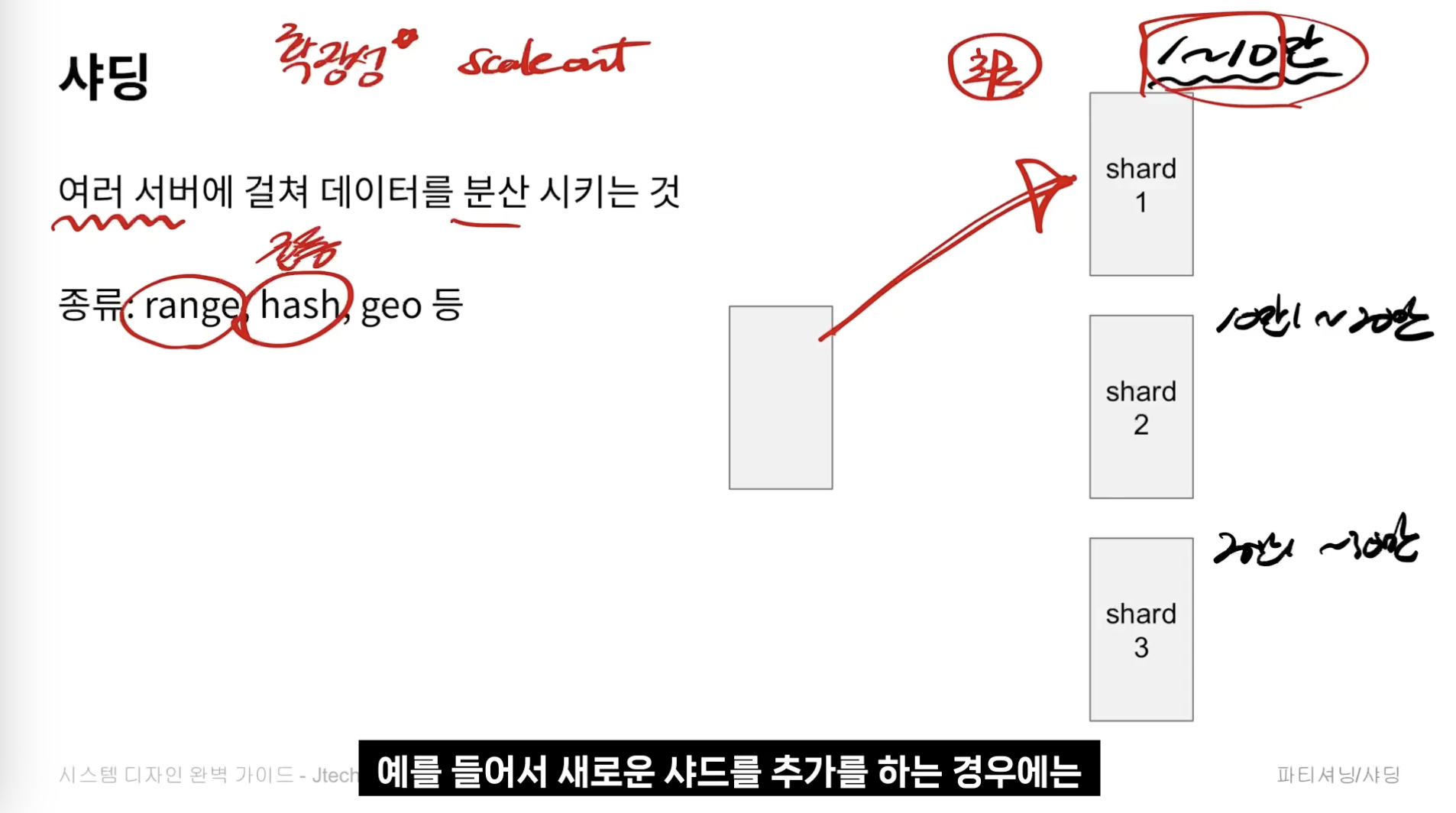
Explore core database concepts such as transactions, ACID principles, isolation levels, indexing, replication, and partitioning/sharding. Additionally, examine various types and use cases of NoSQL, and provide practical guidelines for database selection criteria.


Section 5

Efficient Caching Strategies and CDN Utilization

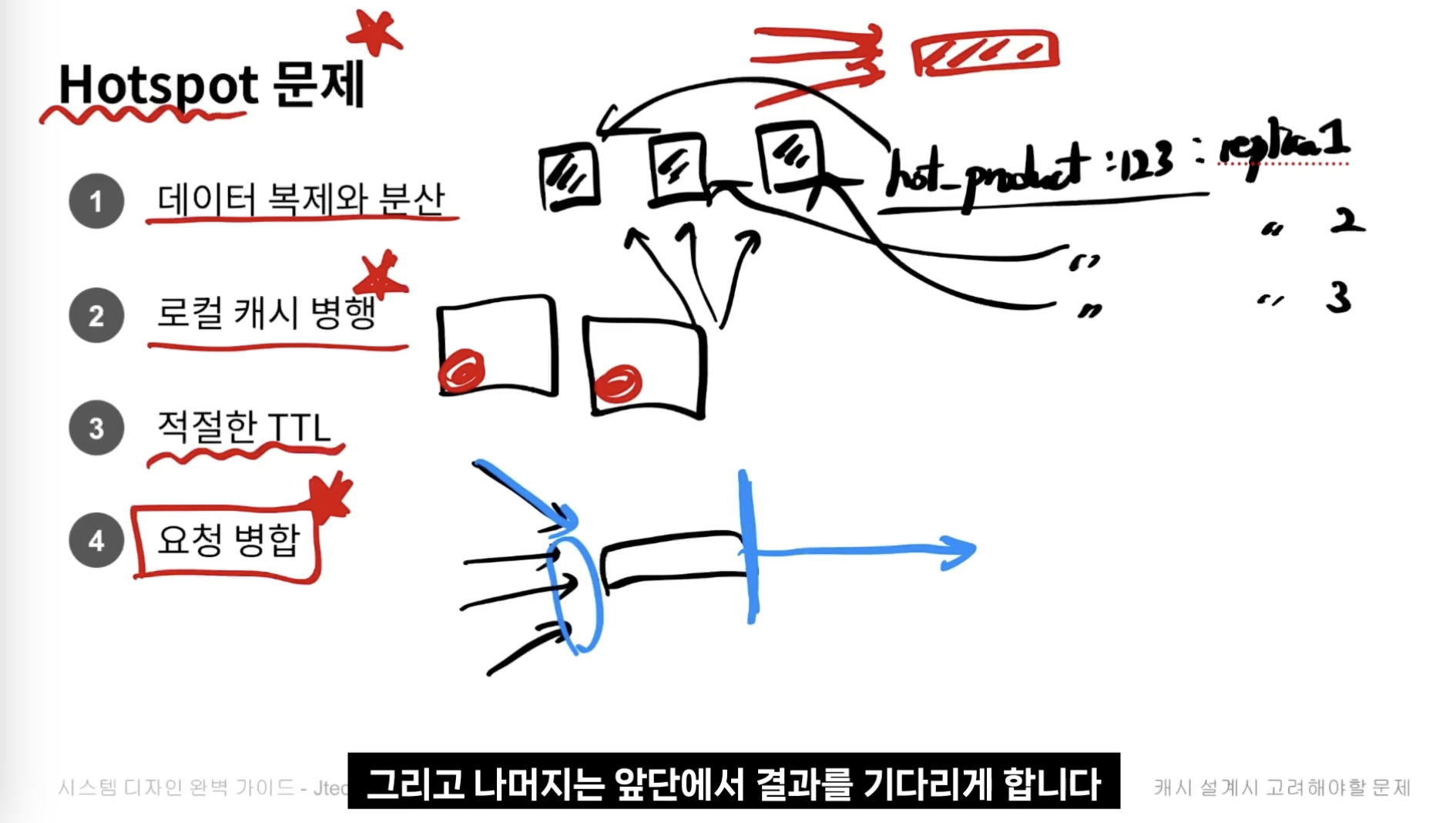
Learn the basic principles of caching, the concept of locality, and various cache patterns. Analyze the role of Content Delivery Networks (CDNs) and potential issues that may arise during cache design to explore performance optimization strategies.


Section 6

How Message Queues Work and Their Use Cases

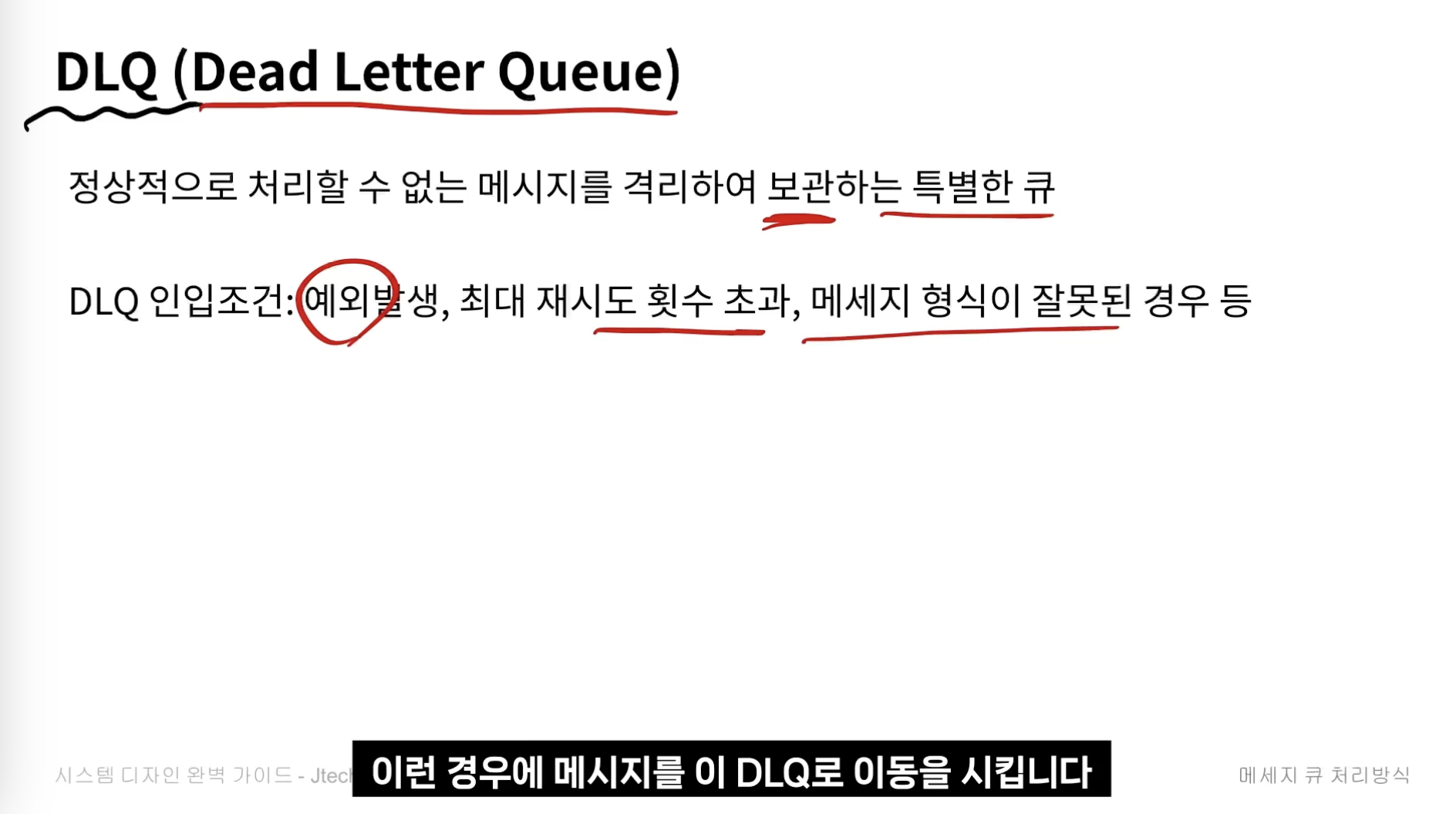
Understand the concept and core processing methods of message queues, and explore various use cases used for asynchronous communication and decoupling systems. Learn efficient data flow management through message queues.


Section 7

Big Data Processing and Analysis Techniques

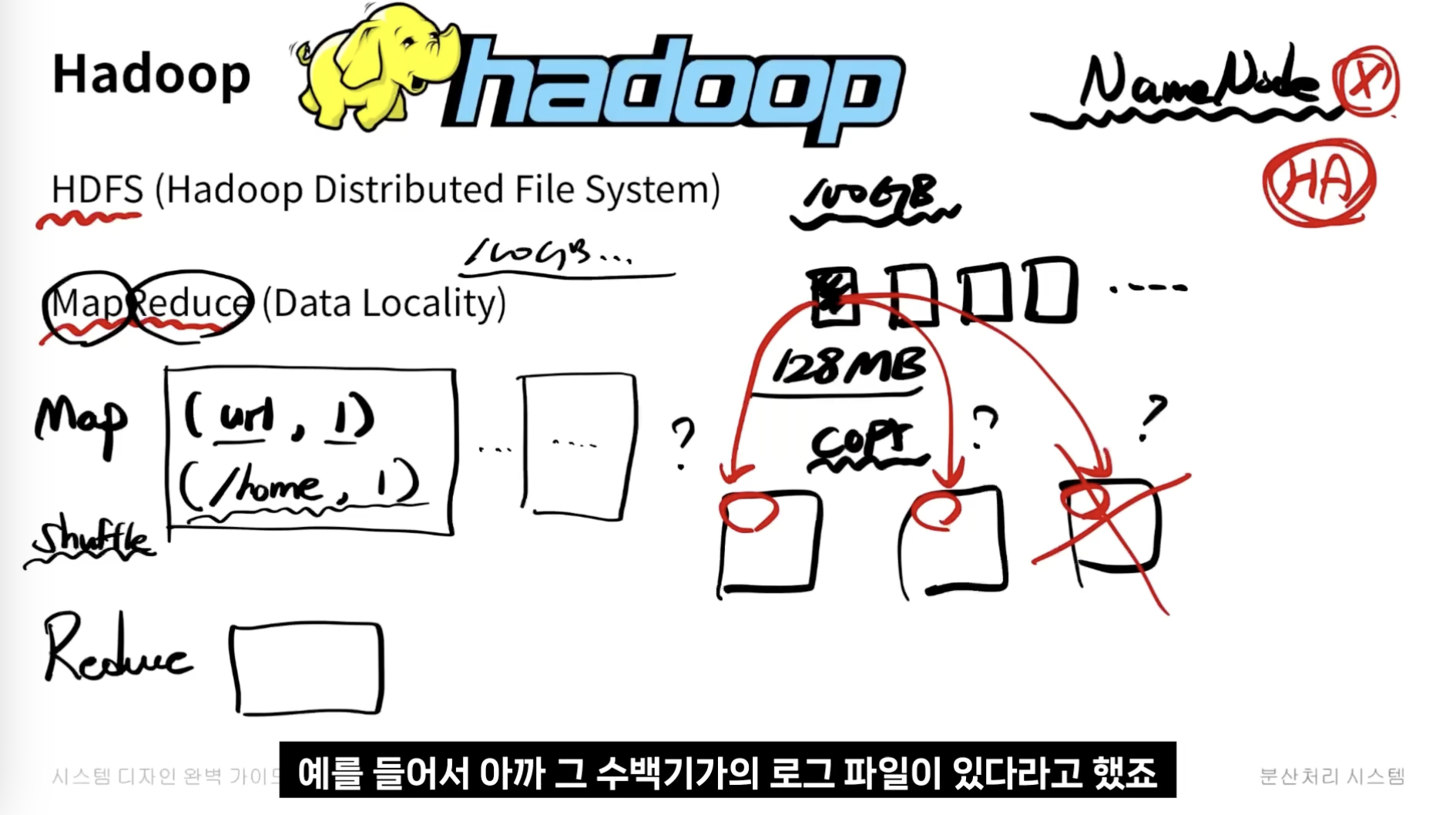
Understand the characteristics of big data and analyze the differences between OLTP and OLAP. Learn the principles of distributed processing systems, compare the pros and cons of batch processing and stream processing, and emphasize the importance of data governance.


Section 8

System Monitoring and Key Metric Analysis

We will examine key monitoring metrics and learn how to understand the current state of the system and proactively prevent potential issues through them.


The lecture will be continuously updated

We can solve the concerns
of these people!

📌

System Design-Oriented Developers in the AI Era

Those who feel they lack a solid computer science foundation and design skills required to solve complex system problems that occur in practice.

📌

Job seekers who want to add depth to their portfolio

Those who want to create a competitive portfolio by showcasing system design capabilities that go beyond simple coding experience.

📌

Backend developers preparing for a career move

Those who feel the limitations of current systems and want to develop practical knowledge of high-traffic processing and scalable system design, as well as interview preparation skills.


Notes before taking the course

Prerequisites and Important Notes

  • It is recommended to have basic knowledge of computer science, but it is not required.

  • This course is a theoretical lecture, not a coding class.

  • After completing the lecture, you can achieve even greater results by self-studying the additional learning materials and keywords provided in the lecture notes.


Recommended for
these people

Who is this course right for?

  • A developer aiming for system design beyond coding in the AI era

  • A job seeker who wants to add additional insights to their portfolio.

  • A non-major who wants to build a solid foundation in computer science

Need to know before starting?

  • It is good to have basic CS knowledge, but it doesn't matter if you don't.

Hello
This is

480

Learners

40

Reviews

35

Answers

5.0

Rating

3

Courses

Hello. I'm Developer J.

A developer is a problem solver. Here, "problems" refer not only to coding but to everything we encounter in daily life. I focus on solving these problems as efficiently as possible with minimal resources. Furthermore, I strive to produce results that approach the desired goals through a logical and realistic perspective.

Currently, I am sharing my experience and know-how regarding the common challenge of "employment and career changes."

Experience

  • Current) One of the "Na-Ka-Ra-Ku-Bae" companies

  • Former) One of the "Na-Ka-Ra-Ku-Bae" companies

contact: jaytech108@gmail.com

I am sharing my experience and know-how regarding this common problem. Career Current) One of the "Na-Ka-Ra-Ku-Bae" companies Former) One of the "Na-Ka-Ra-Ku-Bae" companies contact: jaytech108@gmail.com

Curriculum

All

41 lectures ∙ (3hr 59min)

Published: 
Last updated: 

Reviews

Not enough reviews.
Please write a valuable review that helps everyone!

Limited time deal ends in 7 days

$42,900.00

35%

$51.70

J Tech's other courses

Check out other courses by the instructor!

Similar courses

Explore other courses in the same field!