inflearn logo

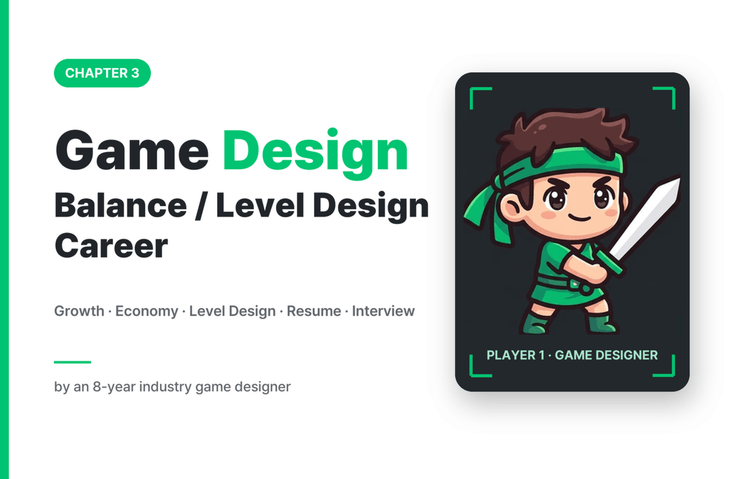
Part 3 of Game Design Explained by a Current 3N Game Planner: Balance, Level Design, and Employment

Learn the key design methods that keep players enjoying a game for a long time. From reverse-engineering experience curves, designing currency generation and consumption, and creating floor-plan-based levels to using generative AI and preparing for employment, this course covers it all. A game planner with eight years of industry experience shares practical, numbers-based balancing methods and job-hunting tips.

1 learners are taking this course

Level Basic

Course period Unlimited

Game Planning
Game Planning
Content Planning
Content Planning
game-math
game-math
MMORPG
MMORPG
game-introduction
game-introduction
Game Planning
Game Planning
Content Planning
Content Planning
game-math
game-math
MMORPG
MMORPG
game-introduction
game-introduction

What you will gain after the course

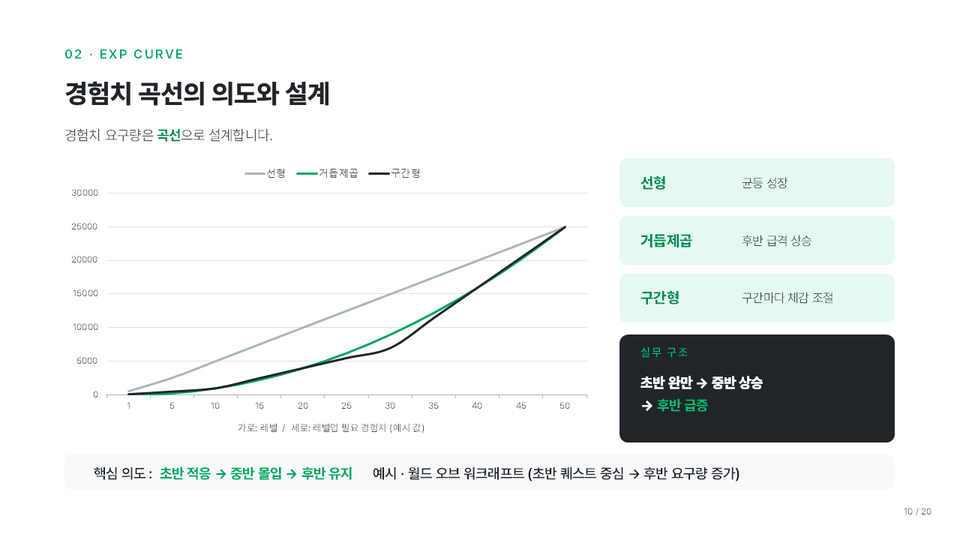
  • Experience table and progression curve design based on target playtime

  • Specifying sources and sinks for currency generation and spending, and designing the economic balance

  • Level Design Based on Player Routes and Floor Plans, and Preparation for a Career as a Game Designer

From progression, economy, and level design
to job preparation


Design progression, economies, and levels that keep players enjoying a game for a long time using numbers and space.
Then prepare for applications and interviews using the design documents you have created so far.

Explain “fun” through time and numbers,
and prepare for a career at a game company.


Game Fundamentals/Game Planning in Practice, Part 3
Design games that players can enjoy for a long time and prepare for employment.

Design a structure that keeps users engaged longer through progression · economy · levels,
then prepare for personal PR documents · cover letters · interviews through generative AI utilization and team selection.

It doesn’t end with “Leveling up feels a bit slow.”
Set the target time, cumulative experience points, daily expected amount, and probabilities as numbers
and organize them into specifications that the balance and operations teams can verify right away.

Draw the routes players take and the spaces where they fight as floor plans,
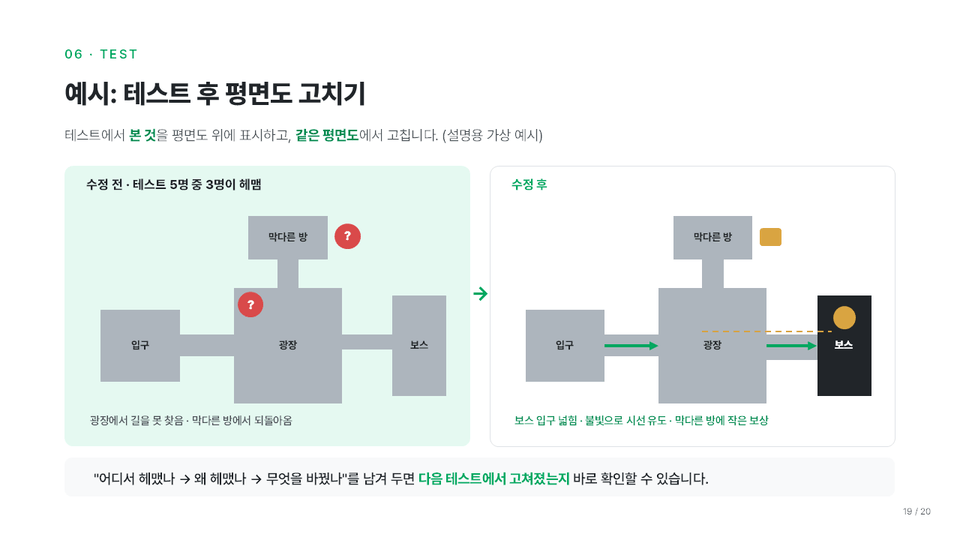
and learn the practical workflow of level design, refining it through testing.
Finally, turn the design documents you have created so far into PR documents and interview answers.

Content planning and game mathematics for balance desig

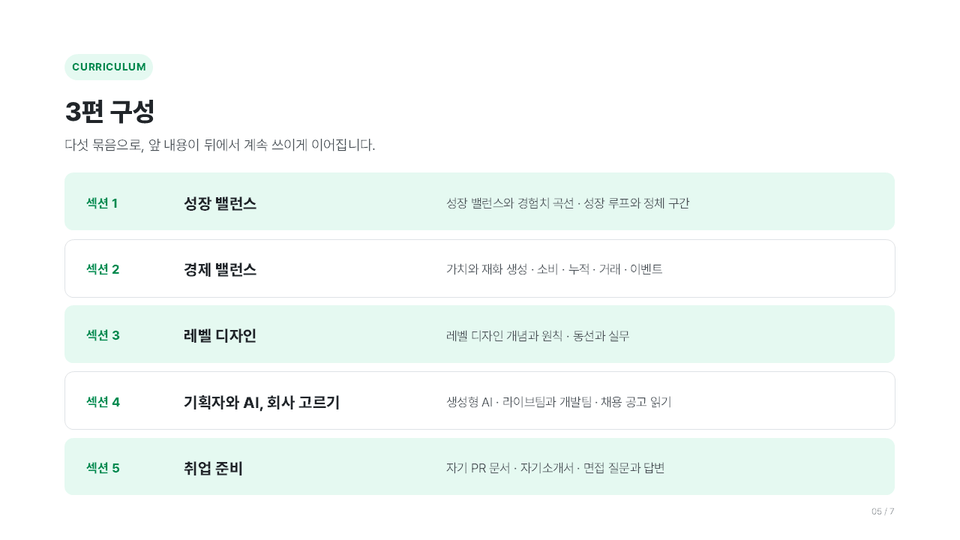
Section 1 - Growth Balance

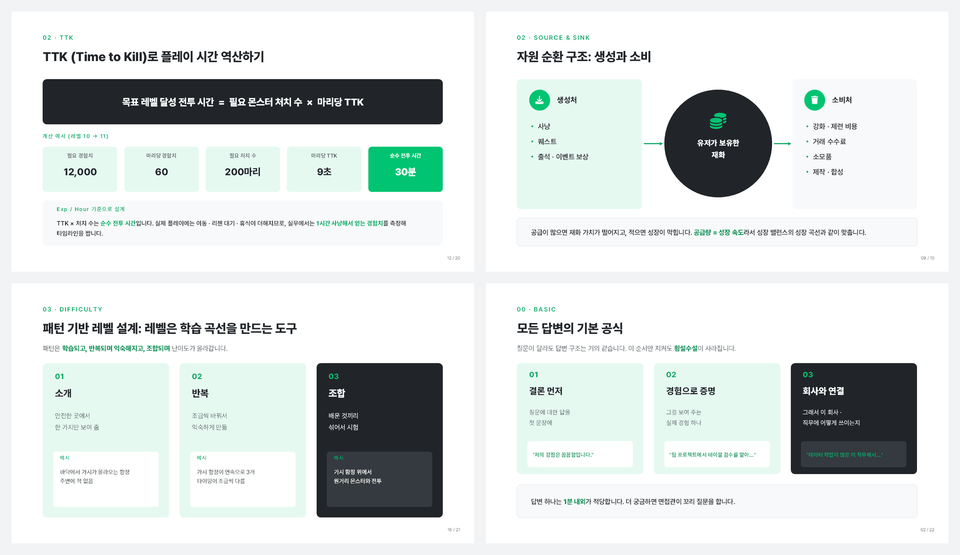
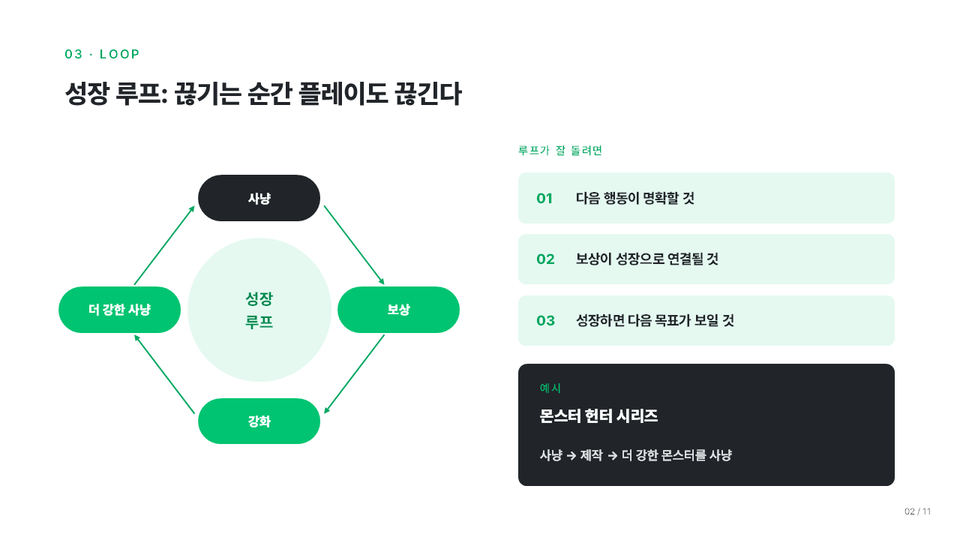
Understand the input → growth → reward structure and the growth rate for each stage, then work backward from the target playtime to design the experience curve.
Learn how stats, equipment, and upgrades create a sense of progression, as well as how to handle stagnant periods where growth stops and power inflation.


Section 2 - Economic Balance

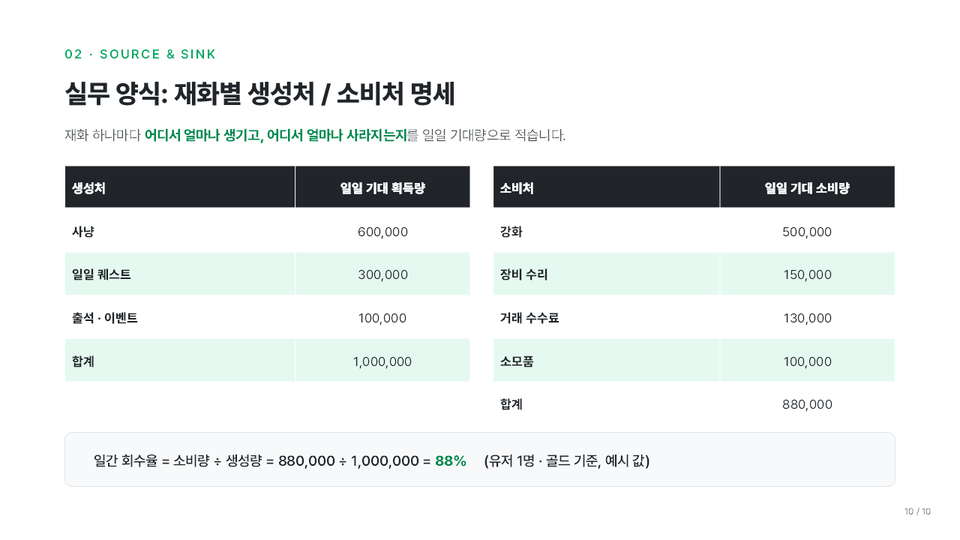
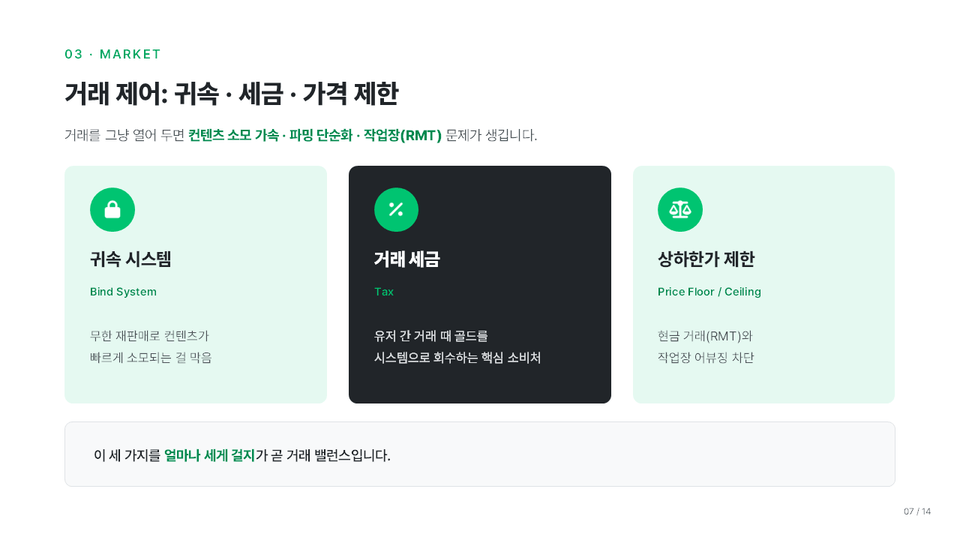
Set the value of items and currency based on time, and design where currency is generated and where it is spent.
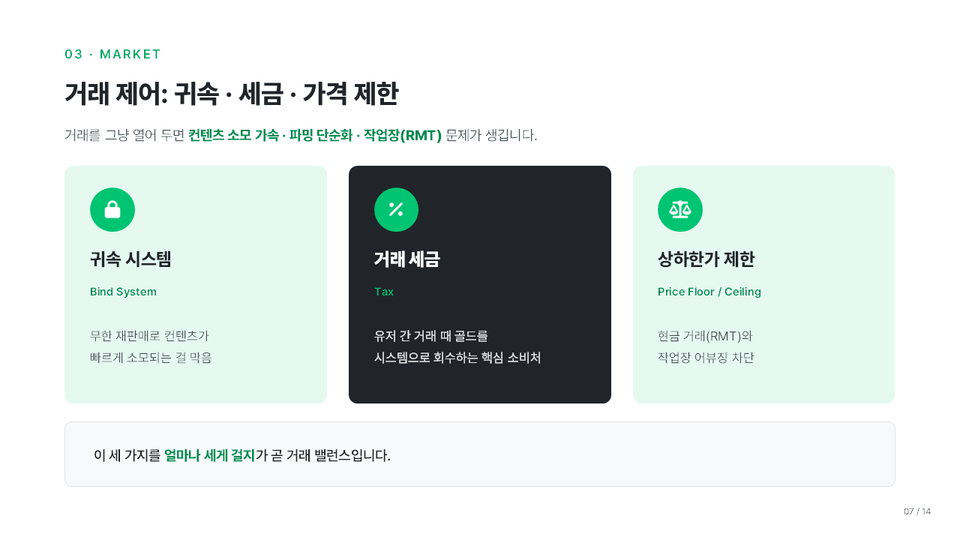
We also cover the inflation that occurs as currency accumulates, the impact of trades and events on the economy, and the metrics to monitor in a live environment.


Section 3 - Level Design

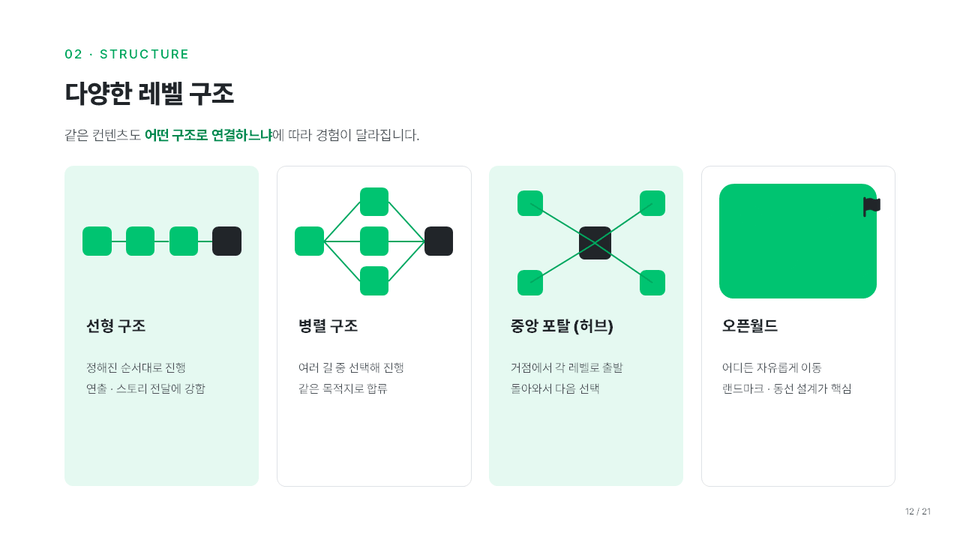
Start with the idea that a level is not a number, but a space where players act.
Learn how to guide players through level structure, progressive difficulty, routes, and object placement, and organize the practical workflow from blockouts and floor plans to testing.


Section 4 - Generative AI and Choosing a Company

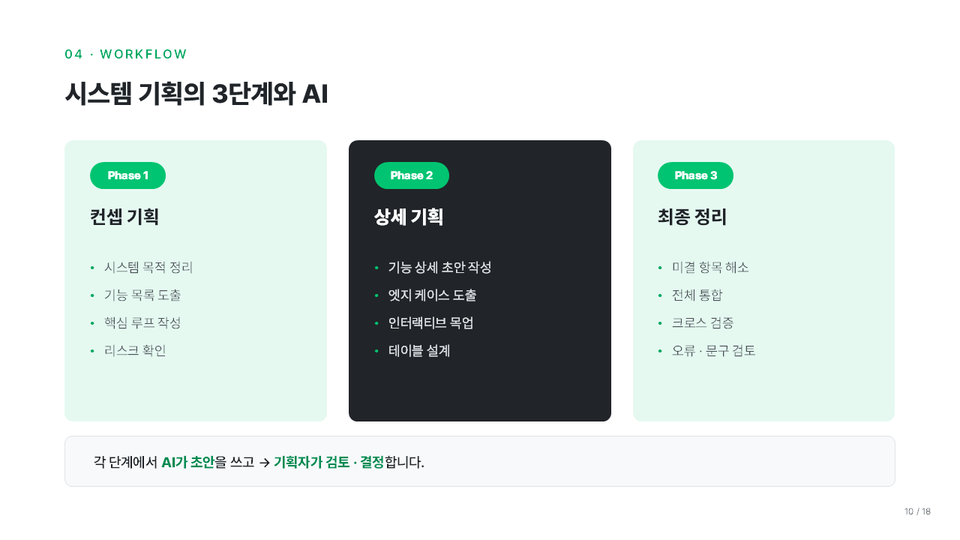
See how planners use generative AI for repetitive tasks, idea exploration, mockups, and simulations, and how they validate the results.
Then, learn about the differences between live teams and development teams, how to find the right team for newcomers, and how to read job postings.


Section 5 - Job Preparation

We’ll structure a self-PR document and cover letter that introduce you, then prepare for common interview questions one by one—from the basic formula for answering interview questions to questions about collaboration, games, attitude, pressure, and your portfolio.


Do you write design documents but feel overwhelmed by numbers and job preparation?
Are you feeling daunted?
This course was made specifically for people like you.


✔️ 1 · For those who have completed Part 2 and want to learn about balance and level design

  • Those who want to create growth curves and experience point tables themselves

  • Those who are curious about where in-game currency comes from and where it should disappear.

  • Those who want to know how to explain levels using floor plans

✔️ Aspiring game industry professionals preparing for employment

  • For those wondering whether the live team or the development team is the right fit for them

  • Those who feel unsure about what to include in their self-PR document and personal statement

  • Those who want to prepare in advance for questions frequently asked in interviews

✔️ Those who want to try using AI for planning work

  • Those who want to use generative AI for repetitive tasks and simulations

  • Those who are curious about how much they can trust AI-generated results and how to verify them


Learn how to design games that remain enjoyable for a long time
and prepare for a career in the game industry.

Things to note before taking the course


Practice environment

  • The course can be taken in both Windows and Mac environments.

  • Having a spreadsheet tool like Excel will make it easier to follow the examples of formulas and simulations.

Prerequisite Knowledge and Important Notes

  • You can follow along more easily if you watch Parts 1 and 2 first.

  • No programming experience is required.

  • If you have experience playing games with progression and currency systems, like RPGs, you’ll understand the examples more easily.

Learning materials

  • A lecture slide PDF is provided for each class.

  • We will examine the experience table, currency specifications, floor plan examples, and AI request examples together.


Recommended for
these people

Who is this course right for?

  • Learners who have completed Parts 1 and 2 of Game Design and wish to study balance and level design in greater depth

  • A beginner game designer who wants to quantify progression systems and economic design.

  • An aspiring game planner preparing for a job at a game company through self-PR documents and interview preparation

Need to know before starting?

  • Completion of Parts 1 and 2 of Practical Game Planning or a basic understanding of game systems

  • Experience creating data using Excel or spreadsheets

  • Basic Knowledge of Writing Game Design Documents

Hello
This is hitbox

Career Verified

Hello. I am a game designer with 8 years of professional experience.

I am currently working as a game designer at a major Korean game company.


I have experience with an Unreal Engine 5-based project, from development and global launch through live service,

I have handled a wide range of game planning tasks across PC, mobile, and console platforms!


I am currently working as a game design instructor at Game Canvas.

I work alongside aspiring game planners on their portfolios and job preparation,

I create practical game design courses that beginners can follow, using the same methods actually used in the industry.


[Game Design Career]

(Current) 3N game company

(Former) PC & Console Action

[Course - Game Canvas]

1. Special Lecture on Game Planning

2. Portfolio and Game Design Document Feedback

3. Game Design Job Placement and Interview Mentoring

More

Curriculum

All

14 lectures ∙ (1hr 55min)

Course Materials:

Lecture resources
Published: 
Last updated: 

Reviews

Not enough reviews.
Please write a valuable review that helps everyone!

hitbox's other courses

Check out other courses by the instructor!

Similar courses

Explore other courses in the same field!

Limited time deal ends in 6 days

$5,687.00

17%

$42.90