강의

멘토링

커뮤니티

Data Science

/

Data Analysis

ON-CHAIN SIGNALS: On-Chain Data Analyst Master Course

"I have the data, but I don't know how to interpret it." This is the most common concern among those just starting with on-chain analysis. In this course, a 10-year data analyst and on-chain researcher fully reveals all the tools and interpretation techniques used in actual market analysis. ㆍWhich indicators react first before coin prices move ㆍWhether whales are accumulating or dumping ㆍHow to read market sentiment through bridge and stablecoin flows ㆍHow to extract data through Etherscan and Dune without programming ㆍAnd the interpretation patterns and strategies used by professional analysts This course is designed to help you move beyond "just looking" at on-chain data and develop an analytical framework that leads to investment decisions.

26 learners are taking this course

Level Intermediate

Course period Unlimited

  • coincraft
온체인분석
온체인분석
블록체인데이터분석
블록체인데이터분석
이더스캔
이더스캔
duneanalytics
duneanalytics
암호화폐투자
암호화폐투자
SQL
SQL
Big Data
Big Data
Blockchain
Blockchain
etherscan
etherscan
dune
dune
온체인분석
온체인분석
블록체인데이터분석
블록체인데이터분석
이더스캔
이더스캔
duneanalytics
duneanalytics
암호화폐투자
암호화폐투자
SQL
SQL
Big Data
Big Data
Blockchain
Blockchain
etherscan
etherscan
dune
dune

What you will gain after the course

  • The ability to independently extract and interpret on-chain data

  • The ability to discover investment signals by analyzing patterns of specific addresses (whales, bots, CEX wallets)

  • The ability to determine market bull and bear phases based on Bridge, CEX, and Stablecoin flows

  • The ability to create practical charts yourself and build your own on-chain dashboard

  • The ability to quickly verify rugpull and scam structures on-chain to avoid risks

  • A perspective on viewing the market 'with confidence' based on data

ON-CHAIN SIGNALS

On-Chain Data Analyst Master Course


The Real Market Movements You Can't See


Price charts, news, influencers...
It's difficult to read the market with just those things anymore.

The starting point of this course is simple.

"Where is the money going, and through what paths is it actually moving?"
Let's verify that directly with data.

On-chain analysis is
not "what others say,"
but rathera technique for interpreting the market based on facts already recorded on the blockchain.

This course is a practical on-chain analysis introductory and advanced integrated course, restructured by the author of 『ON-CHAIN SIGNALS: The Real Movement of the Invisible Market』 to be directly applicable in real investment and analysis settings.


🎯 What You'll Gain from This Course

After completing this course, you will…

  • You'll be able to interpret the market through fund flows, not coin prices.

  • You will be able to read and explain addresses, transactions, blocks, and event logs on your own.

  • You can create "your own on-chain dashboard" using Etherscan and Dune.

  • Through bridges, stablecoins, and whale addresses,
    you can explain with data "where money is moving from and to, and why, right now".

  • You will gain the sense to design reports, content, and investment strategies based on on-chain data.


👤 This course is designed for:

  • Investors and traders who want to know "not just charts, but where the real money is actually going"

  • Aspiring analysts, PMs, and researchers who want to create on-chain data-driven research and reports

  • Web3 business/service planners/operators who need to understand
    actual user and fund movements while designing

  • Those who have only been "browsing" tools like Arkham, Nansen, and Dune and wanted to learn them properly and systematically

  • Those who want to establish "on-chain analysis" as a career pillar in the long term

You can take this course even without programming knowledge.
However, it would be great if you bring curiosity to understand numbers and structures.


🧭 Course Structure at a Glance

Part 1. Into the World of On-Chain Analysis – "Where the Invisible Begins to Become Visible"

  • On-chain vs Off-chain: What gets recorded and what doesn't

  • How information asymmetry is reduced,
    why "records become opportunities"

  • How addresses, transactions, and blocks leave a trail of money flow through their structure

  • "Mechanisms connecting on-chain analysis to actual investment strategies" summary

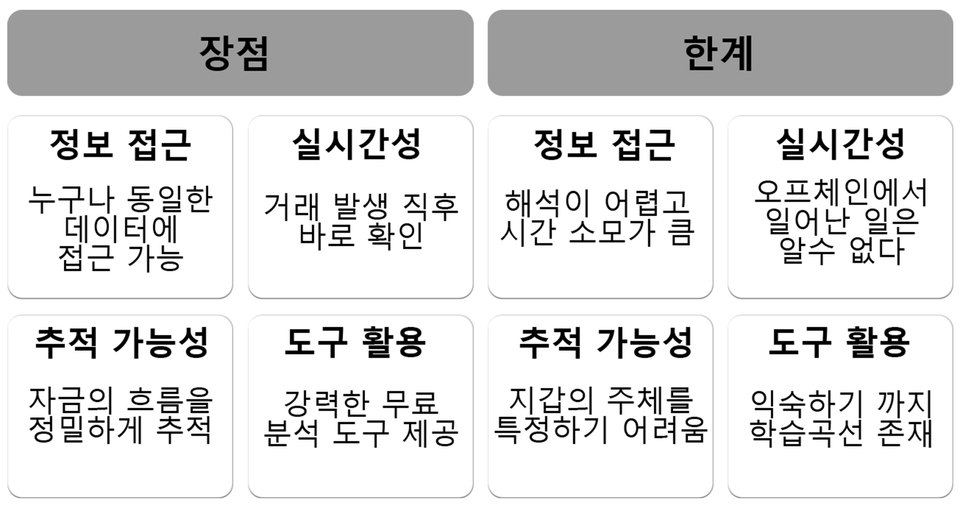
[Example] On-Chain Analysis Advantages and Limitations at a Glance

This is a comparison table that quickly summarizes the key points of why on-chain analysis is powerful and at the same time how far interpretation is possible.
Through this table, you can intuitively understand the nature and scope of use of on-chain data.

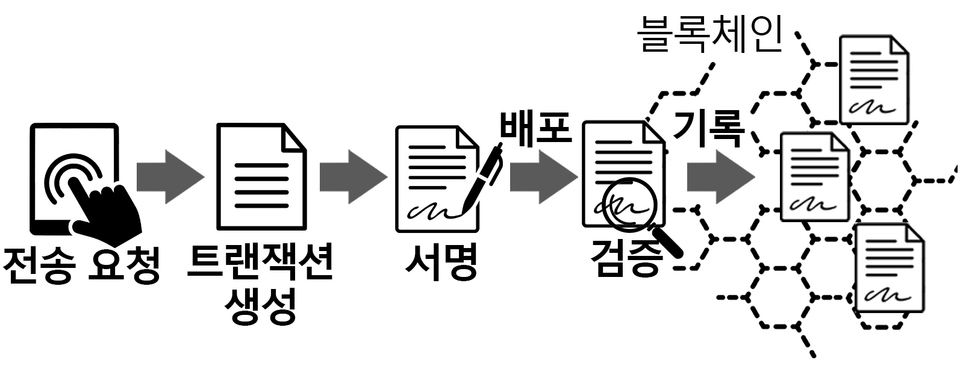
[Example] Flow of On-Chain Transactions: Creation → Signing → Verification → Recording

This part helps you visually understand the entire process of how on-chain data is created and recorded on the blockchain through transactions. Understanding this process will make it much easier to connect with Etherscan analysis later on.

The goal of this part:
To give you a sense that "on-chain analysis" is not an abstract concept,
but a tool that can actually change your actions
.


Part 2. Mastering the Tools – "Arming Yourself with Etherscan & Dune"

  • Etherscan

    • Reading address profiles: Whale or rookie?

    • In the transaction details window

      • How to interpret Input Data / Internal Txns / Logs / State

    • How to read the market's rhythm block by block

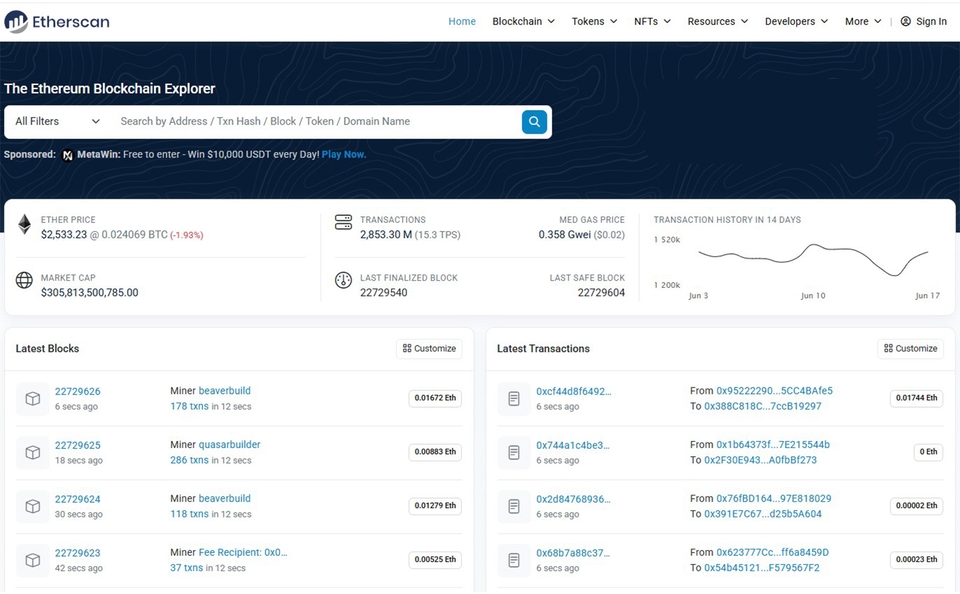
[Example] Etherscan: The Starting Point of On-Chain Data

Learn how to directly read the basic structure of transactions, blocks, addresses, and contracts.
This is the first step in understanding 'fact data' recorded by the actual blockchain, not price charts.

  • Dune

    • How to use pre-built dashboards to view
      stablecoins, bridges, whales, CEX deposits/withdrawals, etc.

    • Understanding query structure,
      and how to modify "the question you want to ask" by changing just a few numbers

    • Write simple queries yourself
      Hands-on routine to extract on-chain data as charts

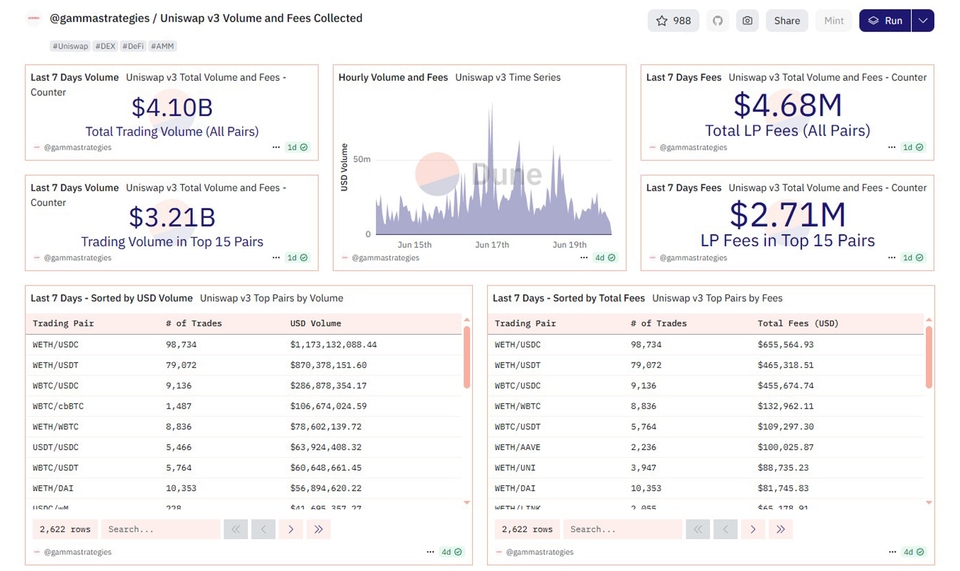
[Example] Dune: How to Interpret DeFi & DEX Data on Your Own

Learn how to analyze Uniswap v3's trading volume, fees, and pair-specific flows through direct queries.
This part develops your ability to read DeFi market strength and weakness through data, not news.

The goal of this part:
To make tools like Etherscan, Dune no longer intimidating, but feel like "tools I command".


Part 3. How to Read the Movement of Money – "The Eye That Interprets Bridges, Stablecoins, and Whales"

  • Bridge

    • L1 ↔ L2, chain ↔ chain fund movement structure

    • Lock & Mint / Burn & Mint / Liquidity-based, etc.
      Differences between bridge methods and analysis points

    • Following actual bridge transactions with Etherscan & Dune
      How to see "the gateway where money moves first"

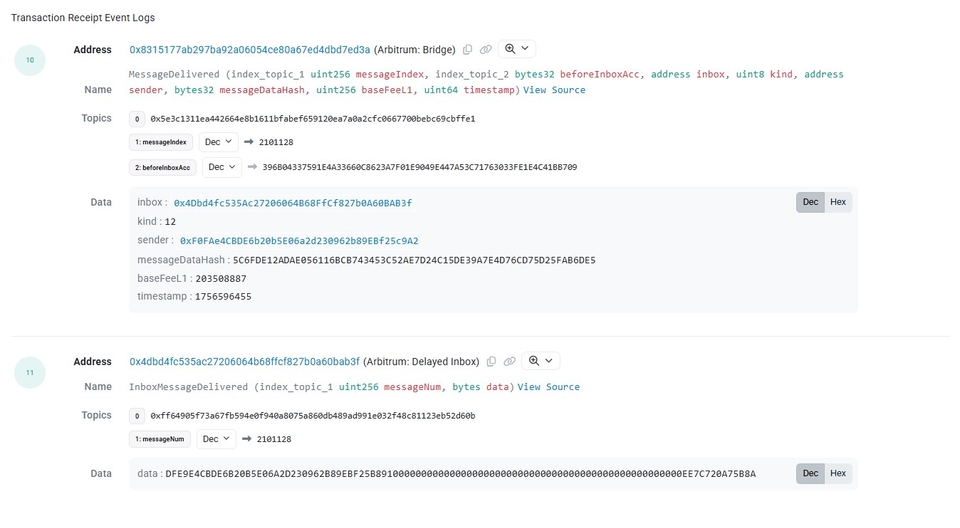
[Example] How are L1 → L2 bridge messages actually recorded?

Learn how to track L1→L2 message delivery using event logs alone.

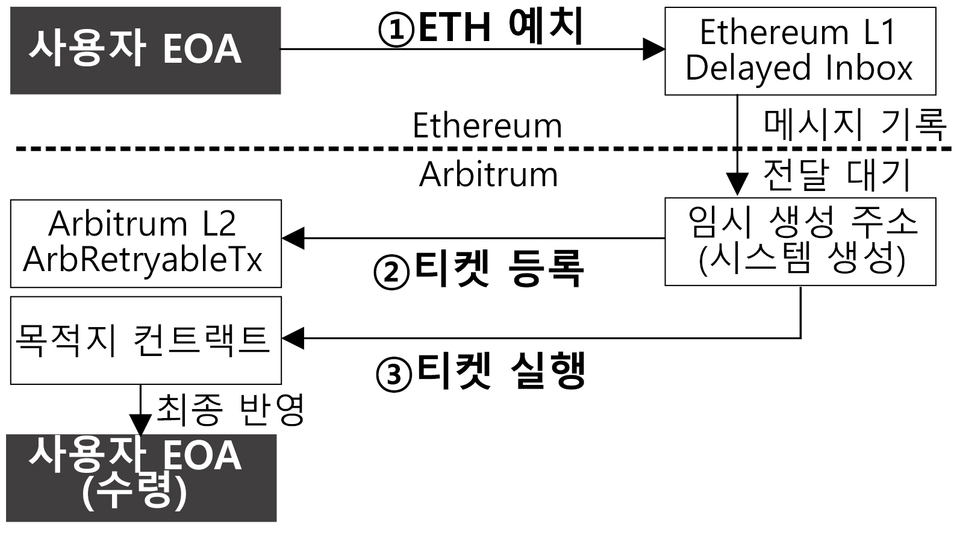
[Example] The essence of bridging: Message creation → Registration → Execution. Understanding this flow reveals how chains work.

Understand the entire bridge message flow from deposit to L2 execution at a glance.

  • Stablecoins (USDT, USDC, etc.)

    • The perspective of viewing stablecoins as "assets that reflect market sentiment"

    • How to read "Is this a market where money is flowing in or flowing out" through
      net inflow and outflow (Netflow)

    • Connecting cross-chain movements and CEX deposits/withdrawals
      to interpret "which chain and which sector is now gaining attention"

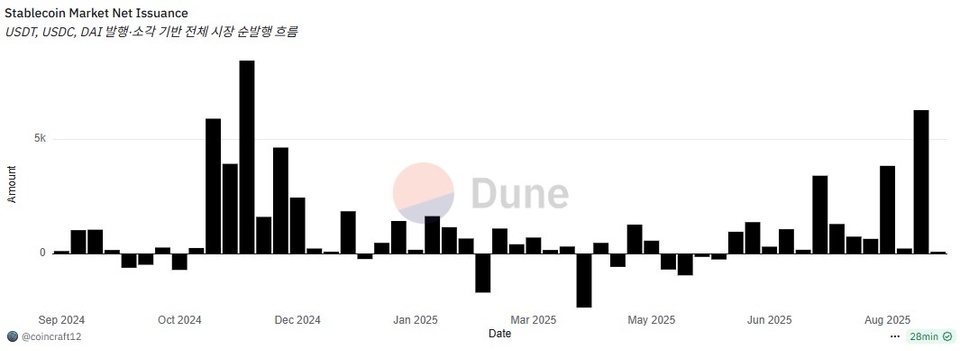
[Example] Reading the market's 'breath' through stablecoin net issuance.

Analyze the overall market liquidity flow by aggregating the issuance and redemption volumes of major stablecoins such as USDT, USDC, and DAI. Periods of increasing net issuance indicate new dollar inflows into the market, while decreasing periods can serve as warning signals of capital outflows.

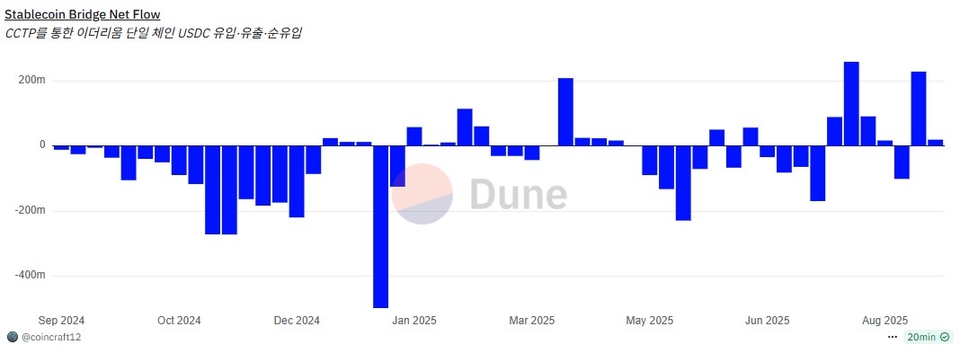
[Example] CCTP-based cross-chain movement—Understanding USDC's actual 'fund flow paths'.

By analyzing the net inflow and outflow of USDC through CCTP (Cross-Chain Transfer Protocol),
we can identify which chains are experiencing fund outflows and where funds are flowing into.
In particular, net outflows/inflows based on Ethereum mainnet are key data for capturing strategic position changes by institutions and whales.

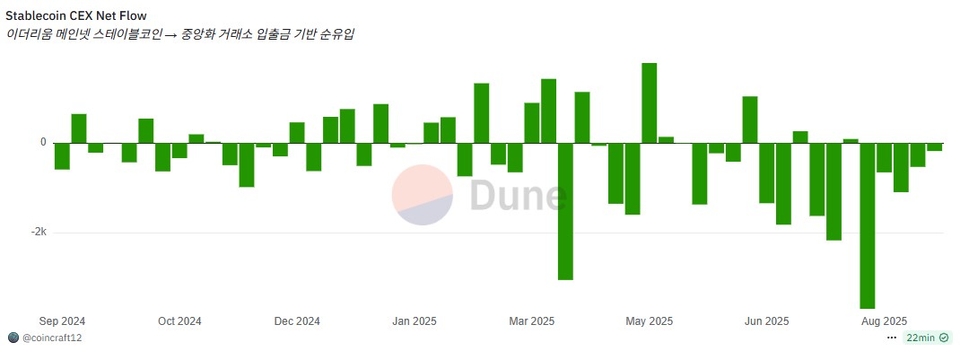
[Example] Centralized Exchange (CEX) Deposit/Withdrawal Based—Tracking Actual Buying and Selling Pressure.

Through the flow of stablecoin deposits (inflows) and withdrawals from exchanges, you can determine whether market participants are risk-on (preparing to buy) or risk-off (cashing out). In particular, large-scale stablecoin withdrawals are a key leading indicator of increased spot buying potential.

  • Whale Wallet

    • Criteria and Types for Selecting Whale Addresses

    • Reading split accumulation, sweeps, key replacements, counterparty repetition patterns, etc.
      typical behavioral patterns of whales

    • Using the instructor's custom-built practical whale address dashboard tool

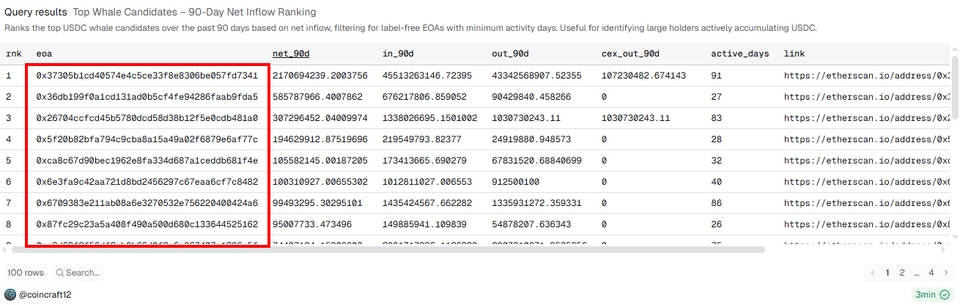
[Example] Whale Radar — An on-chain scanner that captures whale candidates in real-time

By analyzing USDC net inflows and activity patterns by period, it automatically identifies 'the real whales moving the market right now'. This is a key tool for tracking whale footprints with data instead of rumors.

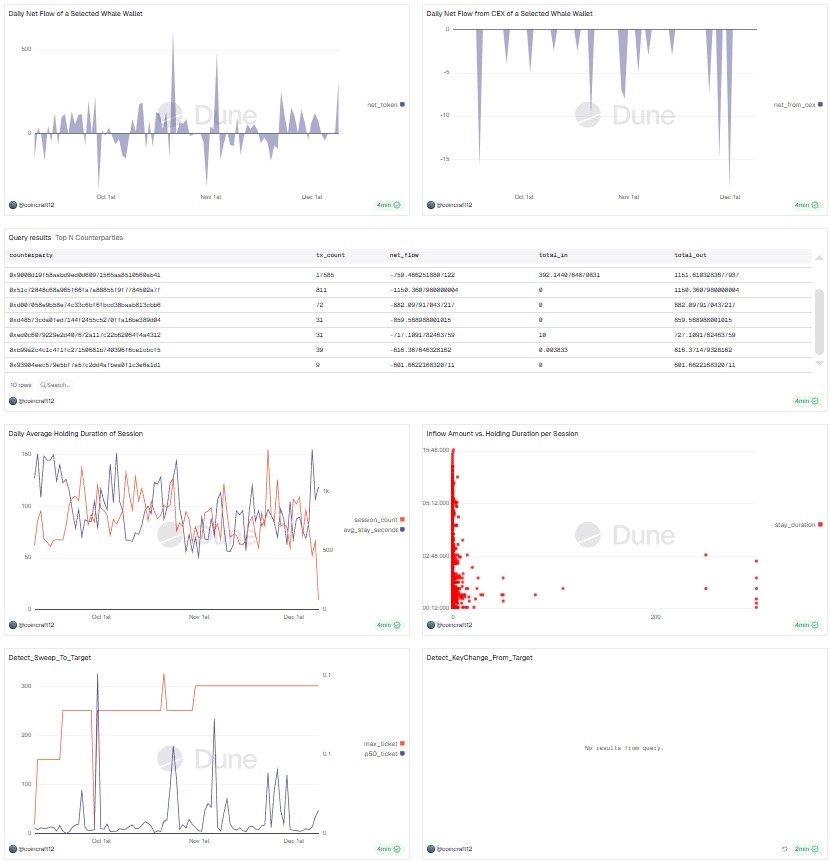
[Example] Whale Deep-Dive Dashboard — An analytical lab that completely dissects a single whale address

Provides integrated analysis of a specific whale wallet's daily net inflow, CEX movements, Top N counterparties, holding duration by session, sweep patterns, and more—all on a single screen. 'Why does this whale move this way?'—a tool that cultivates advanced analytical capabilities to interpret this on your own.

The goal of this part:
To go beyond simply hearing rumors like "whales are buying," and develop the ability to clearly explain in your own words,
"This address moved like this, and therefore the meaning is this."

Additionally, we cover the ability to independently find and interpret whale wallet addresses, which are key market players.


Part 4. Moving Forward – "Advanced Analysis" and "Living as an On-chain Analyst"

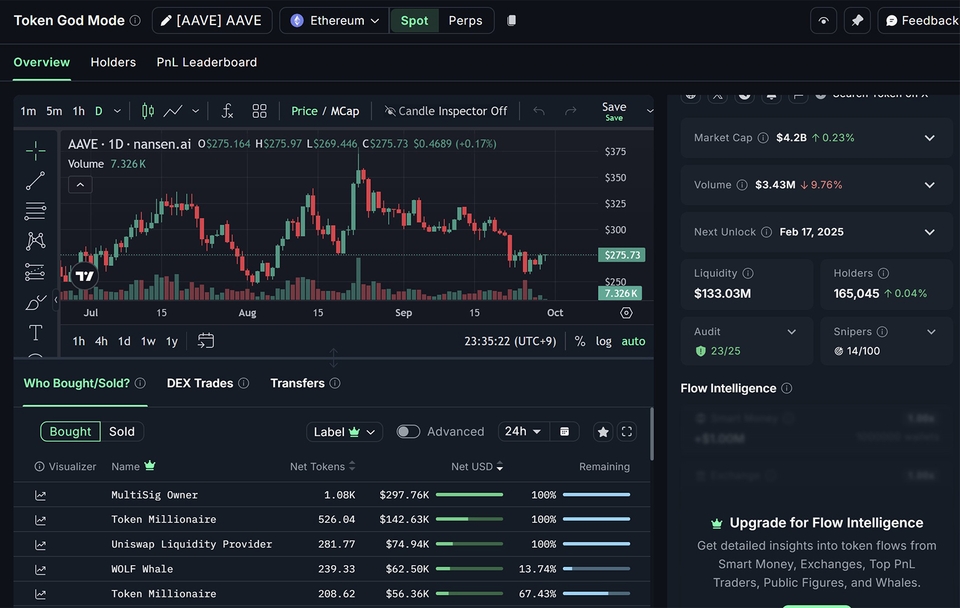
  • How to use top onchain tools like Arkham, Nansen, DeBank, etc. from the right perspective

  • How to combine free/paid tools according to your purpose

  • The daily routine of an on-chain analyst, the actual methods of incorporating on-chain data into research, reports, dashboards, and content creation

  • Investor → Data Consumer → Roadmap to Growing as an "Interpreter and Designer"

[Example] Advanced On-chain Analysis Tools: Arkham · Nansen · DeBank

Learn the tools used by on-chain experts for address identification, smart money tracking, and fund flow analysis with actual screenshots. Go beyond simple lookups to master advanced analytical skills that enable whale movement, risk, and pattern interpretation.

The goal of this part:
Not just stopping at "I learned it," but connecting it all the way to "How can I make a living with this going forward?"

You'll learn advanced analysis techniques and tool utilization methods needed to grow as an on-chain analyst, while organizing what you've learned into a format that can be applied in real-world scenarios.


Appendix. For Those Who Want to Dive Deeper

  • The Future of On-Chain Analysis in the Age of AI Agents

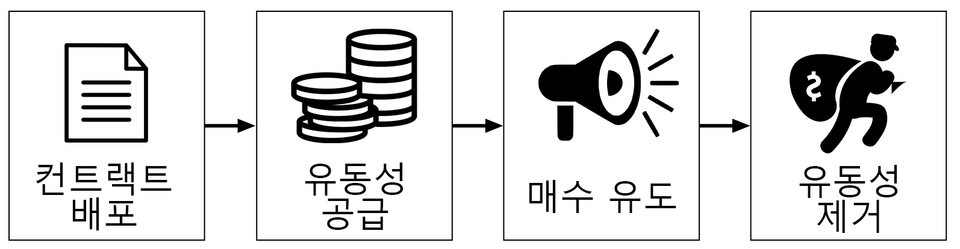
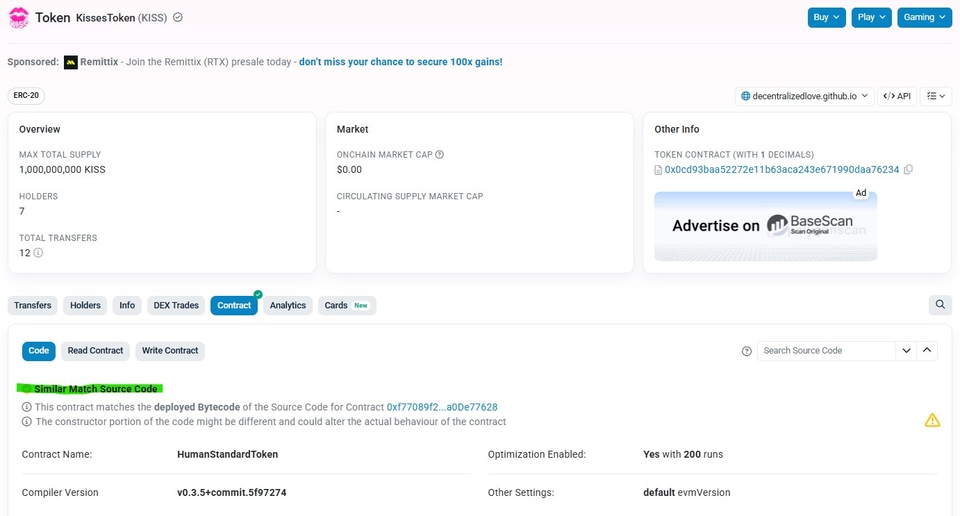
  • How to Identify Scam Tokens – On-chain Fraud Patterns You Must Avoid

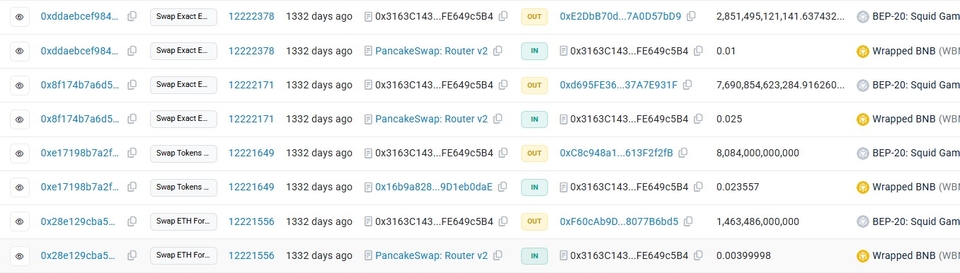
  • Rug Pull Case Analysis – Understanding Sophisticated Rug Pull On-Chain Scam Structures Through the SQUID Token Incident


[Example] Practical Response to Scams & Rug Pulls: Learning by Seeing Fraud Patterns Firsthand


In the appendix, you'll learn about scam token structures, rug pull progression stages, liquidity removal tricks, and other
fraud types commonly occurring in the market by directly examining on-chain data.
Now, instead of wondering "why did I fall for this?", you'll be able to judge for yourself
how to avoid it.


🌱 After Taking This Course, Your Transformation

  • You'll develop
    the habit of opening Etherscan and Dune to verify directly rather than being swayed by Telegram/Twitter rumors.

  • You won't stop at "This coin looks good?"
    but instead view the market multidimensionally, thinking
    "These addresses, this bridge, this stablecoin flow is telling me this."

  • You move up a level from being a simple investor
    to someone who translates on-chain data into language, stories, and strategies.

  • And most importantly,
    you'll develop the ability to identify scams and rug pulls on your own without relying on external reputation.
    By directly reading liquidity, contracts, and internal transaction flows,
    you'll gain the ability to detect "this is dangerous" before others do.

Recommended for
these people

Who is this course right for?

  • Individual investors who want to view the market through data, not news

  • On-chain analysts, researchers, job seekers and working professionals preparing for a career transition to Web3 roles

  • People who are new to 'on-chain analysis' but definitely want to learn it

  • People who need data-driven insights as project managers or creators

Need to know before starting?

  • Basic blockchain concepts including Bitcoin and Ethereum

  • Experience handling wallet addresses and transactions (e.g., using MetaMask)

  • Simple web browsing using Chrome browser

  • If you've heard of analytics tools like Etherscan or Dune, it's even easier

Hello
This is

안녕하세요.
온체인 데이터 기반 리서치와 블록체인 실전 분석을 전문으로 하는 CoinCraft(코인크래프트)입니다.

저는 단순 투자 관점이 아닌 데이터 기반의 구조적 이해를 중심으로
지갑 주소, 트랜잭션, 스마트컨트랙트, 스테이블코인 흐름, 브릿지 구조,
그리고 프로토콜의 실제 자금 이동까지 ‘온체인 분석’ 전체를 다루는 콘텐츠를 제작하고 있습니다.

유튜브, 블로그, 뉴스레터, 책 집필, 실전 대시보드 제작을 통해
초보자도 블록체인 데이터를 직접 읽고 해석할 수 있도록
쉽고 실전적인 교육에 집중하고 있습니다.

특히 CoinCraft의 교육은 다음과 같은 특징을 갖고 있습니다.

  • 지갑 → 트랜잭션 → 블록 → 자산 → 카운터파티까지 이어지는 체계적인 커리큘럼

  • 실제 프로토콜의 흐름을 기반으로 한 실전 사례 중심 구성

  • 주소의 프로파일링, 고래 추적, 세션 분석 등 전문 분석가의 관찰 기준 공개

  • 초보자도 이해할 수 있는 쉬운 설명 + 직관적 슬라이드

  • Web3 실무자·투자자 모두 활용 가능한 실전형 분석 방법론

앞으로 인프런에서는
입문자부터 실전 분석가까지 단계별로 성장할 수 있는
온체인 분석 강의 시리즈를 지속적으로 선보일 예정입니다.

블록체인은 더 이상 기술자의 영역이 아니라,
누구나 배울 수 있고 자신의 분야에 적용할 수 있는 새로운 언어입니다.
CoinCraft와 함께 온체인 데이터의 세계를 깊고, 넓고, 정확하게 경험해보세요.

감사합니다.
CoinCraft 드림


[CoinCraft 공식 링크]
🌐 Website: https://coincraft.io
📺 YouTube: youtube.com/channel/UCT7SwOLZfnx-1zxAprRTQNg/
📝 Blog: https://coincraft.kr/
📩 Newsletter: https://coincraft.kr/newsletter
💻 GitHub: https://github.com/coincraft12

 

Curriculum

All

42 lectures ∙ (11hr 5min)

Course Materials:

Lecture resources
Published: 
Last updated: 

Reviews

Not enough reviews.
Please write a valuable review that helps everyone!

$211.20

coincraft's other courses

Check out other courses by the instructor!

Similar courses

Explore other courses in the same field!