



inflearn logo

Kubernetes-based Cloud-Native Application Development

Learn how to develop cloud-native applications using Kubernetes, the standard for container orchestration. From core Kubernetes concepts to actual application deployment and operations automation, you can acquire practical skills that are immediately applicable in the field. Learn how to build efficient resource management and deployment processes by integrating development and production environments.

2 learners are taking this course

Level Basic
Course period 1 months

devops
devops
orchestration
orchestration
aws-automation
aws-automation
cloud-computing
cloud-computing
k8s
k8s
devops
devops
orchestration
orchestration
aws-automation
aws-automation
cloud-computing
cloud-computing
k8s
k8s

What you will gain after the course

  • Developing and deploying cloud-native applications in a Kubernetes environment

  • Building an automated operational environment through container orchestration

  • Understanding Kubernetes Architecture and the Principles of Interaction Between Applications

The Standard of Container Orchestration
Completing Practical Cloud-Native Capabilities

Automate everything from service deployment to operation with Kubernetes.


Develop practical Kubernetes skills that can be applied immediately in the field.
We will help you build development and operations automation capabilities to stably operate services even in complex cloud environments
and establish efficient deployment pipelines.


Introduction to Kubernetes
Starting Cloud-Native App Development

Experience hands-on industry practices ranging from Kubernetes core concepts to container orchestration, and
application deployment and operations automation.tự động hóa triển khai cũng như vận hành ứng dụng.


Integrate development and production environments, and directly design and implement
resource management and efficient deployment processes.


Learn the entire development process, from building a Kubernetes cluster to application deployment and
troubleshooting using kubectl.kubectl.

Master Kubernetes, an essential skill in the industry,
through hands-on practice!

Section 1 - Understanding Kubernetes Overview and Basic Architecture

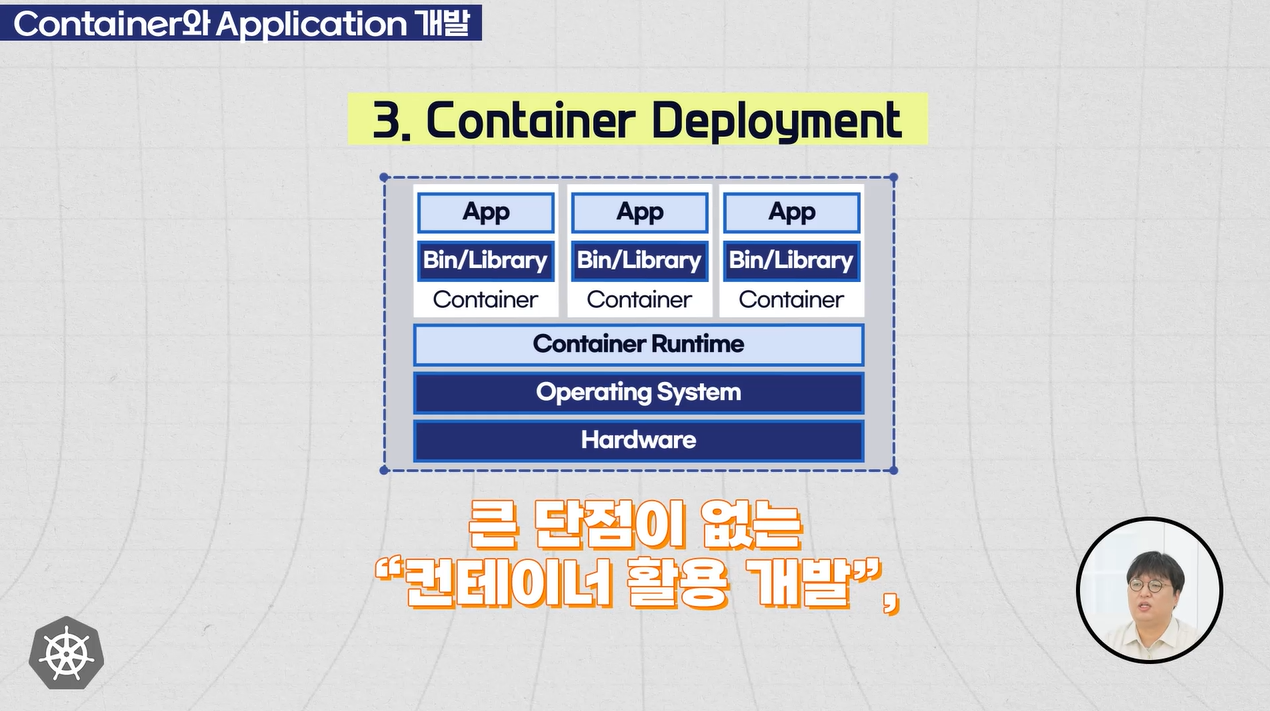
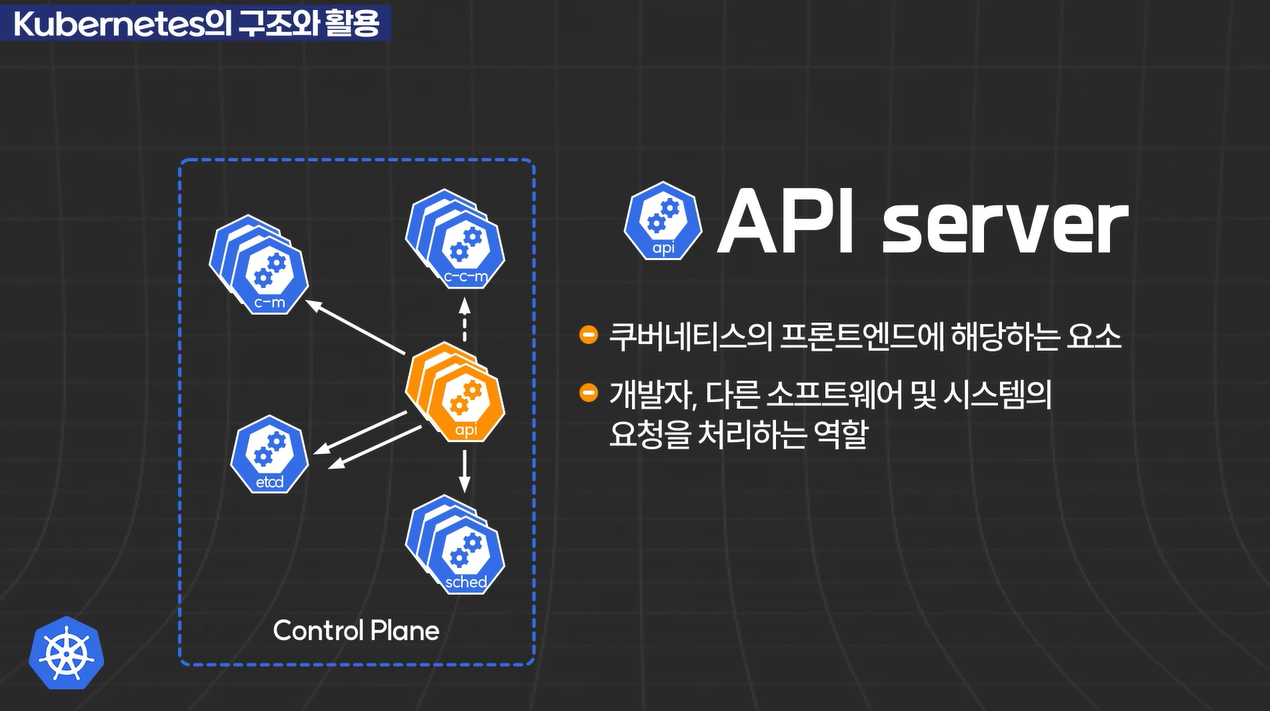
Learn the concepts of Kubernetes, the core of container orchestration, its differences from virtual machines, and the control plane and node structure of a Kubernetes cluster along with its key components. It also covers how to install Kubernetes in a local environment.

Section 2 - In-depth Exploration of Kubernetes Workloads

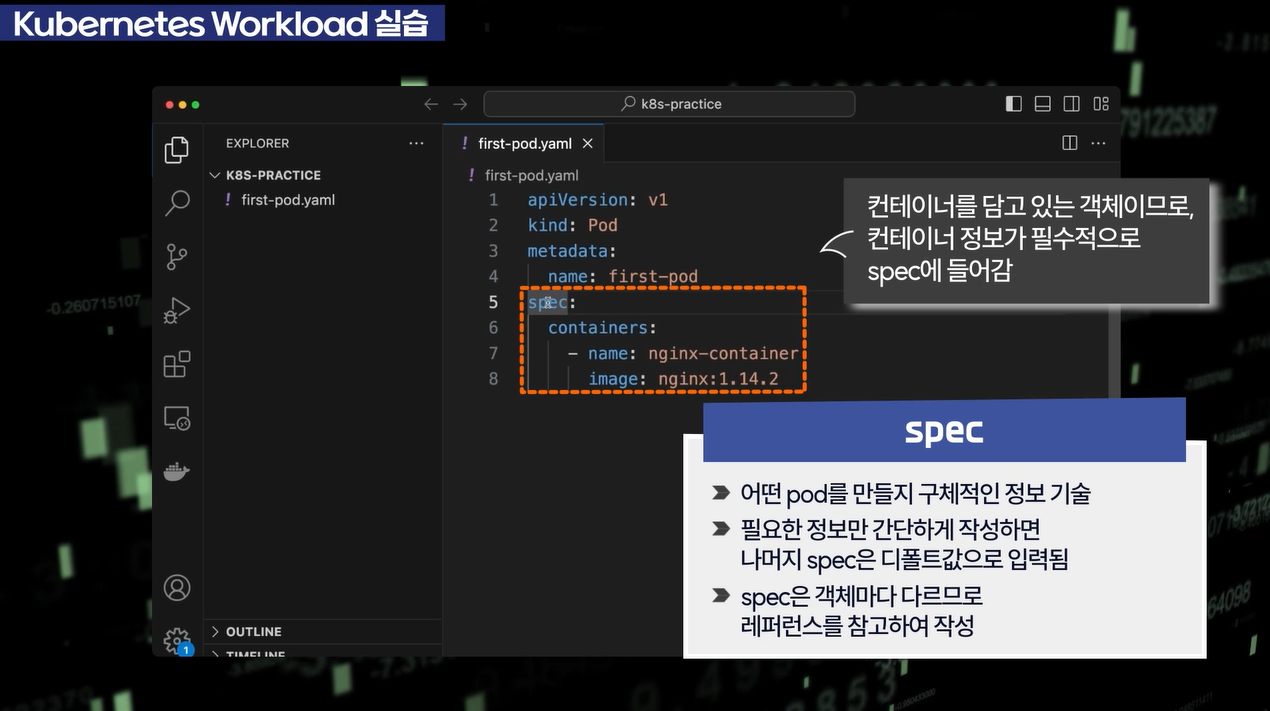
Understand the concepts and characteristics of various workload resources, including Pods—the basic unit for running applications in Kubernetes—as well as ReplicaSets, Deployments, and StatefulSets. Through this, you will learn management and deployment strategies for containerized applications.

Section 3 - Kubernetes Application Deployment Strategies

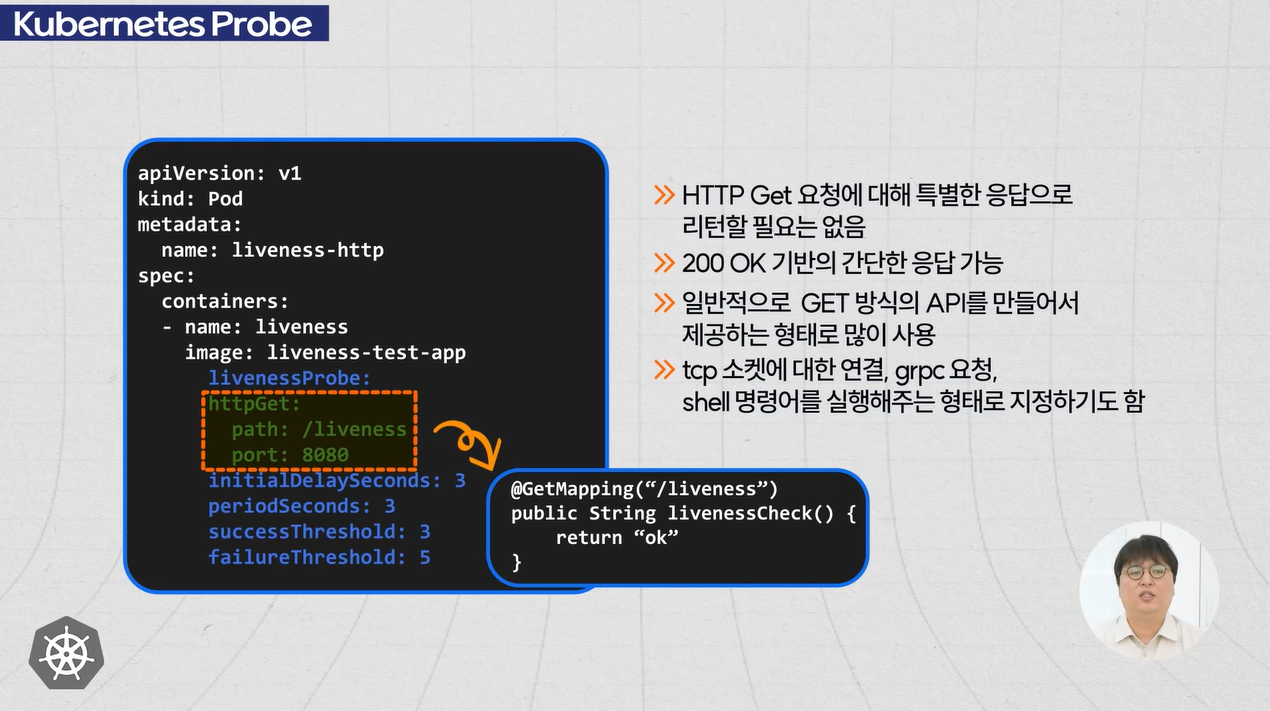
Learn various strategies for deploying applications using Kubernetes. Master methods for updating applications without service interruption through advanced deployment techniques such as Rolling Update, Blue-Green Deployment, and Canary Release.

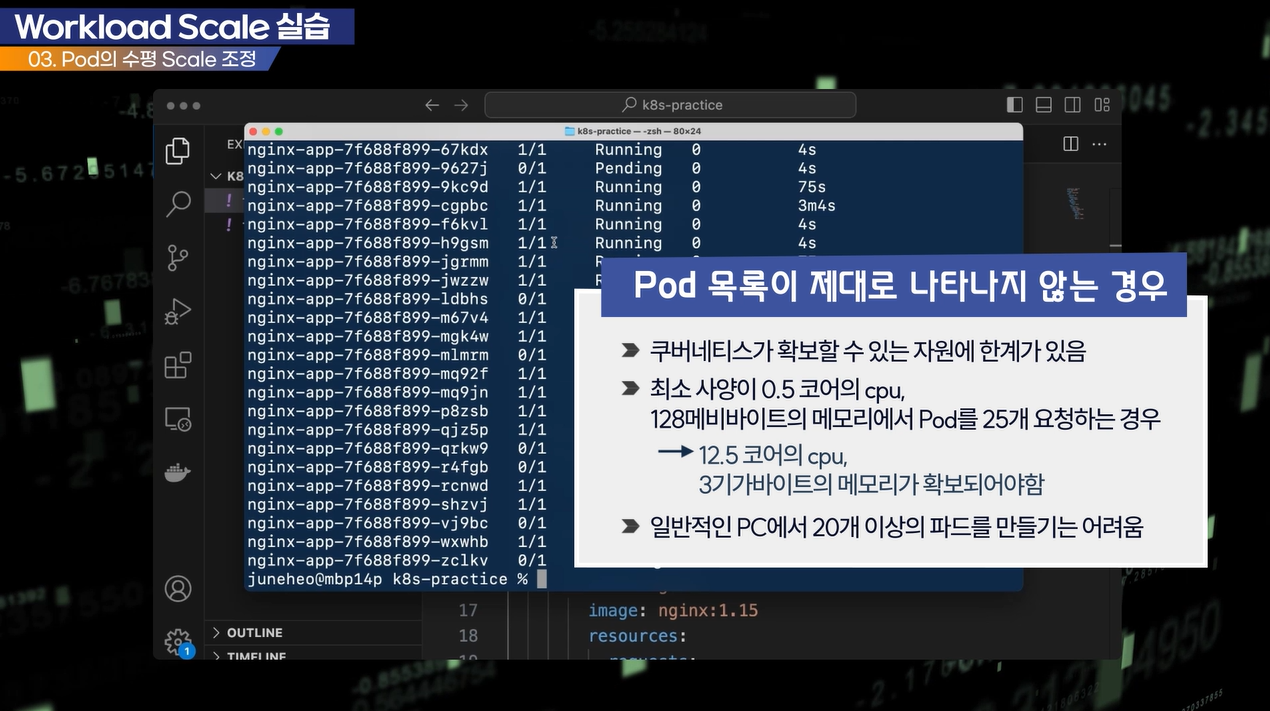
Section 4 - Workload Scaling and Management

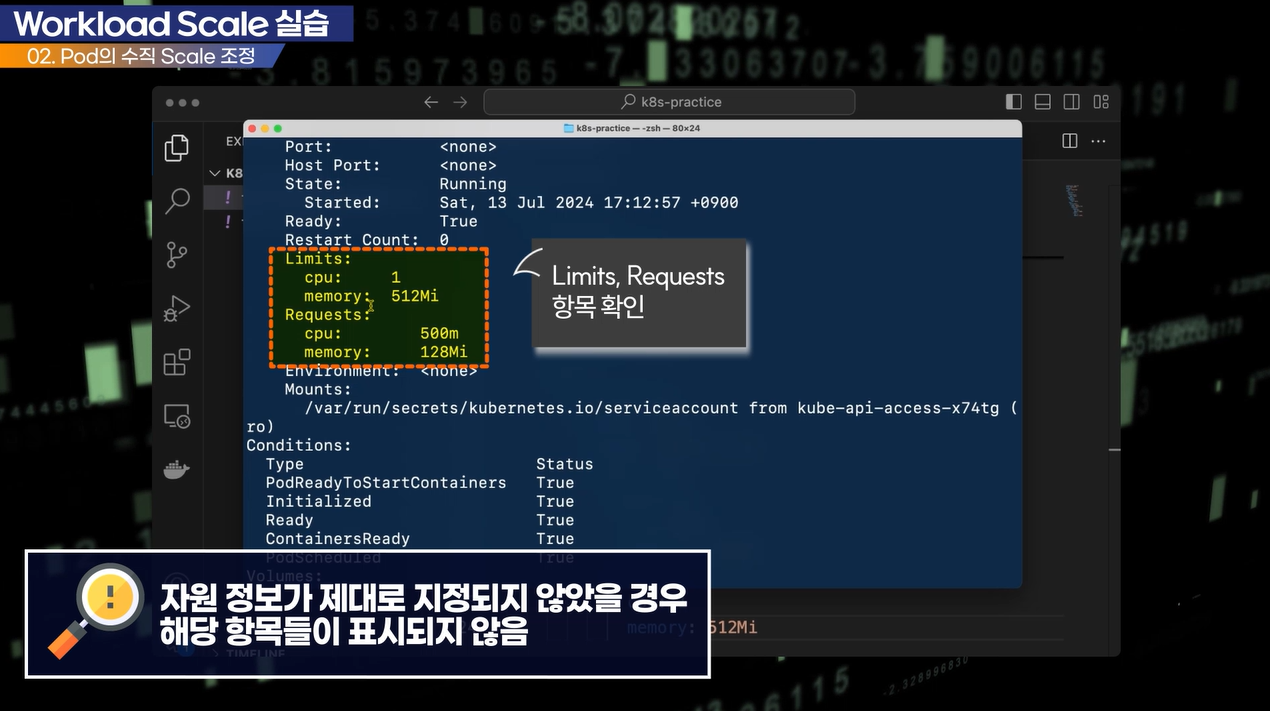
Learn how to dynamically scale workloads according to changes in application traffic. Understand efficient resource management and auto-scaling features through the concepts and configurations of Horizontal Pod Autoscaler (HPA) and Vertical Pod Autoscaler (VPA).

Section 5 - Batch Application Operations

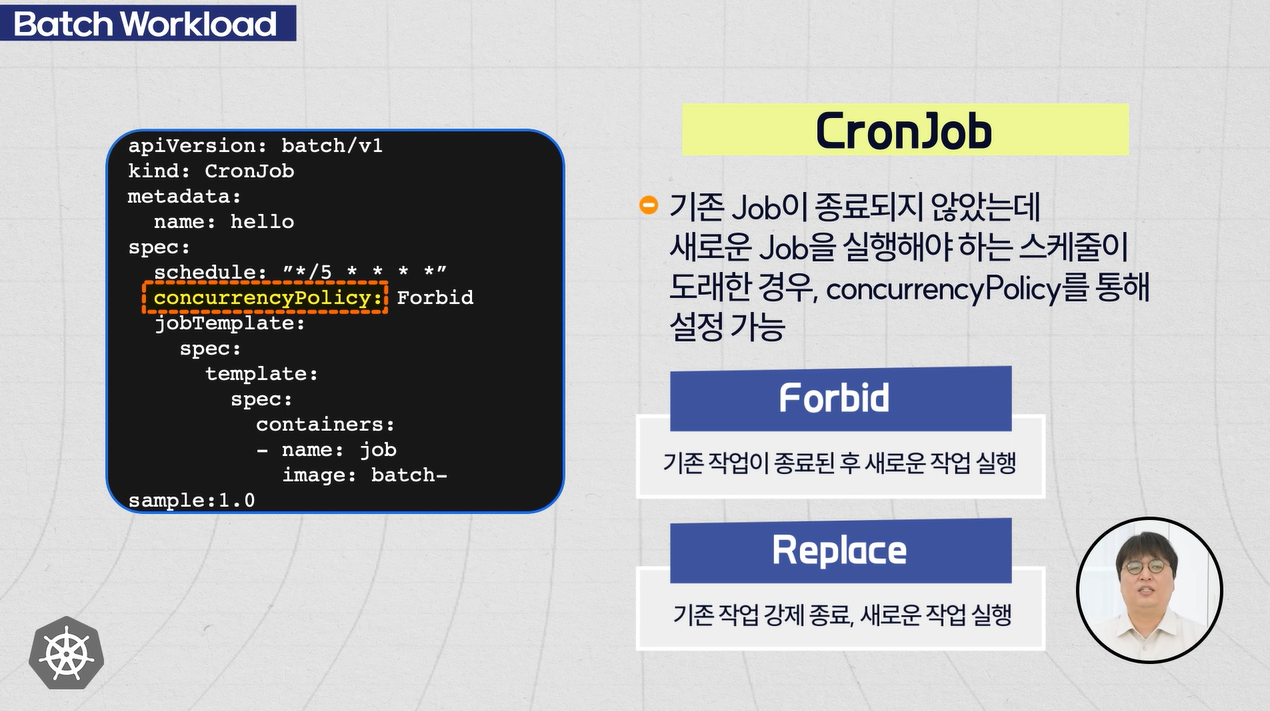
Learn how to effectively operate batch applications that run one-time or scheduled tasks in a Kubernetes environment. Master the use of Job and CronJob resources to ensure the stable execution of batch workloads.

Section 6 - Managing Application Configuration Information

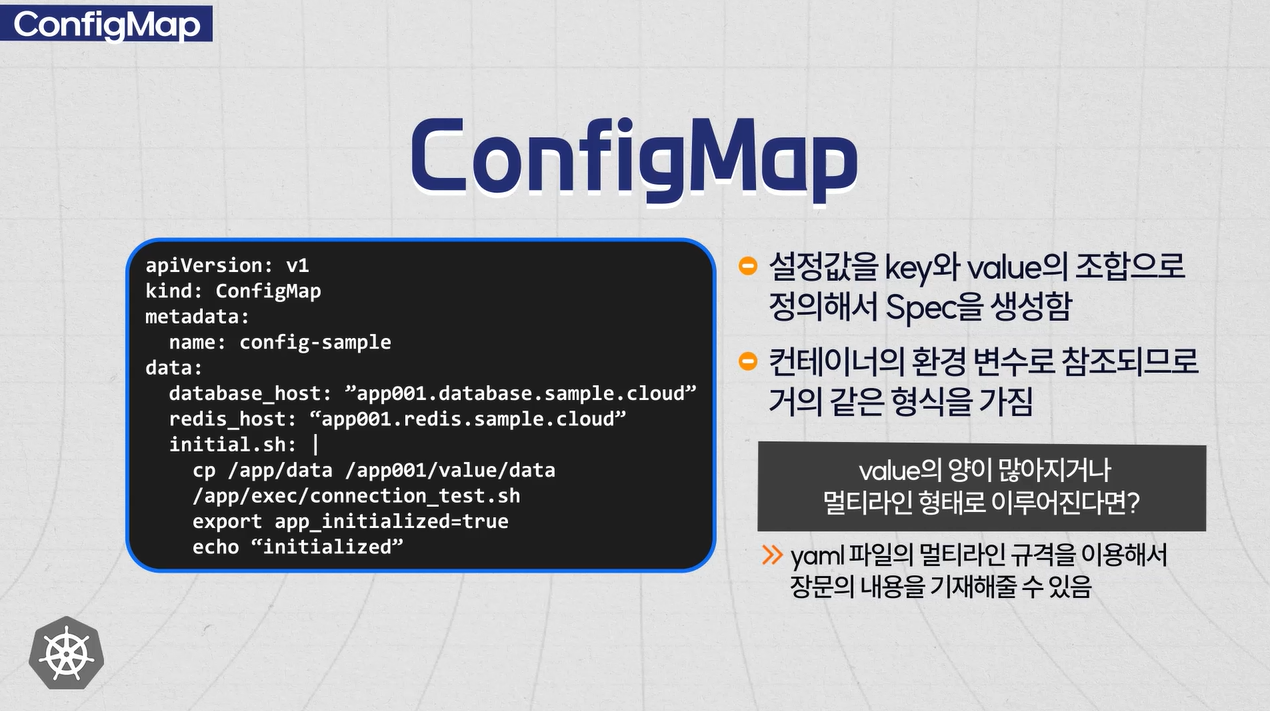
Learn how to securely manage application configuration information outside of Kubernetes. You will learn patterns for effectively injecting and managing application settings and sensitive information using ConfigMap and Secret resources.

Section 7 - Utilizing Kubernetes Networking

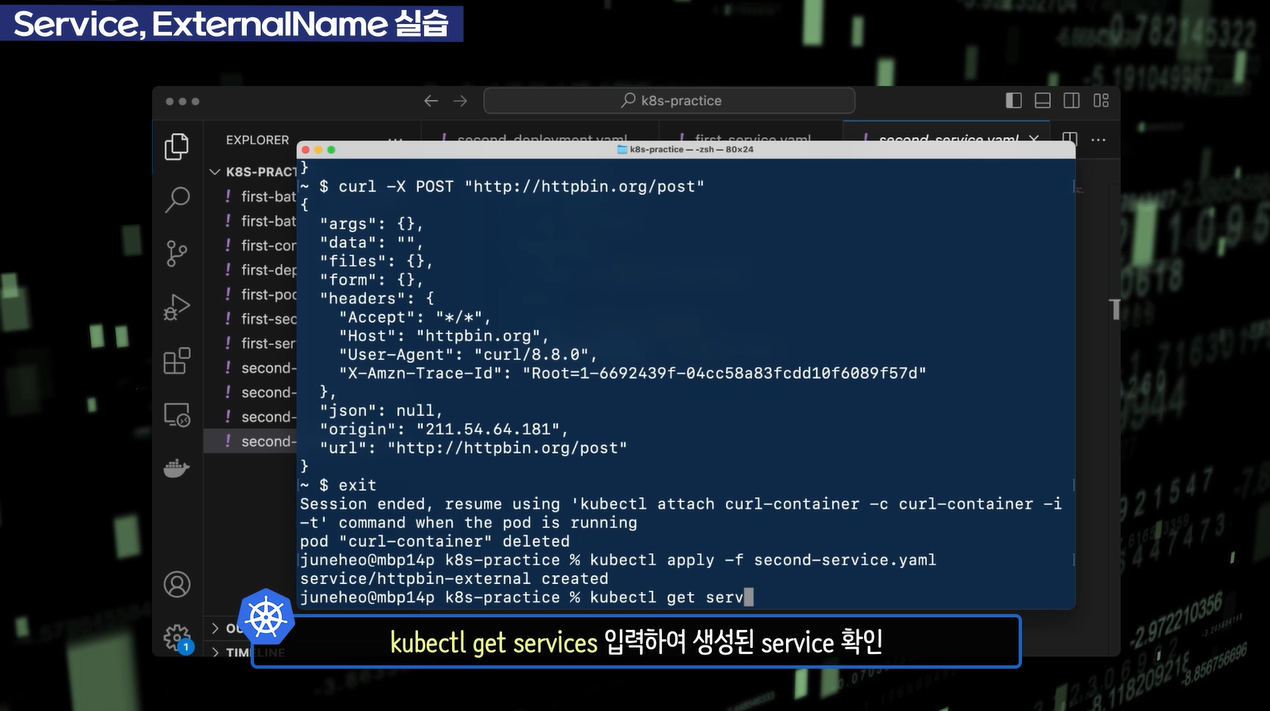
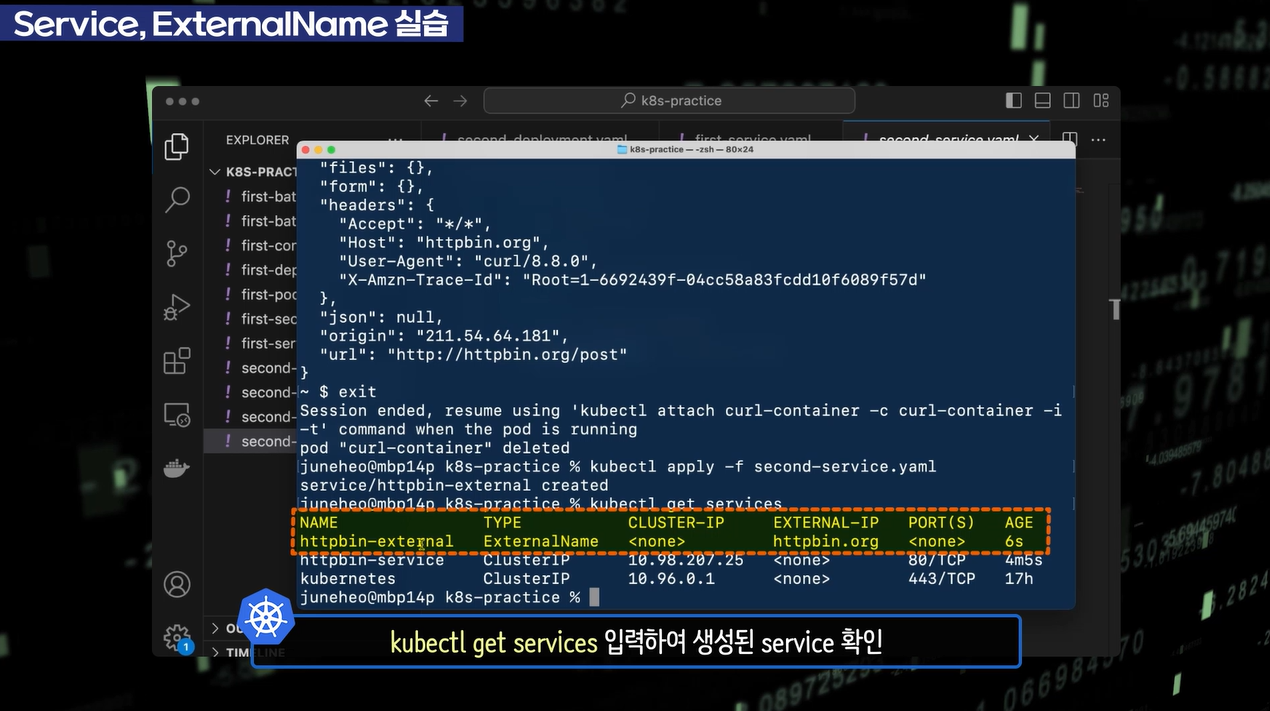
Learn networking concepts for communication within and outside the Kubernetes cluster. Master how to control communication between applications and manage external access using resources such as Service, Ingress, and NetworkPolicy.

Section 8 - Kubernetes Storage Management

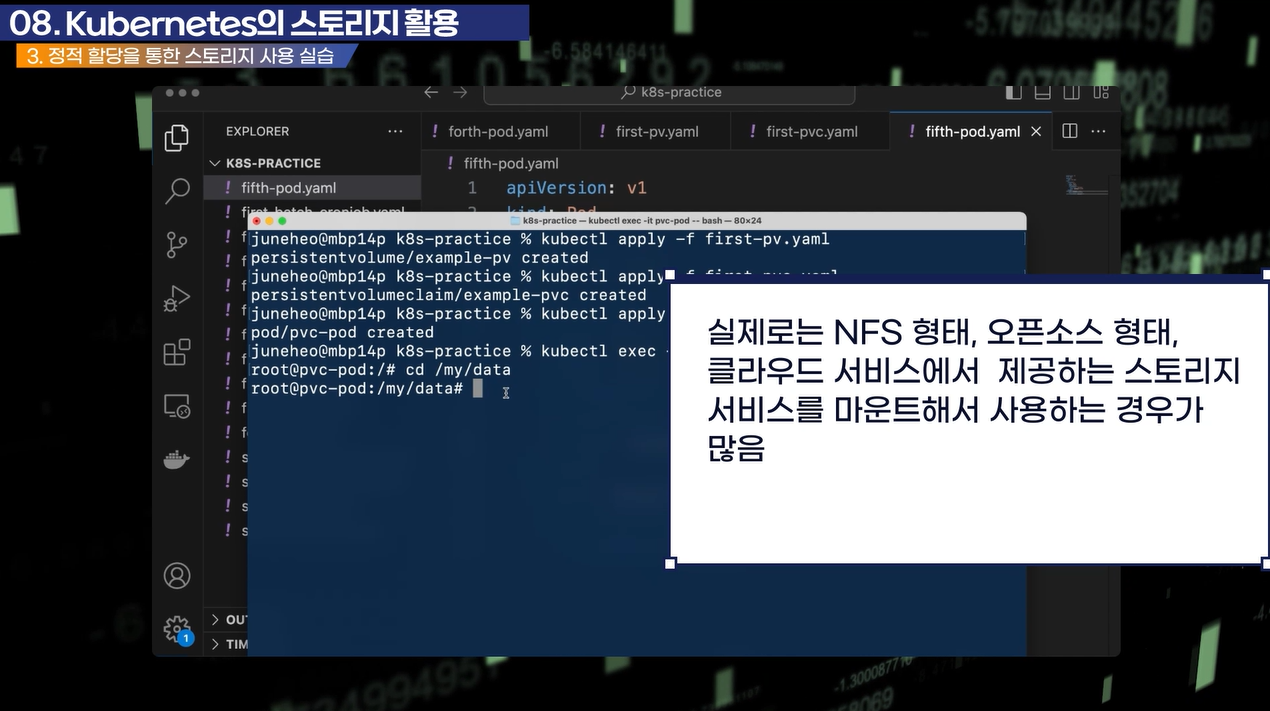
Learn how to utilize storage resources in Kubernetes to overcome the limitations of temporary container storage and ensure persistent data storage. You will learn the concepts and usage of PersistentVolume (PV), PersistentVolumeClaim (PVC), and StorageClass.

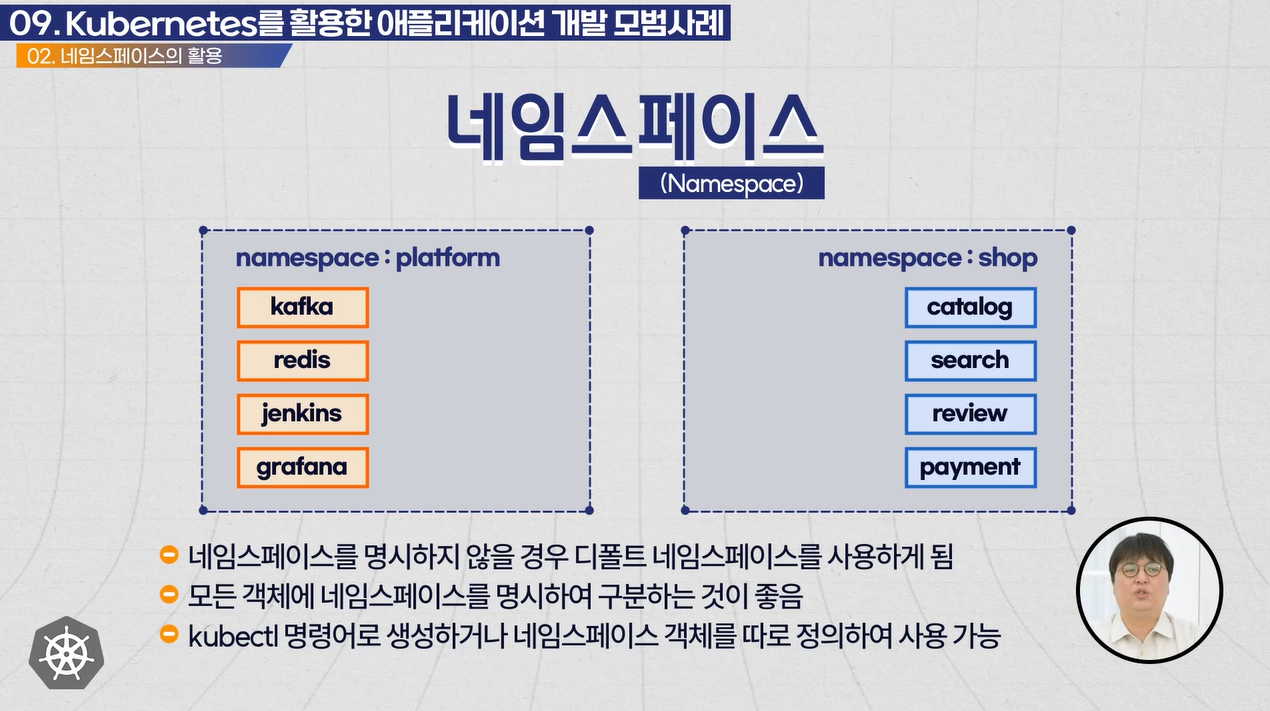
Section 9 - Best Practices for Kubernetes-Based Development

Learn best practices to consider when developing cloud-native applications in a Kubernetes environment. We share practical tips and patterns across application design, container image building, deployment, and operations.

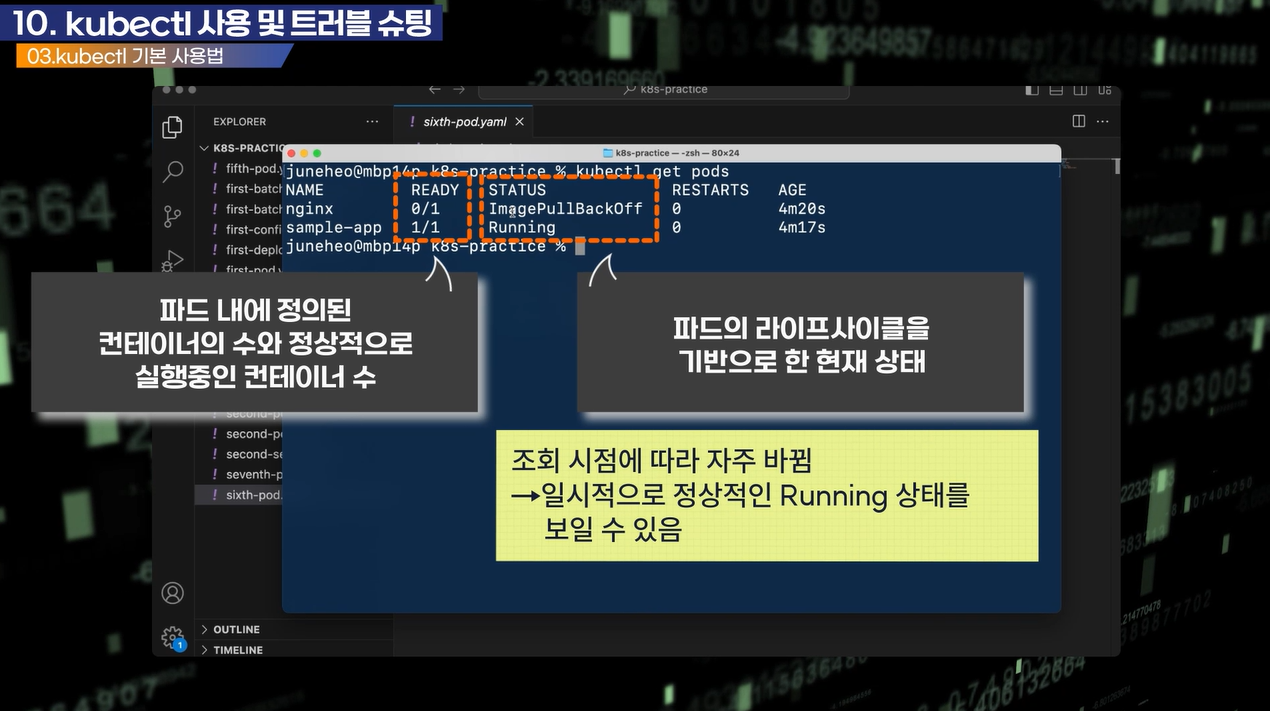
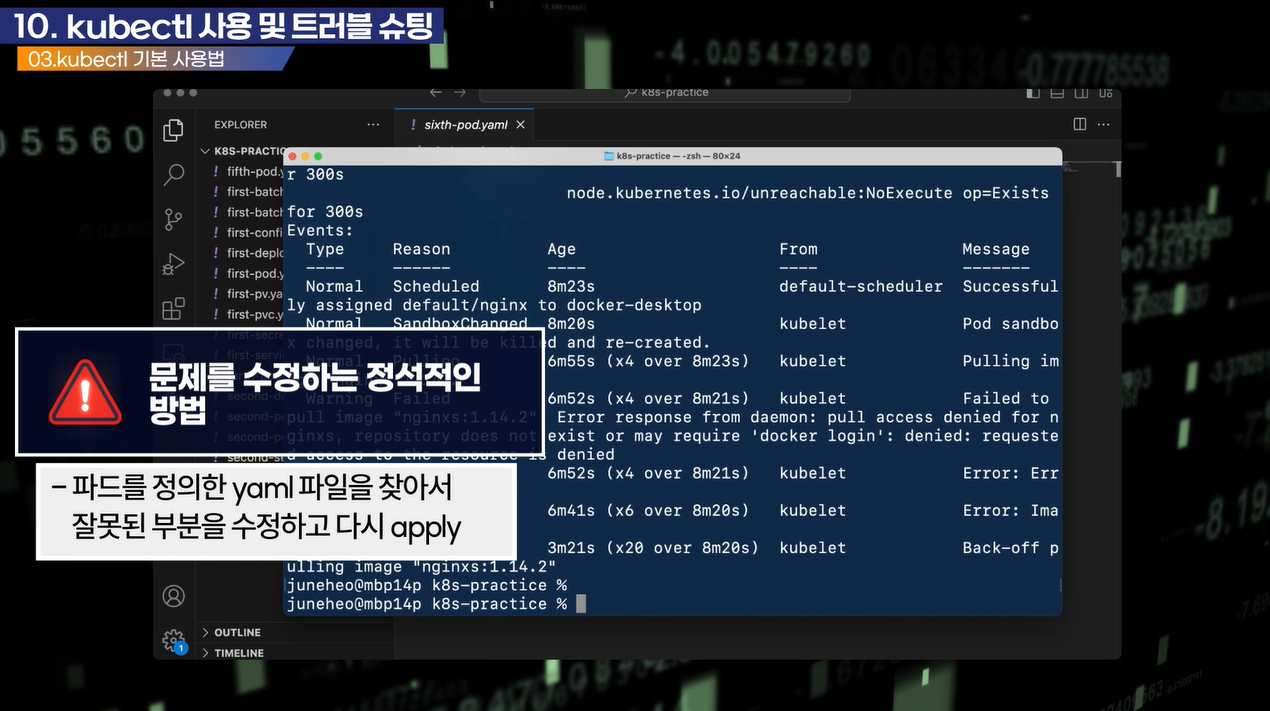
Section 10 - Utilizing kubectl and Troubleshooting

Master the use of the kubectl command, which is essential for managing Kubernetes clusters and checking application status. Improve operational efficiency by learning diagnostic and troubleshooting techniques for common problem scenarios.

Practical Completion!

Point 1. Mastering Kubernetes Core

You will systematically learn everything from the basic concepts of Kubernetes, the standard for container orchestration, to its architecture and core components. After the theoretical learning, you can immediately gain practical hands-on experience by setting up a local environment using Docker Desktop.


Point 2. Practical Cloud-Native Development

Beyond simple conceptual learning, you will experience the entire process of deploying and operating actual applications in a Kubernetes environment. By directly handling core resources such as Workload, Deployment, and Service, you will develop the capability to build services optimized for cloud environments.


Point 3. Building an Automated Operational Environment

Learn how to automate application deployment and scaling. By mastering workload scaling, configuration management, and the use of networks and storage, you can directly build an efficient and stable operating environment.


Point 4. Strengthening Problem-Solving Skills

You will learn how to use kubectl commands and various troubleshooting techniques that can occur during actual operations. Through practice-oriented learning, you will acquire the ability to quickly and accurately resolve issues when they arise in a Kubernetes environment.


Completing cloud applications with Kubernetes,
this course was created specifically for these people.


✔️ Backend/Full-stack developers looking to scale service development in cloud environments

  • Those who want to systematically learn everything from basic Kubernetes concepts to practical application

  • Those who want to learn how to build an automated operating environment using container orchestration

  • Those who want to develop Kubernetes-based application development skills that can be applied immediately in the field

✔️ System engineers interested in container technology and DevOps

  • Those who want to gain a deep understanding of Kubernetes' core architecture and operating principles

  • Those who want to experience practical scenarios such as actual workload deployment, scaling, and configuration management

  • Those who want to improve infrastructure operational efficiency using Kubernetes

✔️ Development team leaders who want to enhance service competitiveness using Kubernetes

  • Those who want to understand the Kubernetes ecosystem and apply optimal development and operational best practices

  • Those who want to learn strategies for application configuration management, networking, and storage utilization

  • Those who want to reduce incident response time through effective troubleshooting skills using kubectl


Now, set a new standard for cloud-native application development with Kubernetes.
Seize the opportunity to take your skills to the next level.

Notes before taking the course


Hands-on Environment

  • To practice Kubernetes, you will need local environment setup tools such as Docker Desktop, Minikube, or Kind.


  • It is recommended to familiarize yourself with how to use kubectl commands for executing and managing practice code.

Prerequisites and Important Notes

  • A basic understanding of container technology (such as Docker) is required. (Concepts are explained in Unit 1)

  • Familiarity with cloud computing and basic Linux commands will be helpful for learning.

  • This course aims to help you acquire practical skills that can be applied to real-world production environments.

Learning Materials

  • You can review core concepts and architecture through the lecture slide PDFs.


Recommended for
these people

Who is this course right for?

  • A backend/full-stack developer developing cloud-based services at an IT company

  • System engineer interested in container technology and DevOps environments

  • Developers looking to learn infrastructure automation using Kubernetes

Need to know before starting?

  • Understanding of basic Linux commands and operating system concepts

  • Basic knowledge of container technologies such as Docker

  • Experience using one or more programming languages

Hello
This is wendy34647345

Prime Contents Lab Co., Ltd. reads learning trends and designs its own courses. We constantly contemplate "who needs what." Based on the expertise of leading authors in each field, we create original educational programs ranging from IT/AI to the humanities that go beyond simple knowledge transfer to help achieve practical growth. Elevate your capabilities to the next level with the premium lectures proposed by Prime Contents Lab.

More

Curriculum

All

10 lectures ∙ (3hr 29min)

Course Materials:

Lecture resources
Published: 
Last updated: 

Reviews

Not enough reviews.
Please write a valuable review that helps everyone!

wendy34647345's other courses

Check out other courses by the instructor!

Similar courses

Explore other courses in the same field!

Limited time deal

$78,650.00

35%

$93.50