
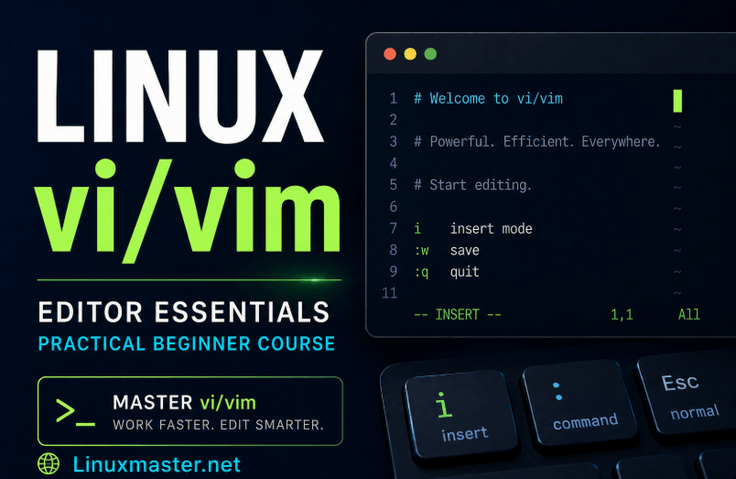
Introduction to vi/vim Editor for Linux Users
This is a practical course for Linux beginners who struggle with saving, exiting, switching input modes, navigating, deleting, and copying/pasting because they are unfamiliar with vi/vim. Based on over 30 years of experience using Linux, this course is designed to help you step-by-step master the vi/vim basics and practical editing commands required for server tasks in a Rocky Linux 9 environment.
43 learners are taking this course
Level Beginner
Course period Unlimited
News
2 articles
Hello.
We have opened a new course, “Hands-On Building DNS and Apache Web Servers with Rocky Linux 9.”
Once you learn vi/vim, I believe what ultimately matters is how you use it on an actual Linux server.If you have learned the basics of Linux, you can now take the next step and experience the process of building and operating an actual server yourself.
In this course, you will practice the following based on Rocky Linux 9.
DNS Server Setup and Domain Configuration
Configuring primary and secondary name servers
Installing and configuring the Apache web server
Building a web service environment integrating DNS and Apache
Setting up an APM environment based on PHP and MariaDB
Building a Tomcat-based JSP service
JSP and Oracle DBMS Integration
Apache Reverse Proxy Configuration and Java Spring Integration
Hands-on Practice Building Various Web Services
Rather than simply following commands, this course is designed to help you understand through hands-on practice how an entire web service infrastructure is configured, from the DNS server to the web and database servers.
I hope this helps those who want to take the next step beyond Linux basics and practice building a server themselves.
Thank you. ^^
We plan to further reinforce the introductory vi/vim editor course with practical, real-world application content.
The existing lectures focus on the basic usage of the vi/vim editor, and the additional lectures will cover the workflow of creating and modifying configuration files using vi/vim in an actual Linux server environment.
## Upcoming Additional Lectures on Practical vi/vim Usage
15. Preparing for Practical Linux Server Tasks
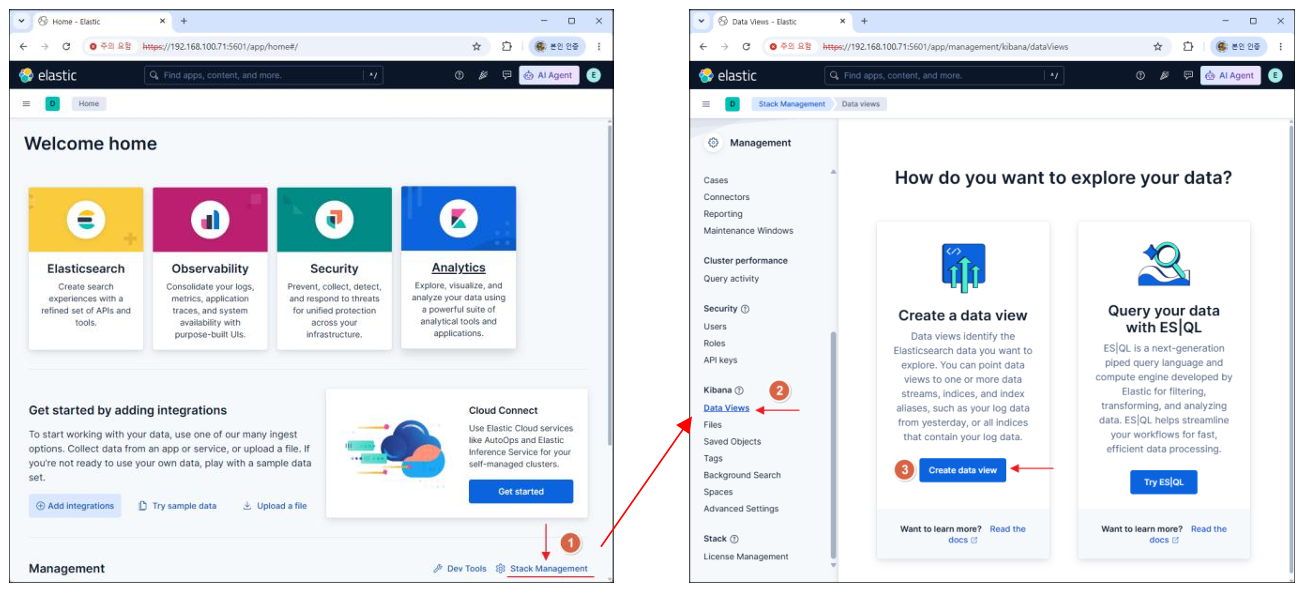
16. Preparing a Docker Elastic Stack Practice Environment
17. Writing Elasticsearch and Kibana Configuration Files
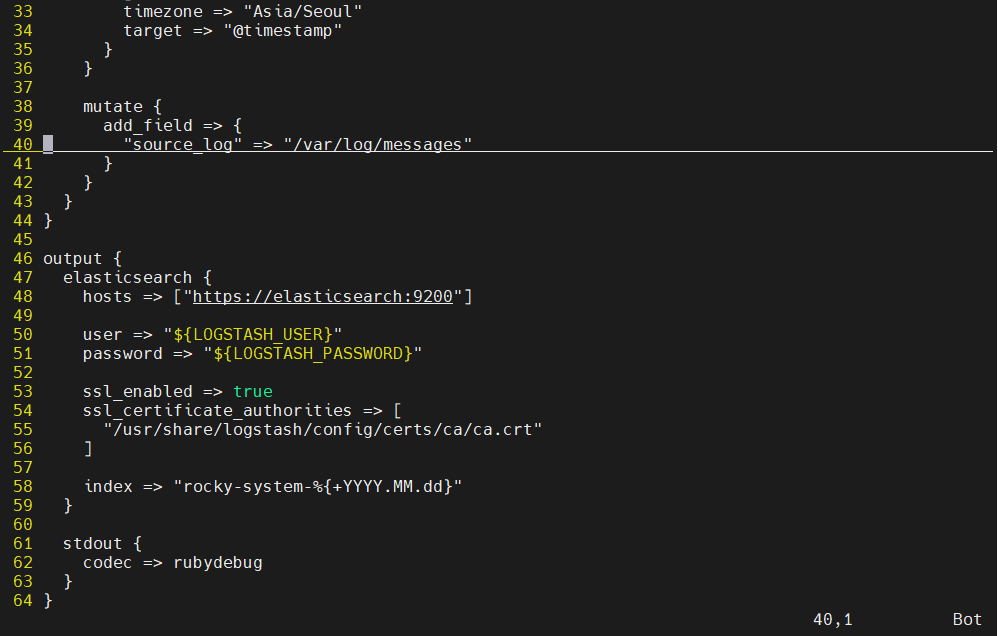
18. Writing Logstash Pipeline Configuration Files
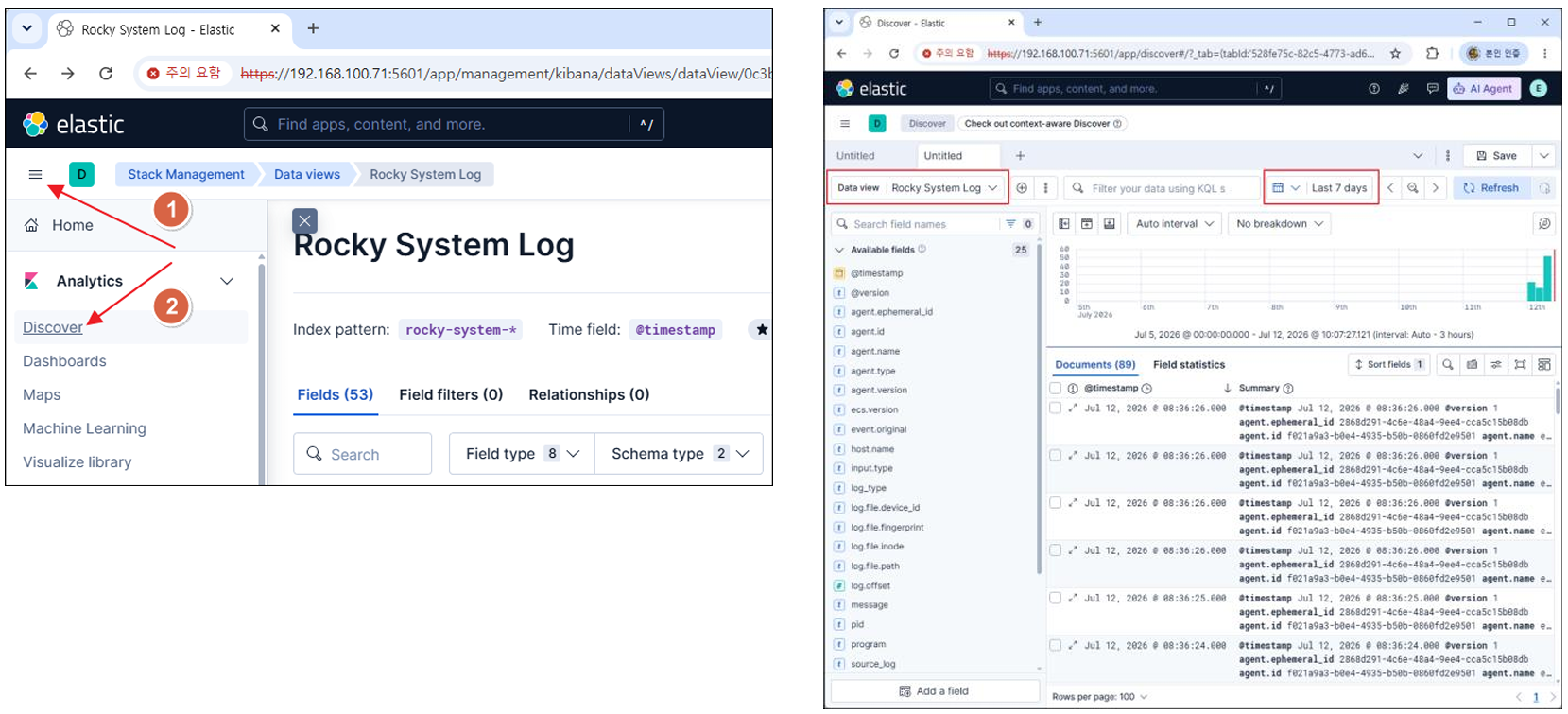
19. Modifying Filebeat Configuration Files and Verifying Log Collection
Rather than being an in-depth course on the Elastic Stack itself, these additional lectures are designed as practical application examples where you will create and modify various configuration files using vi/vim while setting up a Docker-based Elastic Stack practice environment.
I will prepare these to demonstrate how vi/vim is utilized in practical Linux server operations.
Thank you.
Linuxmaster.net

